
Living in a studio means every square foot has to earn its place, yet the occasional overnight visitor shouldn’t feel like an intrusion. By treating the guest area as a flexible, well‑thought‑out zone, you can keep the open‑plan feel of a studio while offering a comfortable place to rest. Below are seven ideas that walk you through layout, furniture, privacy, storage, lighting, and finishing touches, so the space works for you day‑to‑day and transforms smoothly when a friend stays the night.
1. Choose a Flexible Layout That Keeps Flow Open
© 2026 AI Illustrator — Inspiration Only
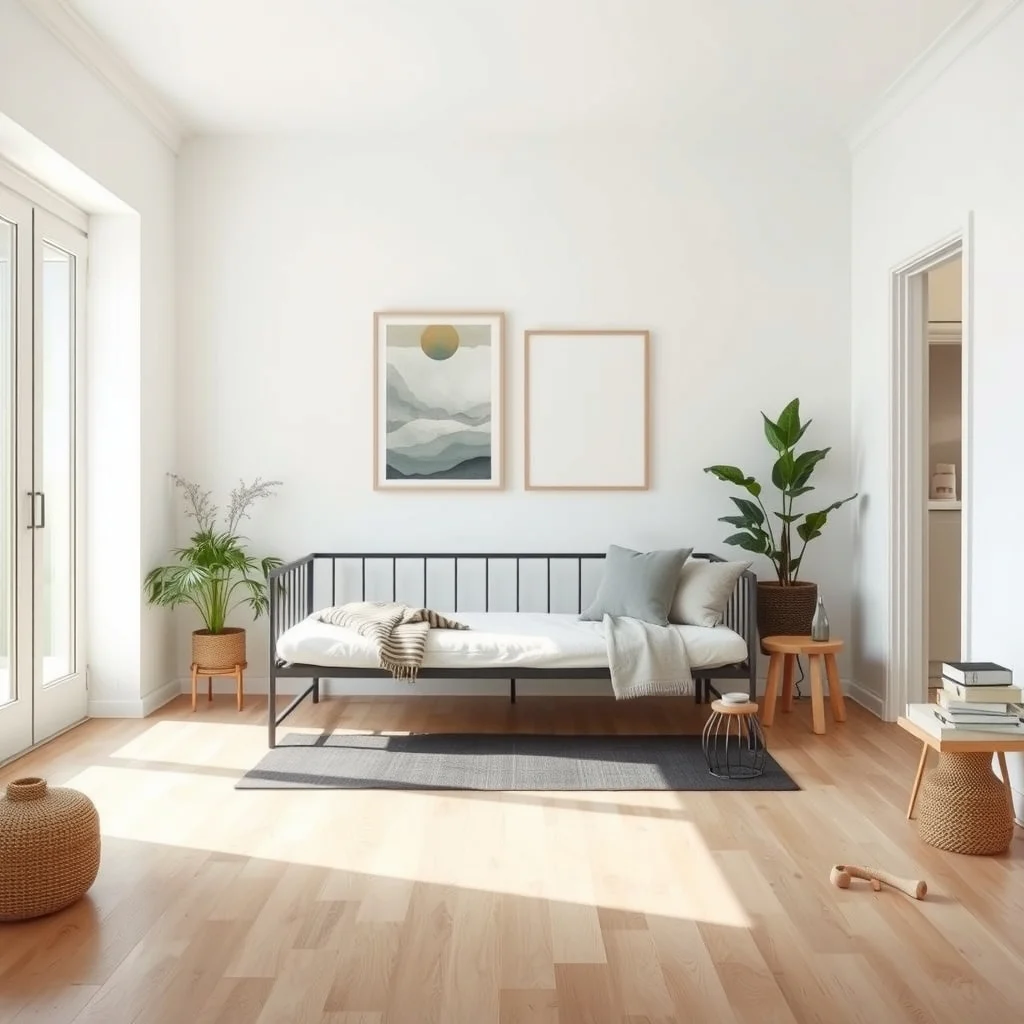
The first step is to map the studio’s circulation paths. Identify the main traffic lane—from the entry door to the kitchen or bathroom—and make sure any sleeping solution sits just off that line, not directly in it. A layout that leaves a clear corridor reduces the feeling of a cramped maze and lets you move between zones without stepping over a mattress. Positioning a sofa‑sleeper against a wall that already anchors the living area creates a visual boundary without adding a new partition. When the sofa folds out, the sleeping surface aligns with the existing furniture line, preserving the room’s linear rhythm. If the studio has a window on one side, placing the sleeping spot opposite the window can balance natural light and maintain a sense of openness.
What’s Your Apartment Decor Style?
Answer these quick questions to discover your perfect decor vibe.
2. Use a Daybed or Sofa‑Sleeper as a Dual‑Purpose Anchor
© 2026 AI Illustrator — Inspiration Only
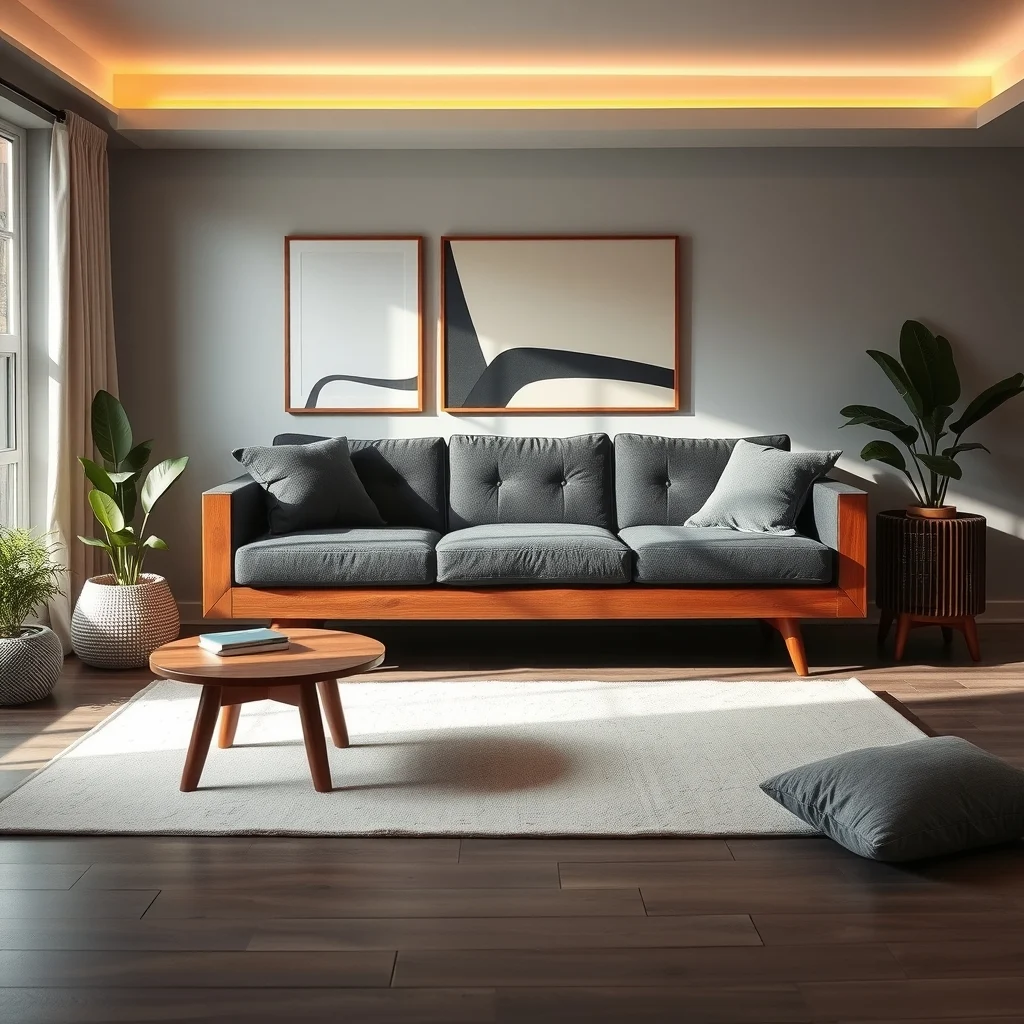
A daybed or sofa‑sleeper offers the most economical use of space because it serves as seating by day and a bed by night. Choose a model with a sturdy frame—solid wood or metal—so it feels stable when unfolded. Upholstery in a neutral tone such as warm greige or soft terracotta blends with most color palettes and won’t clash with seasonal décor changes. When closed, the backrest functions as a lounge cushion; when opened, a mattress thickness of at least four inches provides adequate support for most sleepers. Adding a removable cover lets you switch the fabric seasonally, extending the piece’s lifespan and keeping the look fresh. The trade‑off is that a larger sofa‑sleeper can dominate a tiny studio, so measuring the available wall length before purchase prevents a cramped feel.
3. Add a Portable Privacy Screen or Curtain
© 2026 AI Illustrator — Inspiration Only
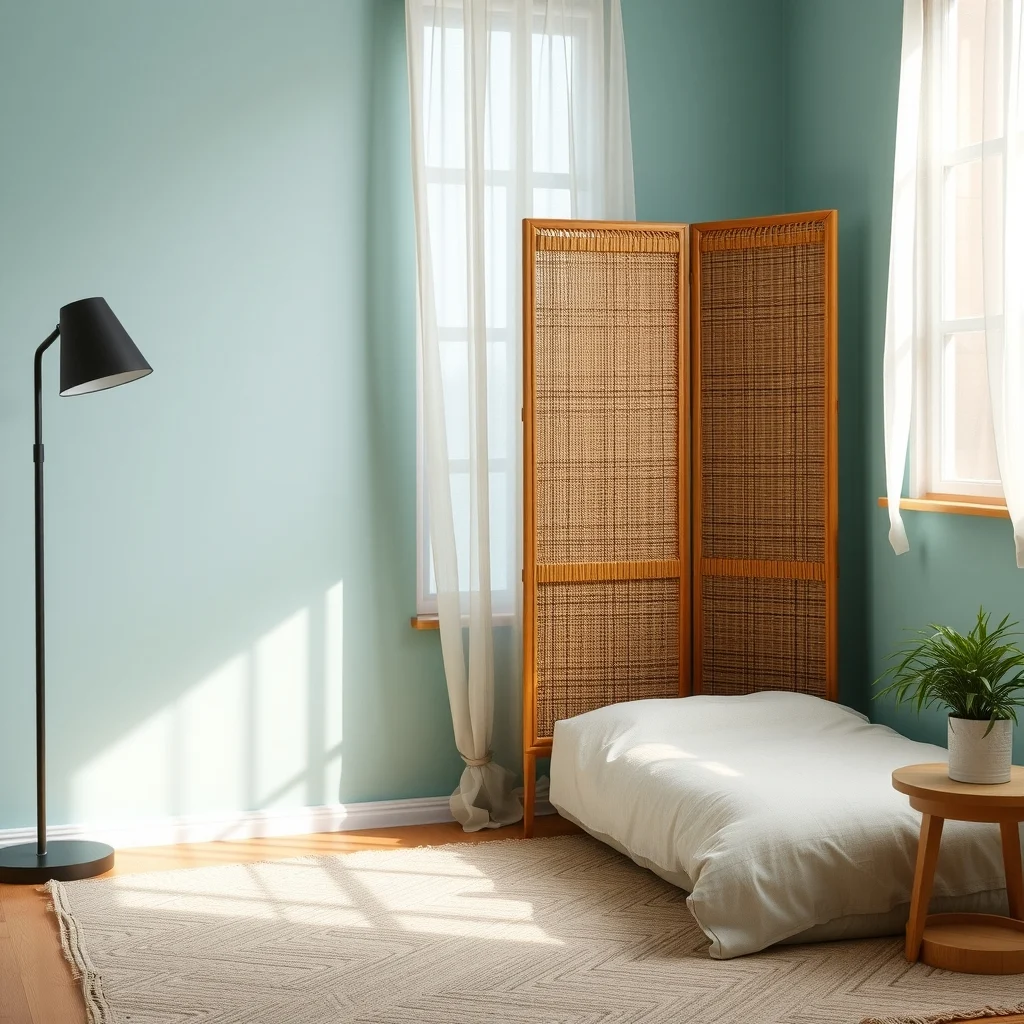
Even in an open‑plan studio, a sense of separation can make a guest feel more at ease. A folding screen made from lightweight wood or bamboo offers a quick visual barrier without permanent installation. If you prefer a softer edge, a ceiling‑mounted curtain on a tension rod can be drawn across the sleeping area and pulled back when not needed. Choose a fabric that complements the daybed’s upholstery—perhaps a linen in a muted olive or a woven cotton in subtle stripes. The screen or curtain should be tall enough to reach the ceiling, creating a feeling of enclosure without sacrificing height. Keep in mind that a heavy, solid partition would block airflow; a breathable material maintains a fresh atmosphere while still providing privacy.
4. Layer Soft Textiles for Comfort and Visual Warmth
© 2026 AI Illustrator — Inspiration Only
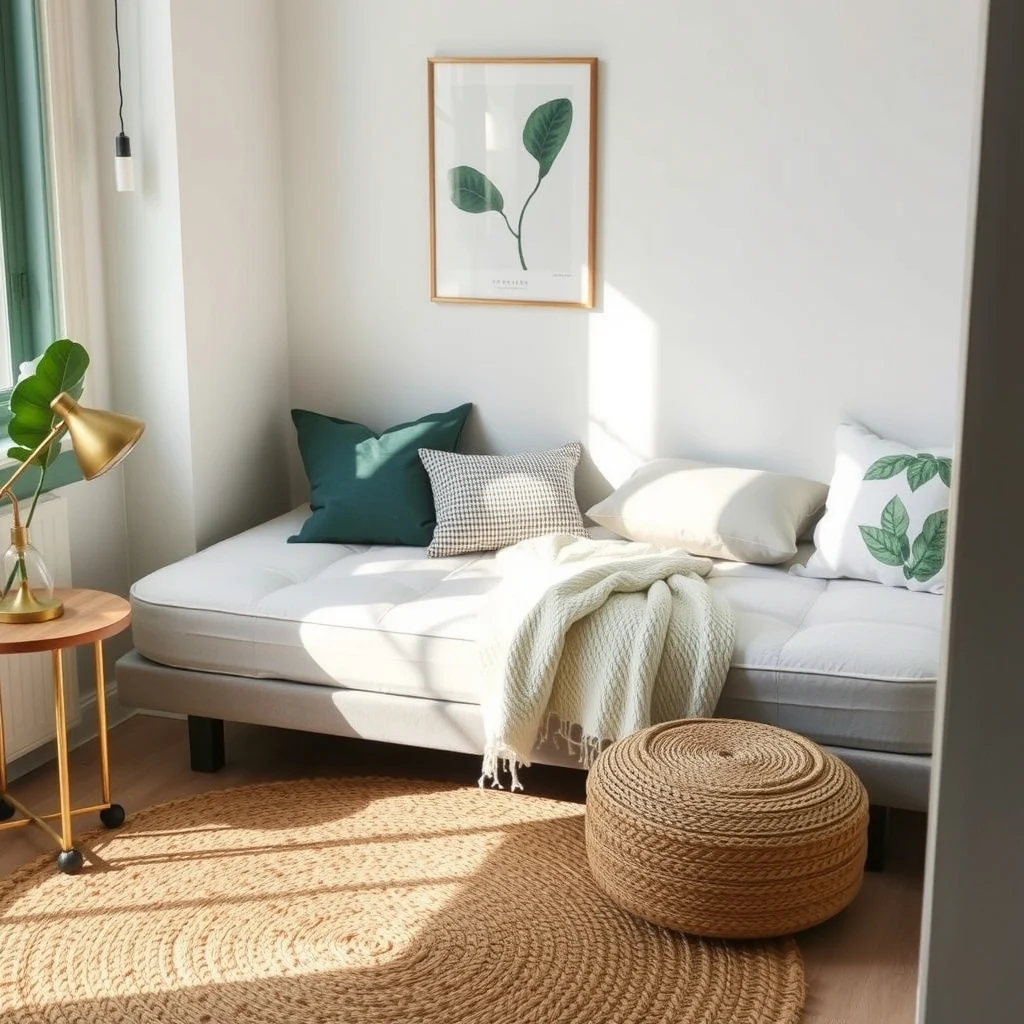
Textiles are the easiest way to make a temporary sleeping spot feel inviting. Start with a high‑quality mattress pad or fitted sheet in a natural fiber like cotton or linen; these materials breathe well and are easy to wash. Add a plush throw in a complementary hue—perhaps a deep teal or muted mustard—to drape over the backrest when the sofa is used for seating. A few decorative pillows in varying textures—such as boucle, velvet, or woven wool—introduce depth without overwhelming the space. The layering approach also lets you swap pieces seasonally, keeping the room feeling current. One limitation is that too many pillows can crowd a narrow sofa, so select a handful that add comfort without restricting the sleeping surface.
5. Incorporate Smart Storage Solutions That Hide Bedding
© 2026 AI Illustrator — Inspiration Only
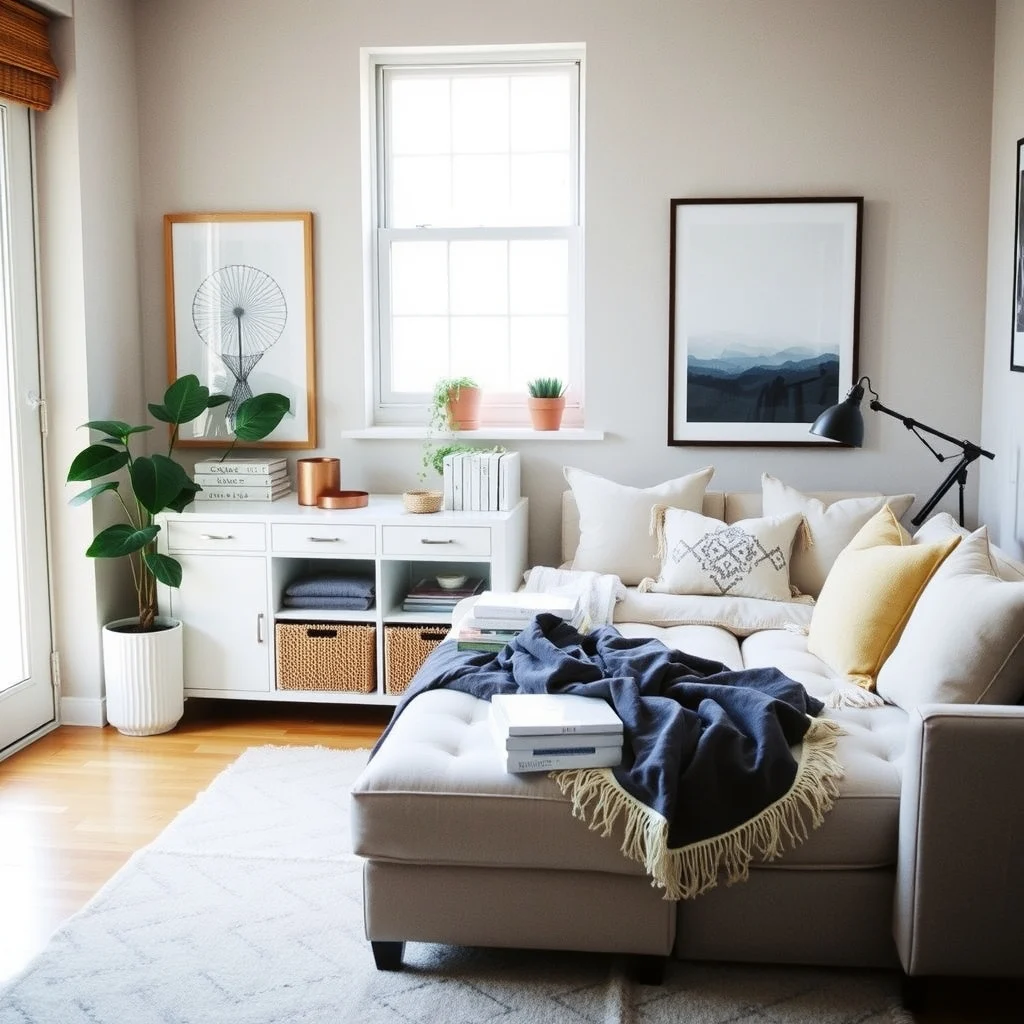
Storing sheets, blankets, and pillows out of sight is essential for a tidy studio. Look for a low console or ottoman with a lift‑top that can double as a nightstand; the interior compartment is perfect for rolled blankets and spare pillows. If the daybed has a built‑in storage box underneath, use it for linens and keep the space clutter‑free. Open shelving can hold decorative baskets—woven or metal—that conceal extra bedding while adding a decorative element. The key is to choose storage that matches the room’s material palette; a brushed brass handle on an ottoman ties in nicely with a modern kitchen faucet, for example. Be aware that deep storage can be hard to reach in a low‑profile piece, so keep the most frequently used items in the easiest‑to‑access spot.
6. Light the Area with Adjustable Fixtures
© 2026 AI Illustrator — Inspiration Only
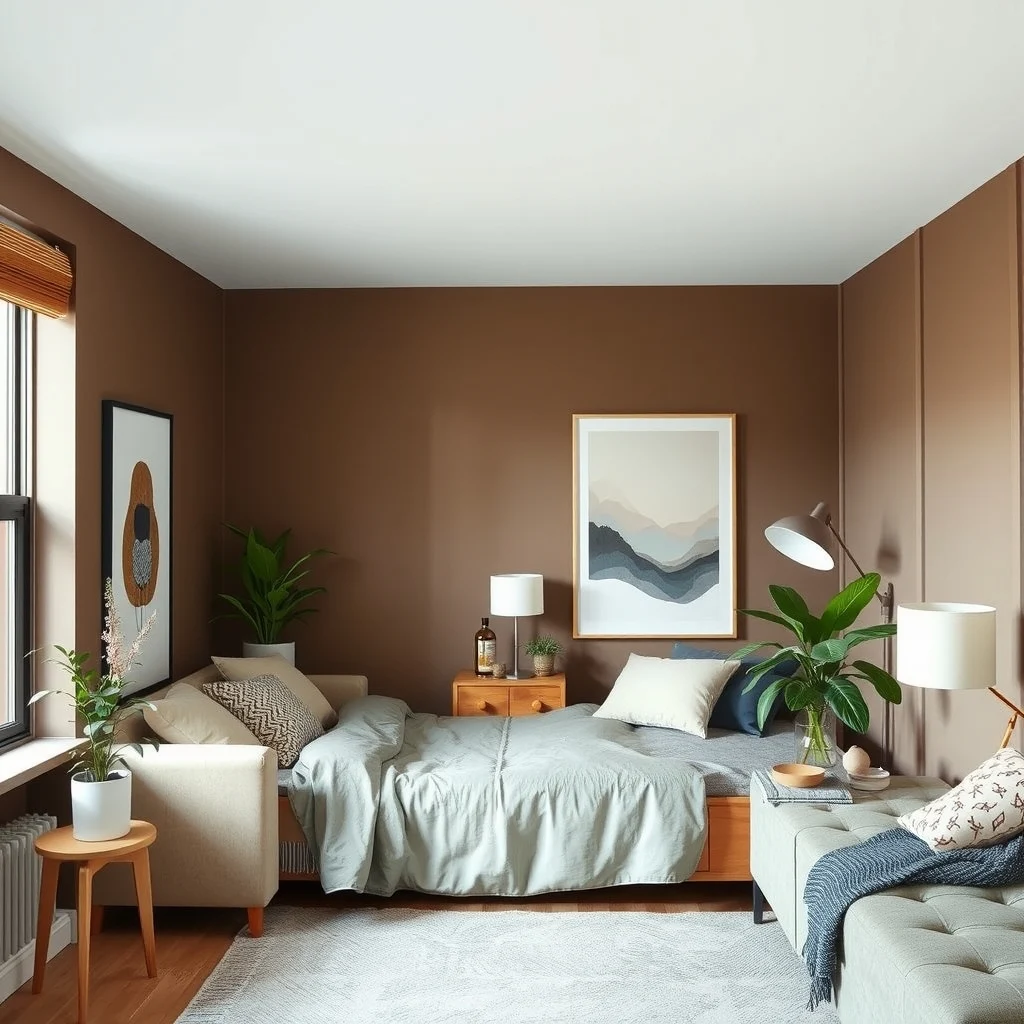
Good lighting transforms a sleeping nook from a functional spot to a welcoming retreat. Overhead recessed lighting provides even illumination for everyday activities, but adding a floor lamp or a table lamp near the headboard creates a softer, more intimate glow for bedtime. Choose a lamp with a dimmer switch so you can lower the light level without reaching for a separate device. A warm‑white LED bulb (around 2700 K) mimics the gentle hue of an evening lamp, helping the body wind down. If the studio has limited floor space, a wall‑mounted swing arm lamp can free up room while still directing light where it’s needed. The downside of relying solely on overhead light is that it can feel harsh; layering a lower‑level source balances the ambiance.
7. Finish with Personal Touches That Signal Welcome
© 2026 AI Illustrator — Inspiration Only
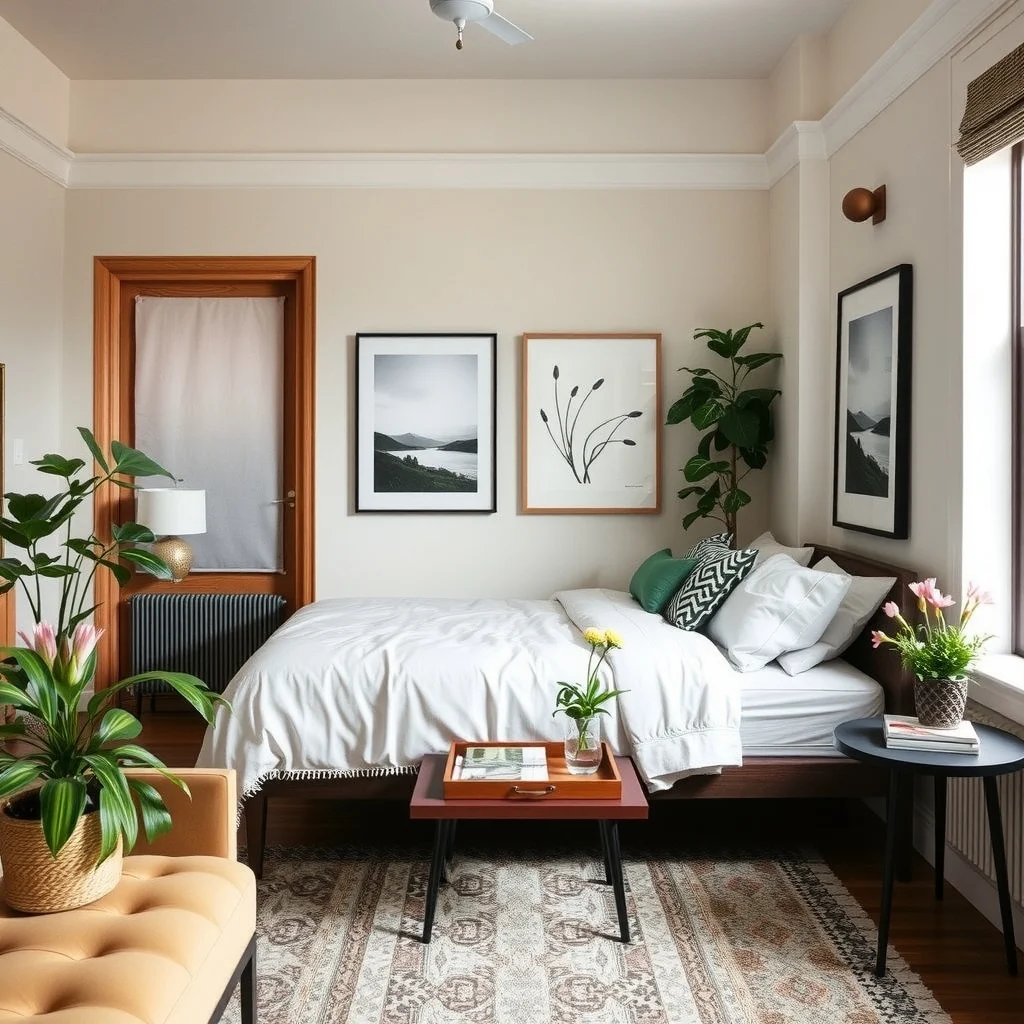
Small details tell a guest they are considered. A small tray with a glass of water, a few fresh flowers, or a stack of magazines placed on the side table adds hospitality without clutter. A framed piece of artwork that reflects the host’s style—perhaps a black‑and‑white photograph or a modest abstract print—creates a focal point above the sleeping area and draws the eye upward, making the ceiling feel higher. Scent also plays a role; a subtle diffuser with a calming aroma such as lavender or cedar can make the space feel more restful. Keep in mind that too many decorative objects can crowd a modest studio, so select a handful of items that carry personal meaning.
FAQ
© 2026 AI Illustrator — Inspiration Only
Can I use a futon instead of a sofa‑sleeper?
Yes, a futon can serve the same dual purpose, but it typically offers a firmer sleeping surface and may require a separate cushion for daytime seating.
How do I keep the guest area from feeling like a permanent bedroom?
Maintain the studio’s overall aesthetic by using the same color palette and materials throughout, and keep the sleeping furniture unobtrusive when folded.
What is the best way to store extra blankets in a small studio?
Utilize furniture with hidden compartments, such as an ottoman with a lift‑top, or place rolled blankets in decorative baskets on low shelves.
Is a floor lamp appropriate if I have low ceilings?
A floor lamp works well if it has a slim profile and a shaded top that directs light downward; otherwise, a wall‑mounted swing arm can be a safer choice.
Do I need to buy a new mattress for the guest space?
A high‑quality mattress pad or topper placed on a sofa‑sleeper usually provides enough comfort for occasional guests, avoiding the expense of a separate mattress.
Final Thoughts
© 2026 AI Illustrator — Inspiration Only
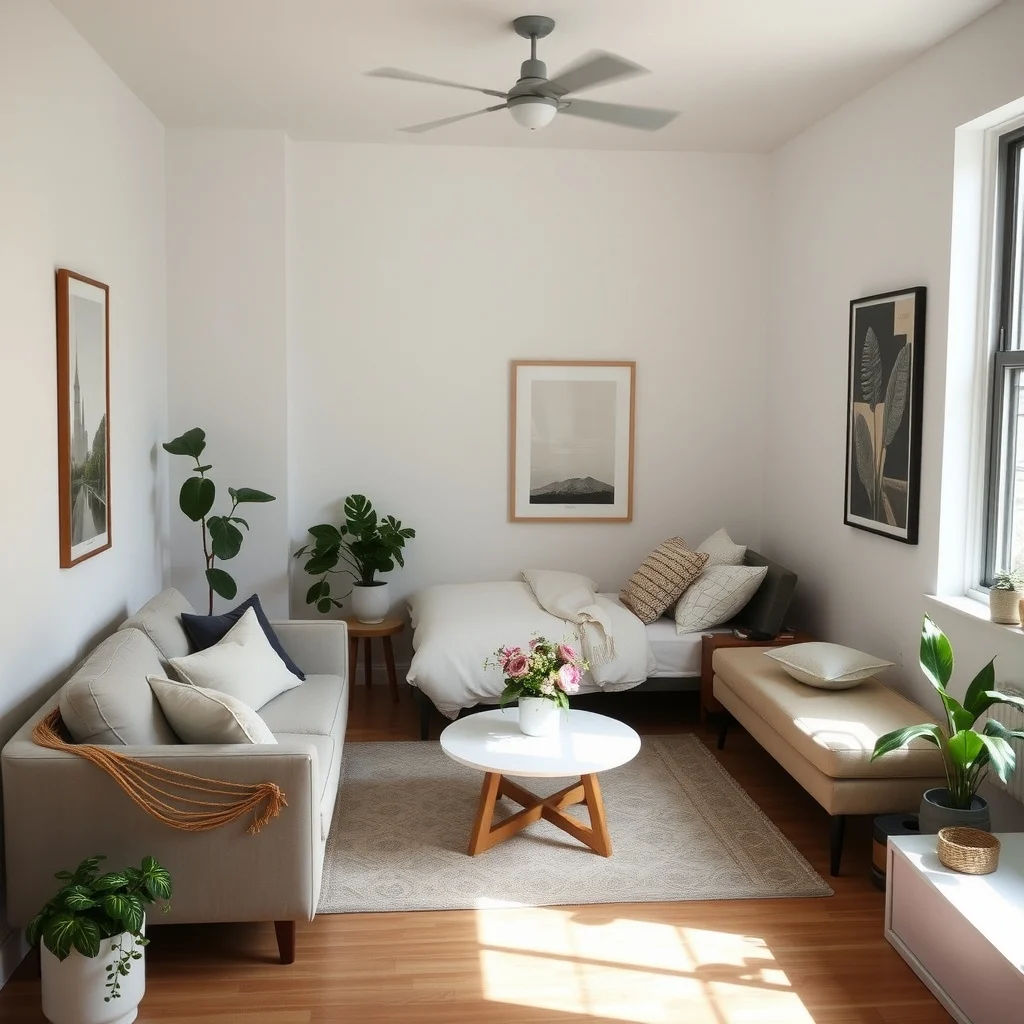
Creating a guest sleeping space in a studio apartment is less about adding new furniture and more about rethinking how existing pieces can serve multiple roles. By arranging the layout to preserve circulation, selecting dual‑purpose seating, adding lightweight privacy, layering textiles, and incorporating clever storage and lighting, you build a welcoming nook that folds back into daily life without sacrificing style. The result is a studio that feels open and organized, yet ready to host a friend comfortably whenever the need arises.