
Living in a studio often feels like sharing a single canvas with every daily activity. When the bedroom, living room, and work zone collapse into one footprint, noise and visual clutter can quickly erode the sense of calm you crave after a long day. The challenge is to carve out pockets of serenity without sacrificing the limited square footage you have. Below are seven ideas that blend function and tranquility, giving you a place that feels both spacious and soothing.
1. Create a Visual Divide with a Low‑Profile Partition
© 2026 AI Illustrator — Inspiration Only
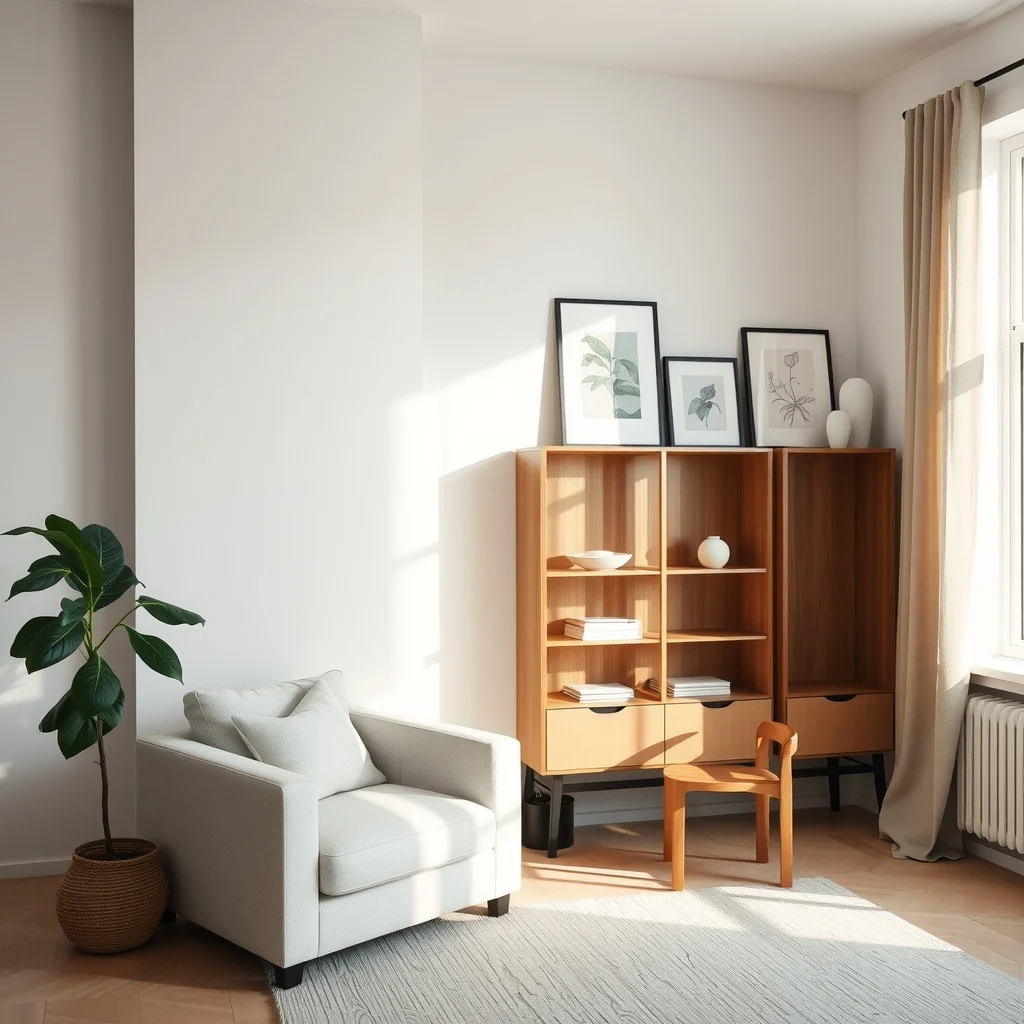
A low‑profile partition can signal a shift from public to private without blocking natural light. Think of a slim wooden screen, a set of open shelving, or a tall indoor plant standing in a sleek metal pot. The visual break defines a sleeping zone while still allowing air and light to flow across the room. Because the barrier is not floor‑to‑ceiling, you avoid the feeling of confinement that a solid wall can create. When selecting a material, consider something lightweight yet sturdy—laminated oak or powder‑coated steel works well and is easy to clean. If you need flexibility, choose a piece on wheels so you can reposition it for gatherings or a quiet night in. The trade‑off is that a partition does not provide sound insulation; for louder neighbors, pairing it with a heavy curtain can add a modest layer of acoustic dampening.
What’s Your Apartment Decor Style?
Answer these quick questions to discover your perfect decor vibe.
2. Anchor the Space with a Multi‑Functional Sofa Bed
© 2026 AI Illustrator — Inspiration Only
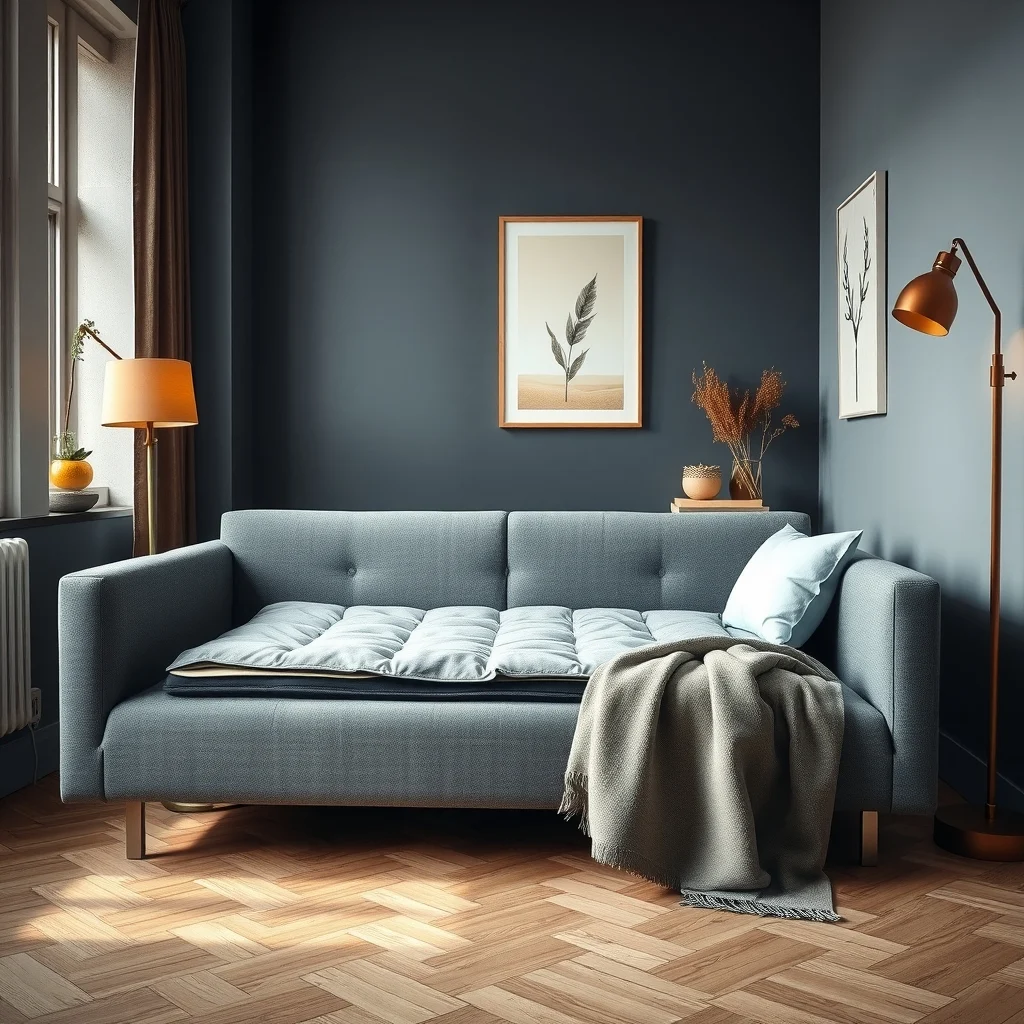
In a studio, the sofa often doubles as the primary seating and the sleeping surface. Opt for a model with a firm mattress core and a supportive backrest that can be used for reading or meditation during the day. Upholstery in a soft, natural fiber such as linen or brushed cotton invites touch and breathes better than synthetic blends, reducing the buildup of static or odors. A neutral tone—think warm greige or muted teal—allows you to layer colorful cushions without overwhelming the room’s palette. Look for hidden storage beneath the seat; a few neatly folded blankets or a stack of favorite books stay out of sight, preserving the clean aesthetic essential for a quiet environment. Be aware that a heavier sofa can dominate the floor plan, so measure carefully to keep enough walking space around the partition and the entryway.
3. Layer Soft Lighting to Signal Calm
© 2026 AI Illustrator — Inspiration Only
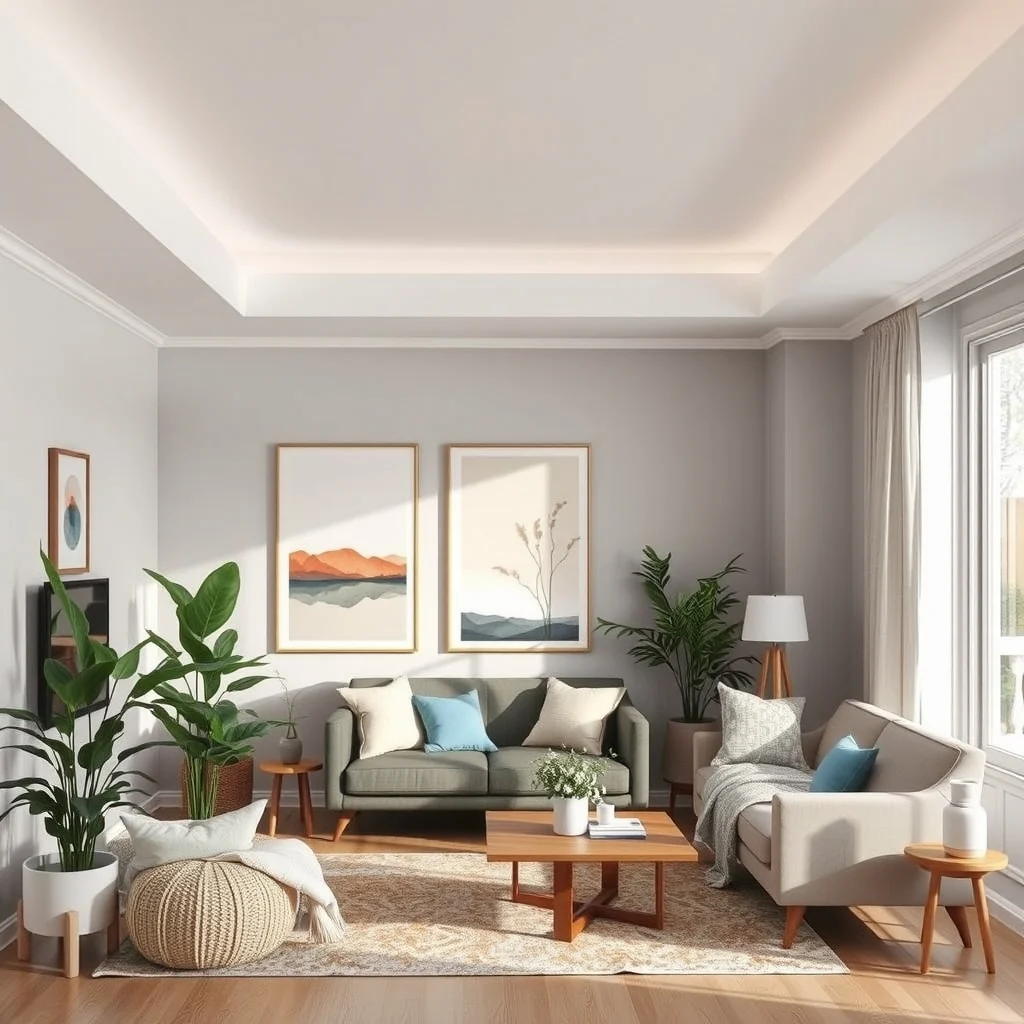
Lighting is the most subtle way to tell your brain it’s time to unwind. Begin with a dimmable overhead fixture that casts a gentle wash across the entire studio, then add a table lamp on the nightstand and a floor lamp beside the reading chair. A lamp with a fabric shade diffuses the glow, creating a warm pool of light that encourages relaxation. Position the lights so the brightest source is not directly above the sleeping area; a softer glow reduces the urge to stay alert. If you enjoy a hint of natural ambience, a small LED strip hidden behind the partition’s top edge can mimic the soft glow of sunrise. The downside of multiple light sources is the need for coordinated switches; a single smart plug or a small wireless dimmer can keep the system manageable.
4. Choose a Muted Palette and Natural Textures
© 2026 AI Illustrator — Inspiration Only
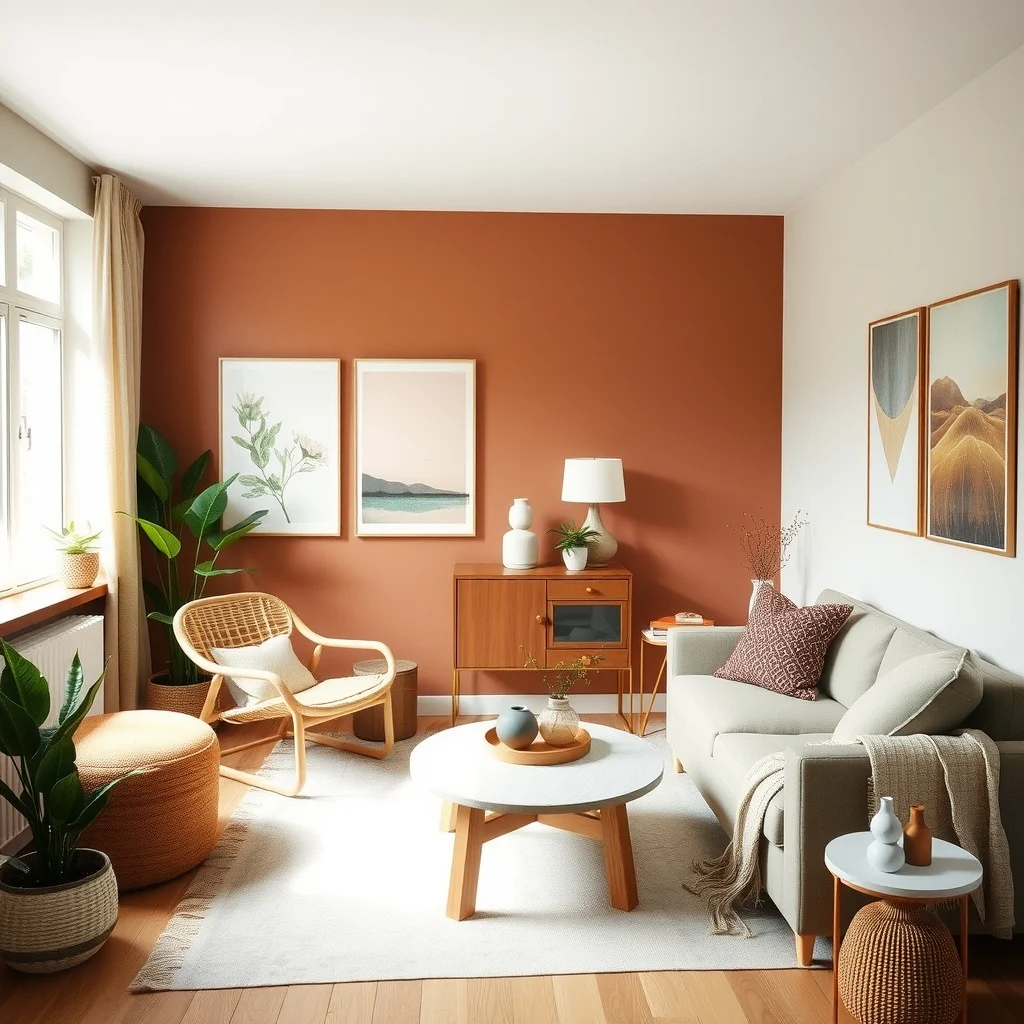
Colors influence mood as much as sound does. A palette of muted earth tones—soft terracotta, dove‑gray, and sage green—creates a backdrop that feels restful without feeling sterile. Pair these hues with textures that invite the hand: a woven jute rug underfoot, a chunky knit throw draped over the sofa, and a reclaimed‑wood coffee table that adds subtle grain patterns. Natural materials absorb and release humidity slowly, which can help maintain a comfortable indoor climate, especially in smaller spaces. When selecting paint, a low‑sheen finish reduces glare from windows while being easier to touch up than high‑gloss options. Keep in mind that very light colors may show dust more readily, so a regular gentle cleaning routine is advisable.
5. Carve Out a Dedicated Nook for Mindful Activities
© 2026 AI Illustrator — Inspiration Only
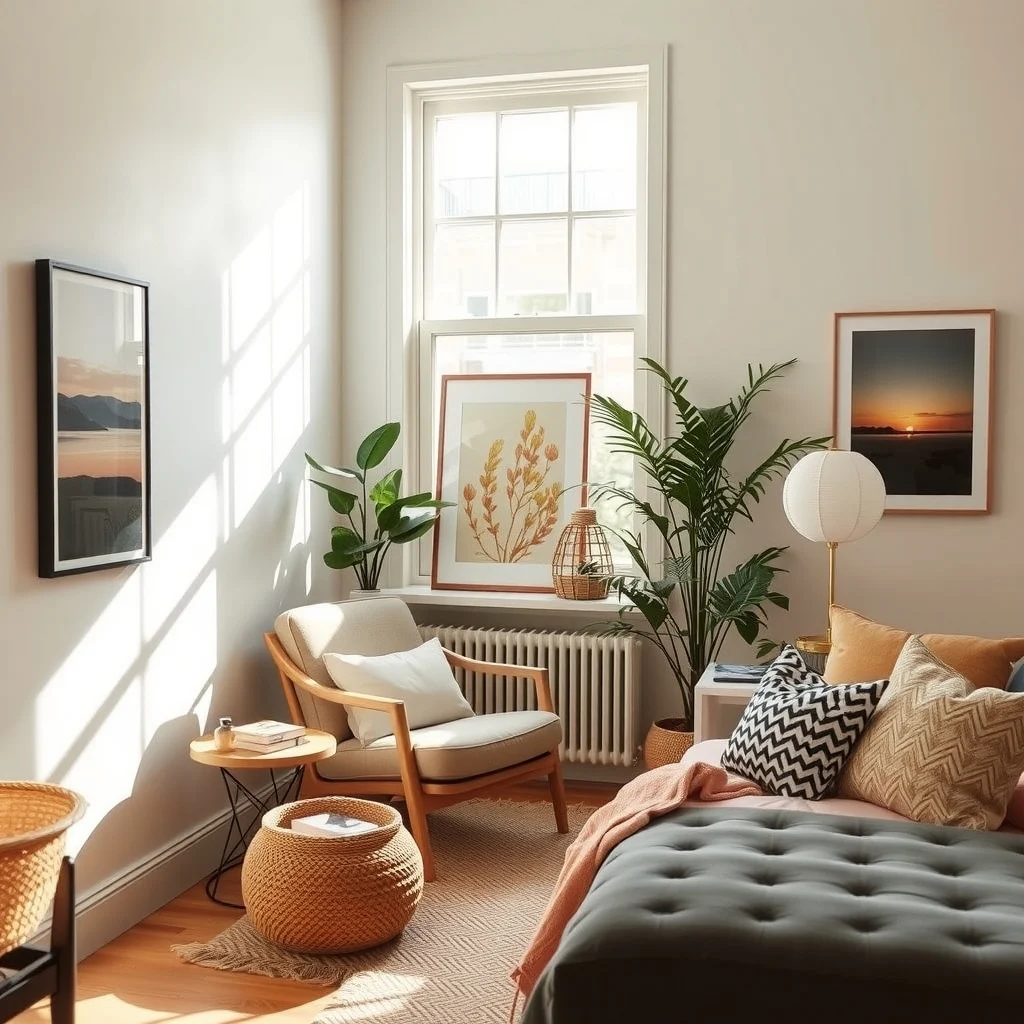
Even a few square feet set aside for meditation, journaling, or simply sipping tea can become the heart of your retreat. Place a compact armchair or a floor cushion near a window, and add a small side table to hold a candle or a stack of notebooks. A narrow bookshelf or a floating shelf above the nook can store a selection of calming reads, a small incense holder, or a speaker for soft ambient sounds. The key is to keep the area free of work‑related items; a visual separation reinforces the mental shift from productivity to peace. If floor space is at a premium, a wall‑mounted fold‑down desk can serve the same purpose, folding away when not in use. The only limitation is that a nook without a clear visual cue may blend into the rest of the room, so a distinct rug or a contrasting wall color helps signal its purpose.
6. Optimize Storage to Keep Clutter at Bay
© 2026 AI Illustrator — Inspiration Only
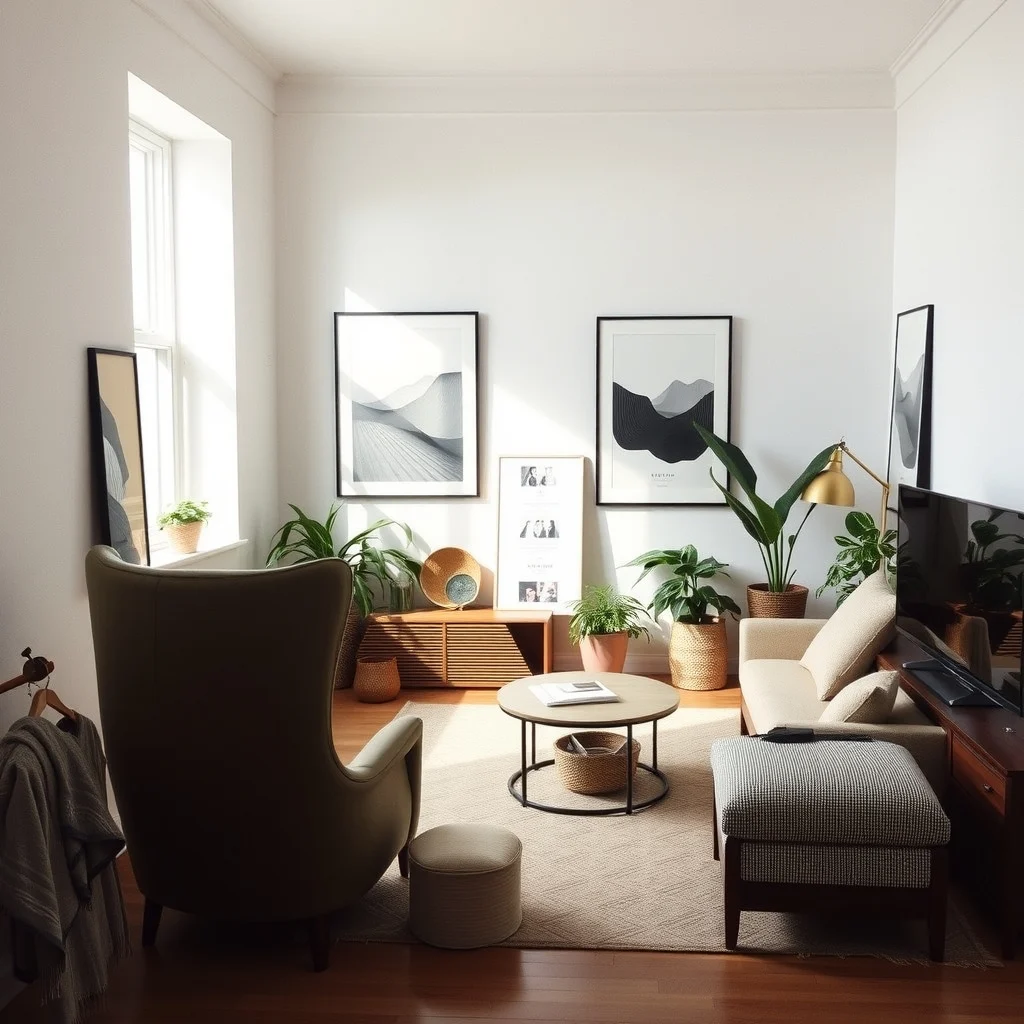
Clutter is the enemy of calm, especially in a studio where every object competes for attention. Look for furniture that hides away belongings: a high‑back chair with a hollow base, a coffee table with drawers, or a wall‑mounted ladder shelf that stores folded blankets on its rungs. Vertical storage makes the most of the limited floor area; tall cabinets that reach just below the ceiling can hold seasonal items without imposing on the living space. When arranging storage, keep frequently used pieces—like a favorite mug or a yoga mat—within arm’s reach, while tucking away less‑used items in higher or deeper compartments. The trade‑off is that taller storage can feel imposing if the ceiling is low; in such cases, a series of mid‑height shelves spaced evenly can achieve the same organization without overwhelming the eye.
7. Bring the Outdoors In with Quiet‑Enhancing Greenery
© 2026 AI Illustrator — Inspiration Only
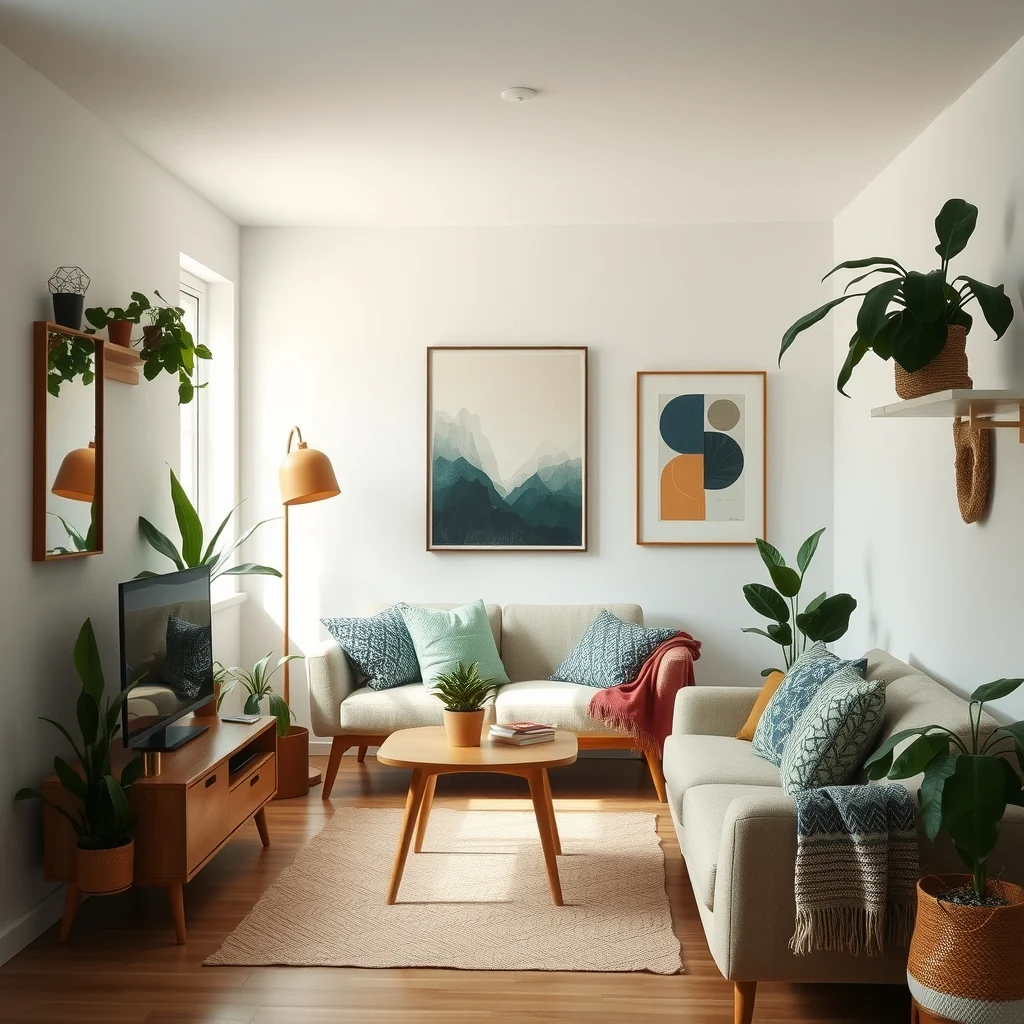
Plants do more than add visual interest; they absorb ambient noise and improve air quality, both of which contribute to a more peaceful environment. Choose varieties that thrive in low‑light conditions, such as snake plant, ZZ plant, or pothos, and place them on the partition, the windowsill, or a dedicated plant stand. A tall, leafy plant positioned near the sleeping zone can act as a natural sound barrier, softening the echo of city traffic that may drift through thin walls. Pair the greenery with simple ceramic pots in matte finishes to keep the aesthetic cohesive. Remember that over‑watering is a common pitfall; a saucer and a moisture‑meter can help you maintain healthy roots without creating a mess.
FAQ
© 2026 AI Illustrator — Inspiration Only
How can I make a studio feel larger without sacrificing privacy?
Use visual breaks like low partitions and keep the color palette light and consistent; this maintains openness while still defining separate zones.
What type of flooring works best for sound absorption?
Soft flooring such as cork, plush rugs, or woven natural fibers dampens footsteps and reduces echo, making the space feel quieter.
Is a wall‑mounted desk a good idea for a studio?
A wall‑mounted desk folds away when not in use, preserving floor space and allowing you to switch between work and relaxation zones easily.
Can I use curtains as a sound buffer?
Heavy, floor‑length curtains made from dense fabrics like linen‑cotton blends can add a modest layer of acoustic insulation while also providing visual privacy.
What lighting temperature is most conducive to winding down?
Warm white bulbs around 2700 K create a cozy glow that signals the body to relax, whereas cooler daylight bulbs are better suited for focused tasks.
Final Thoughts
© 2026 AI Illustrator — Inspiration Only
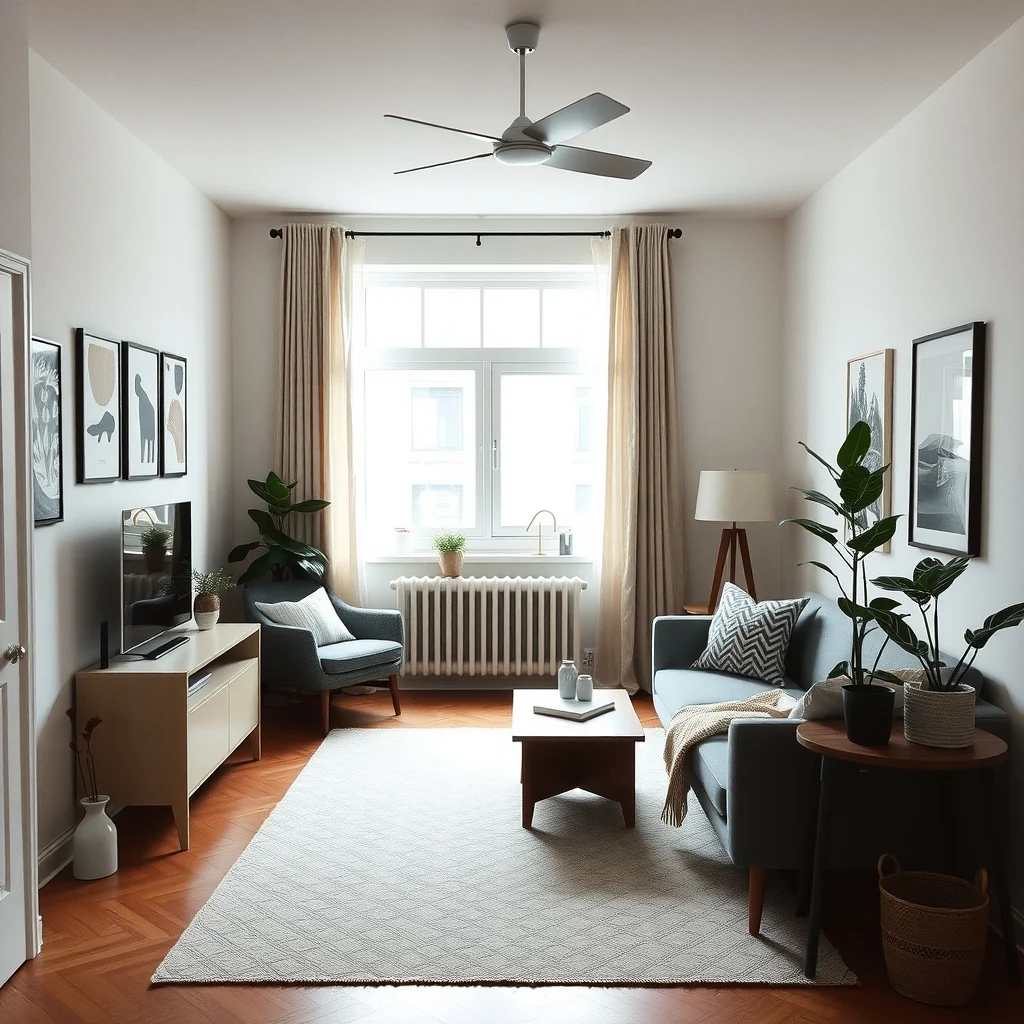
Designing a studio that doubles as a quiet retreat is less about adding more items and more about curating each element with intention. By defining zones with gentle partitions, choosing furniture that serves multiple purposes, and layering soft lighting, you create an environment that encourages calm without feeling cramped. Thoughtful color choices, strategic storage, and a touch of greenery complete the picture, turning a compact footprint into a sanctuary you look forward to returning to each day. With these ideas in hand, you can shape a studio that respects both the practical demands of city living and the personal need for peaceful space.