
Living in a compact apartment often means you have to get creative with the space you already have. A warm, inviting atmosphere doesn’t require a new sofa or extra chairs; it’s more about the subtle cues that make a room feel lived‑in and comfortable. Below are seven ways to coax a sense of coziness from the rooms you already own, using light, texture, and thoughtful arrangement.
1. Layer Light to Shape Mood
© 2026 AI Illustrator — Inspiration Only
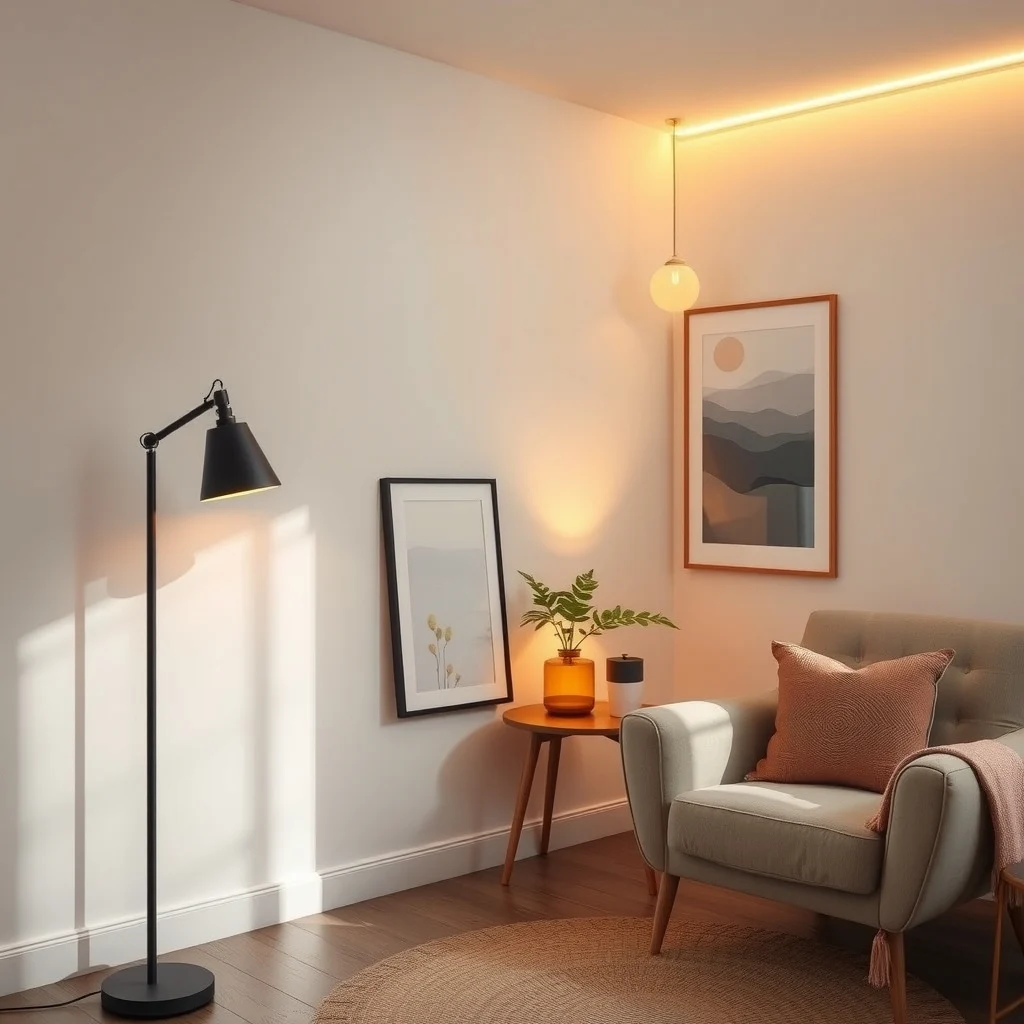
Instead of relying solely on the ceiling fixture, introduce a mix of light sources that can be turned on and off independently. A soft table lamp beside a reading nook, a slim floor lamp in the corner, and a string of warm‑glow LEDs along a bookshelf each add a gentle layer of illumination. This approach creates depth; when the overhead light is dimmed, the secondary sources become the focal point, casting a gentle glow that invites you to linger. Choose bulbs with a color temperature around 2700 K for a buttery hue that feels natural after sunset. The trade‑off is that you’ll need a few extra plugs or a small power strip, but the result is a room that adjusts to any time of day without feeling harsh.
What’s Your Apartment Decor Style?
Answer these quick questions to discover your perfect decor vibe.
2. Embrace Soft Textiles for Tactile Warmth
© 2026 AI Illustrator — Inspiration Only
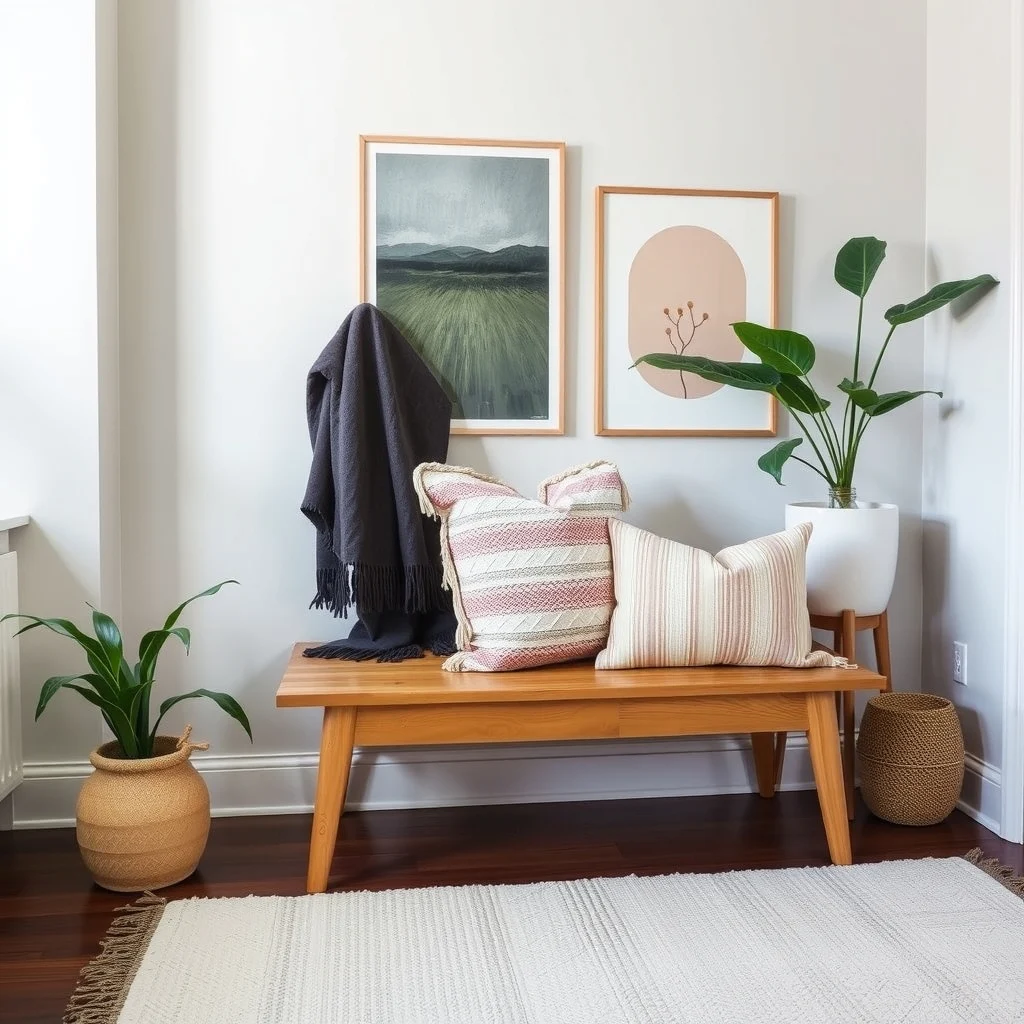
Fabrics are the quickest way to add comfort without sacrificing floor space. A plush throw draped over the back of a chair, a handful of woven cushions on a low bench, or a thick rug underfoot each introduce a tactile element that beckons you to sit, curl up, and stay awhile. Natural fibers such as linen, cotton, or wool breathe better than synthetics, making them easier to clean and less likely to trap dust. When selecting colors, lean toward muted earth tones or soft pastels that reflect light rather than absorb it, ensuring the room stays bright. The downside is that textiles require regular laundering, but the added sense of softness more than compensates.
3. Add Greenery to Bring Life Indoors
© 2026 AI Illustrator — Inspiration Only
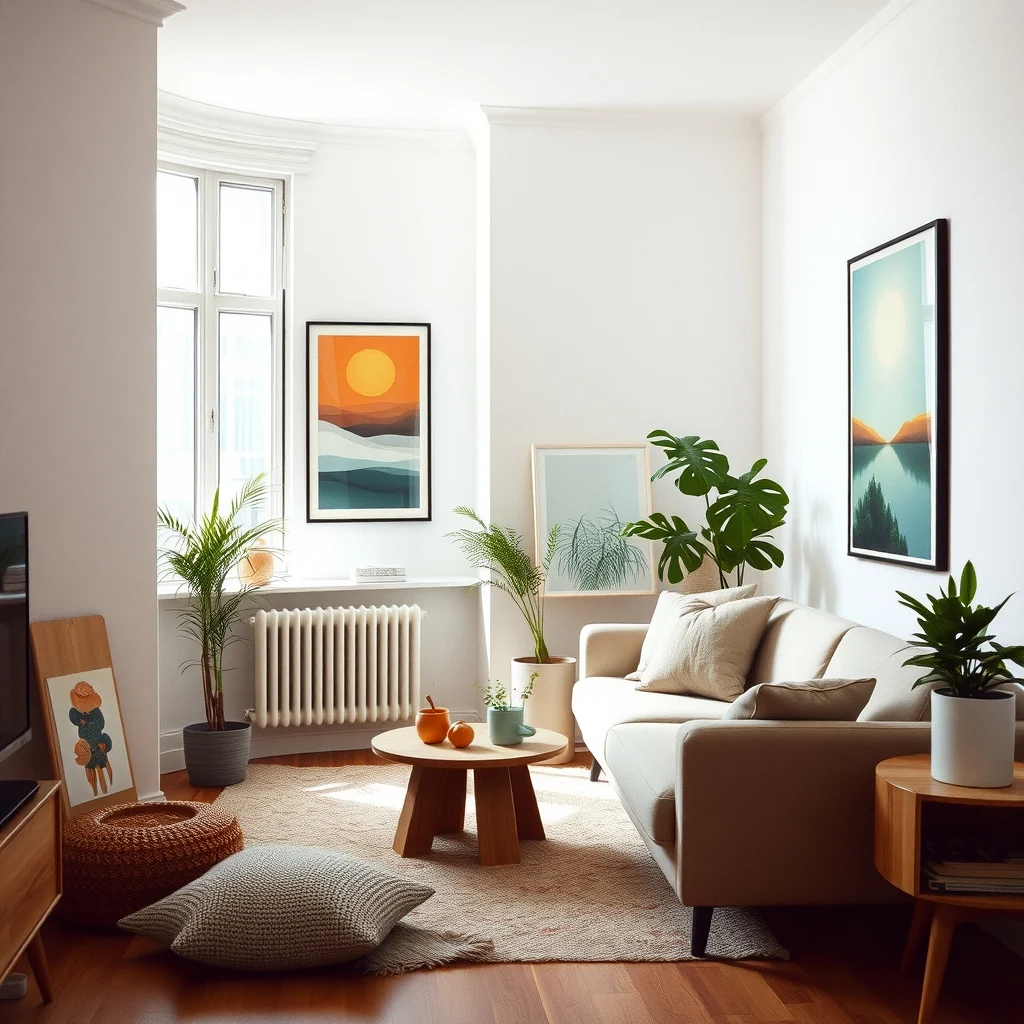
A few well‑placed houseplants can transform a sterile surface into a living, breathing corner. A tall snake plant in an empty corner draws the eye upward, while a trailing pothos on a windowsill softens the edge of a desk. Green foliage releases oxygen and introduces subtle shades of green that soothe the eye, making the space feel more organic. When choosing plants, consider the light exposure of each area; low‑light tolerant varieties thrive in rooms with minimal sunlight, while succulents prefer bright windows. Keep in mind that plants need watering and occasional pruning, but the visual payoff and air‑purifying benefits are worth the modest upkeep.
4. Use Mirrors to Expand Visual Space
© 2026 AI Illustrator — Inspiration Only
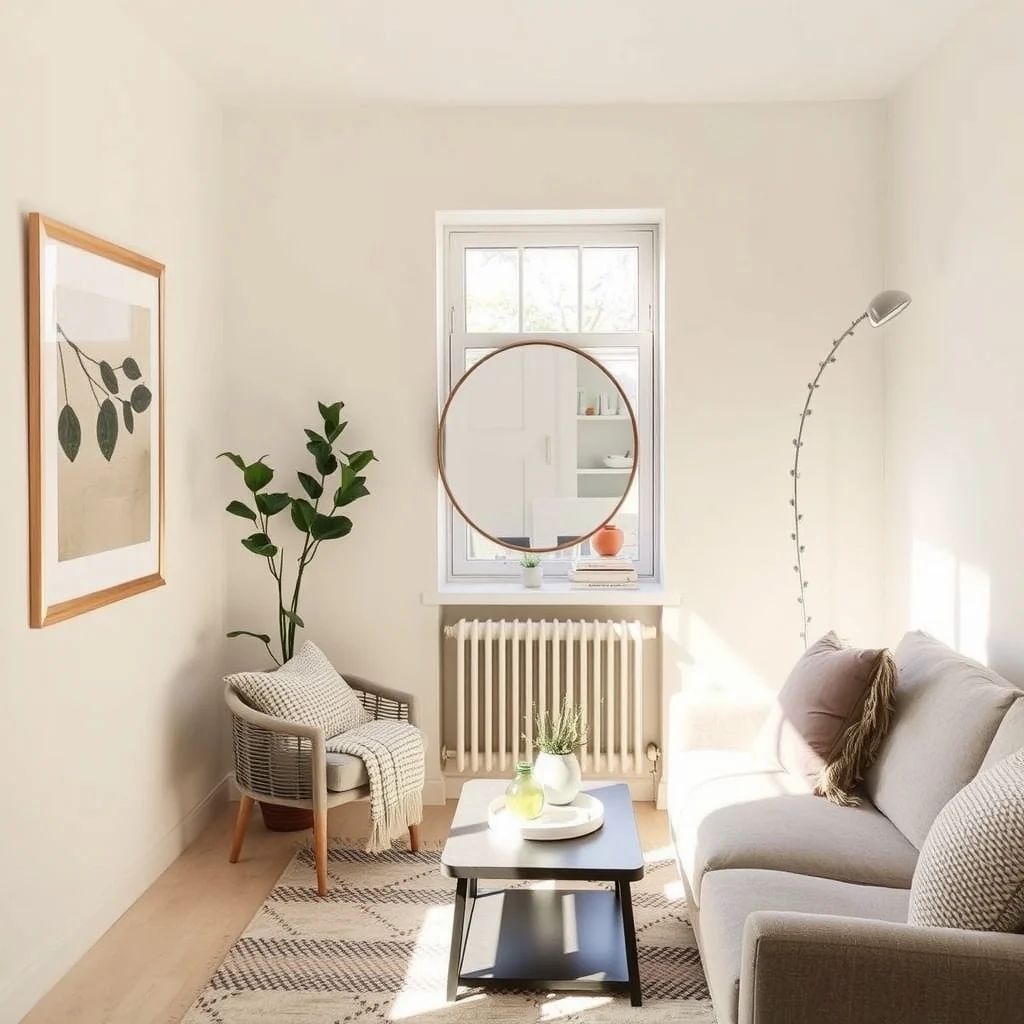
Strategically placed mirrors reflect both natural and artificial light, making a modest room feel larger and brighter. Position a medium‑sized mirror opposite a window to bounce daylight across the floor, or hang a decorative oval above a console to create a focal point that also doubles as a light amplifier. The reflective surface adds a subtle sparkle without adding clutter, and the visual expansion helps the eye wander, reducing the feeling of confinement. However, avoid placing mirrors directly across from each other, as this can create a dizzying effect rather than a calming one.
5. Define Zones with Rugs and Floor Coverings
© 2026 AI Illustrator — Inspiration Only
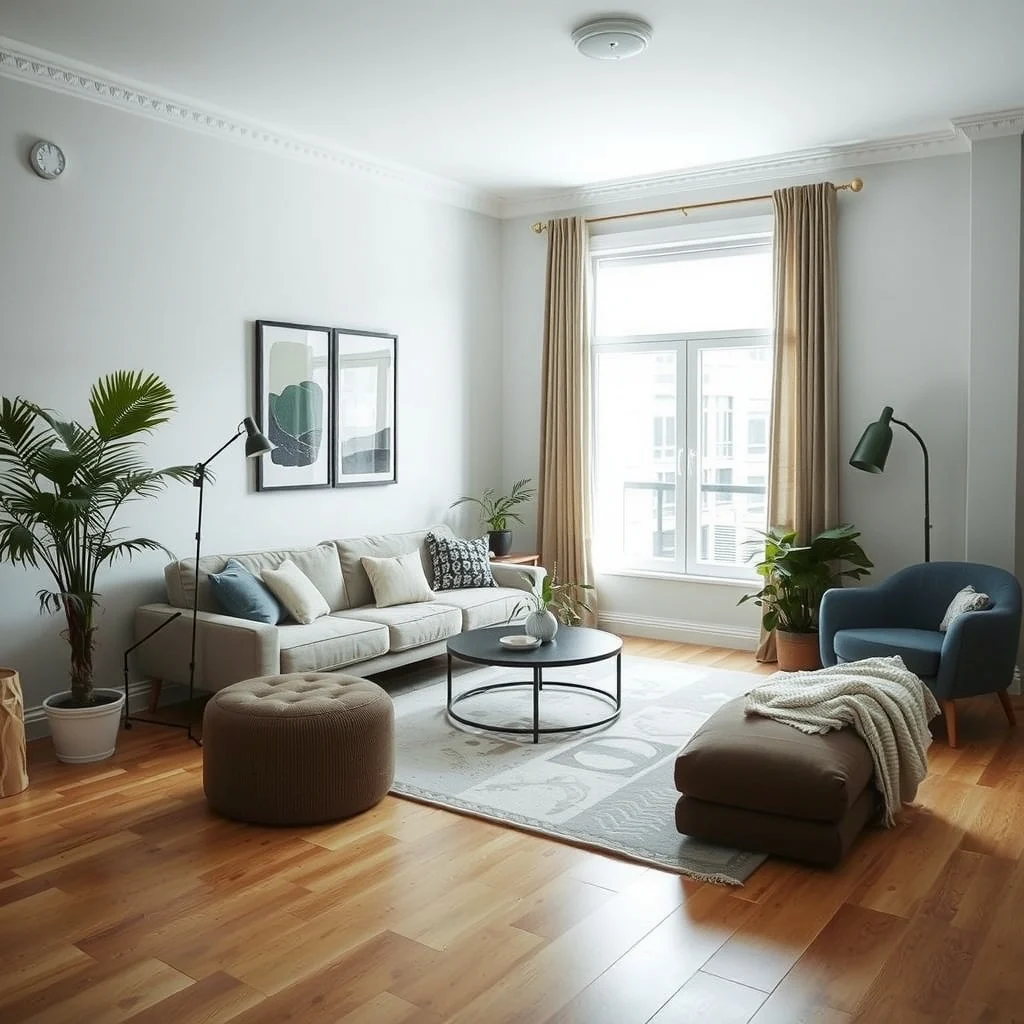
Even in an open‑plan layout, a rug can delineate a lounge area, a reading corner, or a workspace without erecting walls. Choose a rug with a low pile that feels comfortable underfoot yet is easy to roll up for cleaning. A pattern that incorporates the room’s existing color palette ties the zones together while still marking a subtle boundary. By anchoring furniture to the rug, you give each area its own identity, which encourages you to use the space more intentionally. The only consideration is that larger rugs may require more frequent vacuuming, but the sense of order they bring often outweighs the extra maintenance.
6. Incorporate Scent to Trigger Comfort
© 2026 AI Illustrator — Inspiration Only
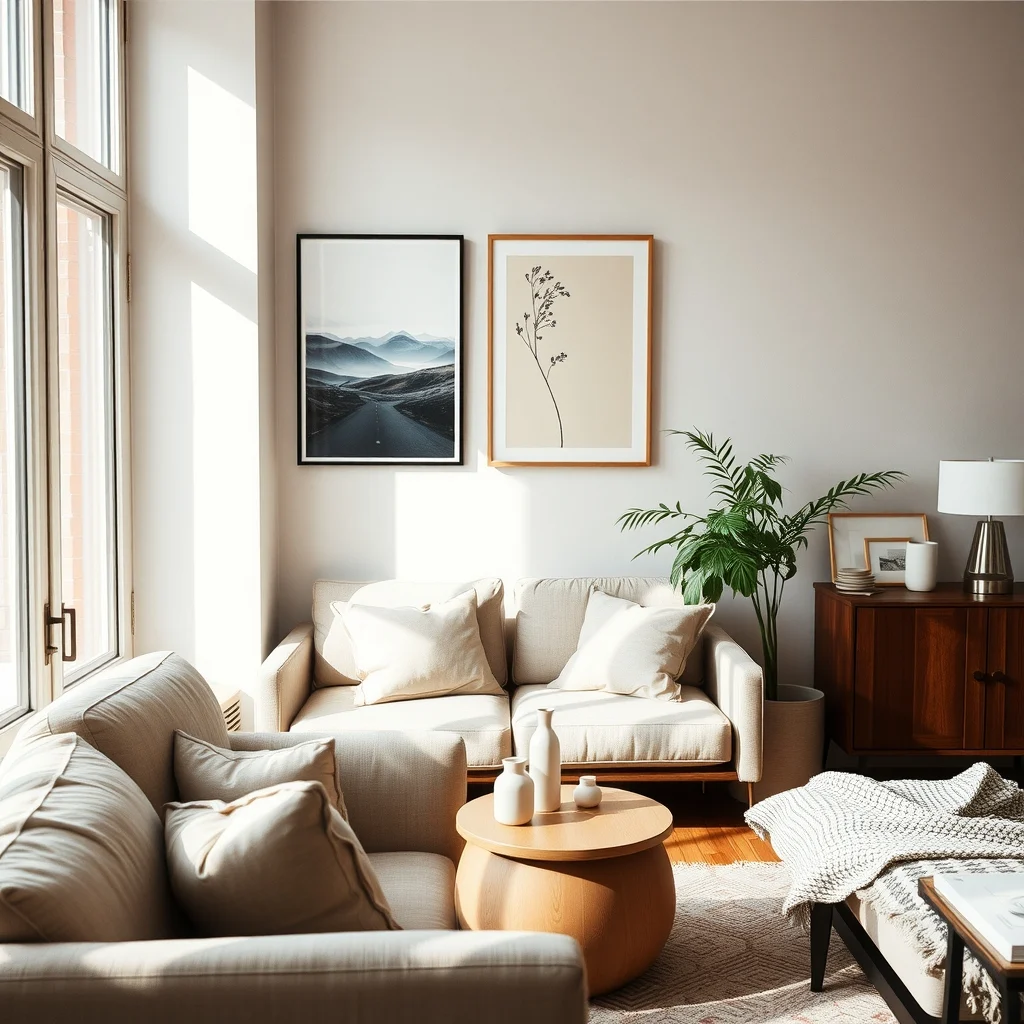
The sense of smell is often overlooked in interior design, yet a gentle fragrance can make a room feel instantly welcoming. A small ceramic diffuser with a blend of cedarwood and lavender, or a soy candle placed on a side table, releases aromas that linger after you’ve left the room. Scent works on a subconscious level, signaling relaxation and encouraging you to settle in. Choose unscented options for evenings when you prefer a neutral atmosphere, and be mindful of any sensitivities among housemates or guests. While candles require careful handling, a well‑chosen scent can be the invisible thread that ties all other elements together.
7. Curate Personal Objects for Meaningful Warmth
© 2026 AI Illustrator — Inspiration Only
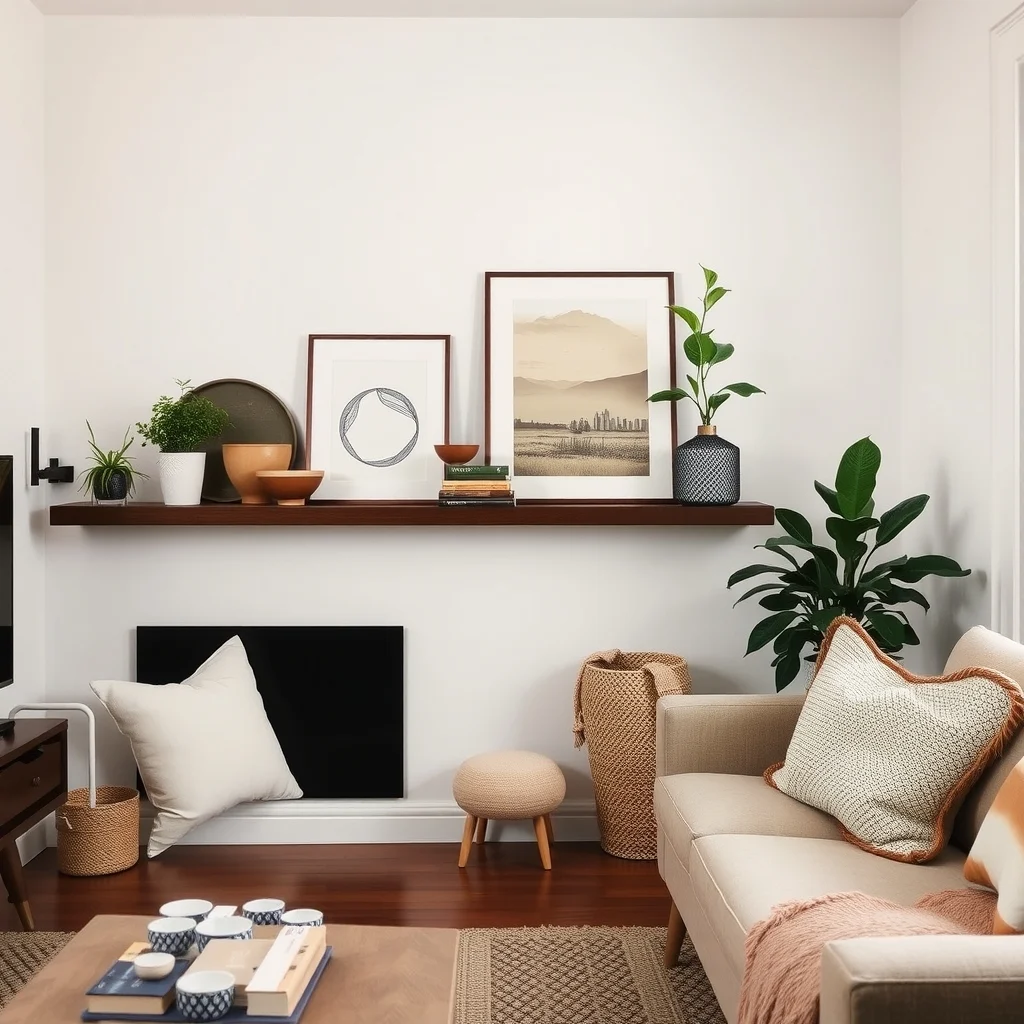
Displaying items that hold personal significance—such as a collection of travel‑minded ceramic bowls, a stack of well‑read books, or a hand‑woven basket—adds character without demanding extra square footage. Arrange these pieces on a floating shelf or a narrow console, allowing each object to breathe. The narrative behind the objects invites conversation and creates a lived‑in feeling that generic décor cannot replicate. Be selective; overcrowding a shelf defeats the purpose of a calm environment. The trade‑off is the time spent choosing and rotating items, but the result is a space that truly reflects who you are.
FAQ
© 2026 AI Illustrator — Inspiration Only
How can I make a small bedroom feel cozier without buying a new mattress?
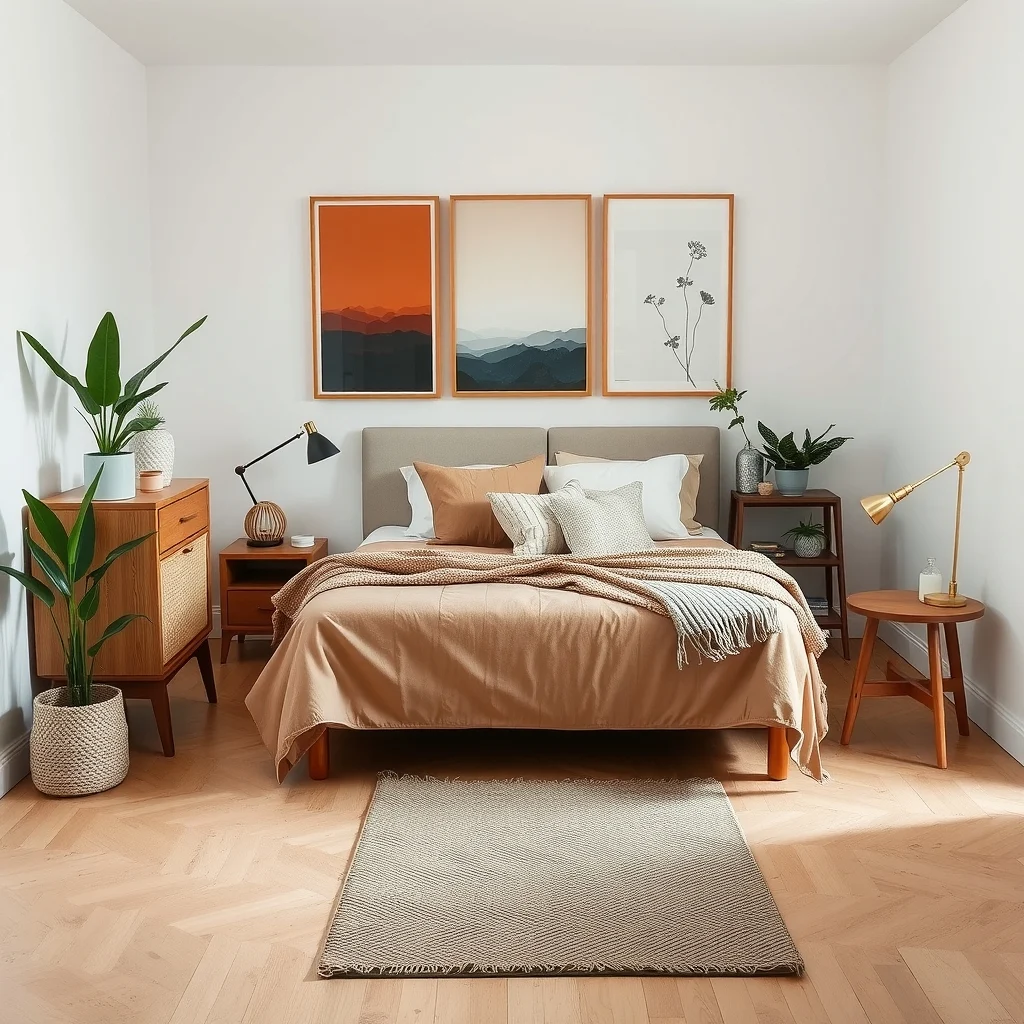
Start by adding a soft duvet cover in a warm tone and a couple of textured pillows. A narrow runner rug at the foot of the bed and a bedside lamp with a dimmer switch will also enhance comfort.
Is it okay to use scented candles in a studio apartment?
Yes, as long as the candle is placed on a stable surface away from flammable materials and you never leave it unattended. Choose soy or beeswax candles for a cleaner burn.
What type of plants work best in low‑light apartments?
Snake plant, ZZ plant, and pothos are all tolerant of minimal natural light. They require occasional watering and can thrive in indirect sunlight.
Can I use a wall‑mounted shelf without drilling into the wall?
Adhesive hooks designed for heavy loads can support lightweight shelves, but for larger pieces it’s safer to use a stud finder and proper anchors.
How often should I wash a decorative throw?
Most cotton or linen throws can be machine‑washed every few weeks, depending on use. Check the care label; a gentle cycle and low heat drying will keep the fibers soft.
Final Thoughts
© 2026 AI Illustrator — Inspiration Only
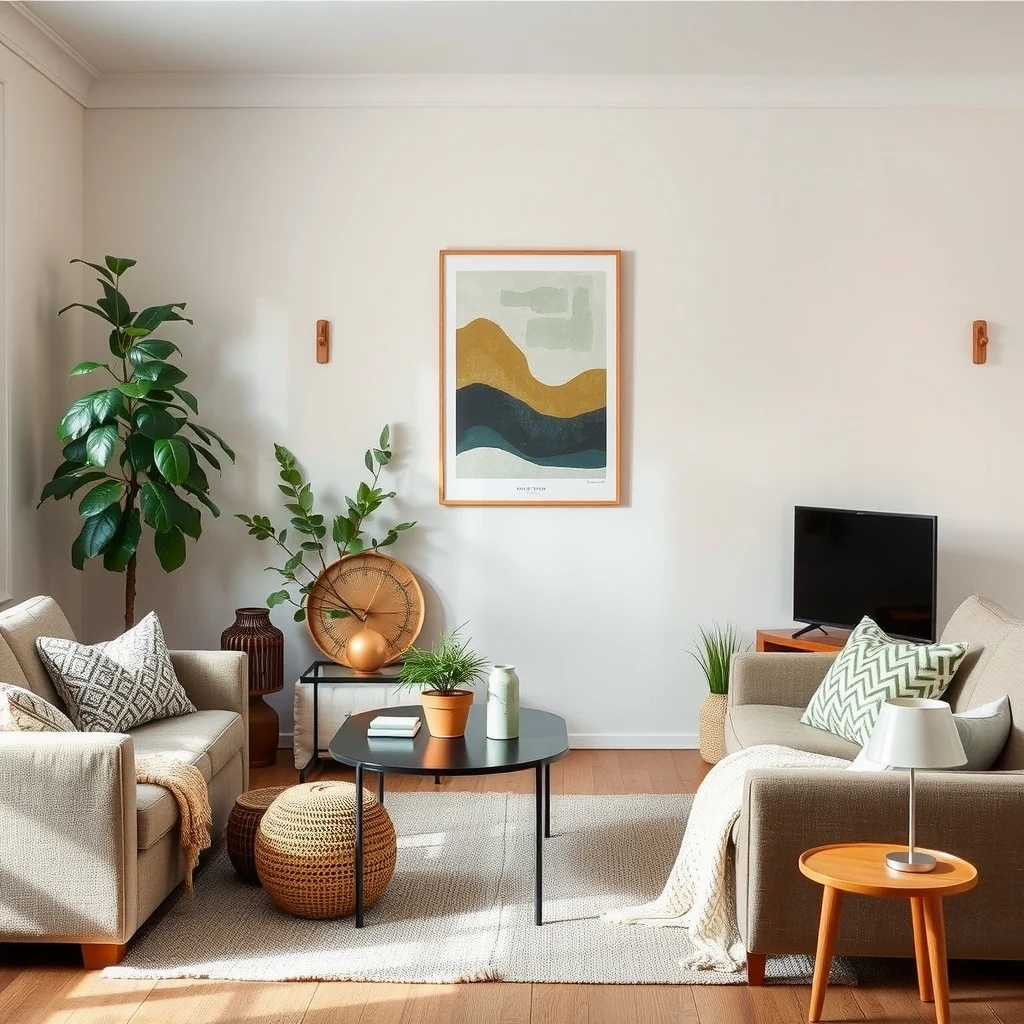
Creating a cozy apartment is less about adding square footage and more about curating the elements you already own. By playing with light, texture, greenery, and personal touches, you can transform a modest space into a welcoming retreat. Each of the seven ideas above offers a practical step that respects both the limits of a small floor plan and the desire for comfort. Experiment, adjust, and let the subtle changes accumulate; the result will be a home that feels warm, lived‑in, and uniquely yours.