
Living in a compact space can feel like a constant negotiation between what you need and what you have room for. When every square foot is valuable, the temptation to fill every corner with things you like often leads to visual overload. The good news is that a tidy, welcoming apartment doesn’t require you to give up style. By choosing pieces that double as storage, playing with scale, and letting light guide the eye, you can create a home that feels open even when the floor plan is modest. Below are seven ideas that keep the aesthetic fresh while keeping surfaces clear, followed by practical answers to common questions and a brief wrap‑up.
1. Embrace Built‑In Storage
© 2026 AI Illustrator — Inspiration Only
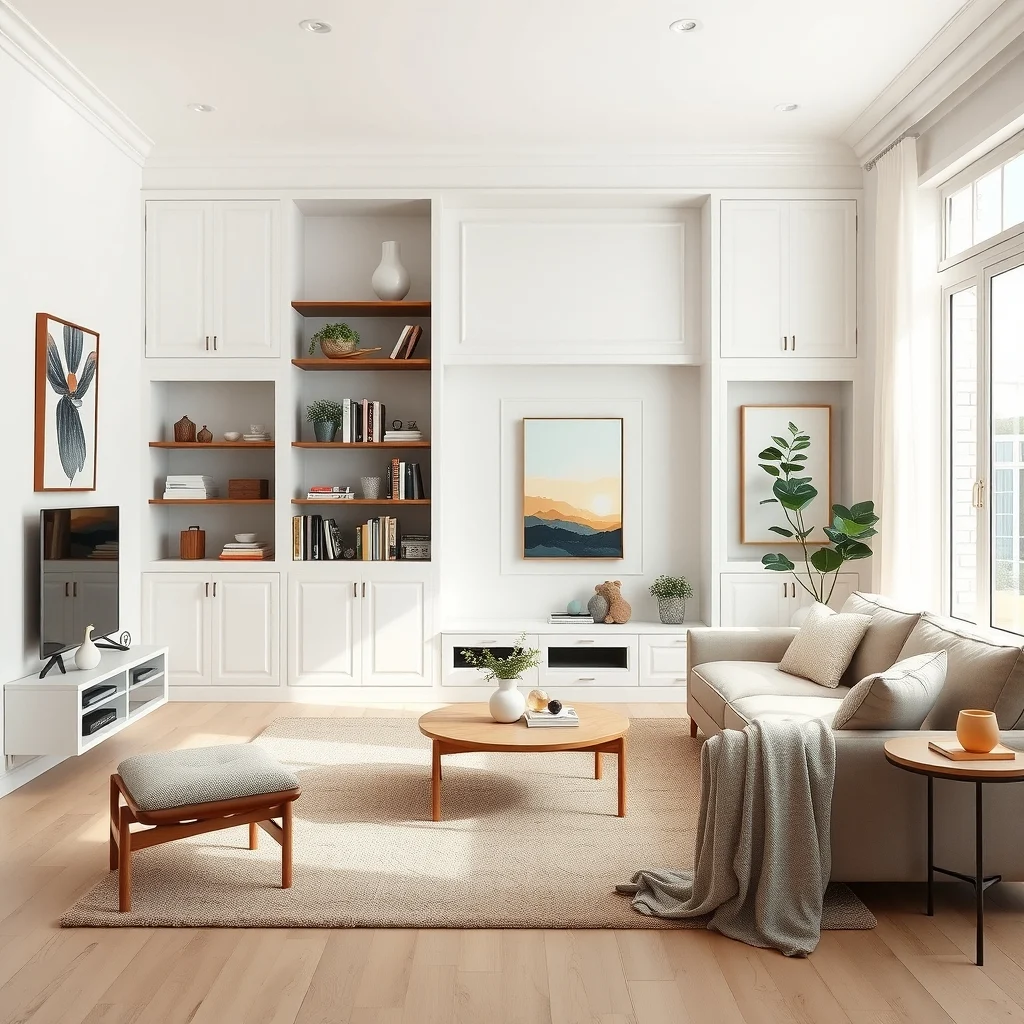
A built‑in wall unit or a floor‑to‑ceiling bookshelf can become the backbone of a clutter‑free living area. Because the furniture is anchored to the structure, it eliminates the need for freestanding pieces that crowd the floor. Opt for a shallow unit that runs the length of a wall, finished in a neutral tone such as soft greige or warm oak, so it blends with the surrounding paint. Inside, incorporate adjustable shelves for books, baskets for linens, and a few concealed doors that hide electronics or office supplies. The vertical orientation draws the eye upward, making the ceiling feel higher, while the hidden compartments keep everyday items out of sight. If a permanent installation isn’t possible, consider a modular system that can be anchored to studs without major renovation; the trade‑off is a slightly higher cost, but the result is a streamlined silhouette that frees up floor space.
What’s Your Apartment Decor Style?
Answer these quick questions to discover your perfect decor vibe.
2. Choose Multi‑Purpose Furniture
© 2026 AI Illustrator — Inspiration Only
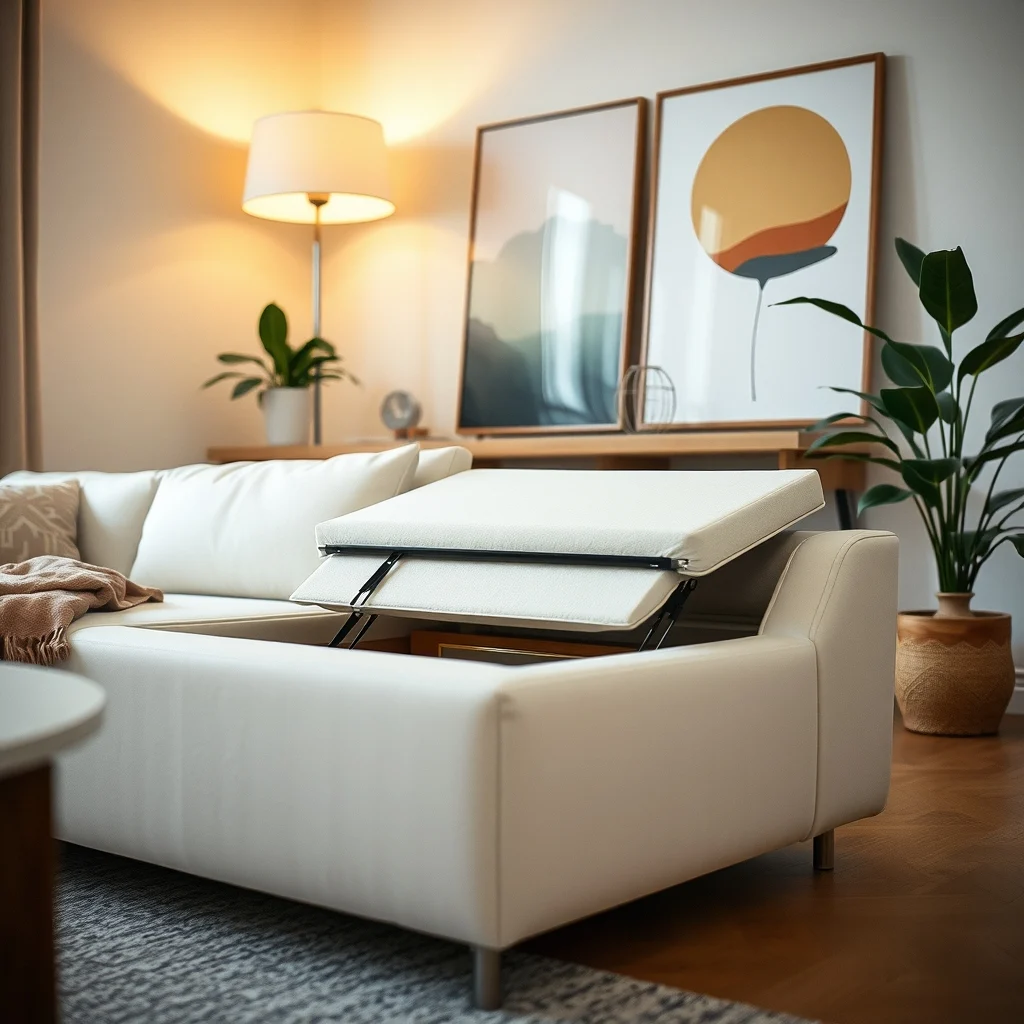
When a sofa also serves as a storage chest, you eliminate the need for a separate side table or extra bin. Look for a low‑profile sectional with a lift‑up seat cushion that reveals a compartment for blankets, magazines, or seasonal décor. A coffee table with a removable top can double as a drawer, keeping remote controls and coasters tucked away. The key is to select pieces that respect the room’s scale; an oversized sofa can dominate a small apartment, while a compact, rounded shape encourages movement and prevents bottlenecks. Materials such as linen upholstery and brushed brass legs add visual interest without demanding visual weight. Keep in mind that mechanisms may require occasional maintenance, so choose reputable brands that offer easy access to the inner storage.
We're Now Open!
Thoughtful digital guides and planners to help you decorate, organize, and create a home you love.
Use code: WELCOME15
EXPLORE LIVANA STUDIO →Beautiful spaces. Smarter living.
3. Adopt a Light, Cohesive Color Palette
© 2026 AI Illustrator — Inspiration Only
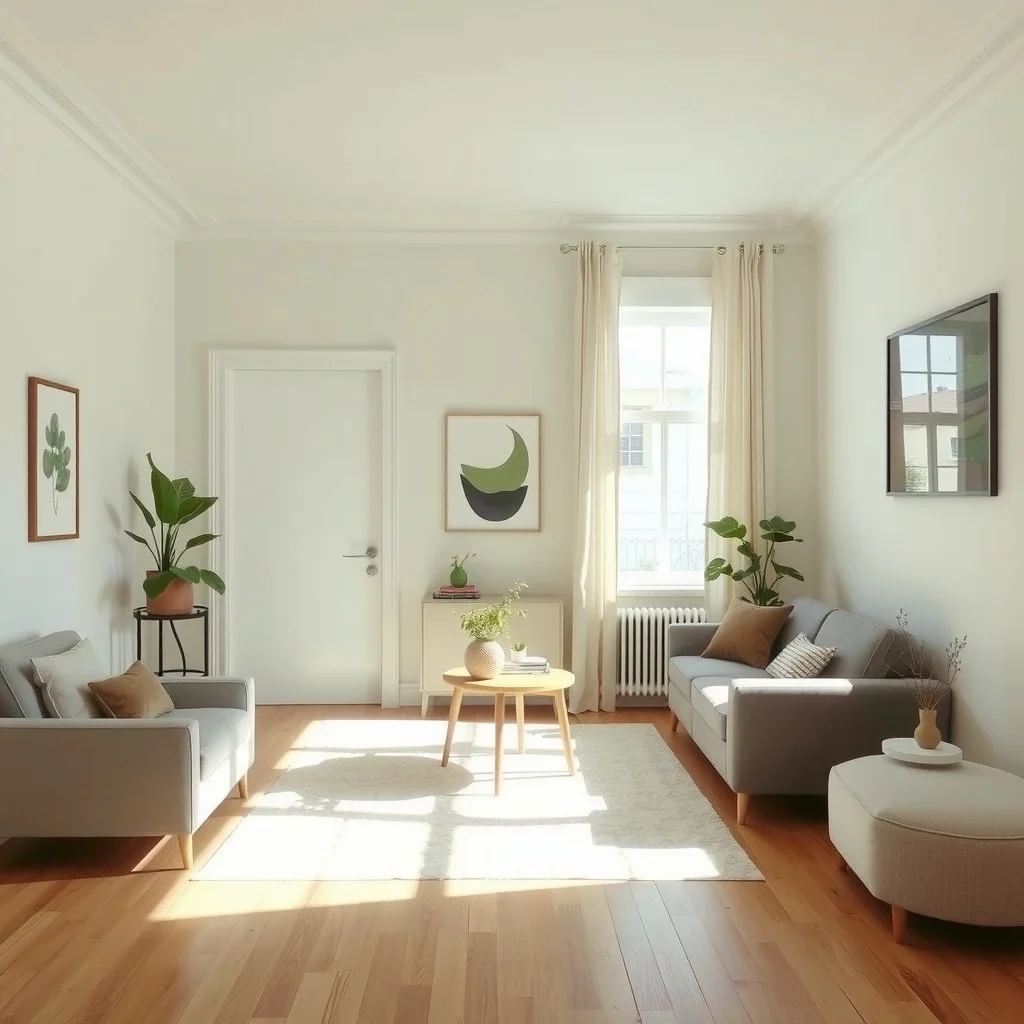
Light tones reflect natural light, making a room appear larger than its walls suggest. Paint the main walls in a muted shade like pale dove or a warm ivory, then repeat that hue in the upholstery of the sofa and the curtains. When the surrounding elements share a common color family, the eye perceives fewer boundaries, which reduces the sense of clutter. Accent with a single deeper hue—perhaps a muted olive on a throw pillow or a soft terracotta vase—to add depth without overwhelming the space. The downside of a very light palette is that it can show dust more readily, so a regular dusting routine becomes part of the upkeep. However, the visual payoff of an airy, unified look outweighs the extra cleaning for most people who value a clean aesthetic.
4. Layer Lighting Instead of Accessories
© 2026 AI Illustrator — Inspiration Only
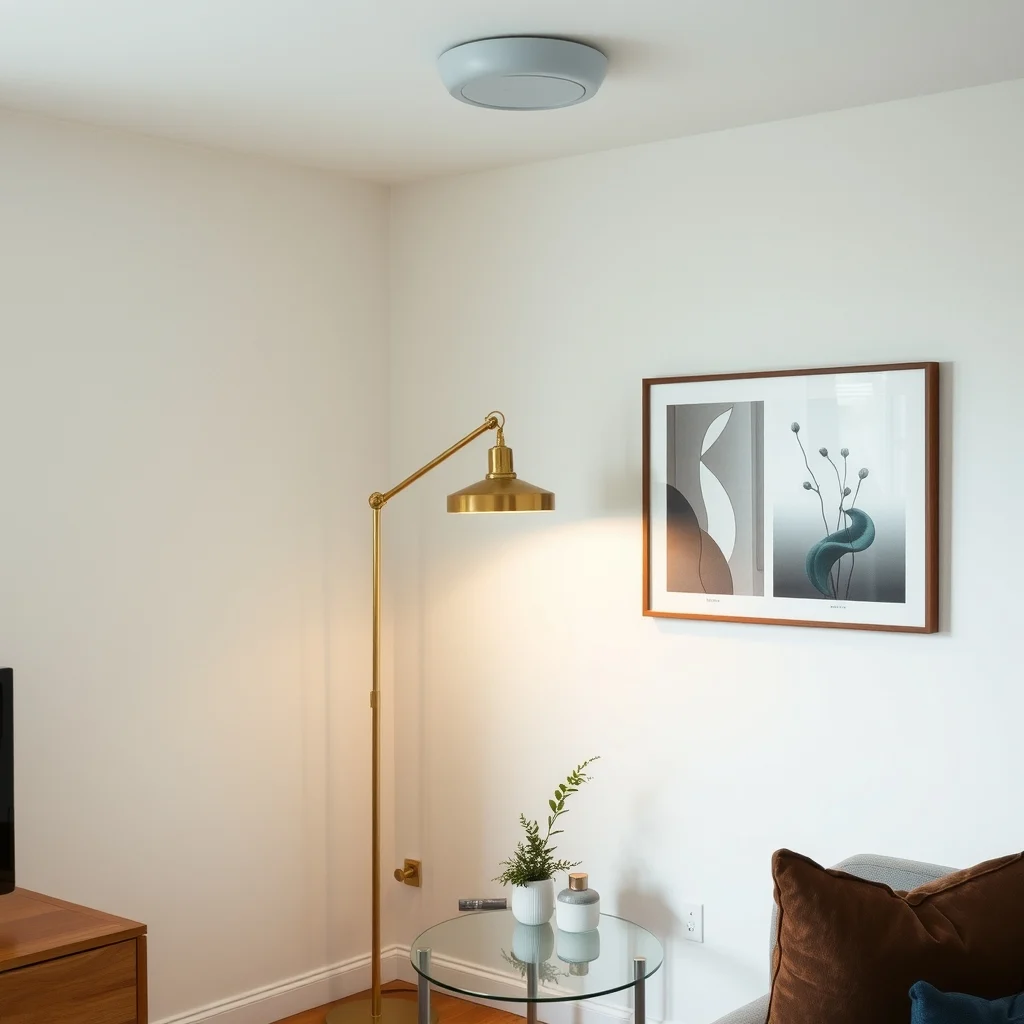
A well‑lit room feels organized even when the décor is minimal. Rather than filling shelves with decorative objects, invest in a combination of ambient, task, and accent lighting. A slim, recessed ceiling fixture provides even illumination, while a narrow floor lamp placed beside a reading chair offers focused light without adding a bulky table. Small wall sconces on either side of a built‑in unit can highlight artwork or a decorative plant without cluttering the floor. By varying the light sources, you create visual interest that replaces the need for numerous ornaments. The trade‑off is that each fixture may require a separate switch or dimmer, so plan the electrical layout in advance or use smart plugs for flexible control.
5. Use Transparent or Open‑Frame Pieces
© 2026 AI Illustrator — Inspiration Only
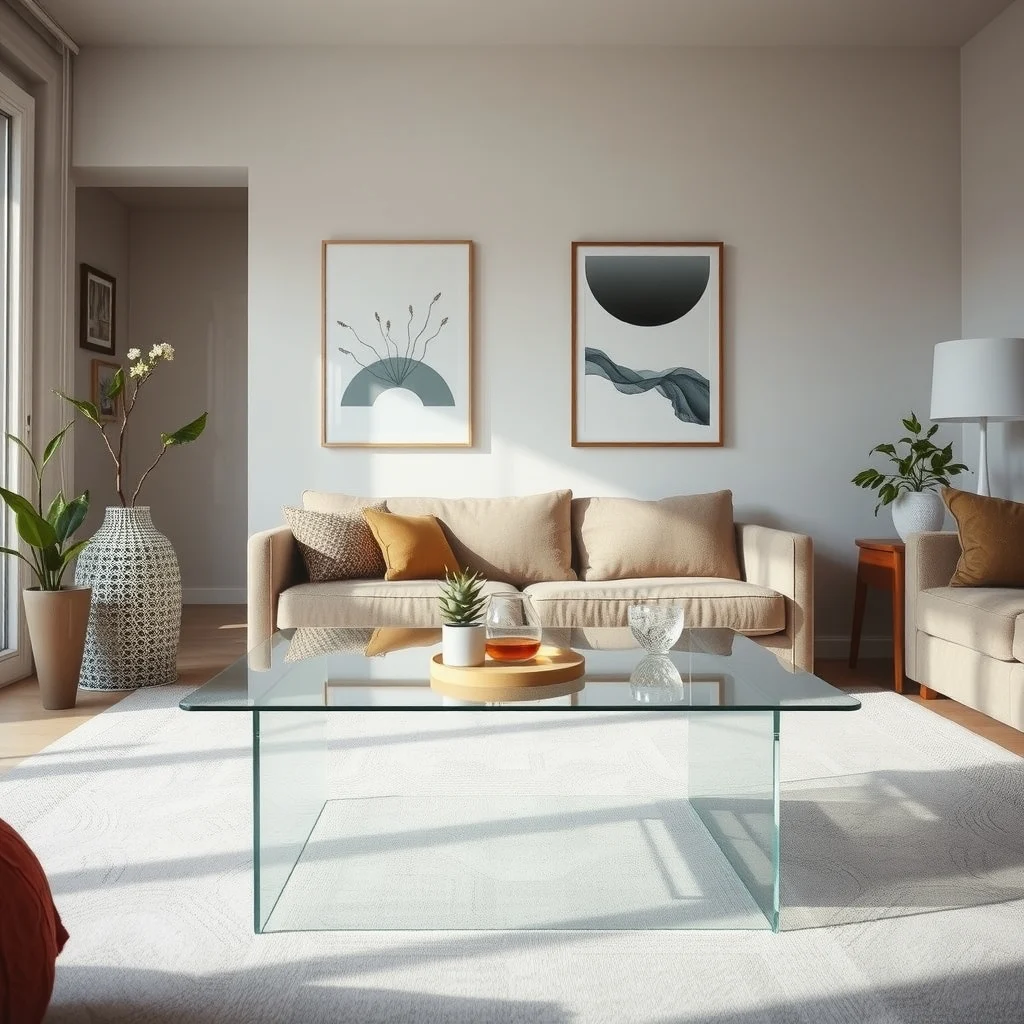
Furniture with glass tops or acrylic legs reduces visual mass, allowing the eye to travel through the room rather than bounce off solid blocks. A coffee table with a clear tempered glass surface lets the floor pattern stay visible, while a dining chair made of thin metal or acrylic maintains an open feel even when several are placed together. Pair these pieces with a rug that has a subtle texture, such as a low‑pile sisal, to anchor the space without adding visual weight. The main consideration is durability; clear surfaces show fingerprints and scratches more readily, so a routine of gentle cleaning with a microfiber cloth is advisable. When maintained properly, the openness of these materials contributes to a sense of spaciousness.
6. Curate a Minimalist Wall Gallery
© 2026 AI Illustrator — Inspiration Only
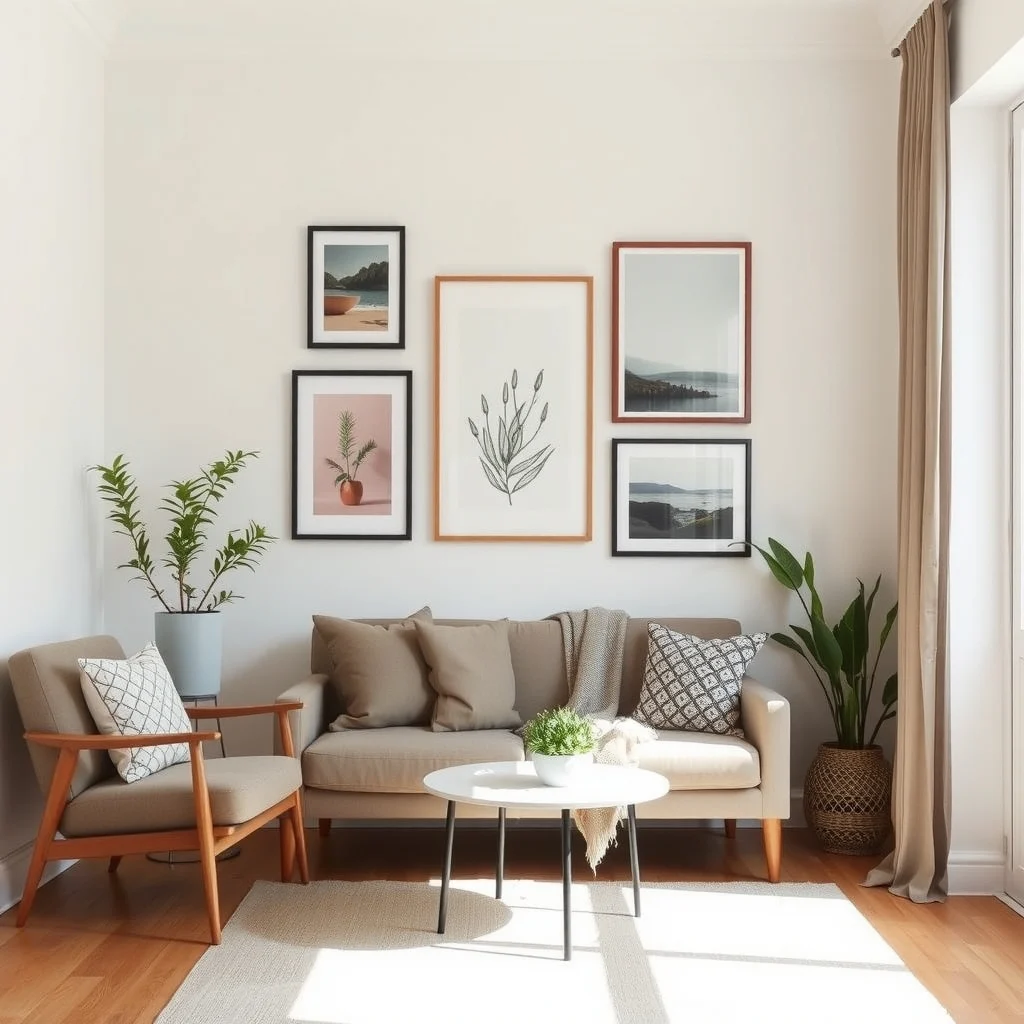
Empty walls can feel stark, but a carefully selected arrangement of a few frames can provide personality without overwhelming the room. Choose a uniform frame style—perhaps thin black metal or natural walnut—and limit the collection to three or four pieces that share a common theme, such as abstract line drawings or muted landscape photography. By keeping the frames aligned either in a horizontal line or a simple grid, you preserve a clean line that guides the eye rather than scatters it. This approach adds visual interest while keeping surfaces free for practical items. The downside is that changing the artwork can be more involved than swapping a decorative object, but the lasting impact on the room’s calm atmosphere justifies the occasional effort.
7. Incorporate Hidden Kitchen Solutions
© 2026 AI Illustrator — Inspiration Only
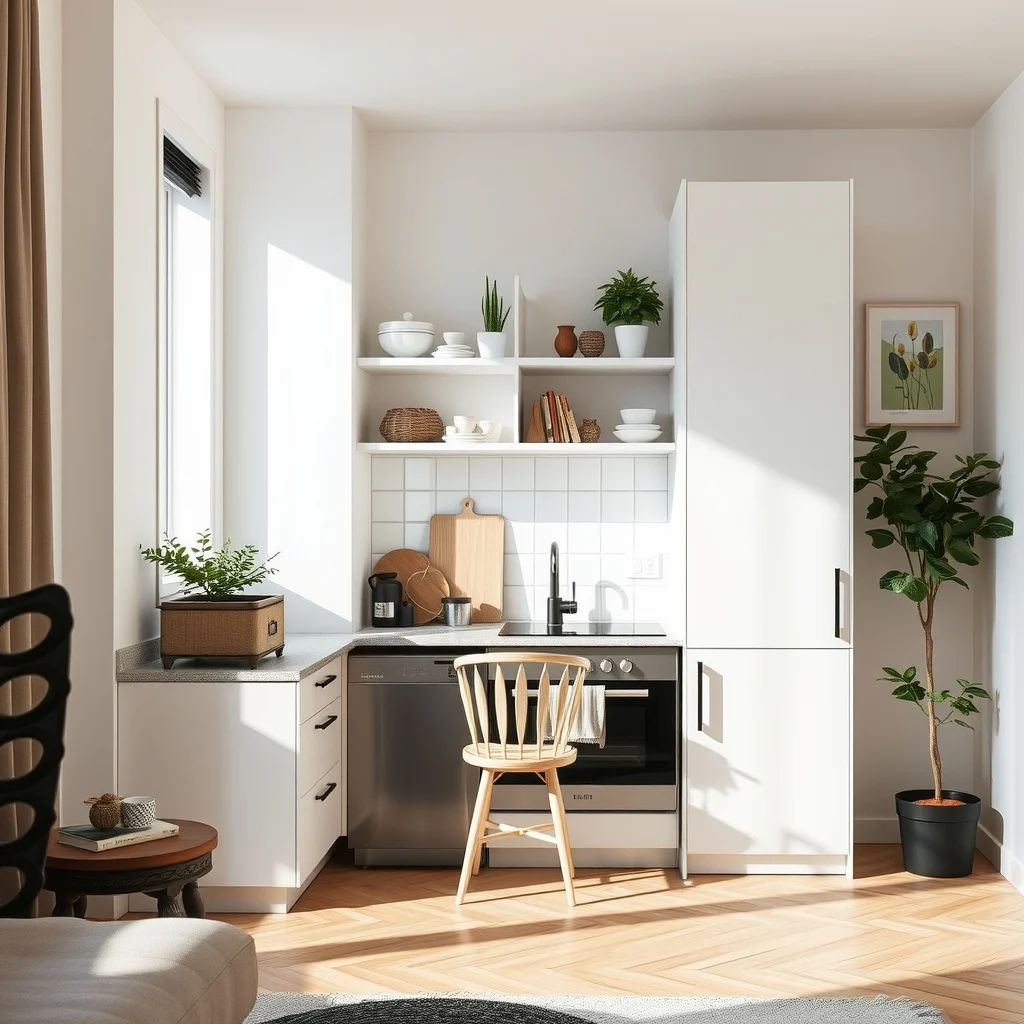
In a studio or one‑room layout, the kitchen often becomes a source of visual noise. Replace open shelving with closed cabinets that feature push‑to‑open hardware, eliminating the need for handles that protrude into the workspace. Install a pull‑out pantry that slides into a narrow wall niche, providing storage for dry goods without taking up floor space. A slim, wall‑mounted magnetic strip can hold knives and metal utensils, freeing drawer space and keeping the countertop clear. For a quick visual break, a narrow backsplash in a light subway tile adds texture while still reflecting light. The main limitation is that retrofitting hidden solutions may require a professional carpenter, but the payoff is a kitchen that looks tidy even when you’re preparing a meal.
FAQ
© 2026 AI Illustrator — Inspiration Only
How can I make a small bedroom feel less cramped?
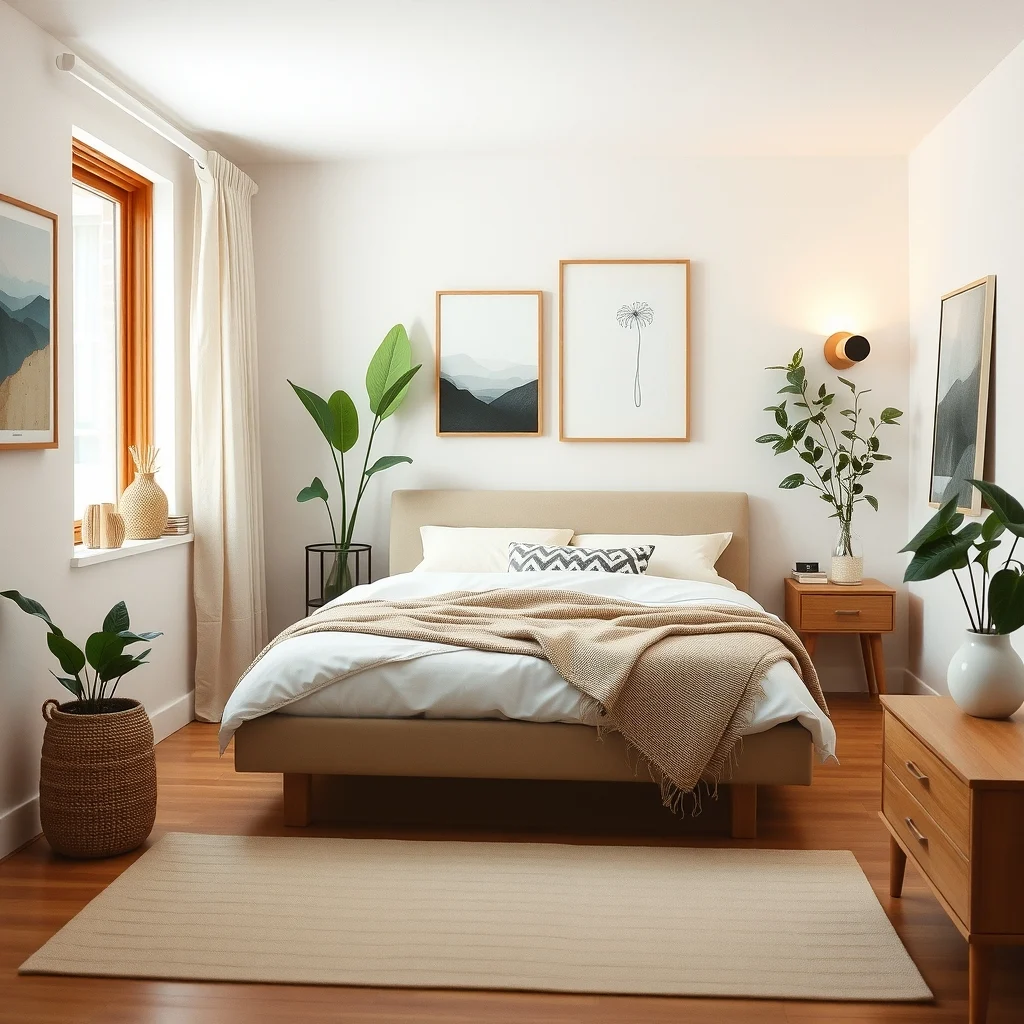
Use a low‑profile platform bed with built‑in drawers, keep nightstands minimal, and choose light bedding in neutral tones. Adding a wall‑mounted lamp instead of a floor lamp frees up floor space while still providing reading light.
What’s the best way to hide cords in a tiny living room?
Run cords through the back of built‑in shelving or use a cable raceway that matches the wall color. Concealing wires behind furniture legs or inside a decorative basket also reduces visual clutter.
Can I still have plants without adding mess?
Select compact, low‑maintenance varieties like a snake plant or a small ZZ plant in a simple ceramic pot. Place them on a narrow floating shelf or a window sill where they receive light but don’t occupy floor area.
Is it okay to use mirrors in a small apartment?
Yes, a large mirror placed opposite a window reflects natural light and creates the illusion of extra space. Choose a frame that complements the room’s palette to avoid adding unnecessary visual elements.
How often should I declutter to keep the apartment tidy?
A quick once‑a‑month sweep of surfaces and a quarterly review of closets and cabinets help prevent buildup. Removing items you haven’t used in six months keeps the space functional and visually calm.
Final Thoughts
© 2026 AI Illustrator — Inspiration Only
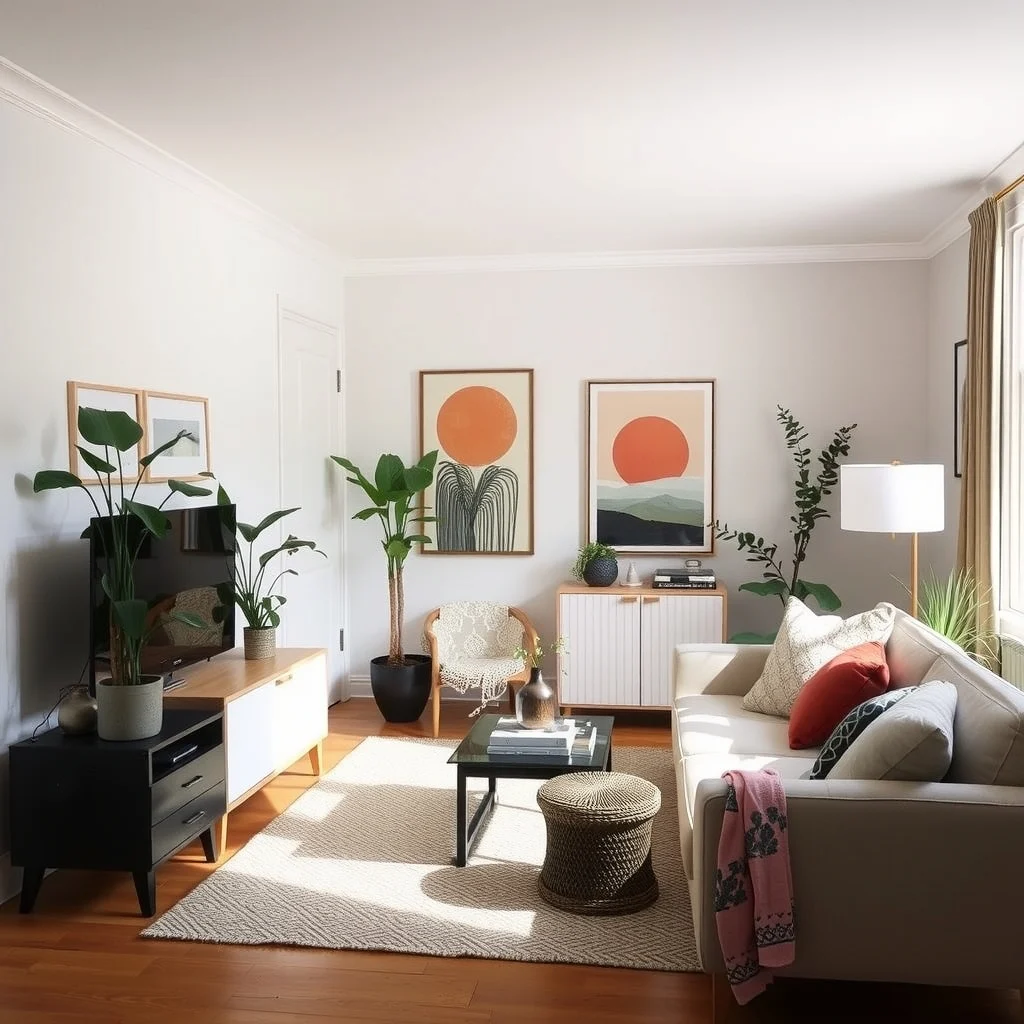
Designing a small apartment that stays free of clutter is less about removing everything you love and more about choosing pieces that serve multiple purposes, guiding light wisely, and maintaining a cohesive visual language. By integrating built‑in storage, multi‑function furniture, and thoughtful lighting, you can enjoy a home that feels spacious, organized, and inviting. The effort you invest in selecting the right elements pays off in daily comfort and a sense of serenity that larger, over‑filled homes often lack.