
Living in a compact apartment often means making every square foot count, especially when the bedroom doubles as a place to unwind after a long day. Small spaces can feel cramped, but with thoughtful choices you can create a retreat that feels both intimate and spacious. Below are seven ideas that blend comfort, storage, and style without overwhelming the room.
1. Embrace a Low‑Profile Bed Frame
© 2026 AI Illustrator — Inspiration Only
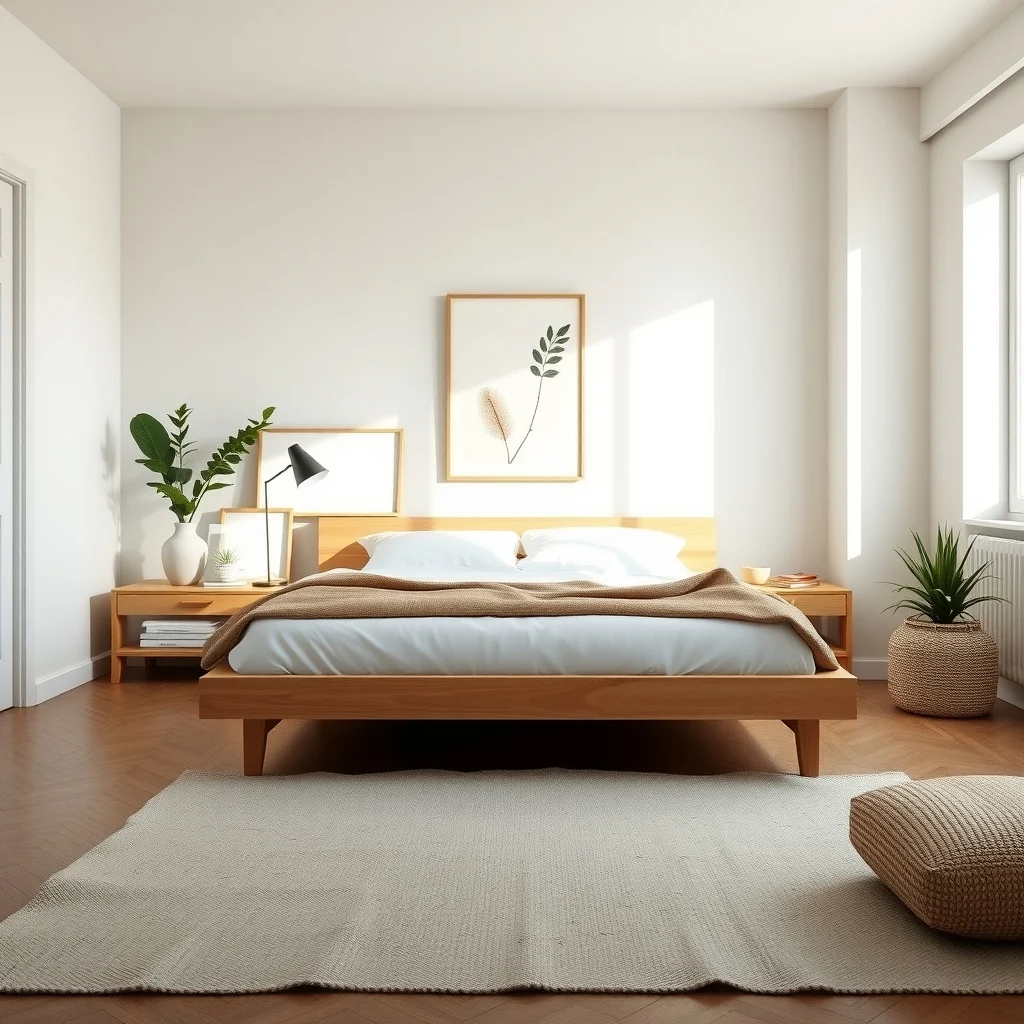
A platform or low‑profile bed frame clears visual clutter and frees up floor area. By sitting closer to the ground, the ceiling appears higher, a subtle trick that adds depth to a modest room. Choose a frame in light‑finished wood or matte white to keep the palette airy; the understated material also makes cleaning underneath easier. If you need storage, opt for a frame with built‑in drawers or a shallow under‑bed box. The trade‑off is that a lower height may require a softer mattress to avoid feeling too firm when you sit up. Pair the bed with a slim, upholstered headboard in a neutral linen to soften the look without adding bulk.
What’s Your Apartment Decor Style?
Answer these quick questions to discover your perfect decor vibe.
2. Create Zones with a Fold‑Away Desk
© 2026 AI Illustrator — Inspiration Only
Many city apartments lack a dedicated office corner, yet a workspace is essential for many renters. A wall‑mounted, fold‑away desk slides out when needed and tucks away neatly, preserving floor space for sleeping. When opened, the desk can be positioned beneath a window to capture natural light, reducing the need for additional task lighting. Selecting a desk with a simple metal frame and a wooden top blends durability with warmth. Keep the surface clear by using floating shelves above the desk for notebooks and a few decorative items. The downside is that the desk’s weight capacity is limited, so it works best for a laptop and a few accessories rather than heavy equipment.
We're Now Open!
Thoughtful digital guides and planners to help you decorate, organize, and create a home you love.
Use code: WELCOME15
EXPLORE LIVANA STUDIO →Beautiful spaces. Smarter living.
3. Layer Light with Soft Ambient Sources
© 2026 AI Illustrator — Inspiration Only
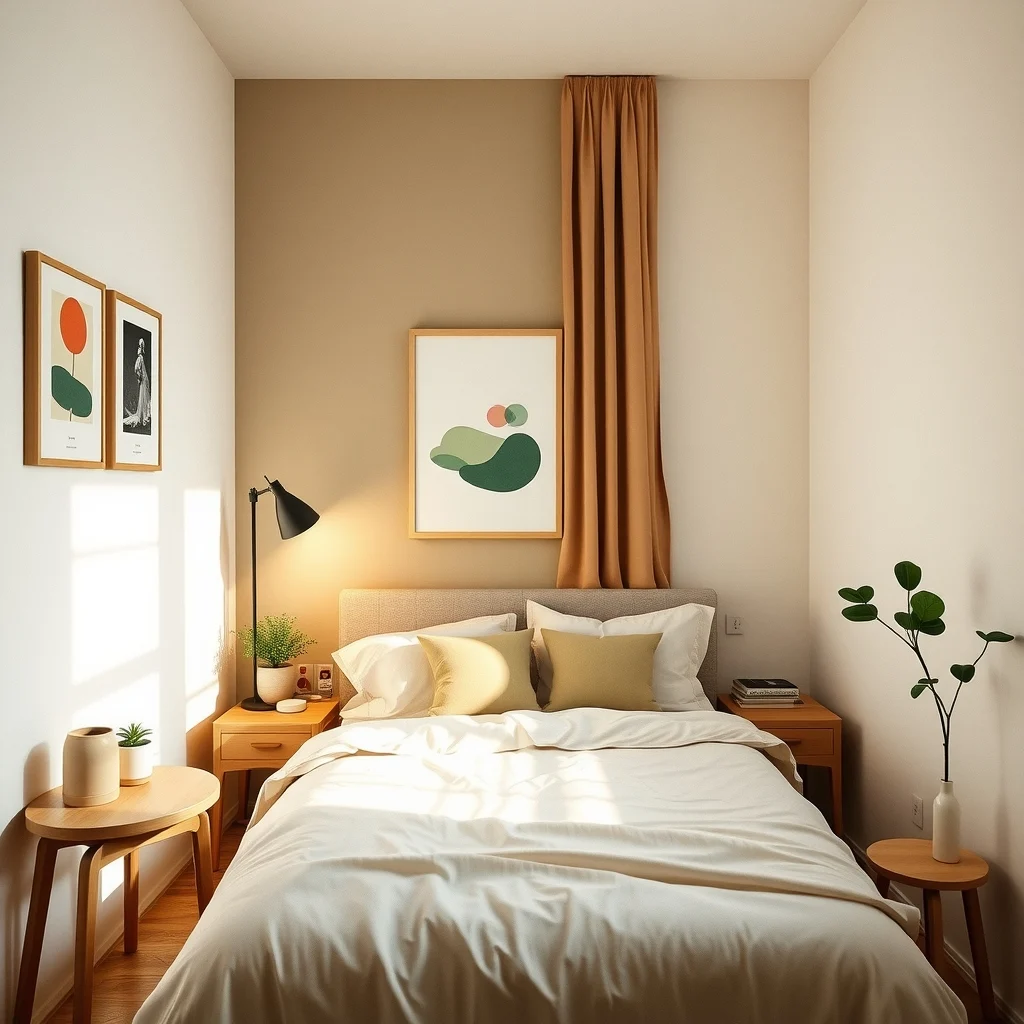
Overhead fixtures can feel harsh in a small bedroom; layering light softens the atmosphere and adds a sense of coziness. Start with a dimmable recessed light or a modest flush‑mount fixture to provide general illumination. Add a table lamp on a nightstand and a floor lamp in a corner, each with a fabric shade that diffuses light gently. Warm‑toned bulbs mimic the glow of early evening, encouraging relaxation. If the room has limited outlets, consider a lamp with a built‑in USB port for charging devices. The only caution is to avoid overly bright bulbs that can make the space feel clinical.
4. Use Multi‑Functional Storage at the Foot of the Bed
© 2026 AI Illustrator — Inspiration Only
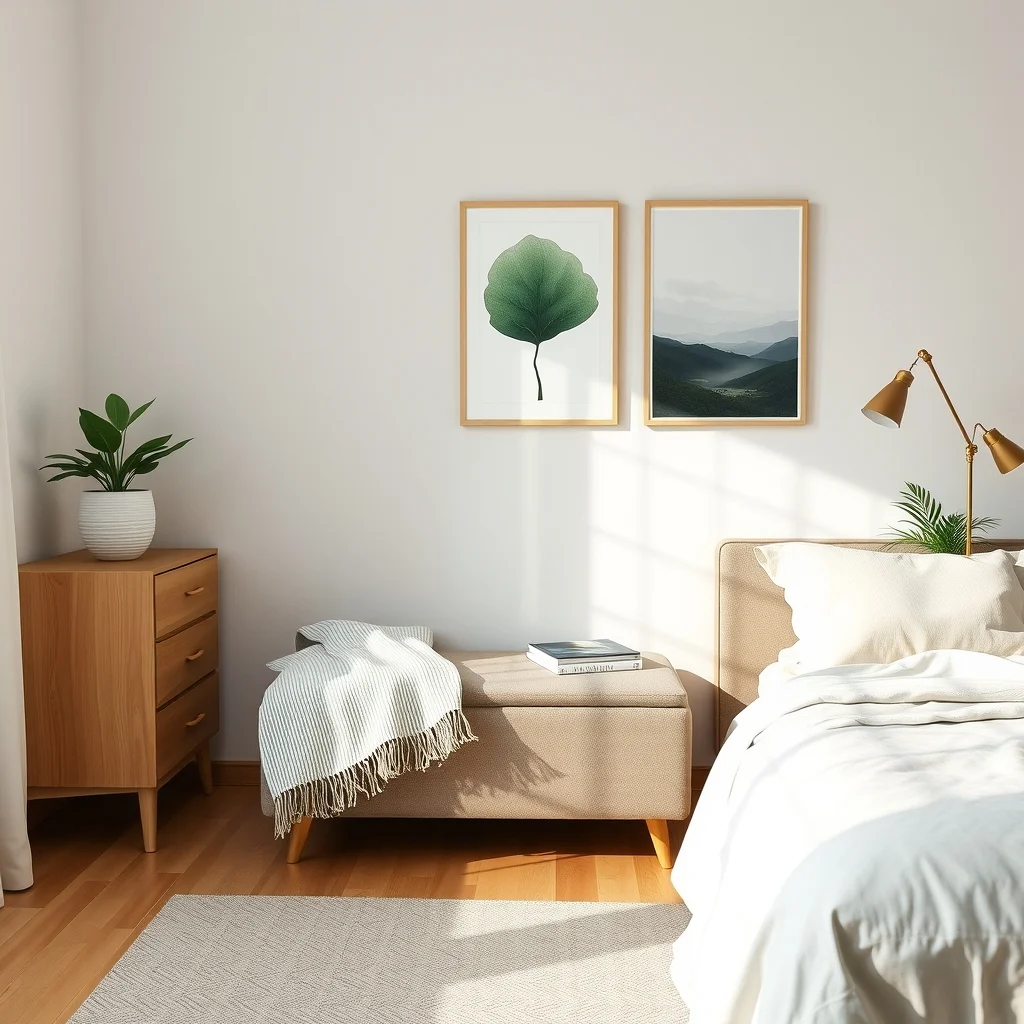
Instead of a traditional dresser that consumes valuable floor area, a storage bench or ottoman placed at the foot of the bed can serve several purposes. The bench provides a spot to sit while dressing, hides blankets or seasonal clothing inside, and can double as a subtle accent piece. Choose upholstery in a durable, low‑pile fabric such as boucle or a tightly woven cotton that resists wear. A neutral shade like soft greige ensures the bench blends with other elements, while a contrasting piping adds visual interest without overwhelming the room. The main limitation is that the bench occupies the space where a nightstand might otherwise sit, so you may need a wall‑mounted shelf for essentials.
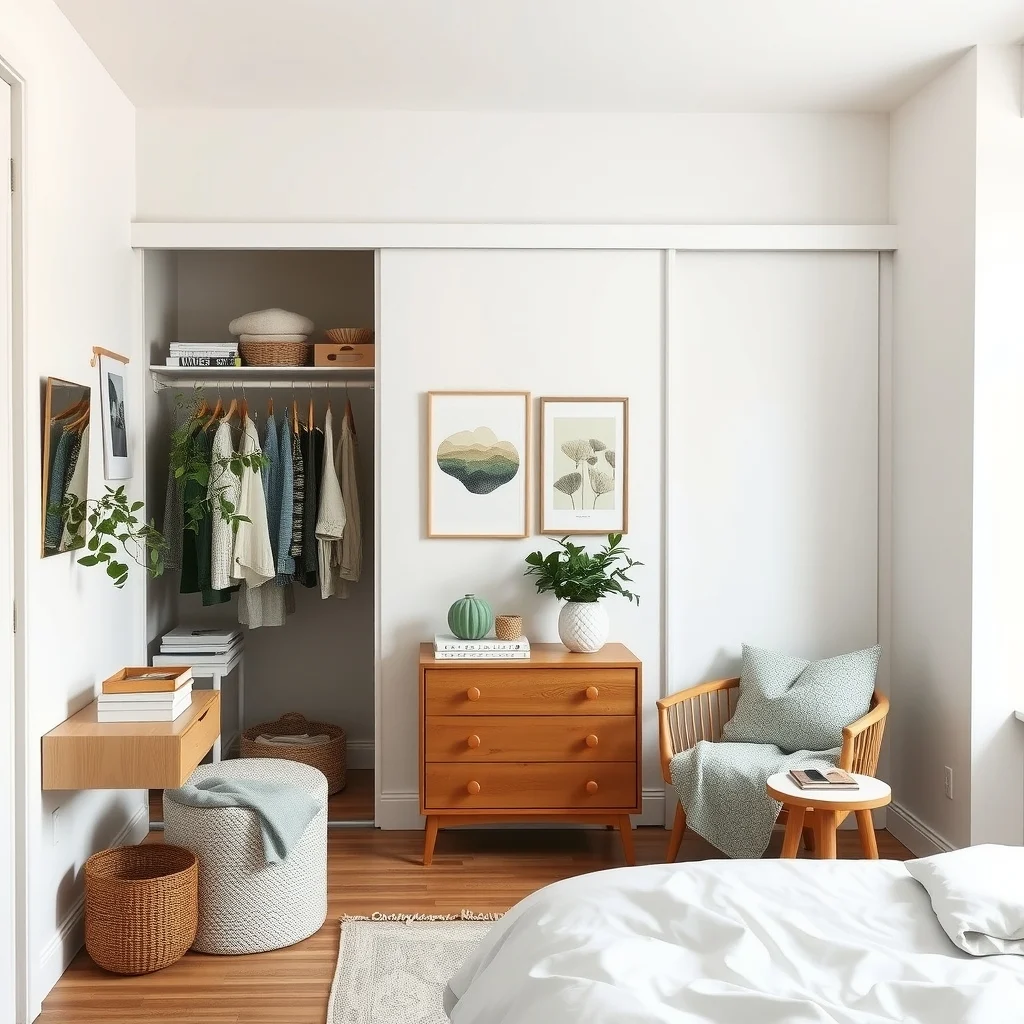
5. Incorporate a Sliding Closet System
© 2026 AI Illustrator — Inspiration Only
Traditional hinged doors require clearance that a small bedroom often cannot spare. Sliding closet doors glide along a track, freeing up wall space and allowing you to place a dresser or a small reading chair directly beside the wardrobe. Mirrors on the door panels reflect light, making the room feel larger. Opt for a finish that matches other wood tones in the room to create continuity. If the sliding mechanism feels too complex, a simple curtain rod with a light fabric can serve as a budget‑friendly alternative, though it offers less durability over time.
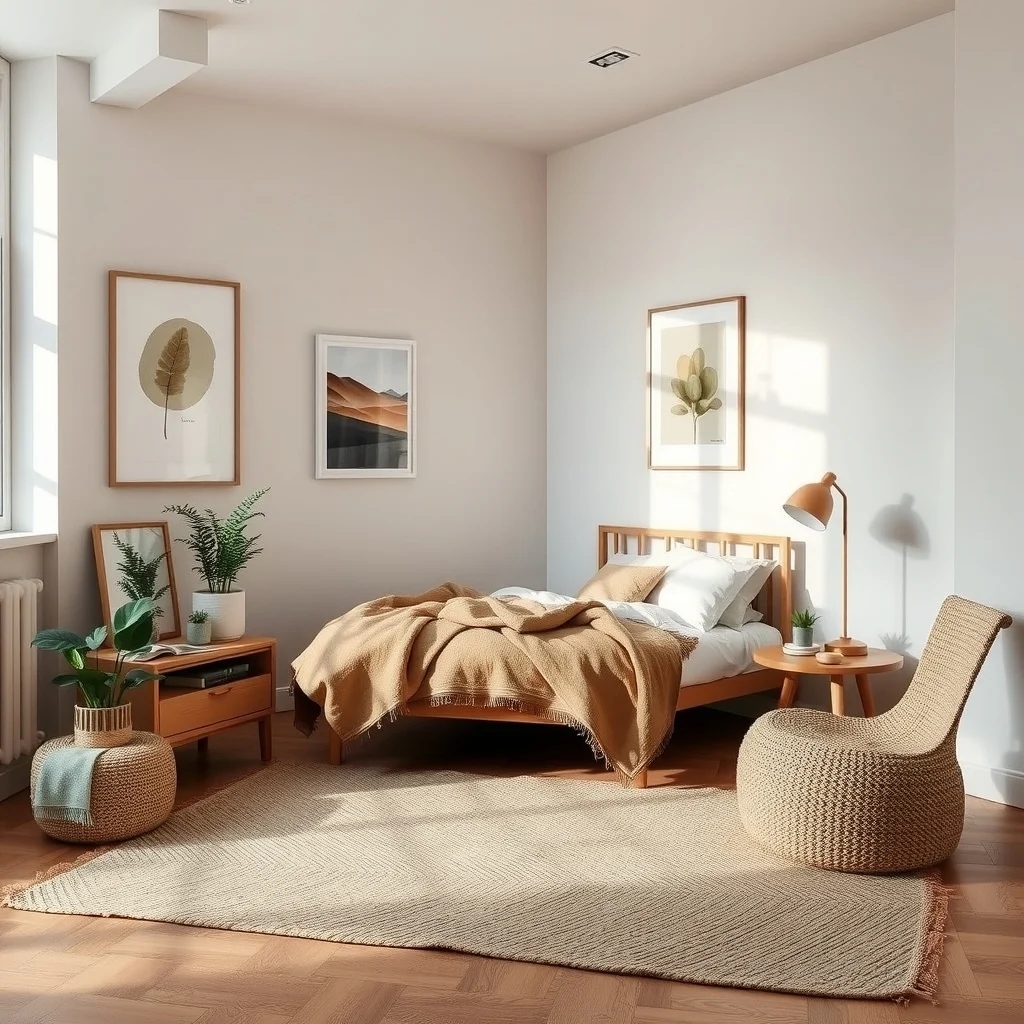
6. Choose Textiles that Add Warmth Without Bulk
© 2026 AI Illustrator — Inspiration Only
Layering textiles is a classic way to make a bedroom feel inviting, but heavy fabrics can dominate a compact space. A lightweight, woven rug in a muted earth tone adds a tactile layer underfoot while defining the sleeping area. Pair it with a duvet cover made from brushed cotton or linen; these materials breathe, stay comfortable year‑round, and resist pilling. Adding a few plush pillows in complementary shades provides depth without clutter. Keep the number of decorative throws modest—one well‑chosen piece can be draped over the bench for a pop of color and removed when not needed. The only drawback is that lighter fabrics may require more frequent washing to maintain a fresh appearance.
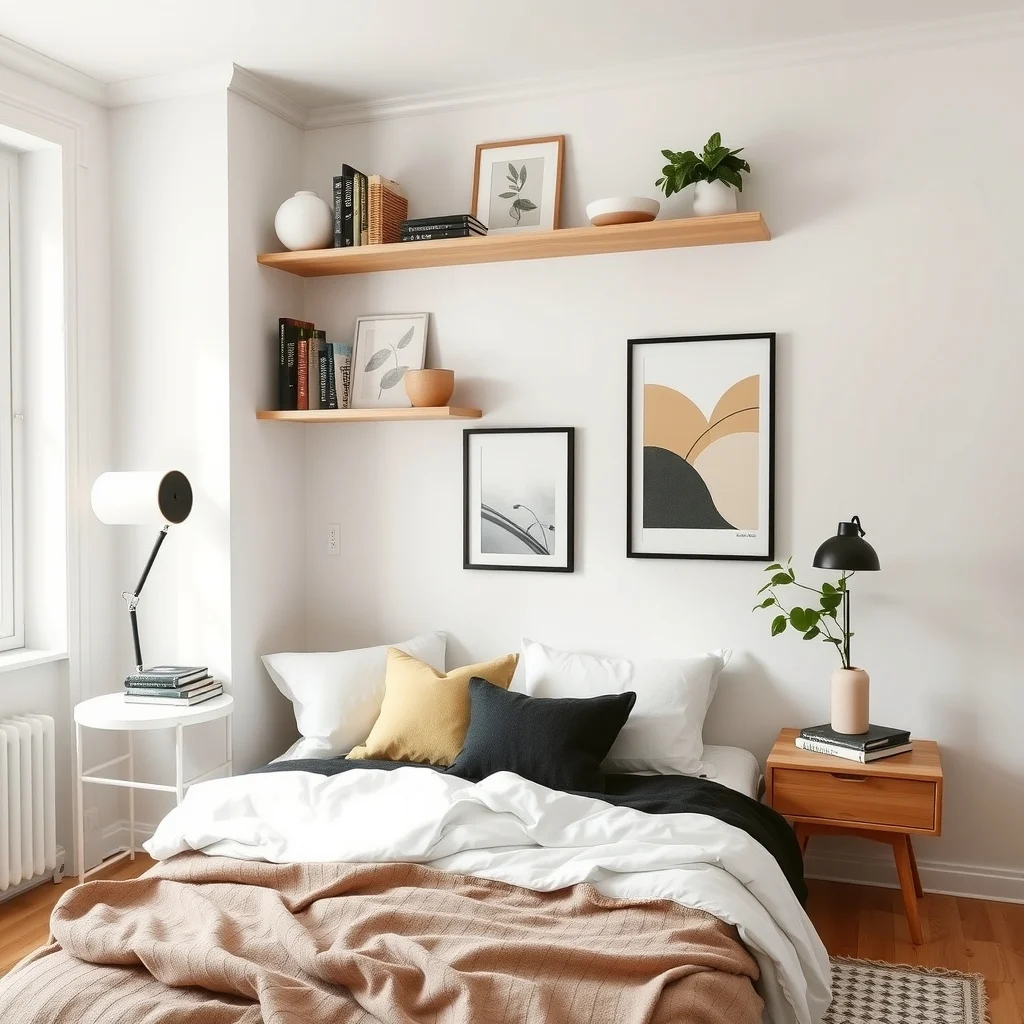
7. Maximize Vertical Space with Open Shelving
© 2026 AI Illustrator — Inspiration Only
When floor space is at a premium, look upward. Open shelving installed a few feet above the mattress can hold books, small plants, or decorative bowls, turning an empty wall into a curated display. Using slim metal brackets and reclaimed wood planks creates a balanced aesthetic that feels both modern and warm. Because the shelves are open, they avoid the visual weight of bulky cabinets, and you can adjust the arrangement as your needs evolve. However, be mindful of the height—items placed too high become difficult to reach, so keep frequently used objects on lower shelves.
FAQ
© 2026 AI Illustrator — Inspiration Only
How can I make a small bedroom feel taller?
Use low‑profile furniture, keep window treatments short, and incorporate vertical lines such as tall shelving. Light colors on walls and ceiling also help the eye travel upward.
Is a platform bed better than a traditional box spring in a tiny space?
Yes, a platform bed eliminates the need for a box spring, reducing overall height and freeing up floor area for storage underneath.
Can I add a rug without making the room feel crowded?
A rug that is slightly smaller than the mattress—leaving a narrow border of floor visible—defines the sleeping zone without overwhelming the space.
What lighting options work best for a bedroom without a lot of natural light?
Layered lighting with a dimmable ceiling fixture, a bedside lamp, and a soft floor lamp provides flexibility and creates a gentle ambience.
Should I use mirrors in a small bedroom?
Mirrored closet doors or a decorative wall mirror reflect light and visually expand the room, making it feel more open.
Final Thoughts
© 2026 AI Illustrator — Inspiration Only
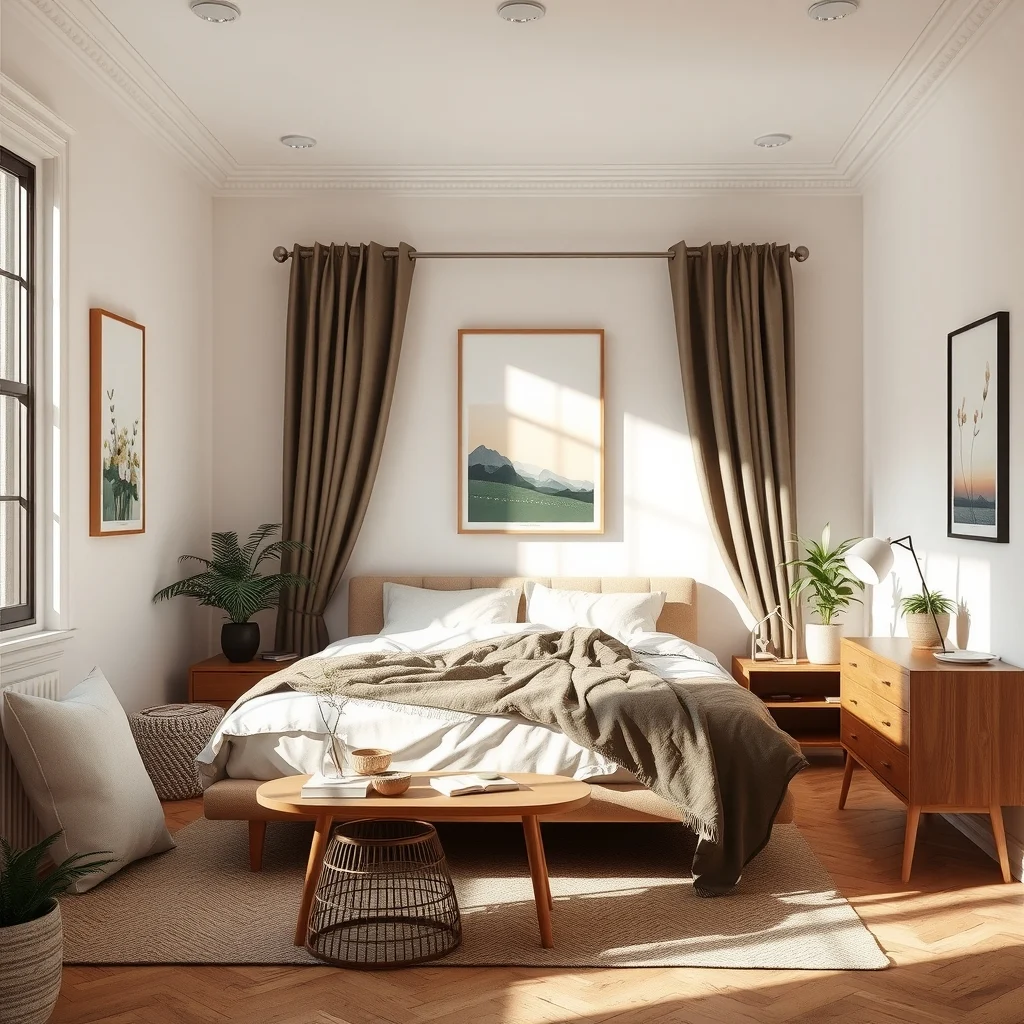
Designing a cozy bedroom in a limited‑space apartment is less about adding items and more about choosing pieces that serve multiple purposes while maintaining a calm aesthetic. By lowering the visual profile of the bed, integrating fold‑away work surfaces, layering gentle light, and thinking vertically, you can craft a personal sanctuary that feels both spacious and welcoming. Small adjustments—like swapping heavy curtains for a simple shade or opting for a storage bench instead of a bulky dresser—make a noticeable difference without breaking the budget. Remember that each element should contribute to comfort and ease of use; when the room supports your daily routine, the sense of coziness becomes a natural by‑product of thoughtful design.