
When a small apartment feels a little too stark, the instinct is often to reach for a new paint swatch or a bold accent hue. While color can certainly shift mood, the subtle power of texture creates comfort without overwhelming limited walls. By focusing on the way surfaces feel and interact with light, you can introduce warmth, depth, and a lived‑in quality that feels both inviting and refined. The following ideas show how to layer tactile elements throughout a compact space, allowing you to soften the overall atmosphere while keeping the palette neutral and versatile.
1. Layer Natural Fabrics for Immediate Warmth
© 2026 AI Illustrator — Inspiration Only
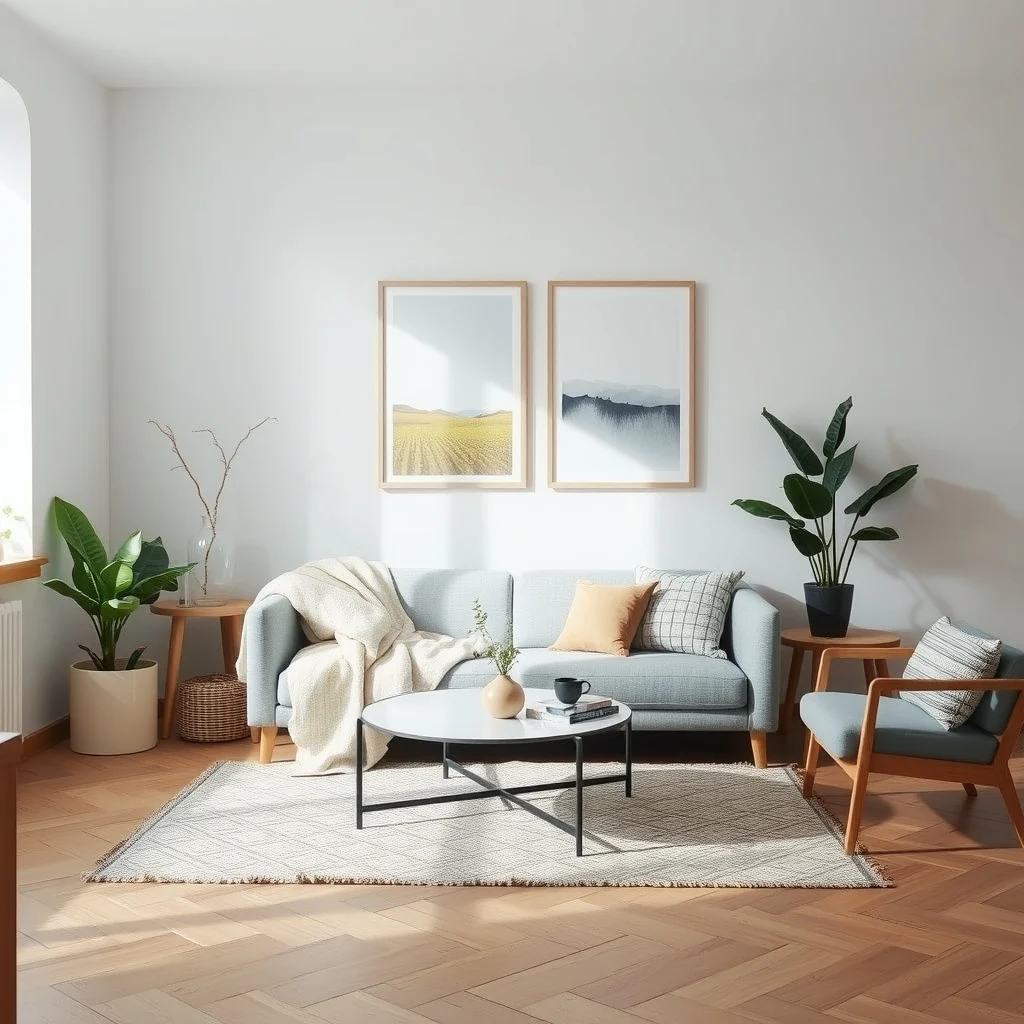
Start with the most approachable texture: fabric. A linen throw draped over a sofa adds a breezy, tactile layer that invites a hand‑to‑skin moment. Pair it with a low‑pile wool rug under the coffee table; the rug’s subtle nap catches light differently throughout the day, creating visual interest without a splash of pigment. When choosing fabrics, consider durability—linen and cotton handle foot traffic well, while a plush velvet pillow can be reserved for a reading nook where it stays mostly untouched. The combination of these materials softens hard surfaces, making the room feel lived in rather than staged. By mixing weight and weave, you achieve a balanced softness that can be refreshed seasonally with a change of throw or cushion cover.
What’s Your Apartment Decor Style?
Answer these quick questions to discover your perfect decor vibe.
2. Introduce Organic Materials to Ground the Space
© 2026 AI Illustrator — Inspiration Only
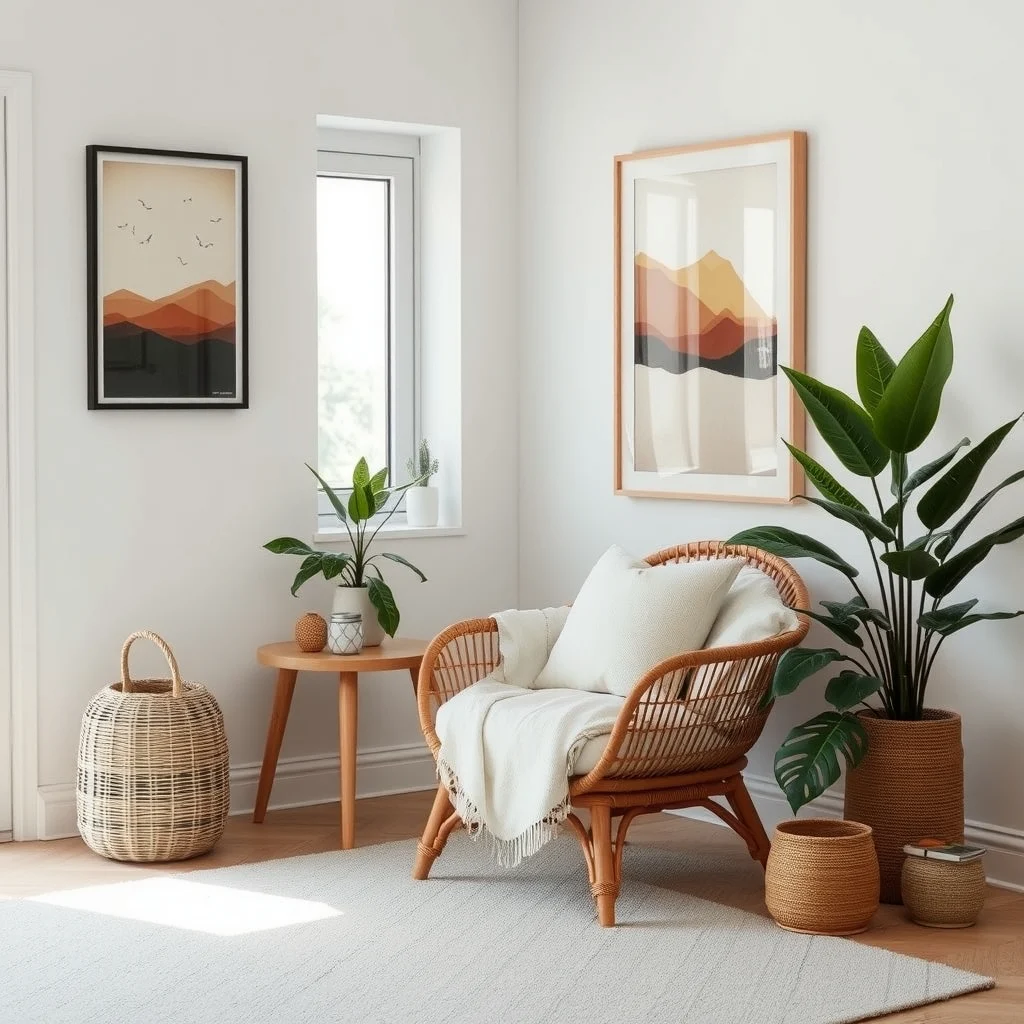
Wood, rattan, and woven bamboo bring an earthy quality that feels instantly grounding. A rattan side chair placed beside a window adds visual lightness while still offering a tactile surface for your hands. If floor space is limited, a slim bamboo console can serve as a display surface for books and small plants, adding a subtle grain pattern without crowding the room. Choose pieces with a natural finish rather than a high gloss; the matte surface reflects ambient light softly, reinforcing the goal of a gentle environment. Keep in mind that raw wood may require occasional dusting to maintain its texture, but the effort pays off in a room that feels warm and connected to nature.
We're Now Open!
Thoughtful digital guides and planners to help you decorate, organize, and create a home you love.
Use code: WELCOME15
EXPLORE LIVANA STUDIO →Beautiful spaces. Smarter living.
3. Add Textured Wall Treatments for Depth
© 2026 AI Illustrator — Inspiration Only
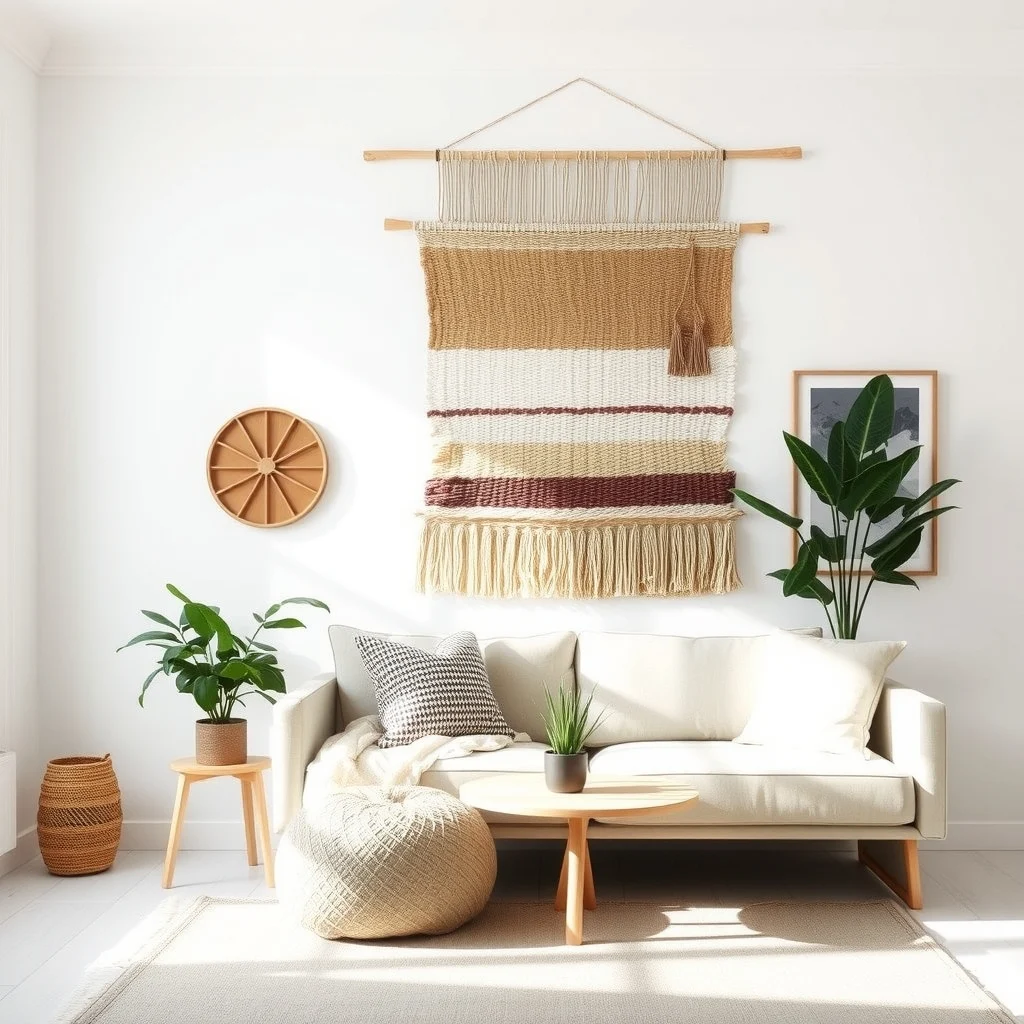
Walls need not remain flat and featureless. A woven wall hanging made from jute or hemp introduces a three‑dimensional element that catches shadows as the sun moves across the room. For a more permanent solution, consider reclaimed wood paneling on a single accent wall; the uneven grain creates a sense of history and softness that paint alone cannot provide. When installing such panels, ensure they are securely attached to avoid any safety concerns, especially in high‑traffic areas. If you prefer a lighter touch, a fabric‑covered board can be mounted above a sofa, offering the same tactile quality without the commitment of full‑wall coverage.
4. Mix Matte Finishes and Brushed Metals
© 2026 AI Illustrator — Inspiration Only
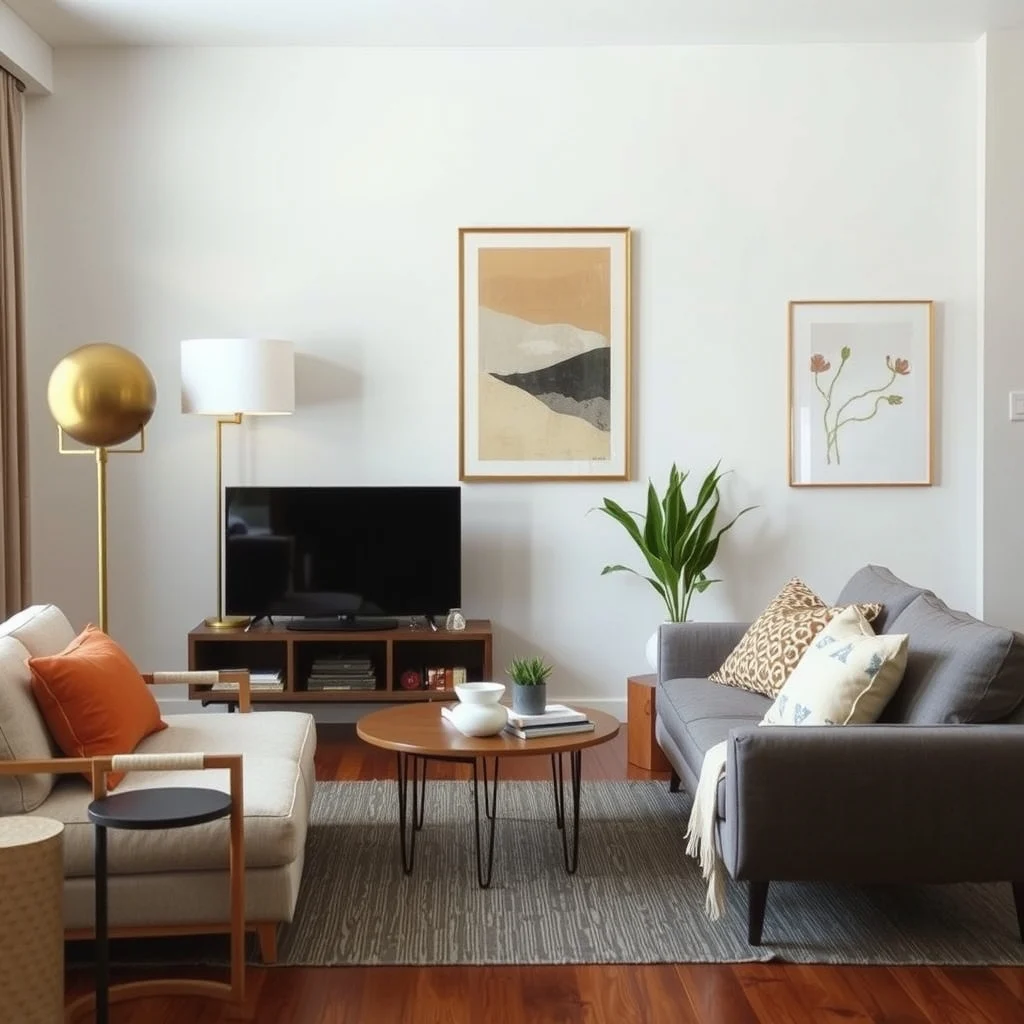
Metallic accents often bring a sleek, cold feel, but choosing brushed brass or oil‑rubbed bronze in a matte finish softens that impression. A brushed‑metal floor lamp with a linen shade diffuses light gently, while a matte‑finished side table provides a sturdy base without reflecting too much glare. The contrast between the subtle sheen of metal and the softness of fabric creates a balanced visual rhythm that feels sophisticated yet approachable. Be mindful of placement; a metal object near a window may attract dust more quickly, so occasional wiping will keep its texture pleasant to the eye.
5. Use Plants as Living Texture
© 2026 AI Illustrator — Inspiration Only
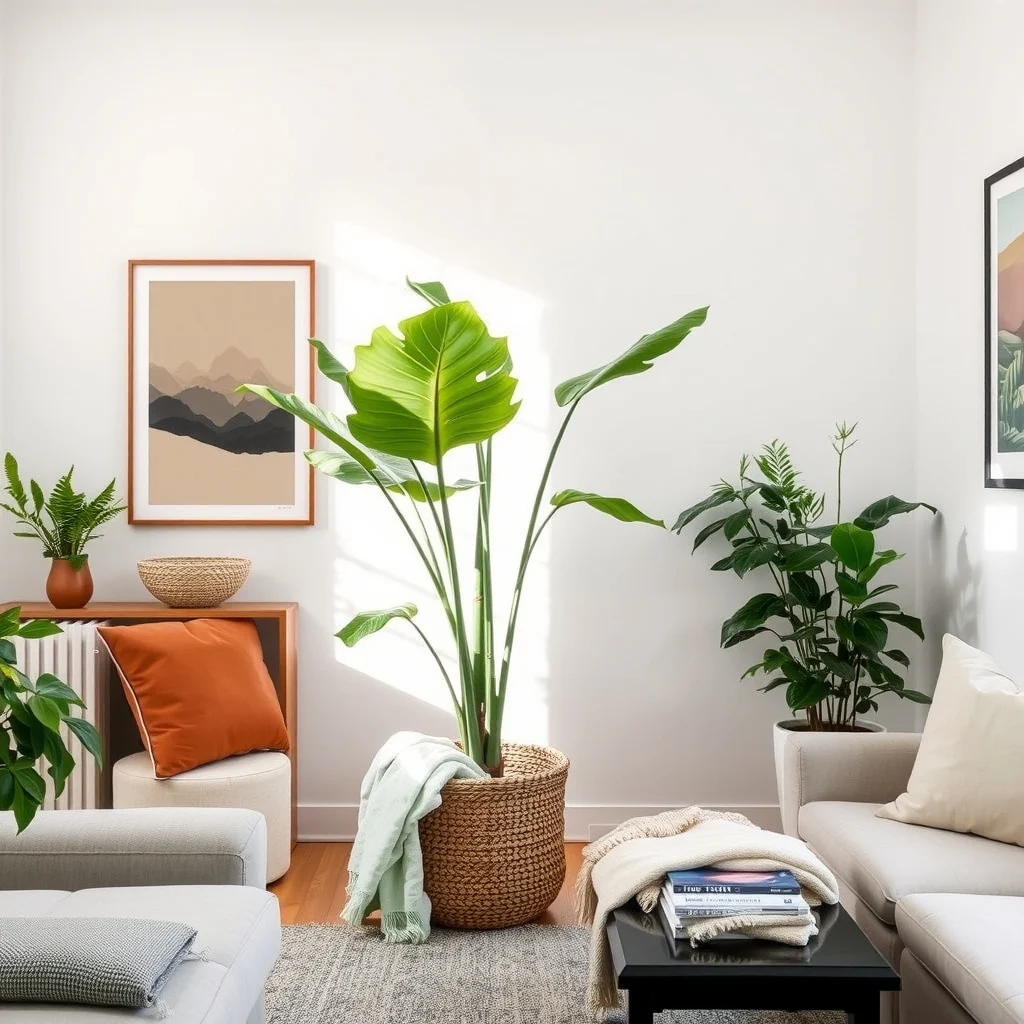
Foliage adds a natural, ever‑changing texture that brightens a room without relying on color. A tall fiddle‑leaf fig in a woven basket introduces a broad, leafy surface that can be brushed against for a calming effect. Smaller succulents placed on a wooden tray provide varied leaf shapes, each casting delicate shadows that enhance the room’s softness. When selecting plants, consider their light requirements and watering needs to avoid maintenance headaches. Grouping plants of different heights and leaf structures creates a layered look that feels curated and organic, contributing to a relaxed atmosphere.
6. Choose Light Fixtures with Soft Coverings
© 2026 AI Illustrator — Inspiration Only
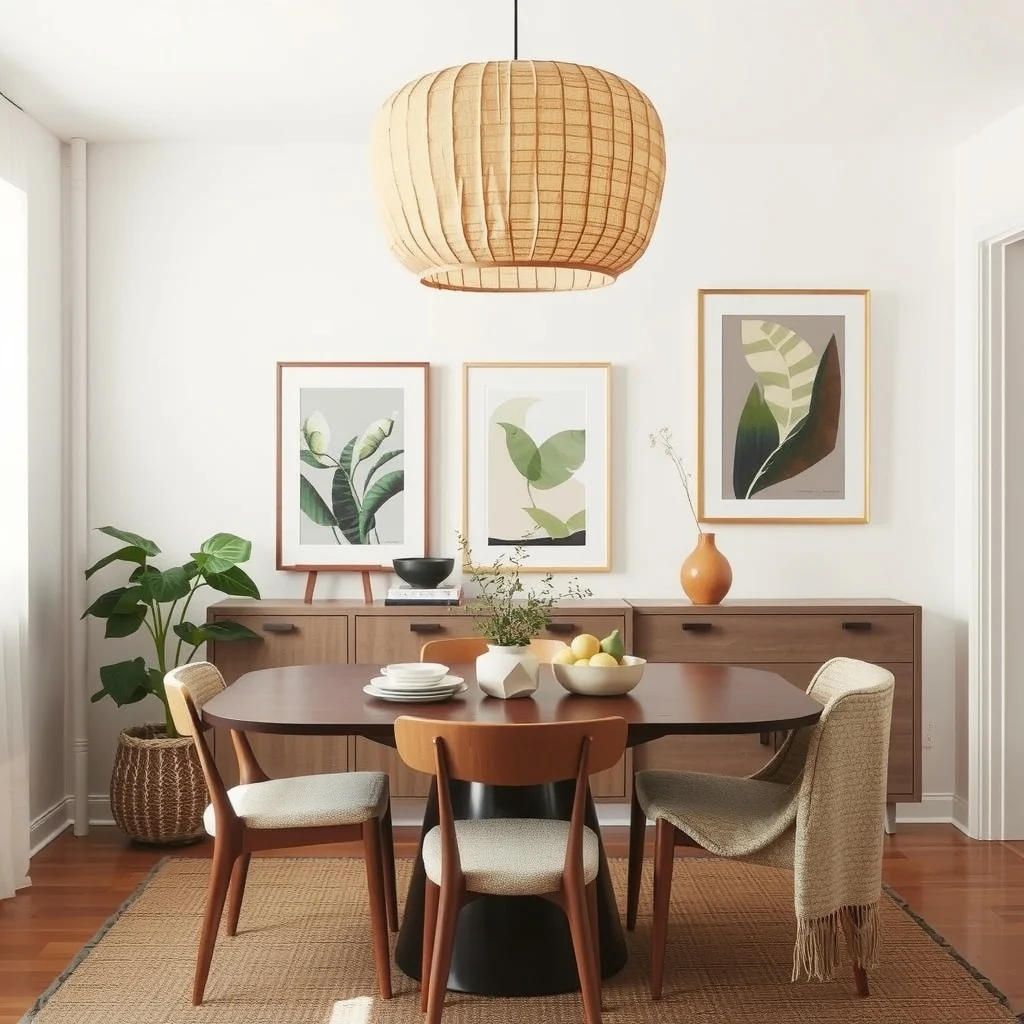
Lighting is a powerful tool for texture. A paper lantern hung above the dining area diffuses illumination, turning harsh overhead light into a gentle glow that feels like a soft veil. Fabric‑covered pendant lights made from cotton or linen produce a similar effect, while also adding a tactile element that can be felt when adjusting the fixture. Position these lights near seating zones to create pockets of warmth without overwhelming the entire apartment. Remember that fabric shades should be kept away from open flames and should be cleaned according to the manufacturer’s instructions to maintain their softness over time.
7. Curate Textured Accessories for Functional Beauty
© 2026 AI Illustrator — Inspiration Only
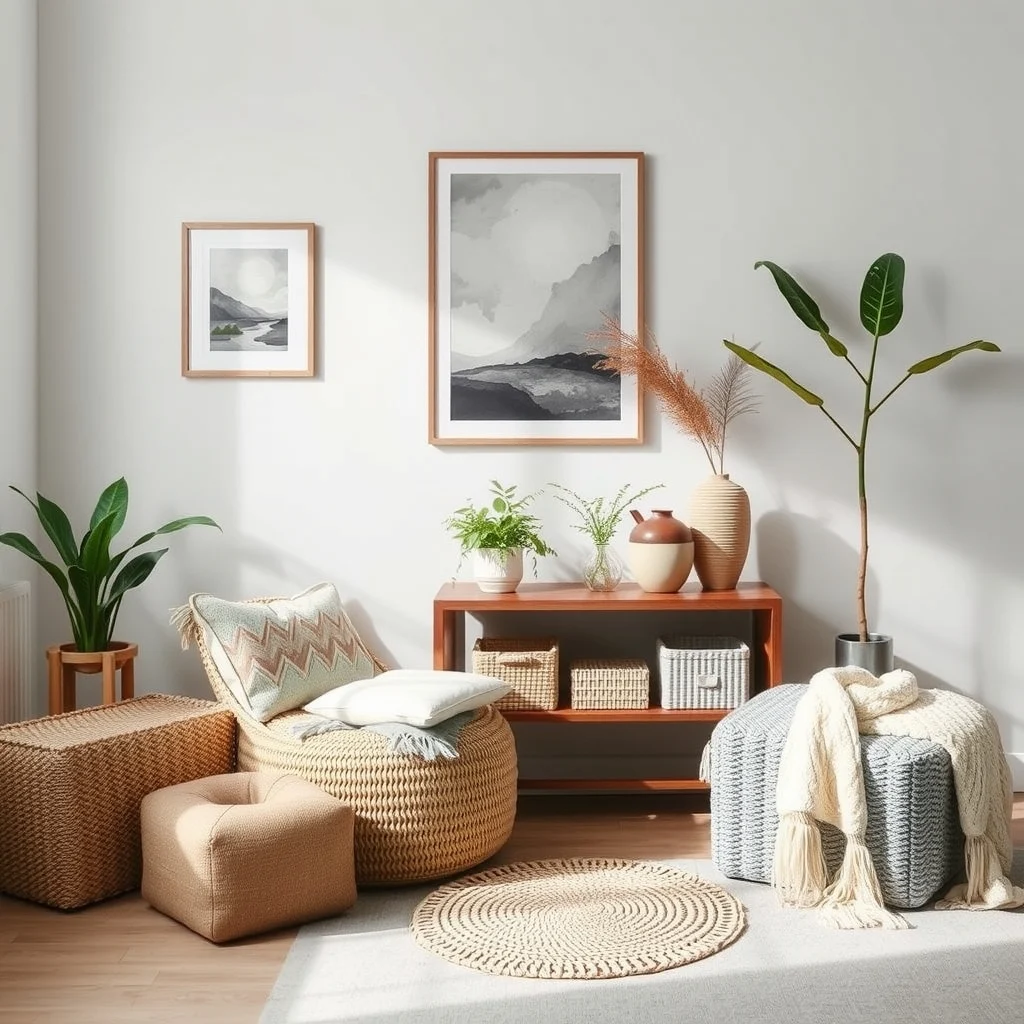
Accessories such as woven baskets, crocheted poufs, and hand‑knit blankets serve dual purposes: they add texture and provide storage or seating. A large seagrass basket tucked under a console can hide clutter while its rough surface adds visual interest. A crocheted pouf placed beside a chair offers an extra seat and a tactile contrast to smoother furniture. When choosing these items, think about durability—synthetic fibers may hold up better in high‑traffic zones, whereas natural fibers bring a richer feel in low‑traffic corners. By rotating accessories seasonally, you keep the space feeling fresh without altering the overall color scheme.
Frequently Asked Questions
© 2026 AI Illustrator — Inspiration Only
How can I add texture without making the room feel cluttered?
Start with a few key pieces—one rug, one throw, and one wall hanging—and build from there. Each addition should serve a purpose, whether it’s comfort, storage, or visual interest, which prevents the space from feeling overcrowded.
Is it okay to mix different types of wood in the same room?
Yes, mixing wood tones can add depth when the finishes are consistent. Pair a light oak coffee table with a darker walnut sideboard, ensuring both have a similar matte or brushed finish to keep the look cohesive.
What are low‑maintenance textures for a busy household?
Materials like microfiber upholstery, woven synthetic baskets, and brushed metal fixtures resist dust and stains. They can be cleaned with a damp cloth, making them practical for families or frequent entertaining.
Can I use textured wallpaper in a small apartment?
A subtle, textured wallpaper on a single accent wall works well; it adds depth without overwhelming the space. Choose a pattern with a muted tone to maintain the soft, neutral palette.
How do I balance soft textures with existing modern furniture?
Introduce texture through accessories rather than replacing major pieces. A linen throw on a sleek leather sofa or a wool rug under a glass coffee table creates contrast while preserving the modern silhouette.
Final Thoughts
© 2026 AI Illustrator — Inspiration Only
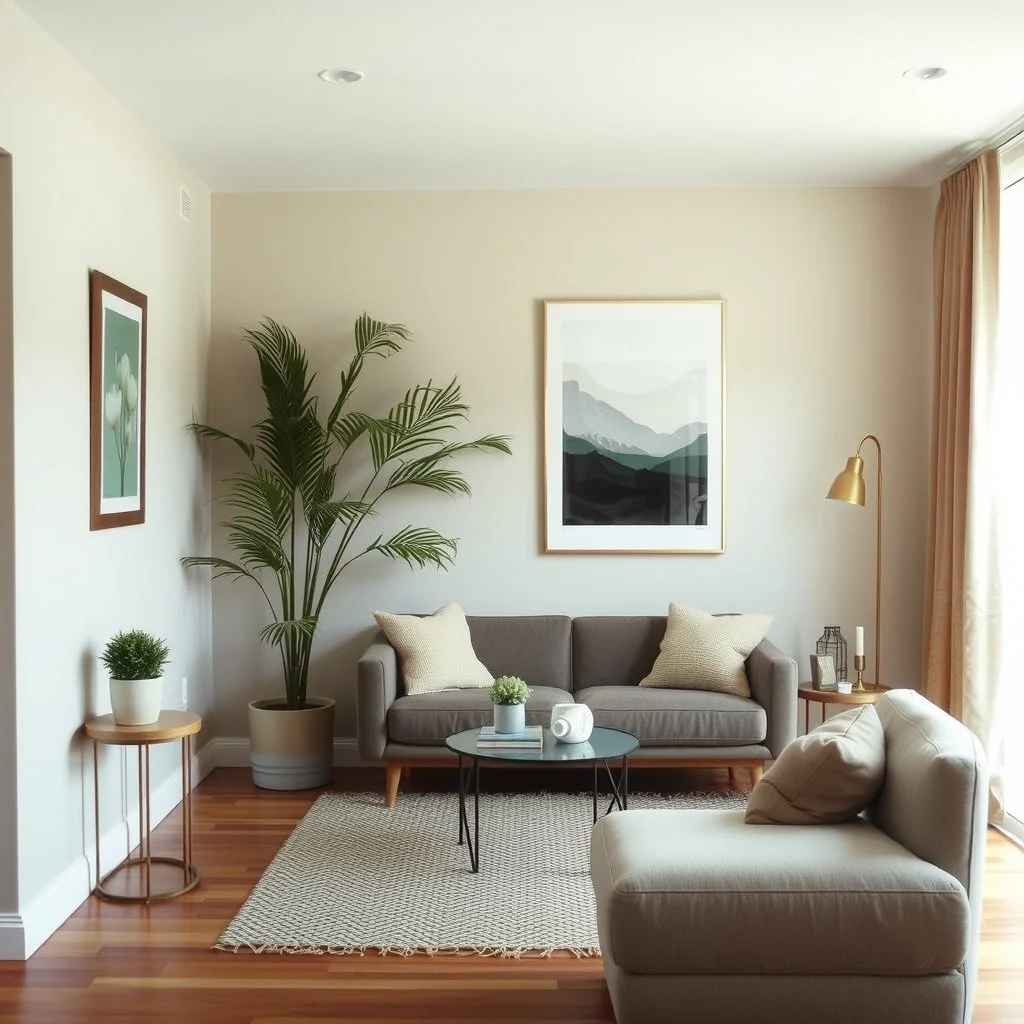
Softening an apartment through texture rather than bold color is a subtle yet effective strategy. By thoughtfully selecting fabrics, natural materials, tactile wall treatments, and gentle lighting, you create layers that invite touch and visual calm. Each element contributes to a cohesive, inviting environment that feels both personal and timeless. As you experiment, remember that texture is most successful when it serves both aesthetic and functional purposes, allowing your home to feel comfortable without sacrificing style.