
Living in a studio often feels like solving a puzzle where the biggest piece – a generous mattress – threatens to dominate the whole space. The challenge is to keep the room feeling airy while still providing enough places to tuck away clothes, books, and everyday essentials. Below are seven design approaches that let a large bed coexist peacefully with clever storage solutions, so you can enjoy comfort without sacrificing order.
1. Turn the Bed Frame into a Built‑In Storage Unit
© 2026 AI Illustrator — Inspiration Only
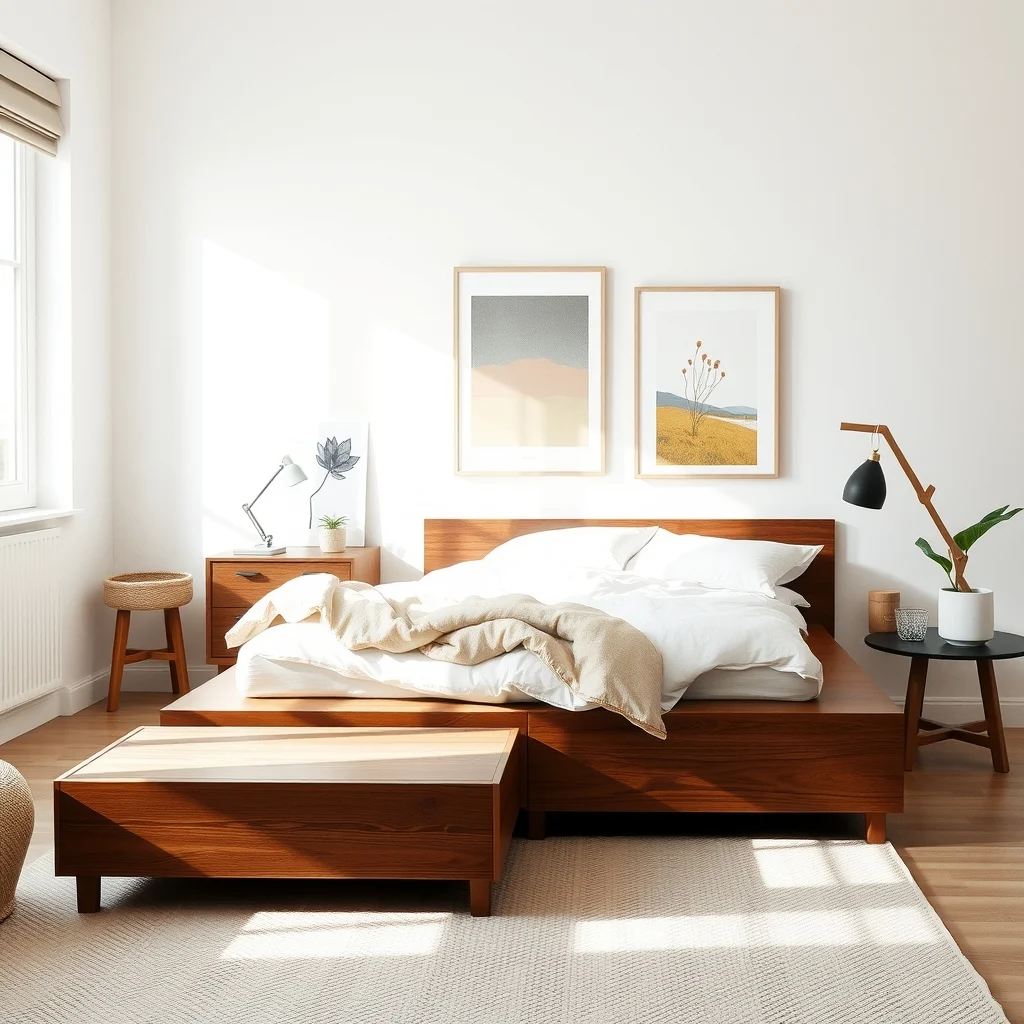
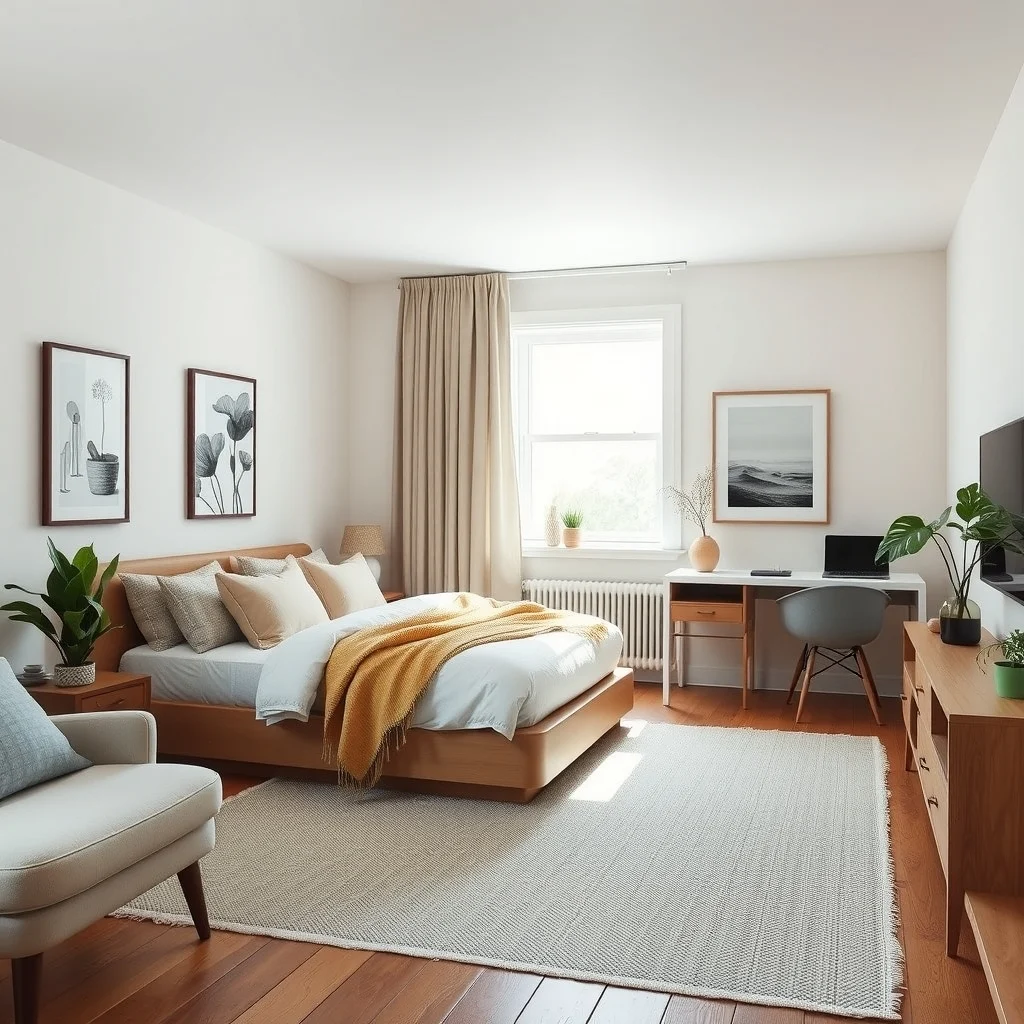
When the bed itself becomes a storage hub, the rest of the room instantly gains breathing room. Opt for a platform with deep drawers that span the width of the mattress; they are perfect for seasonal clothing, extra linens, or even a stack of shoes. The drawer fronts can be finished in the same wood tone as the floorboards, creating a seamless look that doesn’t draw attention to the bulk of the furniture. Because the drawers sit low, they double as a nightstand surface for a lamp or a small tray of books. The trade‑off is that you’ll need to choose a mattress that fits the internal dimensions, but most standard queen‑size options work well with a few centimeters of clearance.
What’s Your Apartment Decor Style?
Answer these quick questions to discover your perfect decor vibe.
2. Create a Vertical Gallery Wall with Integrated Shelving
© 2026 AI Illustrator — Inspiration Only
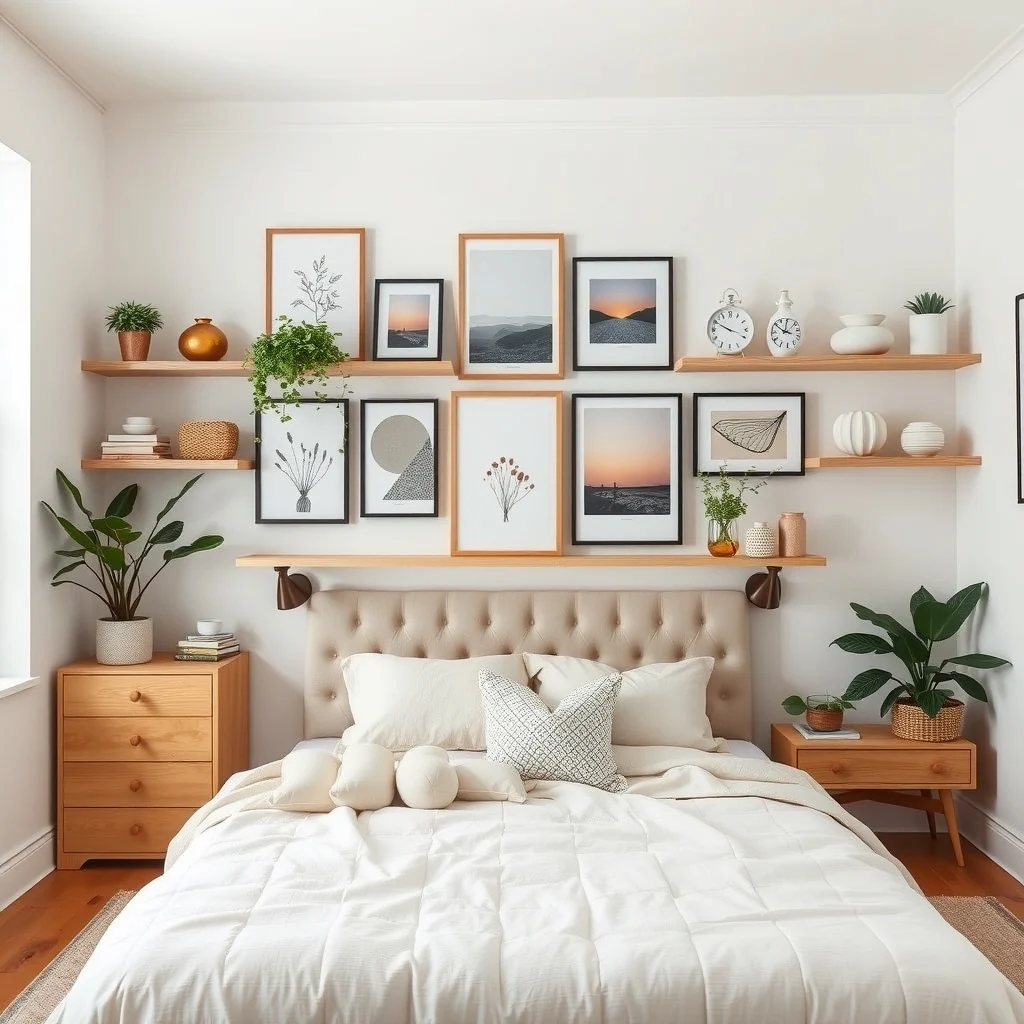
Vertical space is a studio’s best friend, especially when floor area is at a premium. Installing a series of narrow floating shelves that stretch from just above the headboard up to the ceiling gives you a place for decorative objects, plants, and frequently used items without encroaching on the walking path. By keeping the shelves slim—no more than two inches deep—you avoid a visual wall that can make the room feel cramped. Pair the shelving with a series of low‑profile frames to display art or photographs, which adds personality while keeping the eye moving upward. The only caution is to ensure the brackets are securely anchored to studs, as the weight of books can add up quickly.
3. Use a Fold‑Down Desk That Stows Behind the Bed
© 2026 AI Illustrator — Inspiration Only
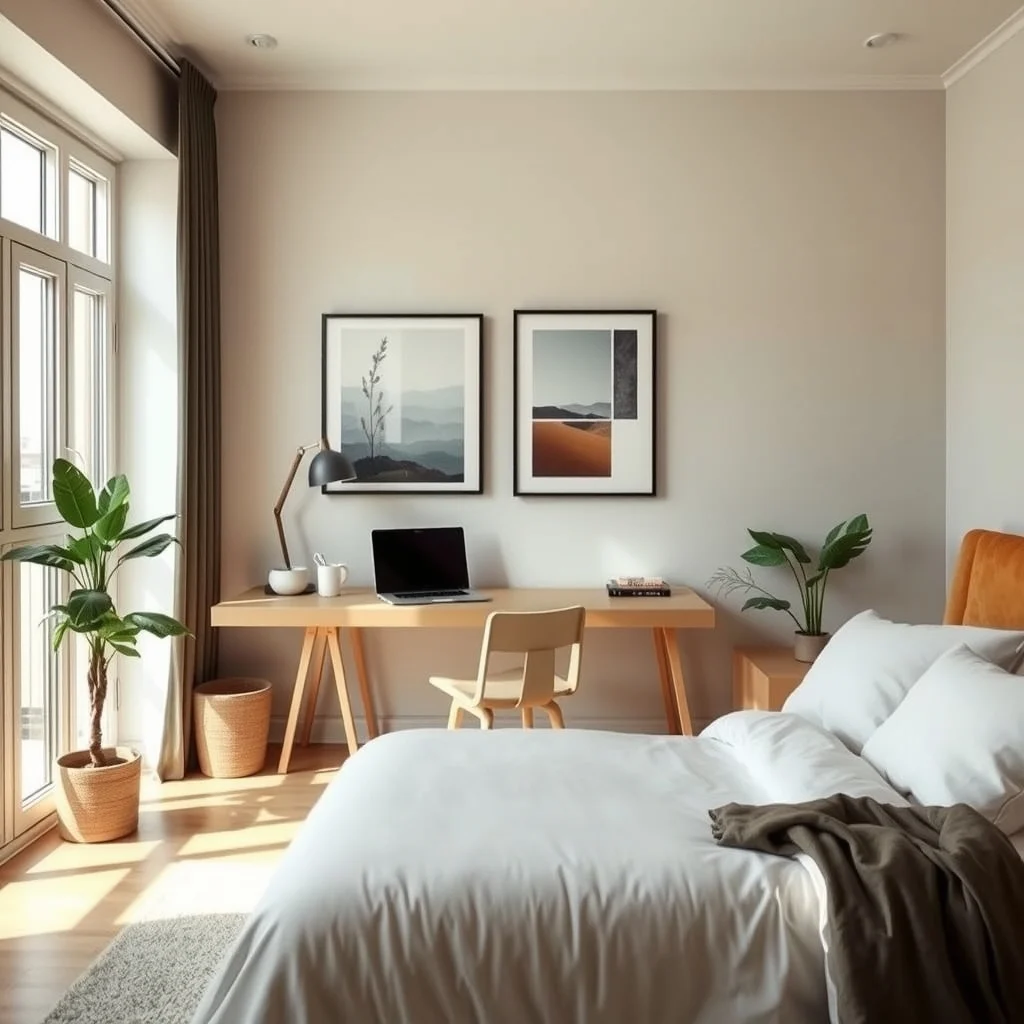
A compact workspace can disappear into plain sight when you choose a wall‑mounted desk that folds down from the wall opposite the bed. When raised, the desk provides a solid surface for a laptop, a lamp, and a few office supplies; when folded, it tucks away neatly, leaving only the sleek edge visible. Selecting a finish that matches the headboard or the room’s trim creates continuity, preventing the desk from looking like an afterthought. Adding a couple of slim drawer units beneath the desk gives you a place for paperwork without taking up floor space. The main limitation is that the desk requires a clear wall area, so it works best in studios where the sleeping zone is clearly separated from the entryway.
4. Install a Sliding Closet System Along One Wall
© 2026 AI Illustrator — Inspiration Only
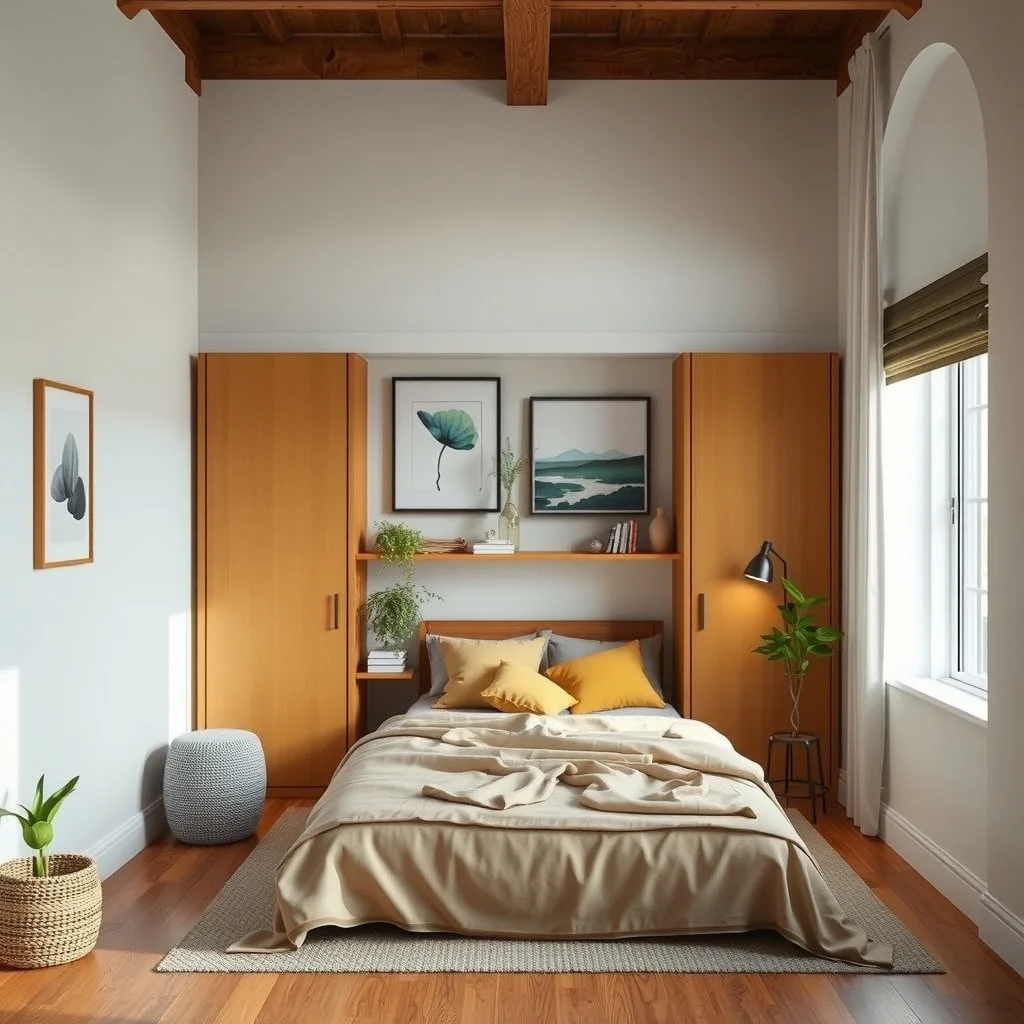
Traditional hinged doors swing outward and can quickly clutter a narrow studio. A sliding closet system, mounted on a single wall, slides horizontally and stays flush with the surface, preserving precious floor area. Inside the closet, incorporate a mix of hanging rods, pull‑out baskets, and a top shelf for rarely used items. Choosing a light‑colored veneer or a matte finish helps the closet blend into the background, making the room feel less boxed in. While sliding mechanisms are more expensive than a simple wardrobe, the long‑term gain in usable space often justifies the investment, especially when you’re working with a large bed that already consumes much of the floor.
5. Add a Low‑Profile Daybed at the Foot of the Bed
© 2026 AI Illustrator — Inspiration Only
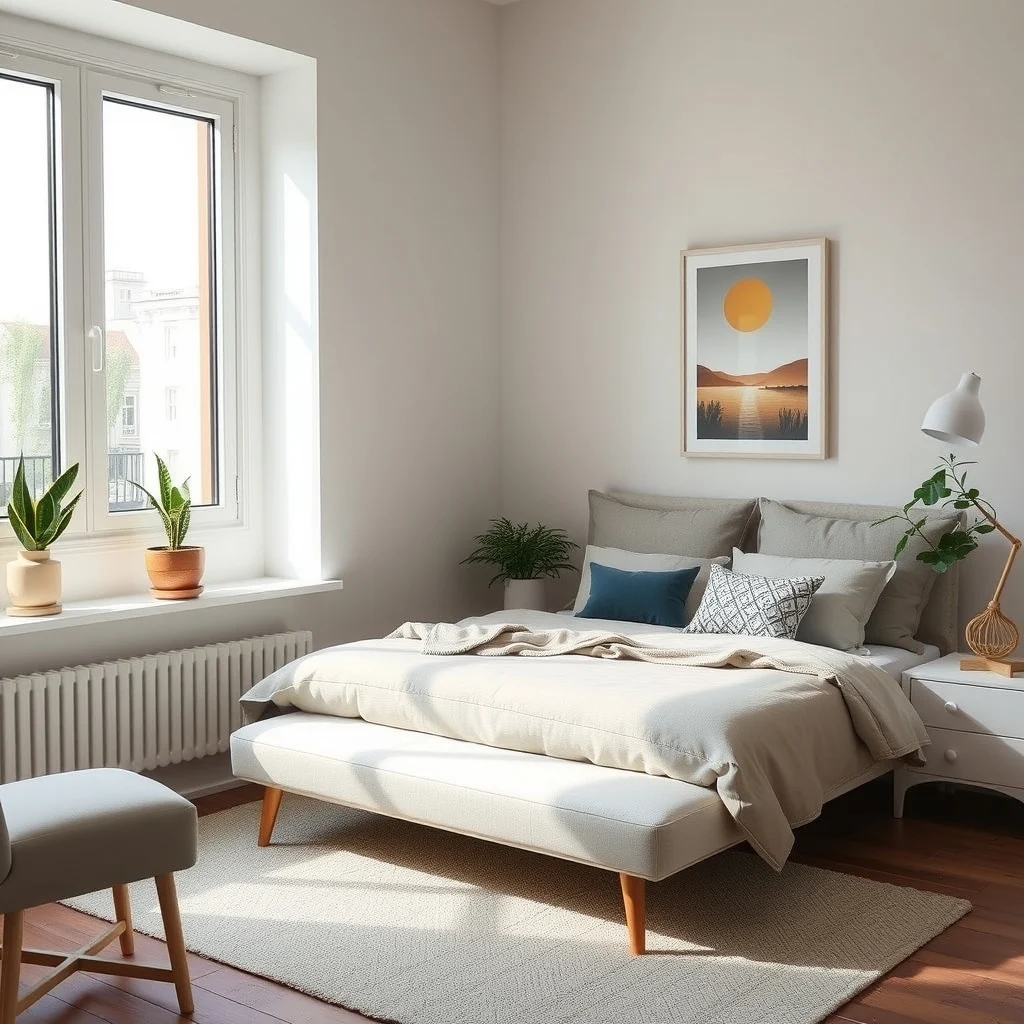
Instead of a traditional nightstand, place a low, upholstered daybed directly at the foot of the mattress. The daybed can serve as additional seating for reading, a spot to lay out a blanket for a quick nap, or a platform for decorative baskets that hold blankets and magazines. Because it sits at the same height as the mattress, it maintains a cohesive line that visually elongates the room rather than chopping it up. Selecting a fabric in a muted tone ensures the piece remains subtle, while the hidden storage underneath adds a practical layer. The only downside is that the daybed occupies the space that might otherwise be used for a small table, so consider your daily habits before committing.
6. Hang a Curtain Divider to Separate Sleeping and Living Zones
© 2026 AI Illustrator — Inspiration Only
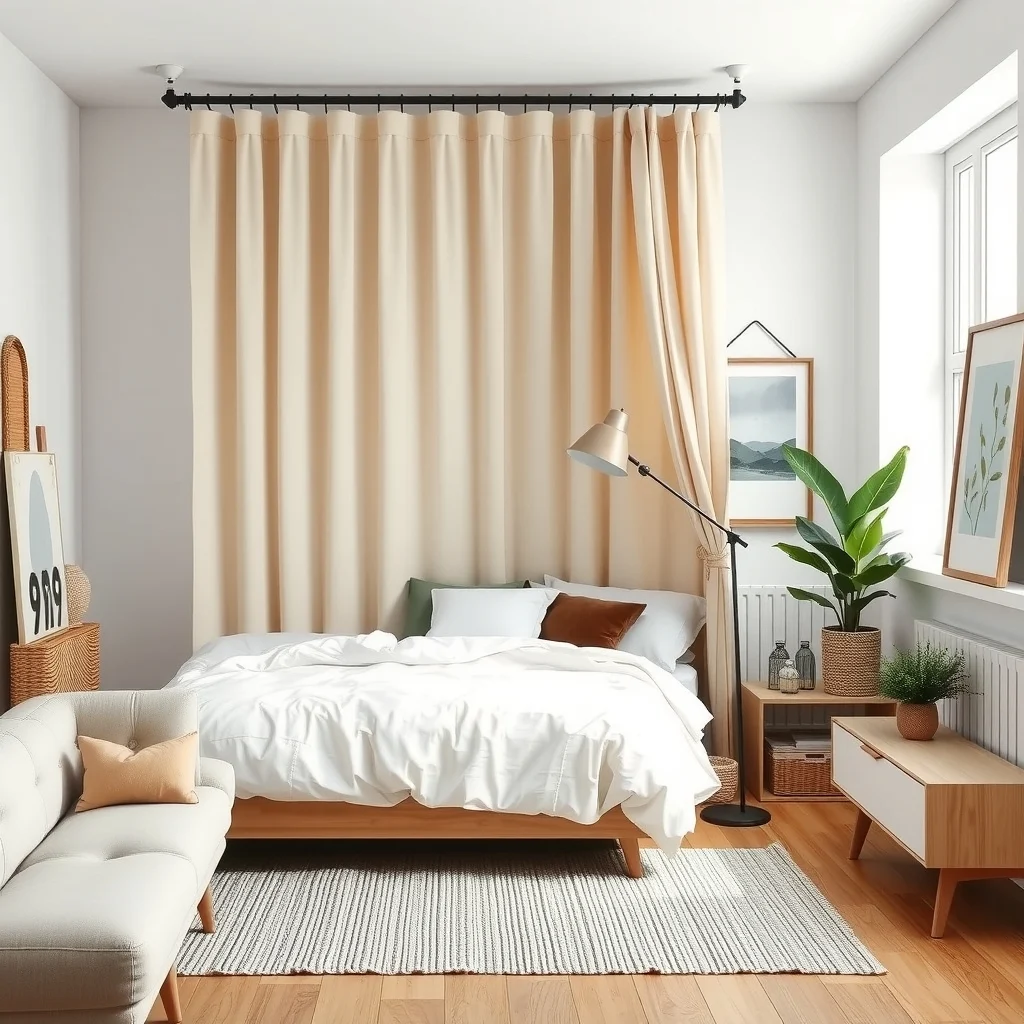
A lightweight curtain, mounted on a ceiling track, can create a soft boundary between the bed and the rest of the studio without permanently dividing the space. When drawn, the curtain offers a sense of privacy and helps contain dust on the bedding; when pulled back, it reveals the full floor plan, keeping the apartment feeling open. Choose a fabric with a subtle pattern that complements the wall color, and pair it with a simple rod that can also support a few decorative hooks for hanging coats or bags. This solution is inexpensive and reversible, making it ideal for renters. However, it provides no additional storage, so you’ll still need other strategies for stashing belongings.
7. Incorporate a Multi‑Functional Headboard with Built‑In Shelves
© 2026 AI Illustrator — Inspiration Only
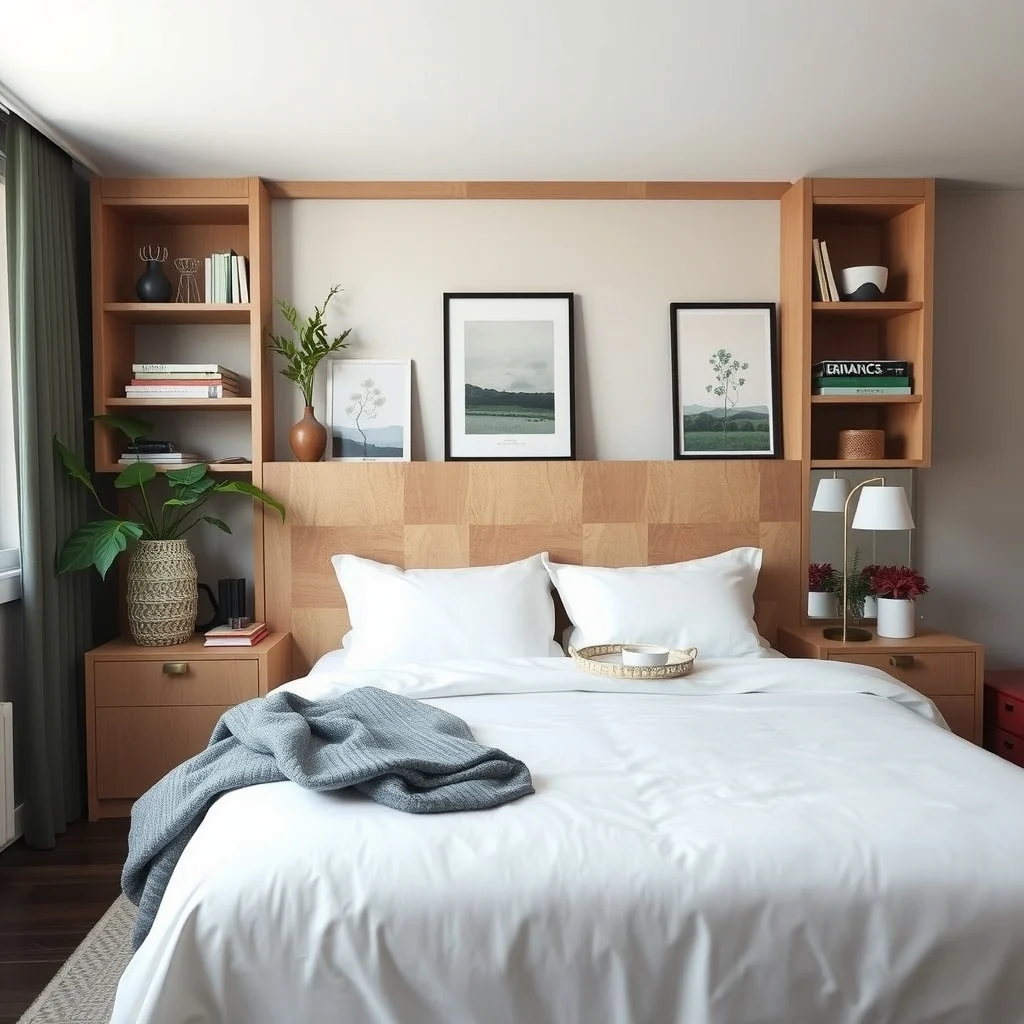
Replacing a plain headboard with a custom unit that includes built‑in shelves or cubbies adds both style and utility. Small recessed shelves can hold a bedside lamp, a stack of books, or a decorative tray for jewelry, while deeper cubbies can store a weekly planner, headphones, or a tablet. By anchoring the headboard directly to the wall, you free up floor space that would otherwise be taken up by a nightstand. Selecting a headboard finished in a warm wood tone adds a grounding element that balances the large mattress. The primary consideration is ensuring the headboard is securely mounted, especially if you have a heavier mattress that exerts pressure on the frame.
FAQ
© 2026 AI Illustrator — Inspiration Only
How can I make a large bed feel less dominant in a studio?
Use visual tricks like a low‑profile headboard and a light‑colored duvet to keep the bed from overwhelming the space. Pairing the bed with built‑in storage or a daybed at the foot helps distribute visual weight, making the room feel more balanced.
What is the best type of lighting for a studio with limited storage?
Layered lighting works best: combine a central ceiling fixture with a floor lamp near the sitting area and a small table lamp on a wall‑mounted shelf. This approach provides flexibility without needing extra furniture for illumination.
Can I keep my studio tidy without a full‑size wardrobe?
Yes, a sliding closet system or a series of tall, narrow shelves can replace a bulky wardrobe while still offering hanging space and drawers. These solutions fit into narrow wall cavities and keep the floor clear.
Is a lofted bed practical in a studio?
A lofted bed can free up floor space for a desk or lounge area underneath, but it requires sufficient ceiling height—generally at least eight feet—to remain comfortable. If the ceiling is low, a platform with storage is a safer alternative.
How do I choose between a daybed and a small sofa?
If you need extra sleeping options, a daybed offers dual functionality as a seating area and a place to store blankets. A small sofa provides more formal seating but typically lacks storage, so the decision hinges on whether you value hidden storage or a more defined sitting space.
Final Thoughts
© 2026 AI Illustrator — Inspiration Only
Designing a studio around a large bed doesn’t have to mean sacrificing storage or style. By treating the bed as a central element that can double as a drawer, a divider, or a support for built‑in shelving, you create a cohesive environment where every square foot works toward comfort and organization. Choose the ideas that align with your daily routines, budget, and aesthetic preferences, and you’ll find that a spacious, well‑ordered studio is well within reach.