
Hosting friends in a studio can feel like solving a puzzle where every piece competes for space. The challenge is to create a welcoming atmosphere that feels generous, even when the square footage is modest. Below are seven approaches that let you welcome guests, keep circulation clear, and preserve the cozy feel that makes a studio feel like home.
1. Flexible Seating Arrangement
© 2026 AI Illustrator — Inspiration Only
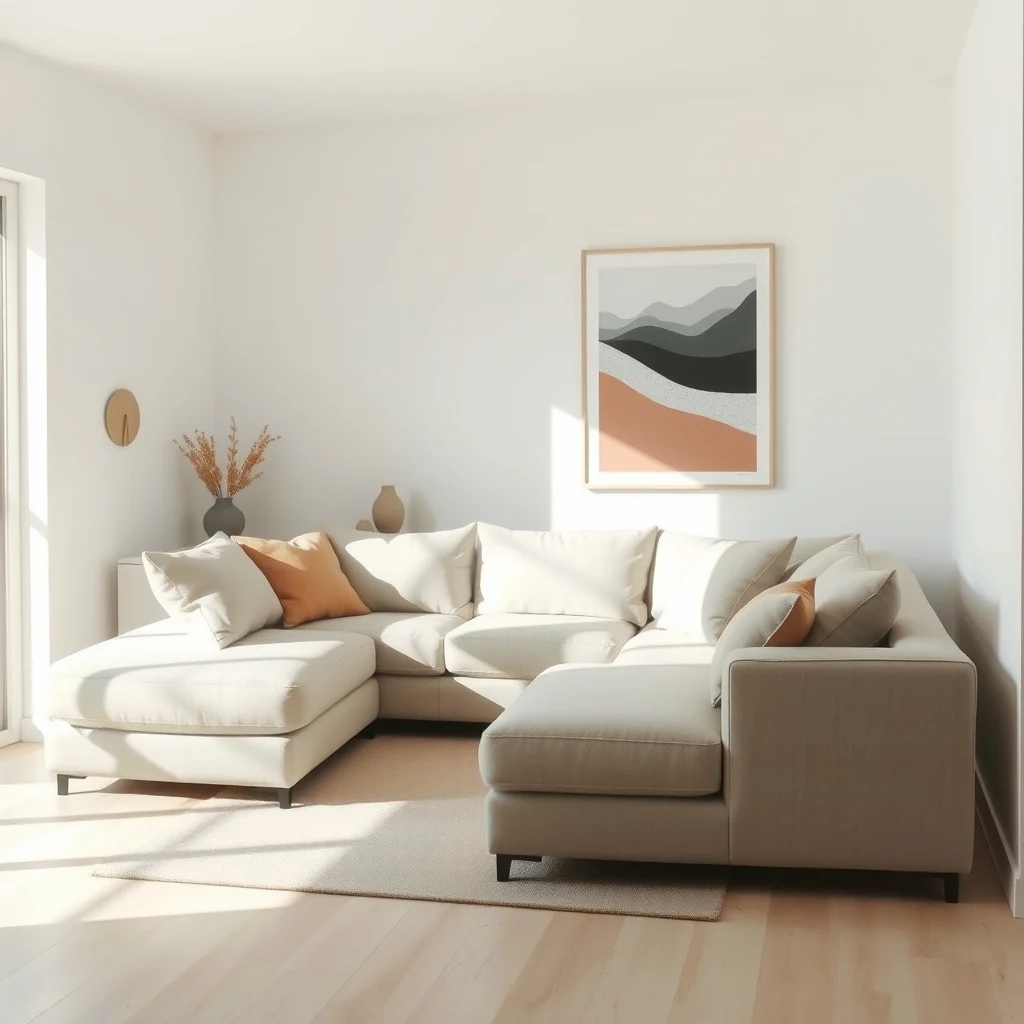
A low‑profile sofa with a chaise or modular sections offers a place for people to sit while still leaving room for movement. Choose upholstery in a neutral tone such as soft greige linen; the color blends with most palettes and doesn’t dominate a small floor plan. When you need extra seating, the chaise can be pulled apart or the modules rearranged into a casual lounge shape. Hidden storage beneath the cushions provides a discreet spot for extra blankets or board games, reducing the need for additional cabinets.
What’s Your Apartment Decor Style?
Answer these quick questions to discover your perfect decor vibe.
The key advantage is adaptability. During a movie night the sofa can face the TV, while a cocktail gathering benefits from a semi‑circular layout that encourages conversation. One trade‑off is that a larger sofa can limit floor space, so measure carefully and keep the depth under 30 inches to maintain a clear pathway.
2. Room Divider That Doubles as a Bar
© 2026 AI Illustrator — Inspiration Only
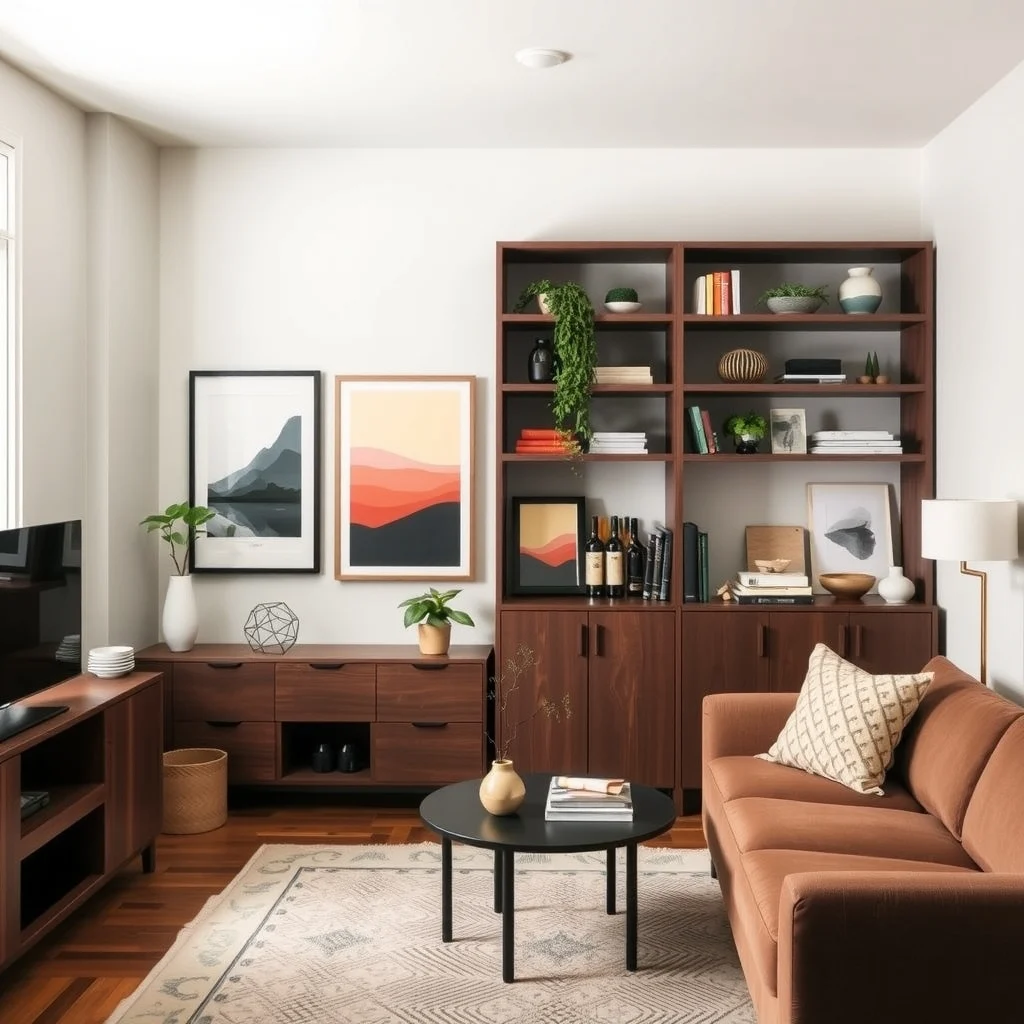
Instead of a solid wall, a slim shelving unit with open back panels can separate the sleeping zone from the entertaining area. When you line the shelves with glass‑front cabinets or a row of wine racks, the divider becomes a functional bar. Light wood or brushed brass finishes add visual interest without overwhelming the room, and the open design prevents the space from feeling boxed in.
Because the divider remains permeable, natural light can travel across the studio, preserving an airy feel. The main limitation is that the unit must be anchored securely; if you rent, look for a freestanding piece that leans against the wall rather than one that requires permanent installation.
3. Layered Portable Lighting
© 2026 AI Illustrator — Inspiration Only
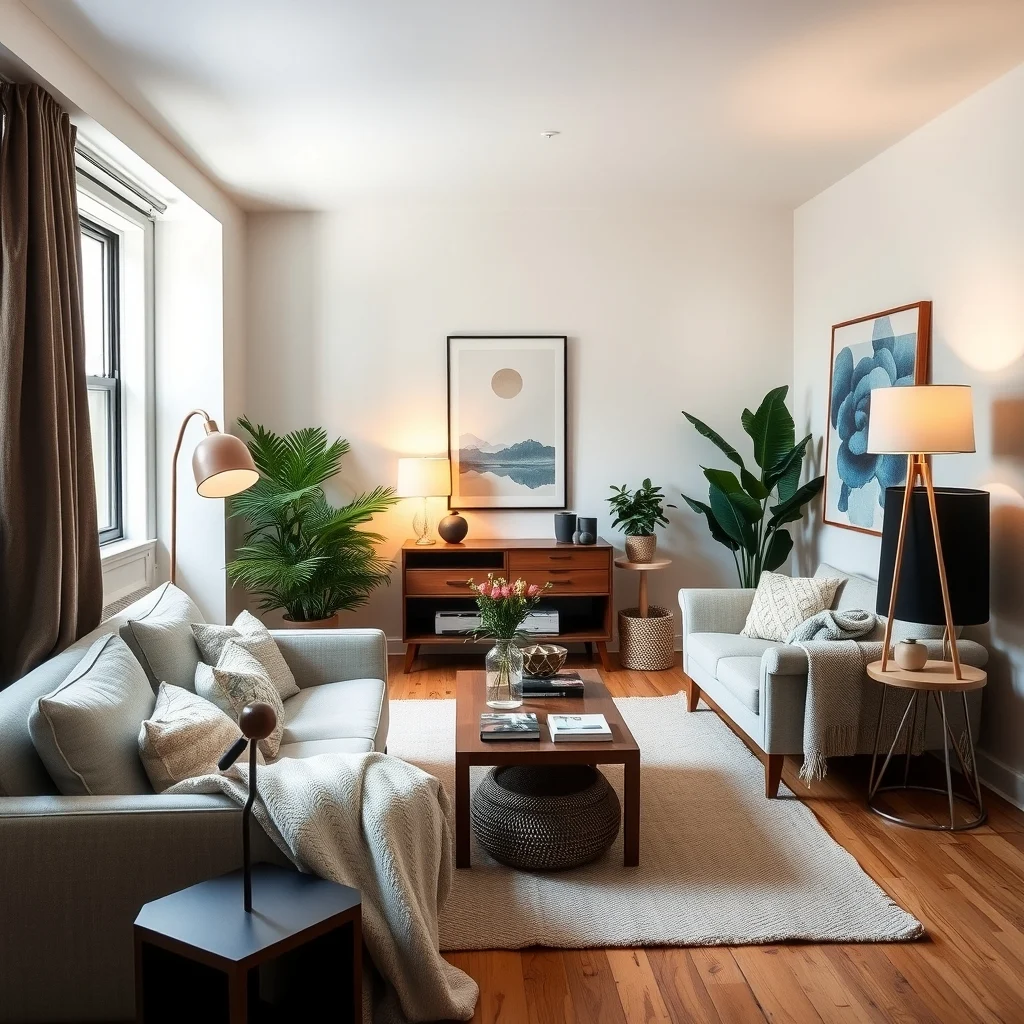
Relying solely on an overhead fixture can make a studio feel flat when guests arrive. Adding a pair of floor lamps with dimmable LEDs and a few strategically placed table lamps creates layers of light that can be adjusted for conversation, dining, or movie viewing. Warm amber bulbs soften the ambience, while a sleek metal base keeps the footprint small.
Portable lighting lets you move the sources as the activity changes—push a lamp closer to the dining nook for a dinner party, then shift it back to the seating area for a relaxed chat. The downside is the need to manage cords; opting for lamp models with built‑in cord management or wireless rechargeable units minimizes tripping hazards.
4. Fold‑Away Dining Table
© 2026 AI Illustrator — Inspiration Only
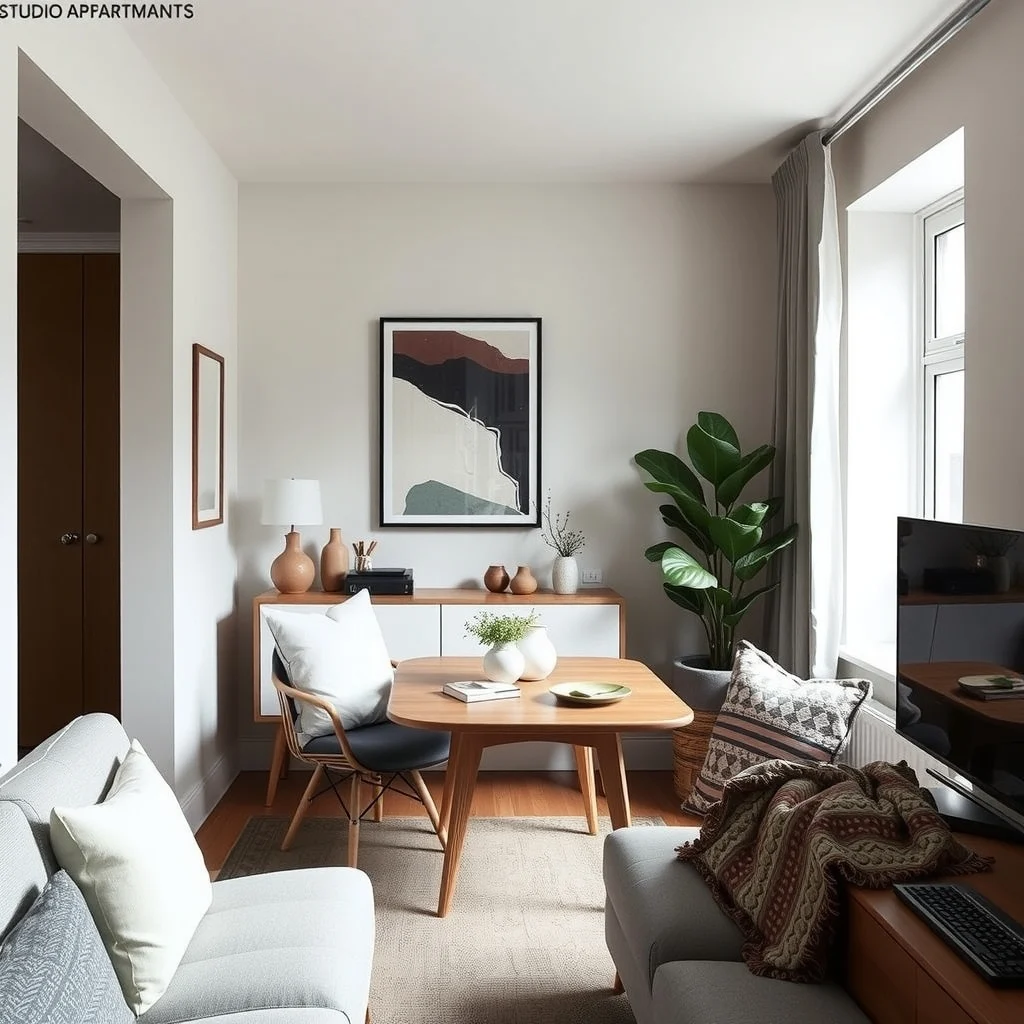
A wall‑mounted drop‑leaf table can expand from a narrow console into a full‑size dining surface when you have guests. When folded down, the table sits flush against the wall, leaving the floor clear for a yoga session or a quick tidy‑up. Choose a tabletop in reclaimed oak; the natural grain adds texture, and the sturdy construction handles the weight of a few plates and a bottle of wine.
The table’s hinge mechanism should be smooth and lock securely to avoid wobble. If the studio lacks a sturdy wall, a freestanding version with legs that tuck underneath the tabletop offers a similar effect, though it occupies a small amount of floor space even when folded.
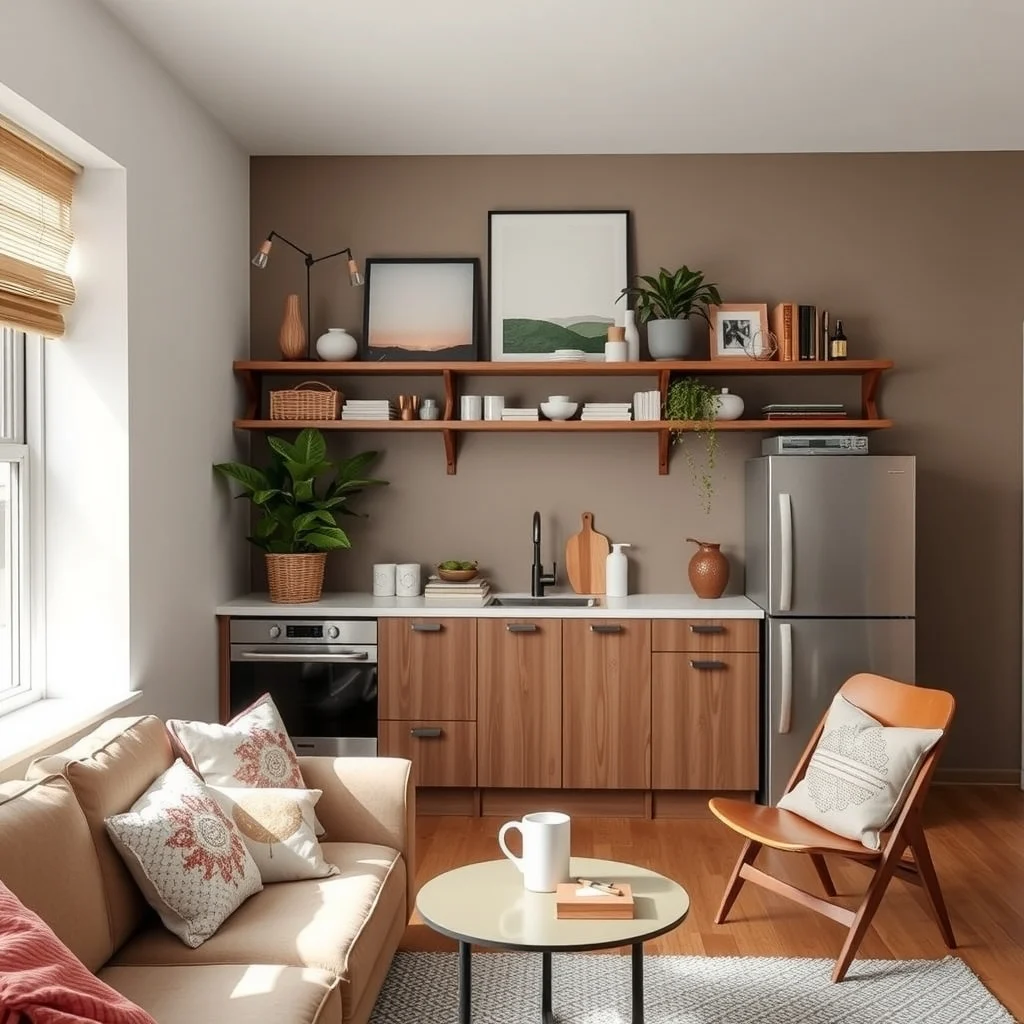
5. Wall‑Mounted Serving Station
© 2026 AI Illustrator — Inspiration Only
Installing a narrow rail with a few floating shelves above the kitchen area creates a dedicated spot for appetizers, drinks, and utensils. By keeping serving items off the countertop, you free up work space for food preparation and maintain a tidy look for guests. A matte black metal rail contrasts nicely with white porcelain dishes, adding a subtle design statement.
The height of the rail should be comfortable for most people—around 48 inches from the floor works well. If you have limited wall space, a single shelf with a decorative tray can serve the same purpose without overwhelming the room.
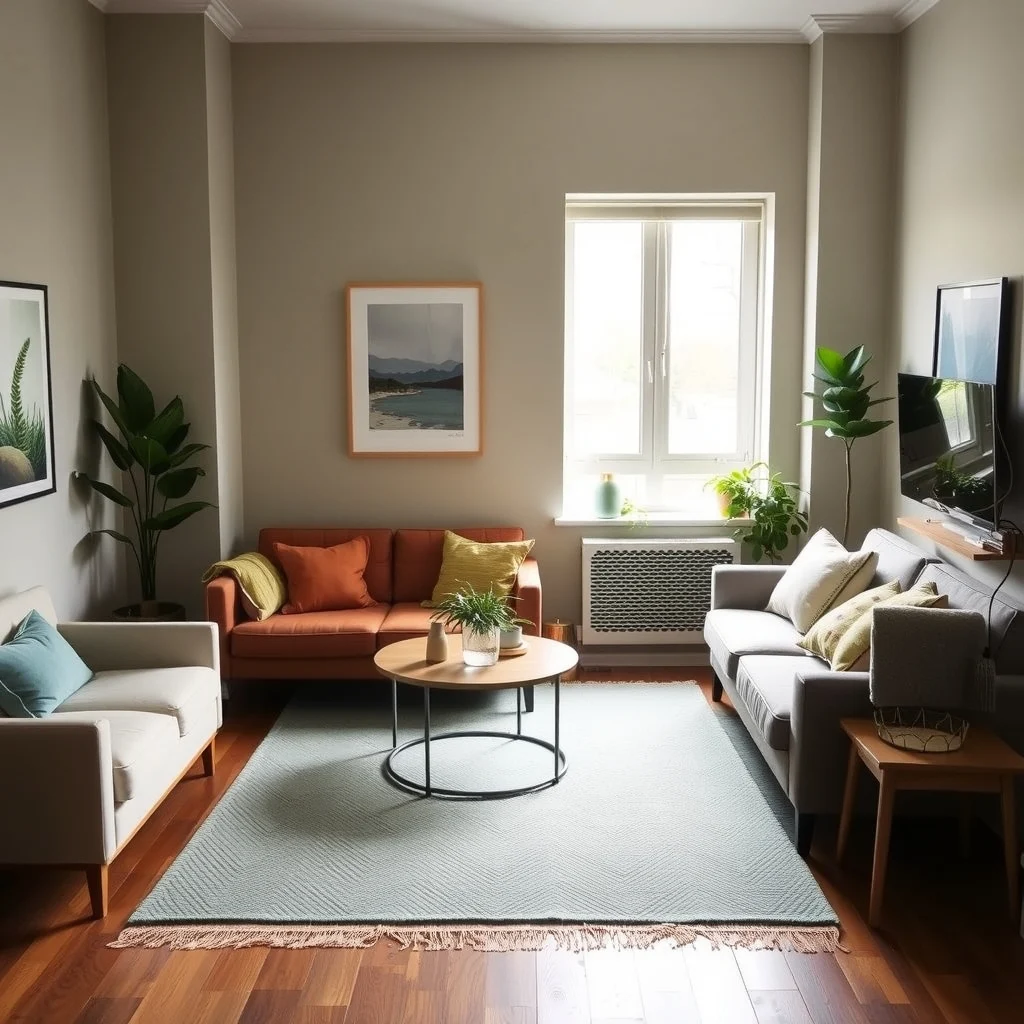
6. Strategic Rug Placement to Define Zones
© 2026 AI Illustrator — Inspiration Only
Area rugs are an inexpensive way to delineate a living area from a sleeping nook without erecting physical barriers. A low‑pile rug in a muted teal or soft terracotta anchors the seating cluster, while a second, slightly smaller rug under the bed creates a cozy foundation. The contrast in texture signals a shift in function, helping guests navigate the space intuitively.
Choose rugs with a natural fiber like jute for durability; they are easy to clean and resist stains from spilled drinks. One consideration is the rug size relative to furniture—if the rug is too small, it can make the arrangement feel disjointed, so aim for a rug that extends at least 18 inches beyond the edges of the sofa or bed.
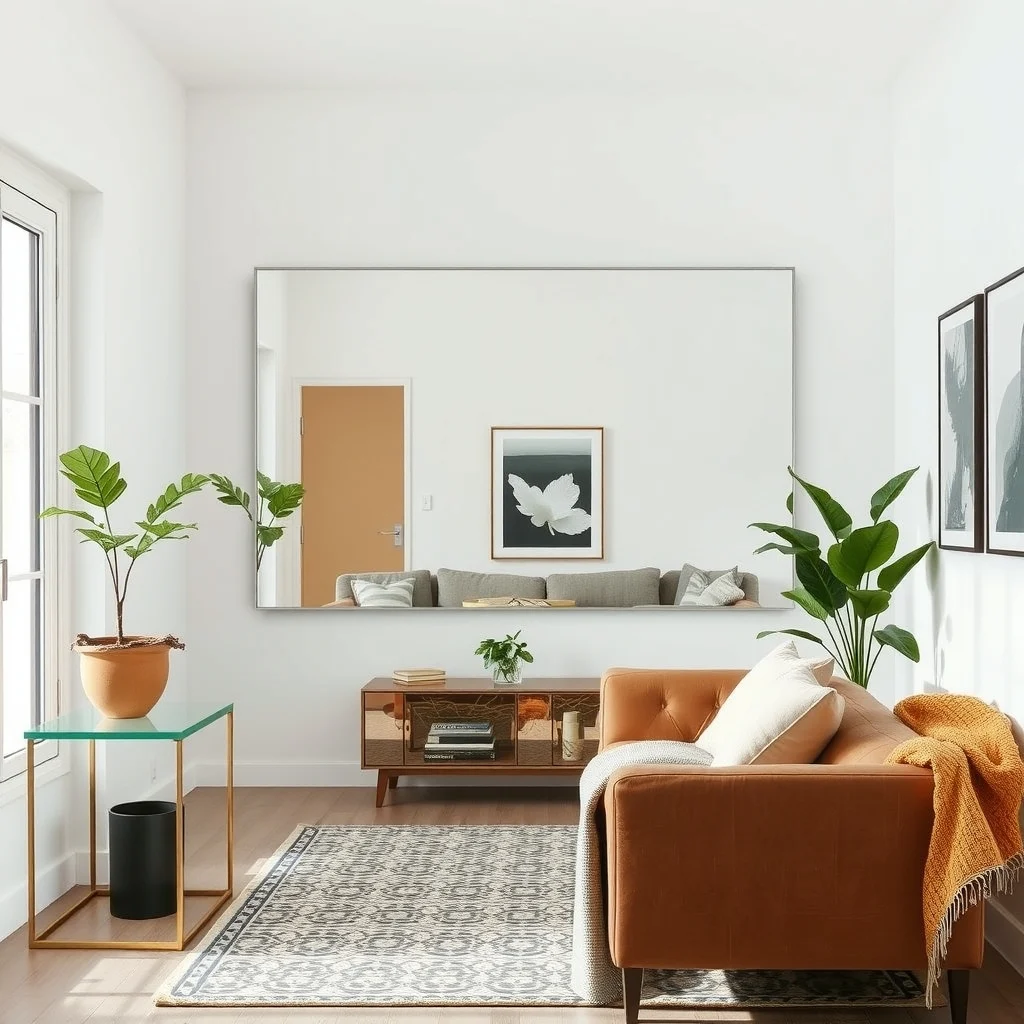
7. Mirrors and Reflective Surfaces to Open Space
© 2026 AI Illustrator — Inspiration Only
Placing a large rectangular mirror on the wall opposite the main seating area reflects both natural light and the activity within the room, making the studio feel wider. A frameless glass console or a brushed‑nickel side table can serve the same purpose on a smaller scale, adding a hint of shine without competing with other décor.
The psychological effect of a mirror is especially useful when the studio lacks windows; it can double the perceived depth of the room. However, avoid placing mirrors directly opposite each other, as the reflection can become disorienting. A well‑positioned mirror that captures a glimpse of the window will brighten the space and keep the visual flow calm.
Frequently Asked Questions
© 2026 AI Illustrator — Inspiration Only
How can I keep a studio feeling open while adding extra furniture for guests?
Opt for pieces with slim profiles and multifunctional features, such as a sofa with hidden storage or a wall‑mounted table that folds away. These items provide the needed functionality without permanently occupying floor space, allowing the room to breathe when not in use.
What lighting options work best for small entertaining spaces?
Layered lighting that includes floor lamps, table lamps, and dimmable overhead fixtures creates flexibility. Choose fixtures with a small footprint and consider cordless or rechargeable models to reduce visible cords.
Is it safe to use a room divider as a bar in a rental apartment?
Yes, as long as the divider is freestanding or leans against the wall without requiring permanent installation. Secure any heavy items on the shelves and ensure the unit is stable to prevent tipping.
Can I use rugs on hardwood floors without damaging them?
Place a thin, non‑slip rug pad underneath the rug to protect the hardwood from scratches and to keep the rug from sliding. This also adds a layer of cushioning that improves comfort.
What’s the best way to store extra chairs when they’re not needed?
Stackable metal or wooden chairs can be tucked into a corner or stored in a closet when not in use. If space allows, a narrow storage bench with a lift‑top provides both seating and hidden storage.
Final Thoughts
© 2026 AI Illustrator — Inspiration Only
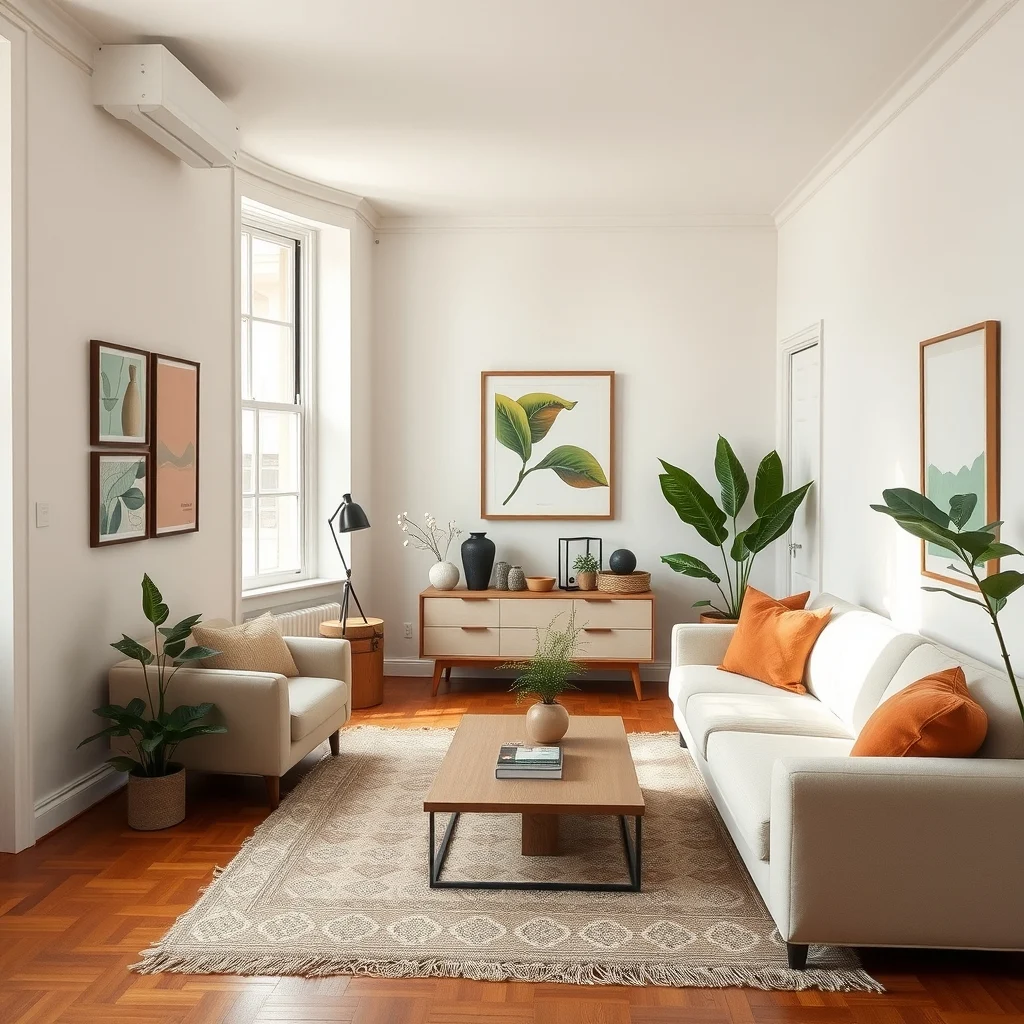
Entertaining in a studio doesn’t require sacrificing comfort or style. By selecting adaptable furniture, defining zones with rugs and mirrors, and layering light thoughtfully, you can create an environment that feels spacious yet intimate. Each of the ideas above offers a practical solution that respects the constraints of a small floor plan while still making your guests feel welcome. With a little planning, your studio can host gatherings that feel as relaxed as a dedicated living room, proving that size is only one factor in a great hosting experience.