
Living in a studio means every square foot has to earn its keep. The challenge isn’t just fitting everything you need into a compact footprint; it’s finding pieces that can shift roles as the day changes. Below are seven ideas that let you stretch the function of each item, keeping the space uncluttered while still feeling welcoming.
1. A sofa that stores and transforms
© 2026 AI Illustrator — Inspiration Only
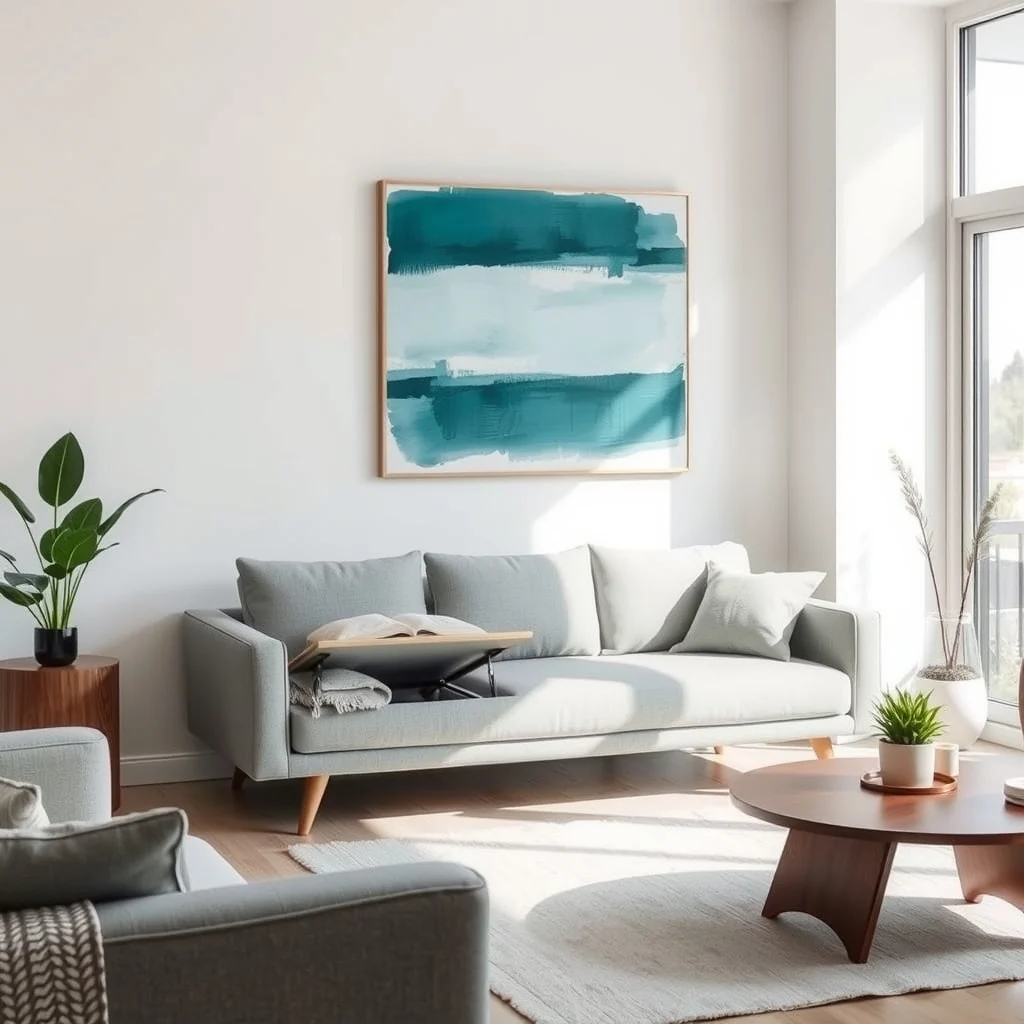
Choosing a sofa with a built‑in storage compartment gives you a place to hide blankets, magazines, or even a spare set of linens without sacrificing seating. Many modern designs feature a lift‑up cushion that opens like a chest, and the upholstery can range from soft linen in a muted greige to a sleek velvet in a deep navy, letting you match the room’s palette. Because the sofa remains the visual anchor of the living area, it doesn’t feel like a hidden closet; it simply offers an extra layer of convenience.
What’s Your Apartment Decor Style?
Answer these quick questions to discover your perfect decor vibe.
When guests stay over, the same sofa can become a makeshift guest bed if the frame includes a pull‑out mattress. The dual function works best when the sofa’s depth is no more than 35 inches, ensuring it doesn’t dominate a small floor plan. Keep an eye on the mechanism—metal hinges tend to outlast plastic ones, and a quick wipe with a damp cloth will keep the fabric looking fresh.
2. Lofted bed with a desk underneath
© 2026 AI Illustrator — Inspiration Only
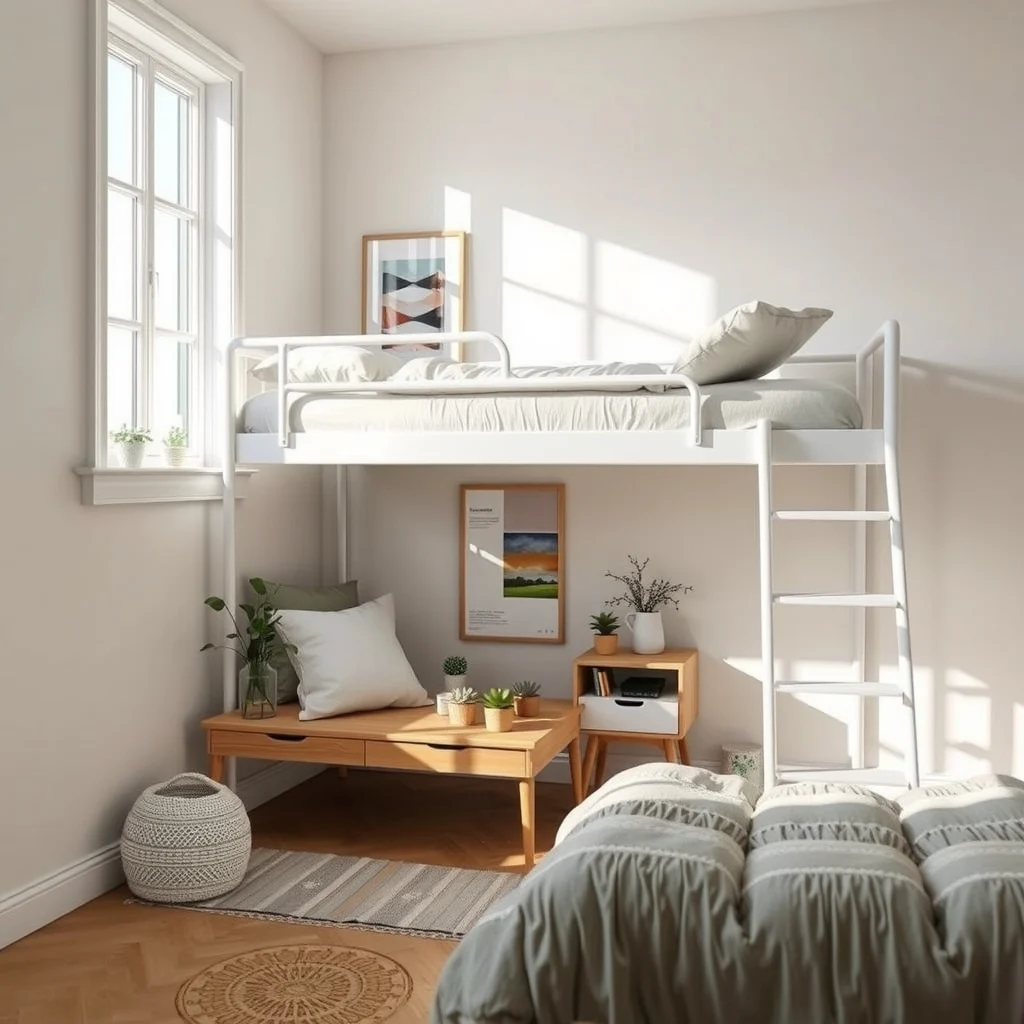
Raising the sleeping surface creates a whole new zone beneath it, and a compact desk fits naturally into that space. A low‑profile platform in light oak or powder‑coated white can make the room feel airy, while the underside desk offers a dedicated spot for a laptop, notebooks, and a small lamp. By separating work from sleep, you preserve a mental boundary that’s essential in a studio.
The lofted approach works best when the ceiling is at least eight feet tall; otherwise the headroom can feel cramped. Adding a simple rope ladder or a set of slim metal steps saves floor space compared to a full staircase. If you need extra storage, attach a few floating shelves to the wall beside the desk—just be sure the brackets are rated for the weight you plan to place on them.
3. A fold‑out dining table that doubles as a console
© 2026 AI Illustrator — Inspiration Only
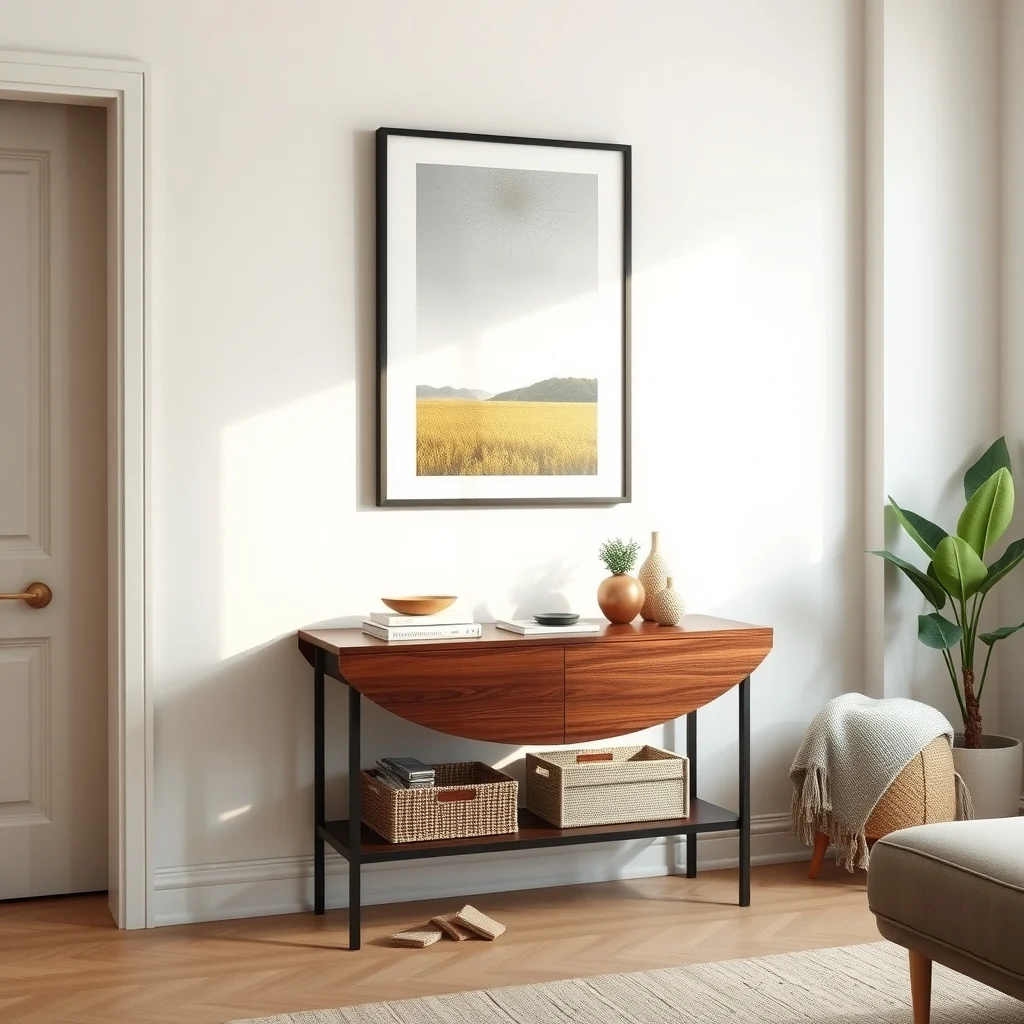
When the table is not in use, a wall‑mounted, drop‑leaf design can fold flat and act as a sleek console for keys, mail, or decorative objects. Choose a piece with a walnut veneer for warmth or a matte black finish for a contemporary vibe. The table’s surface can extend to accommodate two plates, yet retract to a narrow ledge that still provides a visual anchor along the wall.
Installation requires sturdy brackets anchored into studs, especially if you plan to set heavy dishes or a laptop on the extended portion. A narrow console height—around 30 inches—keeps the piece from overwhelming the room, while a subtle drawer built into the side offers hidden storage for napkins or cutlery.
4. Wall‑mounted shelving that serves as a room divider
© 2026 AI Illustrator — Inspiration Only
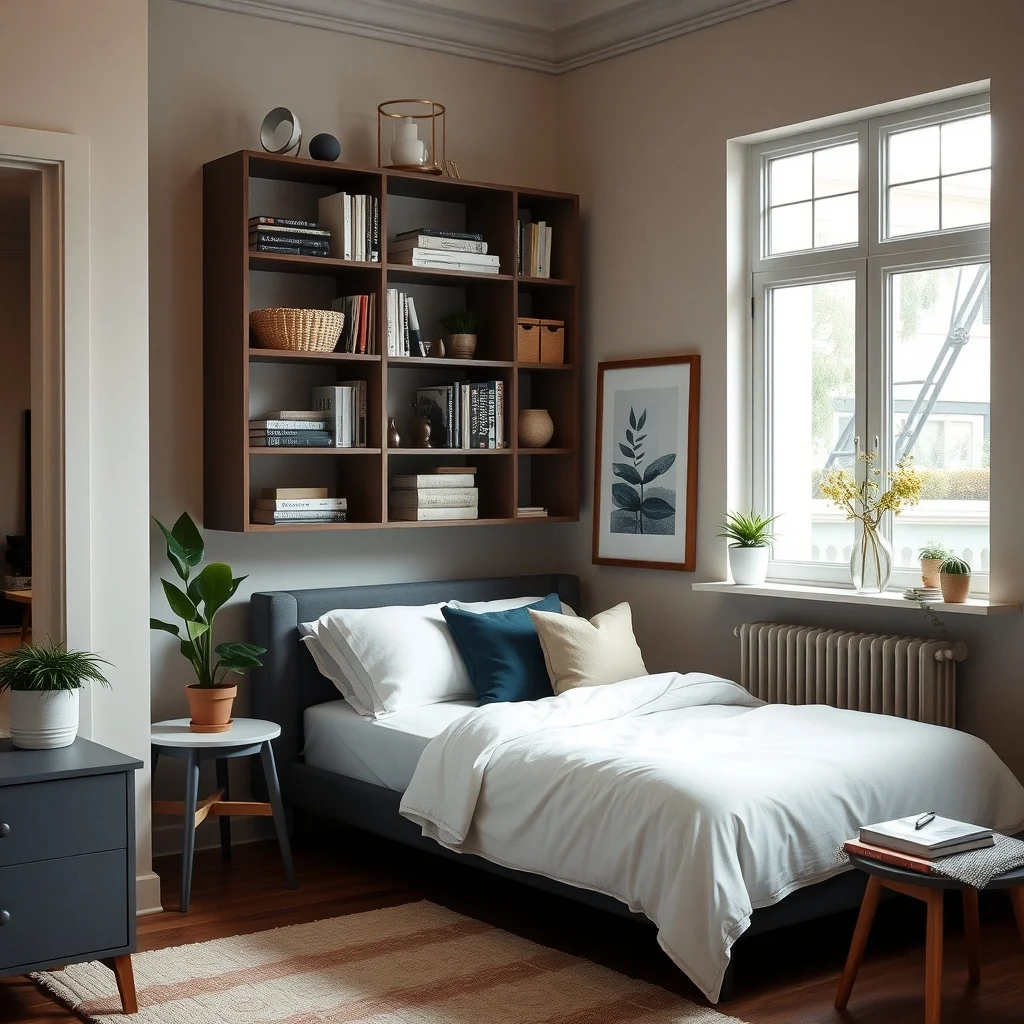
Open shelving installed from floor to ceiling can split the sleeping area from the living zone without cutting off light or airflow. By arranging books, woven baskets, and a few potted succulents, the shelves become a decorative feature as well as a storage solution. The gaps between shelves allow the eye to travel across the space, preventing the room from feeling boxed in.
When selecting the depth of each shelf, stay under 12 inches so you can still walk comfortably behind the divider. Materials such as reclaimed pine add texture, while a brushed steel frame introduces an industrial edge. Remember that the open design means items will be visible, so keep the collection curated to avoid visual clutter.
5. Ottoman with hidden compartment and extra seating
© 2026 AI Illustrator — Inspiration Only
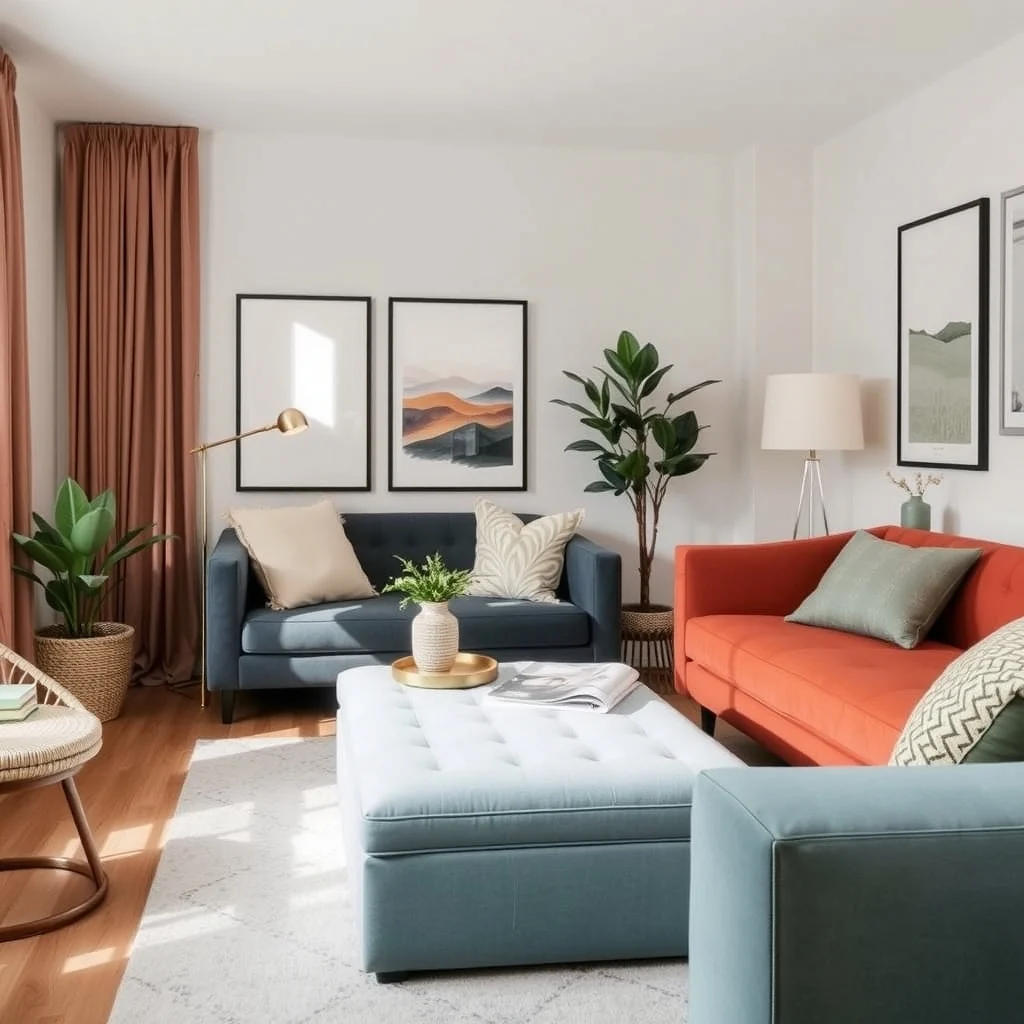
An upholstered ottoman can function as a coffee table, a footrest, and a storage box all at once. A plush seat in a soft terracotta or a muted teal provides a pop of colour, while a hinged top reveals a cavity large enough for board games, extra throws, or seasonal décor. Because the ottoman can be moved easily, you can reposition it to create additional seating when friends gather.
The trade‑off is that the interior space is limited; it works best for flat items rather than bulky ones. Choose a fabric that resists stains, such as a performance blend, and a leg style that matches the rest of your furniture—whether that’s tapered wood or sleek metal. A simple lift‑top mechanism ensures the lid stays level even when the ottoman is in use.
6. Nesting tables that adapt to your needs
© 2026 AI Illustrator — Inspiration Only
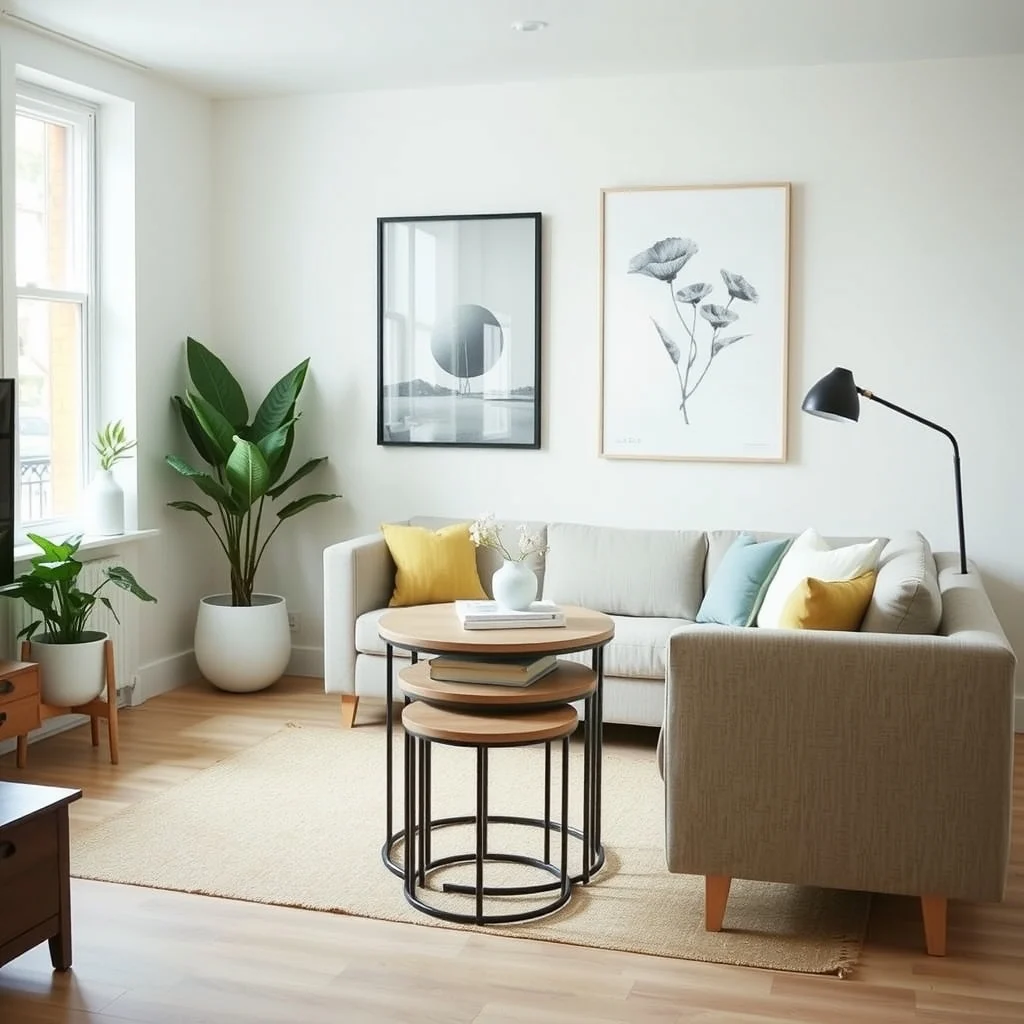
Set of three or four tables that stack inside one another offers flexible surface area without consuming permanent floor space. When pulled apart, they can serve as side tables for lamps, a spot for a coffee mug, or a platform for a laptop. When nested, they disappear into a compact footprint that can sit neatly under a sofa or against a wall.
Materials range from tempered glass with brass accents for a modern feel to solid walnut for a warmer look. Because the tables are lightweight, they can be rearranged for a casual game night or tucked away when you need a clear pathway. Be aware that glass tops require regular cleaning to avoid fingerprints, while wood finishes may need occasional polishing to maintain their luster.
7. Multi‑functional kitchen island with a bar height
© 2026 AI Illustrator — Inspiration Only
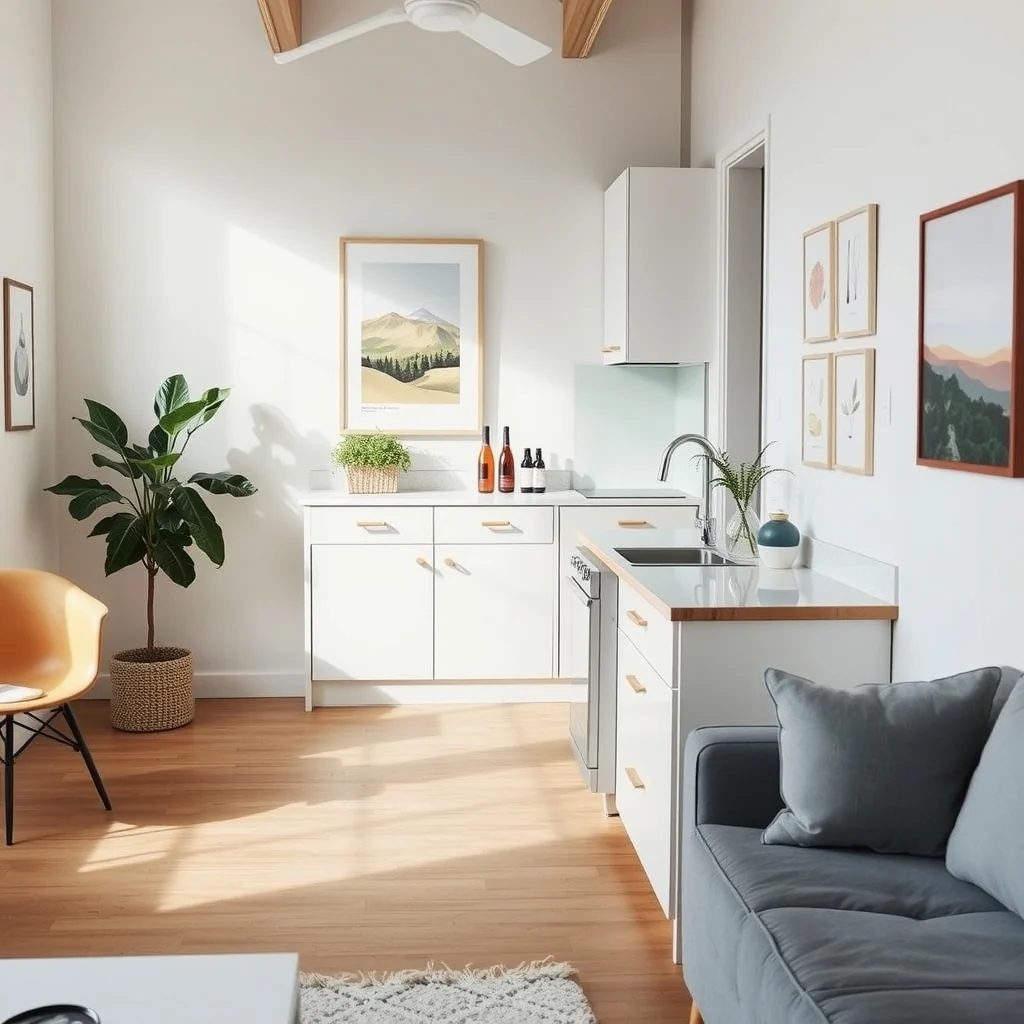
In a studio, a full‑size island can feel imposing, but a narrow, bar‑height island that incorporates a prep surface, a small sink, and a hidden wine rack can become the room’s culinary hub. A countertop in honed quartz resists stains, while the lower cabinet can house pots, pans, and pantry staples. By adding a couple of bar stools, the island also doubles as a casual dining spot.
The island’s size should not exceed 48 inches in length to keep circulation smooth. If the studio lacks a dedicated dining area, the island can serve as a visual anchor that separates the kitchen from the living space. Adding under‑cabinet lighting provides task illumination without brightening the entire room, and a removable cutting board can protect the surface while adding a layer of functionality.
FAQ
© 2026 AI Illustrator — Inspiration Only
How can I make a small sofa feel less bulky?
Select a sofa with slim arms and a low back, and keep the upholstery in a light colour or subtle pattern. Pair it with a glass coffee table or a narrow side table to maintain an open feel.
Is a loft bed safe for pets?
A loft bed can be safe for pets if the ladder is sturdy and the clearance underneath is sufficient for them to move freely. Adding a soft rug below the bed gives pets a comfortable spot and reduces the risk of slips.
What lighting works best above a fold‑out dining table?
A pendant light with an adjustable height provides focused illumination while keeping the table area distinct. Choose a fixture with a matte finish to avoid glare and to complement the table’s style.
Can open shelving hold heavy kitchenware?
Open shelves can support heavier items if they are anchored into wall studs and the brackets are rated for the load. Using a wooden shelf with a thicker cross‑grain adds strength, but it’s wise to reserve the lower shelves for the heaviest pieces.
How do I keep an ottoman’s fabric looking fresh?
Regular vacuuming with an upholstery attachment removes dust, and spot‑cleaning with a mild detergent prevents stains from setting. If the fabric is removable, a quick wash according to the manufacturer’s instructions can revive its colour.
Final Thoughts
© 2026 AI Illustrator — Inspiration Only
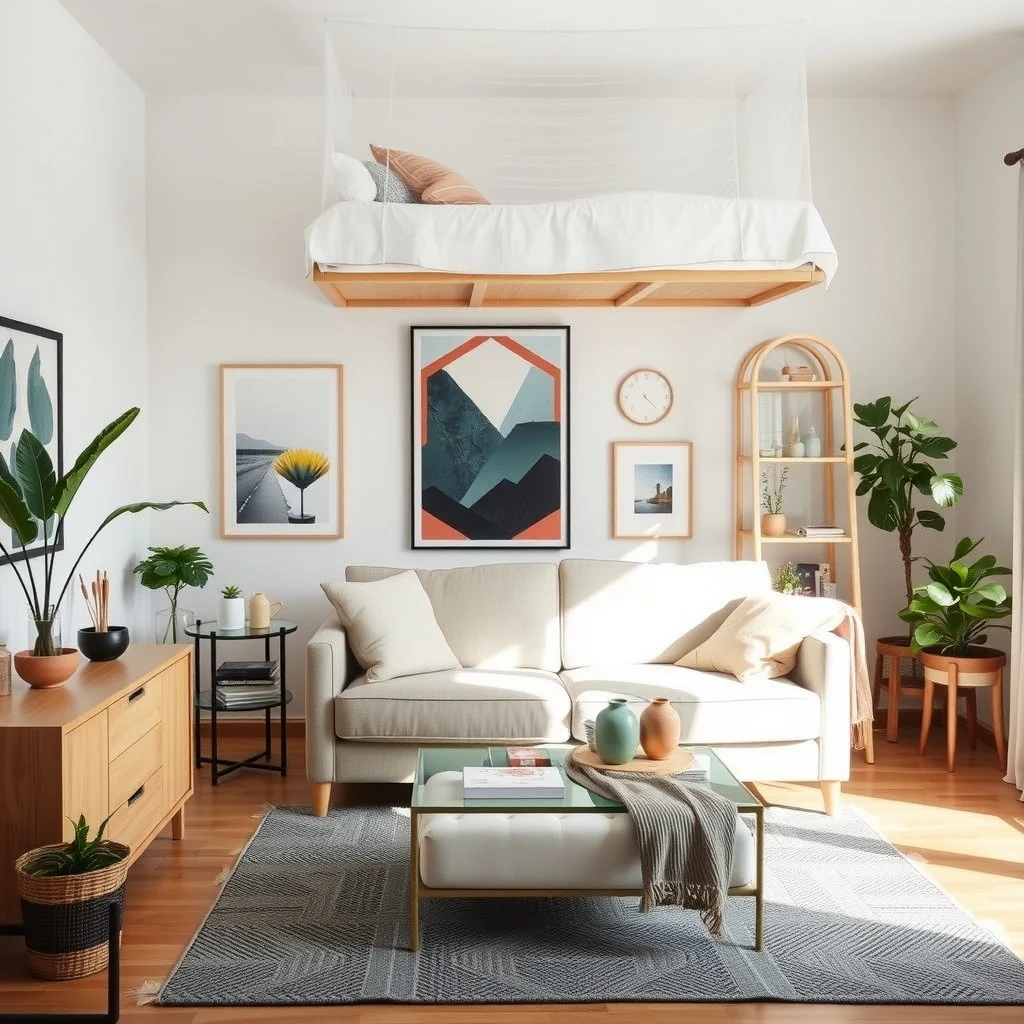
When space is at a premium, every piece of furniture becomes an opportunity to double up on function. By selecting items that can shift roles—whether a sofa that hides linens, a lofted bed that houses a desk, or a console that folds away—you create a studio that feels both spacious and purposeful. The key is to balance aesthetics with practicality, choosing materials and mechanisms that will stand up to daily use while still reflecting your personal style. With thoughtful choices, a studio can feel as comfortable and versatile as any larger home.