
Walking into a studio and immediately seeing a bed can make the space feel cramped and limit how you move through it. By positioning the sleeping area farther from the entry, you create a natural flow that separates public and private zones without adding walls. The following ideas show how to arrange furniture, choose colors, and use lighting so the bed feels tucked away while the rest of the studio remains open and inviting.
1. Use a Low Sofa as a Visual Divider
© 2026 AI Illustrator — Inspiration Only
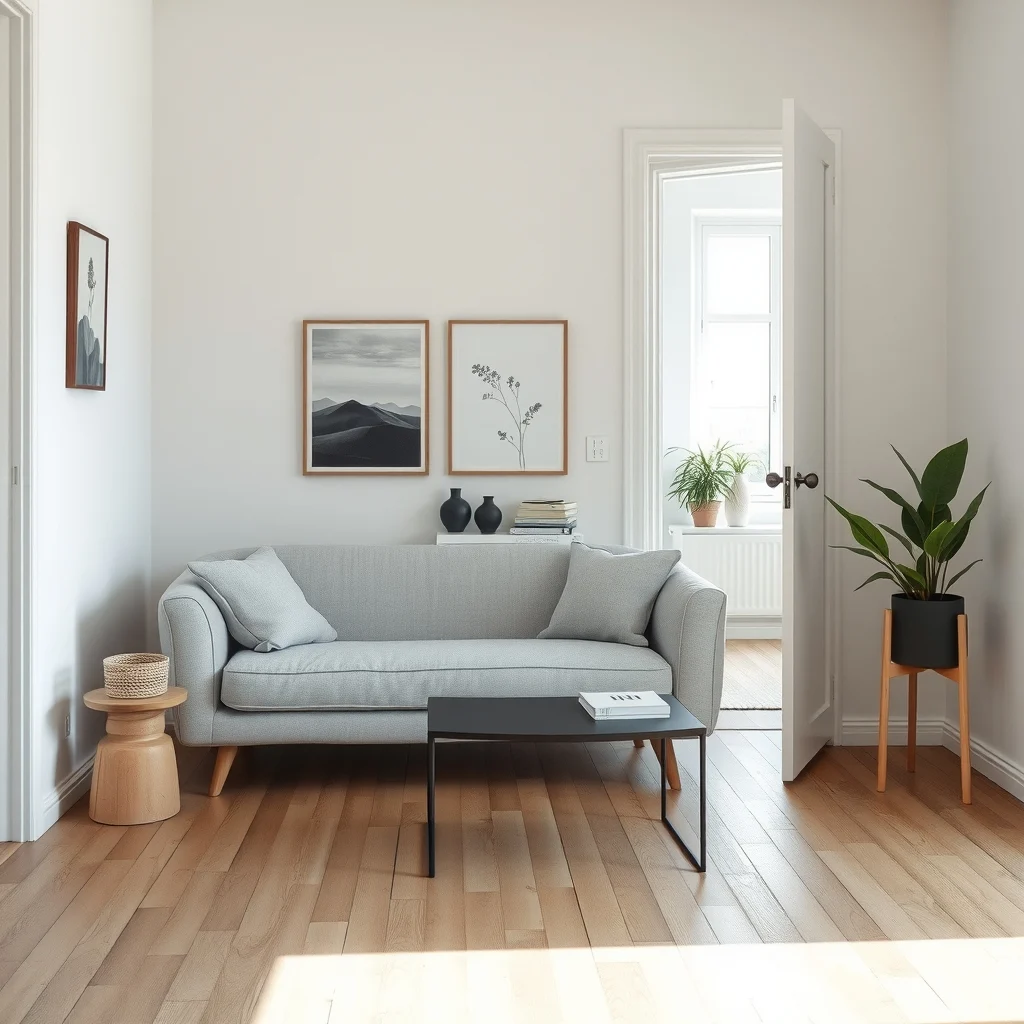
Placing a low-profile sofa between the front door and the sleeping nook creates a subtle barrier that signals a shift from entry to living area. Because the sofa sits close to the floor, it doesn’t dominate the room, yet it offers a visual cue that guides visitors’ eyes past it. Choose a fabric in a muted tone—such as soft dove gray or warm sand—to keep the palette cohesive. Adding a couple of slim side tables on either end provides surface space for keys or a lamp, reinforcing the sense of a defined lounge without blocking traffic. The sofa’s back can also support a narrow bookshelf, giving the area a functional feel while maintaining an open floor plan.
What’s Your Apartment Decor Style?
Answer these quick questions to discover your perfect decor vibe.
2. Position a Tall Bookcase as a Backdrop for the Bed
© 2026 AI Illustrator — Inspiration Only
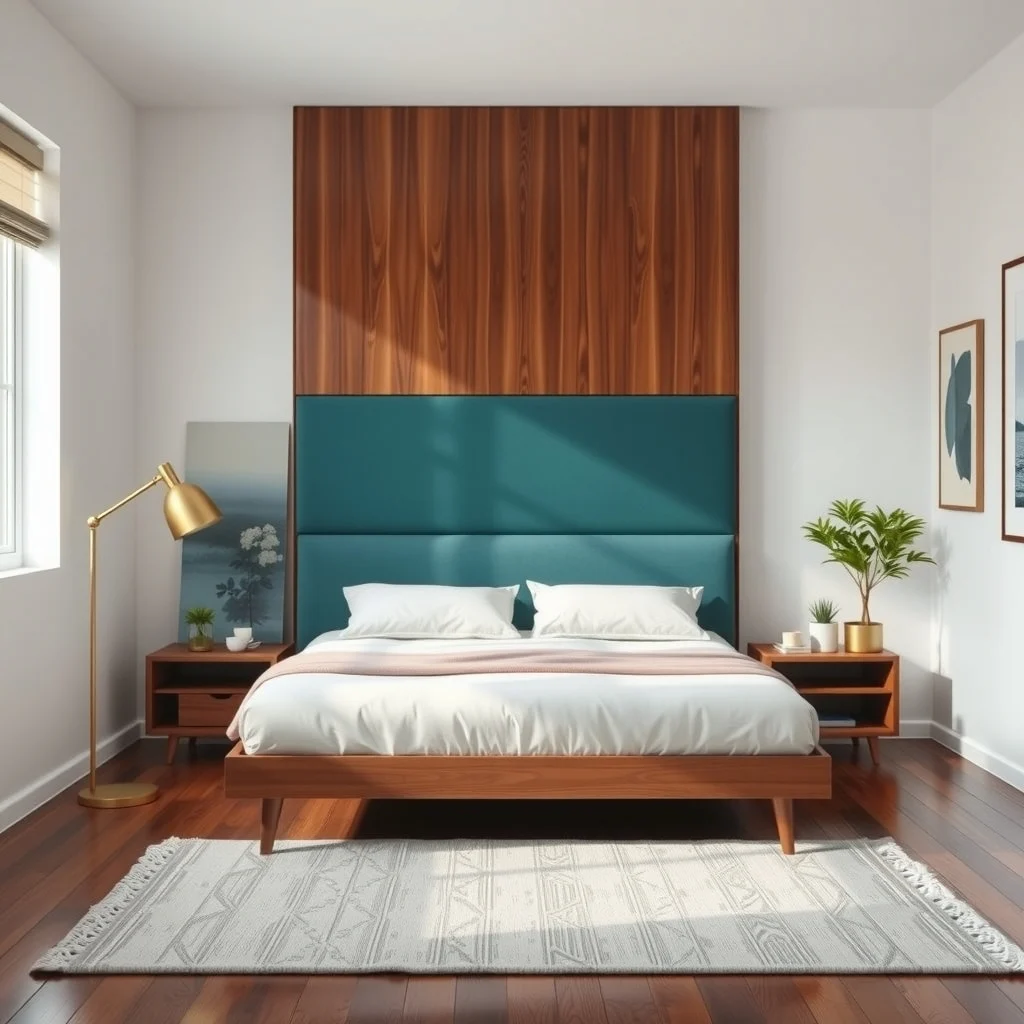
When the bed sits against a wall opposite the entry, a tall bookcase placed directly behind it serves two purposes: it masks the headboard from the doorway and adds storage without sacrificing floor space. Opt for a piece in natural oak or matte black metal to contrast gently with lighter walls. Shelves filled with books, decorative boxes, and a few plants introduce texture and break up the vertical mass. Because the bookcase stands at eye level, it creates a sense of enclosure without feeling closed in, and the open shelves keep the area airy. If the bookcase is too high for the ceiling, a half-height version can still provide visual separation while allowing a glimpse of the room beyond.
3. Anchor the Bed with a Rug That Extends Toward the Door
© 2026 AI Illustrator — Inspiration Only
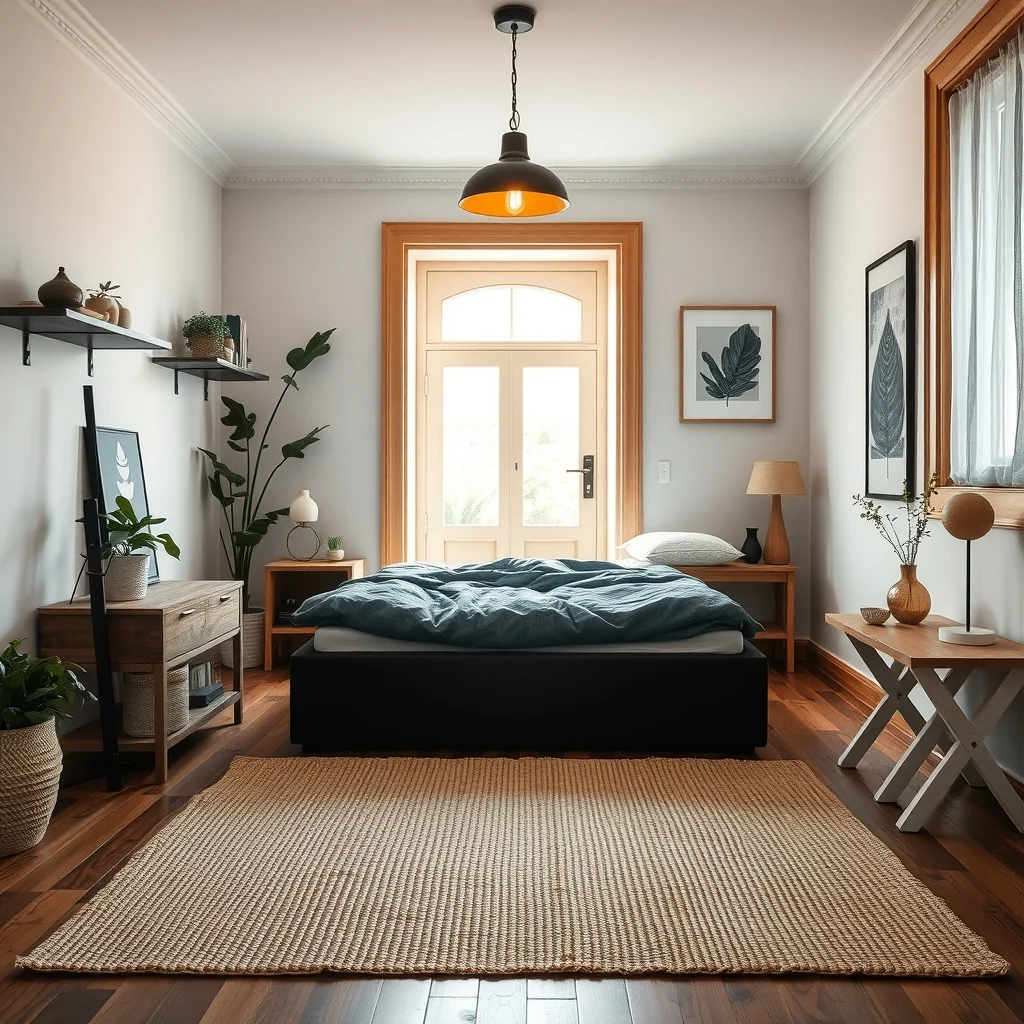
A well‑chosen rug can guide movement and define zones without any physical partitions. Lay a rectangular rug that starts at the foot of the bed and stretches a few steps toward the entrance; the rug’s length draws the eye away from the doorway and toward the sleeping area, making the bed feel intentional rather than an afterthought. Natural fibers such as jute or a low‑pile wool in a neutral shade add warmth while remaining easy to clean. The rug also softens the transition between hardwood or laminate and the mattress, reducing noise when stepping out of bed. Pair the rug with a simple metal or wooden frame on the bedside tables for a cohesive look.
4. Create a “Floating” Bed with a Platform Frame
© 2026 AI Illustrator — Inspiration Only
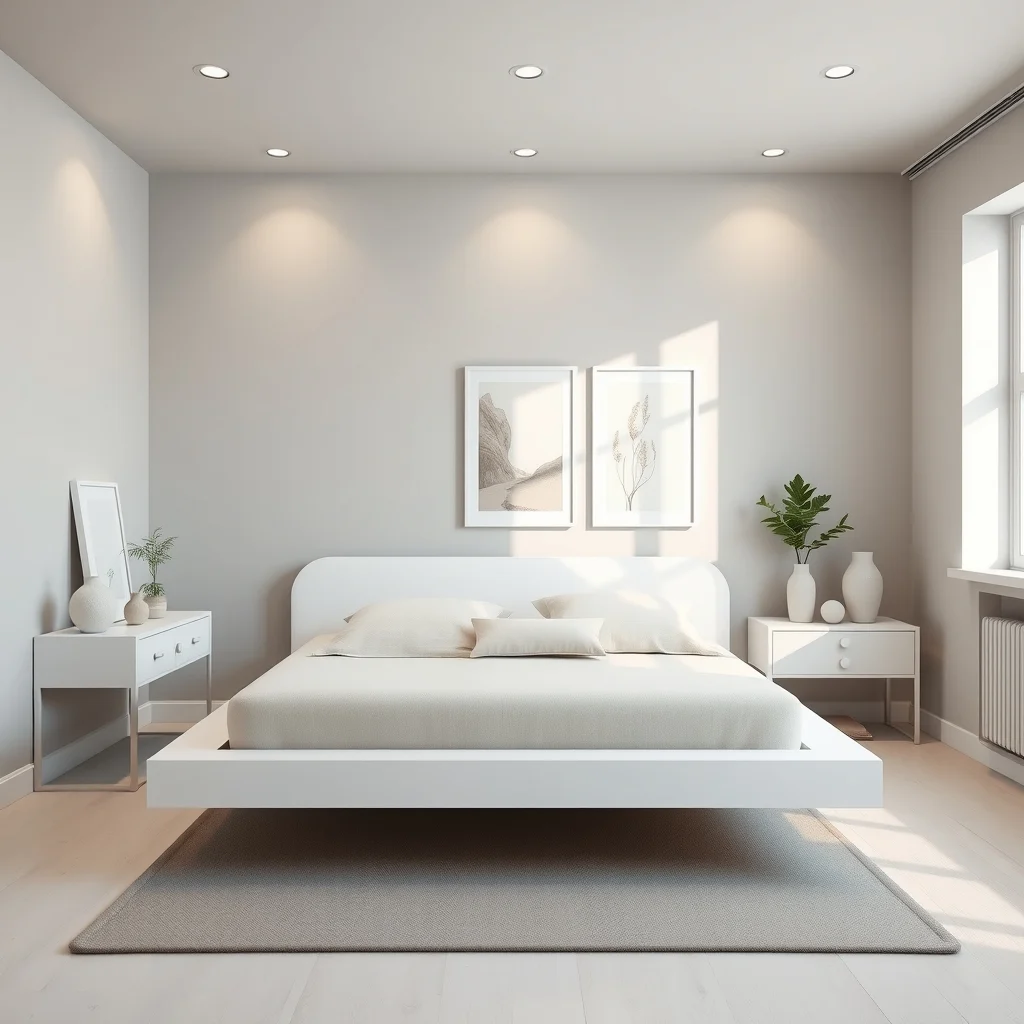
Raising the mattress a few inches off the floor on a sleek platform gives the impression that the bed is floating in the room. This subtle elevation separates the sleeping zone from the rest of the studio without the need for walls. A platform made of light‑colored pine or painted white reflects ambient light, making the area feel larger. Under‑bed storage drawers can be integrated into the frame, providing a place for linens or seasonal items while keeping the floor clear. Because the platform does not reach the ceiling, it maintains an open feel, and the space beneath can be accessed without disturbing the visual flow.
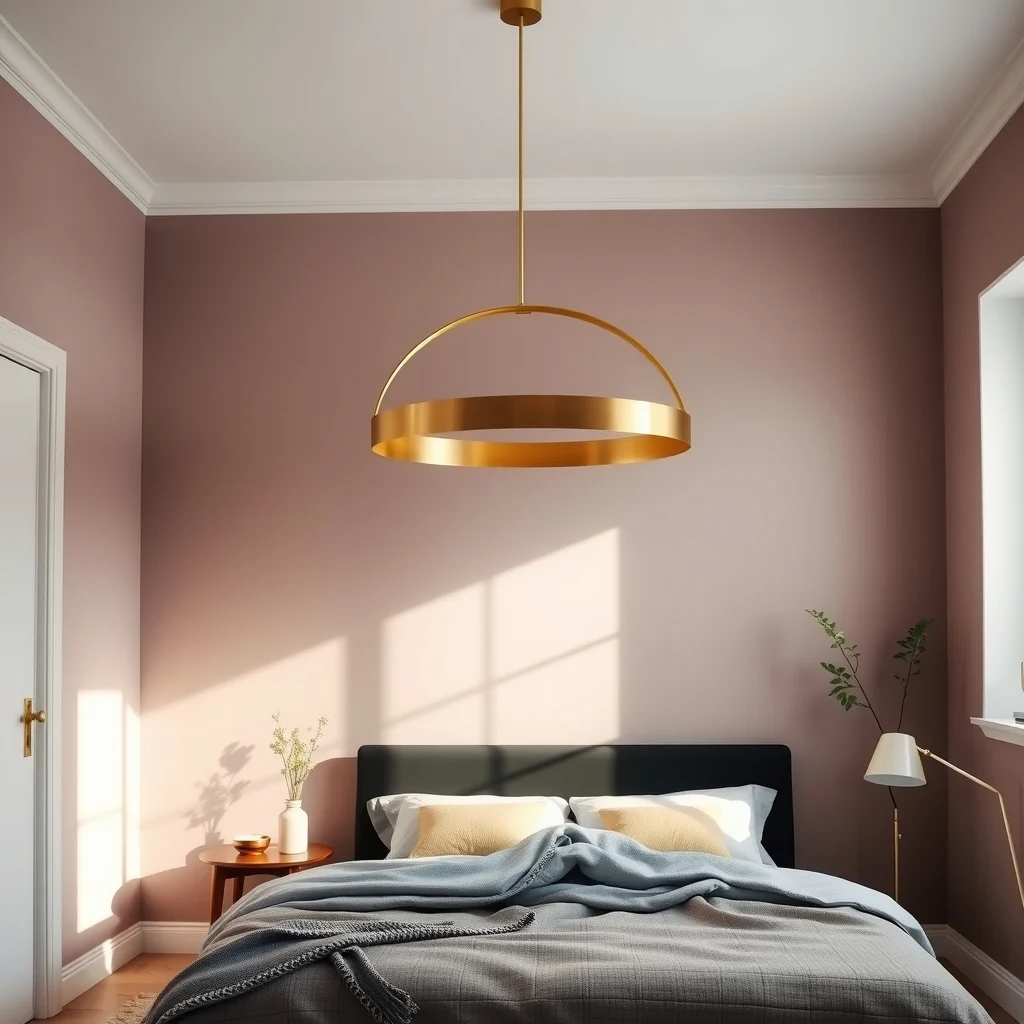
5. Hang a Curved Ceiling Light to Draw the Eye Upward
© 2026 AI Illustrator — Inspiration Only
Lighting positioned directly above the bed can shift focus away from the front door. A curved pendant or semi‑circular LED fixture that arcs over the mattress creates a gentle canopy effect. The curve directs light toward the center of the sleeping area, highlighting the bedding and any artwork placed above the headboard. Choose a fixture with a brushed brass finish or matte black shade to add a touch of sophistication without overwhelming the room. Dimming capabilities allow you to soften the illumination at night, reinforcing the idea that the bed is a private retreat separate from the entryway.
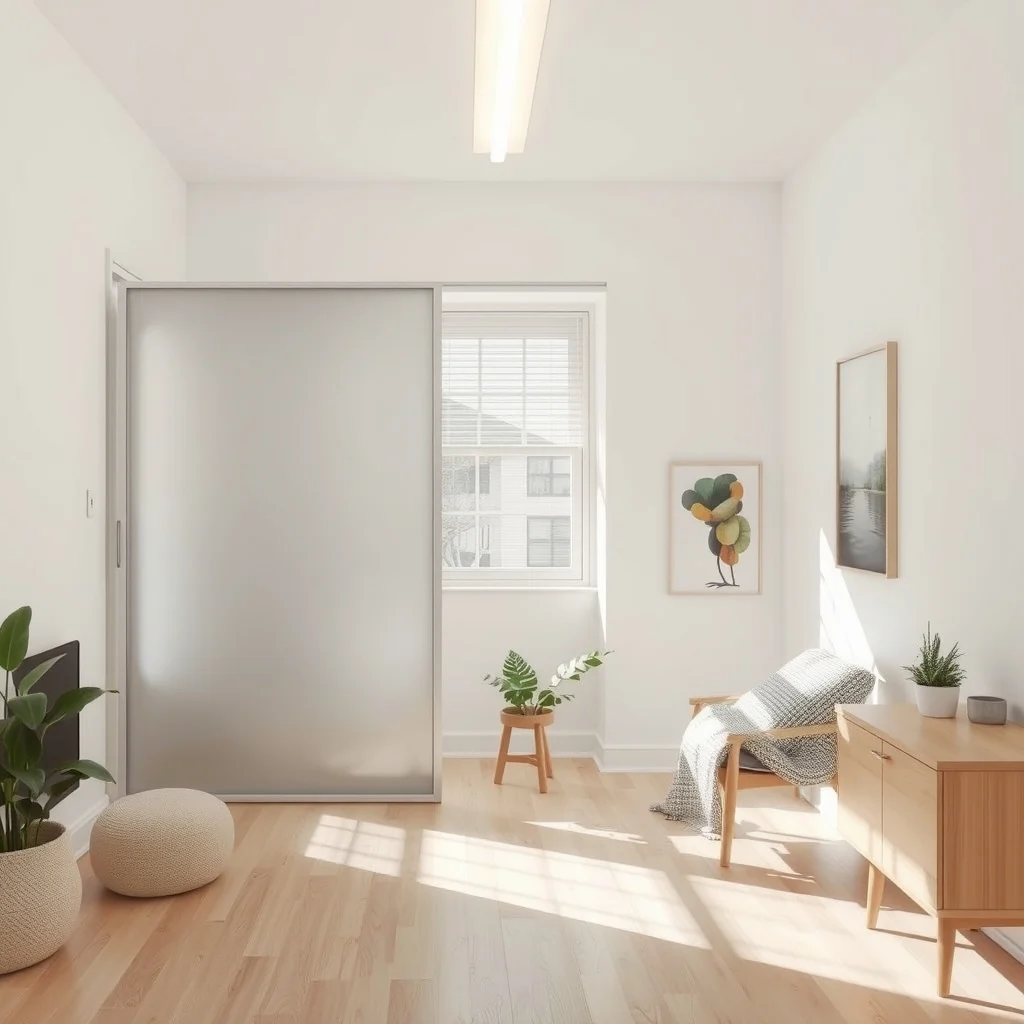
6. Install a Sliding Pocket Door for a Soft Partition
© 2026 AI Illustrator — Inspiration Only
If you prefer a more defined separation, a sliding pocket door made of frosted glass or light wood can be tucked into the wall without consuming floor space. When closed, the door offers privacy and reduces visual noise from the entrance. When opened, it slides completely out of sight, preserving the studio’s openness. The frosted option diffuses natural light, keeping the room bright while still signaling a change in function. This solution works well in studios with a structural wall that can accommodate the track, and the door’s sleek profile ensures it does not dominate the interior design.
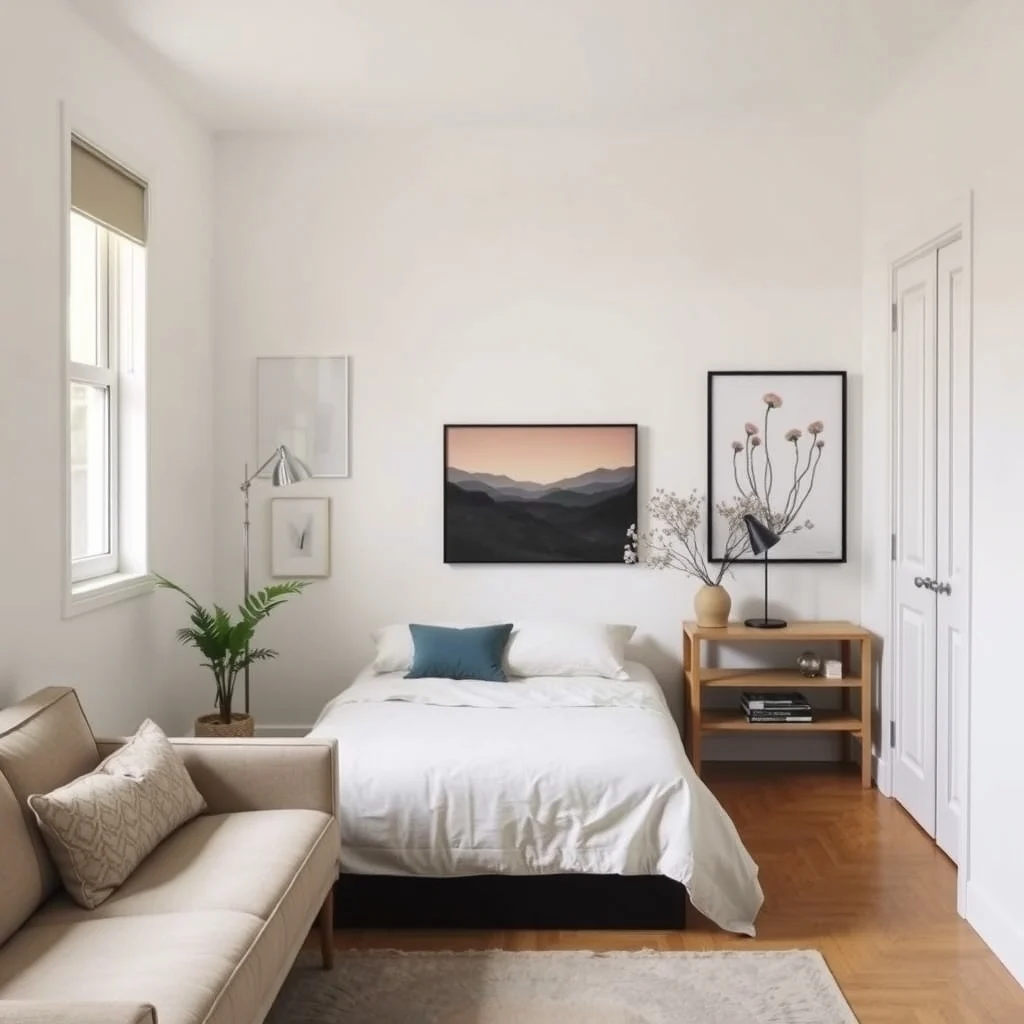
7. Arrange a Multi‑Purpose Console Table Near the Door
© 2026 AI Illustrator — Inspiration Only
A narrow console placed parallel to the front wall can serve as a transitional piece that subtly pushes the bed farther into the space. Use the top for a decorative tray, a small vase, or a stack of current reads, while the lower shelf holds shoes or a coat rack. Selecting a console in a finish that matches the bed frame or side tables ties the room together visually. Because the console is low, it does not obstruct sight lines, and its placement creates a buffer zone that makes the entry feel welcoming rather than abrupt. Adding a slim floor lamp on one side of the console provides task lighting for quick outfit changes without needing a full‑size table lamp.
FAQ
© 2026 AI Illustrator — Inspiration Only
How can I make a studio feel larger while keeping the bed away from the door?
Use light‑colored walls, minimal furniture, and reflective surfaces such as glass or polished metal. Keeping the floor clear with storage solutions that sit under the bed or behind a bookcase maintains an open feel.
Is it okay to place the bed against a window?
Yes, as long as you choose window treatments that allow for privacy and control glare. Sheer curtains paired with blackout liners give flexibility for both daylight and nighttime comfort.
What flooring works best for a studio with a separate sleeping area?
Continuous flooring, like hardwood or large‑format tile, helps the space flow. Adding area rugs to define zones adds texture without breaking the visual continuity.
Can I use plants to separate zones without blocking movement?
Tall, narrow plants in floor pots—such as a snake plant or a fiddle leaf fig—can act as natural dividers. Place them where they do not impede traffic, and choose varieties that tolerate low light if the studio lacks direct sunlight.
Do I need a professional to install a sliding pocket door?
Installation typically requires precise framing and a track system, so hiring a qualified carpenter or contractor ensures the door operates smoothly and remains level.
Final Thoughts
© 2026 AI Illustrator — Inspiration Only
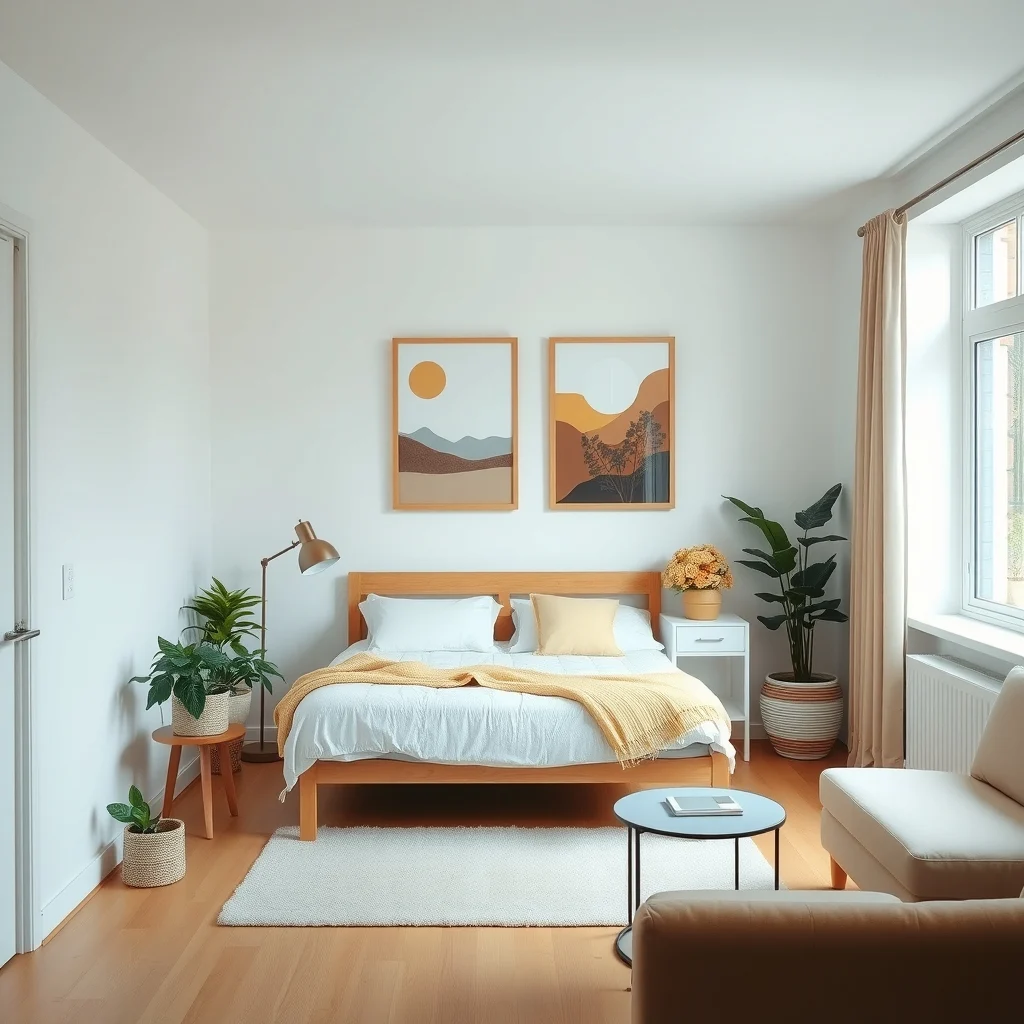
Designing a studio where the bed lives comfortably away from the front door is less about adding walls and more about thoughtful placement, visual cues, and functional accessories. By using low furniture, strategic lighting, and clever storage, you can carve out a private sleeping nook while preserving the airy feel that makes studio living appealing. Experiment with one or two of the ideas above, adjust to your own layout, and watch the space transform into a balanced home that welcomes you at the door and invites rest a few steps beyond.