
Living in a studio or one‑bedroom with a ceiling that feels more like a ceiling than a sky can be frustrating. The space may already feel tight, and a low roof adds a visual constraint that makes even simple tasks like arranging furniture feel like a puzzle. This article walks you through seven practical ideas that turn that limitation into a design advantage. You’ll learn how paint, furniture, lighting, and storage can work together to open up the room without major construction, while still keeping the apartment cozy and functional.
1. Embrace Vertical Simplicity with Strategic Paint Choices
© 2026 AI Illustrator — Inspiration Only
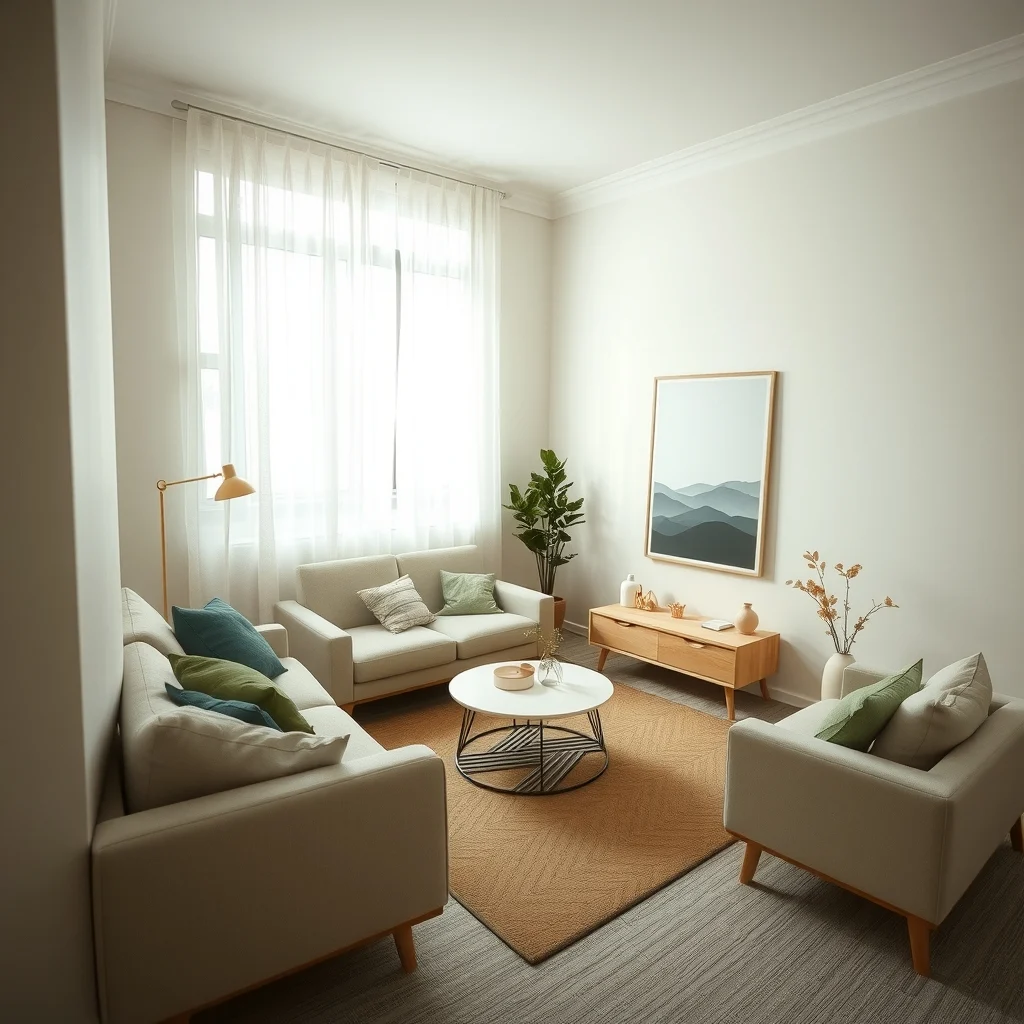
One of the quickest ways to influence perception is the color on the walls. Light, neutral shades such as soft greige, pale sky blue, or warm ivory reflect natural light and push the eye upward, creating the illusion of extra height. A subtle, horizontal stripe painted near the ceiling can also guide the gaze across the room rather than straight up, which helps avoid the feeling of being boxed in. Darker hues absorb light and can make the ceiling feel even lower, so reserve them for accent walls that sit away from the primary line of sight. When you choose a paint finish, consider a low‑sheen matte; it reduces glare while still allowing the color to breathe. The trade‑off is that matte surfaces can show fingerprints more readily, so a gentle cleaning routine is advisable.
What’s Your Apartment Decor Style?
Answer these quick questions to discover your perfect decor vibe.
2. Choose Low‑Profile Furniture That Honors the Height
© 2026 AI Illustrator — Inspiration Only
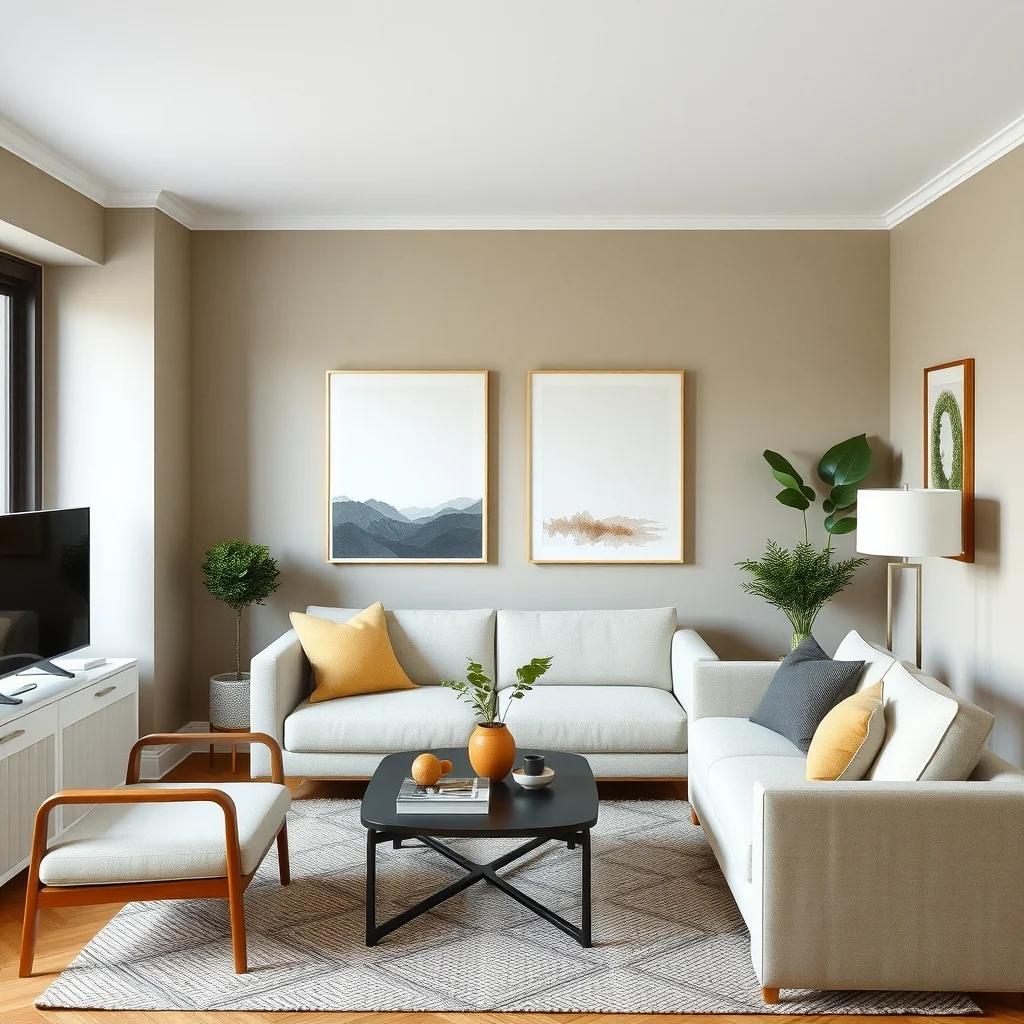
Furniture that sits close to the floor preserves the limited vertical space. A sleek, low‑back sofa in a neutral linen fabric provides comfortable seating without demanding headroom. Pair it with a coffee table that has a slim profile—think a glass top or a narrow wooden slab—so the floor remains visible and the room feels less crowded. When selecting a dining set, a narrow sideboard or a wall‑mounted drop‑leaf table can replace a bulky dining table, allowing you to fold the surface away when not in use. The downside of low furniture is that it can feel less substantial; adding a plush rug or a few well‑placed cushions restores a sense of coziness without raising the visual ceiling.
3. Layer Light Sources to Expand Perceived Space
© 2026 AI Illustrator — Inspiration Only
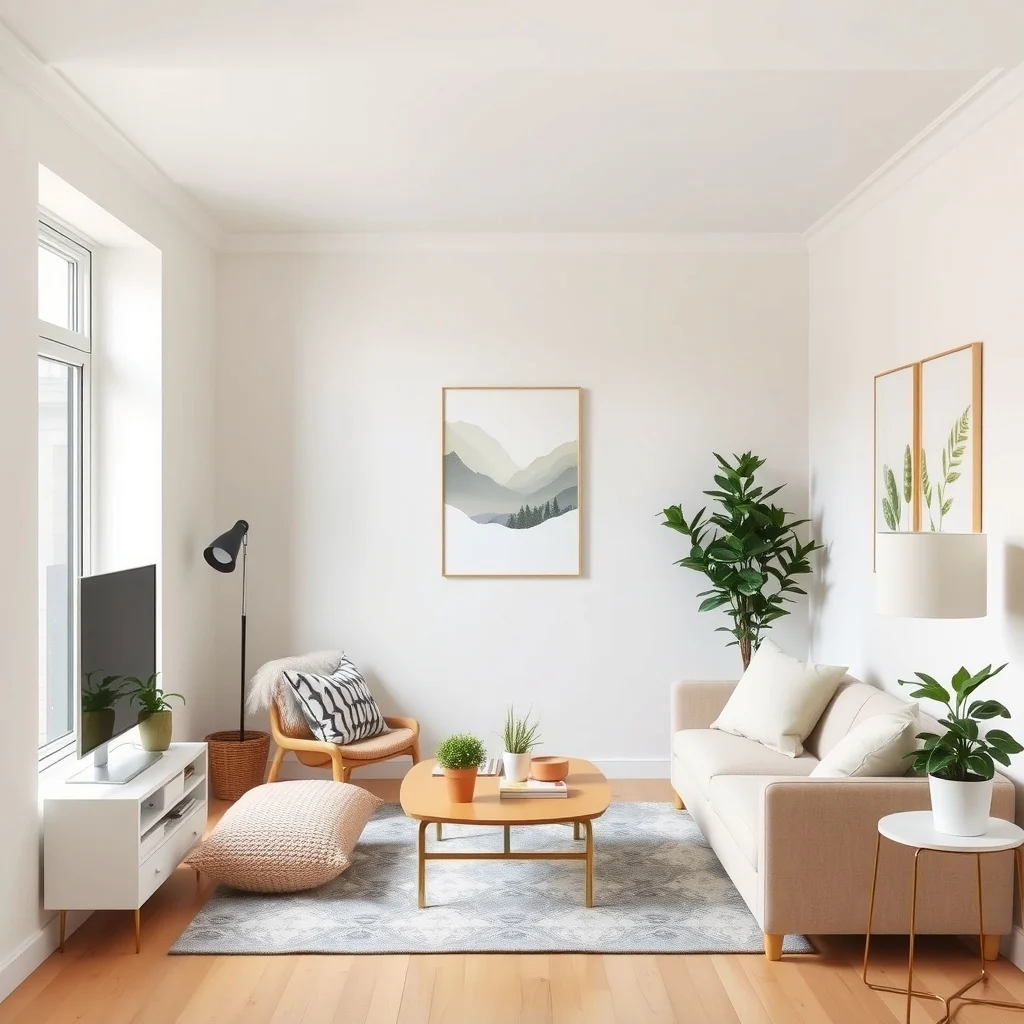
Relying solely on a single overhead fixture can emphasize the low roof, especially if the light is harsh. Instead, distribute illumination across several points: wall sconces positioned at eye level, a floor lamp beside the reading chair, and a table lamp on the sideboard. These layered sources create a balanced glow that lifts the eye horizontally rather than vertically, making the room feel wider as well as brighter. Choose fixtures with translucent shades made of linen or frosted glass; they diffuse light gently and avoid harsh shadows that could accentuate the ceiling’s proximity. A possible limitation is the need for additional outlets; using a smart power strip or consulting an electrician for extra sockets can resolve the issue safely.
4. Use Reflective Surfaces to Bounce Light Upward
© 2026 AI Illustrator — Inspiration Only
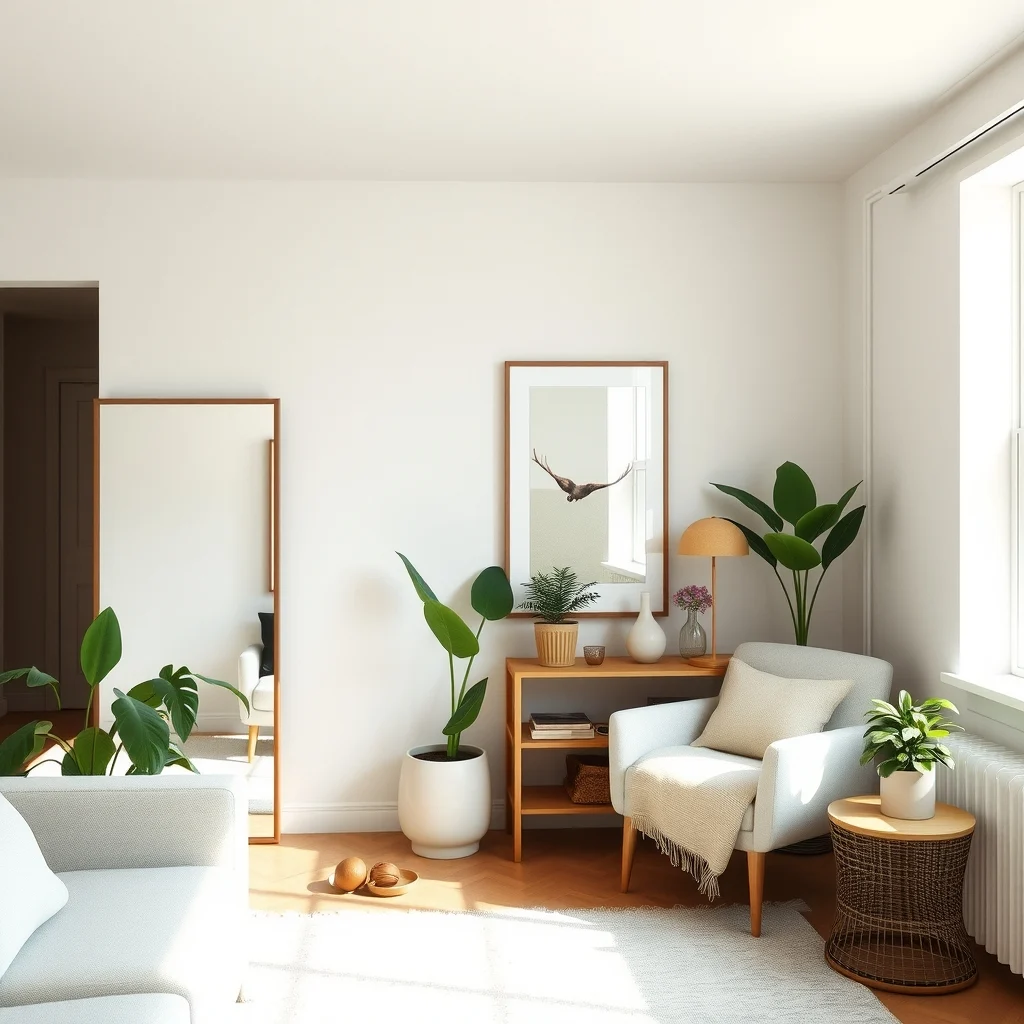
Mirrors and glossy finishes act like visual elevators, sending light toward the ceiling and back into the room. A large, rectangular mirror placed opposite a window reflects daylight, while a smaller decorative mirror above the sofa adds a subtle lift without overwhelming the wall. Furniture with polished metal legs or a high‑gloss lacquered finish also contributes to this effect, scattering light in multiple directions. The key is to balance reflective elements with softer textures; too much shine can feel cold and may create glare. If you’re concerned about maintenance, opt for a framed glass mirror with a protective coating that resists fingerprints and dust.
5. Create Defined Zones Without Adding Height
© 2026 AI Illustrator — Inspiration Only
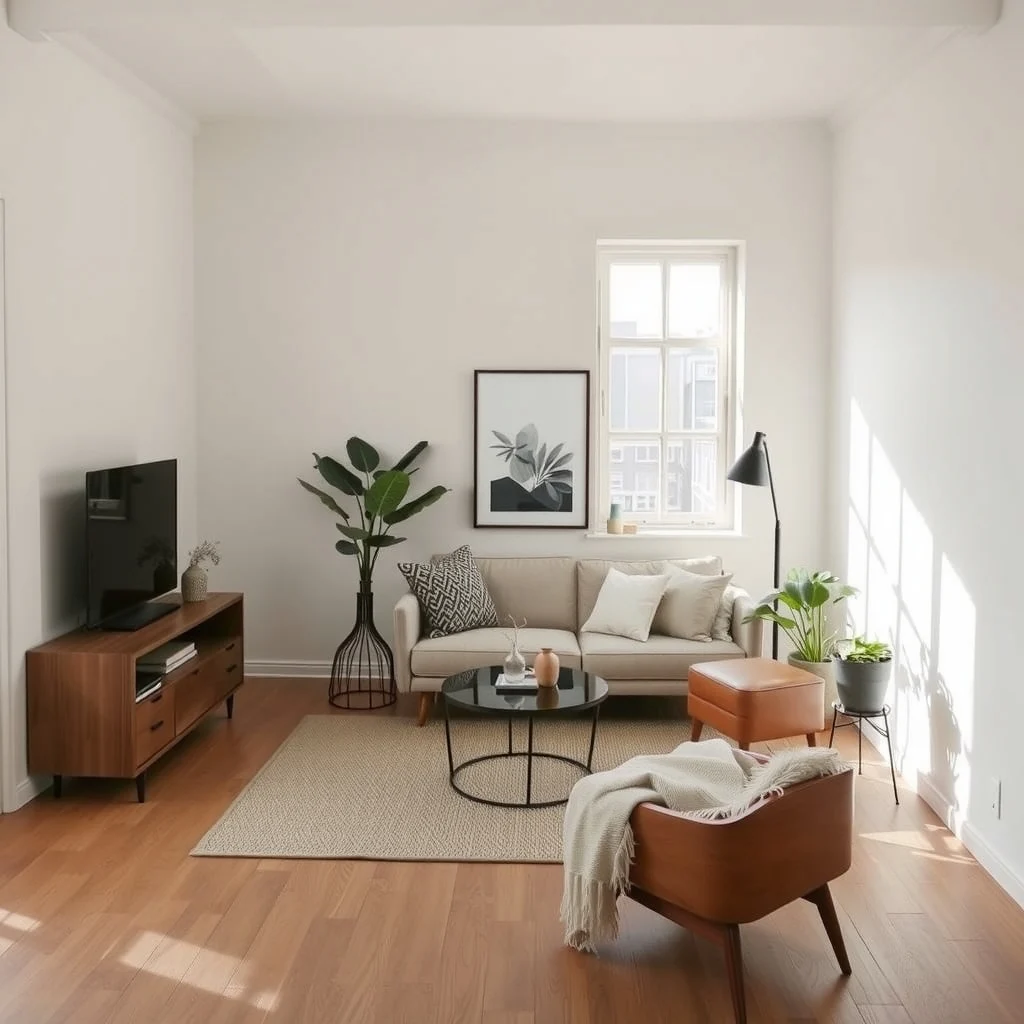
Dividing a compact floor plan into functional areas helps the mind organize the space, which in turn reduces the feeling of confinement. A medium‑sized rug anchored under the seating cluster delineates a living zone, while a different rug or a patterned runner can mark a work or dining corner. Furniture placement acts as a visual wall: a low bookshelf placed perpendicular to the sofa creates a subtle barrier without erecting a solid partition. When arranging these zones, keep pathways clear and avoid stacking pieces that reach toward the ceiling, as that can crowd the vertical dimension. The compromise is that you may need to be selective about décor, focusing on items that serve multiple purposes.
6. Incorporate Smart Storage That Stays Close to the Floor
© 2026 AI Illustrator — Inspiration Only
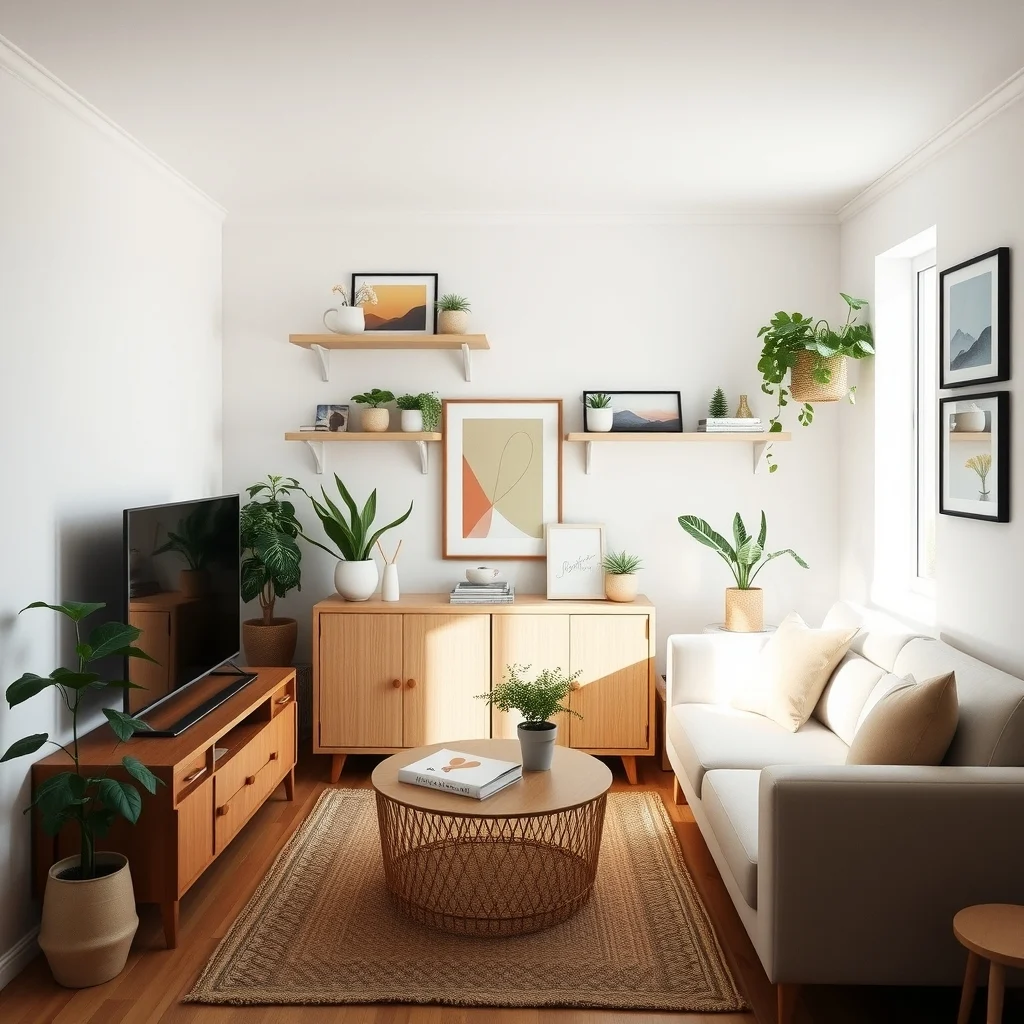
Keeping storage low preserves headroom while still offering ample organization. A shallow credenza with sliding doors can hold linens, board games, or office supplies without rising above waist height. Floating shelves installed just above the baseboard provide display space for books or plants, and because they are attached to the wall, they free up floor area. For a bedroom nook, a low platform bed with built‑in drawers eliminates the need for a separate chest of drawers. The main consideration is weight capacity; ensure brackets and mounting hardware are rated for the load, especially on plaster walls common in older apartments.
7. Add Texture and Softness at Eye Level for Comfort
© 2026 AI Illustrator — Inspiration Only
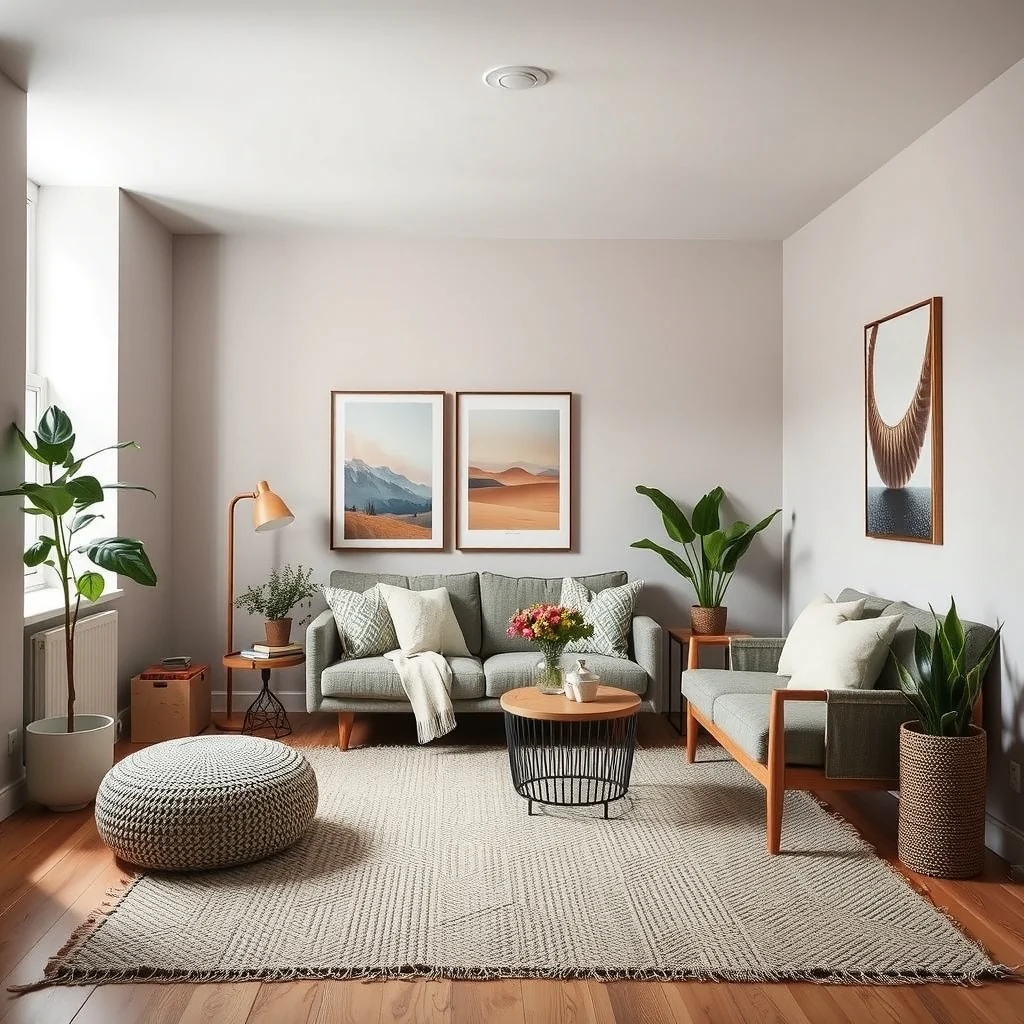
Because the ceiling dominates the vertical field, introducing tactile interest at a lower plane draws attention away from it. A chunky woven rug, a linen throw draped over the sofa, or a set of woven wall hangings hung a few feet above the floor creates a visual break that encourages the eye to linger elsewhere. Soft upholstery in muted earth tones adds depth without competing with the ceiling’s height. When selecting textiles, consider durability—low‑pile fabrics are easier to clean in a small space where dust tends to settle quickly. The trade‑off is that bold patterns can overwhelm a compact room, so keep the scale of designs modest.
FAQ
© 2026 AI Illustrator — Inspiration Only
How can I make a low ceiling feel higher without major renovations?
You can raise the perception of height by using light wall colors, reflective surfaces, and layered lighting. These strategies draw the eye outward and upward without altering the structure.
Can I use pendant lighting in a room with a low ceiling?
Yes, but choose pendants that sit close to the ceiling and have a low profile, such as a flush‑mount or semi‑flush fixture. This provides focused light without sacrificing valuable headroom.
What window treatments work best in low‑ceiling spaces?
Simple, floor‑to‑window curtains that stop just above the sill keep the window area open and avoid adding visual weight above the ceiling. Sheer panels let natural light filter in while maintaining a light feel.
Is it okay to use dark paint on low walls?
Dark paint can work if it is applied to an accent wall that is not directly in front of the primary viewing line. Using it sparingly prevents the room from feeling closed in.
Final Thoughts
© 2026 AI Illustrator — Inspiration Only
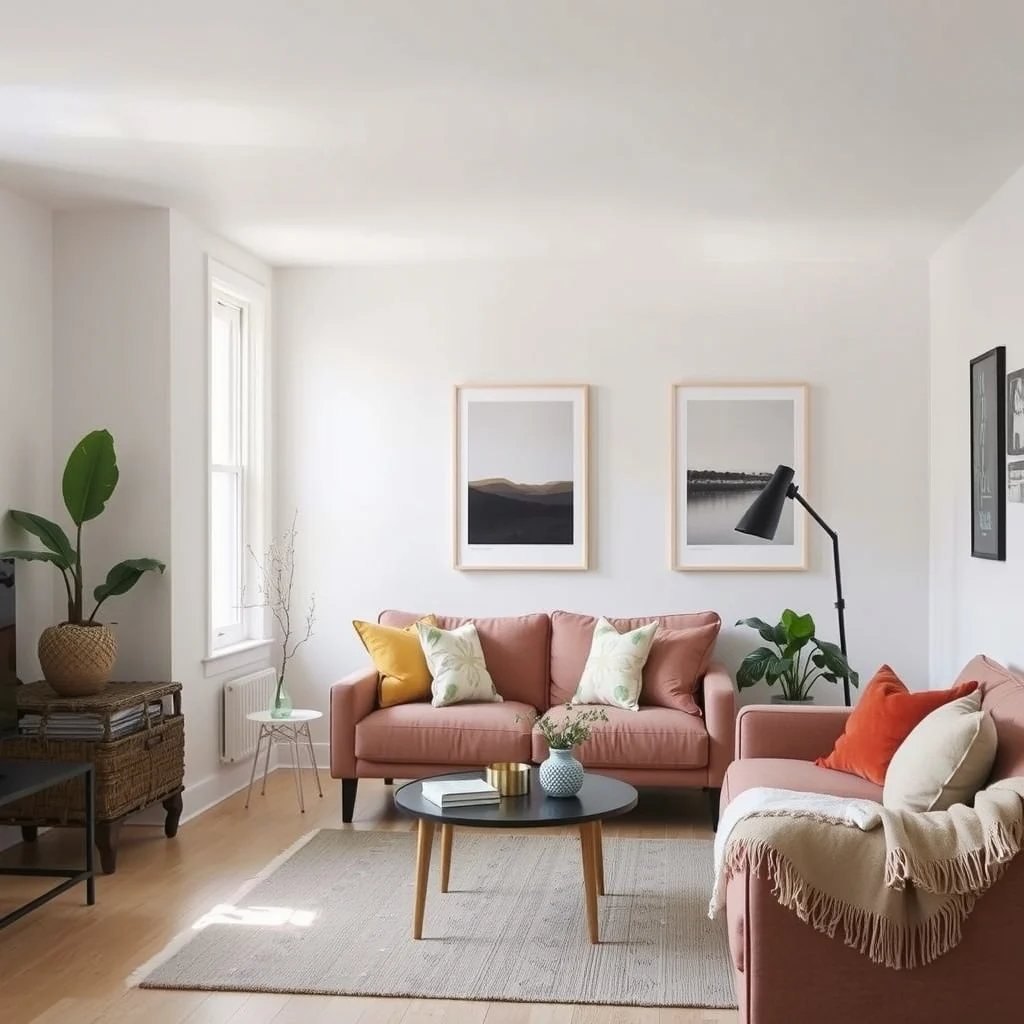
Designing around an unusually low ceiling is less about fighting the architecture and more about collaborating with it. By selecting the right hues, keeping furniture low, layering light, and employing reflective surfaces, you can create a space that feels airy and welcoming despite the vertical constraint. Thoughtful storage and tactile accents add personality without crowding the room. With these seven ideas, your small apartment can become a comfortable, stylish home where the ceiling is just another element of the overall design, not a limitation.