
Living in a compact space often feels like a constant exercise in compromise: you want comfort, style, and storage, but the square footage seems to say otherwise. The key is not to fight the size of the room but to work with it, shaping every element so the space feels larger, brighter, and more inviting. Below are seven ideas that blend practical organization with warm design, allowing you to turn a modest living area into a place you truly enjoy coming home to.
1. Choose a Cohesive Color Palette That Expands the Eye
© 2026 AI Illustrator — Inspiration Only
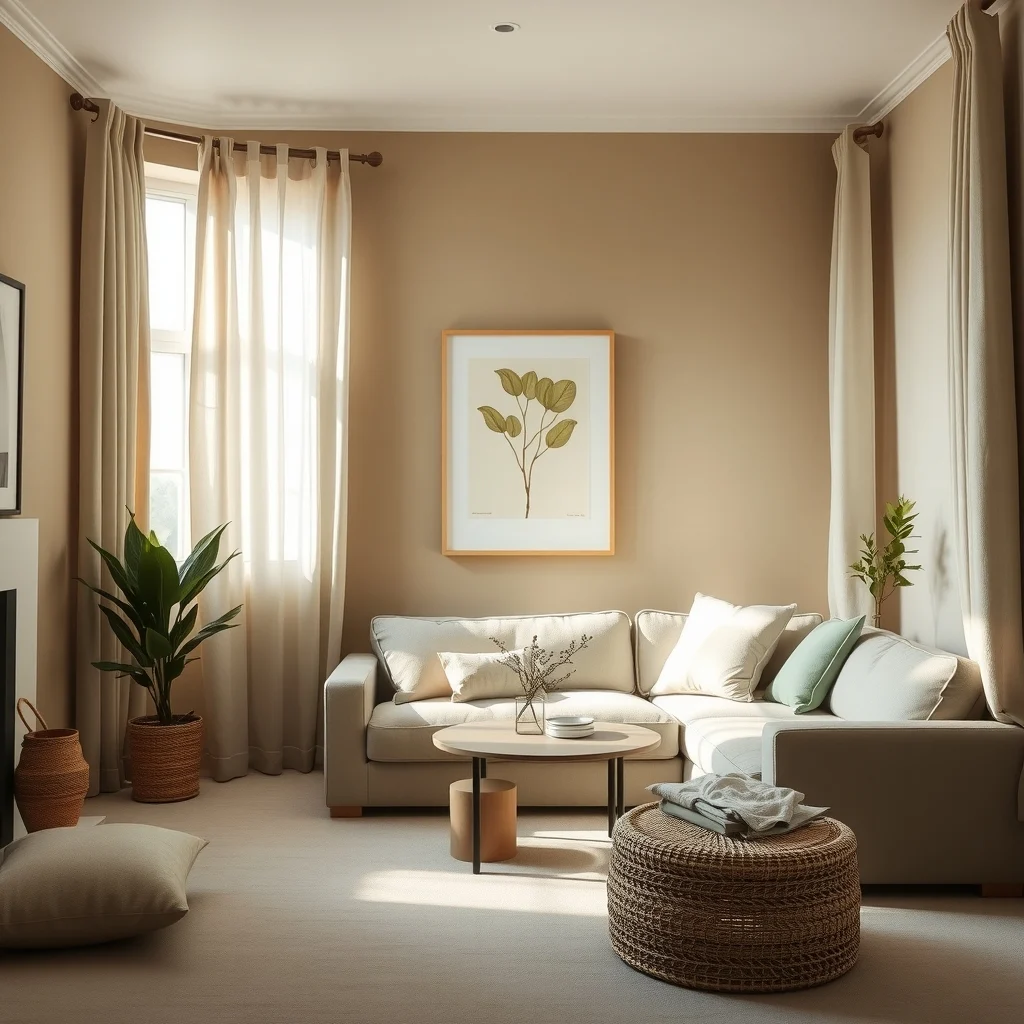
When walls, textiles, and accessories share a limited range of hues, the eye travels more easily across the room, creating a sense of continuity. Soft neutrals such as warm greige, muted sage, or a pale terracotta can reflect natural light without overwhelming the space. Pair a light wall color with a slightly deeper shade on the sofa or a rug; the subtle contrast adds depth while keeping the overall feel gentle. If you love a pop of color, limit it to accessories like throw pillows or artwork, which can be swapped out without disturbing the harmony. Remember that glossy finishes bounce light, whereas matte surfaces absorb it, so a mix can balance brightness and coziness.
What’s Your Apartment Decor Style?
Answer these quick questions to discover your perfect decor vibe.
2. Embrace Multi‑Functional Furniture to Free Up Floor Space
© 2026 AI Illustrator — Inspiration Only
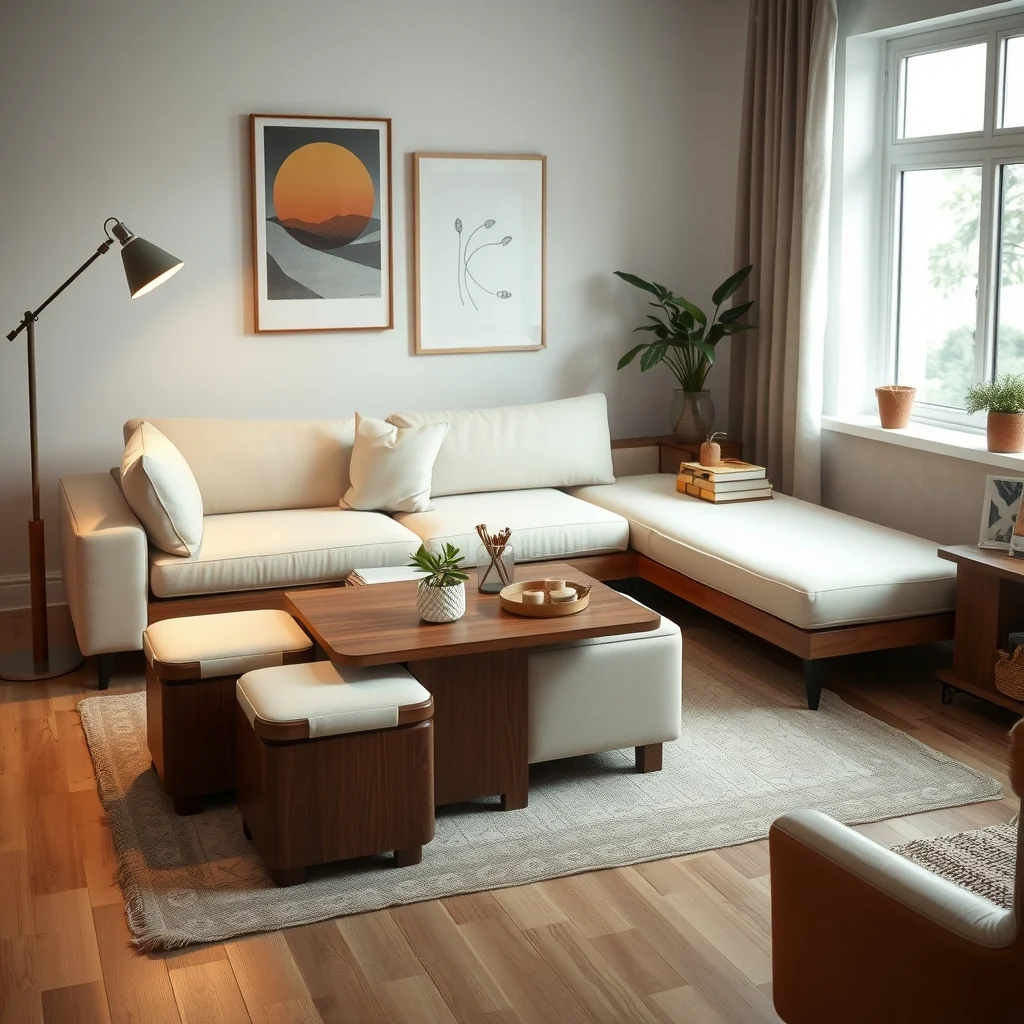
In a tiny apartment, each piece of furniture should earn its square footage. A sofa with a hidden storage compartment beneath the seat provides a place for blankets or seasonal items, reducing the need for a separate chest. A narrow console that doubles as a desk can hold a laptop during the day and a decorative tray at night. When you select a coffee table, consider one with a lift‑top that can serve as a casual dining surface for two. These choices keep the room uncluttered, and the extra storage is tucked away, preserving the visual calm that makes the area feel welcoming.
3. Layer Lighting to Create Mood Without Overcrowding
© 2026 AI Illustrator — Inspiration Only
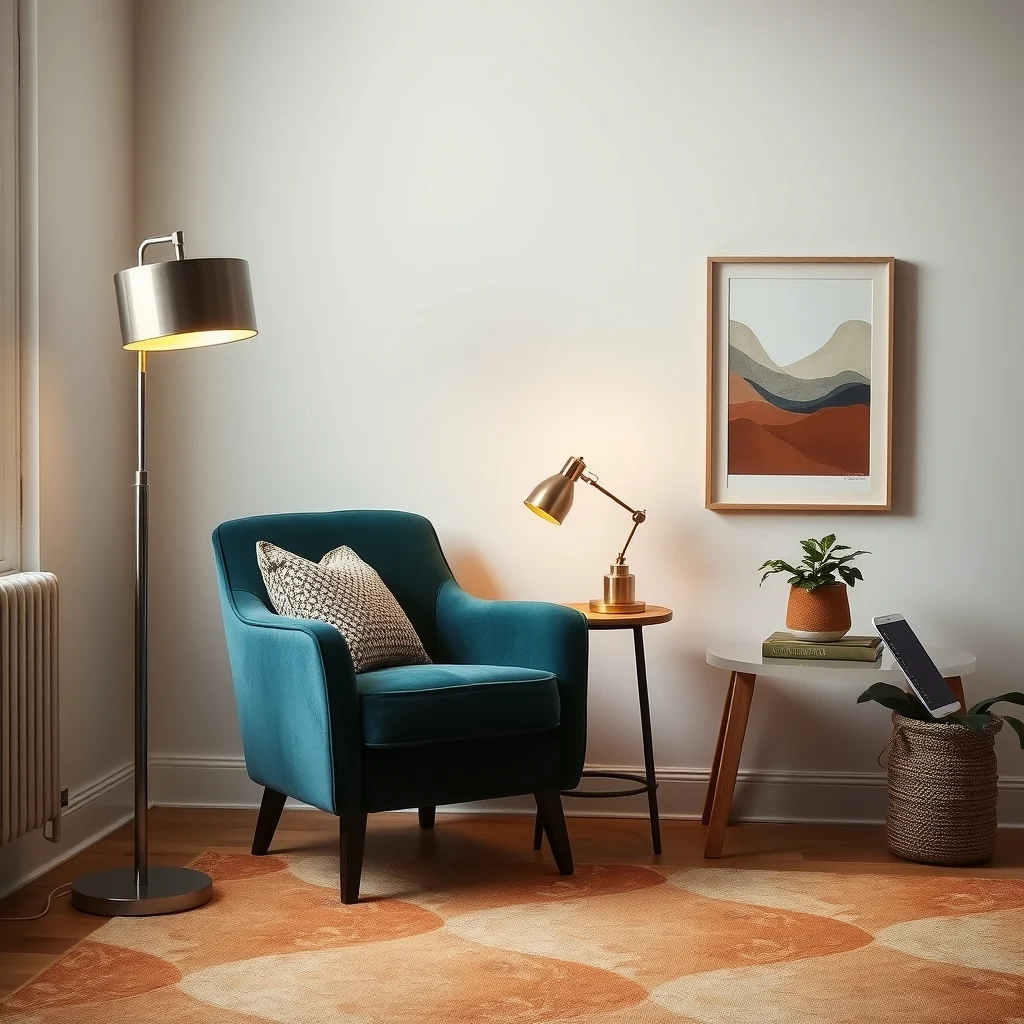
Relying on a single overhead fixture often leaves corners in shadow, especially when ceiling height is low. Introduce a floor lamp beside the seating area to add a warm pool of light for reading, and place a small table lamp on a side table for ambient glow. The combination of directional and diffused lighting lets you adjust the atmosphere throughout the day without needing additional fixtures. Choose lamps with slim profiles and finishes that echo the room’s palette—brushed brass or matte black—to avoid visual bulk. Dimmers are a simple upgrade that let you lower the intensity for a relaxed evening.
4. Use Reflective Surfaces to Amplify Natural Light
© 2026 AI Illustrator — Inspiration Only
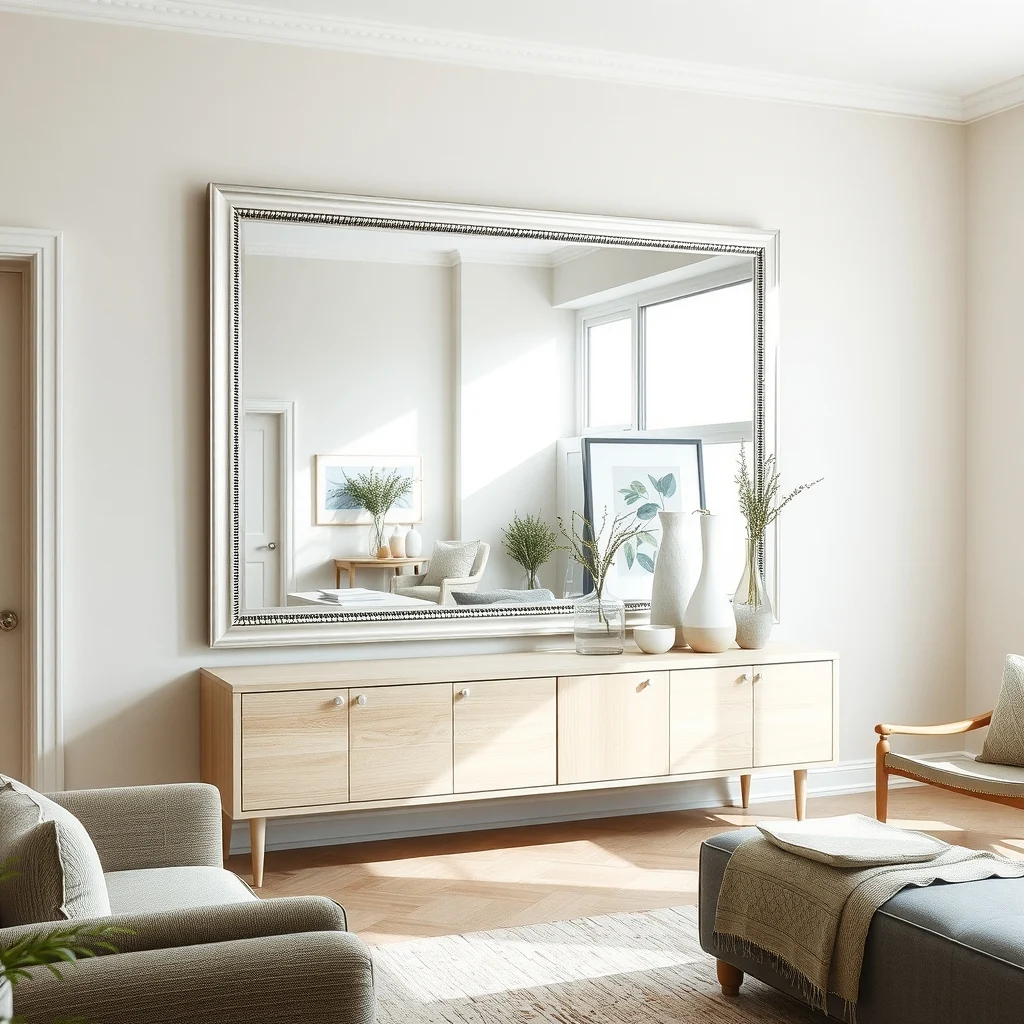
Mirrors are a classic tool for making a space feel larger, but the effect is strongest when the mirror is positioned to catch daylight. A rectangular mirror placed opposite a window reflects light deep into the room, brightening corners that might otherwise feel closed in. If wall space is limited, consider a mirrored console table or a glass coffee table; the reflective surface serves a functional purpose while still bouncing light. Even a glossy lacquer finish on a sideboard can contribute to the brightening effect without the visual weight of a traditional mirror.
5. Integrate Vertical Storage to Keep the Floor Clear
© 2026 AI Illustrator — Inspiration Only
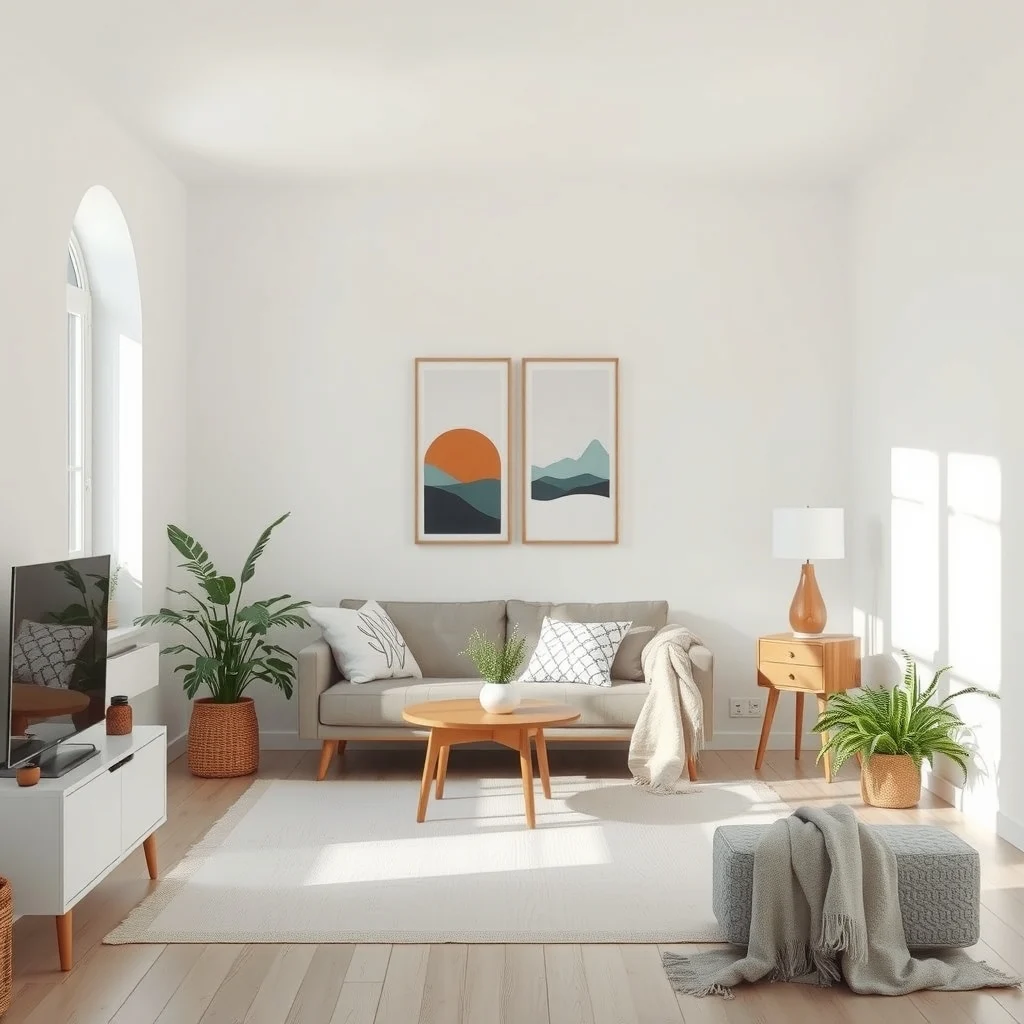
Floor space is the most precious commodity in a small living area, so turning the walls into storage zones is a natural solution. Open shelving in a tall, narrow unit can hold books, plants, and decorative objects without encroaching on walking paths. When choosing shelves, opt for wood with a light stain or painted white to keep the look airy. Hooks mounted a few inches above the floor provide a place for bags, coats, or even a hanging plant, adding visual interest while freeing up closet space. The vertical approach also draws the eye upward, subtly increasing the perceived height of the room.
6. Select Soft Textiles That Invite Relaxation
© 2026 AI Illustrator — Inspiration Only
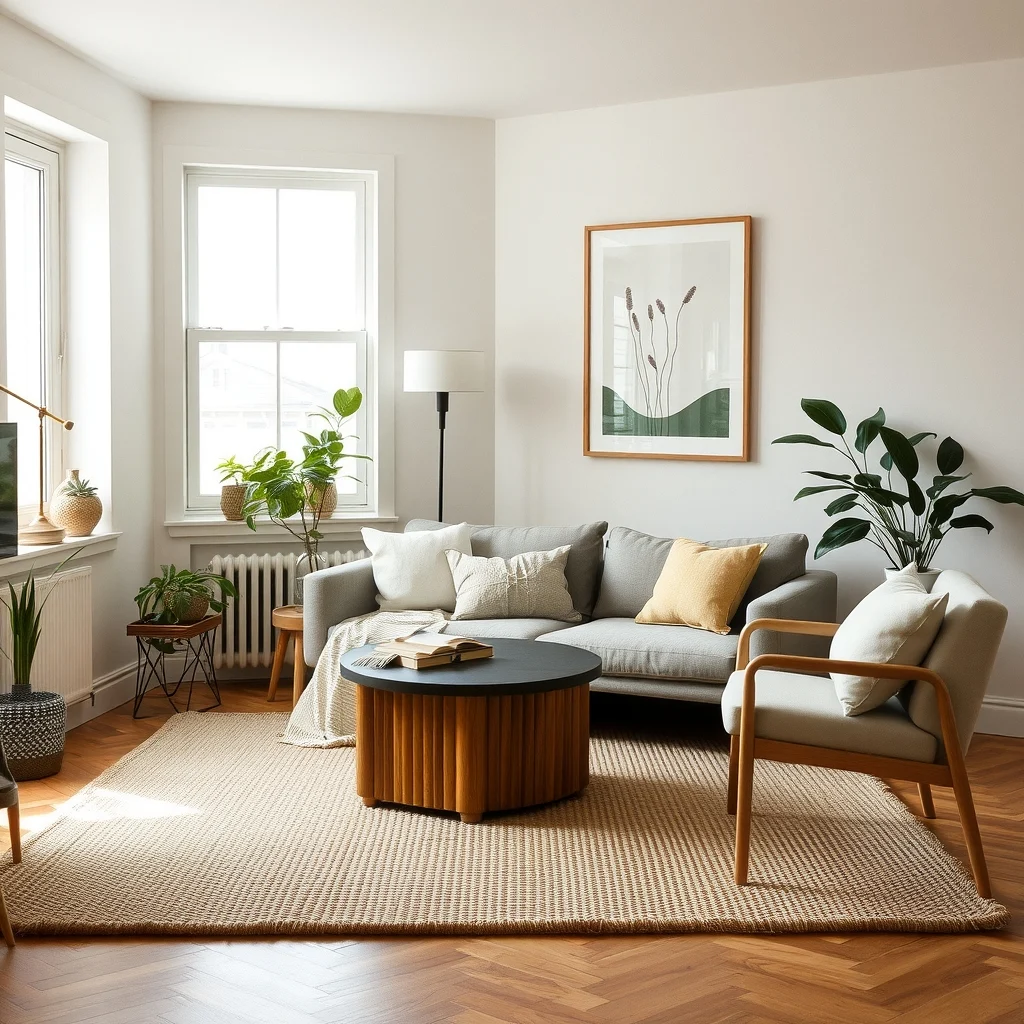
A living area should feel like a place you can unwind, and textiles play a central role in that sensation. A plush area rug in a low‑pile weave adds warmth underfoot and defines the seating zone without requiring a large footprint. Choose a rug with a muted pattern that incorporates one of the accent colors from your palette; this ties the room together while protecting the floor. Slip‑cover sofas in linen or brushed cotton are easy to clean and can be swapped for a different hue when you crave a change. Adding a couple of throw blankets in natural fibers such as wool or boucle gives the space a lived‑in quality without clutter.
7. Curate Personal Touches That Reflect Your Lifestyle
© 2026 AI Illustrator — Inspiration Only
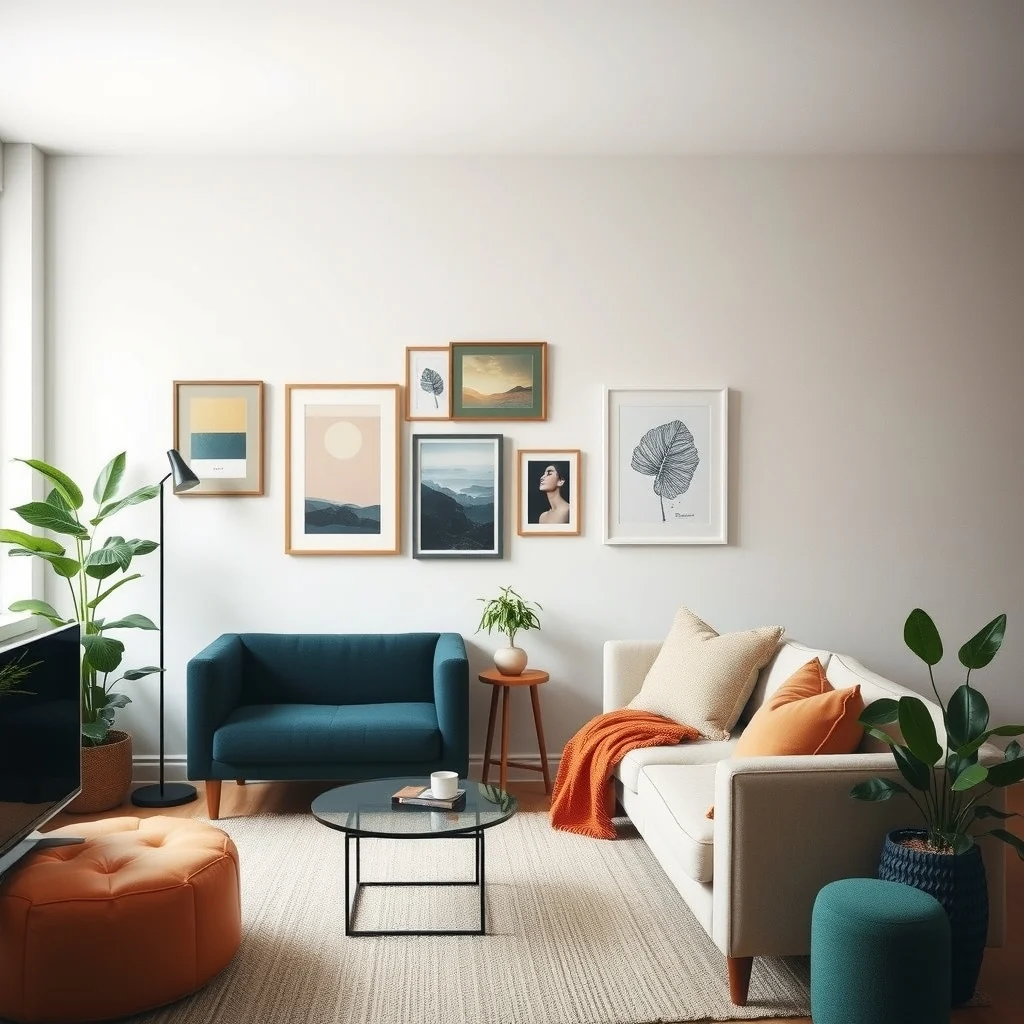
Even the most thoughtfully designed room can feel sterile without objects that tell a story. A small gallery wall featuring a mix of framed prints, a vintage map, and a few personal photographs adds personality without overwhelming the space. Keep the frames uniform in color or material to maintain cohesion. A single, well‑chosen plant—perhaps a pothos in a hanging pot—brings a touch of nature and improves air quality. When you display books, arrange them by size rather than alphabetically; the varied heights create visual rhythm and make the shelves feel intentional. These curated items make the living area feel lived‑in and welcoming.
Frequently Asked Questions
© 2026 AI Illustrator — Inspiration Only
How can I make a tiny living area feel bigger without repainting?
Use reflective surfaces such as mirrors, glass furniture, or glossy finishes to bounce existing light around the room. Pair this with a light, cohesive color scheme for walls and textiles, and keep floor clutter to a minimum.
What type of sofa works best in a small apartment?
A compact sofa with a low back and hidden storage is ideal. Look for slim armrests and a neutral upholstery that can blend with your color palette, and consider a sectional that can be rearranged as needed.
Is it okay to mix modern and vintage pieces in a tiny space?
Yes, mixing styles can add depth and interest. Keep the overall color story consistent and let each piece serve a functional purpose, ensuring the room doesn’t feel crowded.
How much lighting do I need for a welcoming atmosphere?
Layering three types of light—ambient, task, and accent—creates flexibility. A ceiling fixture provides overall illumination, a floor lamp offers focused light for reading, and a table lamp adds soft glow for evenings.
Can I use bold patterns in a small living room?
Bold patterns work best when limited to one or two accessories, such as a rug or pillows, while the larger surfaces stay neutral. This approach adds visual interest without overwhelming the space.
Final Thoughts
© 2026 AI Illustrator — Inspiration Only
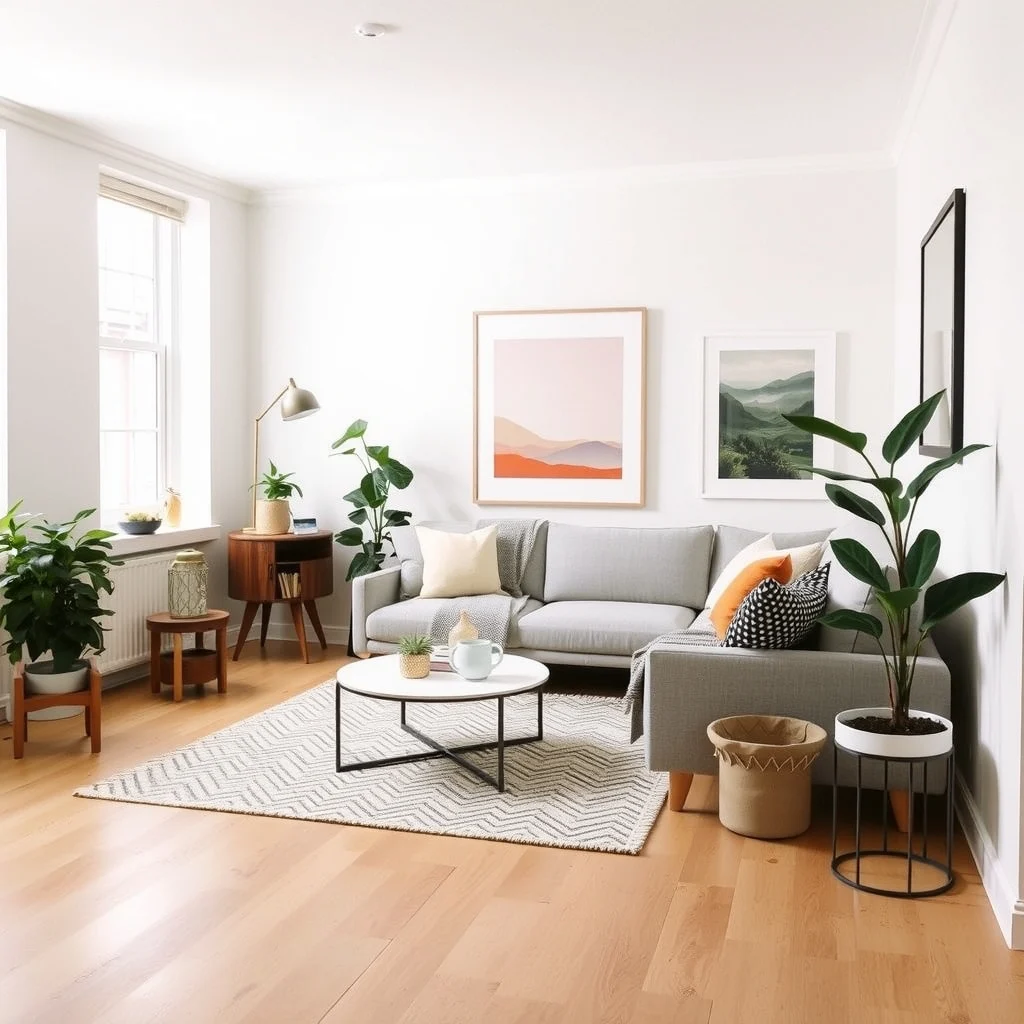
Designing a welcoming living area in a tiny apartment is less about adding more and more about choosing wisely. By unifying color, selecting multifunctional pieces, layering light, and embracing vertical storage, you can create a space that feels spacious, comfortable, and personal. Each decision—whether it’s the hue of a wall or the texture of a throw—contributes to a cohesive environment that welcomes you home, no matter how modest the footprint.