
When the sun sets and the city lights flicker through the windows, an apartment that feels chilly can become a refuge rather than a reminder of the day’s fatigue. The problem isn’t always a lack of illumination; it’s often the quality of the light and how it interacts with the space’s colors, textures, and layout. Below are seven thoughtfully developed ideas that turn a cold‑feeling apartment into a warm, inviting home after dark. Each suggestion blends practical considerations with aesthetic nuance, so you can choose the approach that fits your style, budget, and floor plan.
1. Layered Ambient Light with Dimmable Ceiling Fixtures
© 2026 AI Illustrator — Inspiration Only
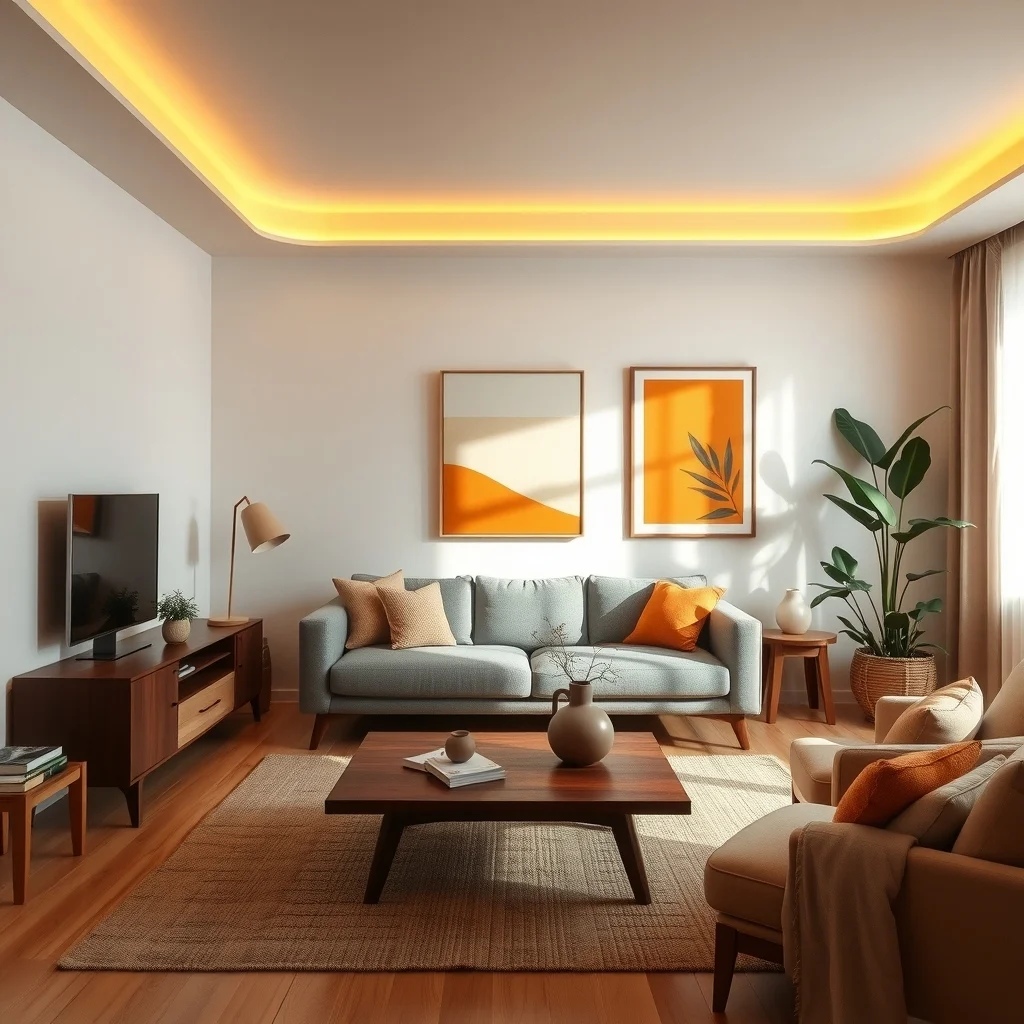
Replacing a harsh fluorescent fixture with a dimmable LED recessed system can change the entire mood of a living room. A soft amber glow spreads evenly across walls, reducing stark shadows that make a room feel clinical. Because the fixture is built into the ceiling, it doesn’t compete for floor space—a valuable perk in compact apartments. Pair the dimmer with a warm‑white bulb (around 2700 K) and you’ll notice an immediate sense of coziness. The downside is the initial installation cost; if you’re renting, a surface‑mount LED panel that mimics recessed lighting can provide a similar effect without altering the ceiling.
What’s Your Apartment Decor Style?
Answer these quick questions to discover your perfect decor vibe.
When you lower the light level, the room’s existing textures—linen sofas, brushed‑brass coffee tables, and matte‑finished walls—absorb the glow rather than reflecting it harshly. This layering technique also allows you to adjust brightness for different activities, from reading to movie nights, without needing multiple separate lamps.
2. Floor Lamps with Fabric Shades for a Soft Diffusion
© 2026 AI Illustrator — Inspiration Only
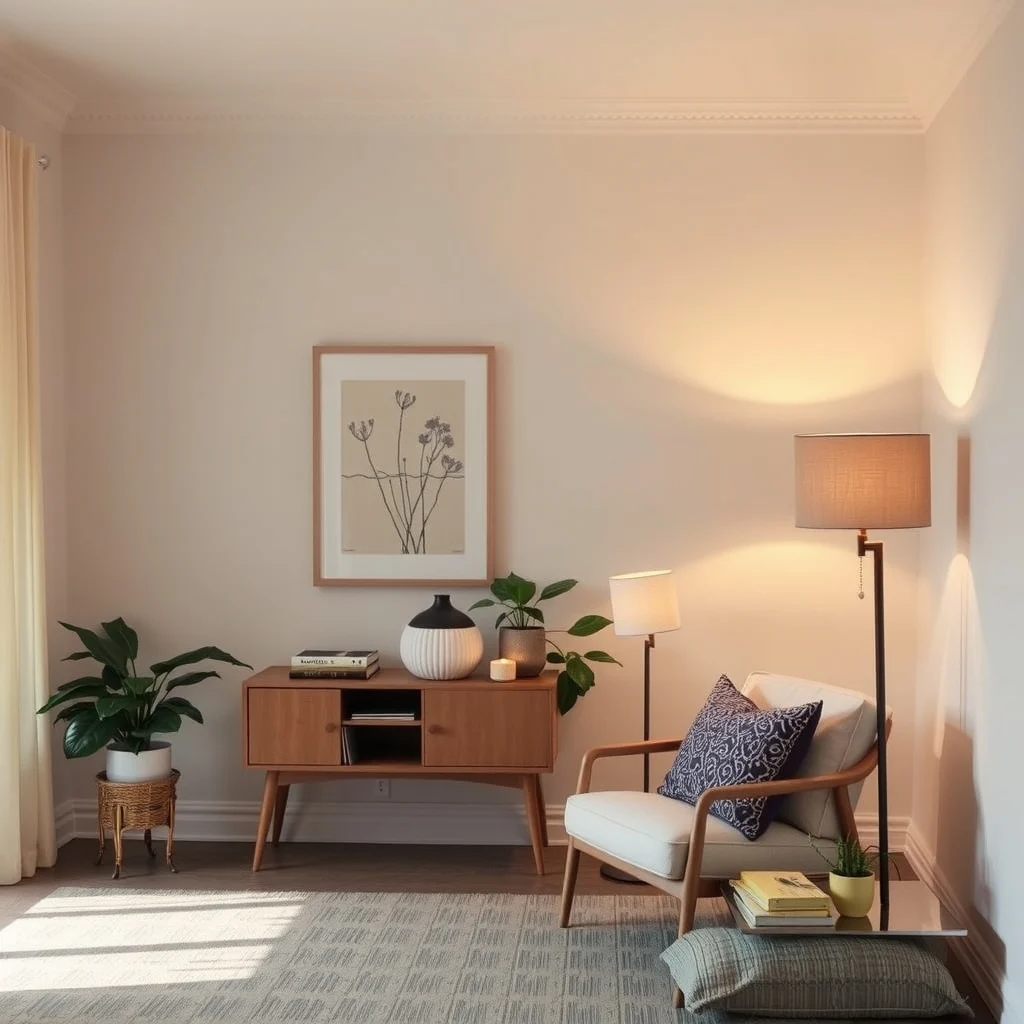
A tall floor lamp placed beside a reading chair does more than illuminate a single spot; it creates a gentle pool of light that spills onto nearby surfaces. Choosing a lamp with a linen or cotton shade in a neutral tone filters the bulb’s output, softening glare while preserving enough illumination for tasks. The height of the lamp draws the eye upward, subtly balancing the visual weight of low‑lying furniture such as a low‑profile sofa.
Because floor lamps are portable, you can experiment with placement until the light feels just right. A potential trade‑off is floor space; in a narrow hallway or studio, a slim‑profile tripod base works better than a bulky column. Opt for a model with a built‑in dimmer switch so you can fine‑tune the warmth without reaching for a wall control.
3. Warm‑Toned String Lights for Decorative Accents
© 2026 AI Illustrator — Inspiration Only
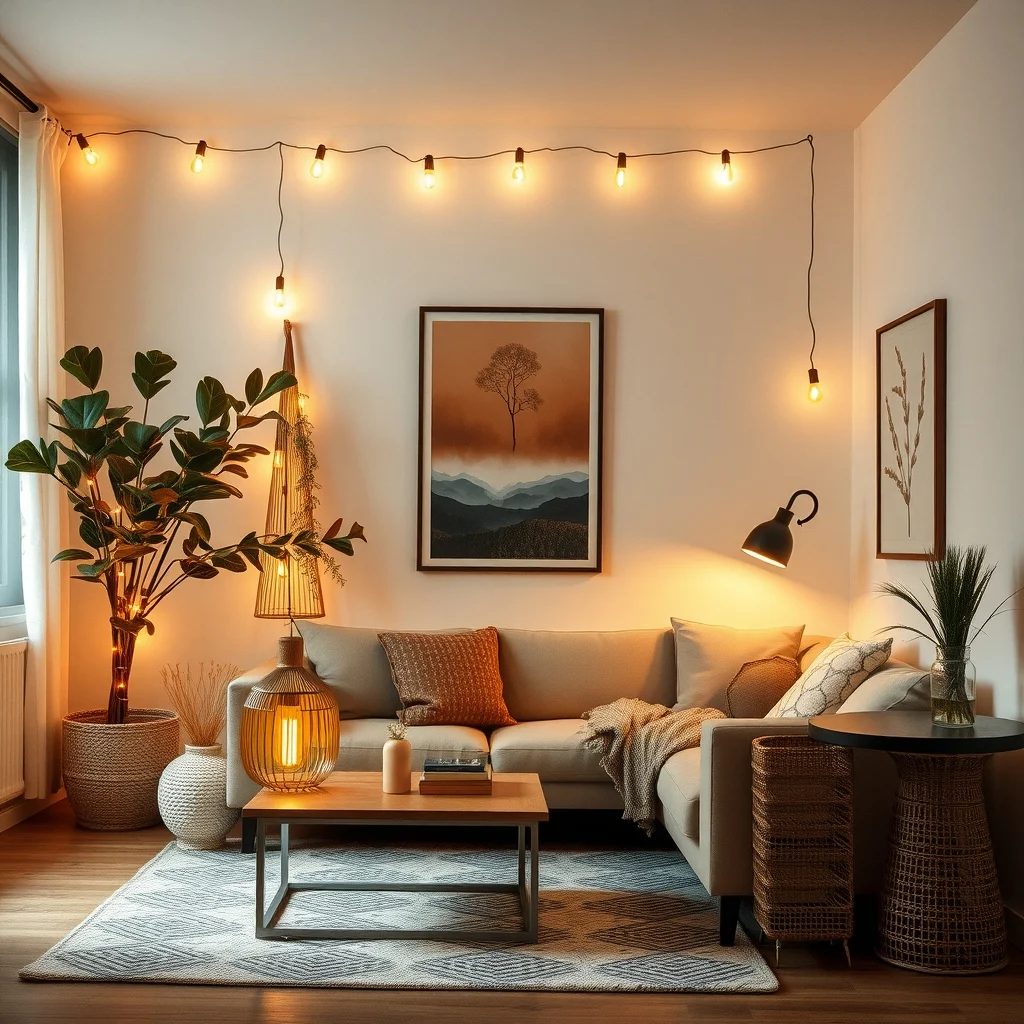
String lights are often associated with holiday décor, but a carefully curated arrangement can add a permanent layer of warmth. Choose bulbs with an amber hue and a low wattage to avoid overheating. Draping the lights along a bookshelf, around a headboard, or across the top edge of a gallery wall creates a subtle, twinkling effect that mimics candlelight without the fire risk.
The flexibility of string lights means you can adapt them to any room layout. If you have a compact kitchen, a short strand above the countertop provides just enough glow to make evening cooking feel relaxed. The main limitation is that the fixtures are not a primary light source; they work best as secondary illumination that adds personality rather than brightness.
4. Table Lamps with Warm-Hued Glass Bases
© 2026 AI Illustrator — Inspiration Only
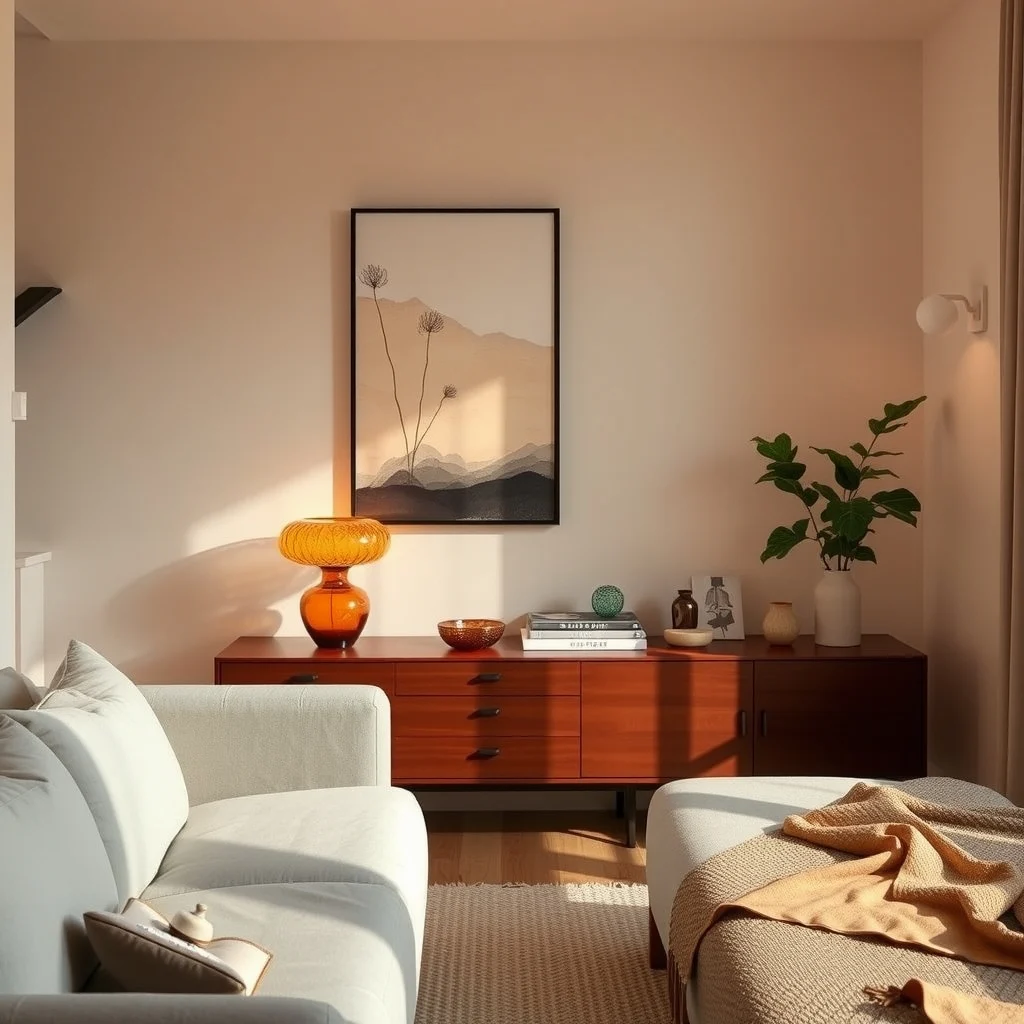
Placing a table lamp on a sideboard or nightstand introduces localized warmth while also serving as a decorative focal point. Lamps that feature amber or smoked glass bases diffuse light through the colored material, casting a gentle glow across the surrounding area. This effect highlights the textures of nearby objects—think a woven rug or a stack of soft‑cover books—without overwhelming the space.
Because the lamp sits on a surface, it can be paired with a small tray of decorative objects, creating a mini vignette that feels intentional. A drawback to consider is the potential for glare if the lamp is positioned directly opposite a reflective surface; angling the shade slightly away from mirrors or glass tables mitigates this issue.
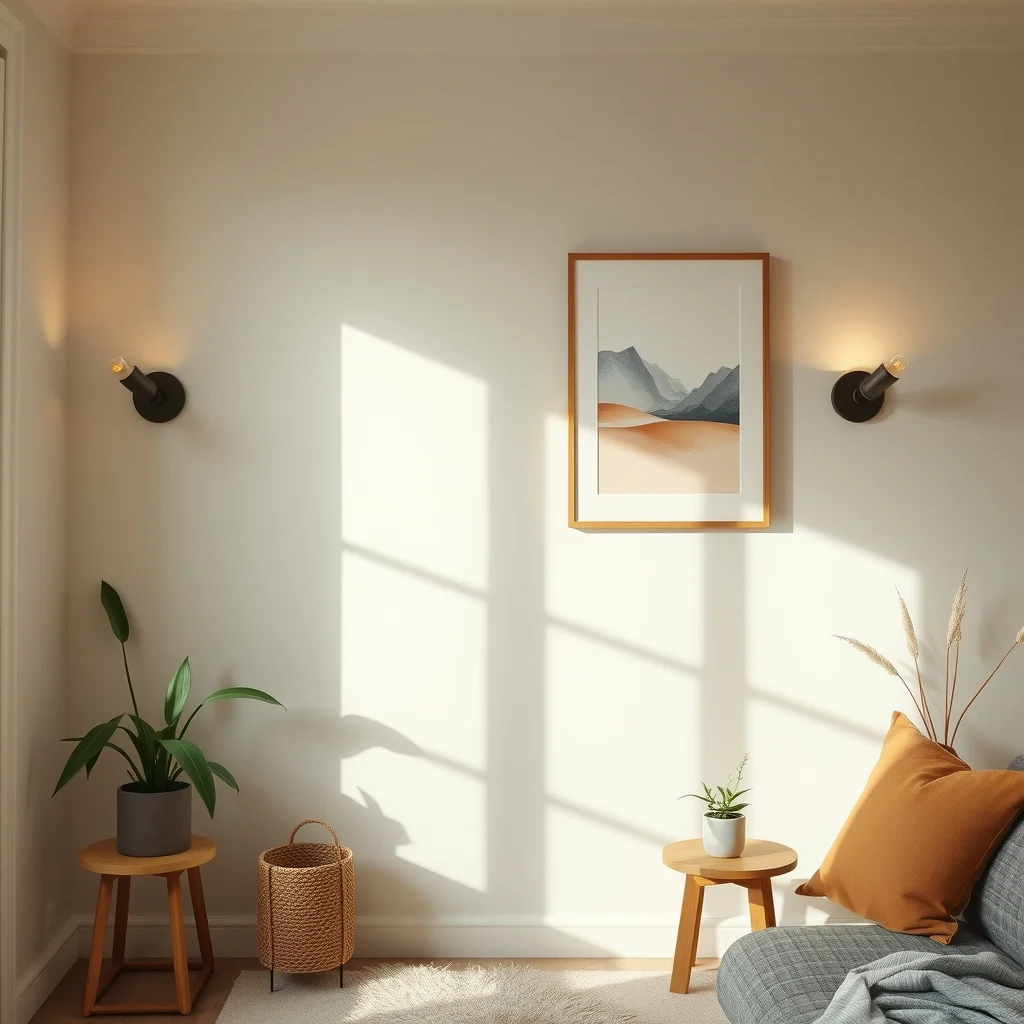
5. Wall Sconces with Adjustable Heads
© 2026 AI Illustrator — Inspiration Only
Wall sconces free up floor and tabletop space while delivering directed, warm light that hugs the walls. Models with swivel heads allow you to point the beam toward a reading nook, a piece of artwork, or a hallway. When installed at eye level, they create a comfortable line of sight that reduces eye strain during evening activities.
Choosing fixtures in brushed brass or oil‑rubbed bronze adds a subtle metallic warmth that complements both modern and vintage interiors. Installation does require a small electrical outlet or a low‑voltage system, which may involve a professional if you’re not comfortable with wiring. In rental situations, plug‑in sconces that mount with adhesive strips offer a temporary yet effective solution.
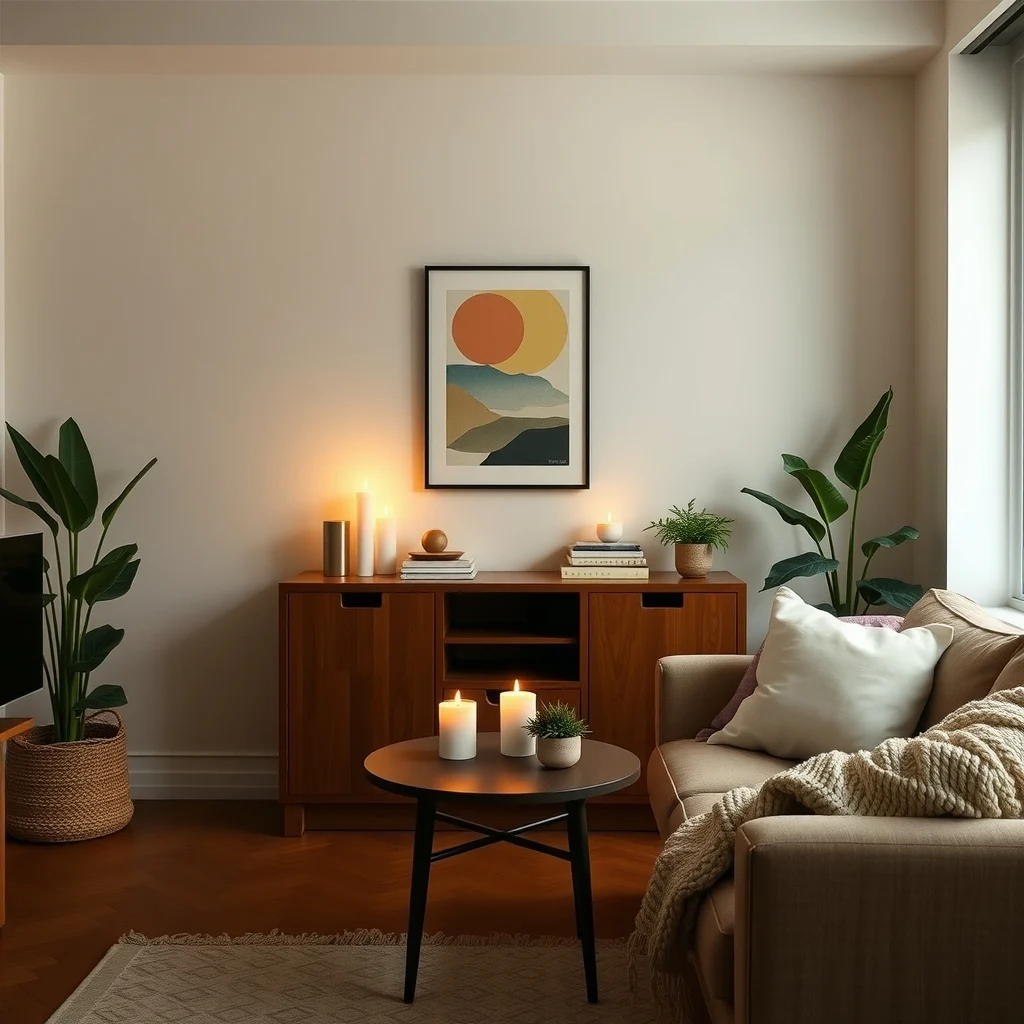
6. Candles and LED Candle Replicas for Low‑Key Glow
© 2026 AI Illustrator — Inspiration Only
Nothing softens a room’s atmosphere like the flicker of a candle. Real candles introduce a gentle, wavering light that accentuates the grain of wooden furniture and the plushness of a velvet throw. For safety, especially in apartments with pets or children, LED candle replicas with a realistic flame effect provide the same ambiance without the flame hazard.
Arrange a cluster of varying heights on a coffee table or windowsill to create depth. The scent of a soy candle can also contribute to the feeling of warmth, though it’s wise to choose subtle fragrances that won’t overwhelm a small space. The main limitation is the limited illumination; candles are best used as accent lighting rather than a primary source.
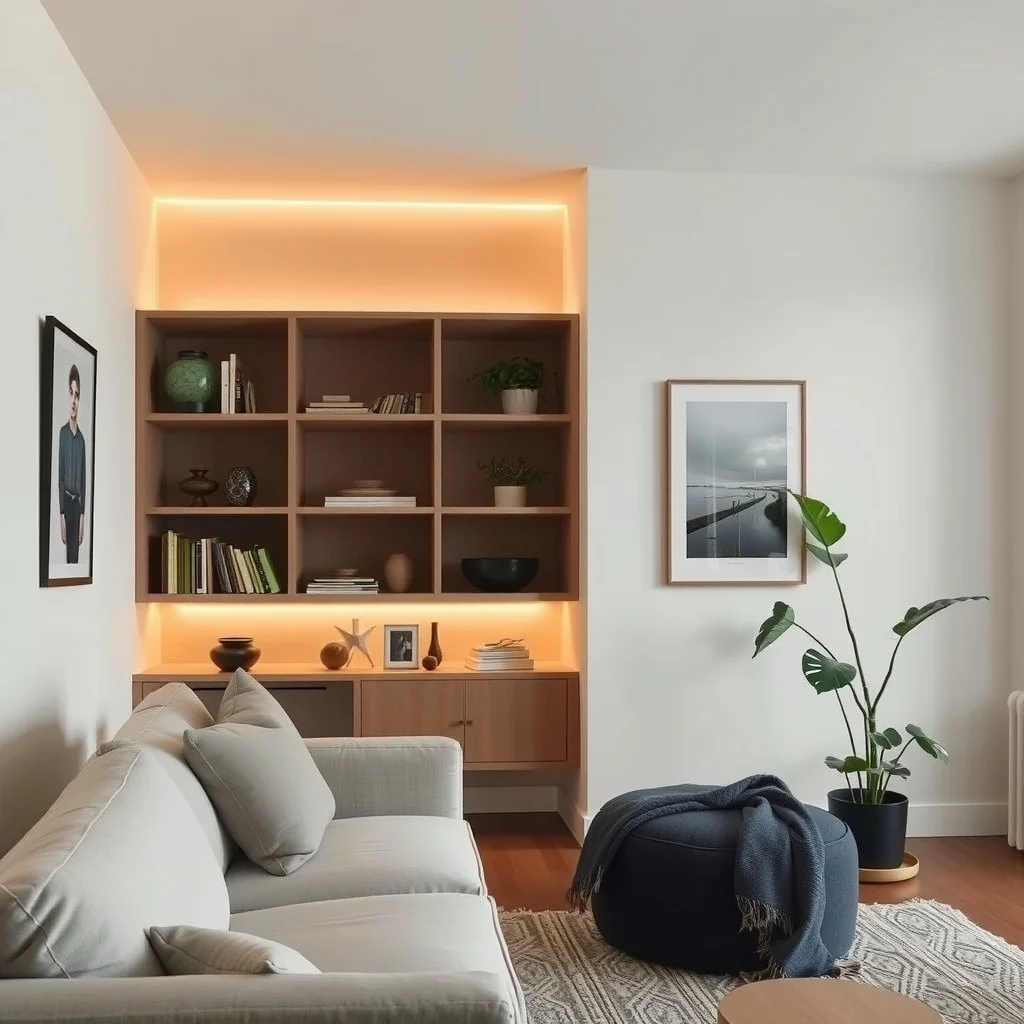
7. Indirect Cove Lighting Behind Shelving
© 2026 AI Illustrator — Inspiration Only
Installing a thin LED strip behind floating shelves or a built‑in bookcase creates an indirect glow that washes the ceiling in a warm hue. This technique adds a layer of light that is both functional—highlighting displayed objects—and atmospheric, as the soft wash eliminates harsh shadows. Because the light source is hidden, the effect feels seamless and modern.
When selecting a strip, opt for one with a dimmable controller so you can shift from a bright showcase to a muted evening ambiance. The installation does require some carpentry skill; if you’re not comfortable cutting into drywall, a surface‑mount channel that adheres to the back of the shelf can achieve a similar look. The trade‑off is that the initial setup may be more involved than simply placing a lamp, but the long‑term visual payoff is significant.
FAQ
© 2026 AI Illustrator — Inspiration Only
How do I choose the right color temperature for warm lighting?
Look for bulbs labeled 2700 K to 3000 K; this range produces a soft amber glow that feels cozy without being overly yellow. Warmer temperatures can make a room feel intimate, while cooler tones tend to highlight details rather than create ambience.
Can I use smart bulbs to achieve warm lighting in a rental?
Yes, smart bulbs screw into existing fixtures and let you adjust brightness and color temperature via an app. They require no wiring changes, making them ideal for renters who want flexibility without permanent alterations.
What’s the best way to avoid glare from warm lights?
Position lamps and fixtures so that the light source is not directly in the line of sight, and use shades or diffusers that soften the beam. Angling wall sconces and choosing opaque lamp shades help keep glare to a minimum.
Is it worth investing in dimmer switches for all my lights?
Installing dimmers adds control over the mood and can reduce energy consumption when lights are set lower. If your apartment allows for electrical modifications, a master dimmer for the main circuit is a practical upgrade; otherwise, plug‑in dimmer modules work with table and floor lamps.
How can I keep warm lighting energy‑efficient?
LED fixtures use far less electricity than incandescent or halogen options while still delivering warm tones. Pair LEDs with dimmers and timers to ensure lights are only on when needed, further lowering energy use.
Final Thoughts
© 2026 AI Illustrator — Inspiration Only
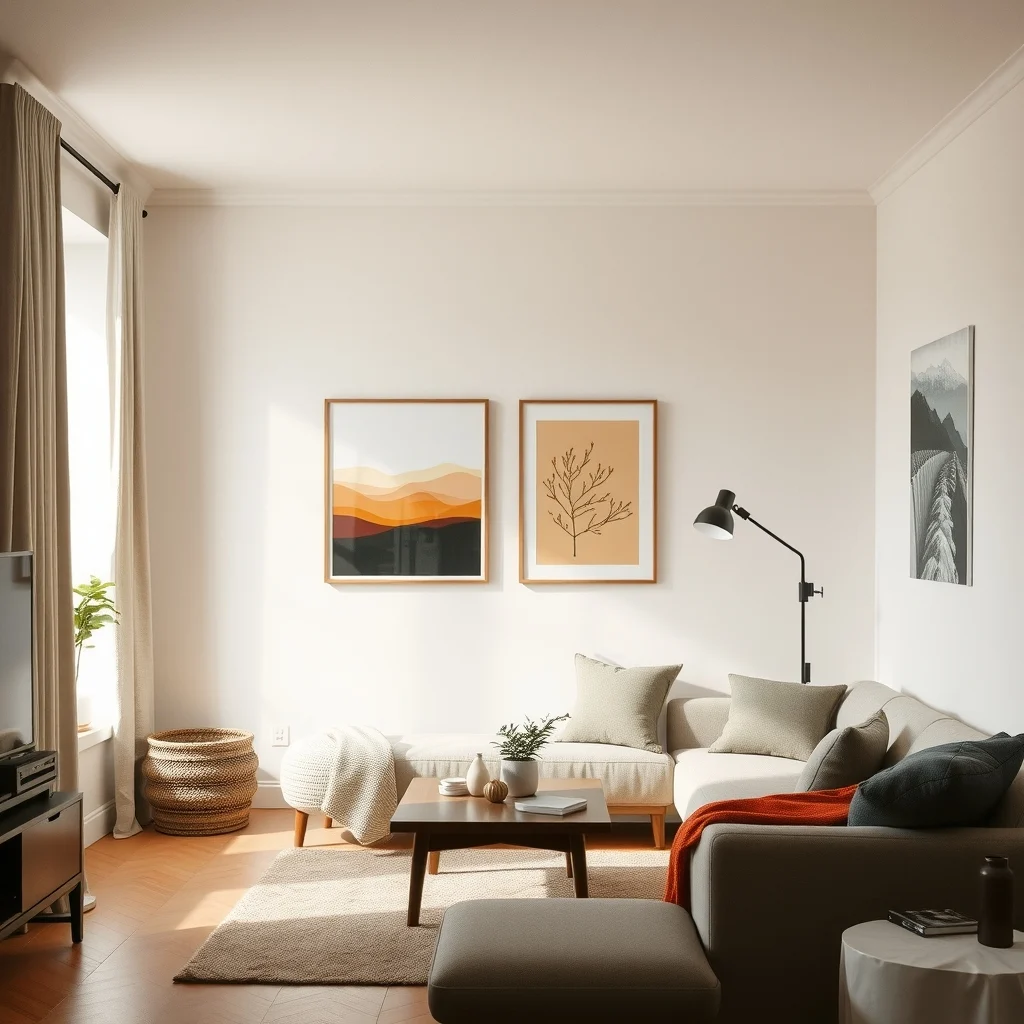
Creating a warm nighttime atmosphere in an apartment that feels too cold is less about adding more light and more about shaping the quality of that light. By layering sources, choosing fixtures that diffuse rather than glare, and paying attention to the interplay of color, material, and space, you can transform any modest floor plan into a welcoming retreat. Start with the idea that feels most accessible—perhaps a dimmable floor lamp or a string of amber bulbs—and let the room’s character guide the next step. The result will be a home that feels comfortably lit, no matter how chilly the night outside may be.