
Living in a compact space means every square foot counts, and lighting plays a surprisingly large role in how roomy a room feels. A poorly chosen bulb, a misplaced fixture, or a shade that absorbs light can shrink the perception of even the most efficiently laid‑out studio. In the following sections we’ll look at the most common lighting missteps and explore practical ways to avoid them, so your apartment can feel airy without a major remodel.
1. Relying on a Single Overhead Fixture
© 2026 AI Illustrator — Inspiration Only
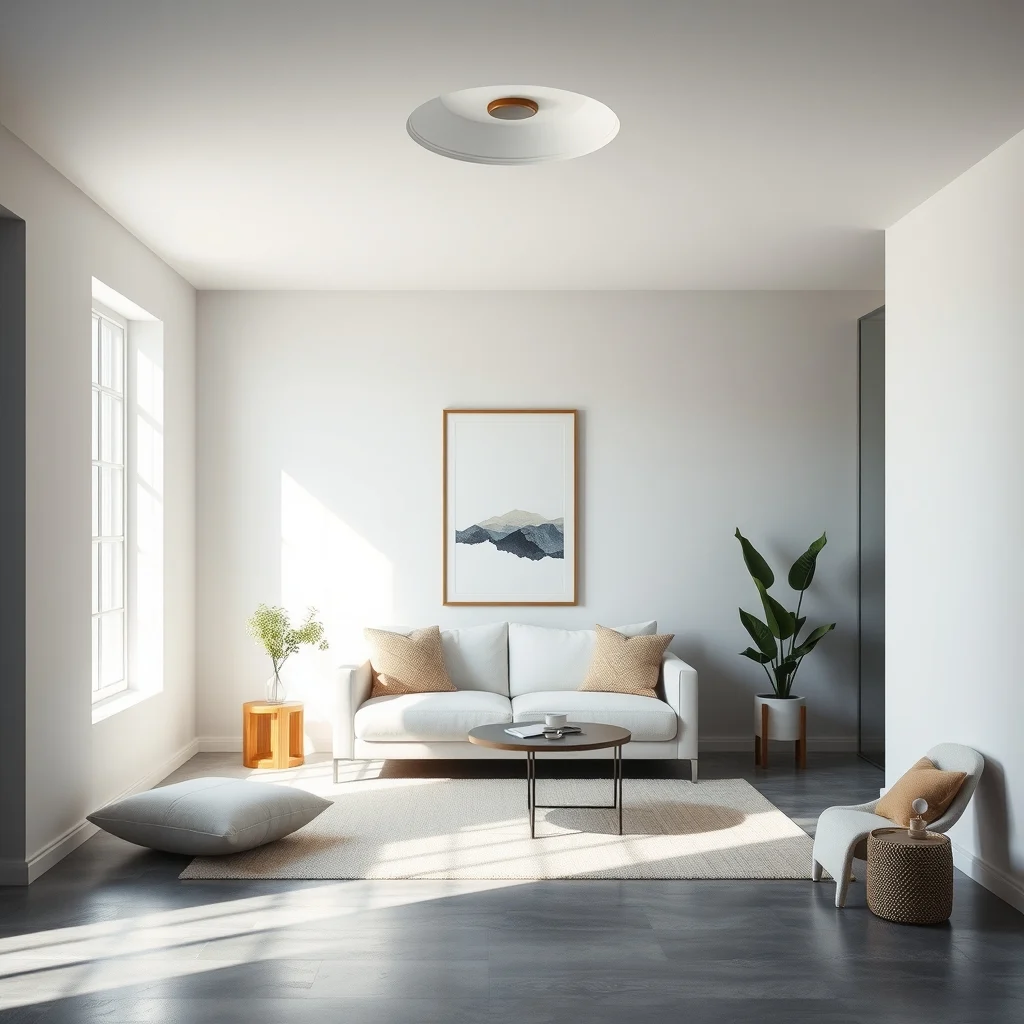
When the only source of illumination is a ceiling‑mounted light, the room often ends up with harsh shadows and a ceiling that seems lower than it is. The light spreads from a single point, leaving corners dim and creating a visual ceiling that competes with the floor for attention. Introducing additional layers—such as recessed downlights, a slim track system, or discreet wall sconces—breaks up that single pool of light and allows it to bounce off surfaces. The extra fixtures also give you control over where brightness is needed most, like over a dining table or a work desk. The trade‑off is a modest increase in installation cost, but the result is a space that feels taller and more evenly lit.
What’s Your Apartment Decor Style?
Answer these quick questions to discover your perfect decor vibe.
2. Using Dark or Saturated Lampshades
© 2026 AI Illustrator — Inspiration Only
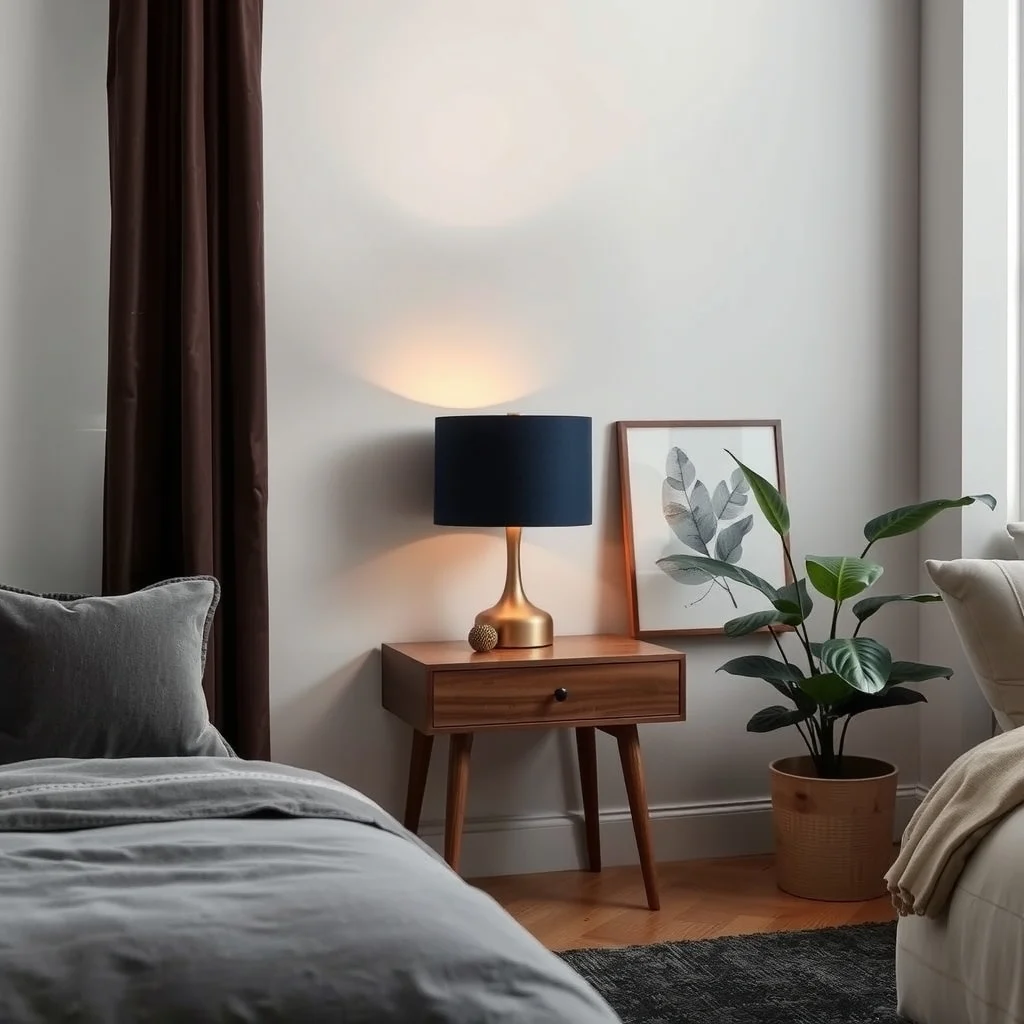
A lampshade that is deep navy, charcoal, or heavy black acts like a light‑absorbing wall, preventing the bulb’s glow from reaching the surrounding area. In a small room that already has limited natural light, the effect is a noticeable dimming that makes walls appear closer together. Switching to a shade made of sheer linen, frosted glass, or a light‑tinted fabric allows the light to filter outward, softening the glare while still providing a gentle diffusion. If you prefer a pop of color, choose a pastel or muted hue that reflects rather than blocks. The downside is that lighter shades can reveal dust more quickly, so regular cleaning becomes part of the routine.
3. Placing Lights Too Close to Walls
© 2026 AI Illustrator — Inspiration Only
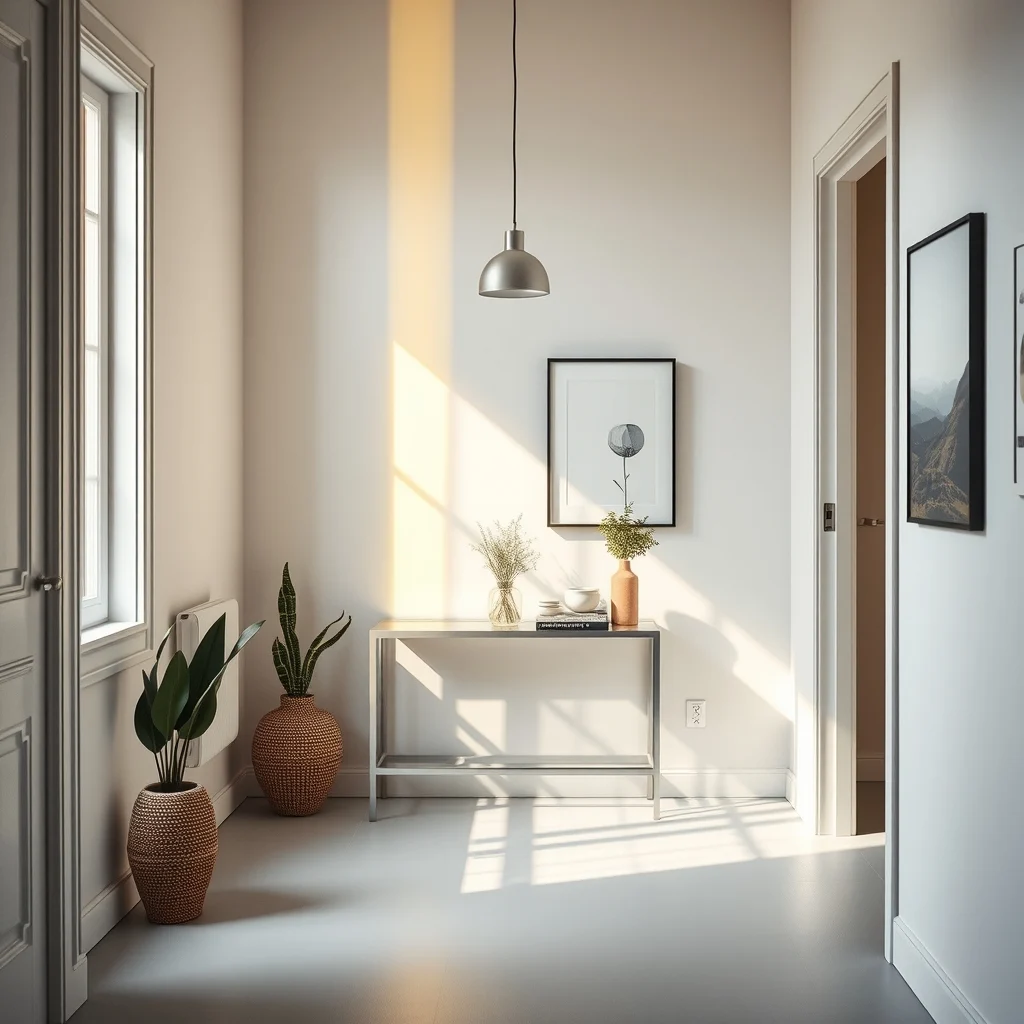
Mounting a lamp or a pendant just an inch or two from a wall creates a strip of bright light that quickly fades into shadow, emphasizing the wall’s flatness and reducing the sense of depth. Pulling fixtures back a few feet—or using a floor lamp that stands away from the perimeter—lets the light spread across the floor and ceiling, creating a gentle wash that enlarges the perceived volume of the room. When space is at a premium, a tall, narrow floor lamp can occupy a corner without crowding the floor, while still delivering a broader light field. The compromise is that you may need to rearrange furniture to accommodate the new placement.
4. Ignoring Light Temperature Mismatch
© 2026 AI Illustrator — Inspiration Only
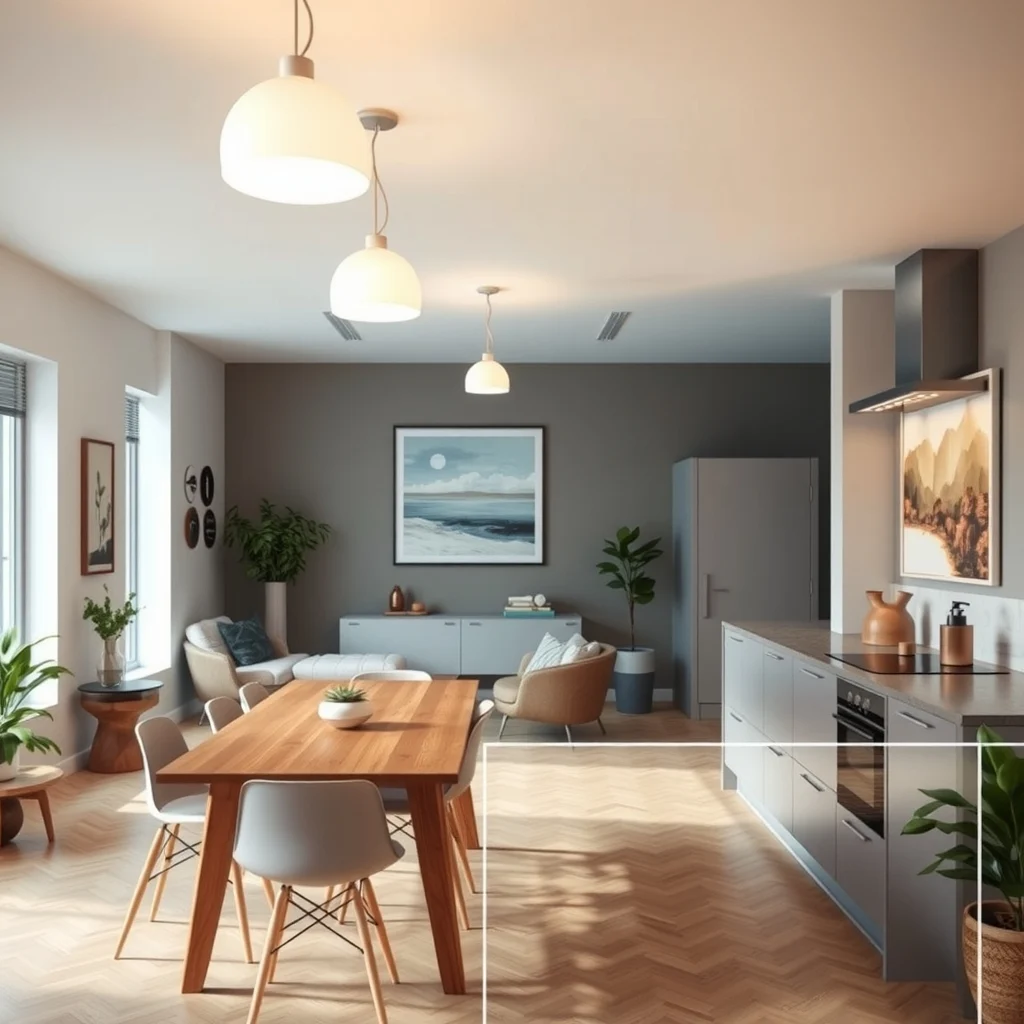
Mixing warm‑white bulbs (around 2700 K) with cool‑daylight bulbs (5000 K) in the same open‑plan area creates a visual disjunction that can make the space feel fragmented rather than cohesive. The eye constantly shifts between the amber glow of a bedside lamp and the crisp blue of a kitchen pendant, which can make each zone feel isolated and, paradoxically, smaller. Selecting a single temperature—preferably a neutral white around 3500 K—provides a consistent backdrop that lets the room’s architecture and furnishings speak for themselves. If you need a warmer feel for relaxation areas, use dimmers to lower the intensity rather than swapping the bulb temperature entirely. The only limitation is that certain tasks, like food preparation, may still benefit from cooler light for color accuracy.
5. Over‑Lighting Small Corners
© 2026 AI Illustrator — Inspiration Only
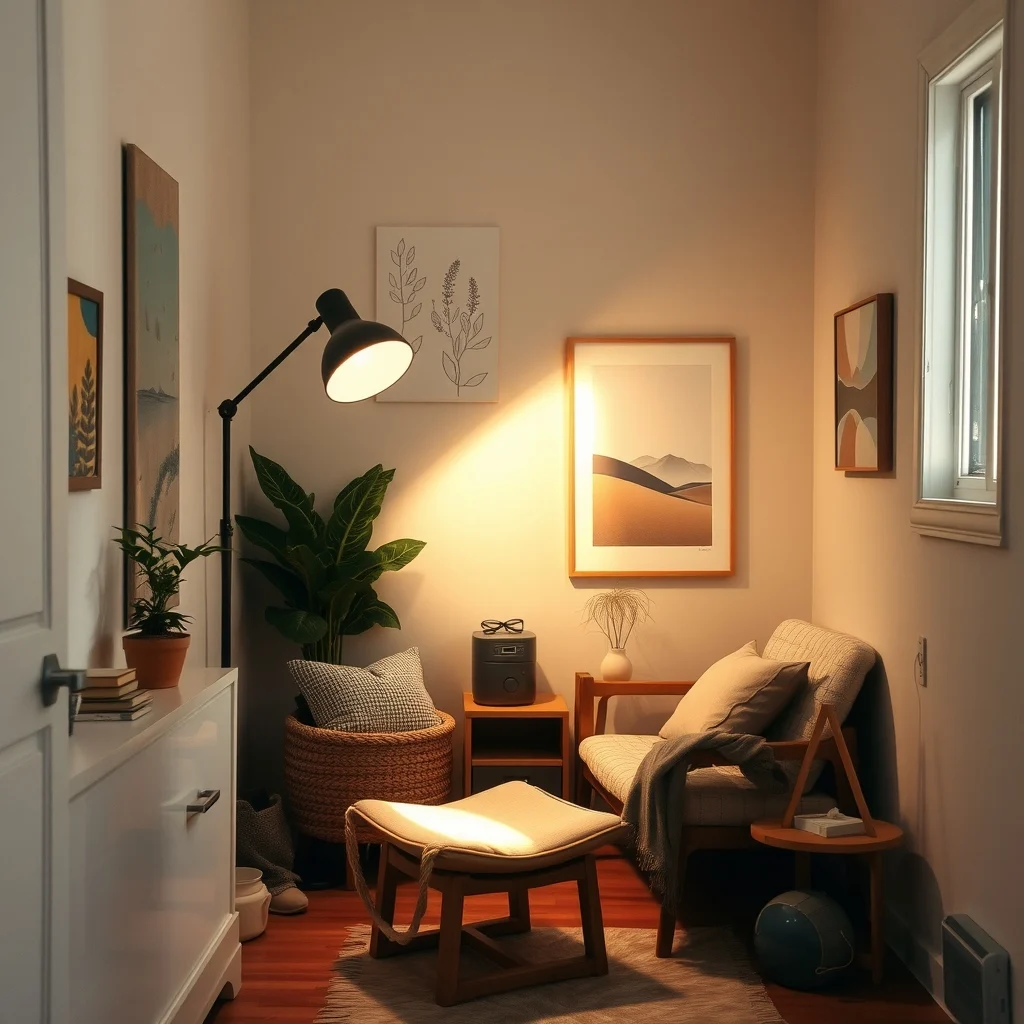
Turning a bright, focused lamp toward a tight corner can make that part of the room feel boxed in, as the concentrated beam highlights the limited width of the space. Instead, aim light toward larger surfaces—such as a rug, a piece of artwork, or an open wall—to create a sense of expansion. A directional accent lamp placed a foot or two away from the corner can provide enough illumination without overwhelming the area. Dimmers are especially helpful here; a lower setting offers ambient glow while still keeping the corner visible for safety. The trade‑off is that you may need to balance the overall brightness level elsewhere to maintain a comfortable overall illumination.
6. Forgetting to Layer Ambient and Task Light
© 2026 AI Illustrator — Inspiration Only
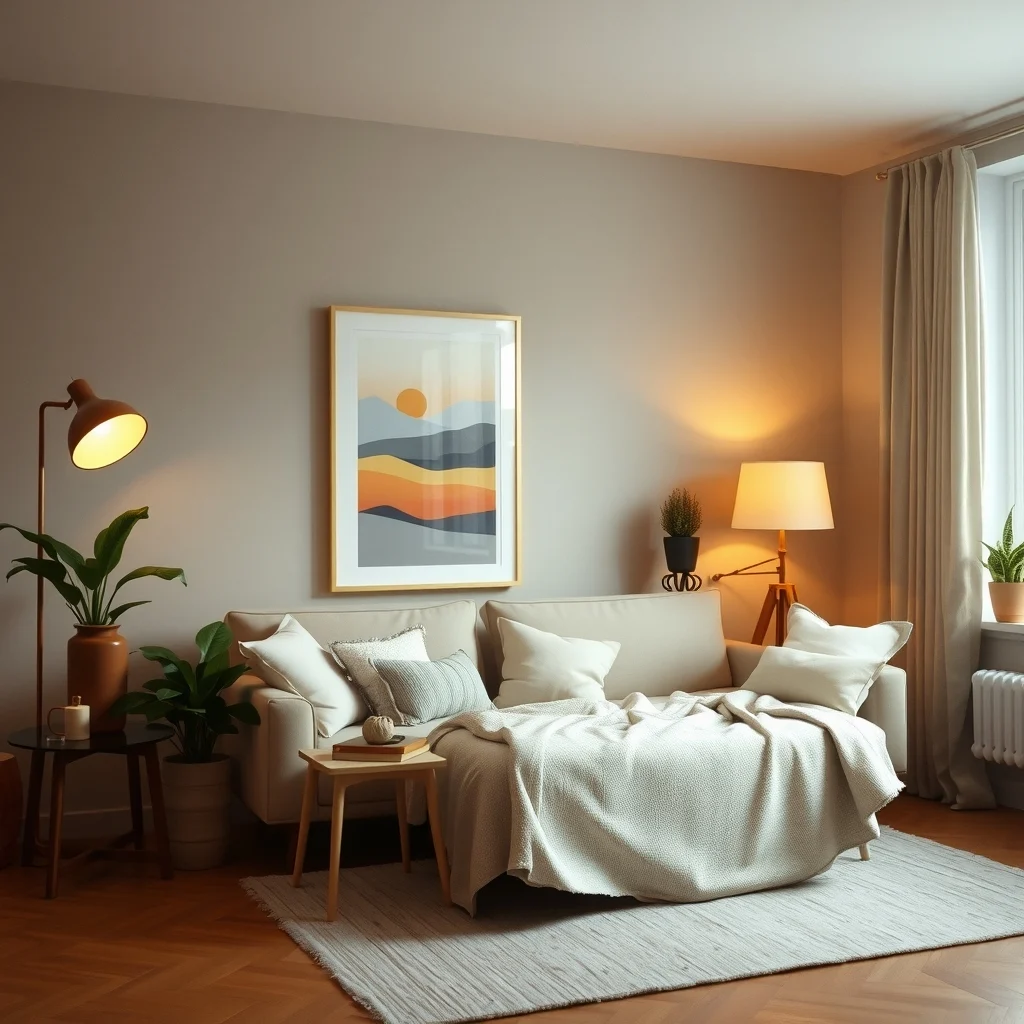
Relying solely on ambient lighting—whether from a ceiling fixture or a single floor lamp—leaves no room for focused illumination where you read, work, or eat. The result is a flat light level that can feel oppressive in a small apartment, because the eye never finds a point of relief. Adding a task‑oriented lamp on a side table, a slim desk lamp, or an under‑cabinet LED strip introduces contrast that guides the eye and breaks up the monotony. This layering also allows you to dim the ambient source while keeping the task light at a functional level, giving the impression of a larger, more adaptable space. The downside is the need for additional electrical outlets or smart plugs, which may require a short extension cord or a power strip.
7. Neglecting Reflective Surfaces and Placement
© 2026 AI Illustrator — Inspiration Only
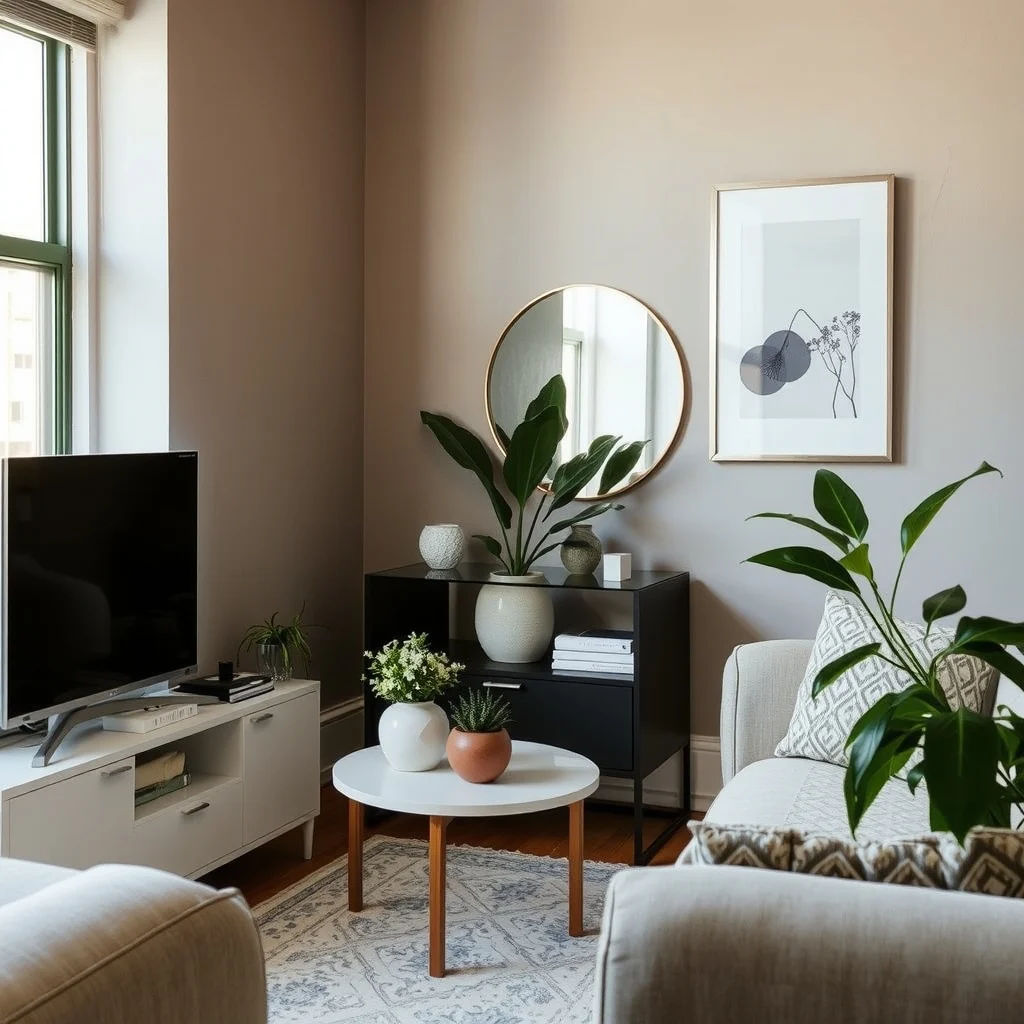
Hard, matte walls absorb light, especially when the room lacks large windows. By incorporating reflective elements—such as a medium‑size mirror opposite a light source, a glossy ceramic vase, or a brushed‑metal picture frame—you invite bounced light to fill the room. Positioning a wall sconce or a lamp so that its glow hits a reflective surface creates a secondary wash that softens shadows and makes the walls appear farther away. If you have limited wall space, a decorative tray with a high‑gloss finish can serve the same purpose on a coffee table. The only caution is to avoid overly shiny surfaces that create glare, which can be uncomfortable for the eyes.
How can I make a tiny studio feel brighter without adding more fixtures?
Use lighter paint colors, keep window treatments minimal, and incorporate reflective accessories. These steps increase the amount of natural and artificial light that bounces around the room, creating an airy feel without additional wiring.
What lamp shade color works best in a small living room?
Shades in soft neutrals—such as off‑white, pale gray, or light beige—allow the light to diffuse outward. They prevent the lamp from becoming a visual barrier and keep the room’s brightness evenly distributed.
Is it okay to use LED strips under cabinets in a compact kitchen?
Yes, LED strips provide focused, low‑profile illumination that enhances countertop visibility without taking up space. Choose a neutral white temperature to keep the kitchen looking cohesive with the rest of the apartment.
How do I choose the right color temperature for a one‑bedroom apartment?
Select a single temperature—ideally around 3500 K—to maintain visual harmony throughout the space. If you need warmer light for relaxation, use dimmers rather than swapping bulb types.
Can I use floor lamps in a room that’s only eight feet wide?
A slim, tall floor lamp placed in a corner can work well, provided it does not obstruct foot traffic. Choose a design with a narrow base and a low‑profile shade to keep the floor clear.
Final Thoughts
Small apartments thrive on thoughtful lighting. By avoiding the common pitfalls outlined above—single fixtures, dark shades, poor placement, mismatched temperatures, over‑lighting corners, lack of layering, and ignoring reflectivity—you can transform a cramped layout into a space that feels open and inviting. Small adjustments, such as swapping a shade or adding a mirror, often have a larger impact than a full‑scale renovation, allowing you to enjoy a brighter, more spacious home without breaking the bank.