
Living in a rental often means working with limited structural changes, but the atmosphere of a space is far more malleable than the walls. A well‑chosen lamp can turn a stark hallway or a compact living room into a welcoming nook without violating any lease clauses. Below you’ll find seven ways to use lamps and gentle illumination to create a sense of warmth, followed by answers to common questions and a brief wrap‑up.
1. Layer Light Sources to Soften the Whole Room
© 2026 AI Illustrator — Inspiration Only
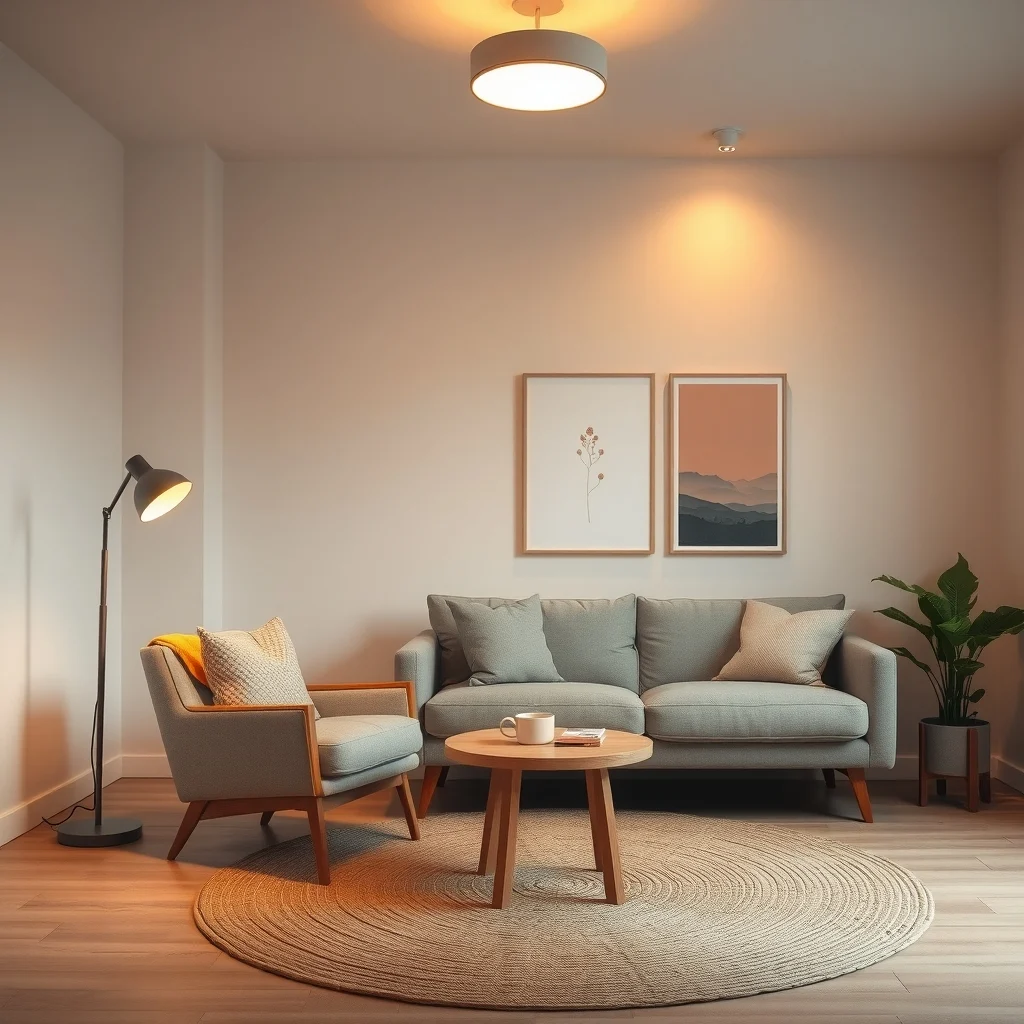
When you walk into a rental that relies solely on an overhead fixture, the light can feel clinical. Adding a floor lamp beside a sofa or a table lamp on a sideboard introduces a secondary glow that reduces harsh shadows and invites you to linger. The key is to choose fixtures with diffused shades—linen, frosted glass, or woven bamboo—because they spread light evenly across the surrounding walls. Positioning a lamp about three feet from a seating area creates a pool of illumination that feels intimate without overpowering the space. The trade‑off is that you may need to manage additional cords; using a short extension cord or a cord cover that blends with the floor finish keeps the look tidy.
What’s Your Apartment Decor Style?
Answer these quick questions to discover your perfect decor vibe.
2. Opt for Warm‑Toned Bulbs Instead of Cool White
© 2026 AI Illustrator — Inspiration Only
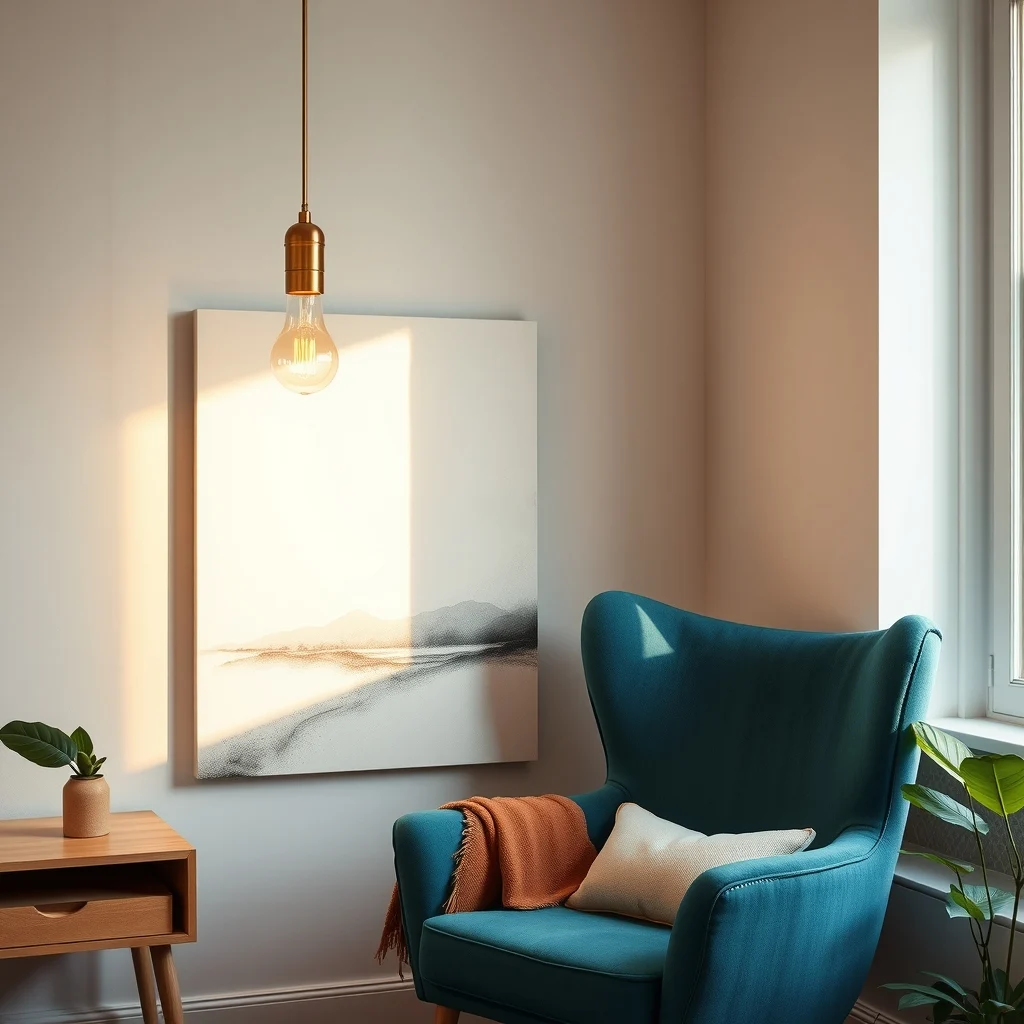
Color temperature has a direct impact on mood. Bulbs labeled “2700 K” emit a golden hue reminiscent of late‑afternoon sunlight, while “4000 K” or higher produce a bluish, office‑like feel. Swapping the existing bulbs for warm‑toned LEDs instantly mellows the room, making fabrics and wood tones appear richer. Because LEDs use far less energy than incandescent bulbs, you’ll notice a modest reduction in your electricity bill—a nice perk for renters who pay their own utilities. One limitation is that some dimmer switches are calibrated for cooler bulbs; testing a single lamp before replacing all fixtures can avoid flickering issues.
3. Choose Adjustable Lamps for Flexible Ambiance
© 2026 AI Illustrator — Inspiration Only
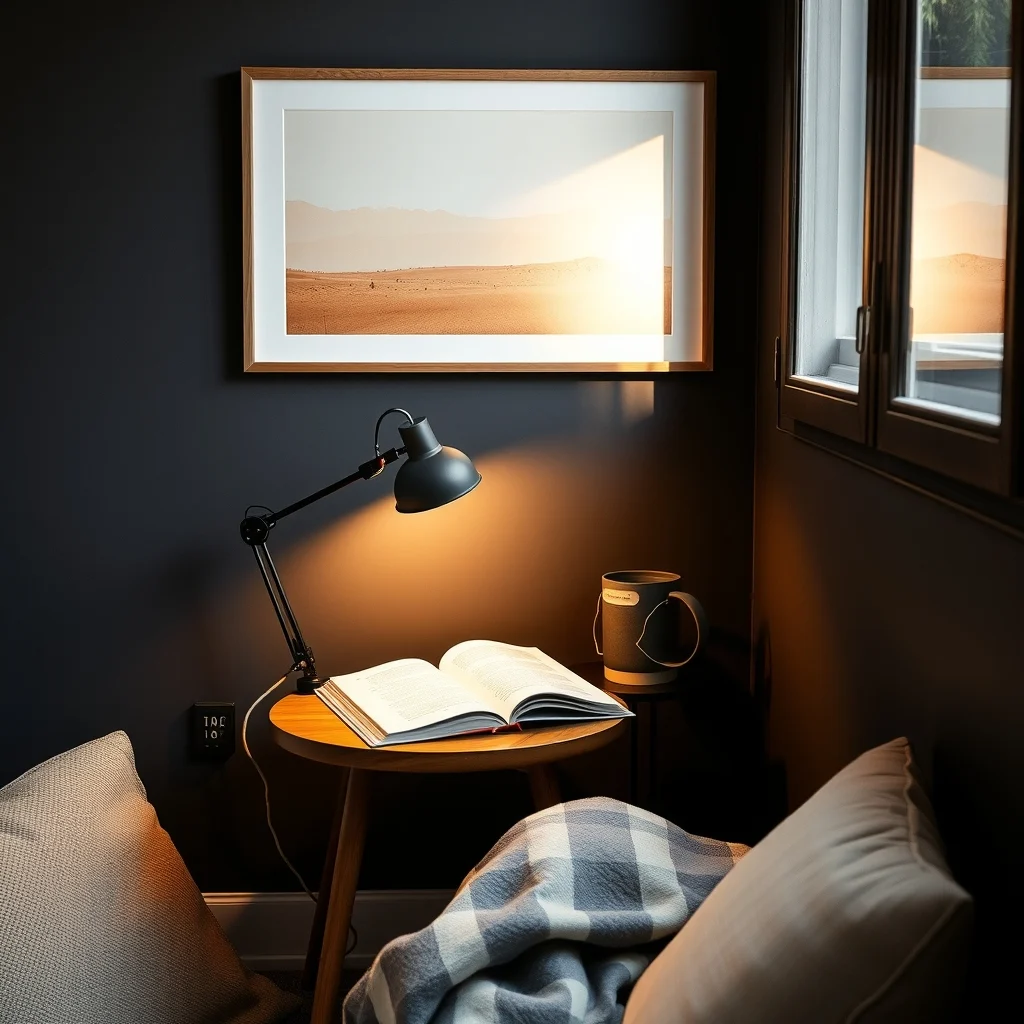
Flexibility matters when a space serves multiple functions: a lamp with a swivel head can brighten a reading corner at night and then be angled toward a dining table for a relaxed dinner. Adjustable arms also let you direct light away from glossy surfaces that might otherwise produce glare. When selecting a model, look for a sturdy base—brass, brushed nickel, or matte black—so the lamp stays steady even when tilted. The downside is that articulated lamps can be bulkier; placing them on a narrow console may require a smaller footprint or a wall‑mounted version.
4. Embrace Table Lamps with Textured Shades for Visual Warmth
© 2026 AI Illustrator — Inspiration Only
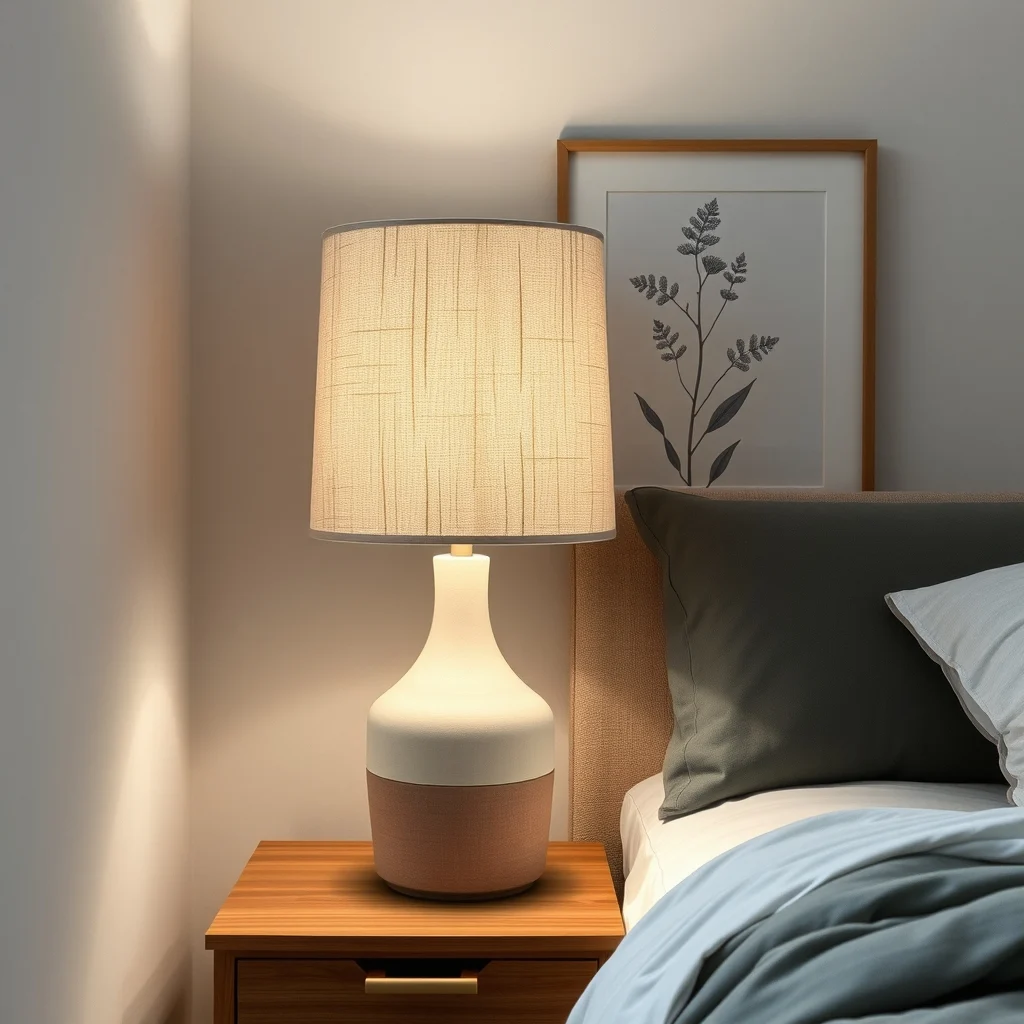
A table lamp resting on a nightstand or coffee table does more than add illumination; the shade’s texture becomes a visual focal point. A linen shade in a soft greige adds a tactile quality that complements a plush throw or a woven rug, while a ribbed fabric in deep terracotta echoes the hue of a velvet armchair. Because the light filters through the fabric, the glow is diffused, which reduces eye strain during evening reading. Keep in mind that heavier shades may require a sturdier base, and the lamp’s height should be roughly at eye level when seated to prevent neck fatigue.
5. Use Floor Lamps to Define Zones in Open‑Plan Rentals
© 2026 AI Illustrator — Inspiration Only
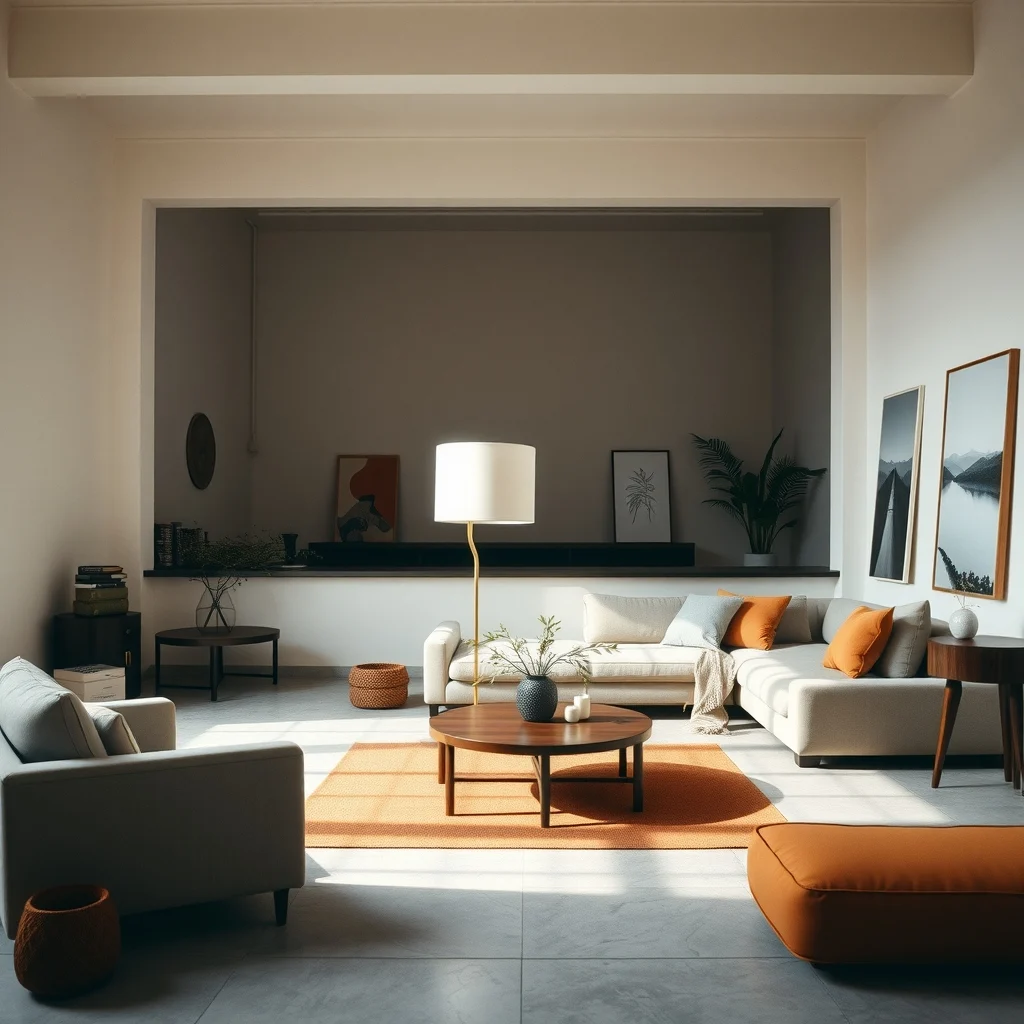
Open‑plan layouts often lack clear boundaries, making it hard to create distinct living and working areas. A tall floor lamp with a wide, drum‑style shade can act as an invisible wall, casting a gentle pool of light that signals a transition from kitchen to lounge. Position the lamp near a rug or a low bookshelf to anchor the zone without blocking traffic flow. Materials such as powder‑coated steel or reclaimed wood blend well with industrial‑style apartments, while a matte finish helps hide dust between cleanings. The main consideration is ceiling height; a lamp that tops out too close to the ceiling can feel cramped, so measure the space before purchasing.
6. Add Accent Lamps for Decorative Highlights
© 2026 AI Illustrator — Inspiration Only
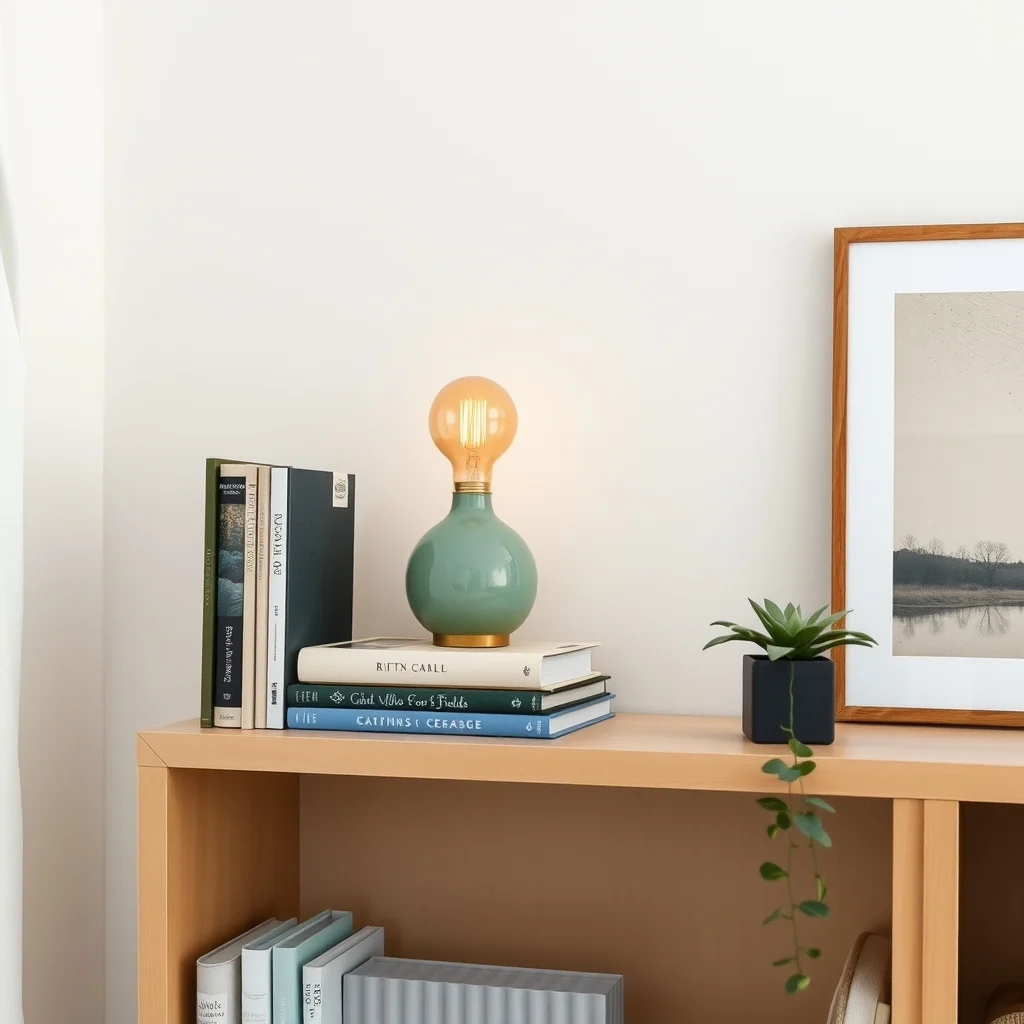
Accent lamps—those small, often decorative pieces placed on shelves or mantelpieces—provide subtle highlights that draw the eye to personal items. A ceramic base in muted sage paired with a tiny amber bulb can make a stack of favorite books appear more inviting. Because these lamps emit limited light, they work best as complementary pieces rather than primary sources. The advantage is that they are easy to move, allowing you to experiment with different arrangements as you acquire new décor. However, because they consume little power, you’ll still need a stronger light source for tasks like cooking or studying.
7. Incorporate Smart or Remote‑Controlled Lamps for Convenience
© 2026 AI Illustrator — Inspiration Only
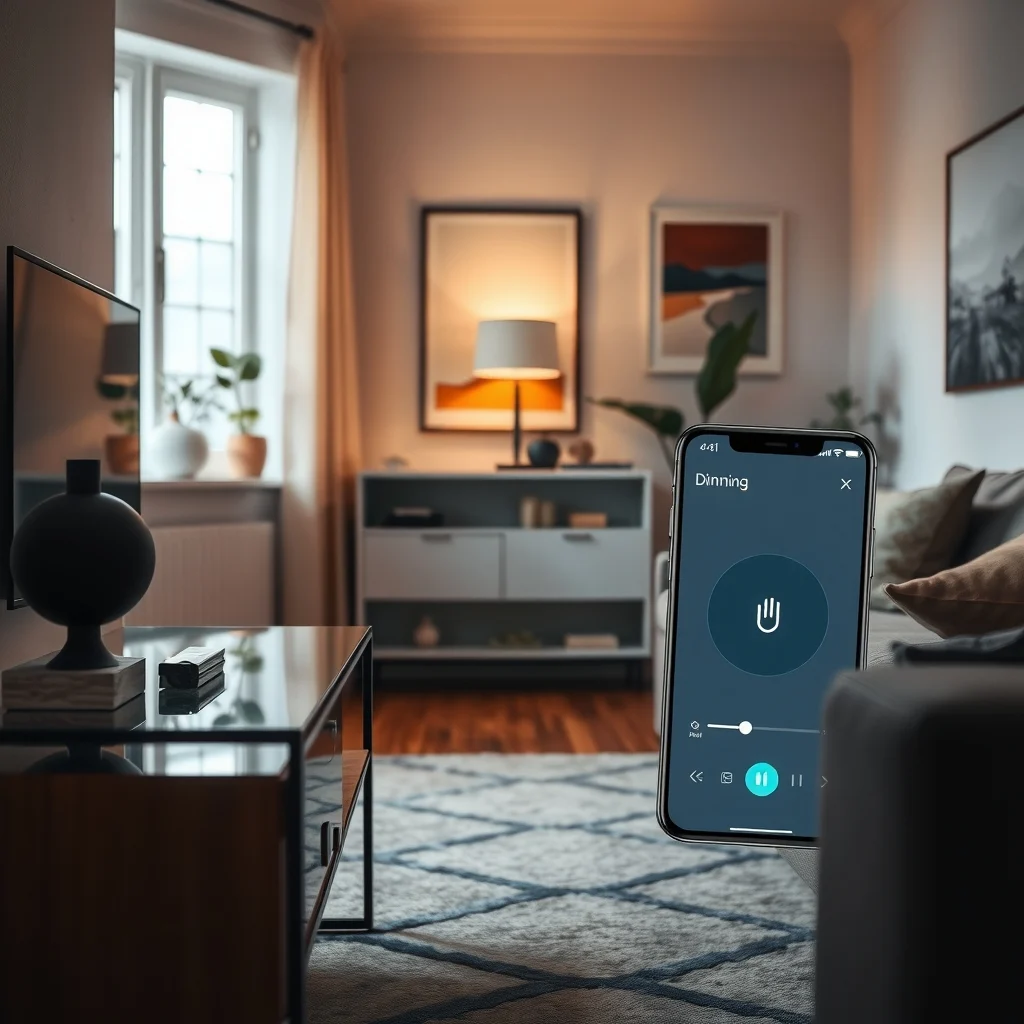
Technology can enhance comfort without altering the apartment’s structure. A smart lamp that connects to a phone app lets you adjust brightness and color temperature from the couch, which is especially handy when you’re settled with a book or a glass of wine. Some models also integrate motion sensors, turning on automatically as you enter a dim hallway. The convenience factor is balanced by the need for a reliable Wi‑Fi connection and occasional software updates. If you’re concerned about compatibility, choose a lamp that works with common platforms like Alexa or Google Assistant, ensuring you can control it with voice commands as well.
FAQ
© 2026 AI Illustrator — Inspiration Only
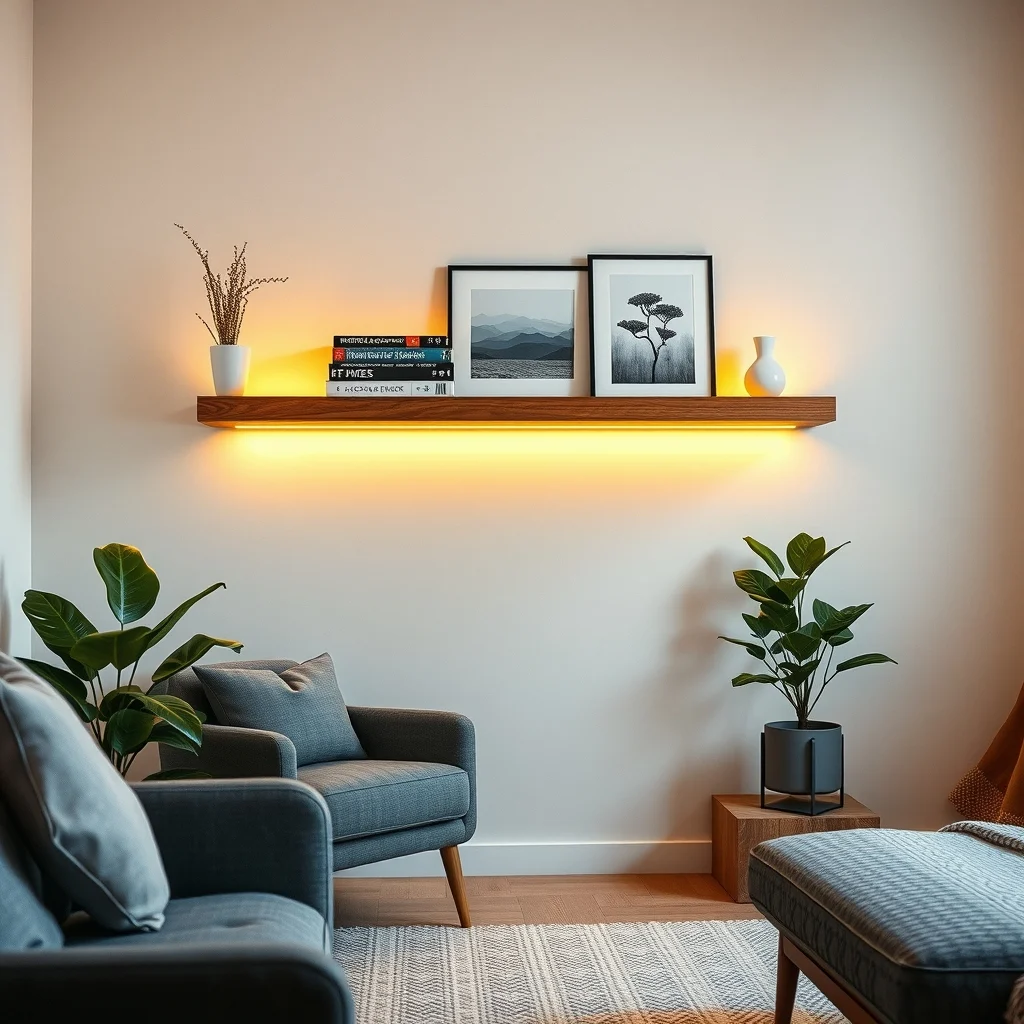
Can I use LED strip lights under shelves to add softness?
Yes, LED strips with a warm color temperature can create a gentle backlight that adds depth without installing permanent fixtures. Make sure the strip has a low voltage adapter and secure it with adhesive that won’t damage the wall paint if removed.
What height should a table lamp be for a bedside?
A bedside lamp should sit about 24‑30 inches tall, placing the shade’s center roughly at eye level when you’re seated in bed. This height provides ample reading light while keeping the beam from shining directly into your eyes.
Are there any fire‑safety concerns with multiple lamps in a small apartment?
Each lamp should be placed on a stable, non‑flammable surface and kept clear of curtains, bedding, or papers. Avoid overloading electrical outlets; using a power strip with built‑in surge protection helps manage multiple devices safely.
Do dimmer switches work with LED bulbs?
Most modern LED bulbs are compatible with dimmers designed for LEDs, but older dimmer models may cause flickering. If you experience inconsistent lighting, replace the dimmer with an LED‑compatible version or use a lamp with its own built‑in dimming function.
How can I hide unsightly cords without drilling?
Floor‑covering cord channels or decorative fabric sleeves can conceal cords while keeping them accessible for occasional movement. These solutions adhere to the floor with removable strips, preserving the rental’s original condition.
Final Thoughts
© 2026 AI Illustrator — Inspiration Only
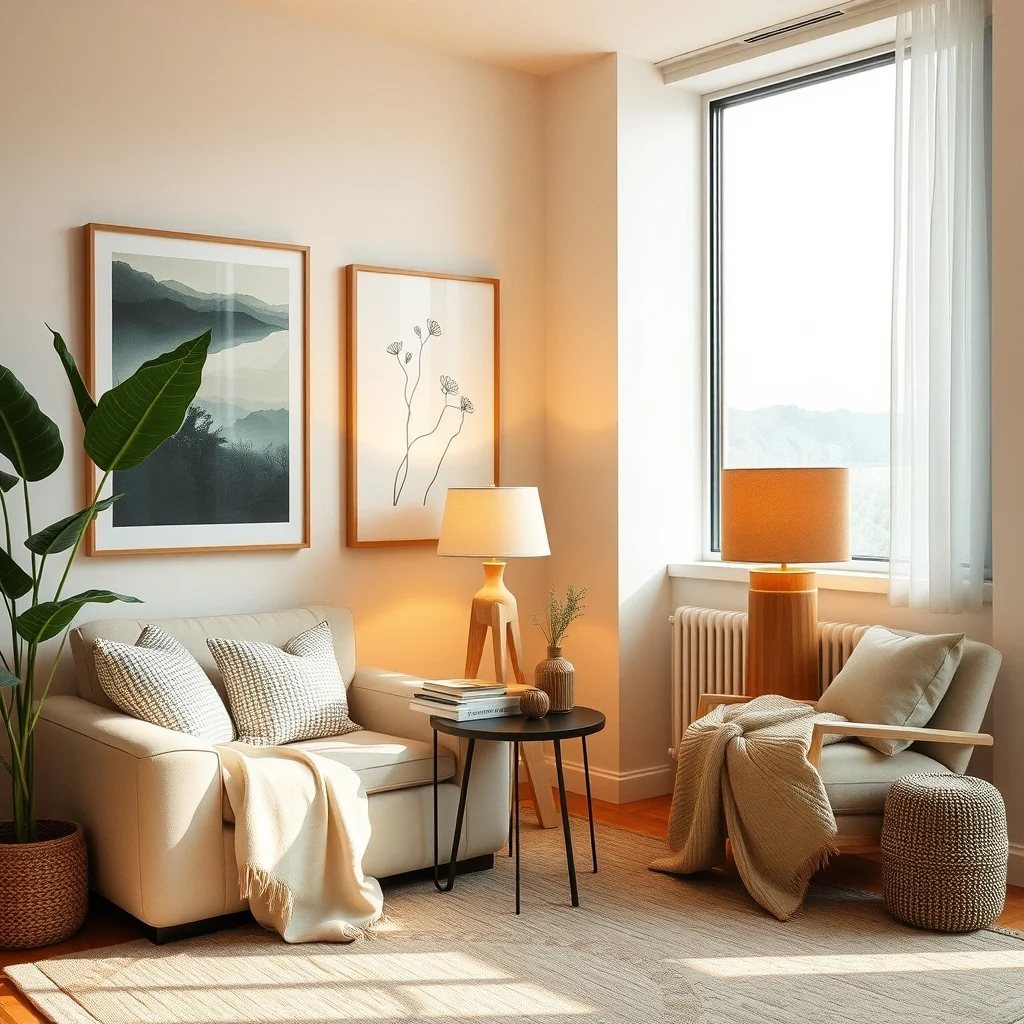
Even within the constraints of a rental agreement, lamps and soft lighting offer a versatile toolkit for turning a temporary space into a personal retreat. By layering sources, selecting warm tones, and choosing fixtures that complement your existing décor, you can craft a cozy atmosphere that feels both intentional and inviting. Remember to balance aesthetics with safety, respect the lease’s limitations, and enjoy the subtle transformation that a thoughtfully lit room provides.