
When a bedroom, office, or sitting area feels cramped, the first instinct is often to rearrange furniture or add mirrors. While those tricks help, the quality of light on the walls can change the perception of space more dramatically than any piece of décor. A wall‑wash lighting scheme spreads a soft, even glow across vertical surfaces, flattening shadows and drawing the eye upward. In the following sections you’ll discover how to choose fixtures, balance colour temperature, combine light with reflective finishes, and avoid common pitfalls, all while staying within a realistic budget.
1. Choose fixtures that spread light evenly across the wall
© 2026 AI Illustrator — Inspiration Only
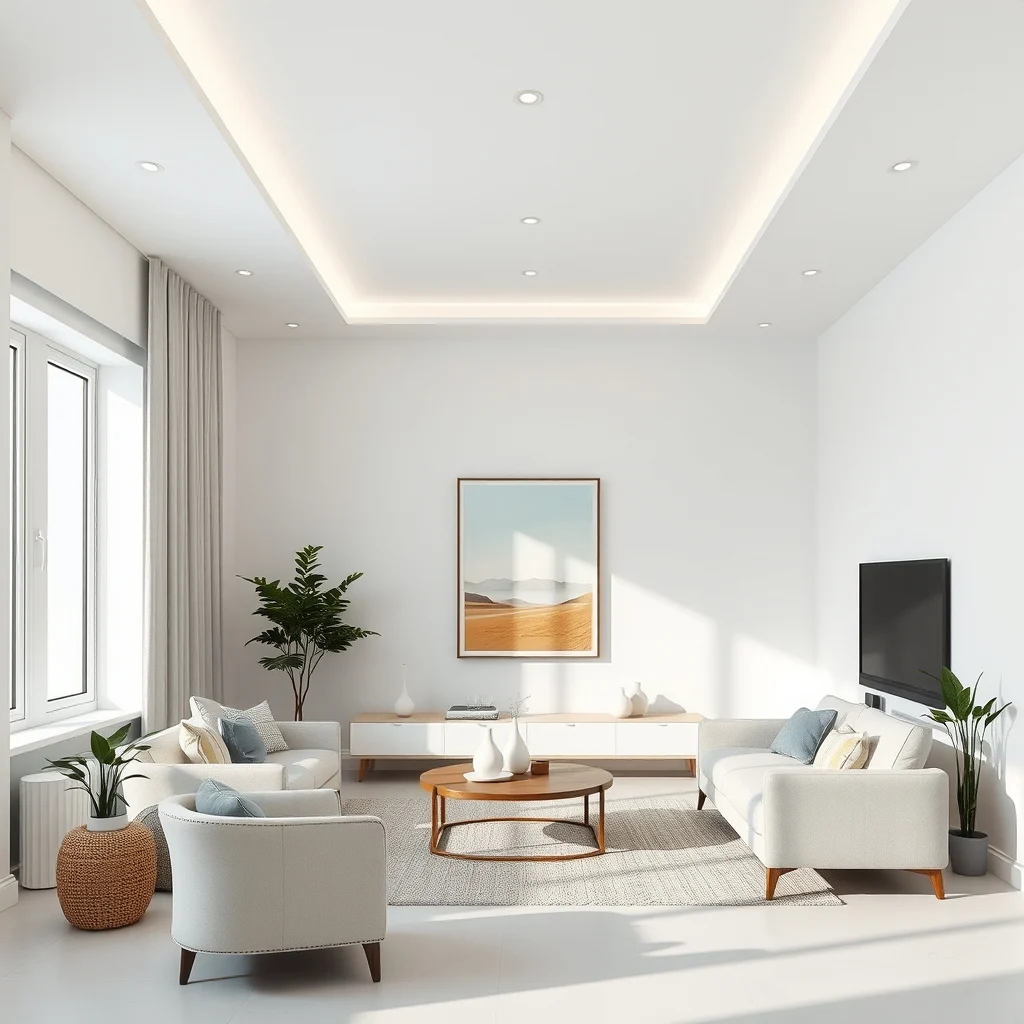
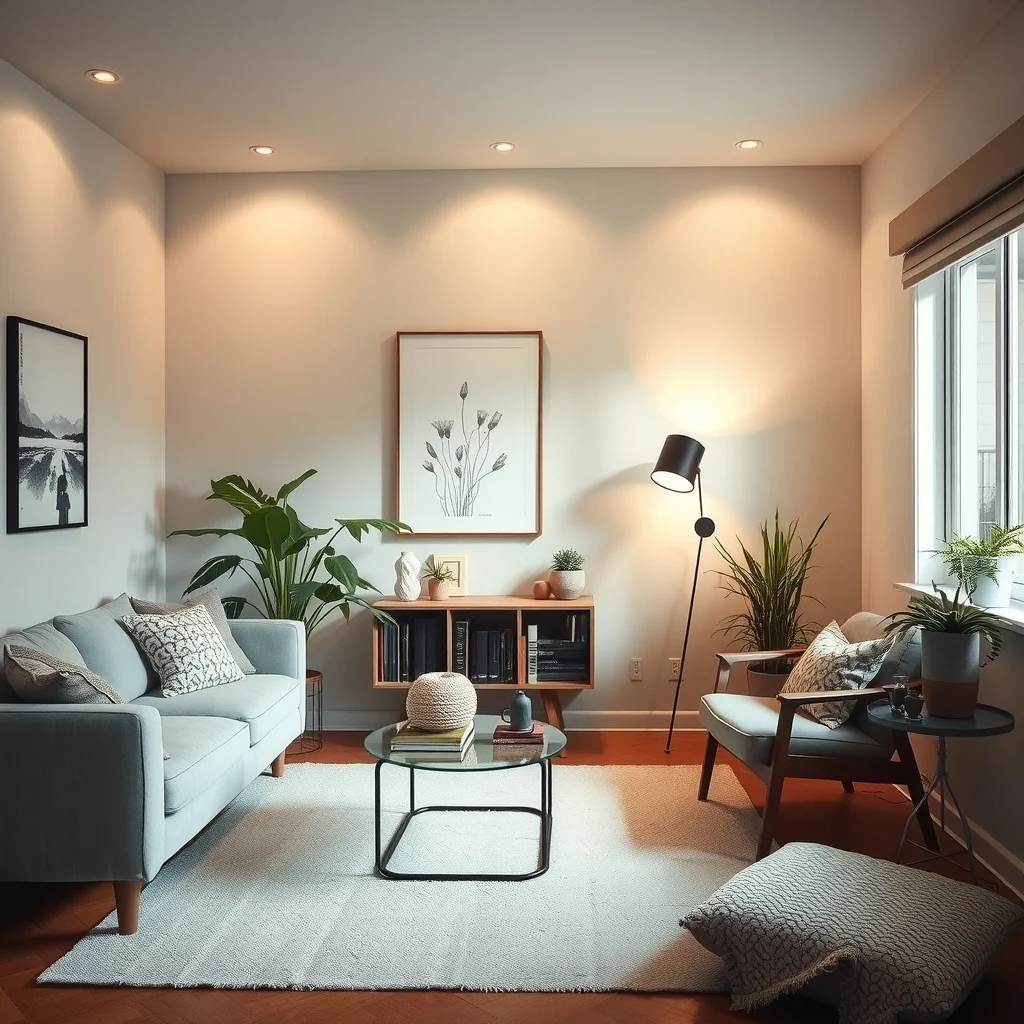
The most effective wall‑wash installations use recessed cans, surface‑mounted downlights, or slim LED panels that sit close to the ceiling and point directly at the wall. A recessed can with a wide‑angle lens can cover a stretch of wall without creating hot spots, while a surface‑mounted fixture gives you more control over the exact angle of illumination. Position the light about 12 to 18 inches from the wall; this distance allows the beam to spread before it hits the surface, producing a gentle wash rather than a narrow spot. If the ceiling is low, a shallow recessed housing prevents the fixture from intruding into headroom. Remember that a single fixture may not reach the far edge of a long wall, so plan for multiple evenly spaced units to keep the light consistent.
What’s Your Apartment Decor Style?
Answer these quick questions to discover your perfect decor vibe.
2. Select a colour temperature that opens up the room
© 2026 AI Illustrator — Inspiration Only
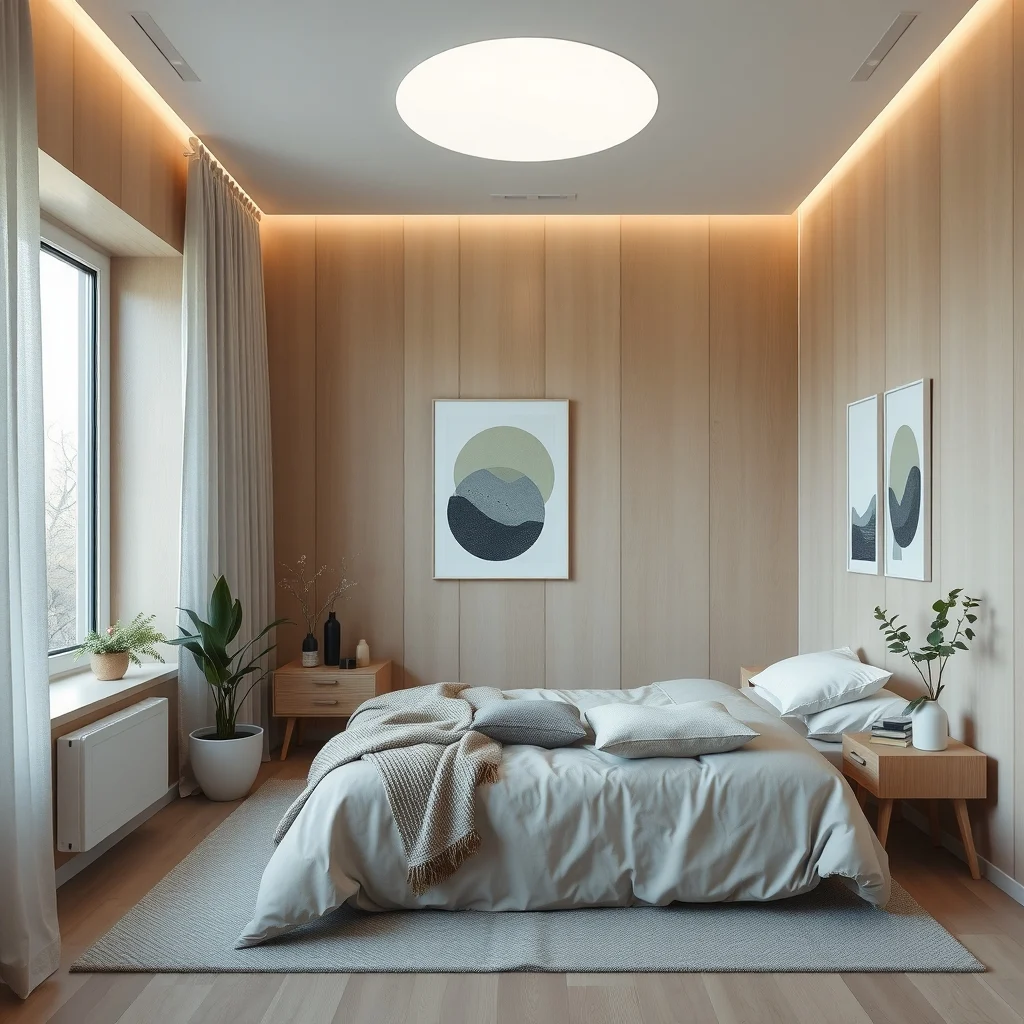
Cool‑white LEDs in the 4000‑5000 K range mimic daylight and tend to make surfaces appear larger because they enhance contrast without adding warmth that can make a space feel cozier and thus smaller. In a room that already receives natural light, a cooler temperature reinforces the sense of openness. Conversely, a warm‑white setting around 3000 K can be inviting in a bedroom but may visually compress the area if the walls are painted in deep hues. When choosing bulbs, consider the existing paint colour: light neutrals such as soft greige or pale dove respond well to cooler tones, while richer tones may benefit from a slightly warmer wash to avoid a clinical feel. Swapping a dimmable LED driver allows you to experiment with temperature throughout the day.
3. Pair wall wash with reflective finishes for extra depth
© 2026 AI Illustrator — Inspiration Only
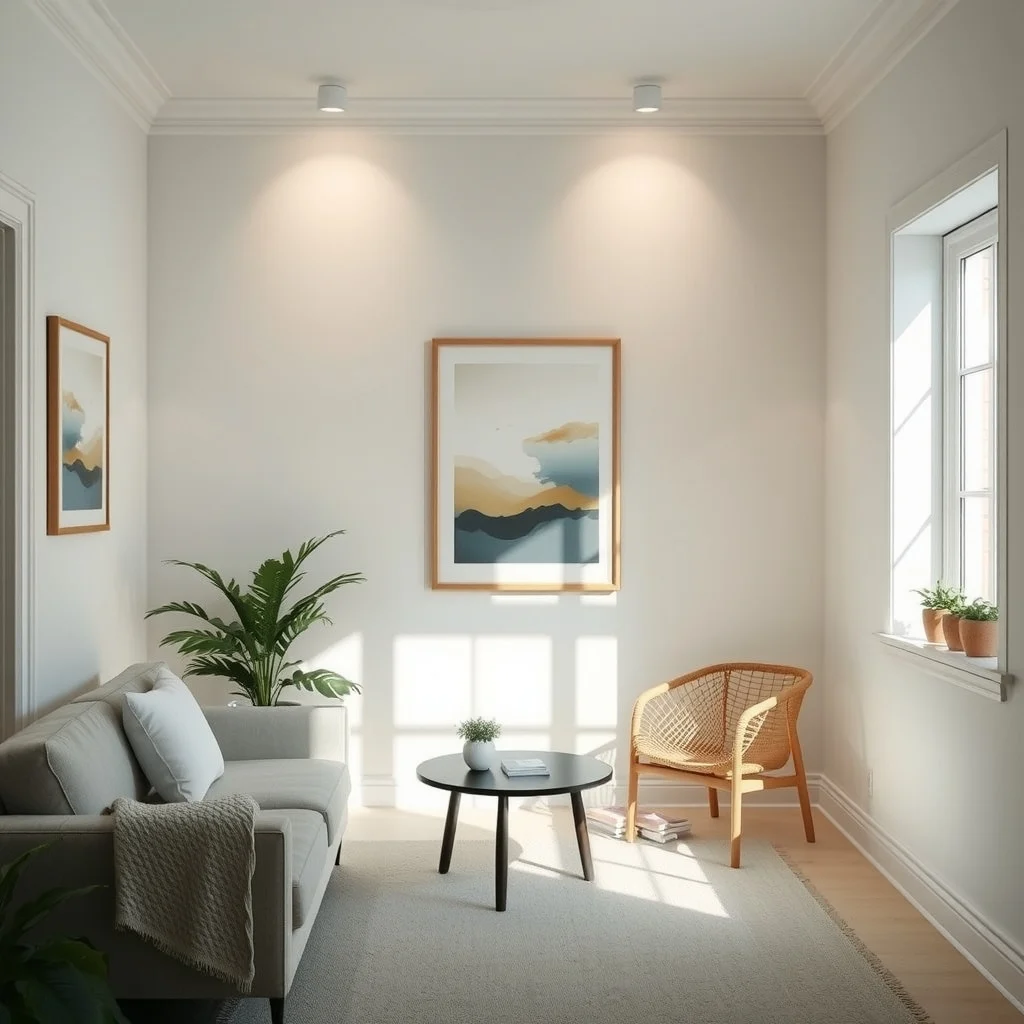
Even the best‑designed light gains momentum when it meets a surface that reflects it. Light‑coloured paint, satin finishes, or a subtle glaze on the wall will bounce the wash back toward the eye, creating an illusion of depth. If you prefer a darker accent wall, consider a high‑gloss trim or a narrow strip of mirrored panel that runs vertically; the reflection amplifies the light without overwhelming the space. Wood paneling in a light oak or a brushed plaster finish can also act as a secondary reflector, adding texture while still sending light outward. Keep maintenance in mind—glossy surfaces collect fingerprints, so choose a finish you’re comfortable cleaning regularly.
4. Layer wall wash with ambient and task lighting
© 2026 AI Illustrator — Inspiration Only
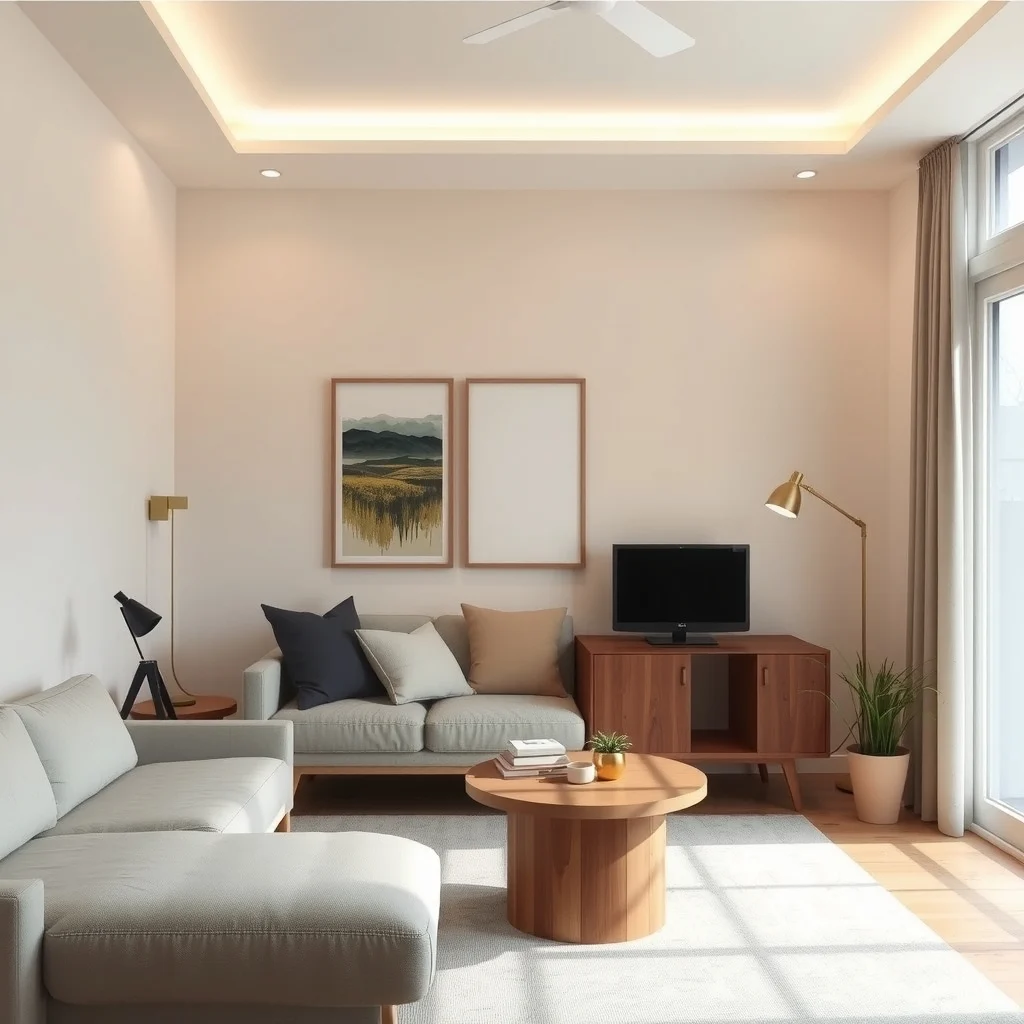
A single wall‑wash source can leave a room feeling flat if no other illumination is present. Adding a low‑profile ceiling fixture or a slim floor lamp provides ambient light that fills the corners, while a table lamp beside a reading chair offers task illumination. The key is to keep the intensity of the wall wash lower than the ambient source, allowing the washed wall to act as a backdrop rather than the primary light. When the layered lights are balanced, the eye naturally scans the room, perceiving a larger volume. Dimmers on each circuit let you adjust the mix for evening relaxation or daytime productivity without the need for multiple switches.
5. Highlight architectural details to draw the eye upward
© 2026 AI Illustrator — Inspiration Only
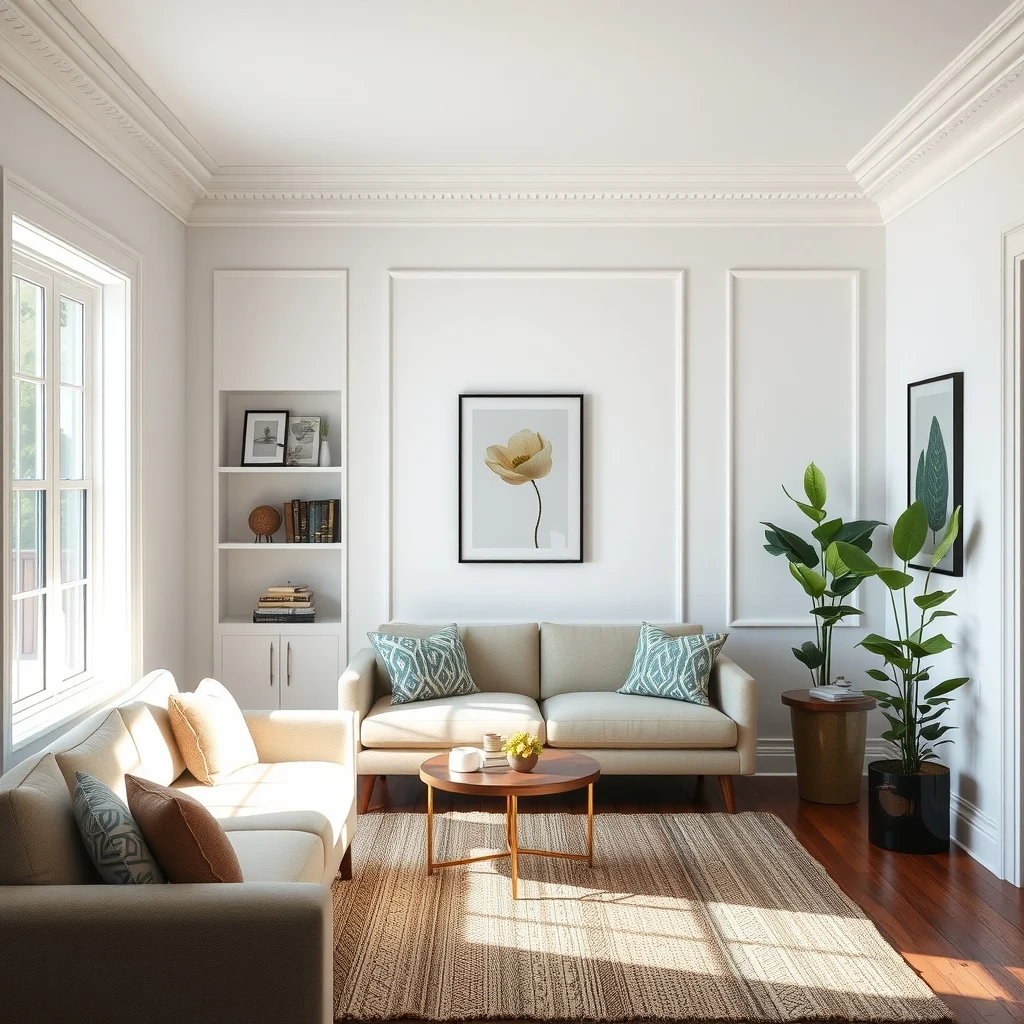
When wall wash lands on crown moulding, built‑in shelving, or a decorative panel, those features become focal points that lift the visual ceiling. Position the fixtures so the beam grazes the top of the moulding, creating a subtle halo that emphasizes height. In a modestly sized living area, a narrow picture rail illuminated from above can make the walls feel taller, especially when paired with simple, linear artwork. Be cautious not to over‑light intricate trim; too much brightness can create glare that distracts rather than enhances. A modest dimming level on the wash preserves the soft gradient while still showcasing the architecture.
6. Manage glare and shadows with diffusers and proper placement
© 2026 AI Illustrator — Inspiration Only
Harsh shadows can make a room feel cramped, so integrating a diffuser or a frosted lens on the fixture softens the beam. This is particularly useful in spaces where the wall texture is rough, as the diffuser smooths the transition between light and shadow. Position the fixture slightly higher than the midpoint of the wall to avoid a bright line that draws the eye downward. If the room contains furniture close to the wall, angle the light just enough to clear the obstruction without casting a strong shadow on the floor. When in doubt, test the fixture with a handheld lamp before committing to permanent installation.
7. Adopt budget‑friendly options and DIY approaches
© 2026 AI Illustrator — Inspiration Only
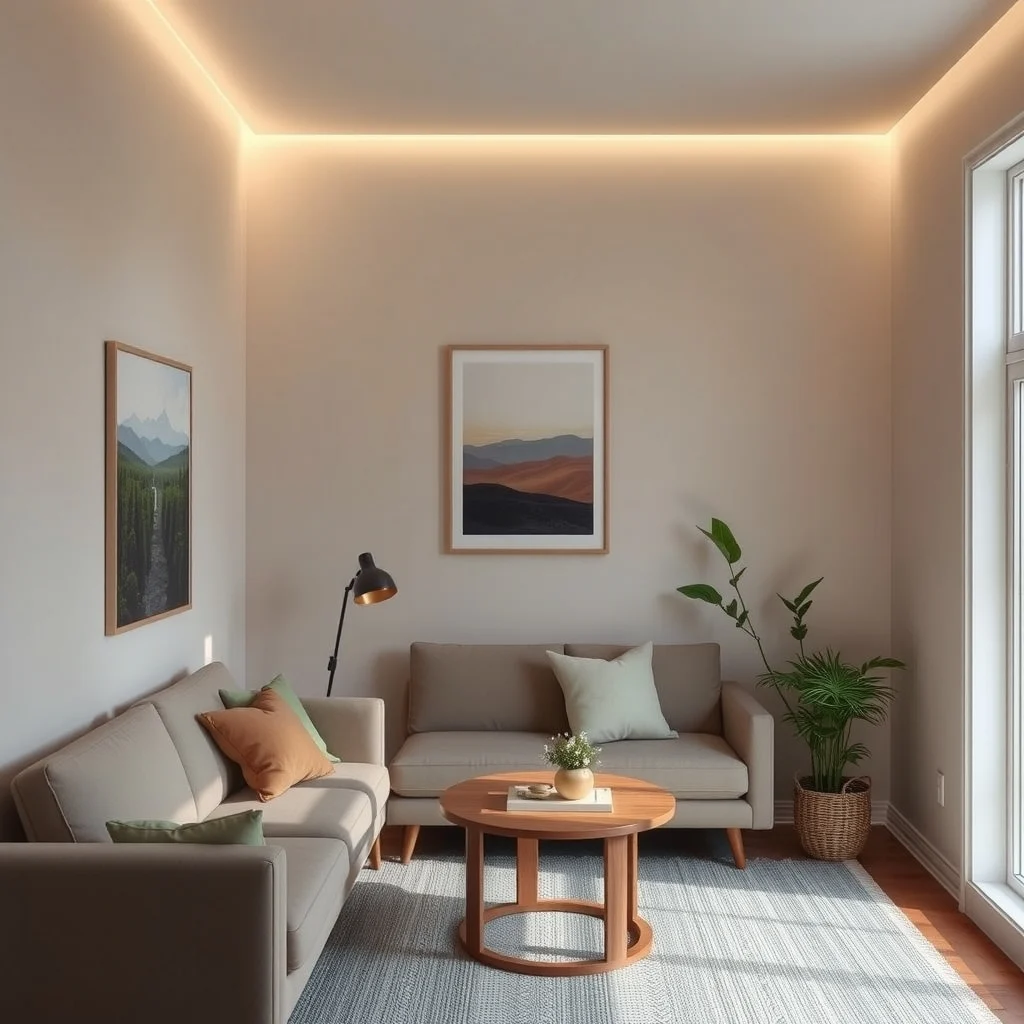
For renters or those on a tight budget, LED strip lights with an adhesive backing can serve as an effective wall‑wash solution. Attach the strip to the top edge of the wall, set it to a low brightness, and the light will cascade down, creating a wash effect without any wiring changes. Surface‑mounted LED panels are another affordable choice; they often come with plug‑in cords and can be mounted with simple brackets. If you prefer a more permanent look, a basic recessed can kit is available at most home‑improvement stores for under $50 per fixture. Always follow the manufacturer’s instructions, and when dealing with electrical connections, turn off the circuit and consider hiring a qualified electrician for safety.
Frequently Asked Questions
© 2026 AI Illustrator — Inspiration Only
Can wall wash lighting be used in a bedroom?
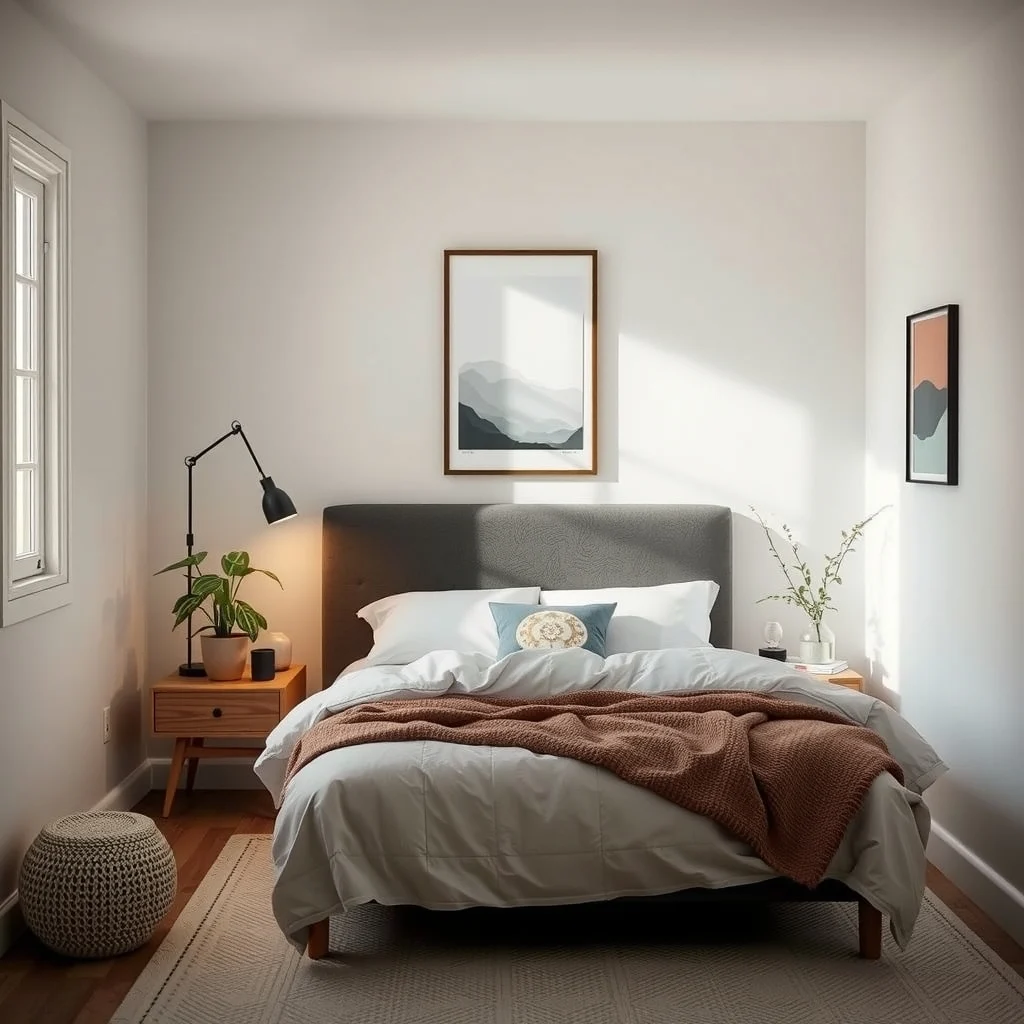
Yes, wall wash works well in bedrooms, especially when paired with softer colour temperatures to create a calm ambience. It can replace a traditional bedside lamp by providing a gentle glow that reads well without harsh glare.
Do I need a professional electrician for installing recessed wall‑wash lights?
While a DIY‑savvy homeowner can install a surface‑mounted fixture, recessed lighting typically requires cutting into the ceiling and connecting to existing wiring, which is best handled by a qualified electrician to meet safety codes.
At what height should the fixtures be placed for optimal effect?
Position the light source 12 to 18 inches from the wall and roughly two‑thirds of the way up the ceiling height; this placement allows the beam to spread evenly without creating a bright line at eye level.
Will wall wash lighting work in a narrow hallway?
It can, but using a slim LED panel or a linear strip provides a continuous wash that avoids dark pockets. Keep the light low‑intensity to prevent the hallway from feeling overly bright.
Final Thoughts
© 2026 AI Illustrator — Inspiration Only
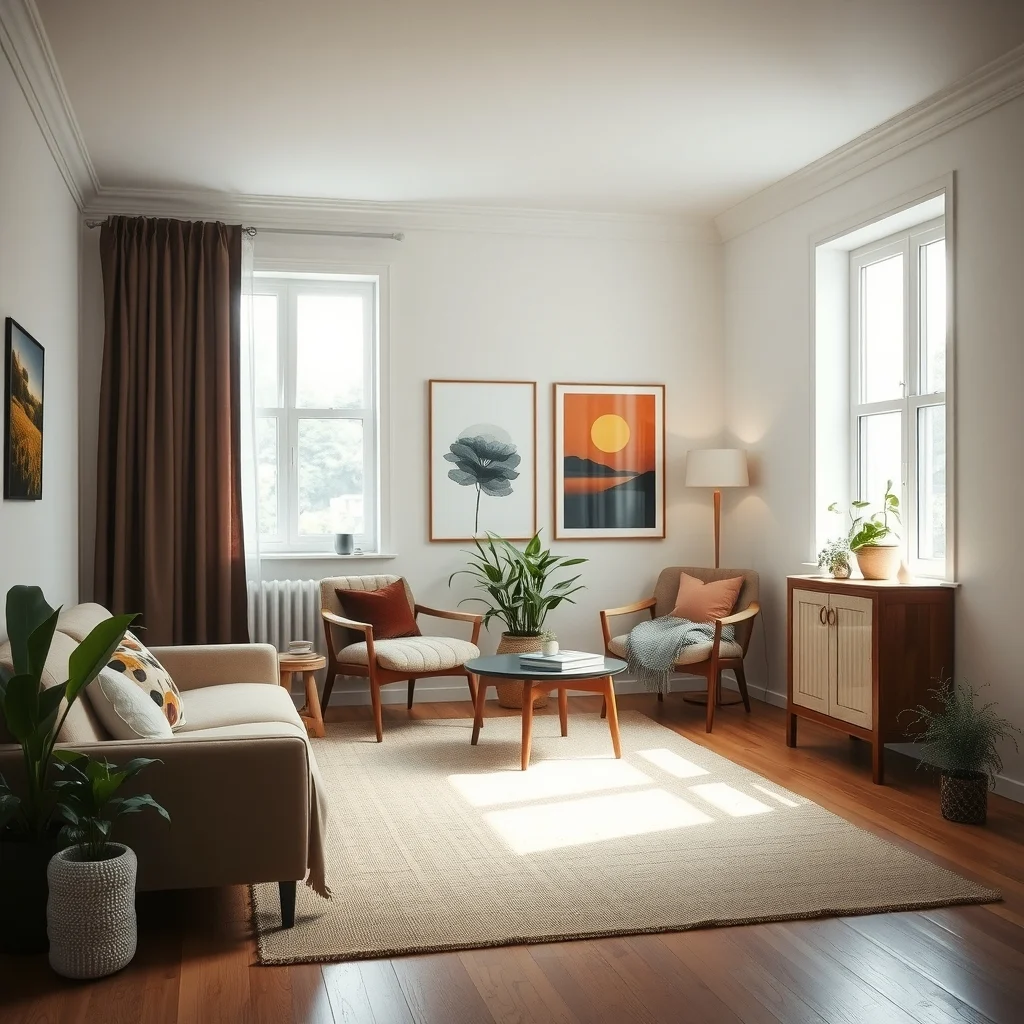
Wall wash lighting is a subtle yet powerful tool for expanding the perception of a small room. By selecting the right fixtures, balancing colour temperature, and pairing the light with reflective finishes and layered illumination, you can create a spacious feel without structural changes. Remember to test angles, manage glare, and consider budget‑friendly alternatives if needed. With thoughtful planning, the walls themselves become the canvas that opens up your living space.