
Living in a rental often means working within strict rules about what you can change, yet a bare wall doesn’t have to stay bland. With a few thoughtful, non‑permanent touches you can create depth, texture, and visual intrigue that feels custom‑made. Below are seven ideas that respect lease agreements while giving a room the architectural flair it deserves.
1. Removable Wallpaper or Wall Decals
© 2026 AI Illustrator — Inspiration Only
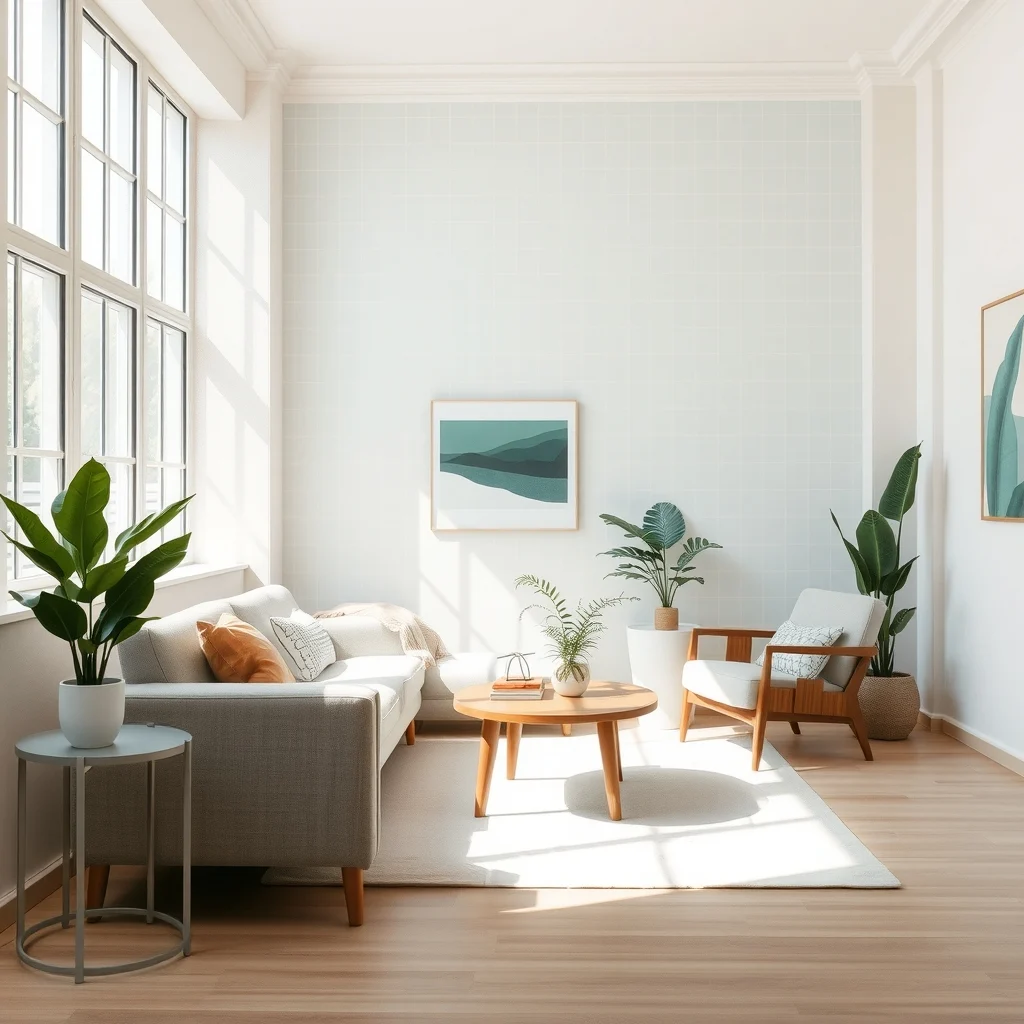
Peel‑and‑stick wallpaper has come a long way since the early patterns of the 1990s. Modern collections offer everything from subtle geometric grids to bold botanical motifs, and they adhere without glue, leaving no residue when removed. The visual impact works because a patterned surface breaks up large expanses of flat wall, creating a sense of rhythm that draws the eye upward or across the room. Choose a design that complements your existing color palette—perhaps a muted sage on a greige backdrop—to avoid clashing with furniture. Installation is as simple as measuring the wall, cutting the sheets, and smoothing them with a squeegee. When the lease ends, you can peel the paper away, and the wall returns to its original state, making this a low‑risk investment.
What’s Your Apartment Decor Style?
Answer these quick questions to discover your perfect decor vibe.
2. Stick‑On Wood or Metal Panels
© 2026 AI Illustrator — Inspiration Only
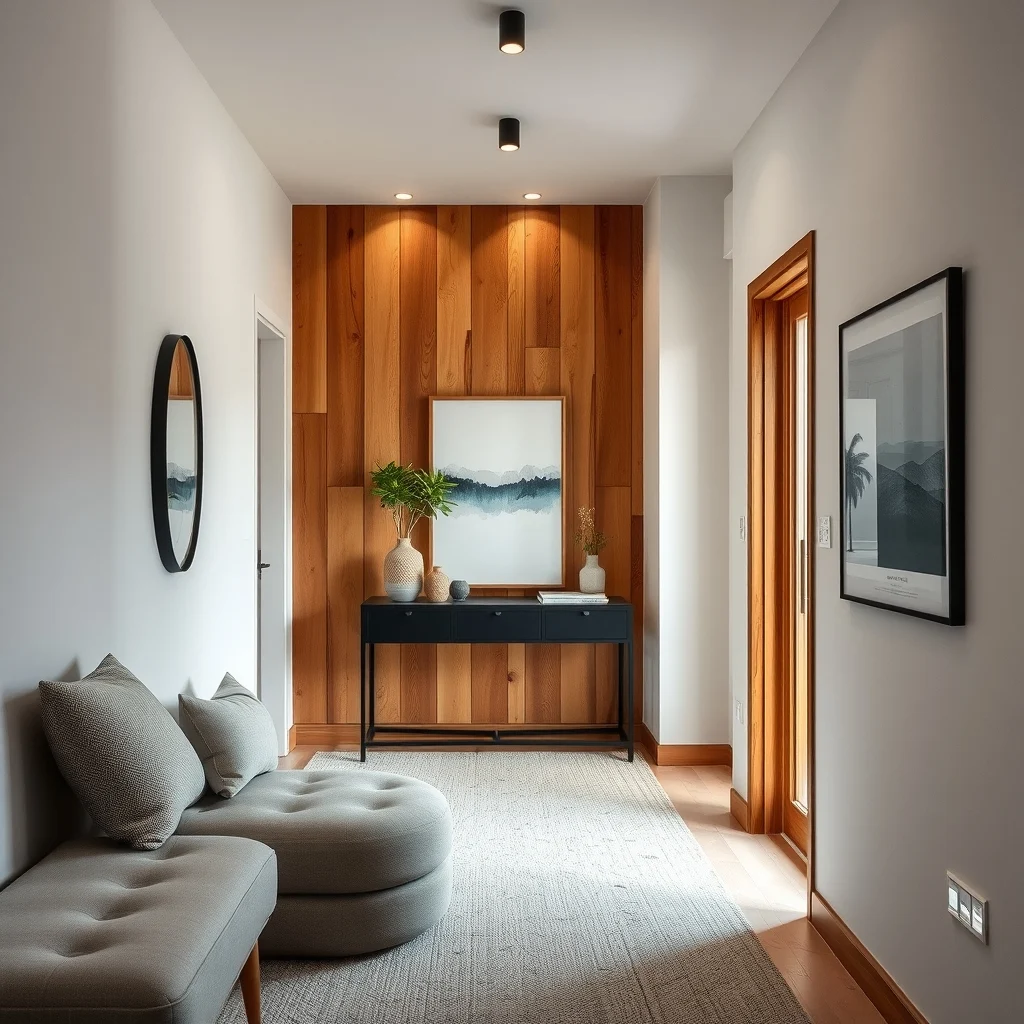
Thin, interlocking panels made from reclaimed wood or brushed metal can be applied directly to drywall using adhesive strips that are marketed as damage‑free. The natural grain of wood or the soft sheen of metal introduces a tactile dimension that flat paint cannot achieve. By arranging the panels in a vertical or herringbone pattern, you add a subtle sense of height, which is especially useful in low‑ceiling apartments. The key is to start at a corner and work outward, ensuring each piece aligns with the previous one to avoid a mismatched look. Because the panels are lightweight, you can reposition them if you later decide a different arrangement works better. Just be mindful of humidity; in very damp environments, metal may tarnish faster, so a clear protective coat can extend its life.
3. Fabric Wall Hangings
© 2026 AI Illustrator — Inspiration Only
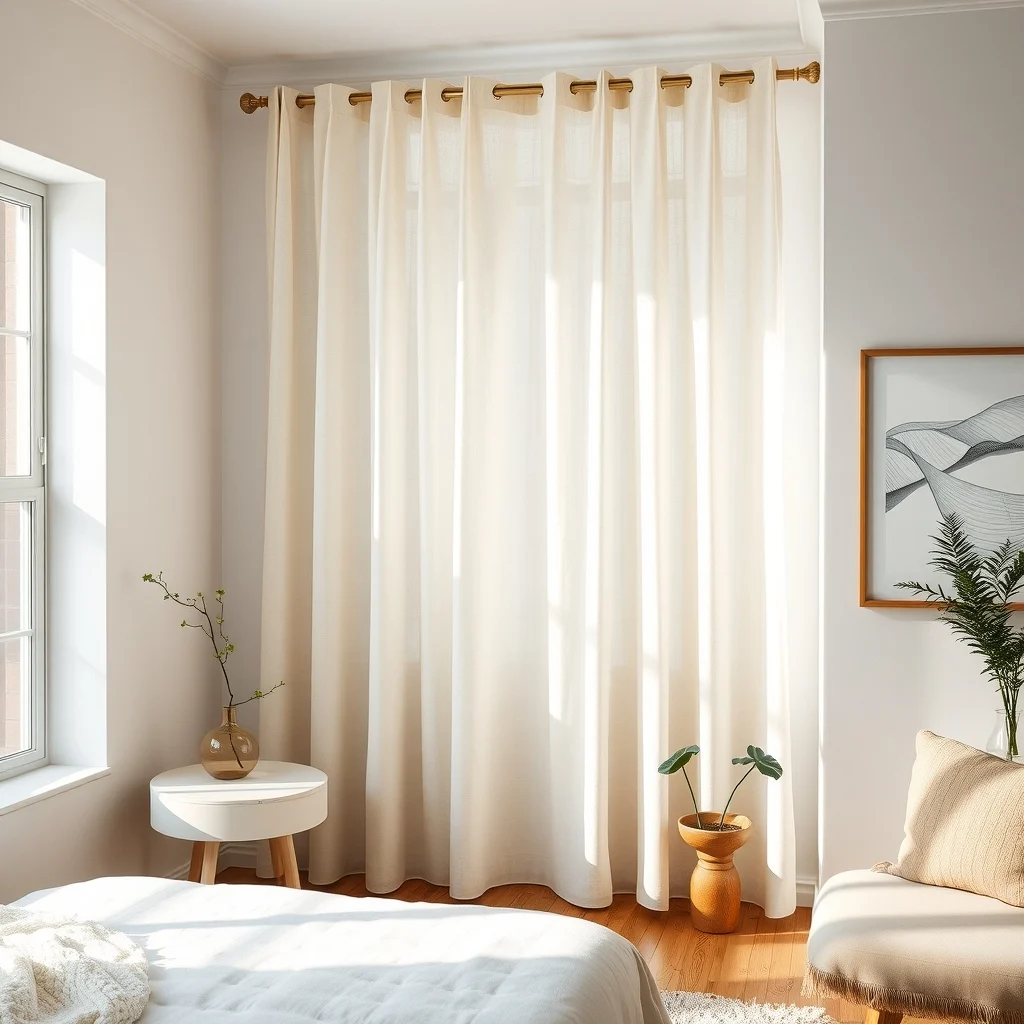
Large pieces of linen, cotton, or woven blends hung on a simple rod or decorative hook provide both softness and visual interest. Unlike traditional paint, fabric adds a subtle texture that catches light differently throughout the day, creating shadows that suggest depth. When selecting a hanging, consider the room’s color scheme: a neutral tone can act as a backdrop for artwork, while a muted jewel hue can become a focal point without overwhelming the space. Installation requires only a few small anchors that can be removed without enlarging the holes, making it a renter‑safe solution. The fabric can be swapped seasonally, allowing you to refresh the room’s look without any permanent alterations.
4. Curated Gallery Wall
© 2026 AI Illustrator — Inspiration Only
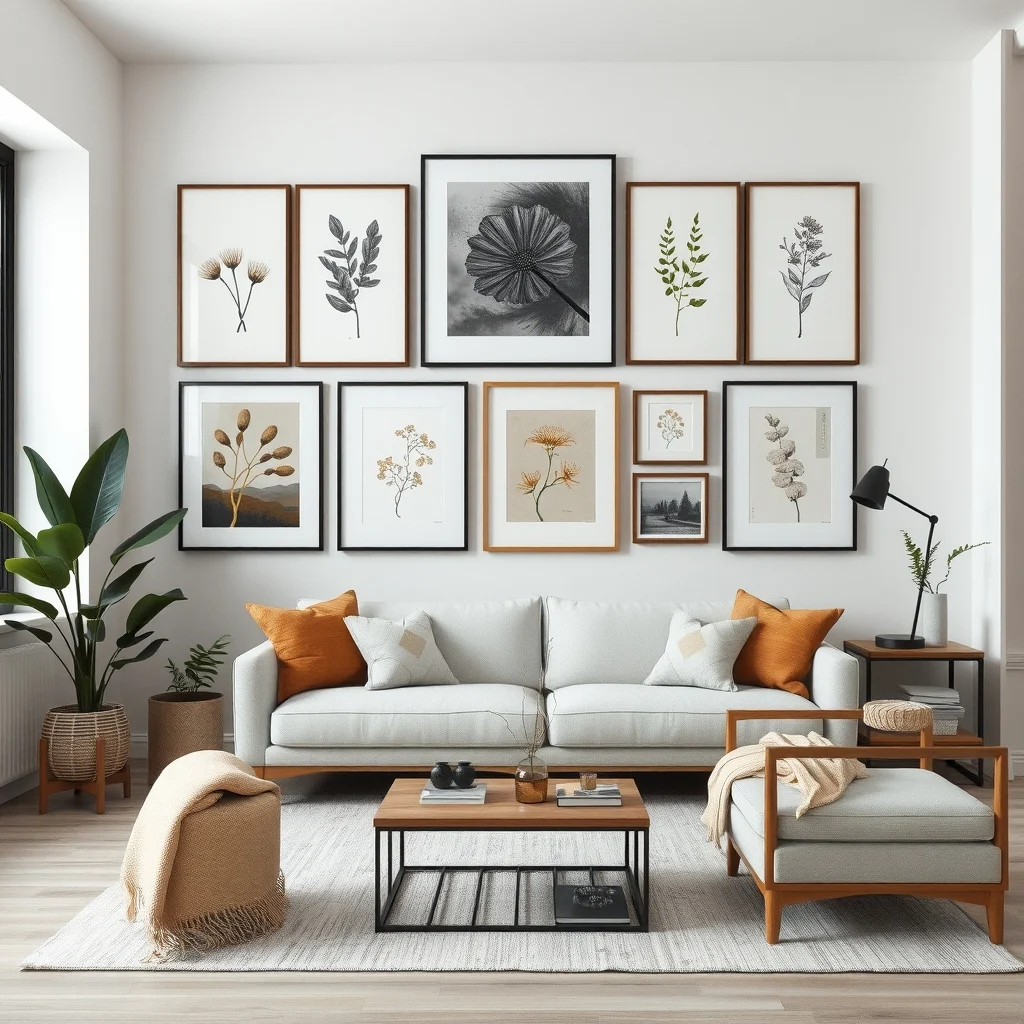
Arranging an assortment of frames in varying sizes and finishes turns an empty wall into a personal gallery. The mixture of black metal, reclaimed wood, and thin gold outlines creates layers that mimic architectural detailing. Begin by laying the frames on the floor to experiment with composition; a balanced layout often follows a loose grid or a centered anchor piece surrounded by smaller works. This method adds depth because the frames recede at different distances from the wall, especially when you incorporate a few shallow shadow boxes. Use picture‑hanging strips that hold weight without nails, preserving the integrity of the plaster. The downside is that too many frames can feel cluttered, so keep the total number in proportion to the wall’s surface area.
5. Temporary Crown or Chair Rail Molding
© 2026 AI Illustrator — Inspiration Only
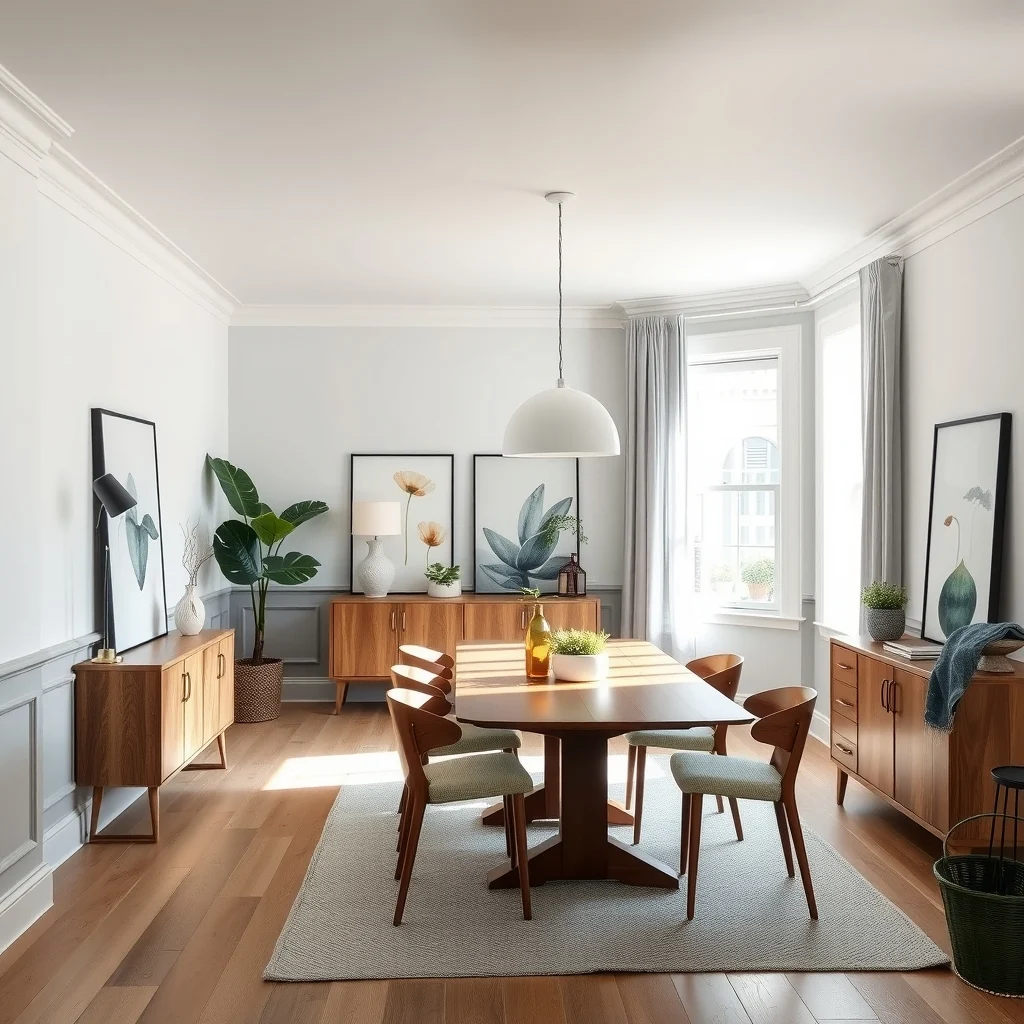
Removable molding kits are designed to snap onto existing walls and ceiling lines, offering the classic look of crown or chair rail without nails. These thin strips, often made from lightweight polymer, can be painted to match the wall or left in a contrasting shade for a more pronounced effect. By installing a chair rail at one‑third of the wall height, you break up the vertical plane, creating a subtle shadow line that mimics built‑in architectural detail. The installation typically involves a tension‑fit system or removable adhesive pads that hold the molding securely. While the visual payoff is significant, the trade‑off is that the molding may be visible at the edges if not aligned perfectly, so careful measurement is essential.
6. Accent Lighting that Casts Patterns
© 2026 AI Illustrator — Inspiration Only
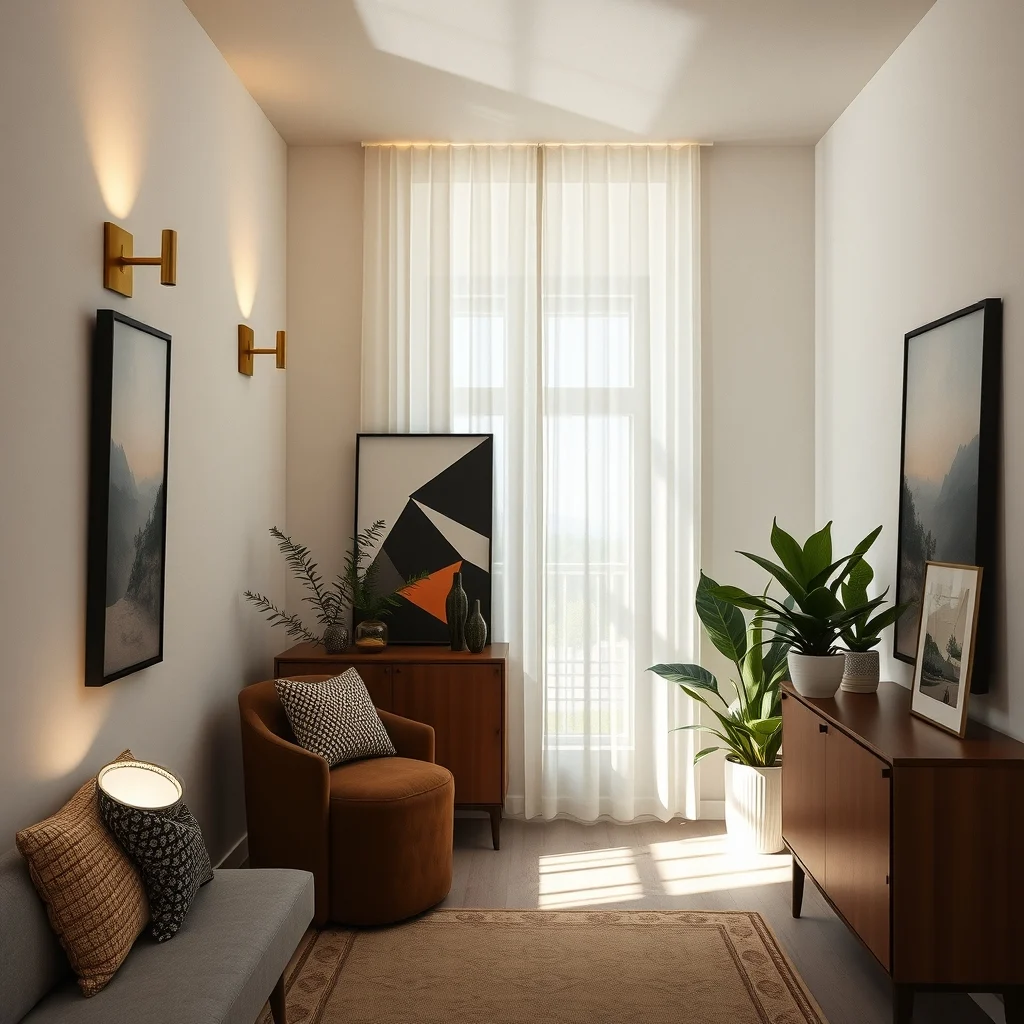
Wall‑mounted sconces or LED strip lights placed behind a sheer panel can project soft patterns onto the surrounding surface, adding dynamic interest without any structural changes. A pair of brass‑finished sconces flanking a doorway not only illuminates the entry but also creates gentle pools of light that emphasize texture on nearby walls. For a more contemporary approach, attach an LED strip along the top edge of a wall and set it to a warm white hue; the resulting glow highlights any decorative panels or fabric hangings you’ve added. Because lighting is an electrical element, always use fixtures rated for indoor use and follow the manufacturer’s instructions, or enlist a qualified electrician for any hardwired installations.
7. Strategically Placed Large Mirrors
© 2026 AI Illustrator — Inspiration Only
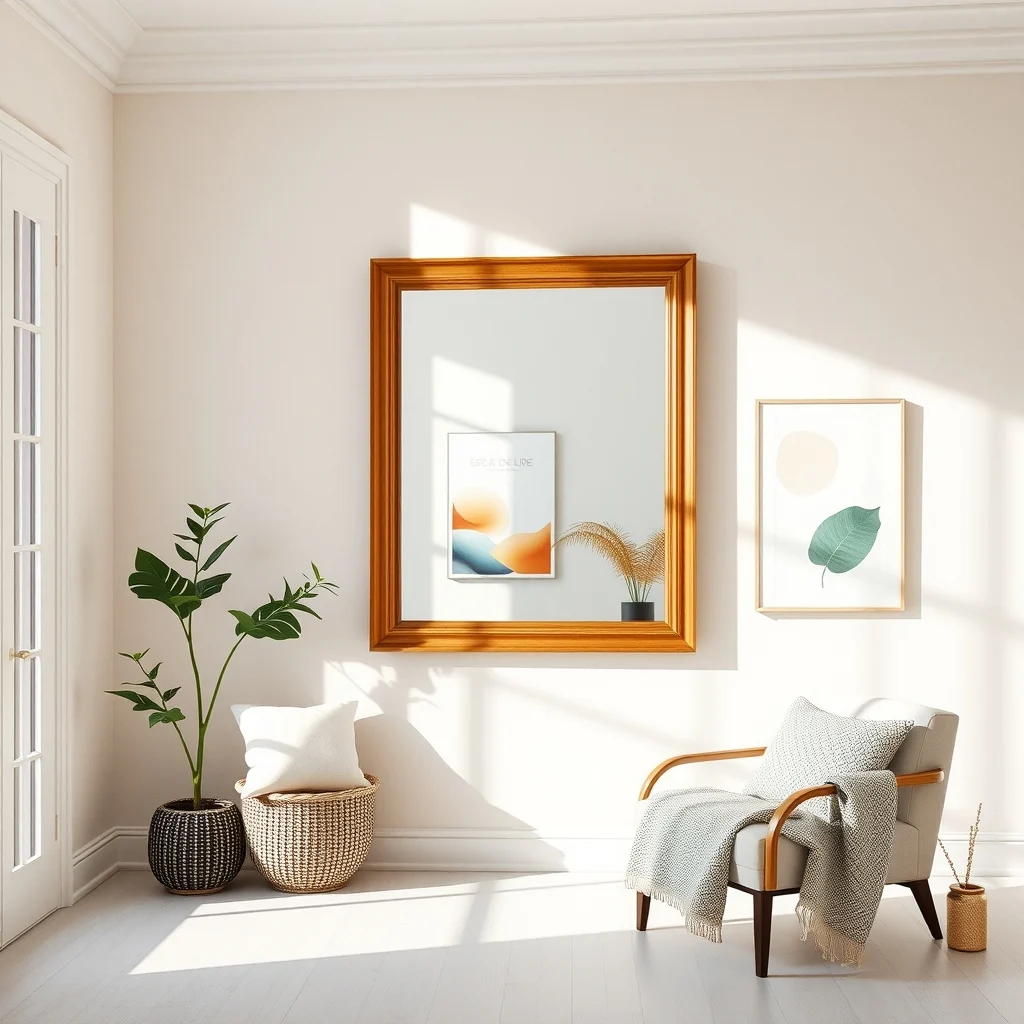
A well‑chosen mirror does more than reflect light; it expands the perception of space and can mimic the effect of a decorative wall. Opt for a frame with architectural detailing—perhaps a beveled wood border or a thin metal grid—to turn the mirror itself into a piece of art. Position the mirror opposite a window or a bright accent wall so that natural light bounces across the room, enhancing both the wall’s texture and the overall ambience. When the lease ends, mirrors are easy to remove, leaving only small nail holes that can be patched quickly. The main consideration is weight; ensure the mounting hardware is rated for the mirror’s size to avoid accidents.
FAQ
© 2026 AI Illustrator — Inspiration Only
Can I use nails for any of these ideas?
You can use nails for lightweight frames or small hooks, but many renters prefer adhesive strips or tension‑fit systems to avoid permanent holes.
How do I protect walls from damage when using removable wallpaper?
Choose a product labeled as “damage‑free” and test a small area first; most modern peel‑and‑stick options remove cleanly, leaving no residue.
What is the best way to hang fabric without drilling?
Use a tension rod or decorative hook that relies on adhesive pads designed for drywall; these can be removed without enlarging the holes.
Are LED strip lights safe for rental apartments?
LED strips that plug into an outlet are safe and do not require wiring; just follow the manufacturer’s guidelines and avoid overloading circuits.
How can I make a gallery wall look cohesive?
Stick to a limited color palette for frames and maintain consistent spacing; this creates a unified appearance even with varied artwork.
Final Thoughts
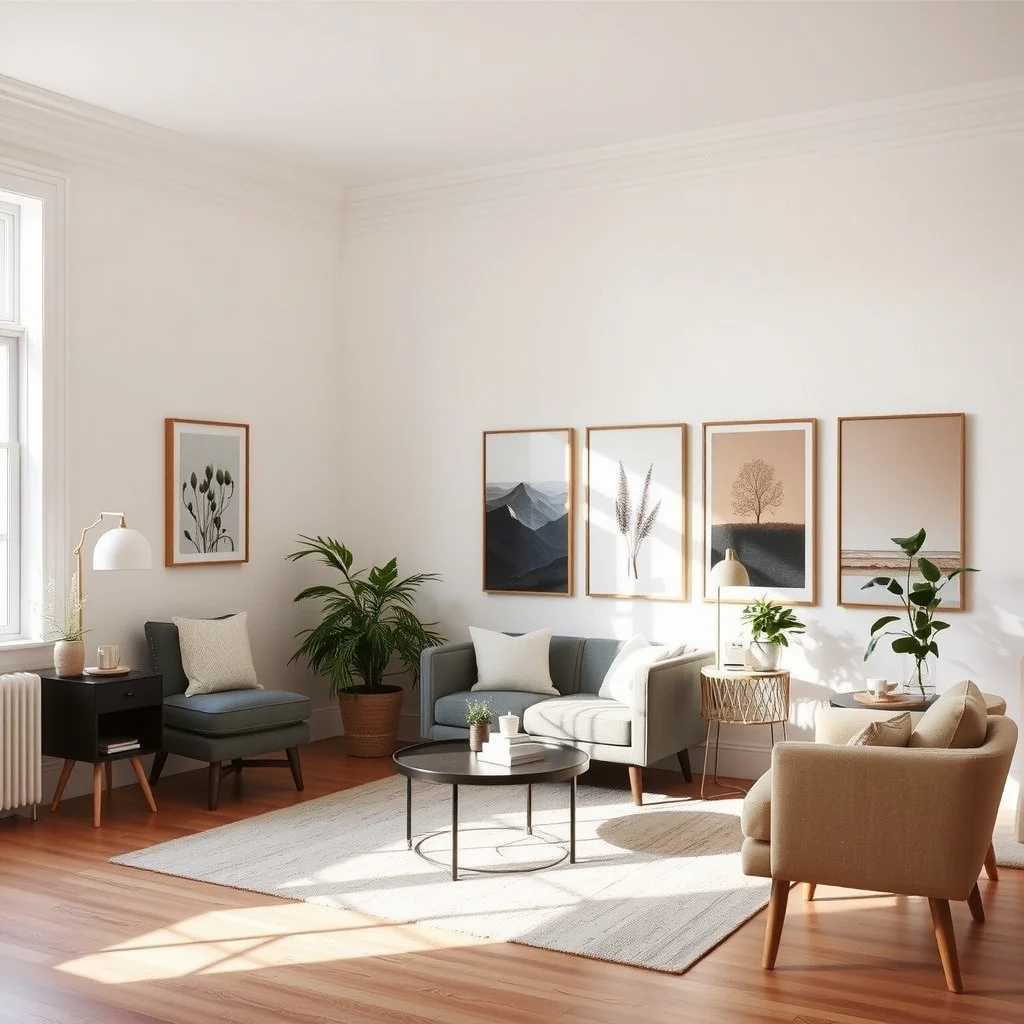
© 2026 AI Illustrator — Inspiration Only
Adding architectural interest to a rental does not have to involve demolition or paint. By selecting removable finishes, thoughtful lighting, and adaptable accessories, you can transform plain walls into compelling backdrops that reflect your style while respecting lease terms. Each of the seven approaches offers a balance of visual impact and reversibility, ensuring that when it’s time to move on, the walls remain as you found them. With a little creativity, even the most unadorned surface can become a canvas for personal expression.