
Living in a rental often feels like you’re stuck with whatever the landlord chose years ago. A dated kitchen can make the whole apartment feel stale, even if the rest of the space is modern. The good news is that most upgrades don’t require a permanent remodel or a hefty price tag. In this post you’ll discover seven practical ideas that transform a tired kitchen into a brighter, more functional room while keeping the landlord happy and the budget modest. Each suggestion focuses on surface changes, clever organization, and lighting tweaks that add personality without risking the lease agreement.
1. Refresh Cabinet Surfaces with Paint or Peel‑and‑Stick Options
© 2026 AI Illustrator — Inspiration Only
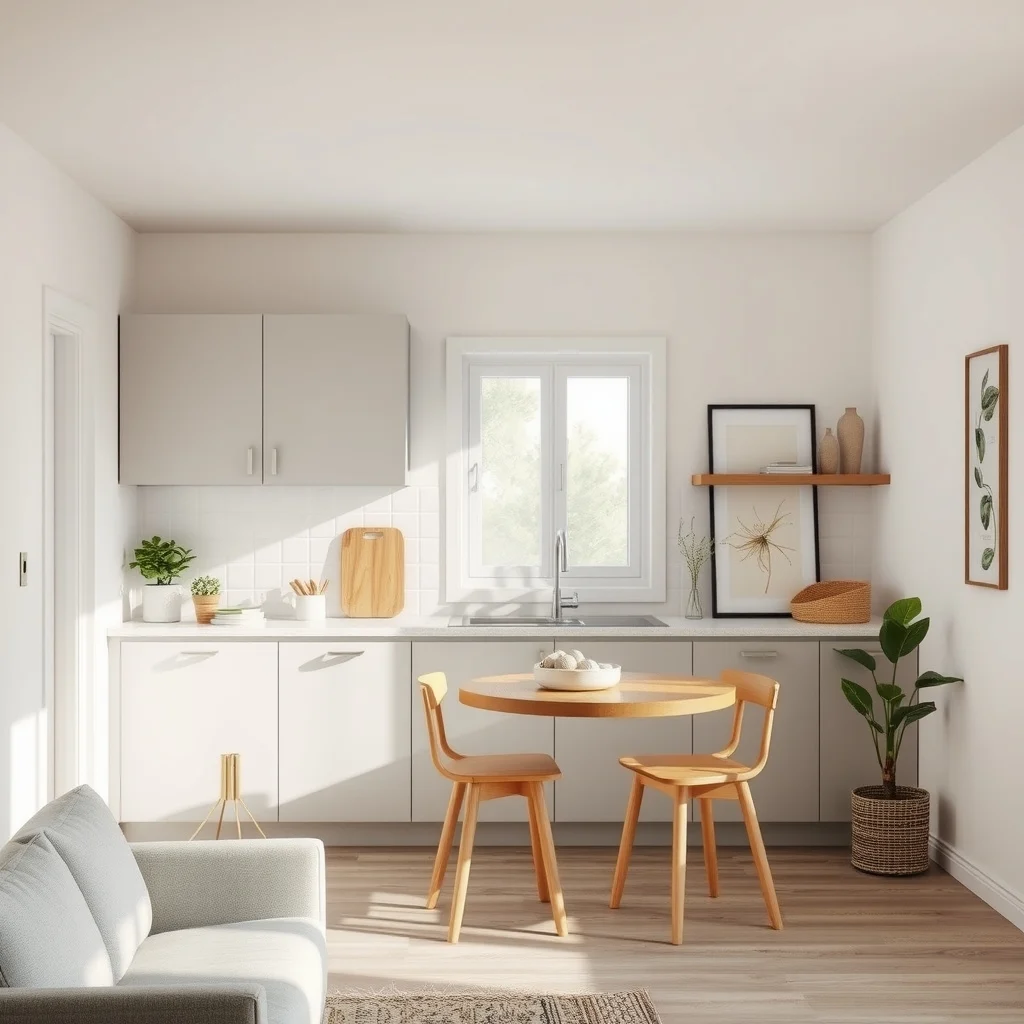
The first thing most eyes land on in a kitchen is the cabinetry. A fresh coat of paint can turn a grimy laminate front into a crisp, contemporary statement. Choosing a light, neutral shade such as soft greige or muted sage reflects natural light and makes the space feel larger. If you’re nervous about damaging the finish, high‑quality peel‑and‑stick vinyl wraps provide a similar visual impact and are removable when it’s time to move out. Before you begin, clean the doors with a mild degreaser, sand any glossy spots lightly, and apply a primer designed for laminate. Two thin coats of paint or a single wrap layer will give a clean look that lasts months, and the effort required is modest enough for a weekend project.
What’s Your Apartment Decor Style?
Answer these quick questions to discover your perfect decor vibe.
2. Swap Out Hardware for Instant Style Boost
© 2026 AI Illustrator — Inspiration Only
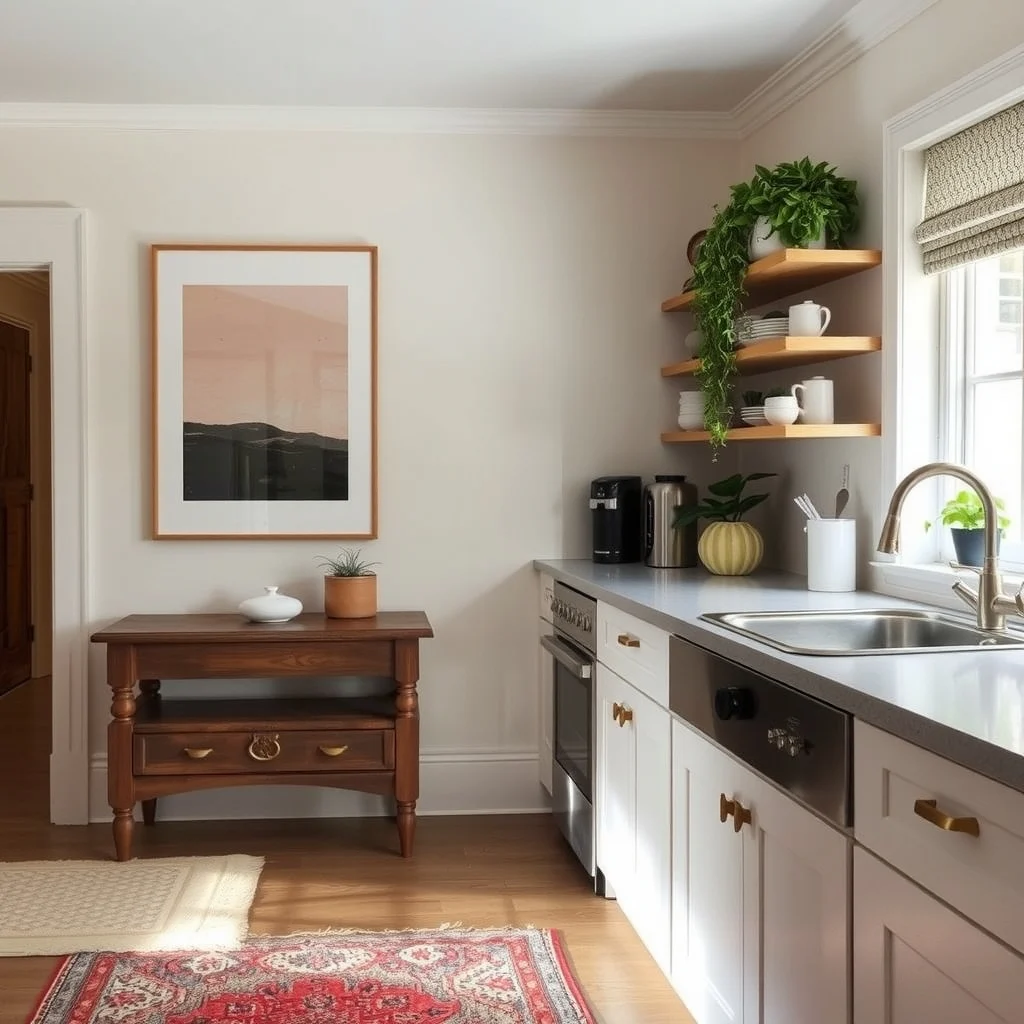
Small details often carry the most weight. Replacing dated handles and knobs with brushed brass or matte black hardware can shift the entire aesthetic from retro to modern. The process is straightforward: unscrew the old pieces, align the new ones, and tighten. Because the hardware is attached to the interior of the cabinet, it doesn’t affect the rental agreement, and the cost of a set of six to eight handles is usually under $30. When choosing finishes, consider the overall palette of your kitchen; a warm metal pairs well with wood tones, while a cool black complements white or gray surfaces. The visual upgrade is immediate, and the removal is as easy as the installation.
3. Introduce Open Shelving to Create Airy Storage
© 2026 AI Illustrator — Inspiration Only
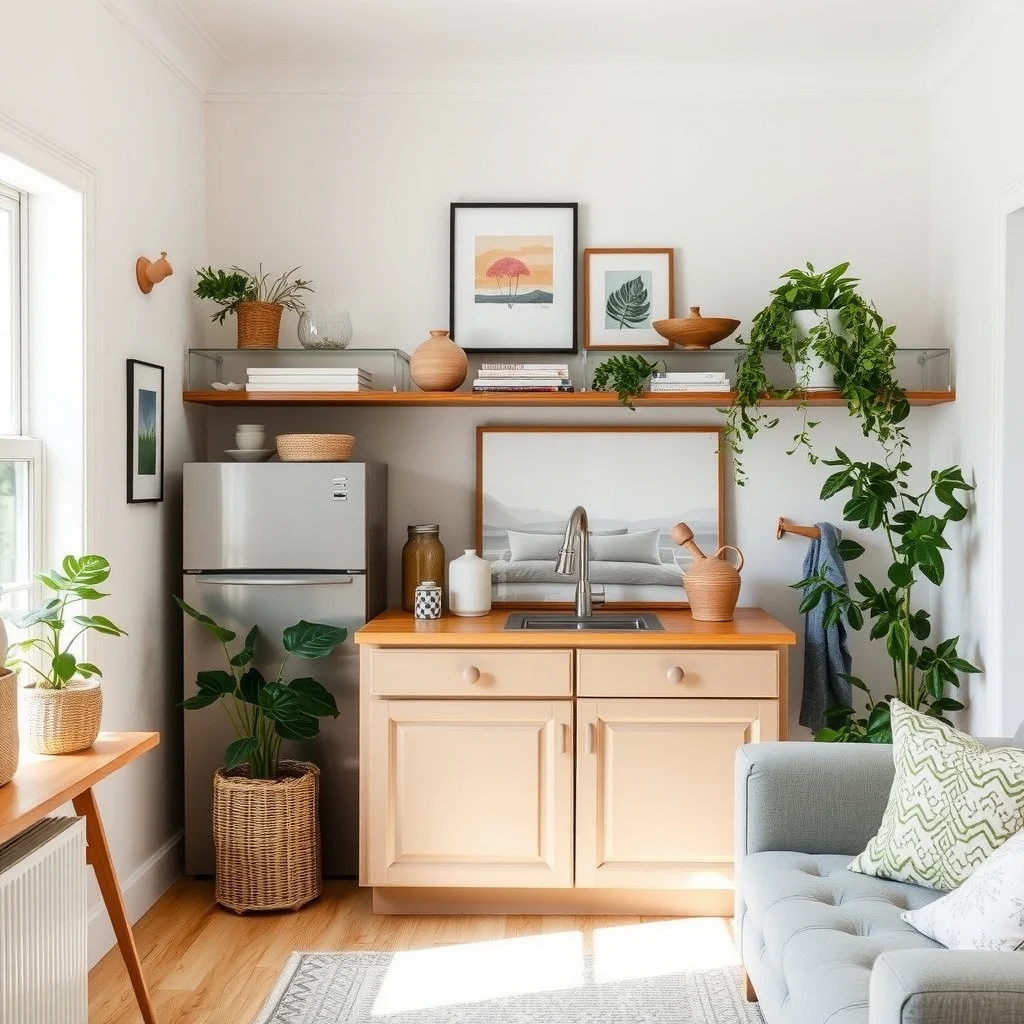
Many rental kitchens come with closed upper cabinets that trap dust and make the room feel cramped. Removing a few lower cabinet doors and installing a simple floating shelf can open the visual field and provide a place to display dishes, glassware, or a curated collection of spices. A sturdy pine board, a couple of brackets, and a drill are all you need. Paint the shelf to match the cabinets or leave the natural wood for texture contrast. Open shelving encourages you to keep only items you truly use, which reduces clutter and adds a curated look. If the landlord prefers the original configuration, the brackets can be taken down without leaving marks, making this a reversible upgrade.
4. Upgrade Lighting with Affordable Fixtures
© 2026 AI Illustrator — Inspiration Only
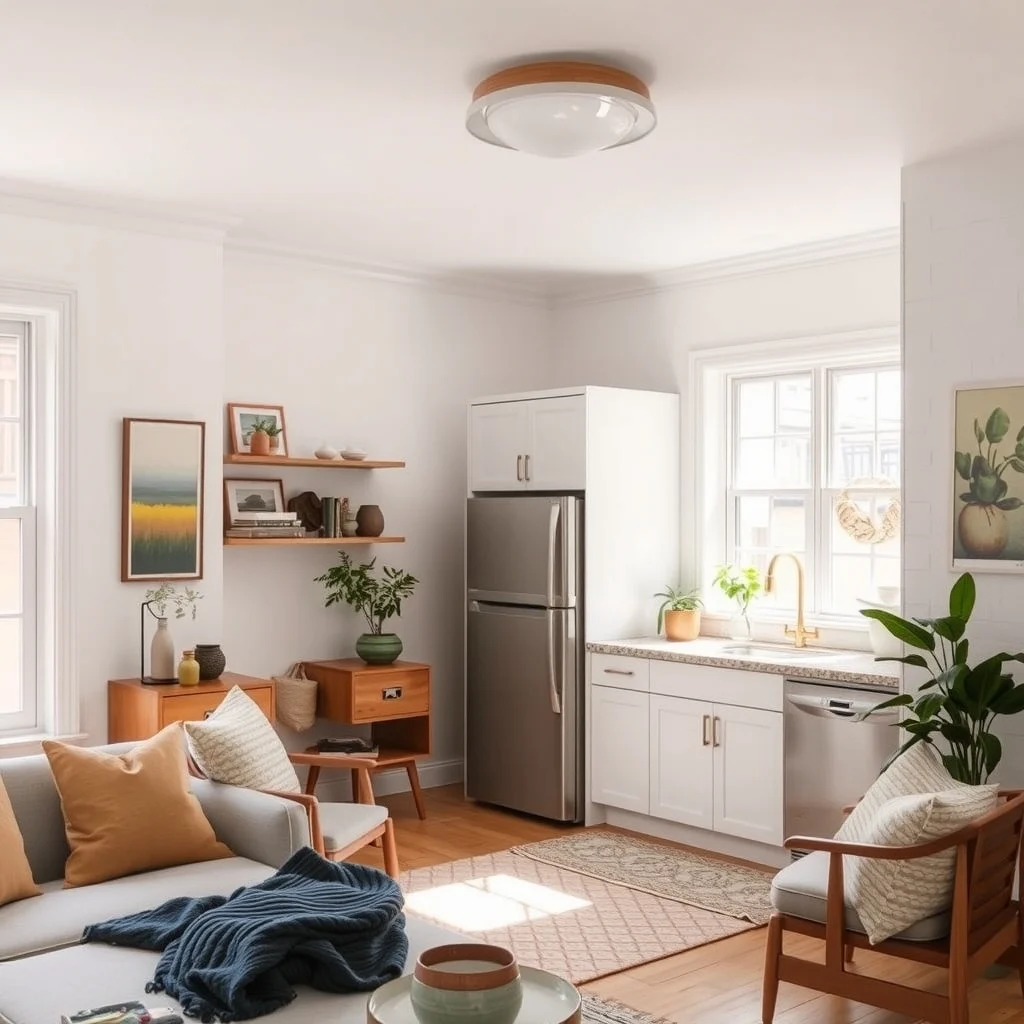
Lighting shapes how you experience every surface in the kitchen. Overhead fluorescent tubes often cast a harsh, unflattering glow. Swapping them for a sleek LED pendant or a simple semi‑flush mount fixture can soften shadows and highlight countertops. Choose a fixture with a warm color temperature (around 2700‑3000 K) to create a welcoming ambience. Because most rental leases allow fixture changes as long as the original is reinstalled, keep the old light for later. Adding a small under‑cabinet LED strip, powered by a plug‑in adapter, provides task lighting for food prep without any wiring work. The combined effect brightens the room and makes the space feel more intentional.
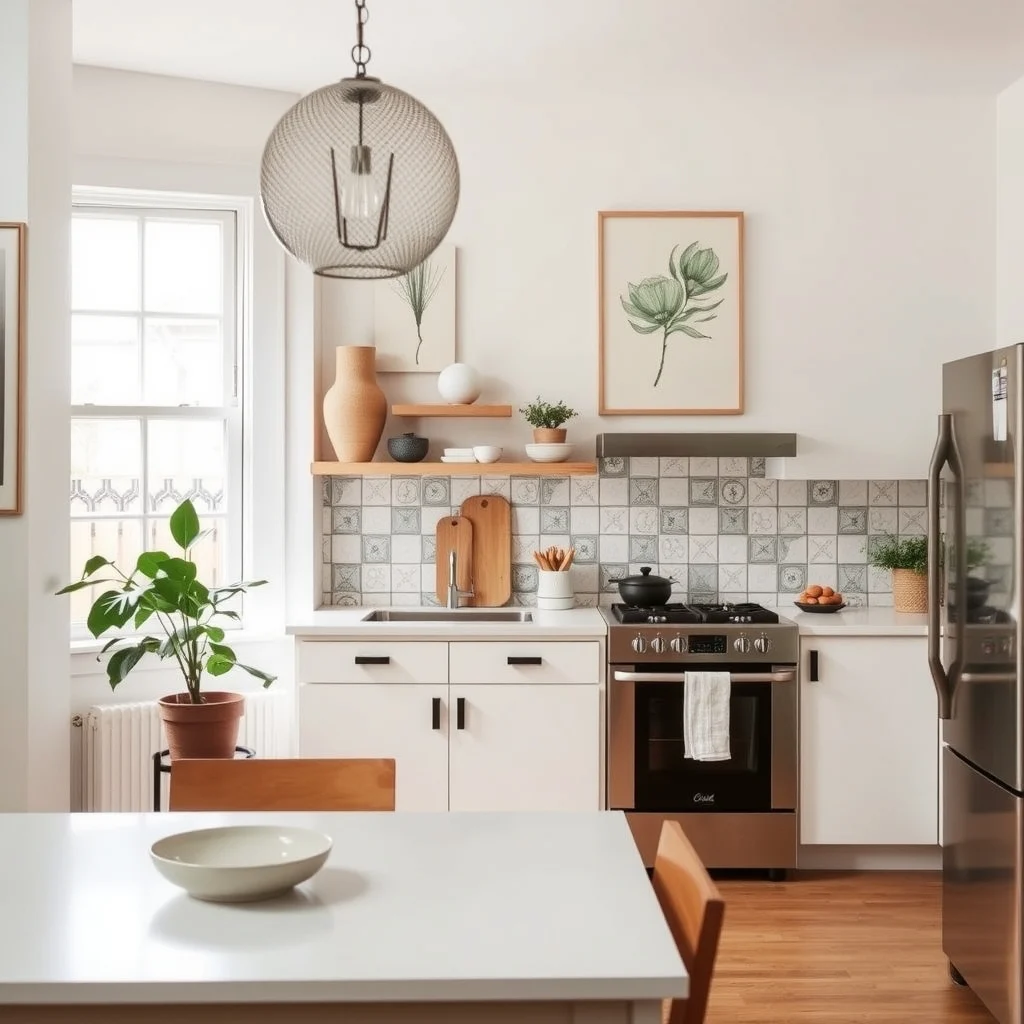
5. Add a Backsplash That’s Easy to Install and Remove
© 2026 AI Illustrator — Inspiration Only
Even a modest backsplash can become a focal point. Peel‑and‑stick tiles are designed for renters: they adhere firmly, mimic the look of ceramic or glass, and peel away without damaging the wall. A pattern of subway tiles in a soft white or a subtle geometric design adds texture while protecting the wall from splatters. Measure the wall area, cut the tiles with a utility knife, and smooth them out with a credit‑card‑sized squeegee. The cost per square foot is low, and a single roll can cover a standard backsplash area. When it’s time to move, the tiles come off cleanly, leaving the wall ready for the next tenant.
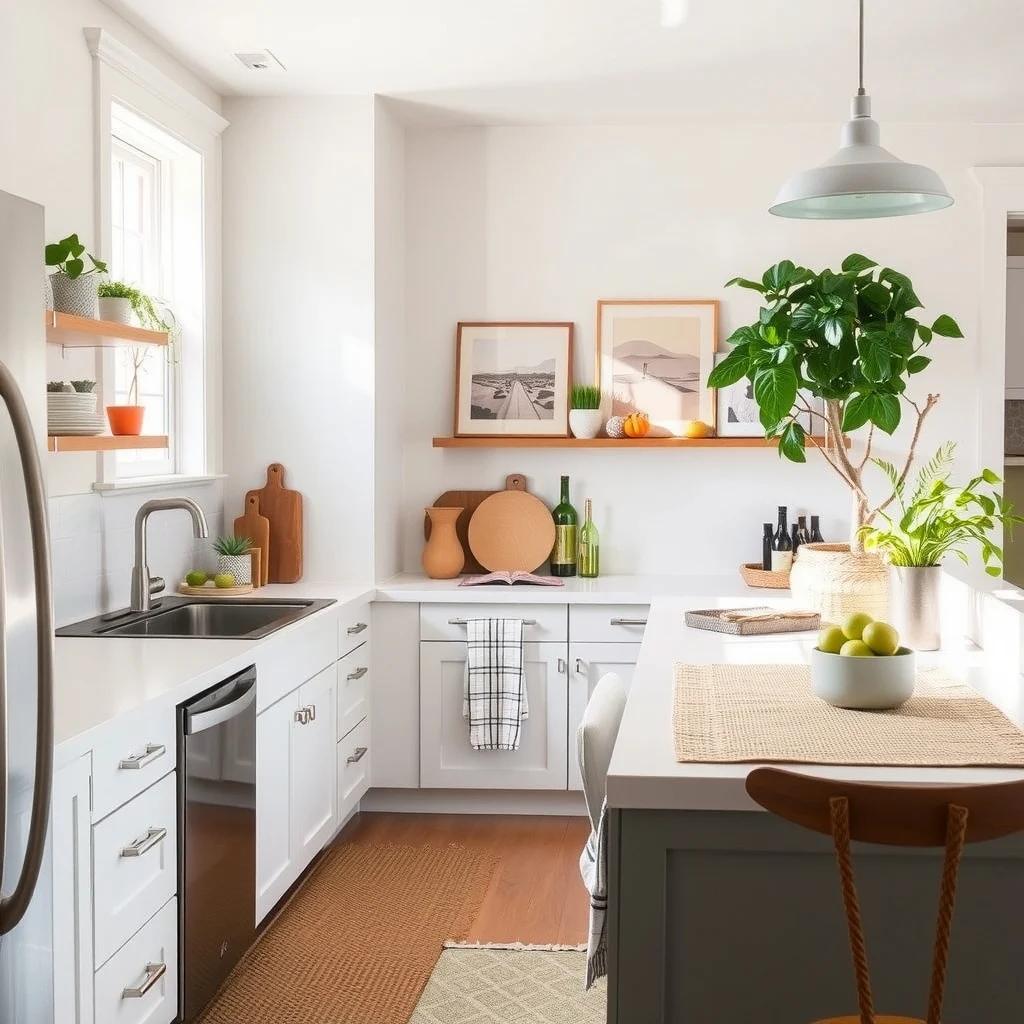
6. Reinvent Counter Space with a Functional Runner
© 2026 AI Illustrator — Inspiration Only
Countertops in rentals are often limited in material and size. A durable runner made of woven jute or a washable silicone mat can protect the surface while adding visual interest. Choose a runner that’s slightly narrower than the countertop to keep the edges visible, which maintains a sense of proportion. A runner also defines a workspace for coffee making or a breakfast nook without requiring a permanent alteration. Look for a material that can be cleaned with a damp cloth; this keeps the kitchen hygienic and the runner looking fresh for months.
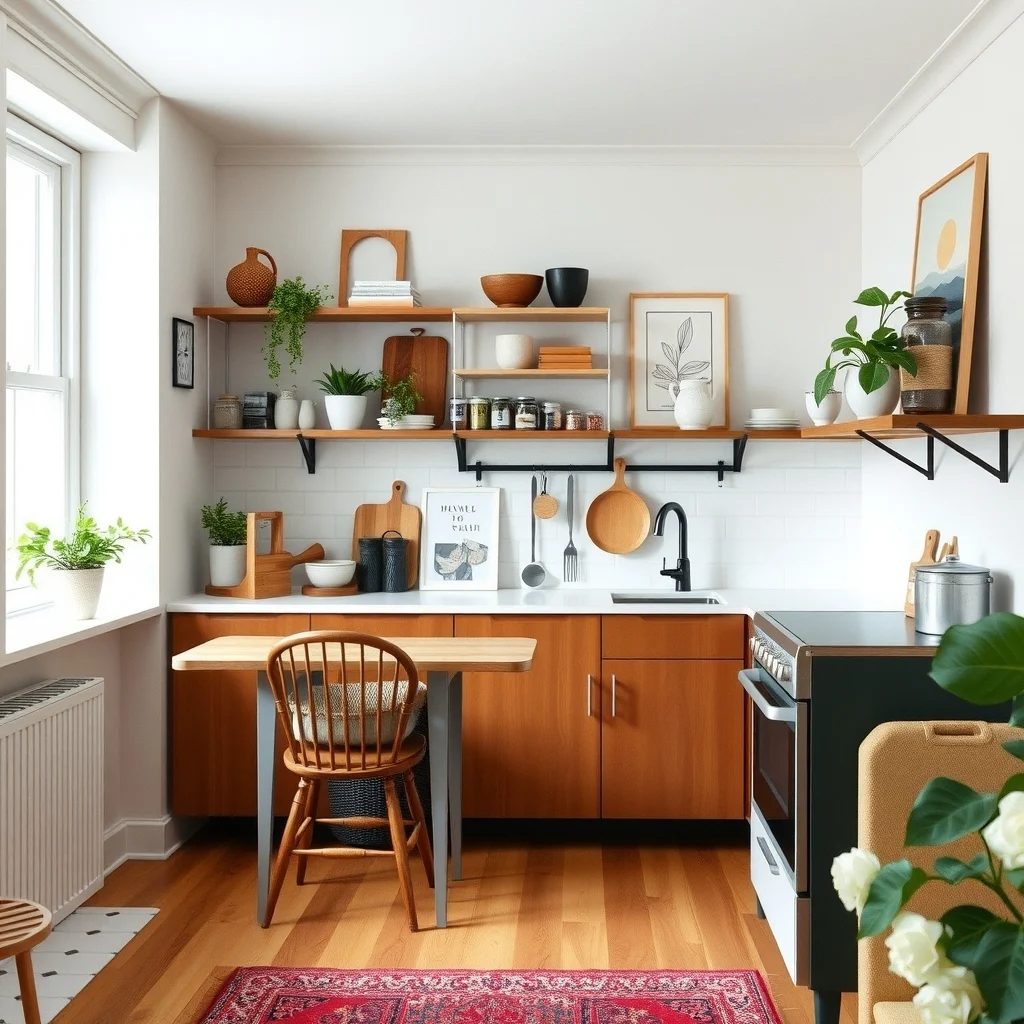
7. Maximize Storage with Creative Organizers
© 2026 AI Illustrator — Inspiration Only
One of the biggest frustrations in a rental kitchen is the lack of built‑in storage. Stackable bins, magnetic spice racks, and pull‑out drawer dividers turn unused corners into efficient zones. For instance, a magnetic strip mounted on the side of the fridge holds knives and metal utensils, freeing drawer space. Clear acrylic bins let you see contents at a glance, reducing the time spent digging for a pot lid. When the lease ends, these organizers can be packed away or donated, leaving the original cabinetry untouched. The key is to choose items that complement the kitchen’s color scheme, so the organization feels intentional rather than improvised.
FAQ
© 2026 AI Illustrator — Inspiration Only
Can I paint laminate cabinets without damaging them?
Yes, you can paint laminate cabinets safely by cleaning, lightly sanding, applying a bonding primer, and then using a durable acrylic paint. The process creates a smooth finish that can be removed with a paint stripper if needed.
What is the cheapest way to add a backsplash?
Peel‑and‑stick tile is the most budget‑friendly option. It adheres directly to the wall, mimics traditional tile, and can be removed without leaving residue, making it ideal for renters.
Do I need permission to change lighting fixtures?
Most leases allow you to replace light fixtures as long as you reinstall the original when you move out. Keep the original fixture and any mounting hardware for a smooth transition.
How can I make a small kitchen feel larger?
Light colors on walls and cabinets, reflective surfaces like glass or glossy tiles, and uncluttered countertops all contribute to a sense of openness. Adding layered lighting and minimizing visual weight with slim hardware further expands the perception of space.
Final Thoughts
© 2026 AI Illustrator — Inspiration Only
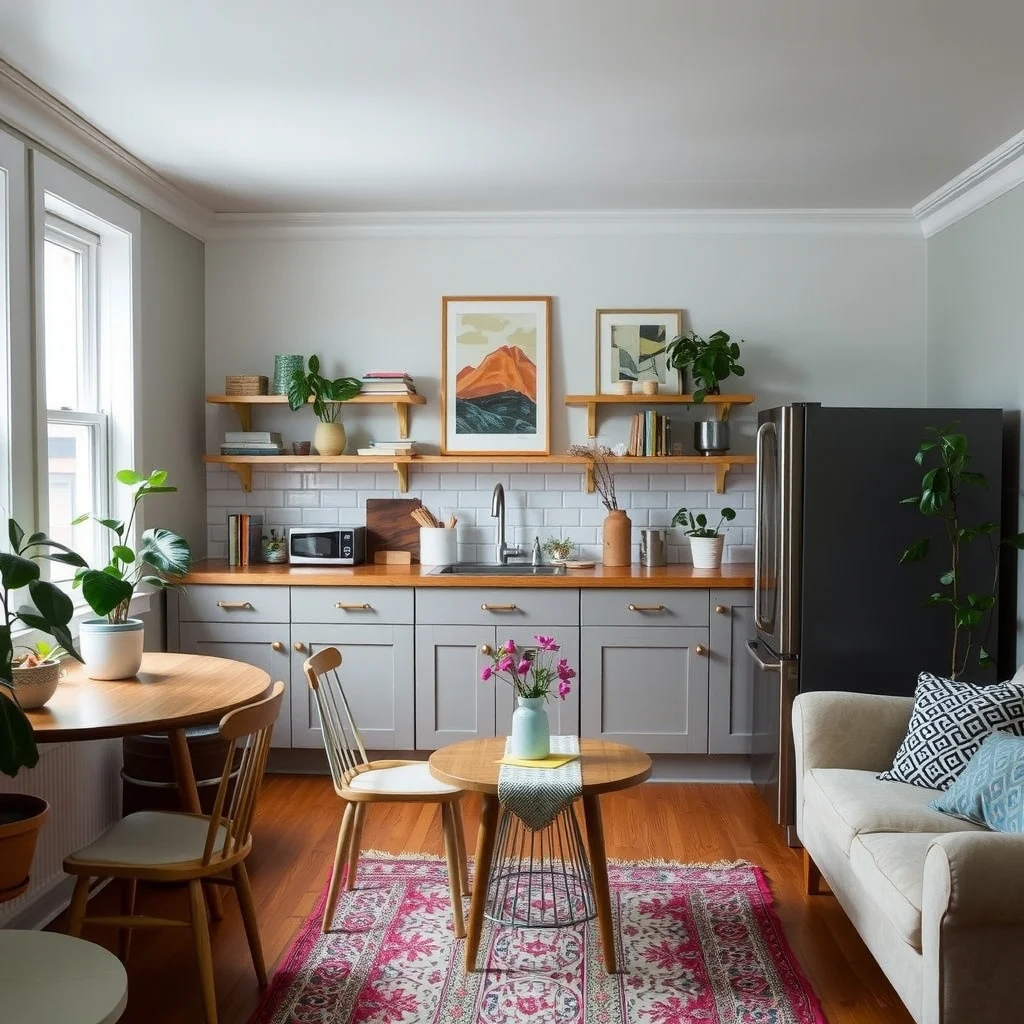
Refreshing a rental kitchen doesn’t have to mean a full remodel or a breach of your lease. By focusing on paint, hardware, lighting, and smart organization, you can create a space that feels current, functional, and personal. Each of the seven ideas presented can be reversed when it’s time to move, preserving the landlord’s original design while giving you a kitchen you actually enjoy using. With a little creativity and a modest budget, the heart of your home can finally keep pace with the rest of your life.