
Sharing a studio with a partner can feel cramped when both of you need space to work, sleep, and unwind. The key is to treat the open floor as a series of adaptable zones rather than a single, undifferentiated room. In the following sections you’ll discover practical ways to carve out privacy, add softness, and keep everyday items out of sight—all without sacrificing style. Each idea balances aesthetics with function, so you can enjoy a home that feels larger, cozier, and genuinely yours.
1. Define zones with flexible furniture
© 2026 AI Illustrator — Inspiration Only
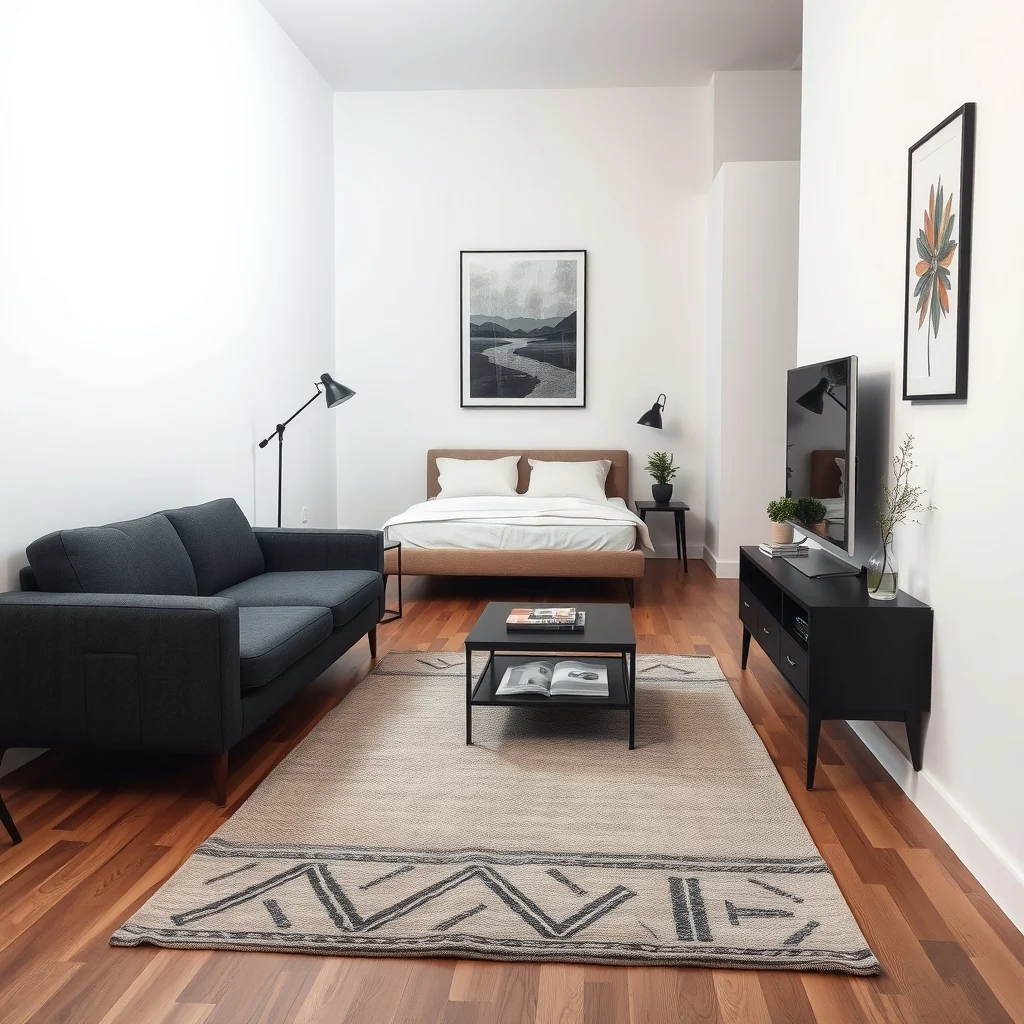
When a studio lacks walls, the placement of furniture becomes the primary method for delineating areas. A low-profile sofa that faces a media console can serve as a subtle barrier between the living and sleeping sections, while still allowing easy conversation flow. Pair the sofa with a slim, wheeled side table that can be nudged toward the bed at night or pulled back to the couch during the day. This mobility lets you re‑configure the layout as your routine changes, and the visual break created by the back of the sofa reduces the sense of a single, open expanse. Choose pieces with legs that lift the furniture off the floor; this not only adds a feeling of lightness but also makes cleaning underneath far simpler.
What’s Your Apartment Decor Style?
Answer these quick questions to discover your perfect decor vibe.
2. Choose a cohesive color palette that expands space
© 2026 AI Illustrator — Inspiration Only
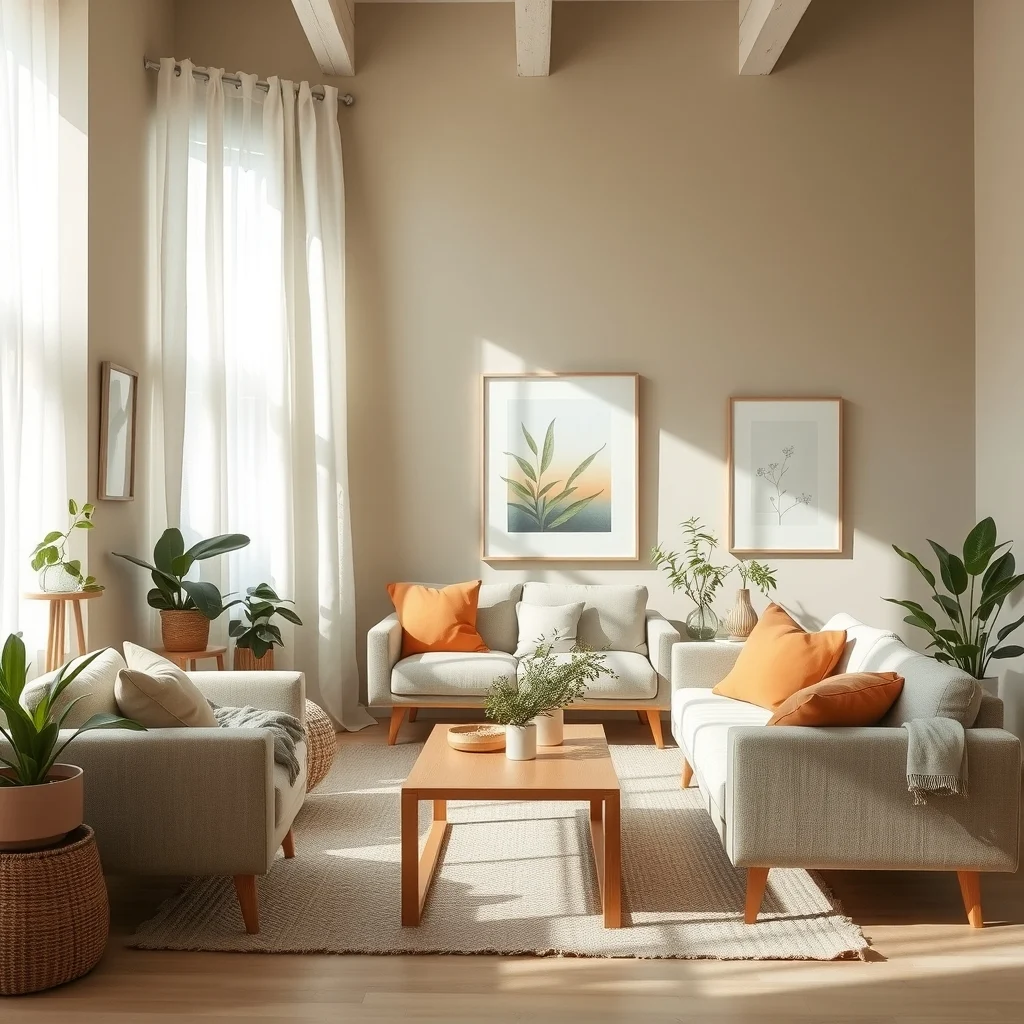
A unified color scheme can make a studio feel more spacious than a patchwork of contrasting hues. Soft, muted shades such as warm greige, gentle sage, or a pale terracotta reflect natural light and recede into the background, allowing the room’s architecture to breathe. Applying the same tone to larger surfaces—walls, a built‑in shelving unit, and the headboard—creates a visual continuity that stretches the eye across the floor plan. Accent colors can appear in smaller elements like cushions, artwork, or a rug, providing interest without breaking the flow. When the palette is restrained, each new item feels like a deliberate addition rather than a competing element, which is essential for two people sharing limited space.
3. Use multi‑functional storage to keep clutter down
© 2026 AI Illustrator — Inspiration Only
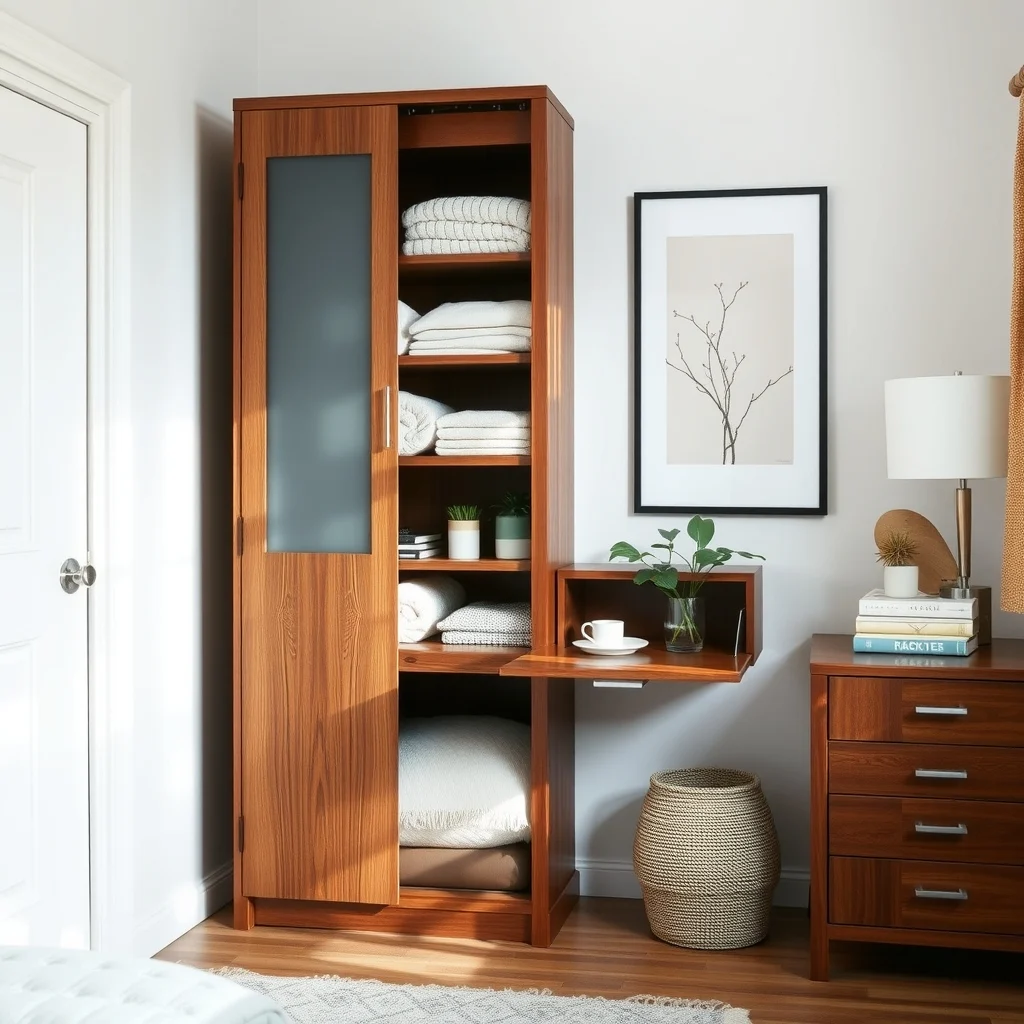
Every square foot of storage counts, and pieces that serve more than one purpose are especially valuable. A tall, narrow wardrobe with sliding doors can hold both clothing and seasonal blankets, while the interior shelves accommodate shoes or folded linens. Beneath the bed, a platform with built‑in drawers offers a discreet place for personal items, keeping them out of sight yet within easy reach. Open shelving placed above the kitchen counter can display dishes and also act as a pantry for dry goods, reducing the need for a separate cabinet. By integrating storage into the furniture you already use, you avoid the visual chaos that often accompanies two occupants and maintain a calm, organized environment.
4. Layer lighting for separate moods
© 2026 AI Illustrator — Inspiration Only
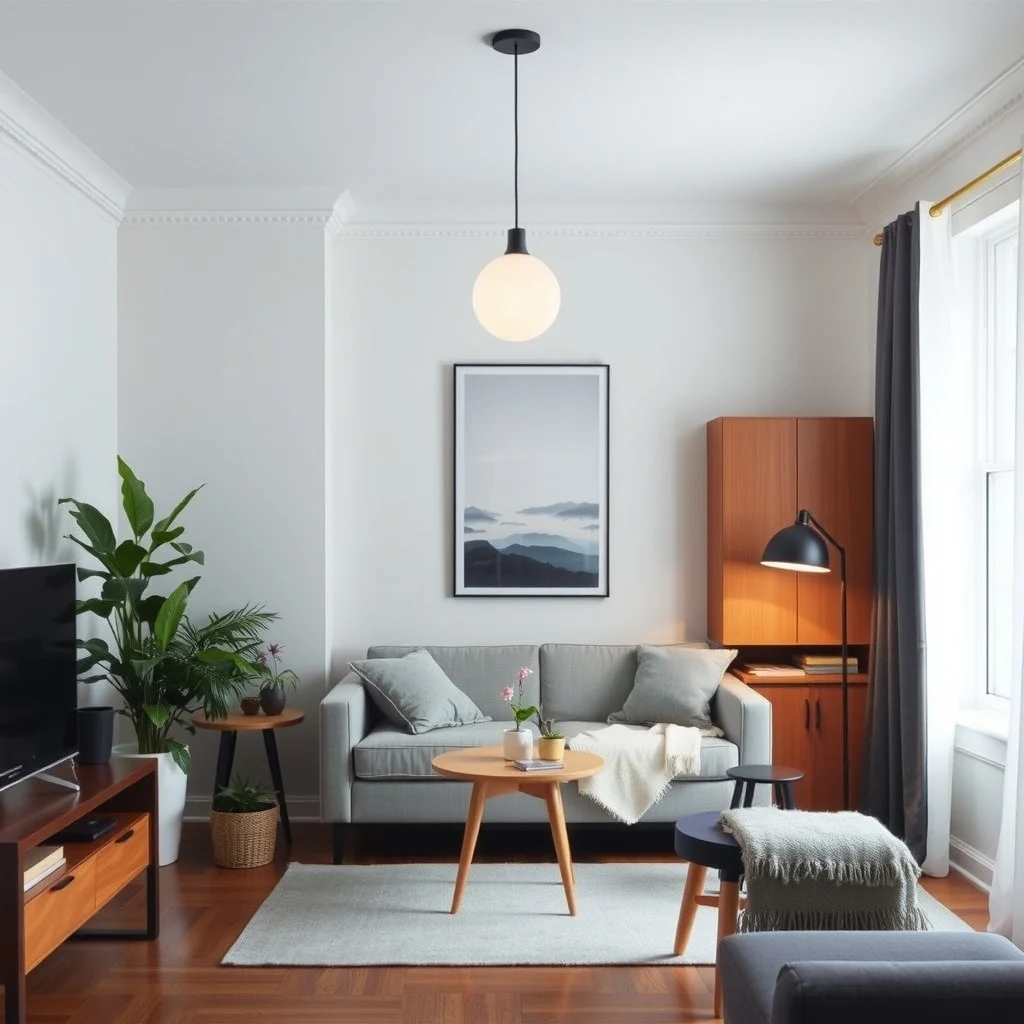
Relying on a single ceiling fixture makes it difficult to tailor illumination to different activities. Introducing a combination of ambient, task, and accent lighting gives each zone its own atmosphere. A dimmable pendant above the dining nook provides general light for meals, while a narrow floor lamp beside the reading chair offers focused illumination for evenings with a book. Small, battery‑operated LED strips tucked behind a floating shelf add a soft glow that highlights decorative objects without overwhelming the space. This layered approach lets you brighten the work area without flooding the sleeping corner, preserving a sense of privacy even in an open layout.
5. Add textiles and soft surfaces for comfort
© 2026 AI Illustrator — Inspiration Only
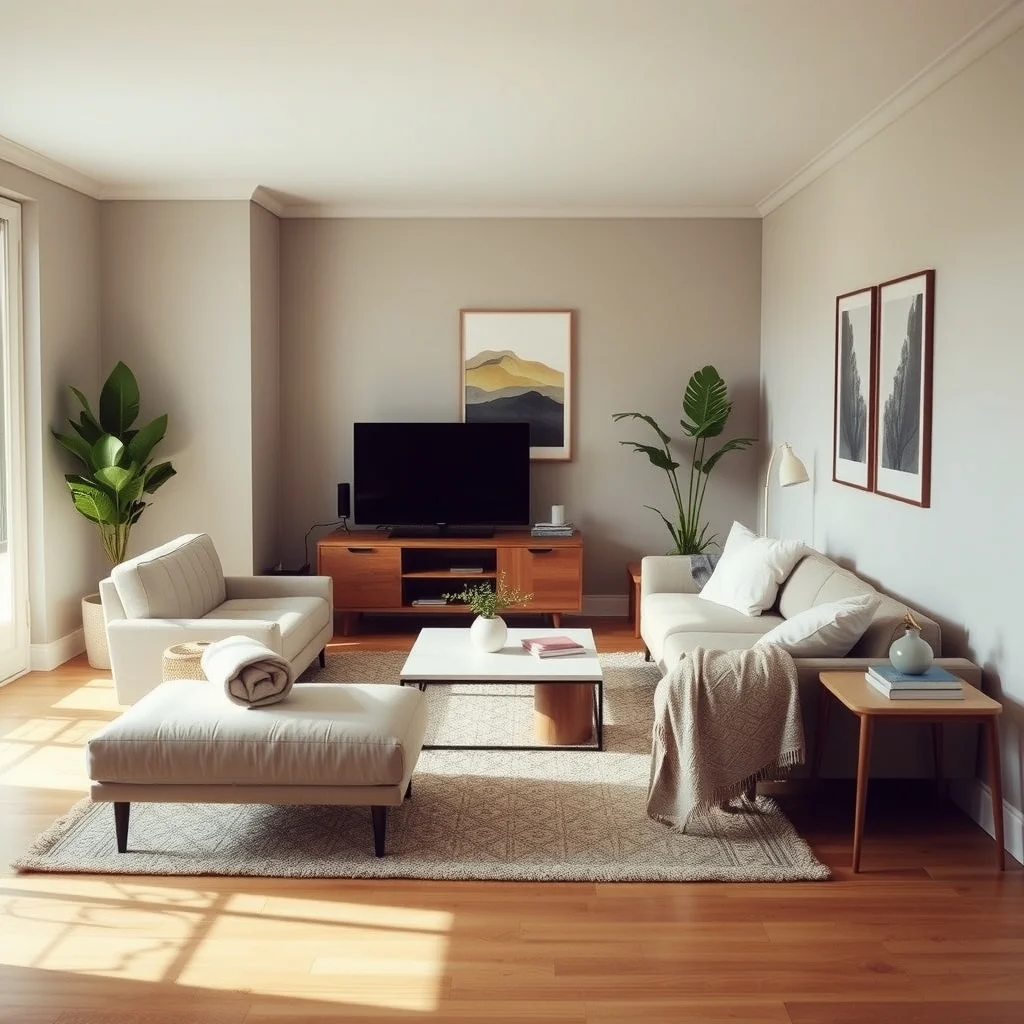
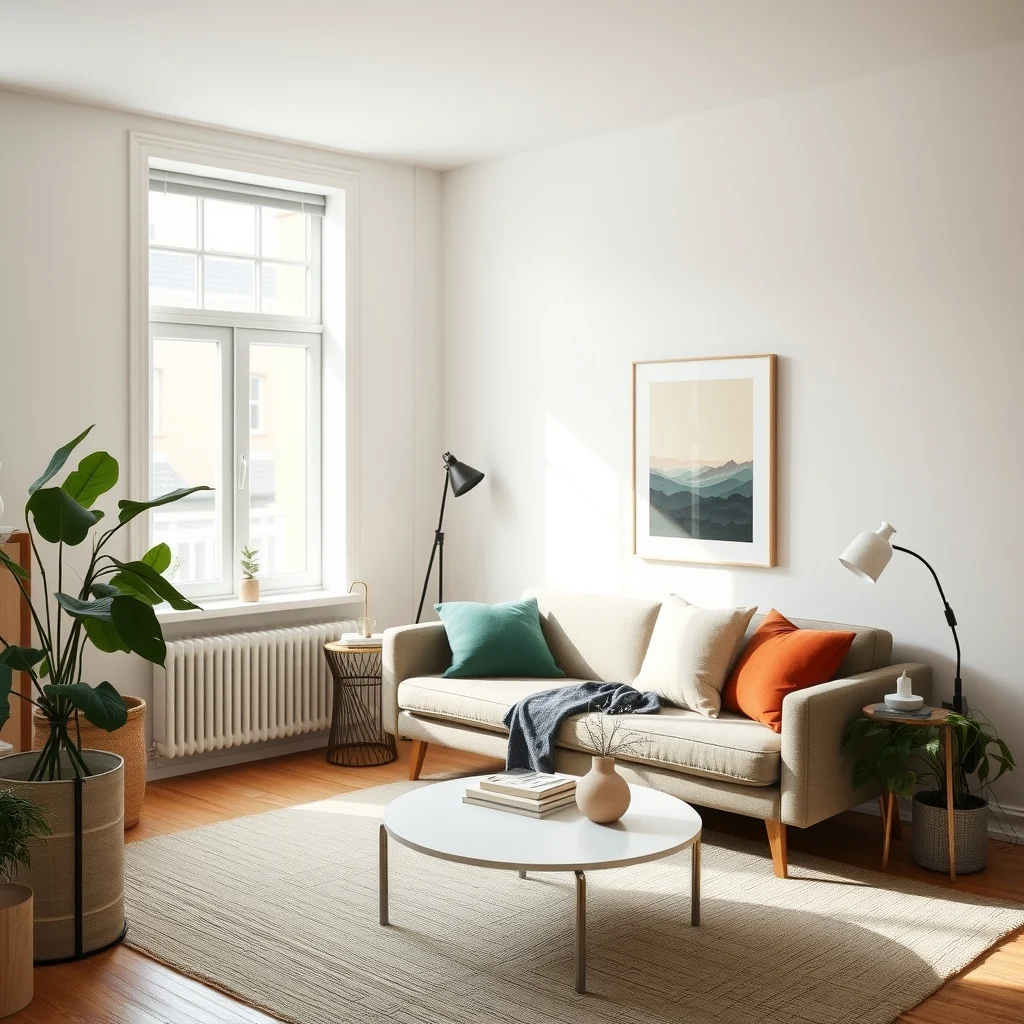
Hard floors and sleek furniture can feel unforgiving, especially when two people spend many hours in the same room. Introducing textiles creates tactile contrast and helps absorb sound. A medium‑pile rug placed under the coffee table defines the living area while providing a warm surface for bare feet. Linen curtains that hang from a ceiling‑mounted track not only soften the windows but also allow you to control natural light throughout the day. Throw blankets in natural fibers such as cotton or bamboo can be draped over the sofa for quick warmth, and a few plush pillows in complementary shades add visual depth. These elements are inexpensive, easy to swap out, and contribute significantly to a lived‑in feel.
6. Create visual privacy with screens or curtains
© 2026 AI Illustrator — Inspiration Only
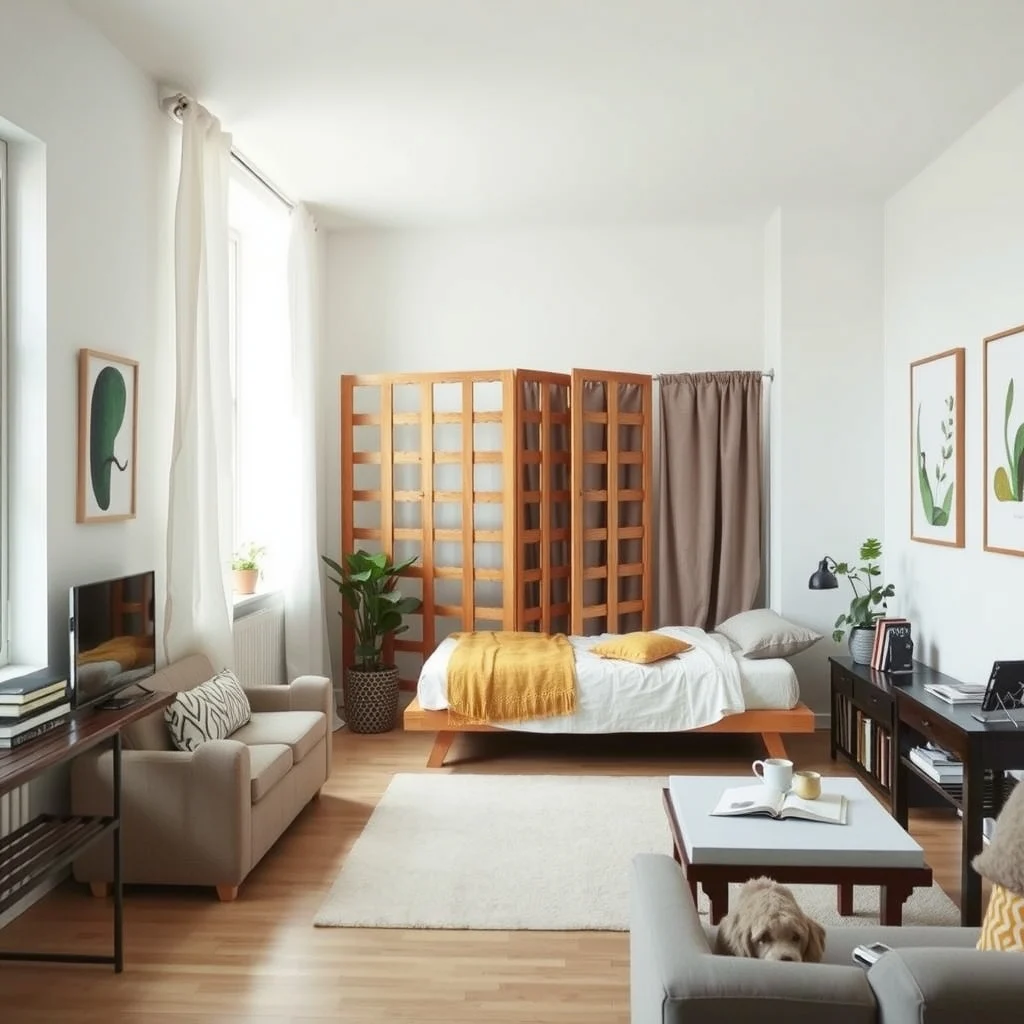
Even without permanent walls, a simple screen can give each person a sense of personal space. A folding wooden lattice placed between the sleeping platform and the rest of the studio provides a visual break while still allowing air to circulate. If you prefer a softer edge, a floor‑to‑ceiling curtain on a tension rod can be drawn back during the day and pulled closed at night, offering both privacy and an extra layer of insulation. Choosing a fabric that echoes the room’s color palette ensures the divider feels intentional rather than an afterthought. The benefit of a movable partition is that it can be repositioned whenever you need to open up the floor plan for gatherings.
7. Optimize acoustics and airflow for shared living
© 2026 AI Illustrator — Inspiration Only
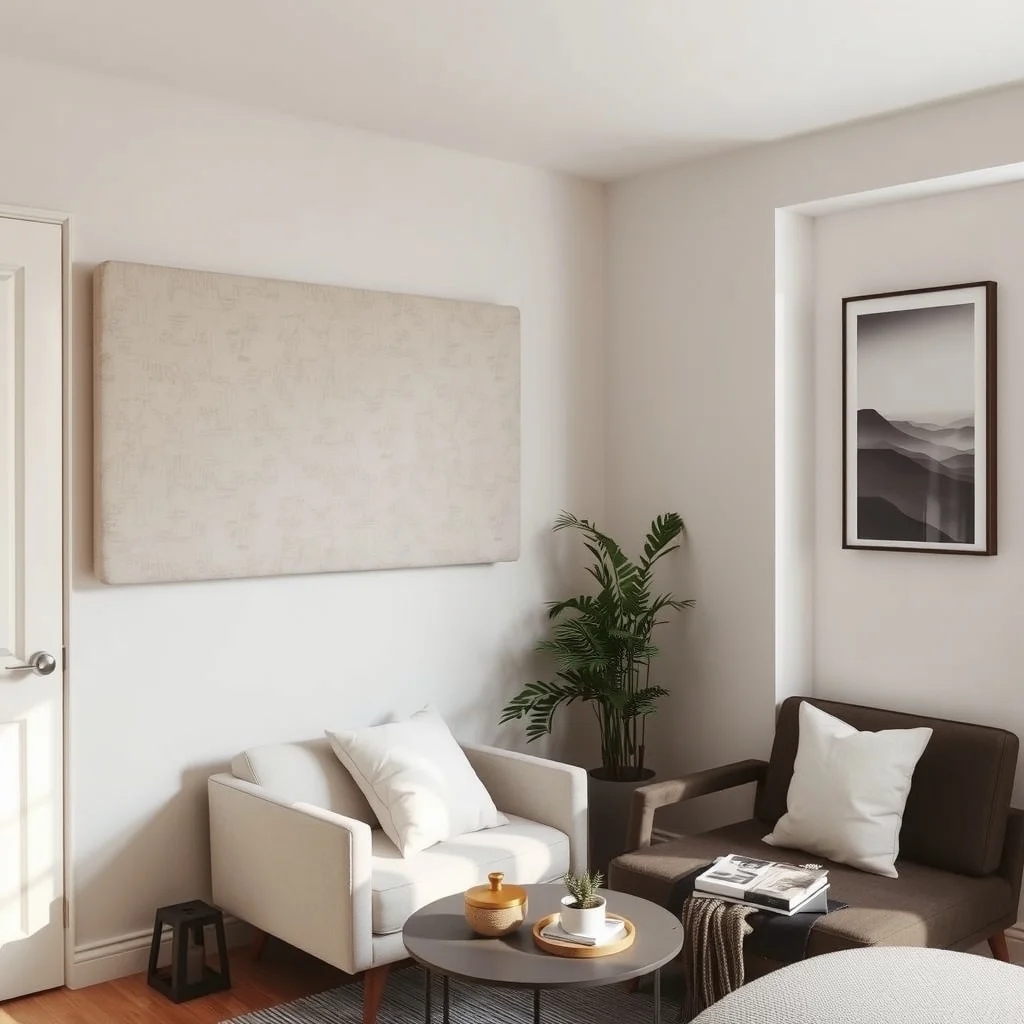
In a compact studio, sound travels quickly, and poor ventilation can make the space feel stale. Adding a wall‑mounted acoustic panel upholstered in a fabric that matches your décor reduces echo and softens conversations. A small, quiet‑running tabletop fan positioned near a window improves circulation without taking up much floor space, and it can double as a white‑noise source for better sleep. Plant life—such as a tall fiddle‑leaf fig in the corner or a series of trailing pothos on a shelf—adds a natural sound‑absorbing element and improves air quality. By addressing both noise and airflow, you create an environment that feels fresh and comfortable for both occupants.
FAQ
© 2026 AI Illustrator — Inspiration Only
How can I keep a studio tidy with two people?
Establish a shared routine for putting items back in designated storage after each use. Using furniture that includes hidden compartments, like ottomans with lift‑top lids, reduces visible clutter and gives each person a personal place for belongings.
What type of sofa works best in a small studio?
A low‑back, streamlined sofa with slim arms fits well because it doesn’t dominate the floor plan. Choose a model with removable cushion covers so you can refresh the look without buying a new piece.
How do I separate sleeping and living areas without walls?
Employ a combination of furniture placement and soft dividers. Position a sofa back‑to‑back with the bed, and add a folding screen or a floor‑to‑ceiling curtain to create a visual boundary that can be opened or closed as needed.
Is it okay to have two workstations in a studio?
Yes, as long as each workstation is anchored to a distinct surface—such as a wall‑mounted desk for one person and a compact rolling cart for the other. Keeping cables organized with clips and using vertical storage for supplies helps maintain a clean aesthetic.
What flooring options are good for a shared studio?
Engineered hardwood provides durability and a warm feel, while a large‑format tile can make the space feel larger. If you prefer a softer surface, a high‑density interlocking laminate paired with a sizable area rug offers comfort without sacrificing ease of cleaning.
Final Thoughts
© 2026 AI Illustrator — Inspiration Only
Designing a studio for two people is less about adding square footage and more about thoughtful organization, flexible furnishings, and layered sensory details. By defining zones, unifying colors, and selecting pieces that serve multiple purposes, you create a home that feels both spacious and intimate. Small adjustments—like a well‑chosen rug, a strategically placed screen, or a mix of lighting—can dramatically improve comfort without breaking the bank. With these strategies in place, your studio will become a welcoming place where both occupants can relax, work, and enjoy everyday moments together.