
Living in a compact apartment often means making the most of every inch, and a shallow closet can feel especially limiting. The good news is that a few thoughtful tweaks can transform that narrow space into a functional wardrobe hub without sacrificing style. Below are seven ideas that blend practicality with design, each explained in detail so you can decide which fits your layout, budget, and daily routine.
1. Install a Tiered Hanging System
© 2026 AI Illustrator — Inspiration Only
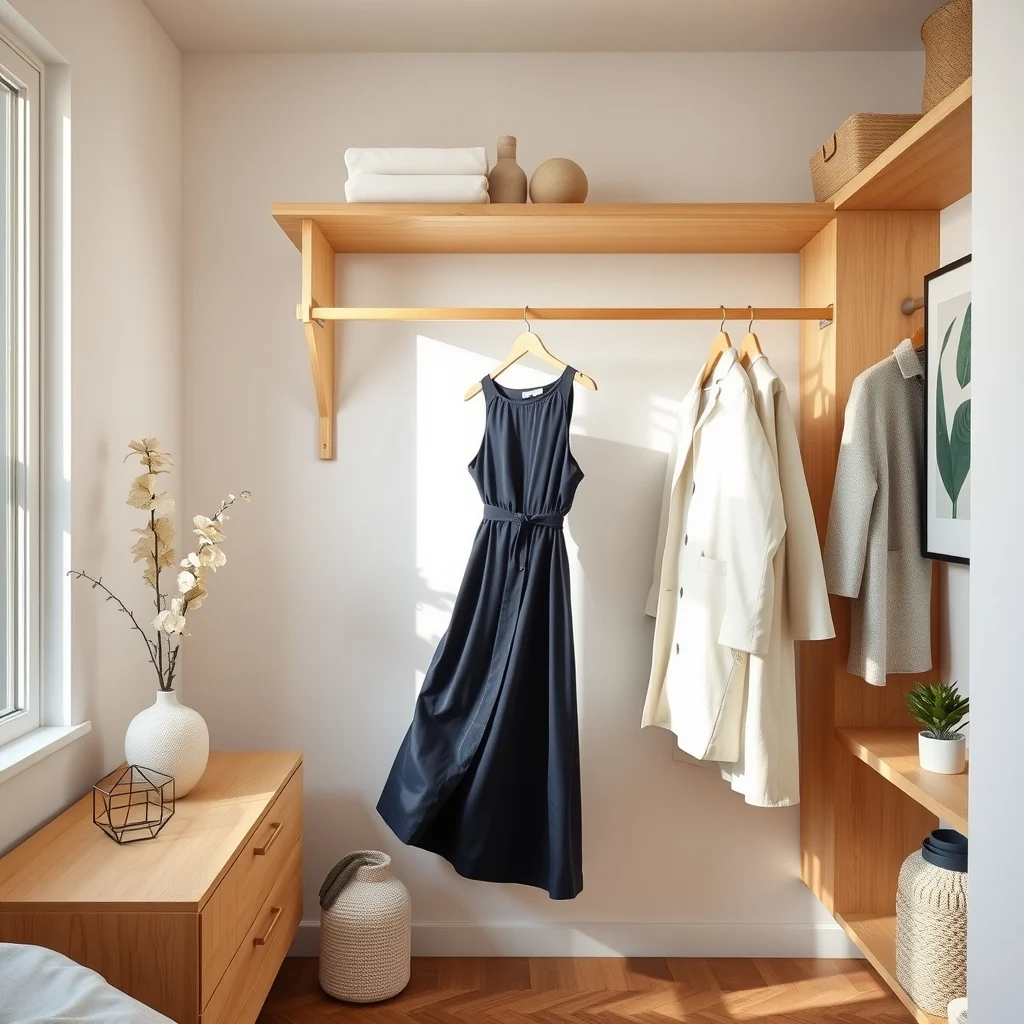
Instead of a single rod that leaves most of the interior empty, add a second, lower rod using a tension‑fit bracket. The upper rod holds longer pieces such as dresses or coats, while the lower level accommodates shirts, skirts, or folded pants on slim hangers. Because the rods are adjustable, you can experiment with spacing until the garments fit comfortably without crowding. The extra tier effectively doubles hanging capacity without extending the closet’s depth. A potential drawback is that very bulky items may still need an alternative storage spot, but for everyday wear the system offers a noticeable gain in organization.
What’s Your Apartment Decor Style?
Answer these quick questions to discover your perfect decor vibe.
2. Use a Slim Rolling Cart Inside the Closet
© 2026 AI Illustrator — Inspiration Only
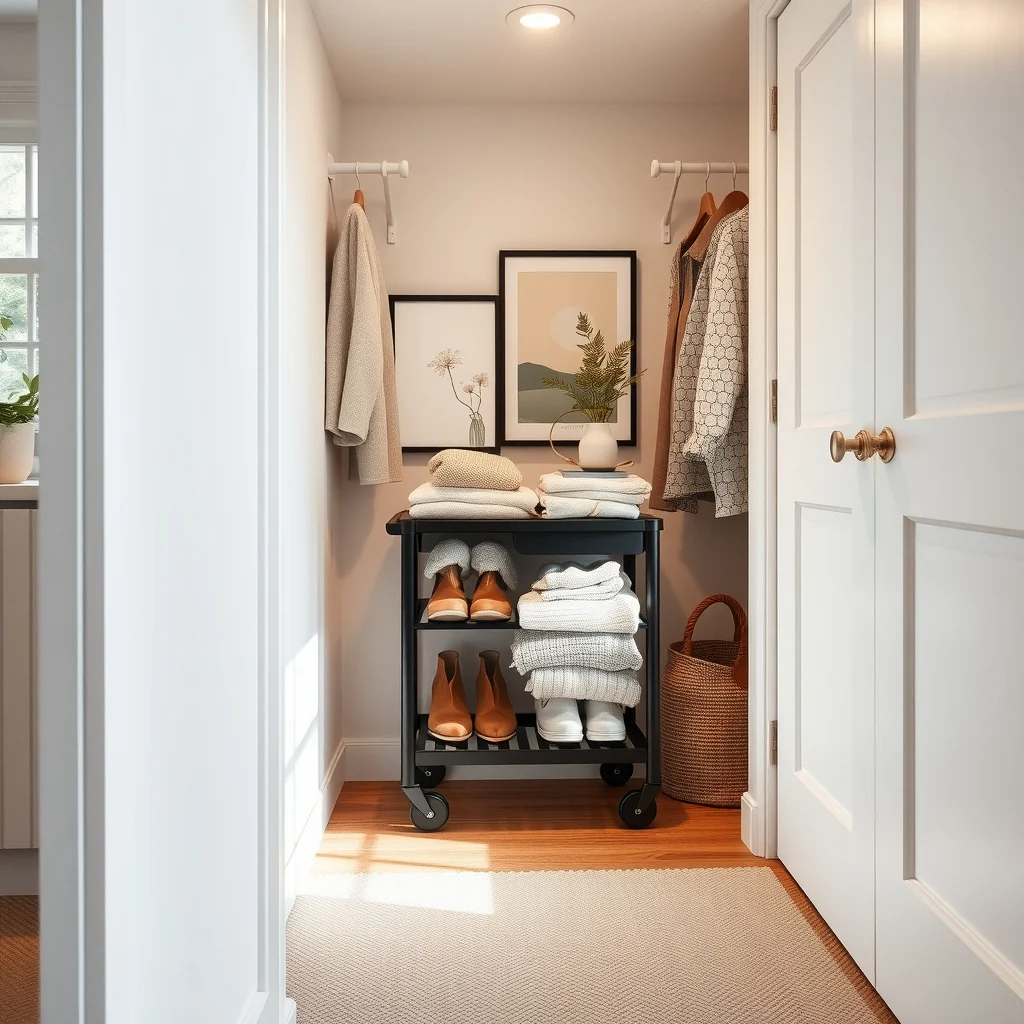
A narrow rolling cart, typically 12‑14 inches wide, can slide into the closet and serve as a mobile shelf for shoes, accessories, or folded sweaters. The wheels allow you to pull the cart out for easy access and push it back when you need more floor space. Choose a cart with a metal frame and a powder‑coated finish to resist scratches from occasional bumps. The main limitation is that the cart occupies part of the already limited depth, so it works best when you keep the cart stocked with items you retrieve frequently, leaving less‑used pieces elsewhere.
3. Add a Fold‑Down Ironing Board That Doubles as a Shelf
© 2026 AI Illustrator — Inspiration Only
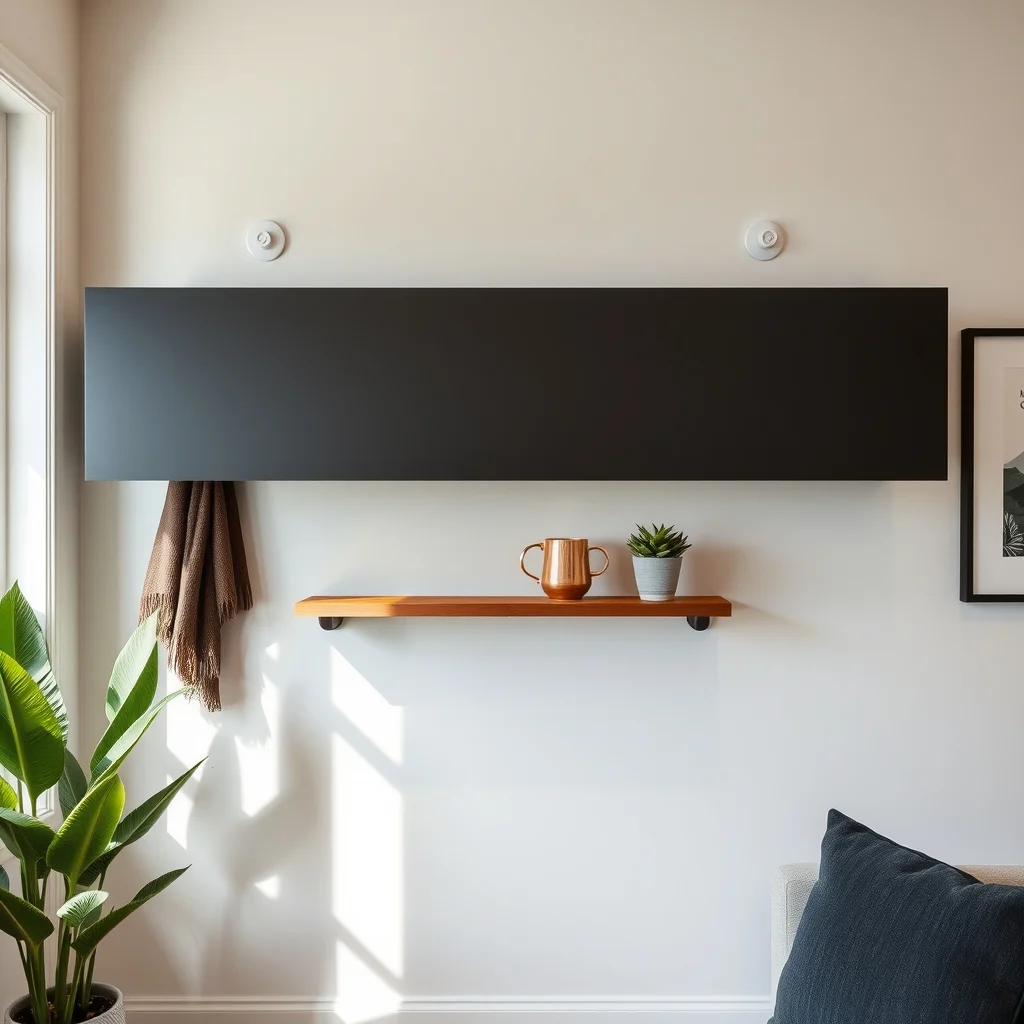
Many shallow closets lack a dedicated spot for an ironing board, yet a fold‑down board mounted on the back wall can serve two purposes. When folded up, the board’s underside becomes a shallow shelf ideal for storing rolled scarves, belts, or even a small basket of laundry. When you need to press a shirt, simply lower the board and secure it with the built‑in latch. The installation requires a sturdy anchor, so using wall plugs appropriate for your wall type is essential. If the closet ceiling is low, verify that the board’s full height clears the door when opened.
4. Build a Shelf Above the Closet Door
© 2026 AI Illustrator — Inspiration Only
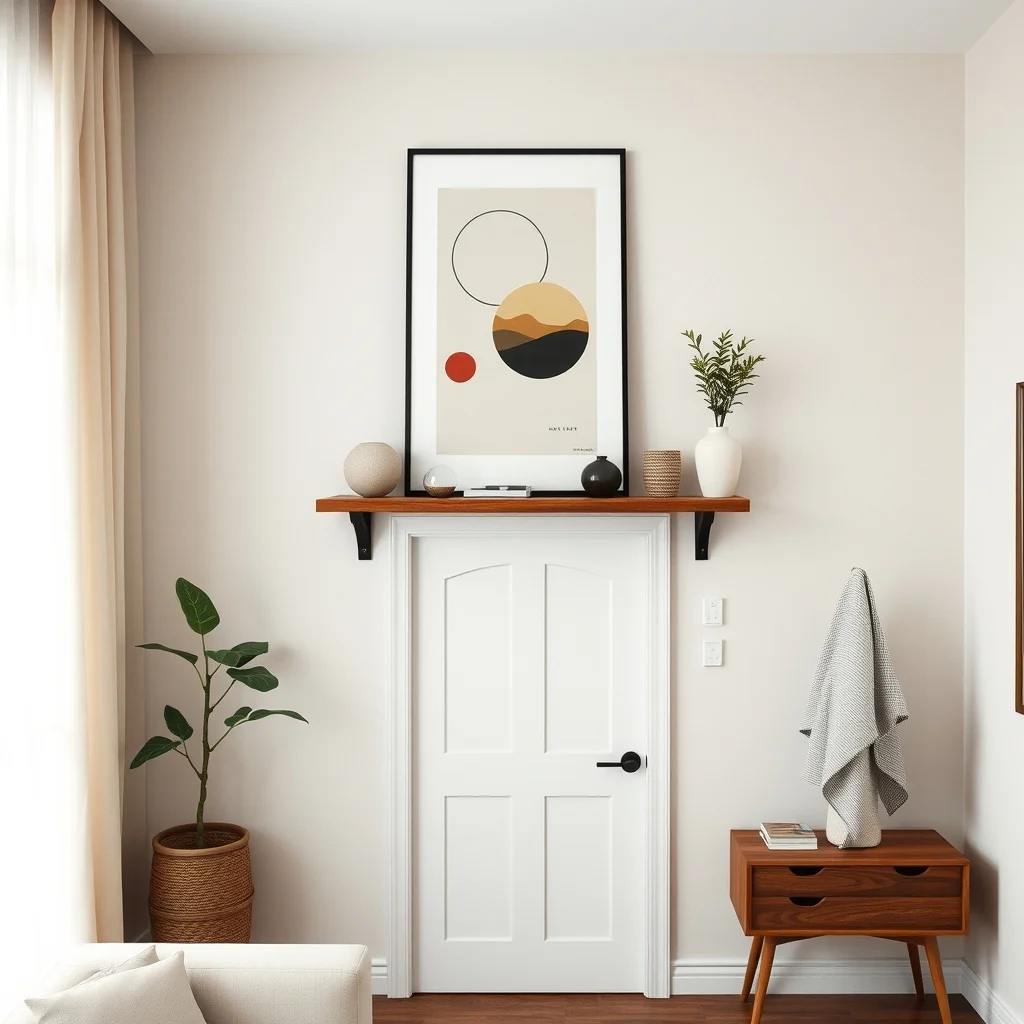
The space directly above a closet door is often overlooked, but a narrow floating shelf can hold decorative boxes, a slim plant, or a stack of seasonal accessories. By positioning the shelf just a few inches above the door frame, you keep the visual line of the room uninterrupted while adding usable storage. Choose a shelf with a brushed walnut finish to echo other wood tones in the apartment, and secure it with concealed brackets for a clean look. The trade‑off is that the shelf is limited to lightweight items; heavy books or appliances would require a more robust support system.
5. Line the Closet Floor with Coordinated Baskets
© 2026 AI Illustrator — Inspiration Only
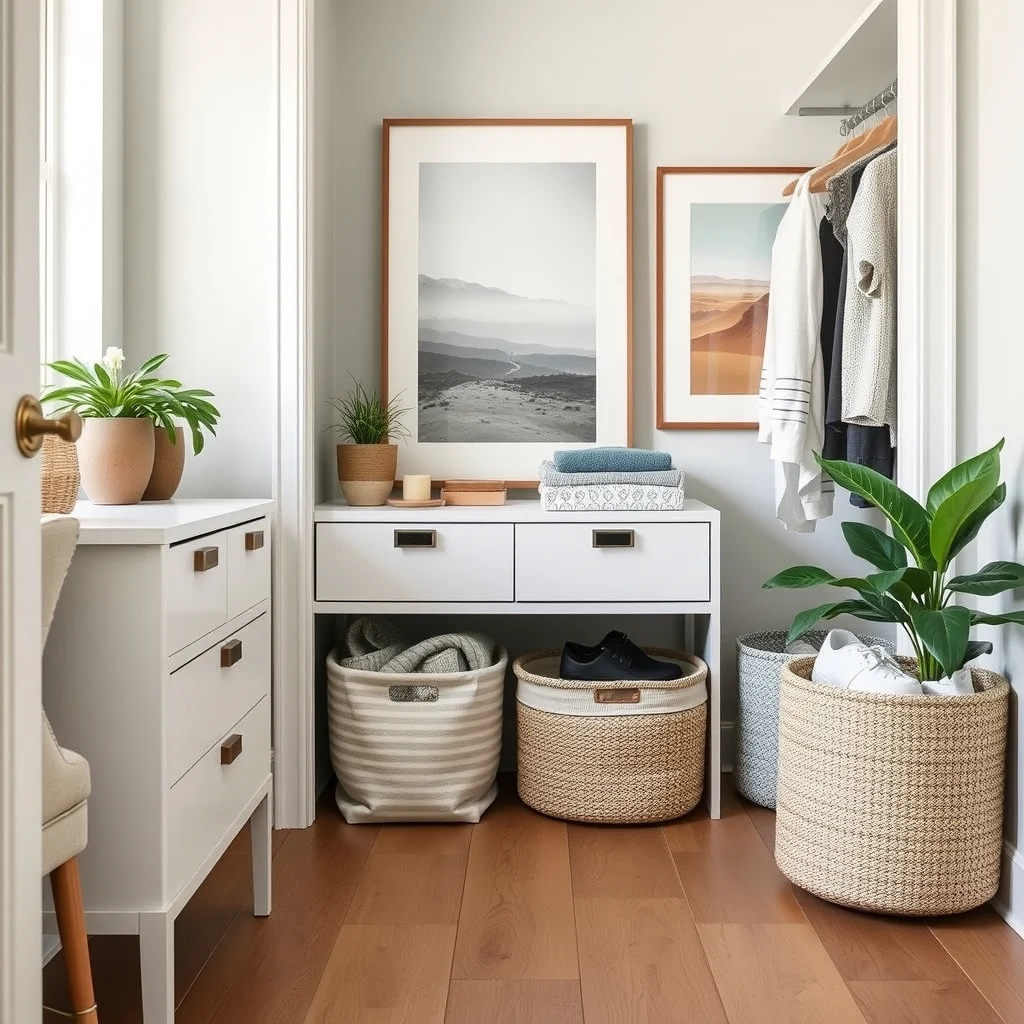
Soft fabric baskets placed on the closet floor provide a tidy home for shoes, folded denim, or laundry hampers. Selecting baskets in a muted hue—such as soft greige linen or muted sage—creates a cohesive visual field that blends with the closet’s interior paint. The woven material allows air circulation, reducing odor buildup. Because the baskets sit on the floor, they do not interfere with hanging space, but they do consume part of the shallow depth, so it’s wise to keep the basket height modest, around six inches, to maintain easy reach.
6. Transform the Back Wall into a Pegboard Gallery
© 2026 AI Illustrator — Inspiration Only
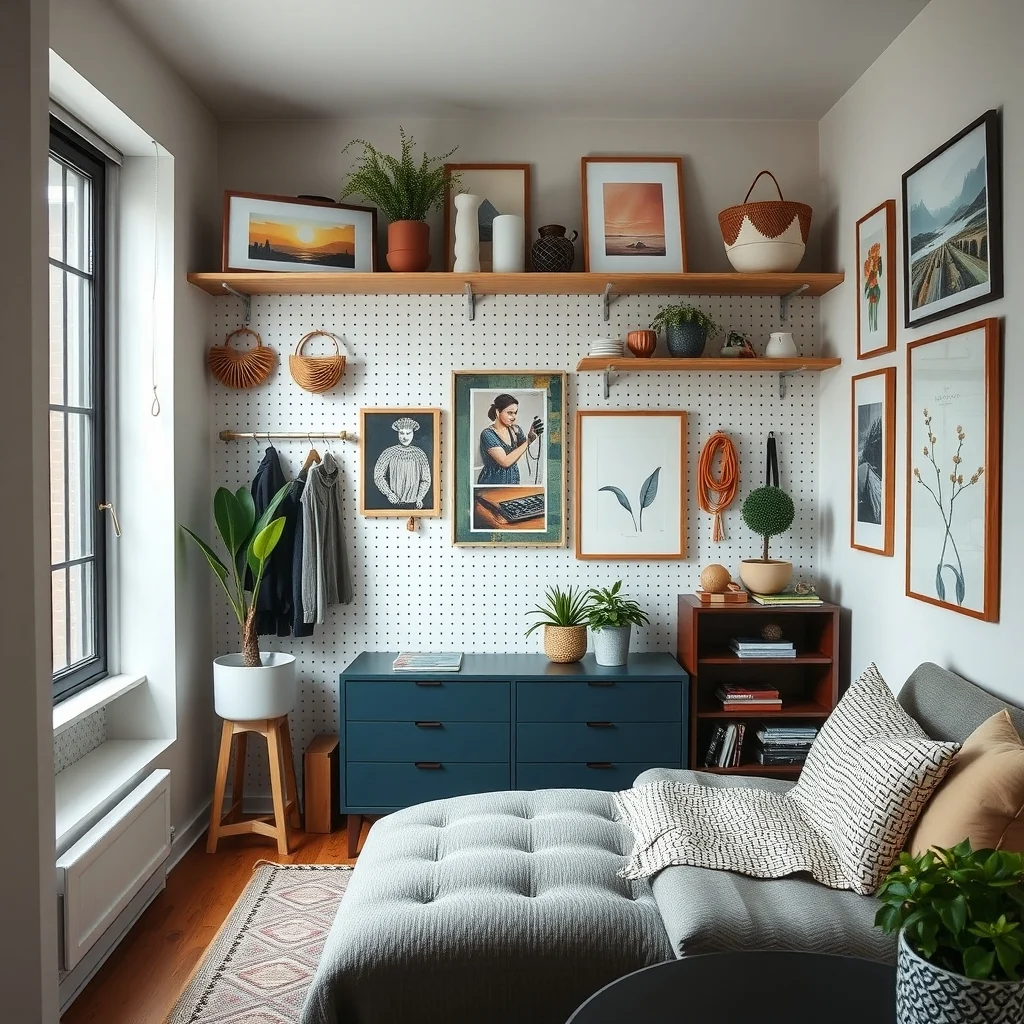
A pegboard mounted on the back wall turns an unused vertical surface into a flexible storage canvas. Hooks, small shelves, and magnetic strips can hold anything from belts and ties to jewelry and travel bags. The modular nature of pegboard means you can rearrange accessories as your needs change, and the board itself can be painted a neutral tone to match the closet’s interior. Installation requires drilling into the wall studs for stability; if you rent, consider a removable adhesive system that won’t damage the surface. The main limitation is that pegboards are best suited for smaller items; larger garments still need hanging space.
7. Choose a Mirrored Cabinet That Extends Slightly Beyond the Closet Opening
© 2026 AI Illustrator — Inspiration Only
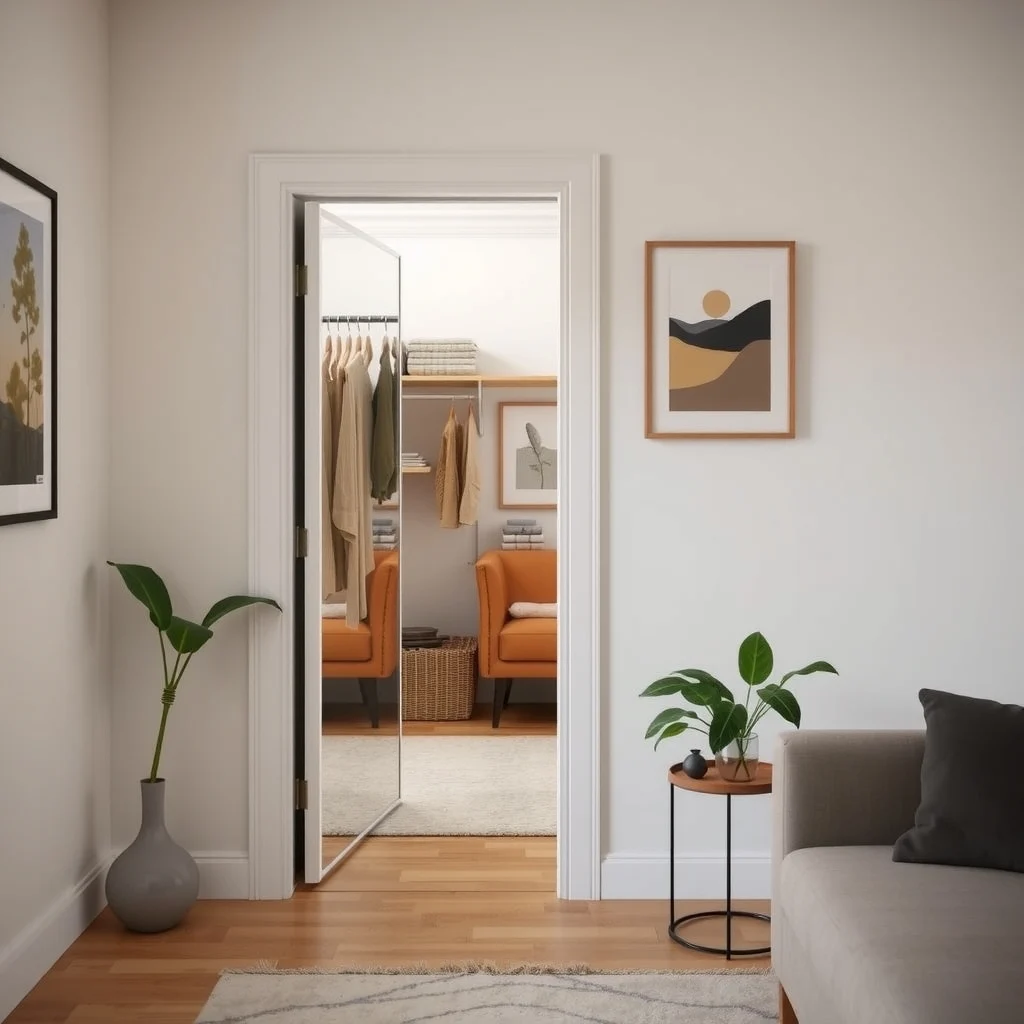
A shallow mirrored cabinet placed just outside the closet door adds a decorative element while providing concealed storage behind the reflective surface. The mirror makes the entry feel larger, and the cabinet’s interior can house handbags, seasonal hats, or a slim row of perfume bottles. Opt for a cabinet with brushed brass handles to introduce a subtle touch of elegance without overwhelming the space. Because the cabinet protrudes slightly, ensure there is enough clearance for the door to swing open fully. If space is extremely tight, a wall‑mounted mirror with a shallow shelf may be a better fit.
FAQ
© 2026 AI Illustrator — Inspiration Only
How can I make a shallow closet feel larger?
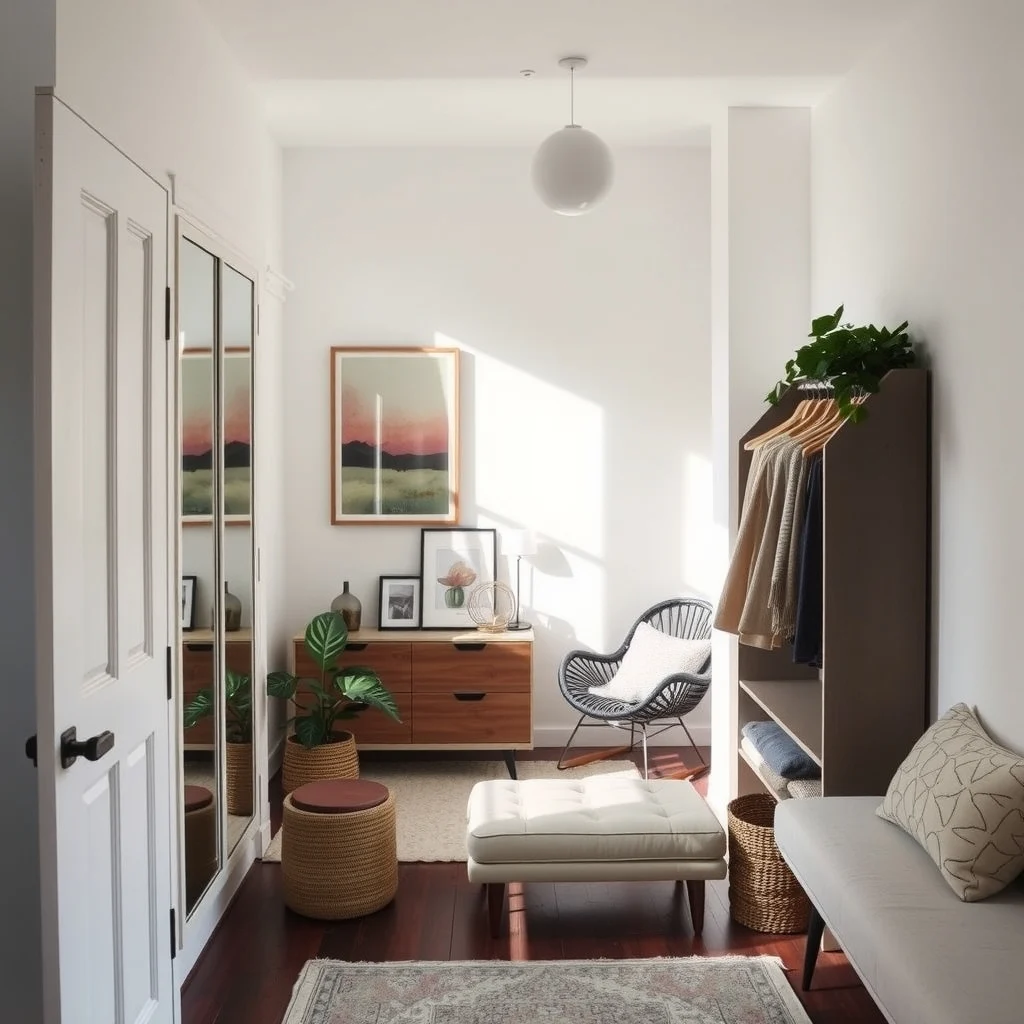
Using reflective surfaces, such as a mirrored cabinet or a glass‑front door, bounces light and creates the illusion of depth. Pair this with a light paint color on the interior walls to keep the space feeling airy.
What are the best materials for portable storage in small apartments?
Lightweight yet sturdy options include powder‑coated metal frames, woven natural fibers, and acrylic containers. These materials are easy to move and resist wear in high‑traffic areas.
Can I install a pegboard without damaging the wall?
Yes, adhesive mounting strips designed for heavy-duty use can hold a pegboard on drywall without drilling. For a more permanent solution, locate wall studs and use screws, but always check your lease agreement before making modifications.
How do I keep clothes organized when I have limited hanging space?
Prioritize double‑hanging rods, use slim non‑slip hangers, and store off‑season items in clear bins on a shelf or in a rolling cart. Group similar pieces together to reduce the time spent searching.
Is it okay to use furniture that extends beyond the closet opening?
Extending a piece such as a mirrored cabinet works as long as the closet door can open fully and the protruding item does not become a hazard in high‑traffic zones. Measure the clearance before purchasing.
Final Thoughts
© 2026 AI Illustrator — Inspiration Only
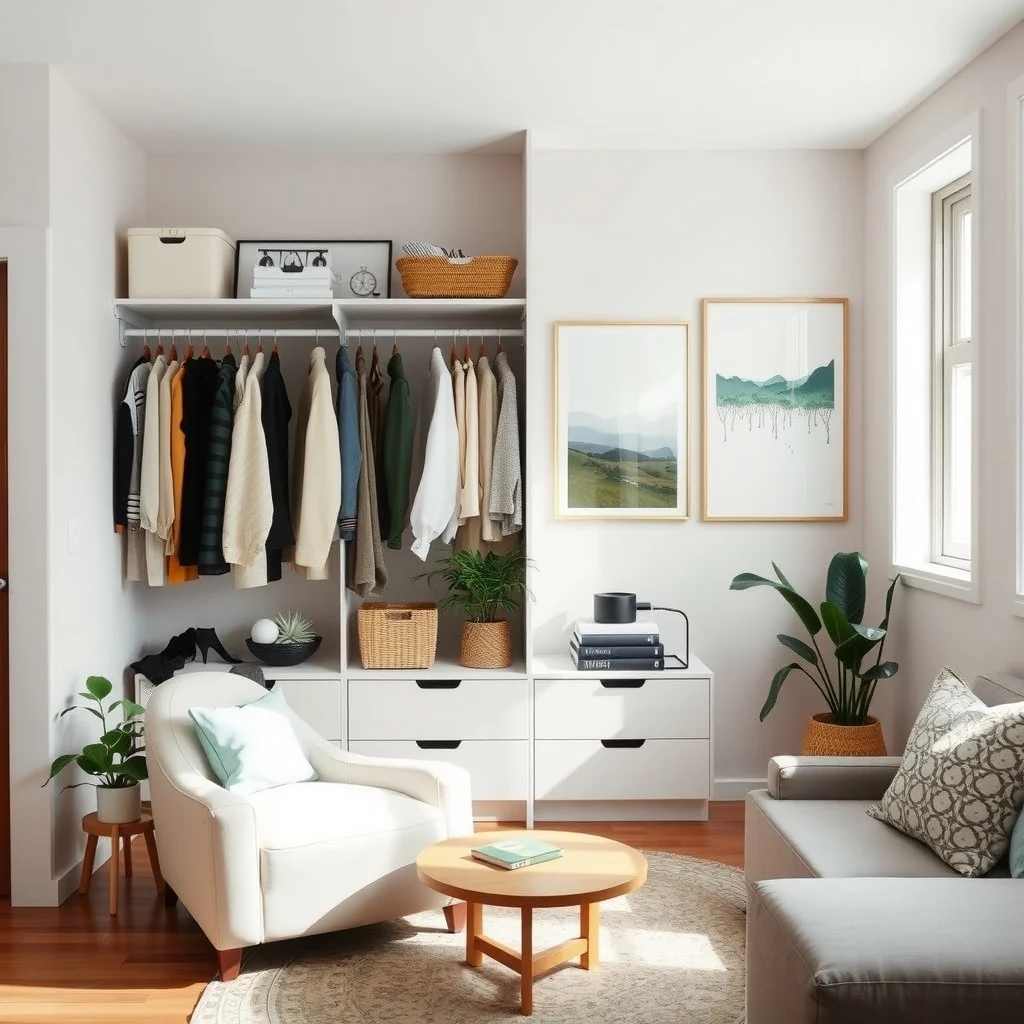
Shallow closets need not be a source of frustration. By thinking vertically, introducing mobile elements, and using the surrounding walls creatively, you can carve out storage that feels both generous and stylish. Each of the ideas above offers a different balance of capacity, aesthetics, and effort, allowing you to mix and match solutions that suit your routine and the character of your apartment. With a few purposeful adjustments, the narrow closet becomes a well‑organized extension of your living space.