
Living in a compact space often means every square foot is already accounted for, and the tangle of cords from phones, tablets, and laptops can quickly become a visual nuisance. A discreet charging spot not only tidies up the room but also reduces the risk of tripping over stray wires. Below are seven approaches that blend functionality with style, allowing you to keep devices powered without sacrificing the aesthetic of a small apartment.
1. Turn a slim side table into a concealed power hub
© 2026 AI Illustrator — Inspiration Only
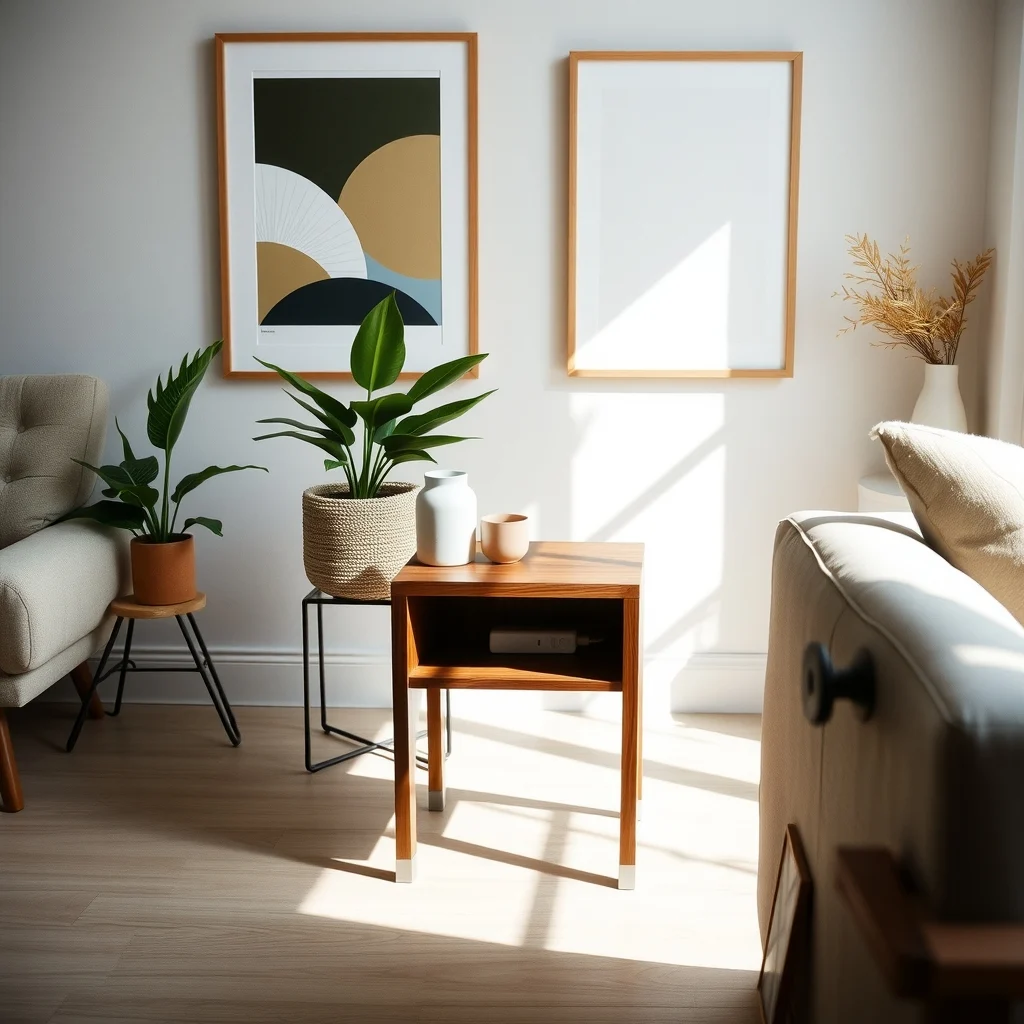
A narrow side table with a hollow interior can serve as a low‑profile charging station. Choose a piece with a sturdy top—oak or walnut finishes work well alongside modern décor—and cut a discreet opening on the underside to run a short power strip inside. The strip remains hidden, while the tabletop provides a convenient surface for phones and a place to set a small decorative object. Because the table sits close to a sofa or armchair, you can keep devices within arm’s reach without cluttering the floor. The main trade‑off is the need for a small drill or router to create the opening, but the result is a seamless blend of storage and technology.
What’s Your Apartment Decor Style?
Answer these quick questions to discover your perfect decor vibe.
2. Install a floating shelf with an integrated outlet
© 2026 AI Illustrator — Inspiration Only
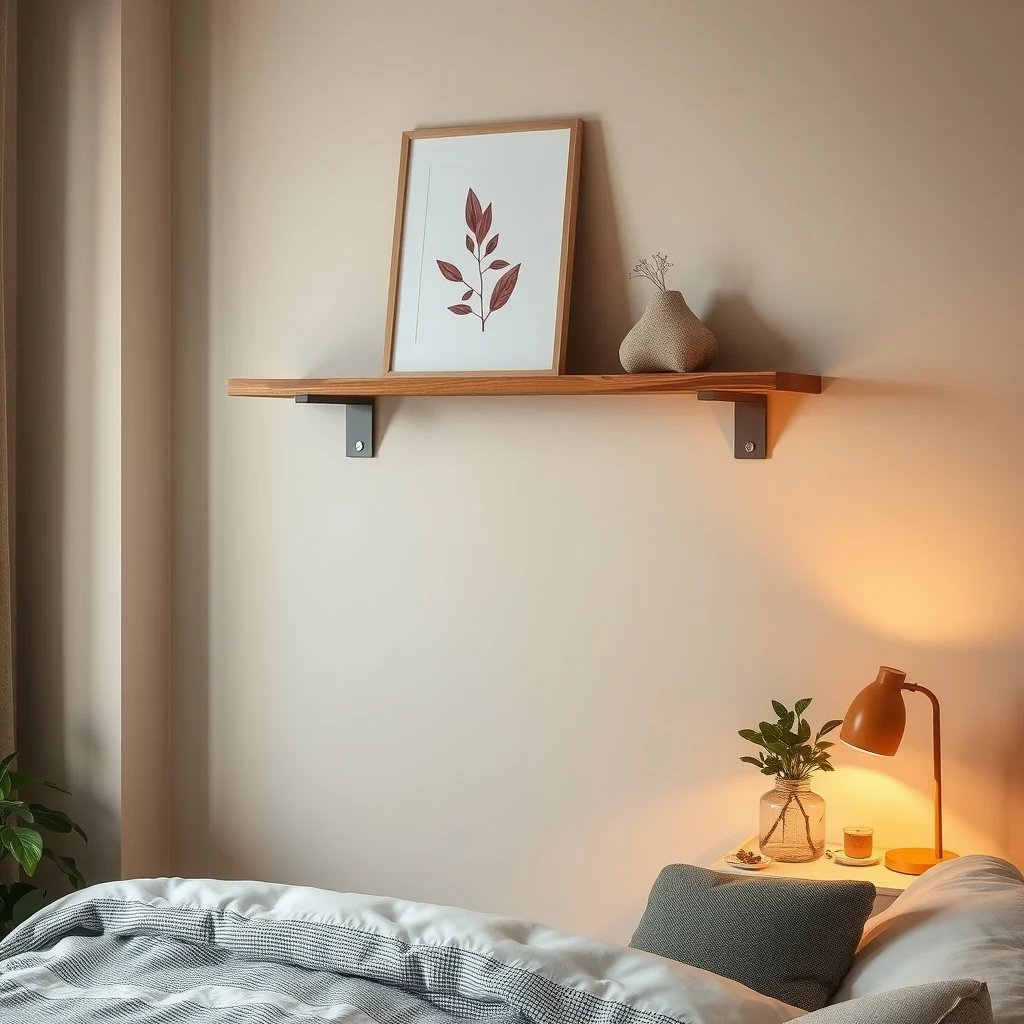
A floating shelf placed above a desk or near a bed creates vertical storage while concealing power. Select a shelf made from reclaimed pine or a matte metal to match the room’s palette, then mount a slim power strip behind it. By routing the cords through a drilled hole at the back, the cables disappear into the wall cavity, leaving only the devices on the shelf’s surface. This arrangement frees floor space and adds a visual focal point. One limitation is the need for precise measurements to ensure the strip fits without protruding, but the clean look often outweighs the extra effort.
3. Repurpose a decorative storage ottoman for hidden outlets
© 2026 AI Illustrator — Inspiration Only
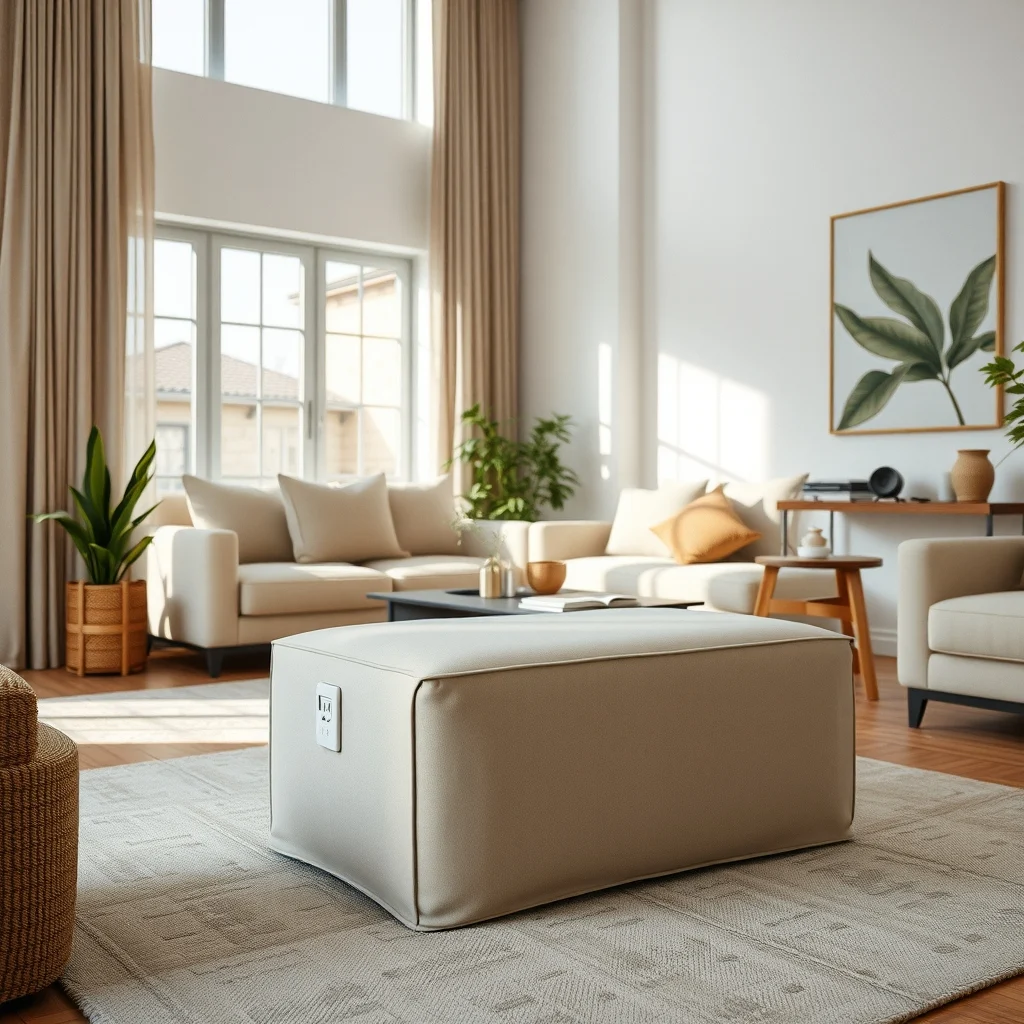
A plush ottoman can double as a charging nook when its interior is fitted with a small outlet box. Choose an ottoman upholstered in linen or boucle that complements the living area’s texture. Remove the cushion, install a short power strip, and replace the lid, leaving a narrow seam that blends with the fabric. Devices can be placed on the top while the cords run through a concealed channel. The added benefit is extra seating, but the weight of multiple devices may compress the cushion over time, so consider a firmer foam if you plan heavy use.
4. Use a wall‑mounted vanity mirror with concealed sockets
© 2026 AI Illustrator — Inspiration Only
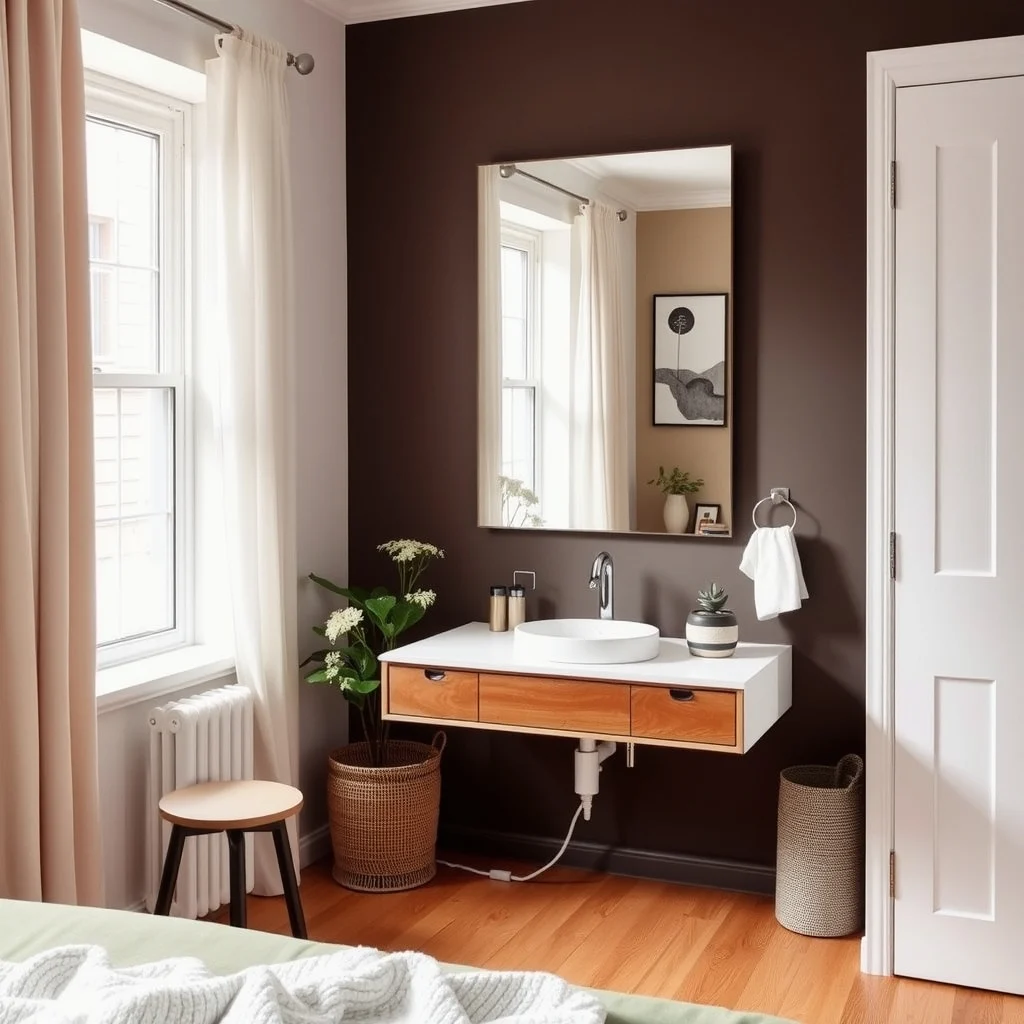
In a bedroom or bathroom, a vanity mirror with built‑in outlets offers a sleek solution. Mirrors with a thin metal frame often have a rear cavity that can accommodate a low‑profile power strip. By routing the cords behind the mirror, you keep the surface free for grooming while still charging a phone or electric toothbrush. The reflective surface also helps bounce light, making the space feel larger. The primary consideration is ensuring the mirror’s mounting hardware can support the added weight of the strip and any plugged‑in devices.
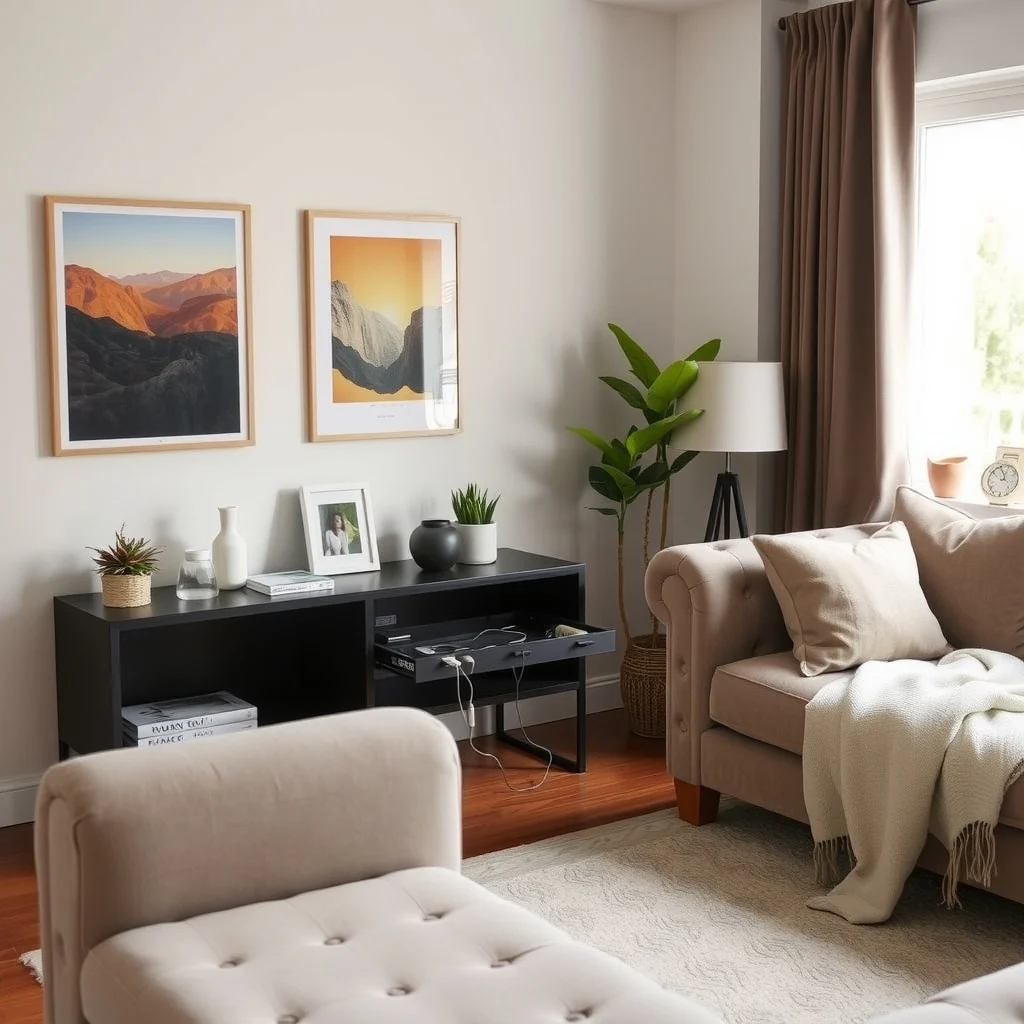
5. Fit a narrow console behind the sofa for a pull‑out charging drawer
© 2026 AI Illustrator — Inspiration Only
A console that slides behind a sofa provides a discreet place to stash chargers. Opt for a piece finished in matte black metal or a soft greige wood that echoes the surrounding décor. Install a shallow drawer that houses a power strip, and cut a small opening on the front panel for cables to exit. When the drawer is closed, the console appears as a simple architectural line, preserving the room’s clean aesthetic. The main drawback is the need for clearance between the sofa and the wall; a tight layout may limit this option.
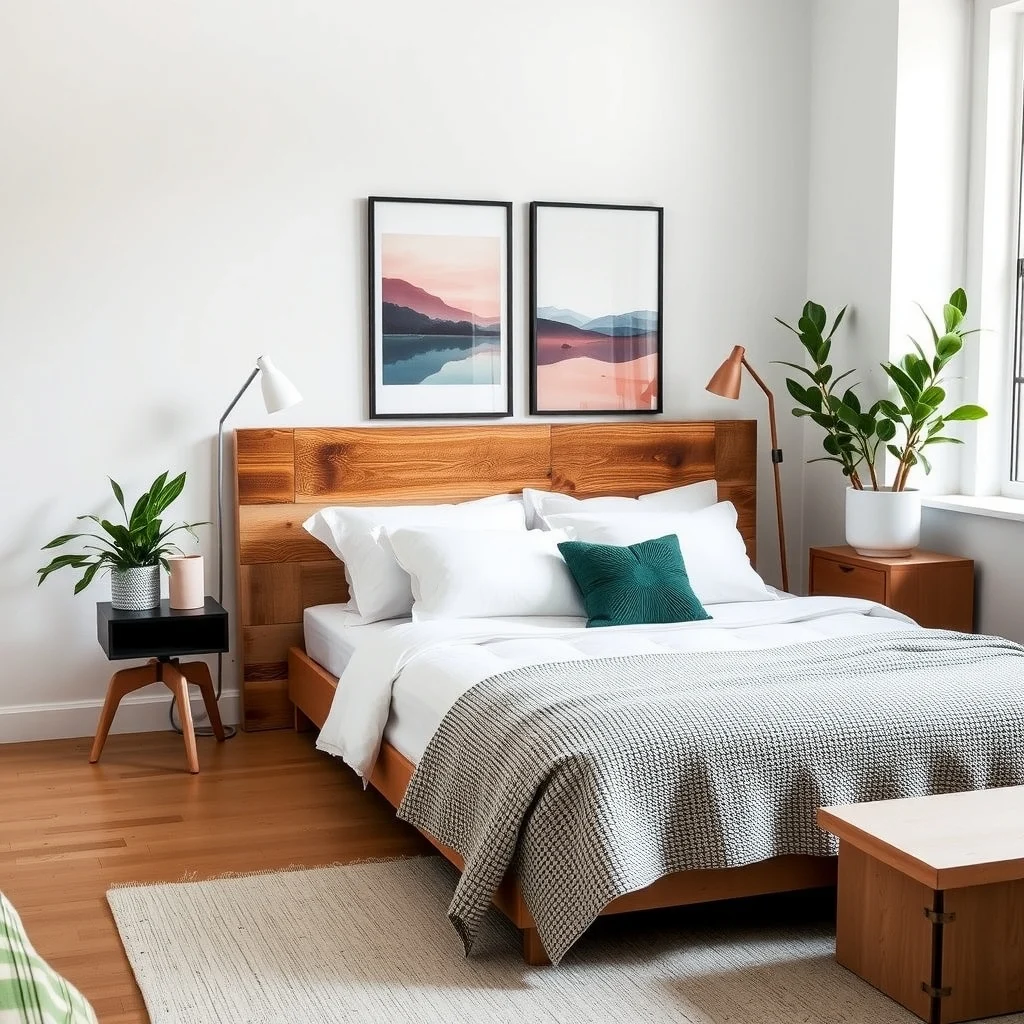
6. Build a headboard with integrated USB ports
© 2026 AI Illustrator — Inspiration Only
A custom headboard can incorporate charging ports directly into its design. Select a headboard made from upholstered panels or reclaimed wood, then route a power strip through a channel at the base. By mounting USB adapters on the side, you create a bedside station that eliminates the need for a nightstand cluttered with cords. The soft lighting from a nearby lamp reflects off the headboard, adding warmth without additional fixtures. This solution requires some carpentry skill, and renters should verify that modifications are permissible before proceeding.
7. Add a pull‑out tray behind a kitchen backsplash for hidden outlets

© 2026 AI Illustrator — Inspiration Only
Even a kitchen can host a concealed charging area. Install a thin metal tray that slides out from behind a tile backsplash, with a power strip mounted inside. The tray remains invisible when closed, preserving the clean line of the backsplash while offering a spot to charge phones while cooking. Choose a brushed brass or brushed nickel finish for the tray to complement stainless appliances. The main limitation is the depth of the cabinet; a shallow space may restrict the size of the tray, but a well‑planned layout can accommodate most standard strips.
FAQ

© 2026 AI Illustrator — Inspiration Only
How can I hide cords safely?
Use cable sleeves or conduit that match the wall color to keep cords out of sight while protecting them from wear. Secure the sleeves with clips to prevent movement that could cause strain on the connections.
Can I install outlets myself in a rental?
In most rentals, adding permanent outlets requires landlord approval. Temporary solutions like power strips placed inside furniture or removable wall plates are safe alternatives that leave no lasting changes.
What type of power strip is best for hidden stations?
A slim, surge‑protected strip with USB ports reduces the need for separate adapters. Look for models with a low profile that can fit behind furniture or inside shallow cavities.
How many devices can I charge at once without overloading?
Check the strip’s total wattage rating and add up the power draw of each device. Most modern strips handle up to 2,000 watts, which comfortably supports several phones, a tablet, and a laptop.
Is it okay to place chargers near fabric?
Charging devices generate heat, so keep them on a hard surface or ensure the fabric is breathable. Avoid covering a charger with a thick blanket for extended periods.
How do I keep the hidden station tidy?
Use cable organizers that snap together and label each cord if multiple devices share the same strip. Regularly declutter unused chargers to maintain a clean appearance.
Final Thoughts
© 2026 AI Illustrator — Inspiration Only
Creating a hidden charging station in a small apartment is less about buying expensive gadgets and more about rethinking existing pieces to serve dual purposes. Whether you choose a hollow side table, a floating shelf, or a custom headboard, each solution blends utility with design, allowing you to keep devices powered without compromising the room’s look. By paying attention to materials, placement, and safety, you can enjoy a clutter‑free environment that feels organized and welcoming.