
When you move into a new apartment, the first thing you notice is often the paint. A wall that was chosen by the previous tenant or the landlord can feel too bold, too dark, or simply out of step with the style you want to create. Rather than accepting a backdrop that clashes with your vision, you can use a handful of design strategies to soften, mask, or even celebrate that color. Below are seven ideas that show how to work with an unwanted wall hue while keeping the overall feel of your home cohesive and inviting.
1. Layer a Light‑Colored Gallery Wall
© 2026 AI Illustrator — Inspiration Only
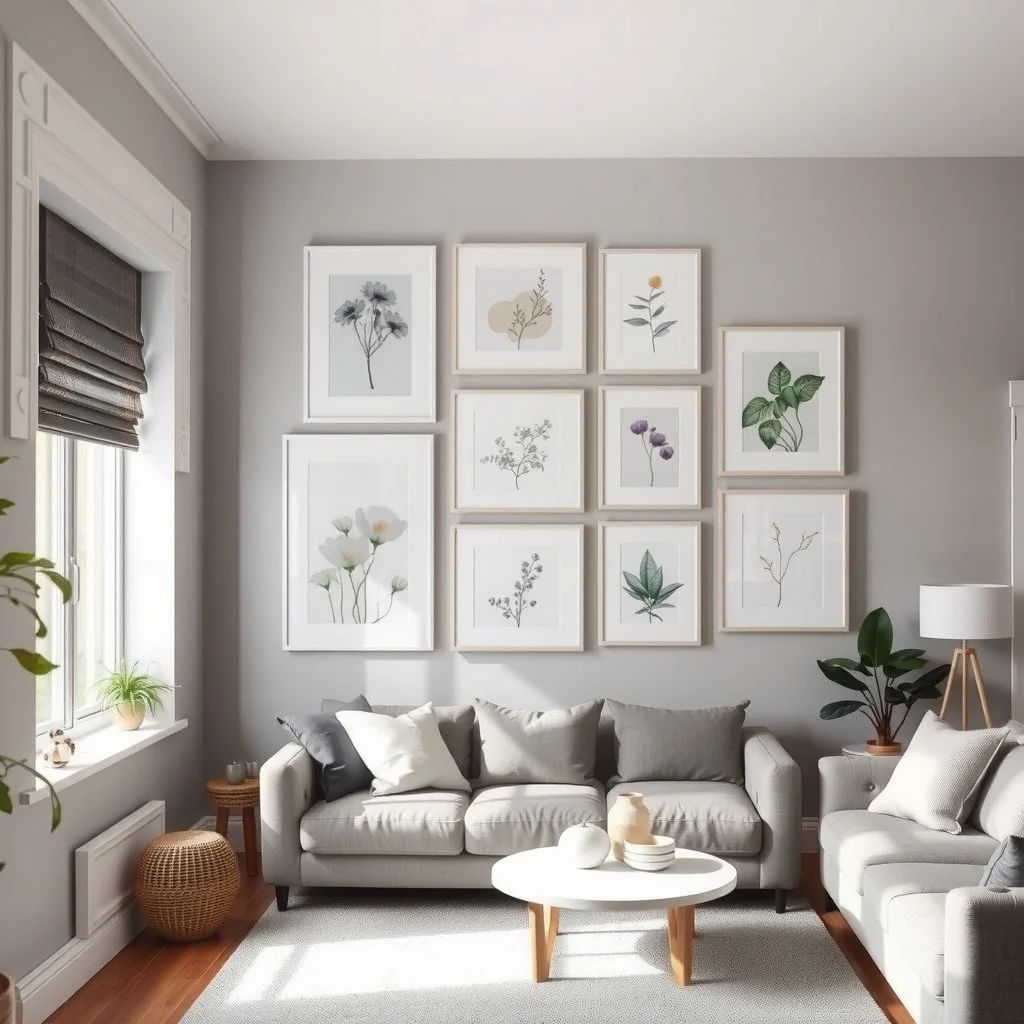
One of the most effective ways to dilute a strong wall tone is to create a gallery display that introduces a lighter visual field. By hanging a collection of frames in whites, soft greys, or muted wood finishes, the eye is drawn to the varied surfaces rather than the background. The frames act like tiny windows, breaking up the expanse of color and allowing natural light to bounce off the glass. Choose artwork or prints that incorporate hints of the wall’s original shade; this subtle echo keeps the room feeling intentional rather than patched.
What’s Your Apartment Decor Style?
Answer these quick questions to discover your perfect decor vibe.
When arranging the pieces, keep the spacing even and the overall shape rectangular or square. This regularity adds order, which is especially helpful in smaller apartments where clutter can feel overwhelming. The gallery wall also provides a convenient place to switch out images as your taste evolves, making it a flexible solution rather than a permanent fix.
2. Add a Freestanding Room Divider
© 2026 AI Illustrator — Inspiration Only
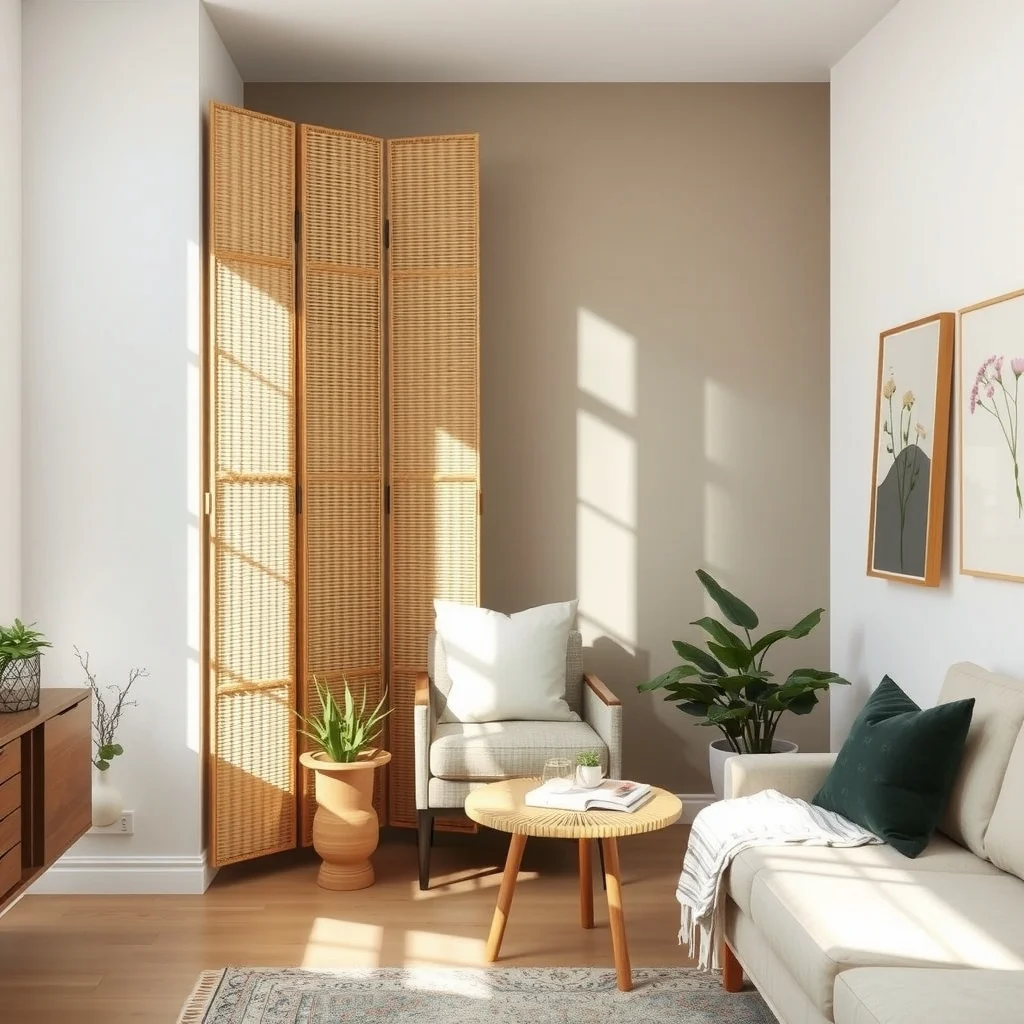
If the problematic wall dominates an open‑plan space, a freestanding divider can carve out a softer zone without permanent construction. Materials such as woven rattan, frosted glass, or a lightweight wood screen introduce texture that distracts from the underlying paint. The divider’s own color palette—often neutral or natural—creates a buffer that softens the visual impact of the wall while still allowing light to filter through.
Position the divider a few feet away from the wall to create a sense of depth. This arrangement works well for separating a home office corner from a living area, and the added surface can double as a place to display a few decorative objects, like a small potted plant or a stack of books, further pulling attention away from the original hue.
3. Use Large‑Scale Rugs to Anchor the Space
© 2026 AI Illustrator — Inspiration Only
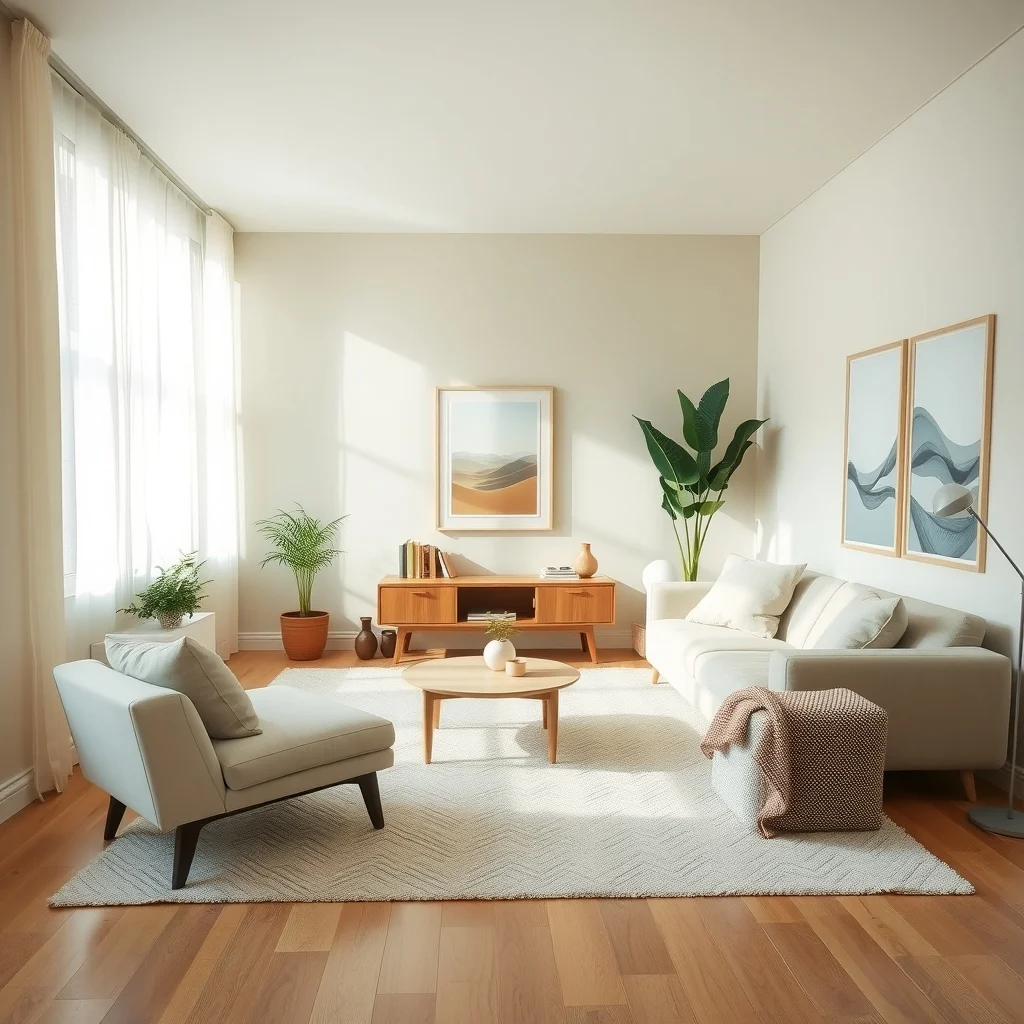
Floor coverings have a surprising ability to influence how we perceive wall colors. A large rug in a light, neutral shade—think ivory, pale taupe, or soft sage—can ground the room and draw the eye downward, reducing the dominance of an unwanted wall. The texture of the rug also adds a tactile layer that makes the space feel more comfortable and less stark.
When selecting a rug, consider the room’s traffic flow. A rug that extends beyond the furniture’s footprint creates a balanced border, while a rug placed only under a coffee table can still work if the surrounding floor is a light wood or polished concrete. Keep the rug’s pattern simple; busy designs may compete with the wall, whereas a subtle weave or muted geometric motif supports the overall calming effect.
4. Install Adjustable Shelving with Light Back Panels
© 2026 AI Illustrator — Inspiration Only
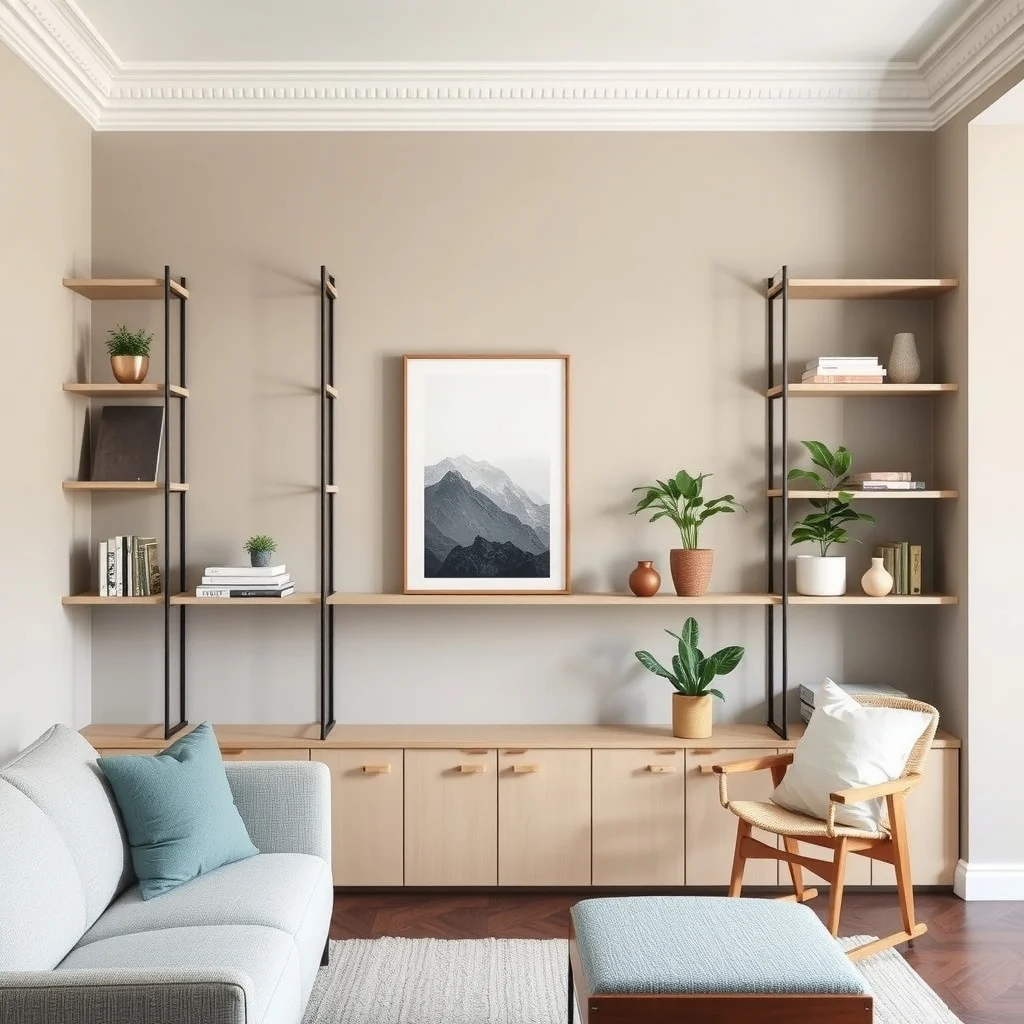
Built‑in shelving can be an elegant way to introduce a new surface that competes with an overpowering wall color. Opt for modular units that allow you to insert back panels made of white melamine, light‑stained plywood, or even a thin sheet of acrylic. These panels reflect light and create a visual break, turning the wall into a functional backdrop rather than a decorative flaw.
Arrange books, ceramics, and small plants on the shelves, mixing heights to add visual interest. The act of placing items on the shelves gives you control over the wall’s appearance without committing to paint or wallpaper. Just be sure to secure the shelving properly to the studs, especially if you plan to store heavier objects.
5. Introduce Soft, Reflective Textiles
© 2026 AI Illustrator — Inspiration Only
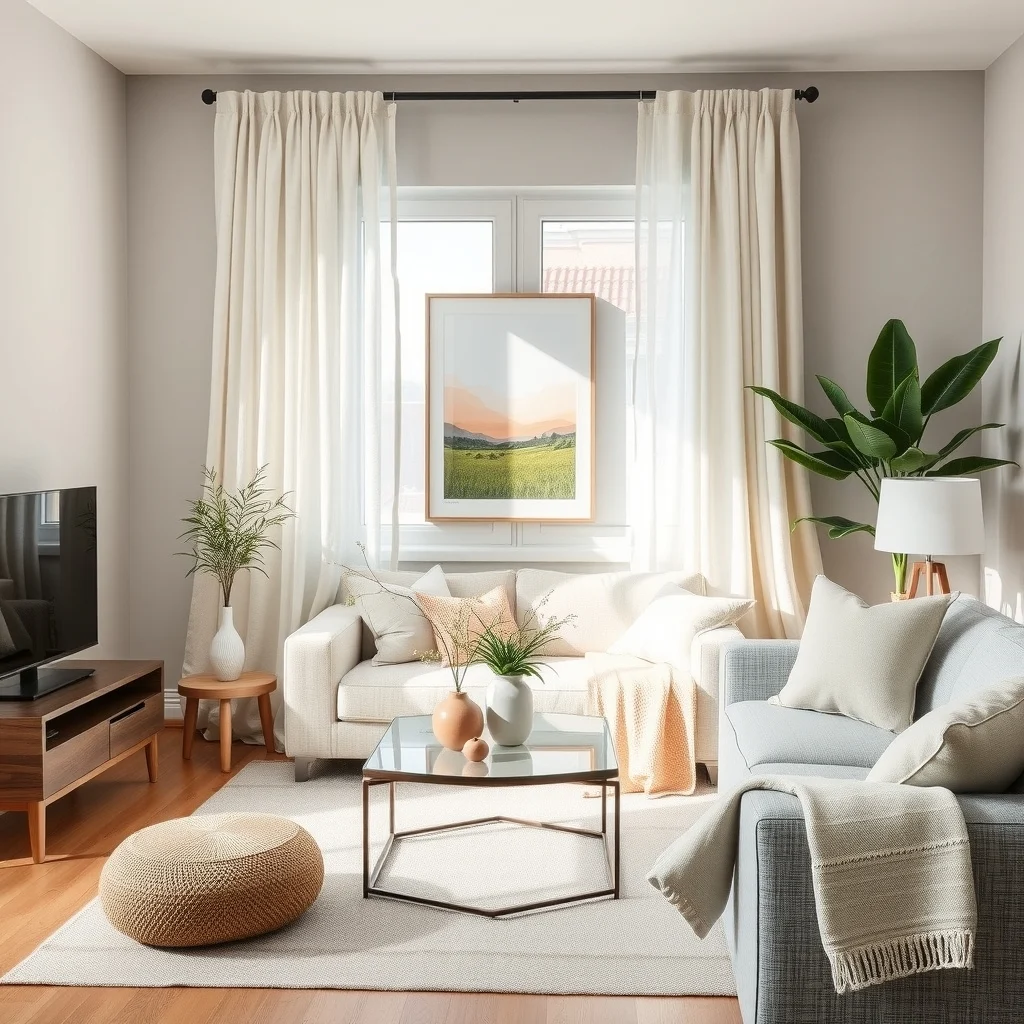
Throw pillows, curtains, and upholstered furniture in light, reflective fabrics can shift the room’s mood dramatically. Linen or cotton drapes in off‑white or pale dove grey allow natural light to pass through while diffusing the wall’s intensity. When the drapes are pulled back, the sheer material still offers a gentle filter that tempers the color behind it.
On the sofa, layer pillows in a mix of muted tones—perhaps a dusty rose or muted mustard—that pick up other accents in the room. The combination of soft textures and light hues creates a visual cushion that makes the wall feel less intrusive, and the textiles can be swapped seasonally for a fresh look without any permanent changes.
6. Apply Removable Wallpaper Panels
© 2026 AI Illustrator — Inspiration Only
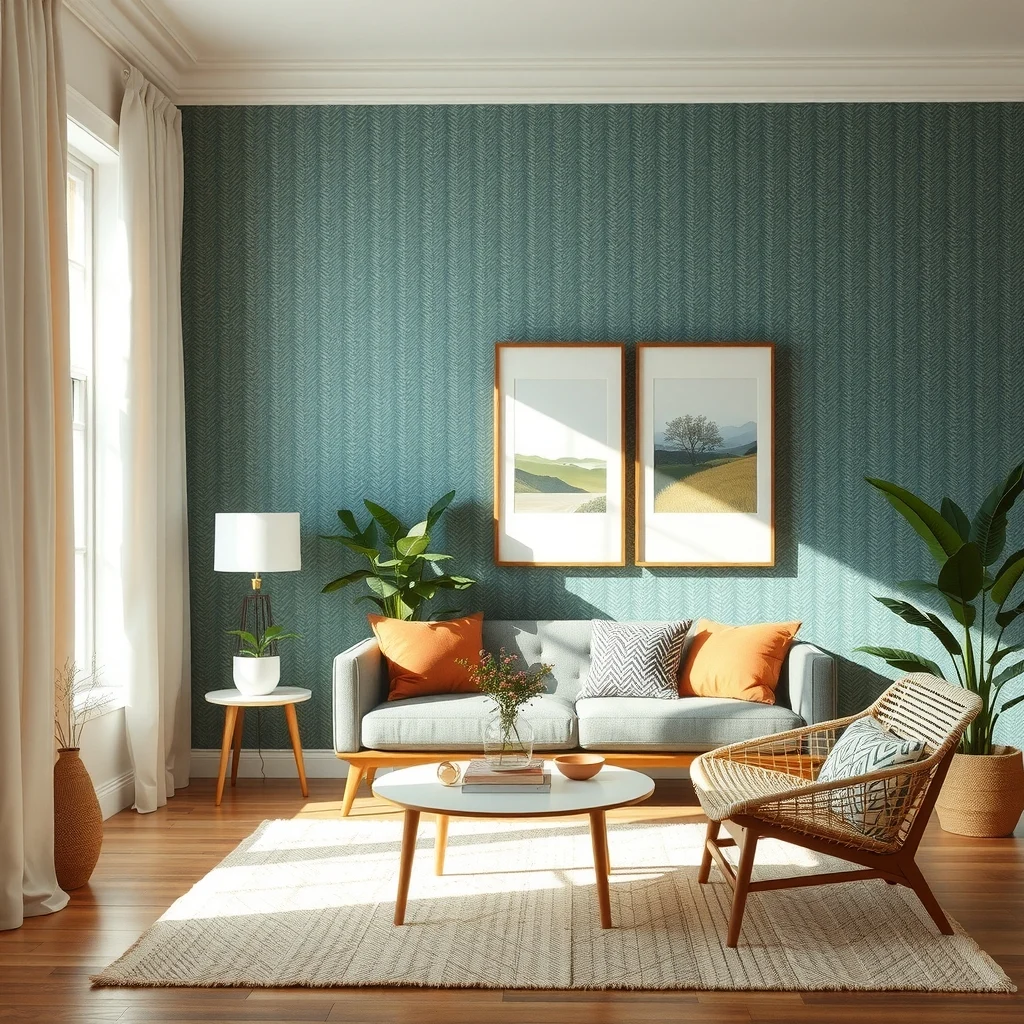
For renters or anyone hesitant to commit to a full paint job, removable wallpaper offers a reversible method to cover an unwanted hue. Choose panels that feature a subtle pattern—such as a fine herringbone or a faint botanical print—in a neutral palette. Because the panels are self‑adhesive and can be peeled away without damaging the surface, they provide a low‑risk way to experiment with texture and color.
Install the panels in a staggered arrangement to avoid a monotonous look. This technique adds depth and can be aligned with existing architectural features like windows or door frames. When it’s time for a change, the panels can be removed and stored, leaving the original paint untouched for future tenants.
7. Highlight Architectural Details with Accent Lighting
© 2026 AI Illustrator — Inspiration Only
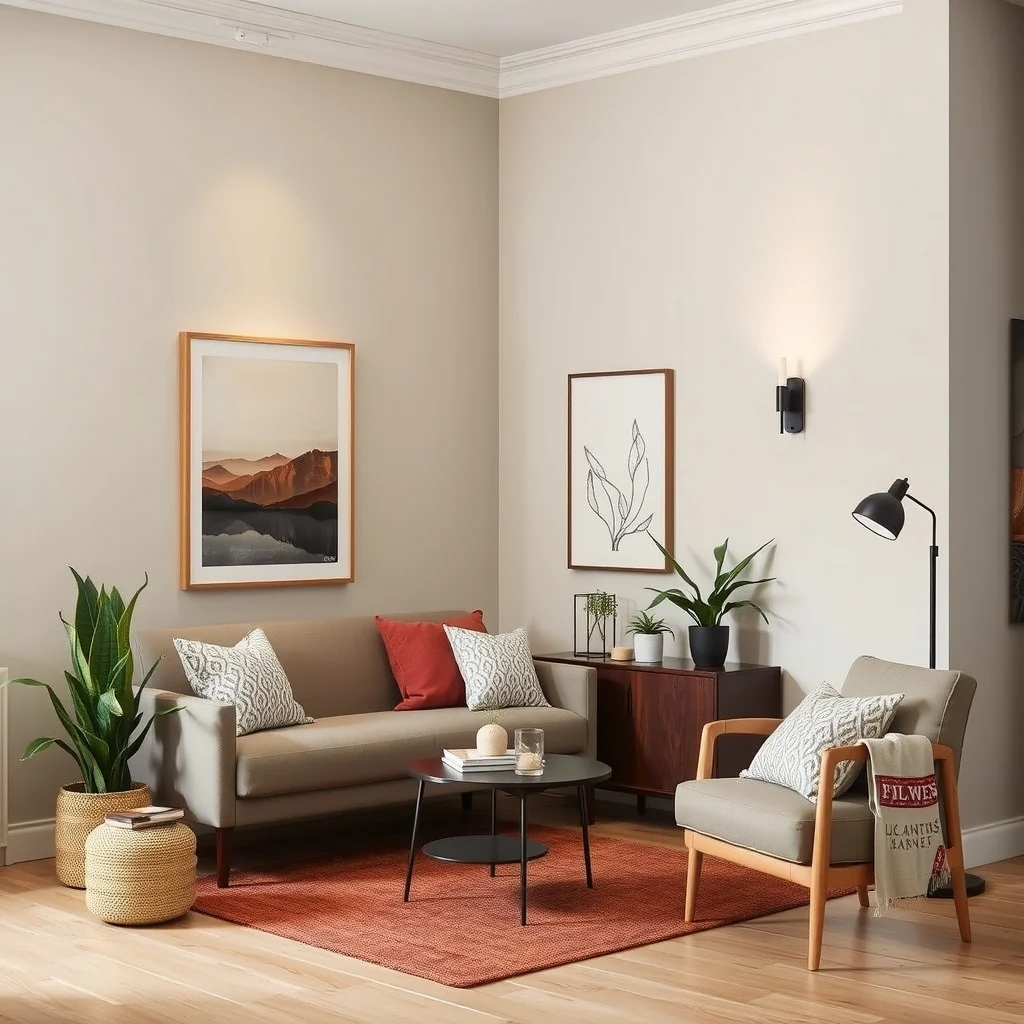
Strategic lighting can shift focus away from an unflattering wall and toward the room’s positive attributes. Install a narrow track light or a pair of wall sconces that aim at a piece of artwork, a bookshelf, or a decorative mantle. The directed light creates a pocket of illumination that draws the eye, making the wall’s color recede into the background.
Choose fixtures with a warm LED temperature to complement the room’s overall palette. Dimming capabilities are a bonus, allowing you to adjust the mood from bright daytime to softer evening ambience. By controlling where the light lands, you effectively curate the visual hierarchy of the space.
FAQ
© 2026 AI Illustrator — Inspiration Only
How can I cover a dark wall without making the room feel smaller?
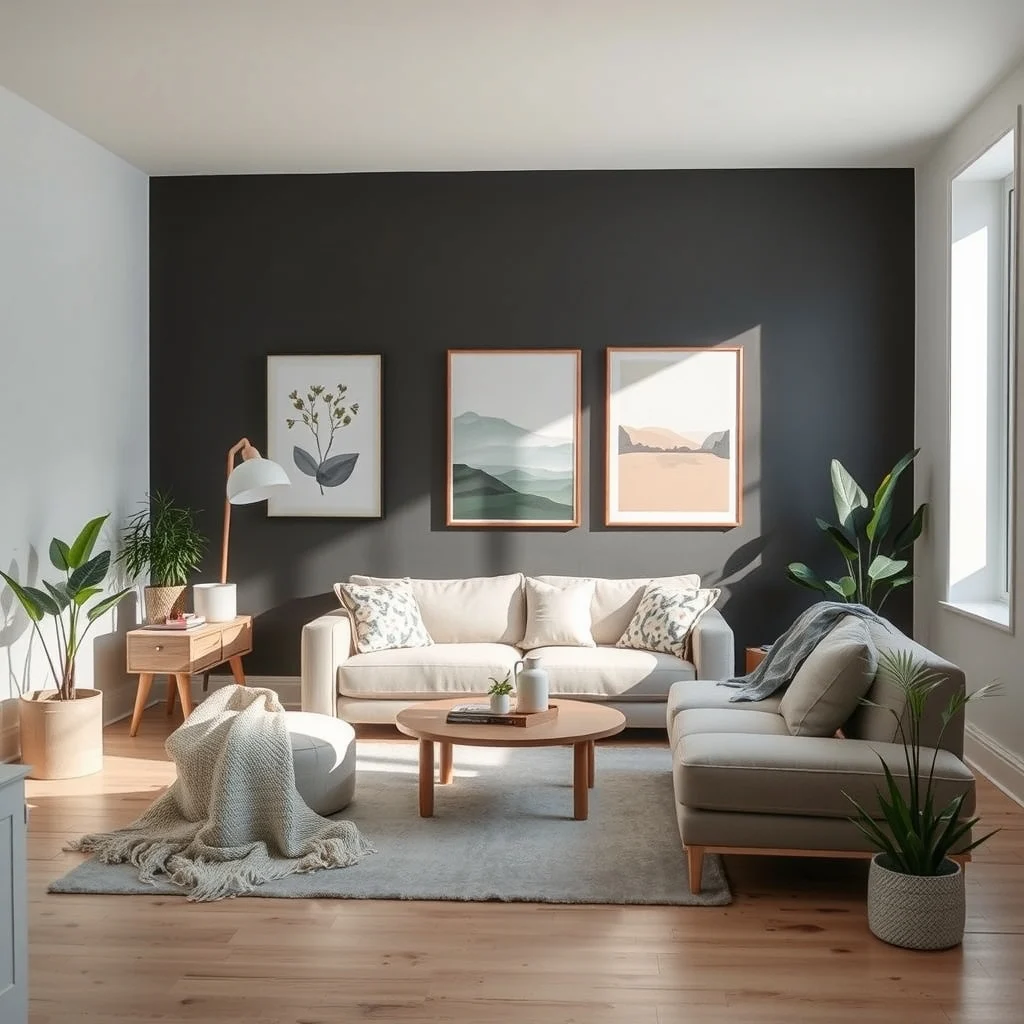
Use light‑colored textiles, large rugs, and reflective accessories to bounce light around the space. These elements brighten the room and create the illusion of more square footage, even when the wall remains dark.
Is removable wallpaper safe for all wall finishes?
Generally, removable wallpaper adheres well to smooth, primed surfaces. Rough or textured walls may cause the adhesive to lift, so it’s best to test a small area first and ensure the wall is clean and dry.
Can I paint over a bold wall color without priming?
Painting directly over a strong hue without a primer often results in uneven coverage and may require multiple coats. A thin layer of primer helps the new paint adhere evenly and reduces the number of topcoats needed.
What type of lighting works best for a room with an unwanted wall color?
Layered lighting—combining overhead fixtures with accent lamps or sconces—creates depth and allows you to direct attention away from the wall. Warm LED bulbs enhance a cozy atmosphere while keeping the overall tone balanced.
Do freestanding dividers affect the flow of a small apartment?
When placed thoughtfully, a lightweight divider can define zones without obstructing movement. Choose a material that allows light to pass, such as frosted glass or open‑weave panels, to maintain an airy feel.
Final Thoughts
© 2026 AI Illustrator — Inspiration Only
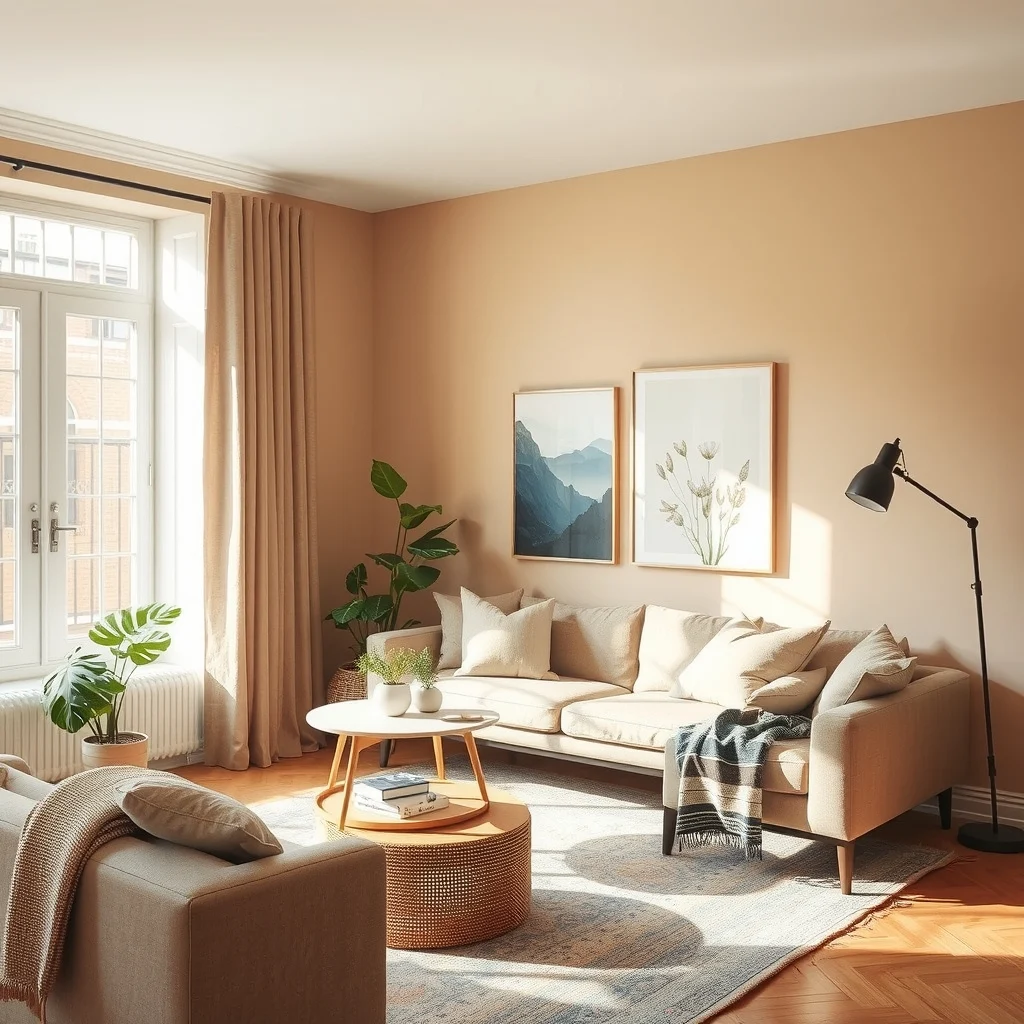
Living with a wall color that doesn’t match your vision doesn’t have to be a permanent compromise. By layering textiles, introducing functional surfaces, and using light strategically, you can reshape the room’s character without drastic renovations. Each of the seven ideas above offers a way to either mask the unwanted hue or turn it into a subtle backdrop for your personal style. Experiment with one or combine several approaches, and you’ll find that the wall becomes a canvas you can work with rather than a barrier you must endure.