
Living in a compact apartment often means sharing a single space with a variety of light sources—morning sun through a narrow window, the cool glow of LED strips, and the warm hum of a floor lamp in the evening. Those shifting tones can make a color feel dramatically different from one hour to the next, which is why many renters feel stuck between a bright, airy palette and a cozy, dim one. This article walks you through seven ideas that help you choose colors that stay harmonious whether the room is bathed in daylight or illuminated by artificial fixtures. By the end, you’ll have a clear plan for building a palette that works with the light you already have, rather than fighting against it.
1. Recognize How Mixed Lighting Alters Perception
© 2026 AI Illustrator — Inspiration Only
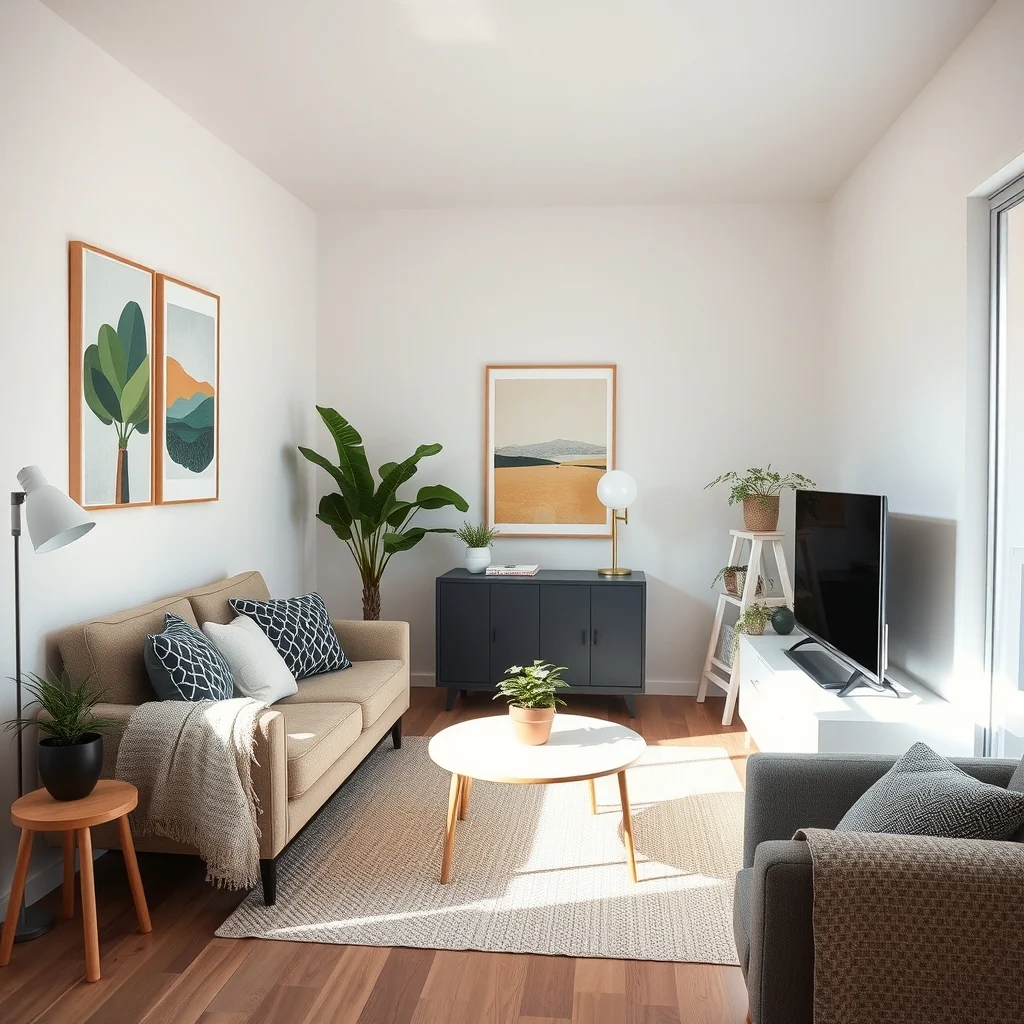
The first step is to understand that daylight, incandescent bulbs, and LED lights each emphasize different parts of the color spectrum. Sunlight leans toward the blue‑green side of the spectrum, which can make warm tones appear muted, while incandescent bulbs add a yellow cast that brightens reds and oranges. Modern LEDs often sit somewhere in between, but their exact hue depends on the color temperature you select. When you stand in a room that transitions from natural to artificial light, a paint that looks soft in the morning may feel flat by nightfall.
What’s Your Apartment Decor Style?
Answer these quick questions to discover your perfect decor vibe.
Take a moment to observe a single wall in your apartment at three different times: just after sunrise, during the late afternoon, and after you’ve turned on your main lamp. Notice which shades shift the most. Those observations will guide you toward pigments that stay balanced across the day, preventing the need for frequent repainting or the frustration of a space that feels “wrong” after dark.
2. Start with a Versatile Neutral Base
© 2026 AI Illustrator — Inspiration Only
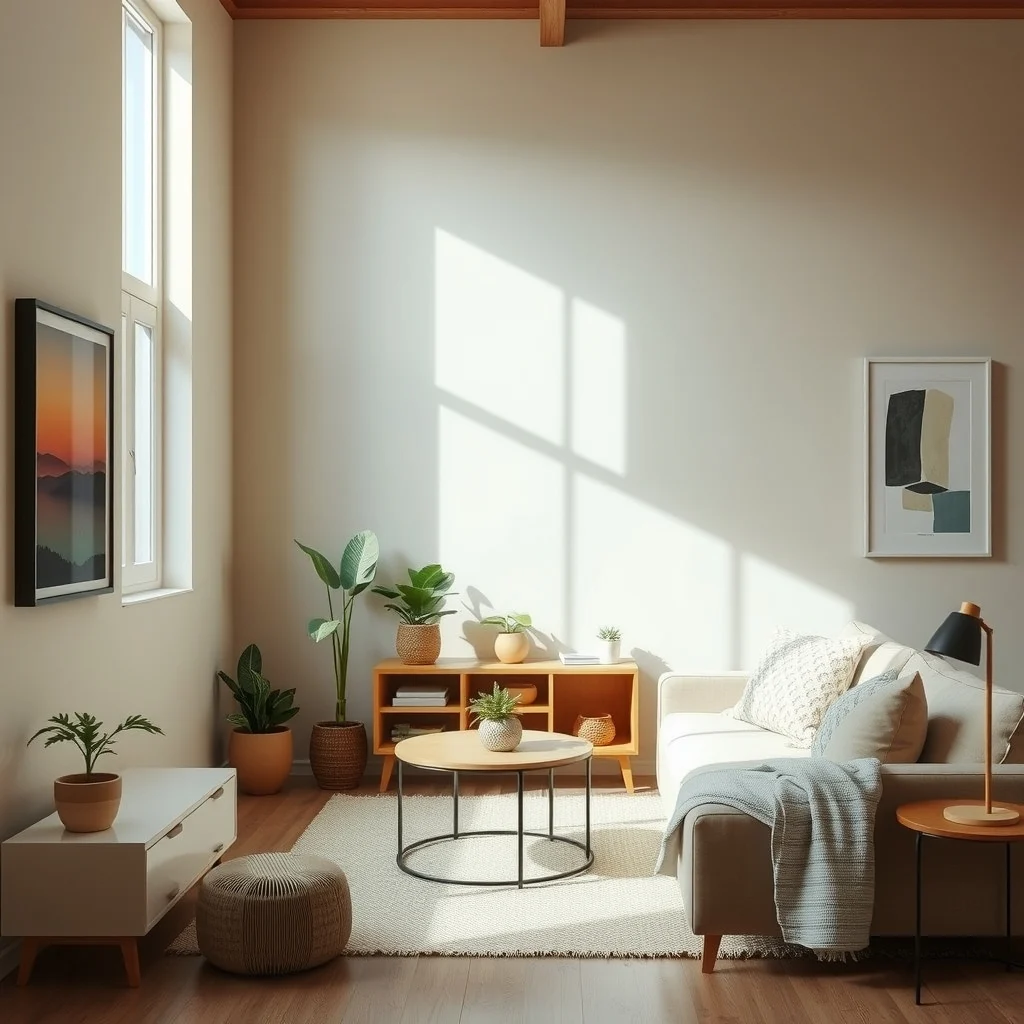
A well‑chosen neutral can act as a canvas that absorbs the quirks of mixed lighting without competing with them. Shades such as warm greige, muted taupe, or a soft mushroom work because they contain both warm and cool undertones. When daylight highlights the cooler side, the warm undertone prevents the wall from feeling sterile; when the room is lit by a yellow lamp, the cool component keeps the space from turning overly amber.
Applying this neutral to larger surfaces—walls, ceilings, and built‑in shelving—creates a cohesive backdrop that lets you introduce accent colors later without overwhelming the eye. Because neutrals tend to hide minor imperfections, they are also forgiving in older apartments where walls may not be perfectly smooth.
3. Add a Muted Accent Hue That Bridges Light Shifts
© 2026 AI Illustrator — Inspiration Only
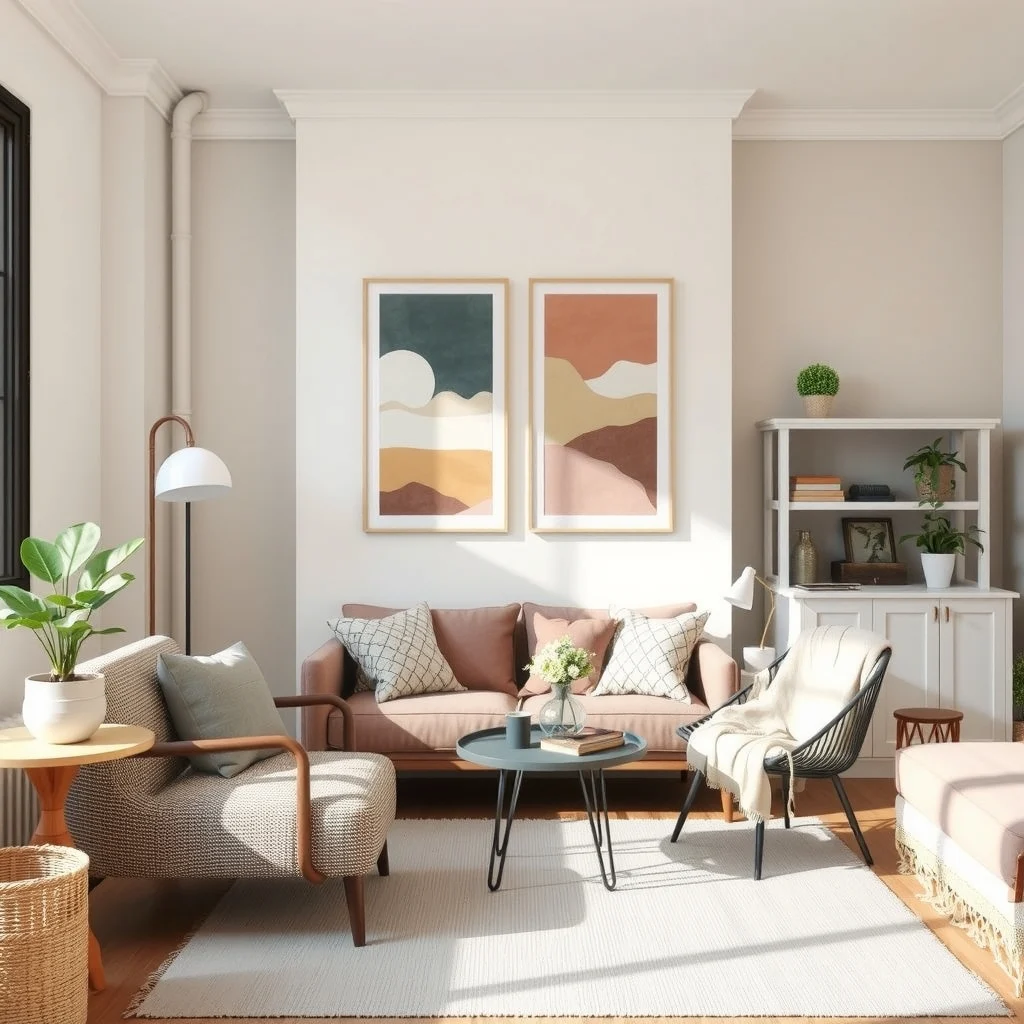
Once the neutral foundation is in place, select an accent hue that remains legible under both daylight and artificial light. Soft sage, dusty blue, and muted terracotta are examples of colors that contain enough depth to stay visible when the room darkens, yet they are subtle enough not to clash with the neutral base. These tones typically have a balanced mix of chroma and value, which means they neither wash out under bright sun nor become too saturated under warm bulbs.
Use the accent on a single wall, a piece of upholstered furniture, or a series of decorative panels. By limiting the color to a defined area, you create visual interest without risking a jarring contrast when the lighting changes. If you’re hesitant, start with a fabric sample or a removable wallpaper strip to see how the shade behaves throughout the day.
4. Layer Textures and Reflective Surfaces to Soften Transitions
© 2026 AI Illustrator — Inspiration Only
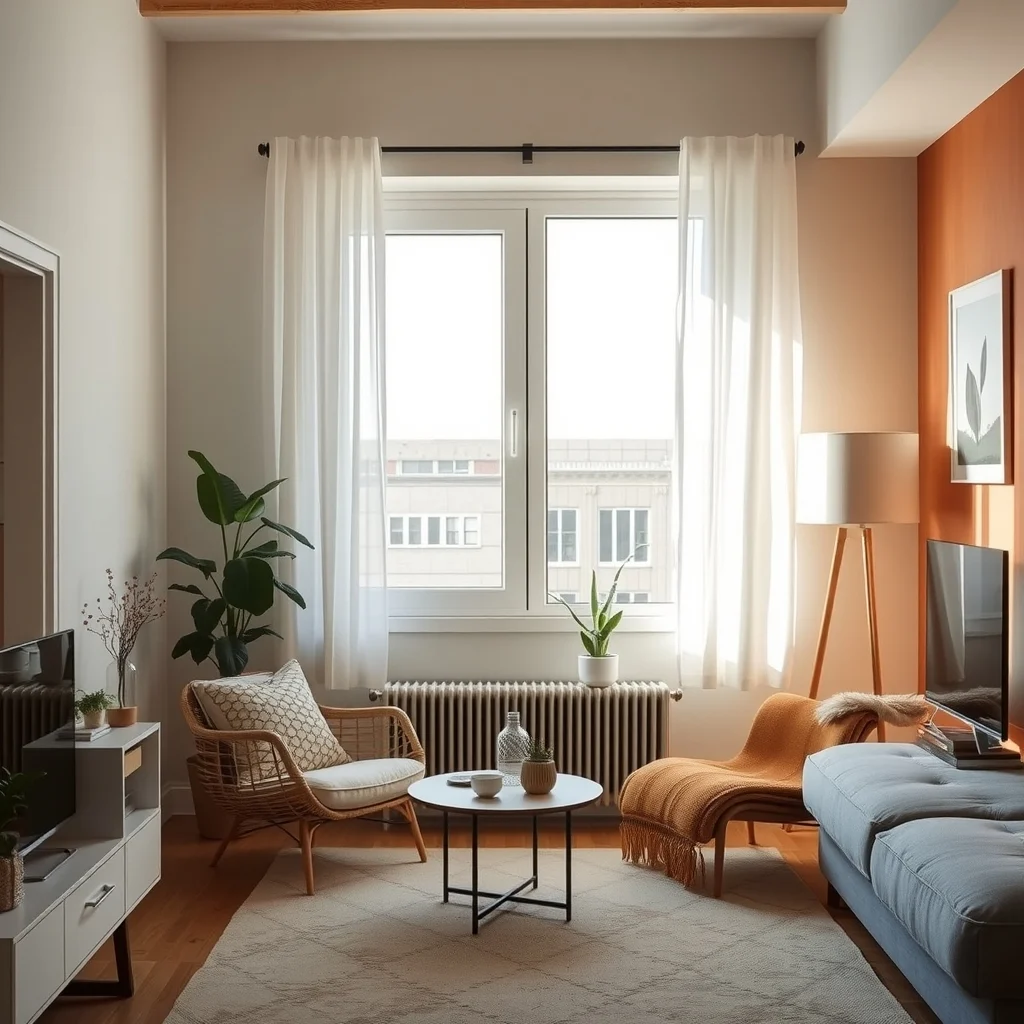
Texture plays a silent but powerful role in how color is perceived. A matte finish will absorb light, making the hue appear richer in low‑light conditions, while a subtle sheen can bounce light and brighten a space during the day. Pairing a matte wall with a lightly brushed metal lamp or a glass coffee table introduces micro‑reflections that smooth out the visual jump between morning and evening.
Consider adding a linen rug, a woven basket, or a brushed‑brass side table. These elements not only contribute tactile comfort but also create a dialogue between the soft, absorbing surfaces and the glossier accents. The result is a room that feels cohesive no matter which light source is dominant.
5. Distribute Color Strategically Across Zones
© 2026 AI Illustrator — Inspiration Only
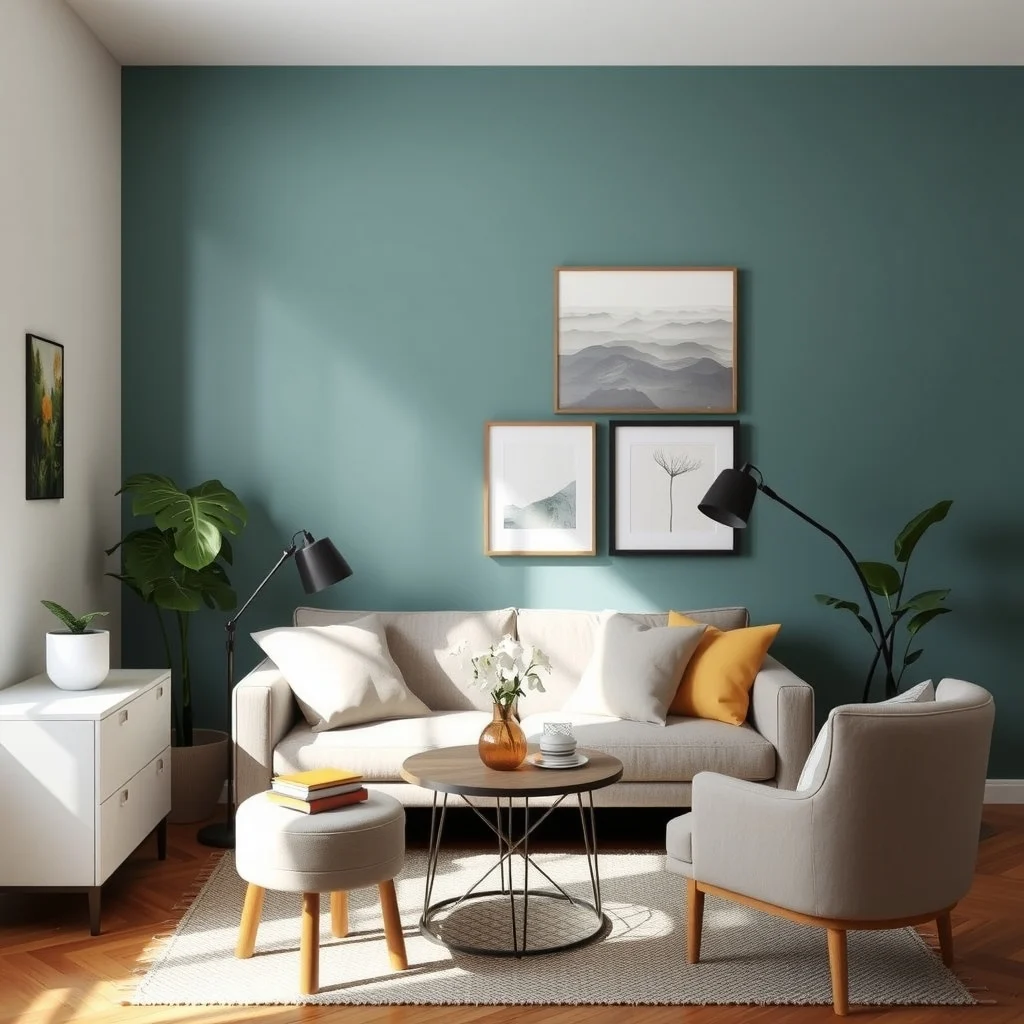
In a small apartment, each functional area—living, sleeping, cooking—shares the same walls, so color placement becomes a tool for zoning. Paint the wall behind the sofa in the accent hue to anchor the seating area, while keeping the kitchen backsplash in a lighter tone of the same family to maintain visual continuity. This approach defines zones without erecting physical barriers, an essential tactic when square footage is limited.
Accessories such as cushions, curtains, or a patterned throw can echo the accent shade, reinforcing the palette without demanding additional paint. By repeating the hue in smaller items, you create a rhythm that unifies the room and helps the eye move smoothly from one corner to the next, even as the lighting shifts.
6. Choose Low‑Maintenance Finishes That Withstand Light Exposure
© 2026 AI Illustrator — Inspiration Only
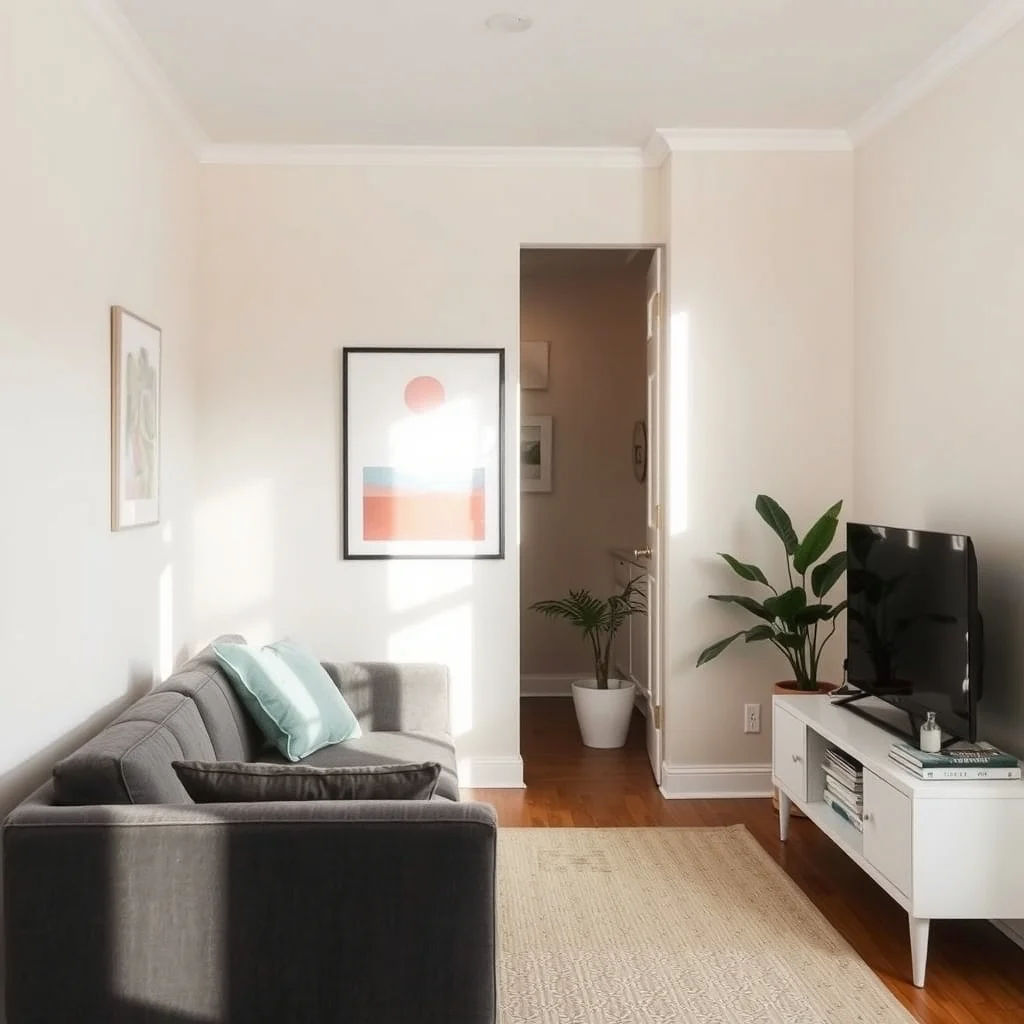
Paint finishes matter more in a mixed‑light environment than many realize. An eggshell or satin finish offers a slight sheen that resists scuff marks while still allowing the color to appear true under varied illumination. Glossy finishes, though reflective, can highlight imperfections and may appear overly bright under strong daylight. Flat finishes hide flaws but can look dull when artificial light dominates.
For high‑traffic areas like entryways or the space around a desk, opt for a satin coat that can be wiped clean without sacrificing depth. In less used corners, a flat finish provides a soft backdrop that absorbs light gently. Selecting the right finish reduces the need for frequent touch‑ups, a practical benefit for renters who may move frequently.
7. Test Samples and Adjust Before Committing
© 2026 AI Illustrator — Inspiration Only
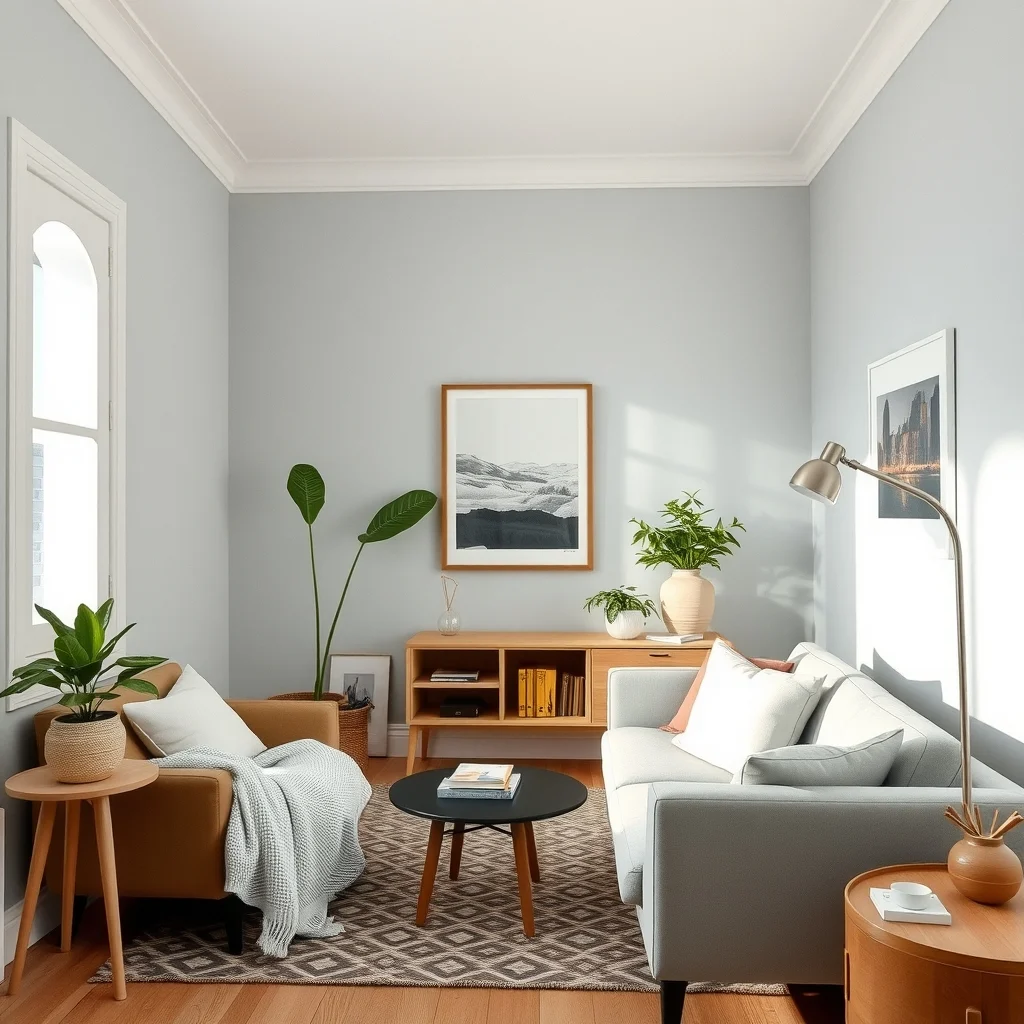
Even with careful planning, the only way to be sure a color works in your specific lighting mix is to test it. Purchase small paint swatches or sample pots and apply them to a 12‑inch square on the wall. Observe the patch at sunrise, mid‑day, and after your evening lamps are on. If the hue looks dramatically different at any point, consider a slightly lighter or darker version of the same color.
Another low‑commitment option is removable wall decals or temporary wallpaper in your chosen accent pattern. These can be peeled away if the effect doesn’t meet expectations, saving you both time and money. The testing phase may add a few days to your project, but it guarantees that the final look feels consistent from dawn to dusk.
FAQ
© 2026 AI Illustrator — Inspiration Only
How can I tell if my apartment has mixed lighting?
You have mixed lighting when the room receives natural daylight at some times and relies on artificial sources at others. Look for windows that let in sun for part of the day and notice the types of bulbs you use—incandescent, LED, or fluorescent—each creates a different color temperature.
Is it safe to use darker colors in a small apartment?
Darker colors can work if they are balanced with lighter neutrals and reflective elements. Pair a deep accent wall with a bright floor, mirrors, or metallic accessories to keep the space from feeling closed in.
Which paint finish is best for a room that changes light often?
A satin or eggshell finish offers a modest sheen that helps the color stay visible under both bright and dim conditions while also being easy to clean.
Can color make my small room appear larger?
Light, cool tones such as soft blues or gentle greys reflect more light and can create the illusion of extra space. Using these shades on walls and ceiling, and limiting bold accents to one wall, helps the eye travel further.
Do I need to repaint if I change my lighting fixtures?
Changing a fixture may shift the room’s overall hue, but repainting isn’t always necessary. Adding a new lamp shade or swapping a bulb for a different temperature can be a quick way to adjust the ambiance without repainting.
Final Thoughts
© 2026 AI Illustrator — Inspiration Only
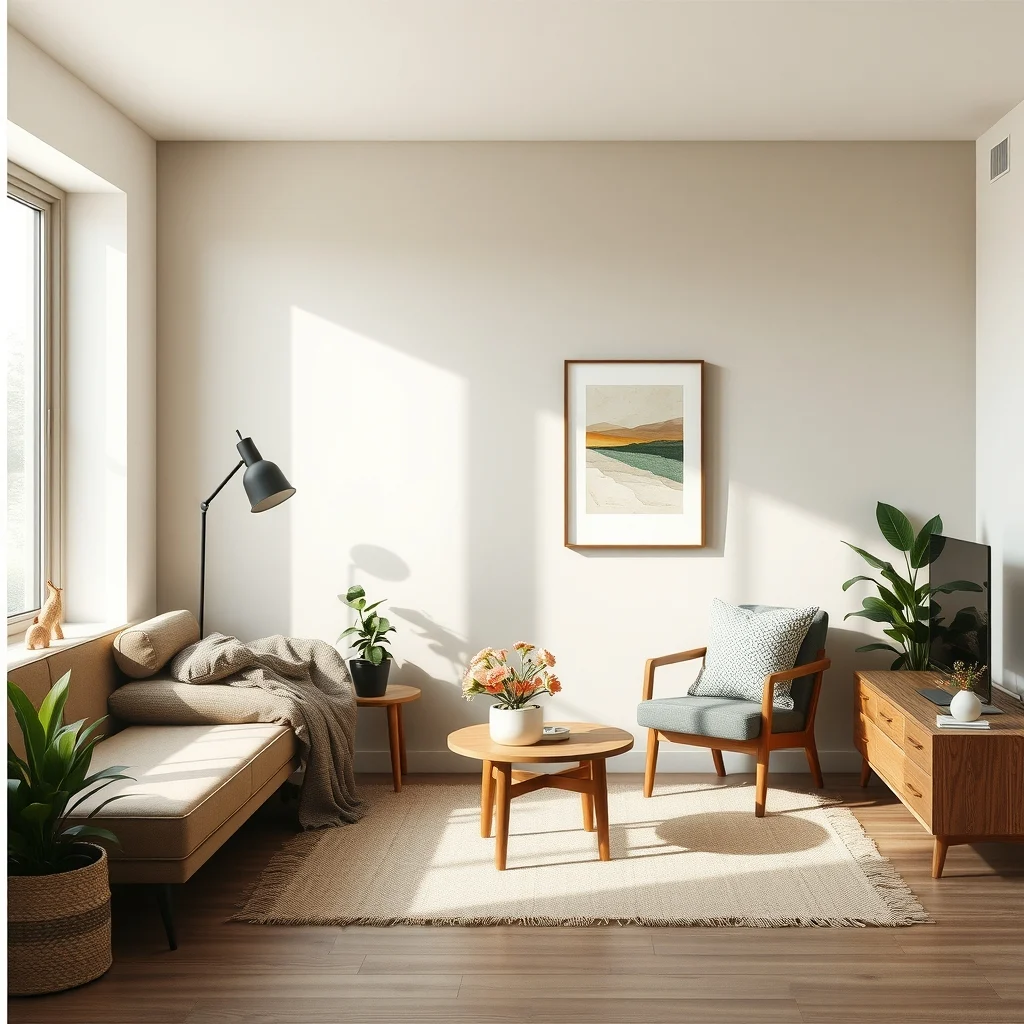
Choosing colors for a small apartment with mixed lighting is less about chasing a perfect shade and more about finding a palette that adapts gracefully as the day progresses. By starting with a flexible neutral, adding a restrained accent, and paying attention to texture, finish, and placement, you can create a space that feels inviting from sunrise to bedtime. Remember to test before you commit, and let the room’s existing light guide your decisions. With these strategies, you’ll turn the challenge of varied illumination into an opportunity for thoughtful, lasting design.