
Living in a rental often feels like a balancing act between personal style and the landlord’s rules. You want a space that feels yours, yet you can’t commit to anything that will stay when the lease ends. Fortunately, there are upgrades that give the impression of a finished, thoughtfully designed home while still being fully reversible. Below are seven ideas that blend durability with flexibility, allowing you to enjoy a polished apartment today and hand it back in pristine condition tomorrow.
1. Removable Wallpaper Panels
© 2026 AI Illustrator — Inspiration Only
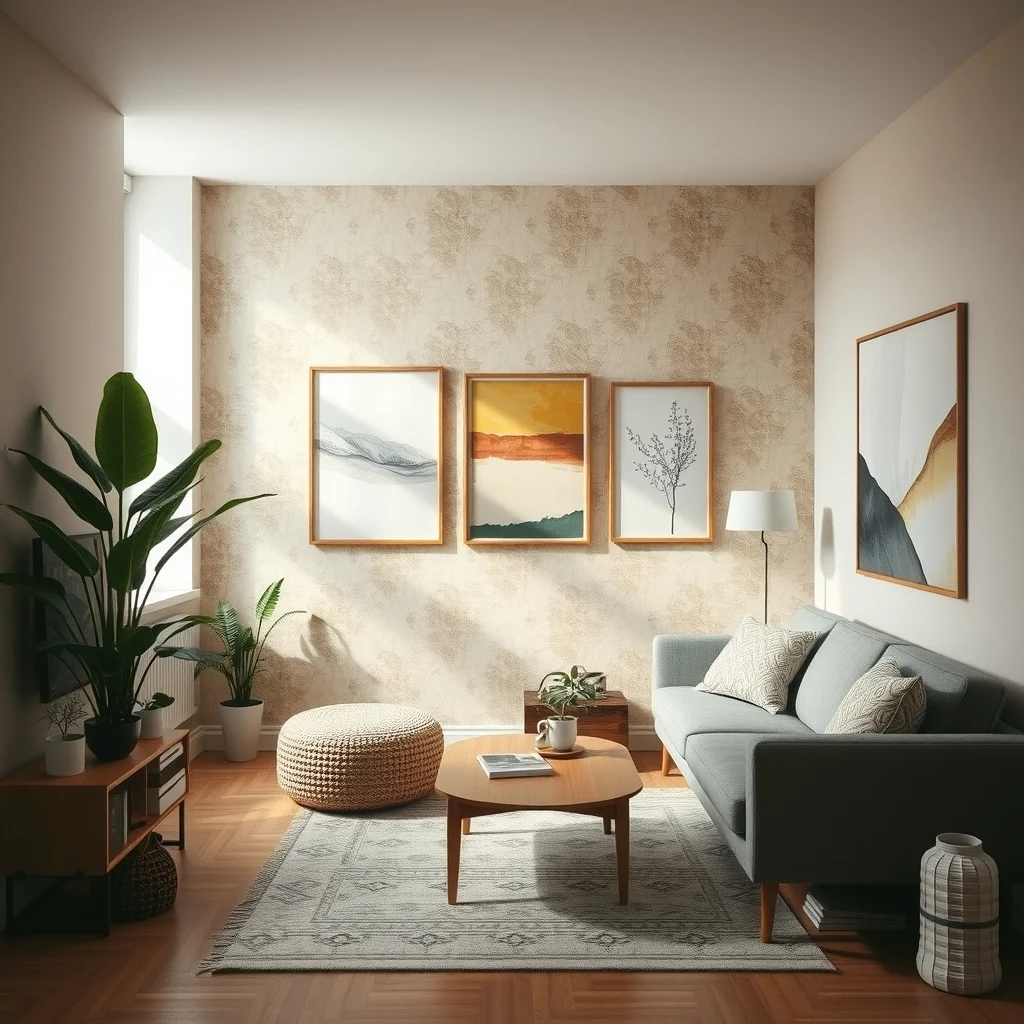
Traditional wallpaper can be a nightmare to take down, but modern peel‑and‑stick panels offer a different story. These sheets adhere firmly to smooth walls yet release cleanly with a gentle pull, leaving no residue. A panel in a deep olive linen texture can add the depth of a painted accent wall without the commitment. Because each panel is a separate piece, you can swap out a single section if you decide the pattern no longer suits your taste. The main drawback is that heavy‑paper finishes may not adhere well on textured plaster, so a quick sand and wipe is advisable before application. When installed correctly, the panels create a seamless look that feels like a built‑in design element, and removal is as simple as peeling a label off a bottle.
What’s Your Apartment Decor Style?
Answer these quick questions to discover your perfect decor vibe.
2. Freestanding Room Dividers
© 2026 AI Illustrator — Inspiration Only
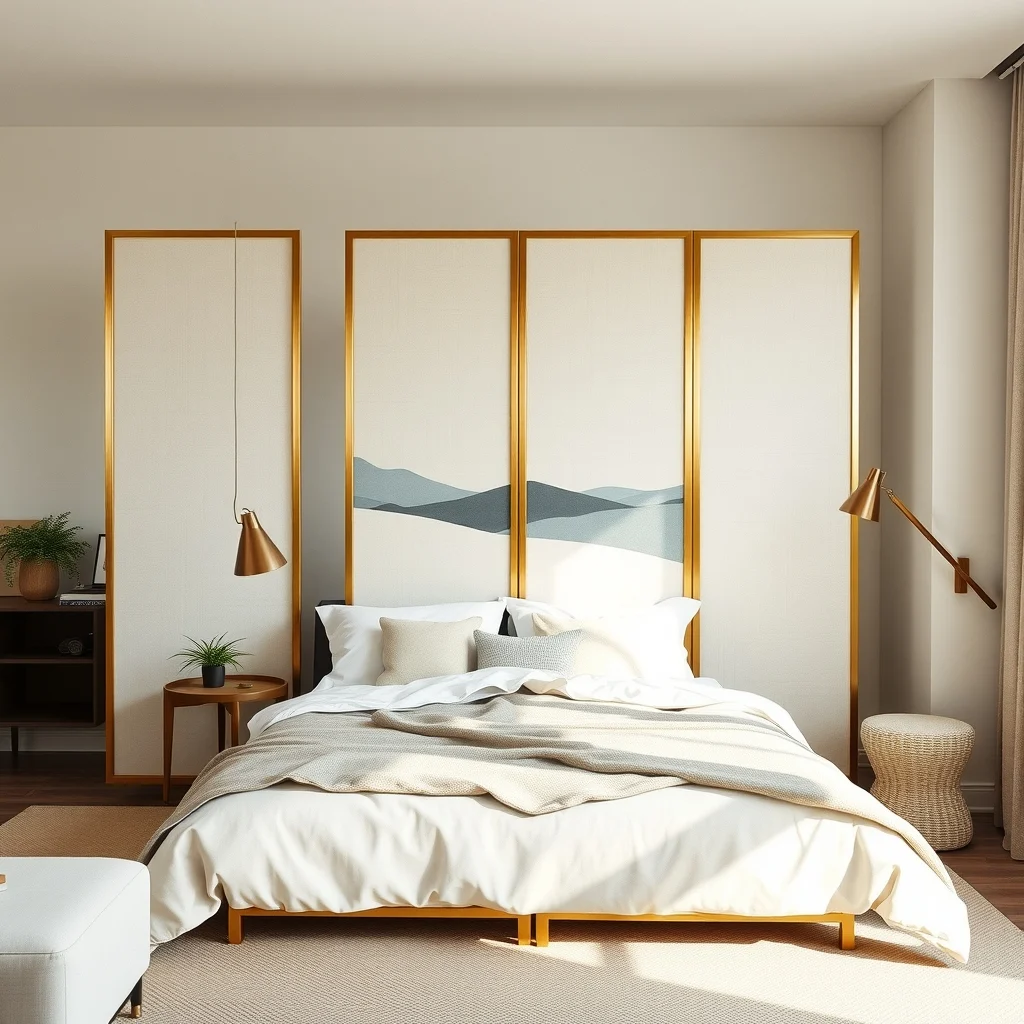
A freestanding divider made from brushed brass frames and frosted linen panels can turn an open‑plan studio into a cozy bedroom without any construction. The visual break adds privacy while the slim profile lets light filter through, preserving the airy feel of the space. Because the unit stands on its own, you can relocate it whenever you wish, and the lightweight panels can be stored flat if you need more floor area. One limitation is that a very busy pattern may compete with other décor, so a neutral shade such as soft terracotta works best in most settings. The divider’s ability to redefine zones without nails makes it an ideal temporary upgrade.
3. Interlocking Floor Tiles
© 2026 AI Illustrator — Inspiration Only
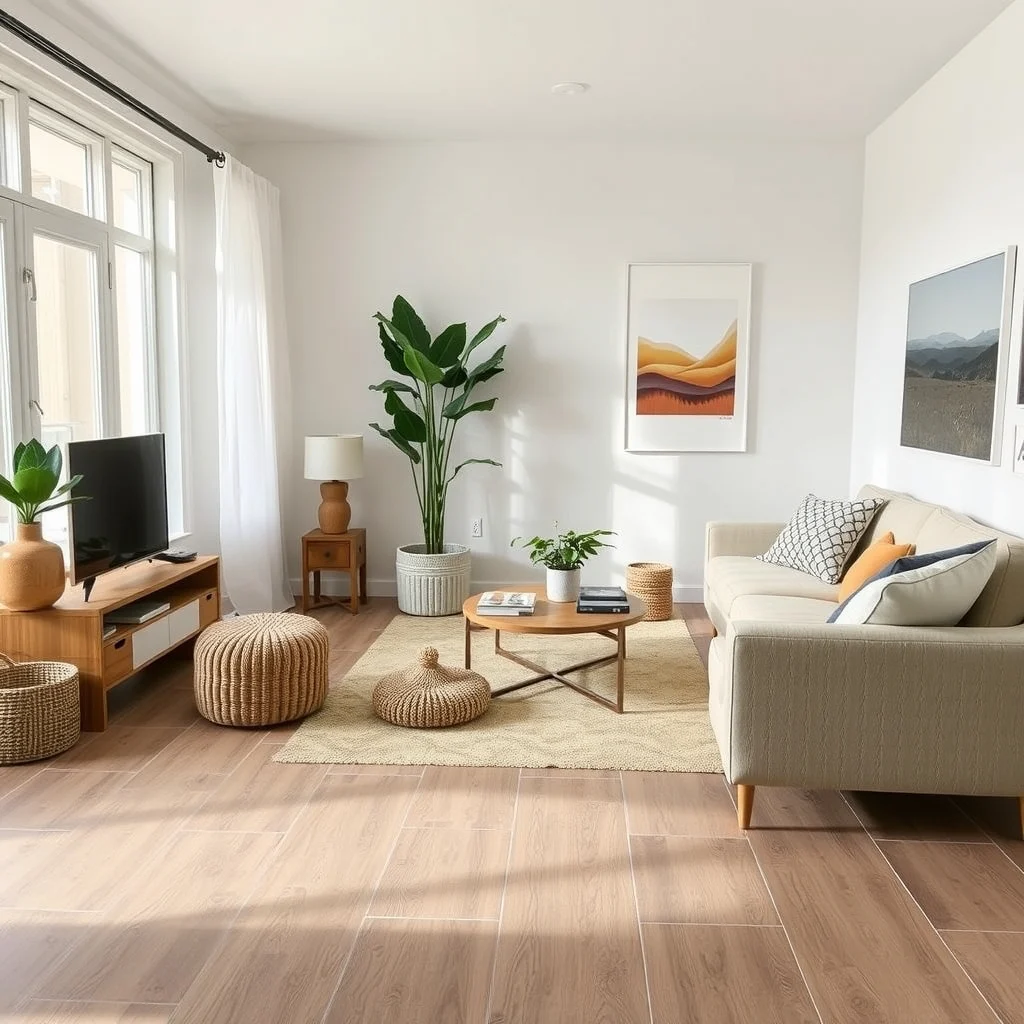
Interlocking tiles in a matte limestone finish give a living room the look of a permanent hardwood floor while protecting the original surface beneath. The tiles snap together like a puzzle, covering any uneven patches and creating a uniform plane that feels warm underfoot. Installation requires only a clean, dry floor, and the tiles can be lifted and stored when you move. Their downside is that they add a slight rise to the floor level, which may affect door clearance in tight hallways. Choosing a shade that echoes the natural light in your apartment—such as warm greige—helps the new surface blend with existing furnishings.
4. Tension‑Rod Curtain Systems
© 2026 AI Illustrator — Inspiration Only
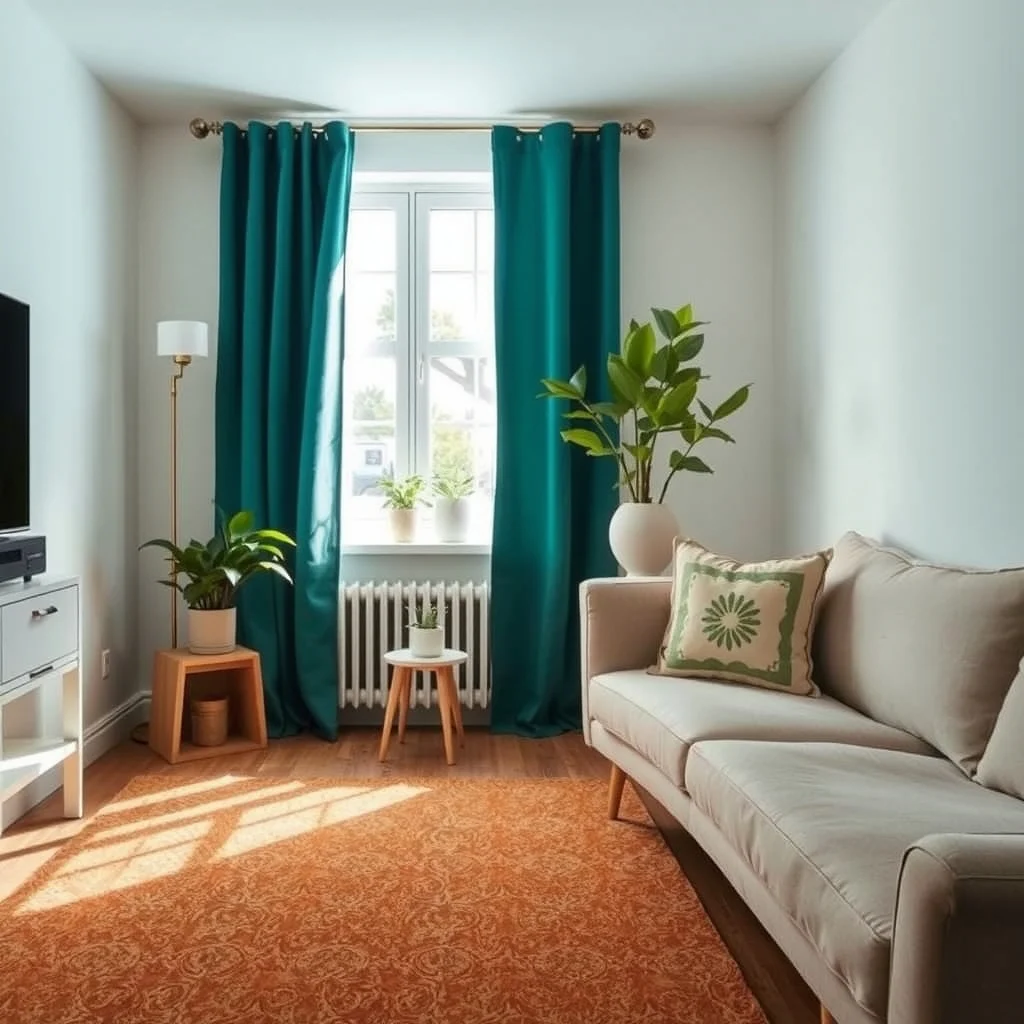
Replacing a built‑in window treatment with a tension‑rod system gives you the freedom to experiment with fabrics without drilling holes. A brushed‑nickel rod holds a linen curtain in a deep teal that adds richness to a sun‑filled living room, while the tension mechanism stays hidden in the window frame. Because the rod relies on spring pressure, it can be removed in seconds, leaving the original trim untouched. The only caution is that very heavy drapes can slip from the rod over time, so a medium‑weight material is the safest bet. This approach lets you switch colors seasonally, creating the impression of a custom window design that never becomes permanent.
5. Magnetic Kitchen Backsplash Tiles
© 2026 AI Illustrator — Inspiration Only
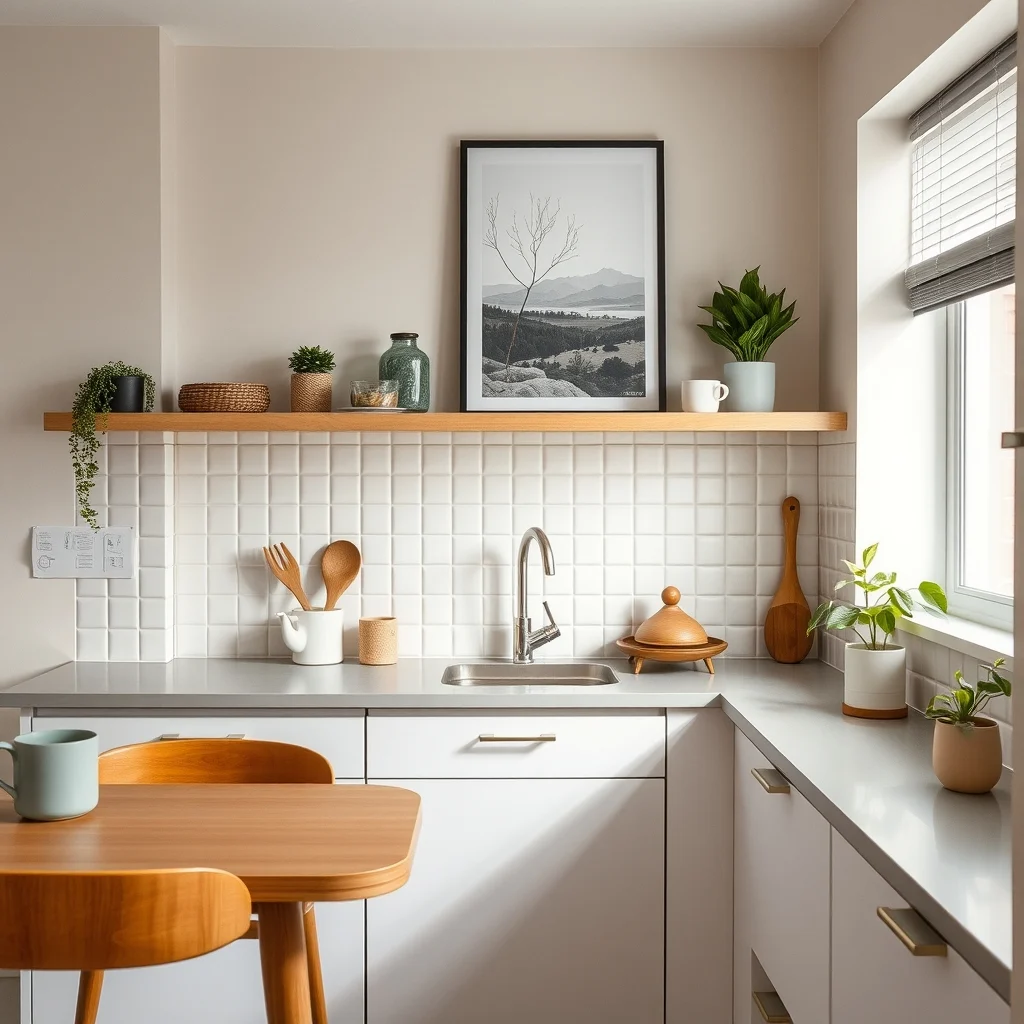
In a rental kitchen, a full‑wall tile backsplash is usually off‑limits, but magnetic tiles provide a clever workaround. Small, matte ceramic squares with a magnetic backing attach to a thin steel sheet that can be mounted with removable adhesive strips. The result is a glossy, tiled look that protects the wall from splatters and adds a design focal point. When you decide to move, the steel sheet peels away, taking the tiles with it. The main consideration is that the magnetic system works best on smooth surfaces; textured walls may reduce adhesion, requiring a thin primer layer. Even so, the visual impact mirrors a permanent installation, and the removal is straightforward.
6. Adjustable Shelving Units
© 2026 AI Illustrator — Inspiration Only
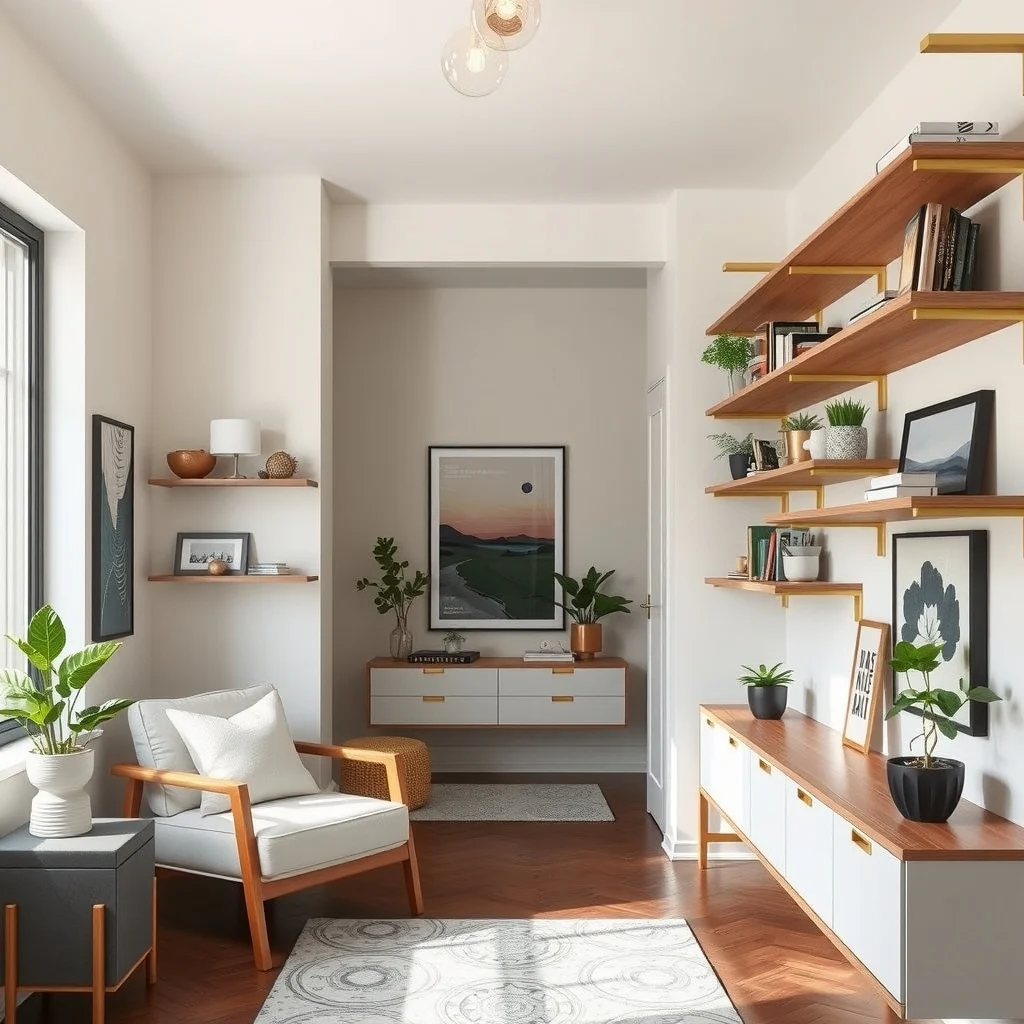
Floor‑to‑ceiling shelving made from oak slats and brushed brass brackets can transform an empty hallway into a display area for books, plants, and decorative objects. Because the unit rests on the floor and uses tension brackets at the top, there’s no need for drilling into the studs. The modular design allows you to add or remove sections as your storage needs change. A potential trade‑off is that the base may require a protective pad on carpeted floors to prevent indentations. Selecting a finish that complements existing wood tones—such as a light oak with a subtle grain—helps the shelving blend seamlessly with the apartment’s aesthetic.
7. LED Light Strips with Command Hooks
© 2026 AI Illustrator — Inspiration Only
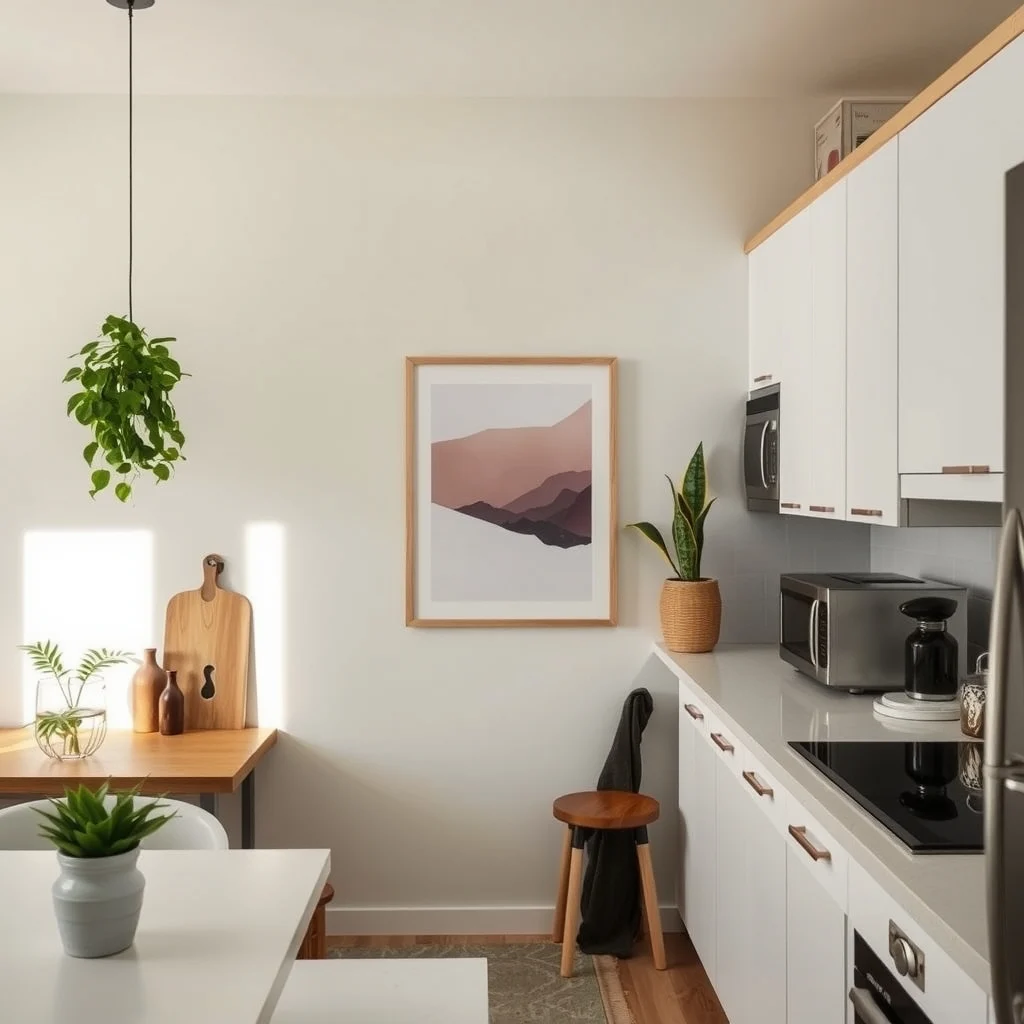
Soft LED strips placed behind a headboard or along the underside of a kitchen cabinet add ambient illumination that feels built‑in. The strips come with adhesive backing that sticks to clean surfaces, and a pair of Command hooks can secure the power adapter discreetly. When it’s time to leave, the adhesive releases cleanly, and the hooks peel away without leaving marks. The only limitation is that bright colors can clash with a minimalist palette, so a warm white or amber hue tends to complement most décor. This lighting upgrade instantly upgrades the mood of a room while remaining completely reversible.
FAQ
© 2026 AI Illustrator — Inspiration Only
Can I install removable wallpaper on textured walls?
Yes, but you should smooth the surface first with a light sanding and a thorough cleaning. Peel‑and‑stick panels adhere best to flat, paint‑finished walls, so preparing a textured wall helps avoid bubbles and ensures easy removal.
Are tension‑rod curtains safe for large windows?
They work well for most standard windows, but very wide openings may require a double‑rod system to maintain tension. Choose a medium‑weight fabric to prevent slipping, and test the rod’s grip before hanging the final curtains.
Do magnetic backsplash tiles damage paint?
The magnetic tiles themselves do not, but the steel sheet they attach to uses removable adhesive that can lift paint if left too long. Follow the manufacturer’s timing recommendations and test a small area first.
How do I protect my floor when using interlocking tiles?
Place a thin underlayment, such as a felt pad, beneath the tiles if the original flooring is delicate. This adds a cushion, prevents scratches, and makes tile removal smoother.
Is it okay to use Command hooks for heavy lighting fixtures?
Command hooks are designed for moderate weight; for heavier LED strips, use multiple hooks to distribute the load. Always check the weight rating on the packaging and avoid overloading a single hook.
Final Thoughts
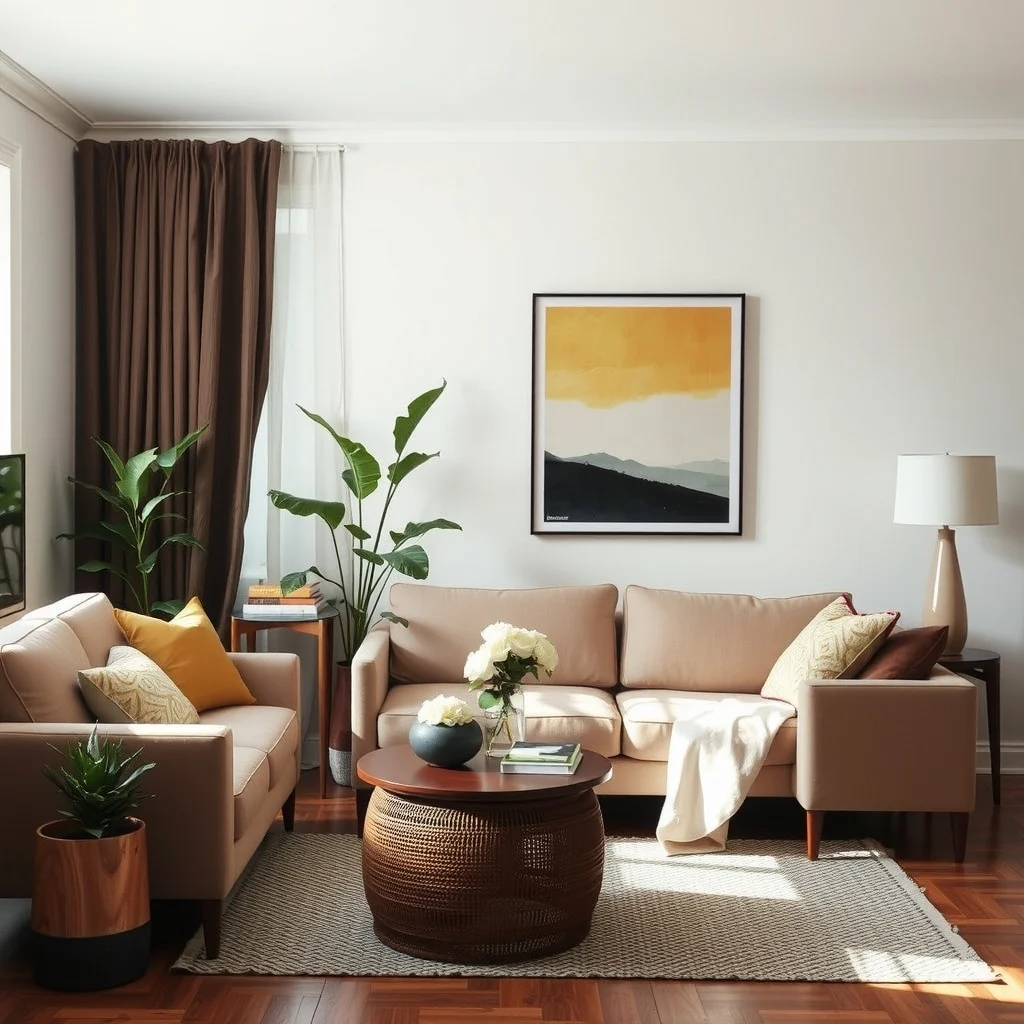
© 2026 AI Illustrator — Inspiration Only
Designing a rental apartment doesn’t have to mean settling for bland or temporary décor. By choosing upgrades that mimic permanent installations—yet can be removed without a trace—you gain the satisfaction of a curated space while honoring your lease agreement. Each of the ideas above balances aesthetic impact with practical reversibility, giving you the freedom to evolve your home’s look as often as you like. With a little planning and the right materials, you can enjoy a stylish, personalized apartment today and leave a clean canvas for tomorrow.