
Living in a compact apartment often means every square foot counts, especially in the bedroom where you want to unwind after a long day. The challenge is to keep the space feeling airy while still providing enough light for reading, dressing, and setting a relaxed mood. Below you’ll find seven lighting approaches that work well in small rooms, each described with enough detail to let you picture the effect and decide how it fits your own layout, budget, and style.
1. Recessed Ceiling Lights with Dimmer Switches
© 2026 AI Illustrator — Inspiration Only
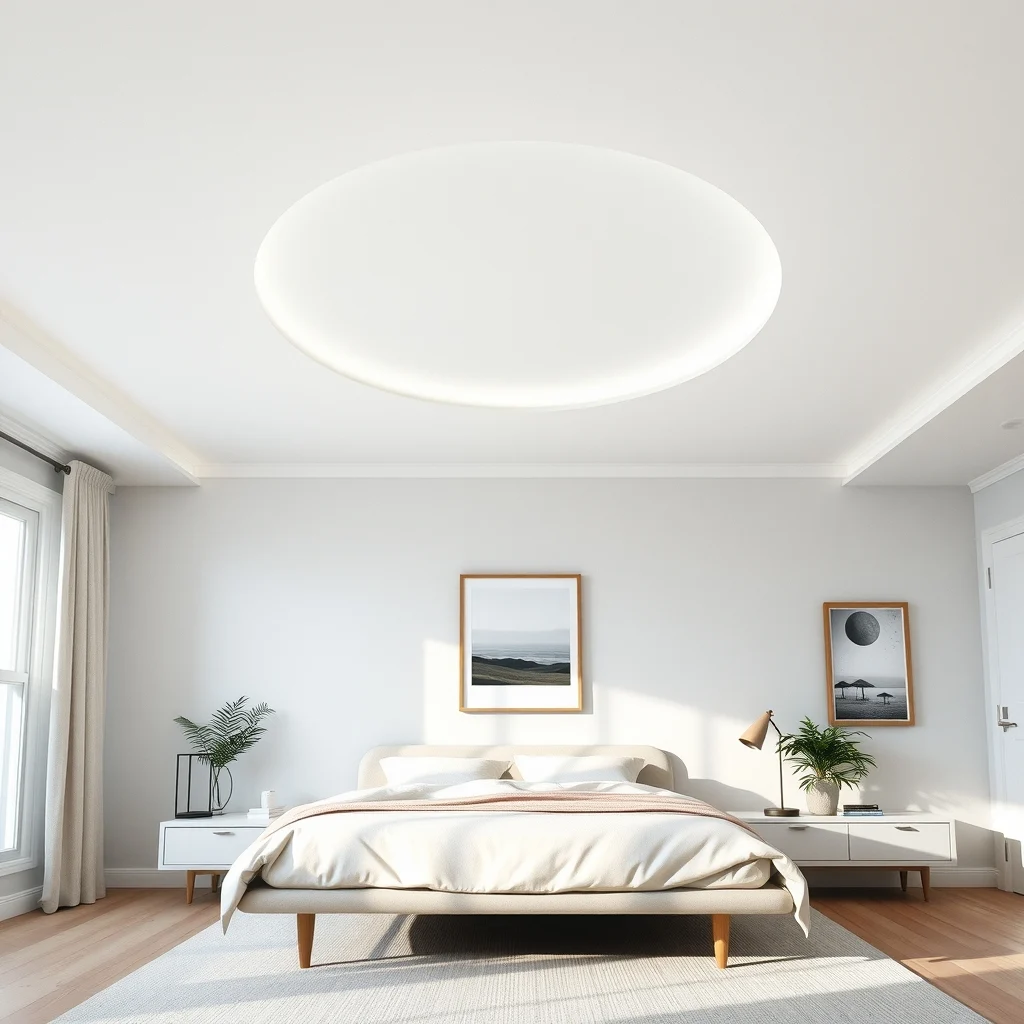
Recessed fixtures sit flush with the ceiling, so they don’t compete for visual space the way a bulky chandelier might. In a minimalist bedroom, a ring of small, white‑washed cans can spread an even wash of illumination that feels both modern and unobtrusive. Pairing the fixtures with a single‑pole dimmer gives you instant control over brightness, allowing you to shift from a functional glow for getting dressed to a low‑key ambience for winding down. Because the lights are set into the ceiling, they don’t interfere with the limited wall area that might otherwise be needed for artwork or shelving. One consideration is that installation requires an electrician, and the initial cost can be higher than plug‑in lamps, but the clean look and energy‑efficient LEDs often offset the expense over time.
What’s Your Apartment Decor Style?
Answer these quick questions to discover your perfect decor vibe.
2. A Slim Floor Lamp in a Corner
© 2026 AI Illustrator — Inspiration Only
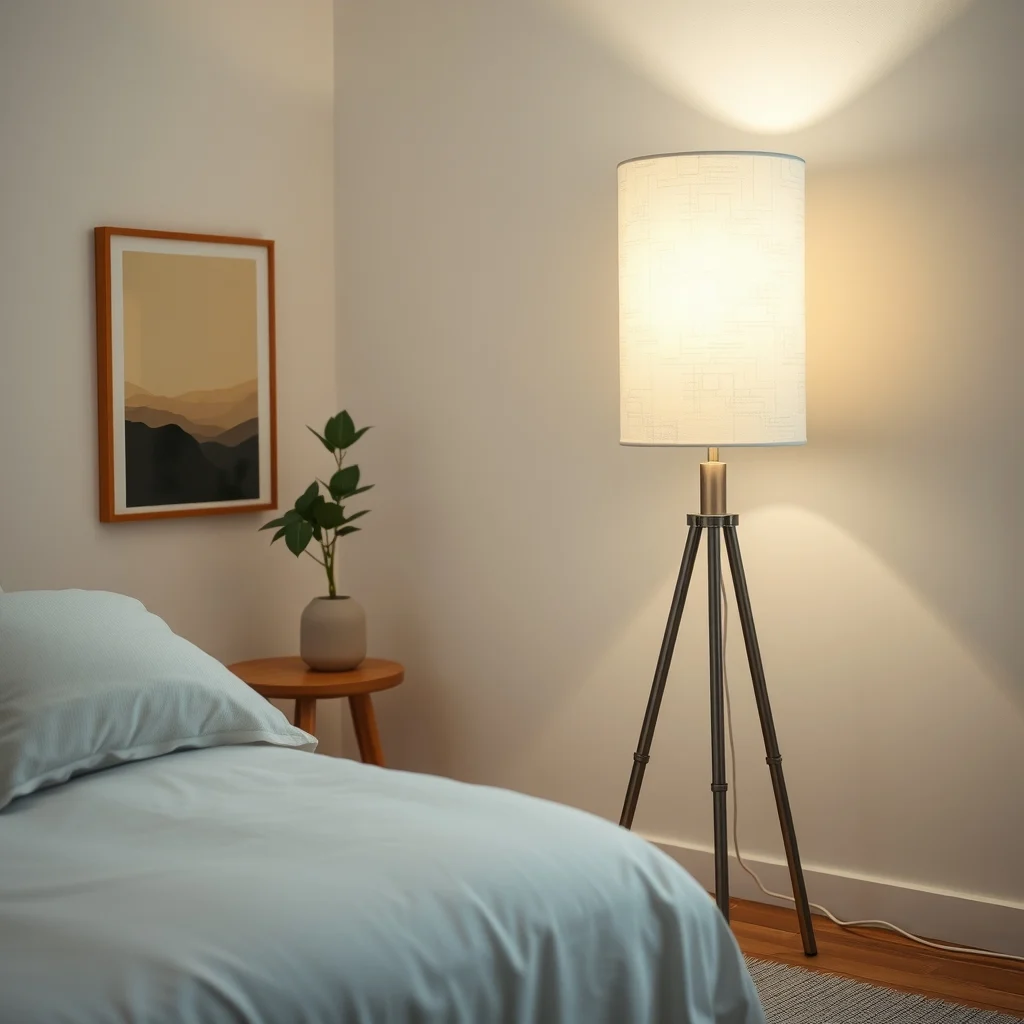
Choosing a floor lamp with a narrow profile lets you claim an otherwise unused corner without crowding the room. A brushed‑nickel tripod or a tapered metal pole topped with a simple linen shade can add a soft pool of light that reaches the bedside and the reading nook. The vertical nature of the lamp draws the eye upward, subtly expanding the perception of height—an advantage in low‑ceiling apartments. When positioned near a small side table, the lamp doubles as a decorative element while providing task lighting for a book. The trade‑off is that floor lamps occupy floor space, so be sure the chosen spot doesn’t obstruct traffic flow or make the room feel cramped.
3. Wall‑Mounted Swing‑Arm Lamp
© 2026 AI Illustrator — Inspiration Only
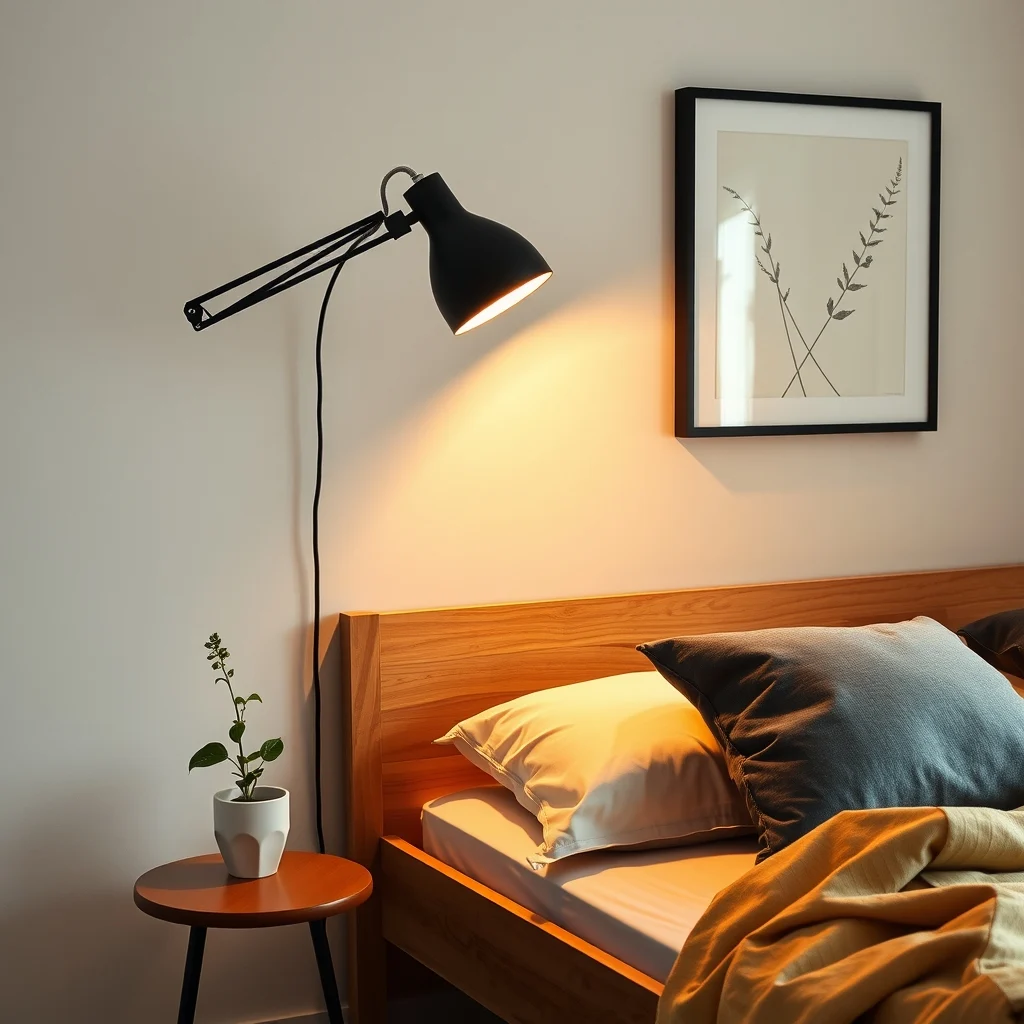
A swing‑arm fixture attached to the wall beside the bed offers focused illumination without the need for a nightstand lamp. The arm can be tucked close to the wall when not in use, preserving the sleek silhouette that minimalist design favors. When you pull the arm out, the shade—often a muted fabric in soft gray or ivory—casts a gentle wash that is ideal for late‑night reading. Because the light source is anchored to the wall, you free up surface area for a small plant or a stack of books. The main limitation is that the lamp must be installed at a height that suits both seated and lying positions, which may require a bit of measuring before mounting.
4. LED Strip Lighting Behind the Headboard
© 2026 AI Illustrator — Inspiration Only
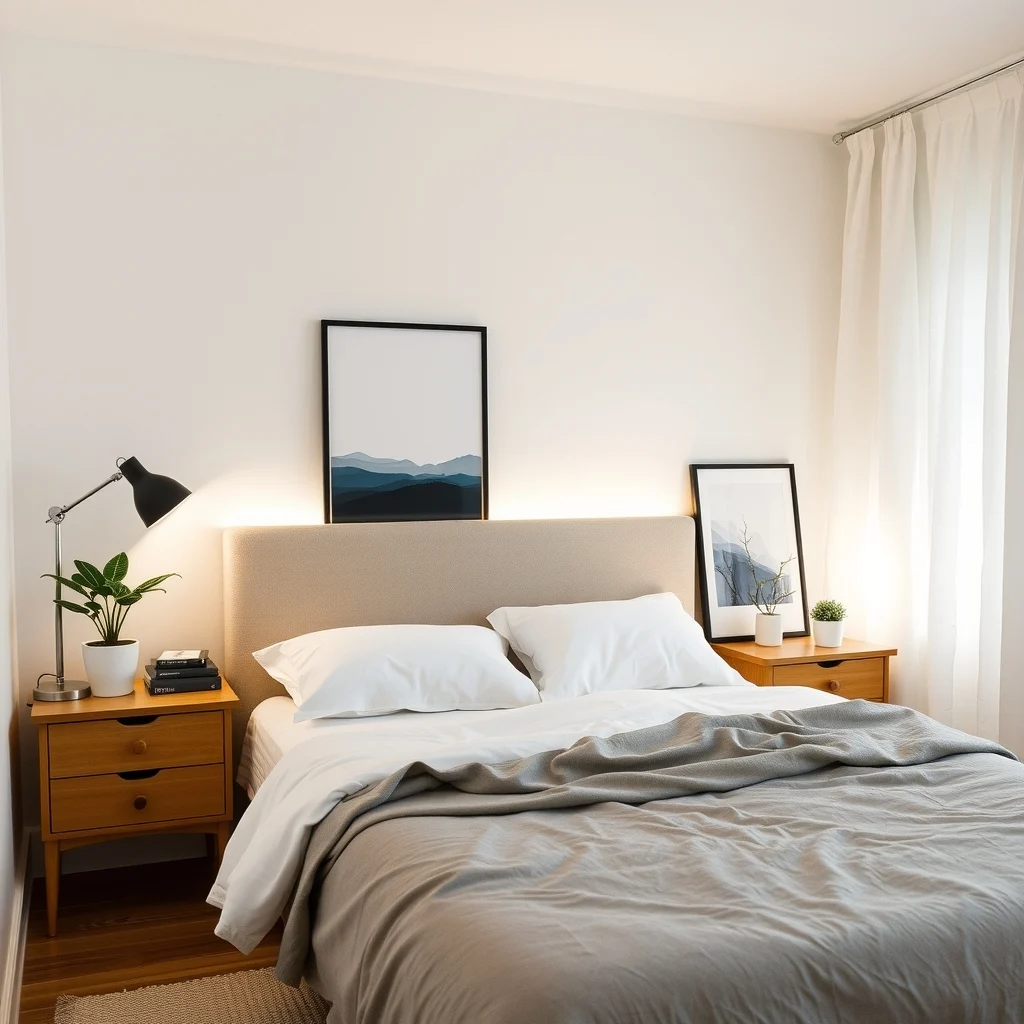
Running a low‑profile LED strip along the back edge of a wooden or upholstered headboard creates a subtle halo that defines the sleeping zone without adding bulk. The strips are available in warm white tones that mimic the glow of a sunrise, helping the room feel calm at night while still providing enough light to locate a bedside book. Installation is straightforward—most kits include adhesive backing that sticks directly to the headboard, and the power source can be hidden behind the wall. The downside is that the light is indirect, so you’ll still need a secondary source for tasks that require sharper illumination, such as dressing.
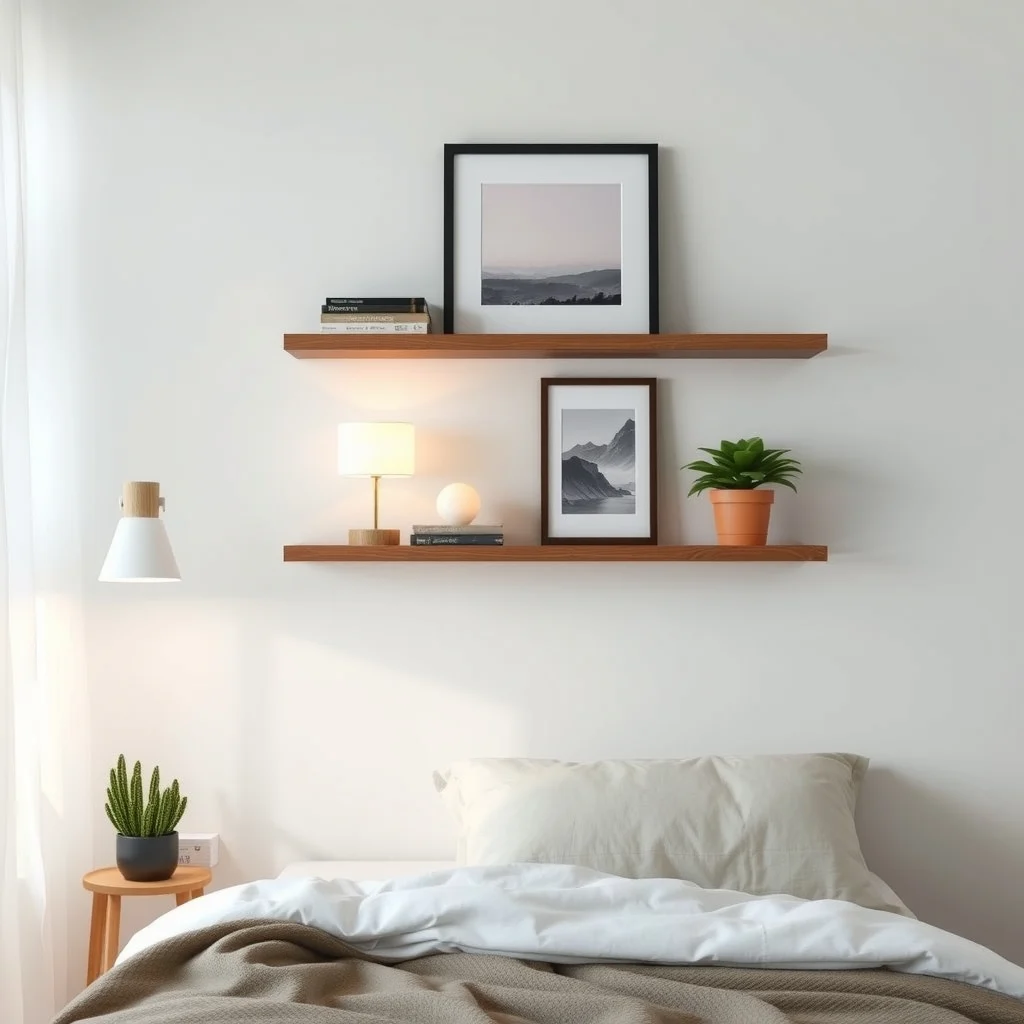
5. A Small Table Lamp on a Floating Shelf
© 2026 AI Illustrator — Inspiration Only
Floating shelves are a favorite in small bedrooms because they keep the floor clear while offering storage. Placing a compact table lamp on a shelf positioned at eye level creates a layered lighting effect that feels intentional. A ceramic base in a muted terracotta or a matte black finish adds texture without overwhelming the space, while a fabric shade in natural linen diffuses the light gently. Because the shelf can also hold a few decorative objects—perhaps a narrow vase or a slim stack of journals—the lamp becomes part of a curated vignette rather than a solitary fixture. The only caution is to ensure the shelf can support the lamp’s weight and that the cord can be neatly routed to avoid a tangled appearance.
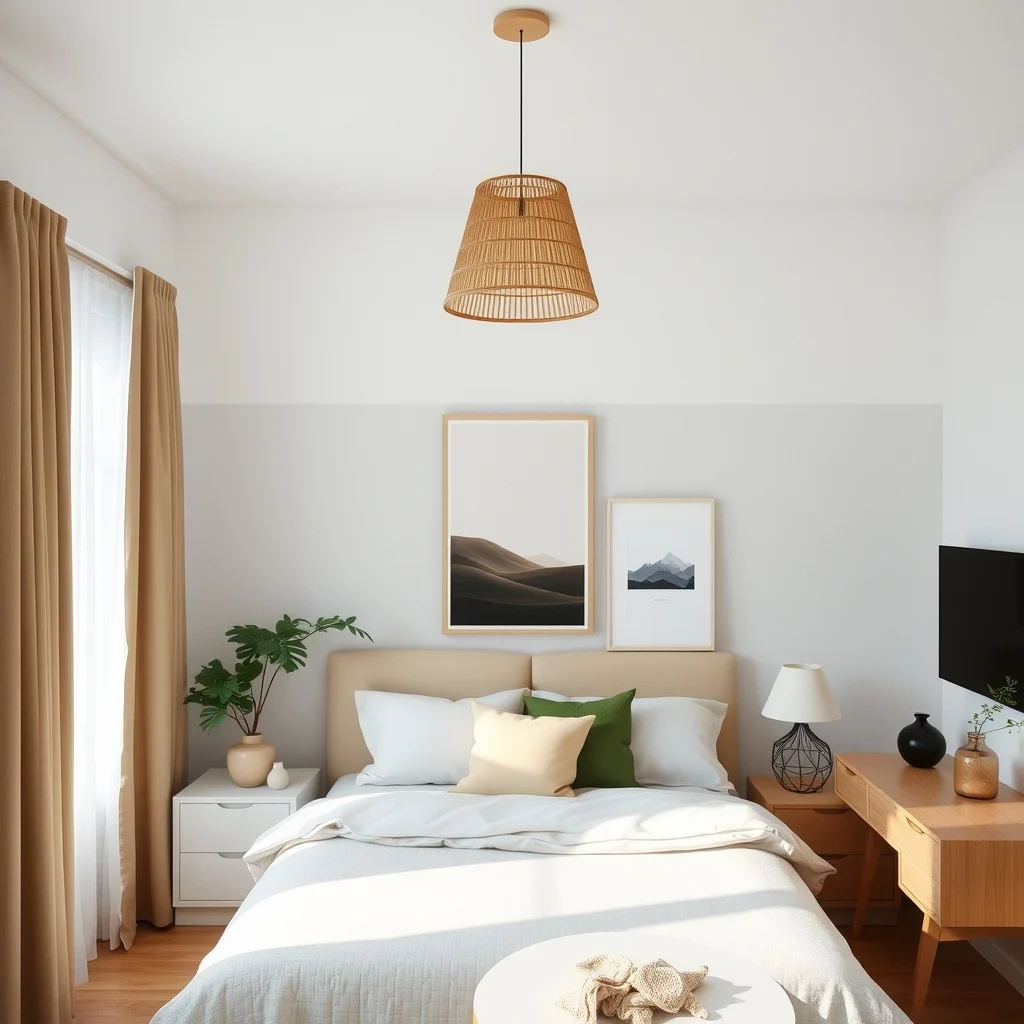
6. A Pendant Light with a Minimal Shade
© 2026 AI Illustrator — Inspiration Only
When ceiling height permits, a single pendant hung over the center of the room can serve as a focal point that still respects minimalist principles. Opt for a shade made of frosted glass or woven bamboo; both materials soften the light while adding a subtle organic touch. The pendant’s drop can be adjusted so the light hangs low enough to create intimacy but high enough to leave headroom. Because the fixture hangs from the ceiling, it doesn’t consume any floor or wall space, making it a practical choice for tight layouts. However, pendant lights can cast shadows directly beneath them, so pairing the fixture with a low‑intensity floor lamp or a wall sconce can balance the overall illumination.
7. Smart Plug‑In Bulbs for Adjustable Color Temperature
© 2026 AI Illustrator — Inspiration Only
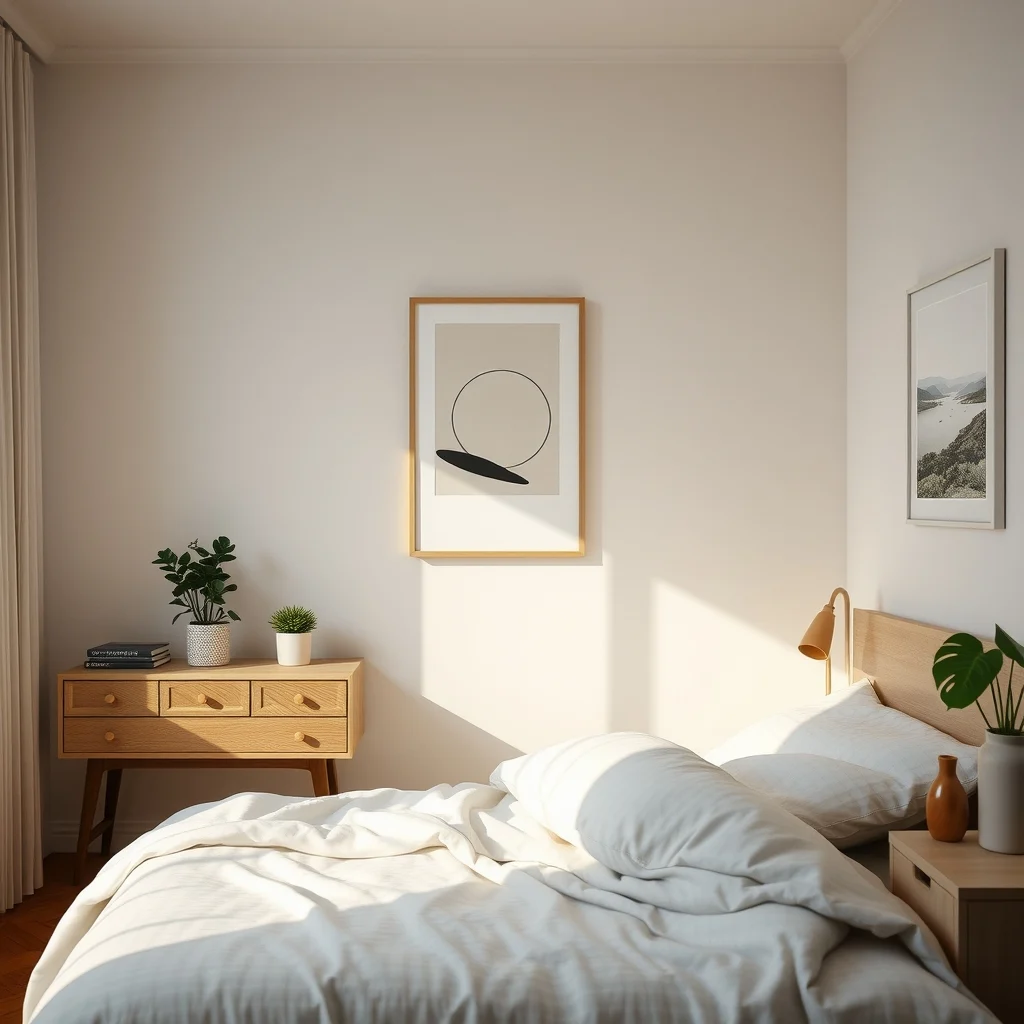
Modern smart bulbs fit into existing lamp sockets and allow you to shift the color temperature with a phone app or voice command. In a minimalist bedroom, you might set the bulbs to a cool 4000 K during the morning routine to promote alertness, then transition to a warm 2700 K in the evening to encourage relaxation. Because the bulbs are interchangeable, you can experiment without committing to new fixtures. The flexibility also means you can program a gradual dimming schedule that aligns with your sleep cycle. The primary consideration is the need for a reliable Wi‑Fi connection and a willingness to manage the app, but the convenience of a single control point often outweighs these minor hurdles.
FAQ
© 2026 AI Illustrator — Inspiration Only
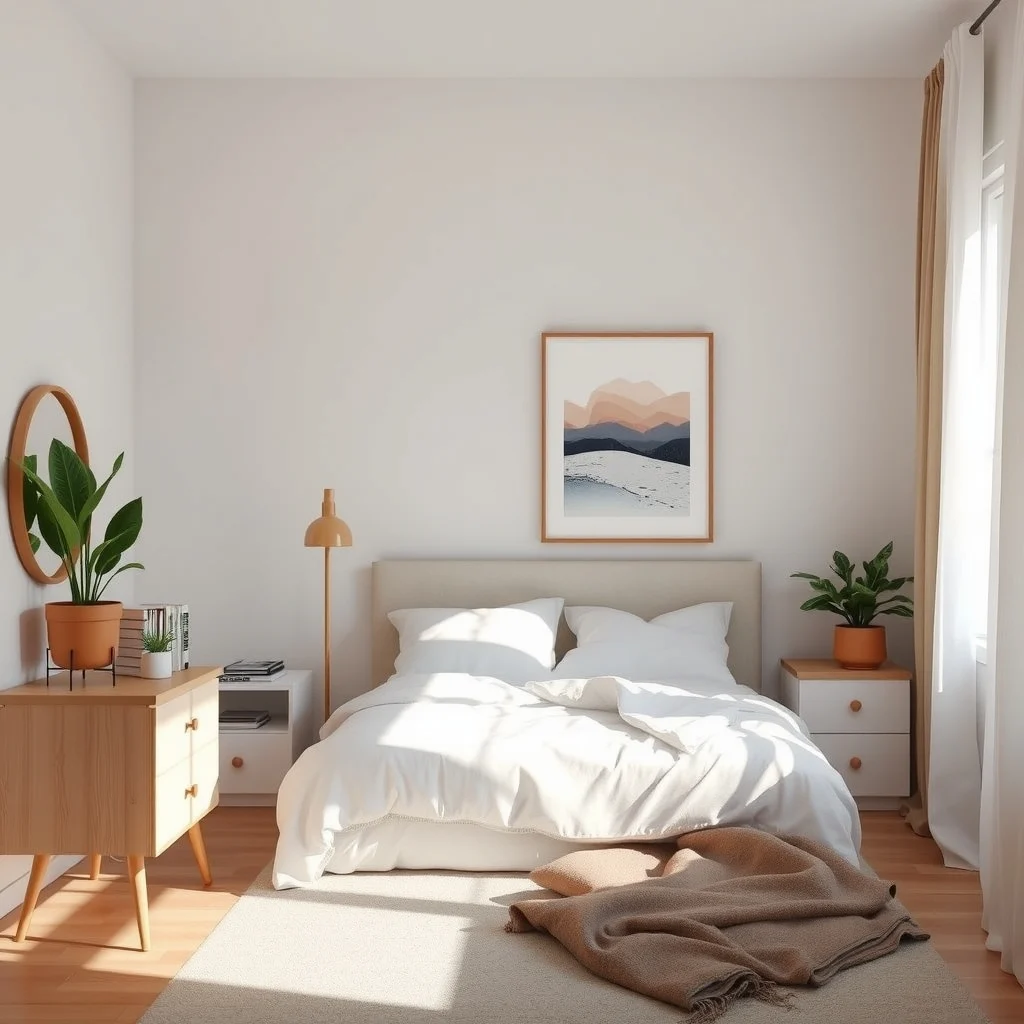
How can I make a small bedroom feel brighter without adding more fixtures?
Use light‑reflective surfaces such as a pale‑colored headboard, a mirror opposite a window, and sheer curtains. These elements bounce natural daylight around the room, reducing the need for extra artificial lighting.
Is it safe to use floor lamps in a room with limited space?
Yes, as long as the lamp has a stable base and the cord is kept away from high‑traffic pathways. Choose a lamp with a low profile to avoid obstructing movement.
Can I combine LED strips with other lighting types?
Absolutely; LED strips work best as accent lighting. Pair them with a central ceiling fixture or a bedside lamp to provide the functional illumination needed for daily tasks.
What wattage should I look for in a dimmable recessed light?
A 6‑ to 9‑watt LED equivalent to a 60‑watt incandescent bulb offers ample brightness while remaining energy‑efficient. Pair it with a dimmer that supports LED loads for smooth control.
Do smart bulbs work with all types of lamps?
Most smart bulbs are compatible with standard screw‑in bases, so they can replace bulbs in table lamps, floor lamps, and ceiling fixtures. Check the bulb’s size and voltage rating to ensure a proper fit.
Final Thoughts
© 2026 AI Illustrator — Inspiration Only
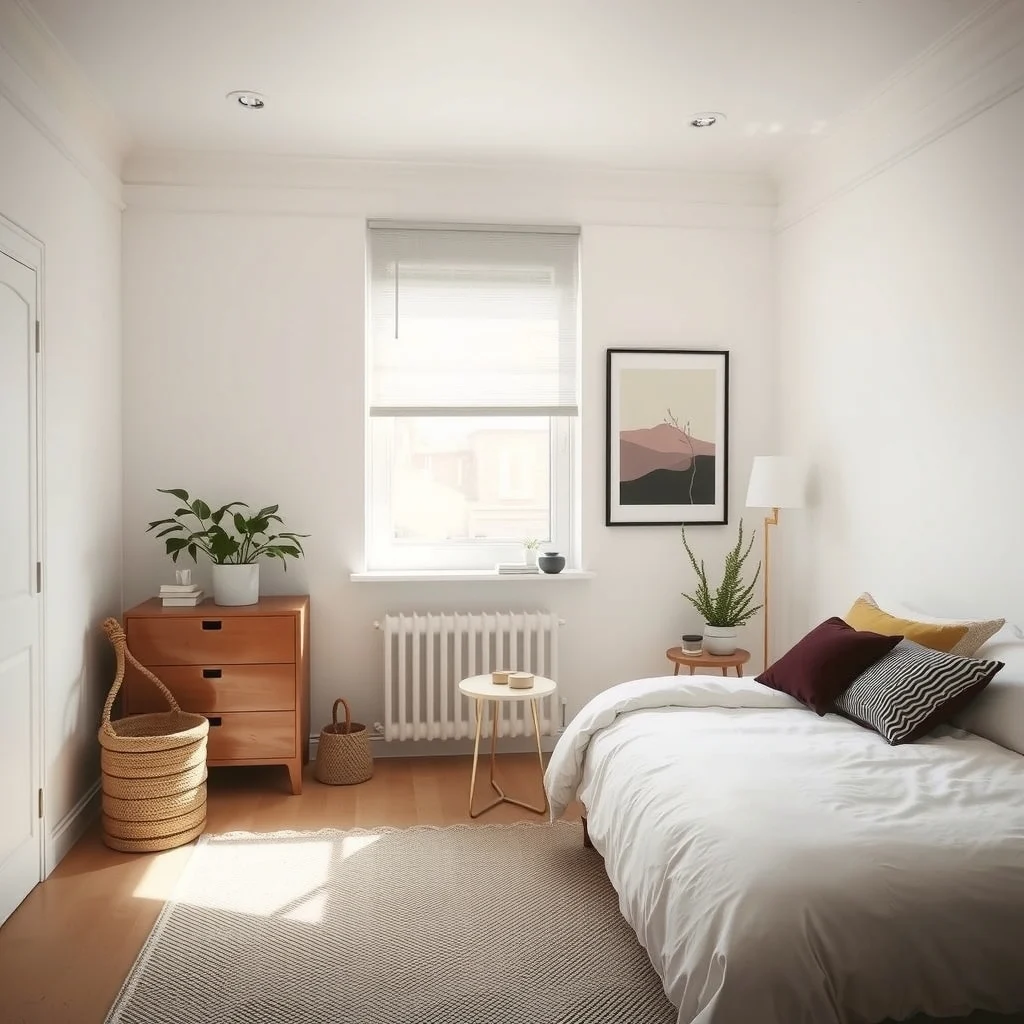
Creating a calm, minimalist bedroom in a small apartment is less about adding more pieces and more about choosing light that enhances space, function, and mood. By layering a few well‑considered sources—recessed overheads, a slender floor lamp, a wall‑mounted arm, subtle LED accents, and adaptable smart bulbs—you can achieve a balanced environment that feels both spacious and inviting. Remember to evaluate each option against your room’s dimensions, traffic flow, and daily routines, and you’ll end up with a bedroom that supports rest while looking effortlessly refined.