
In many living rooms the area tucked behind a sofa feels like a forgotten gap—hardly a place you’d consider when you’re hunting for storage solutions. Yet that narrow strip can become a surprisingly functional zone if you treat it as an intentional design element rather than an afterthought. Below are seven ways to turn the space behind your sofa into tidy, attractive storage without compromising comfort or style.
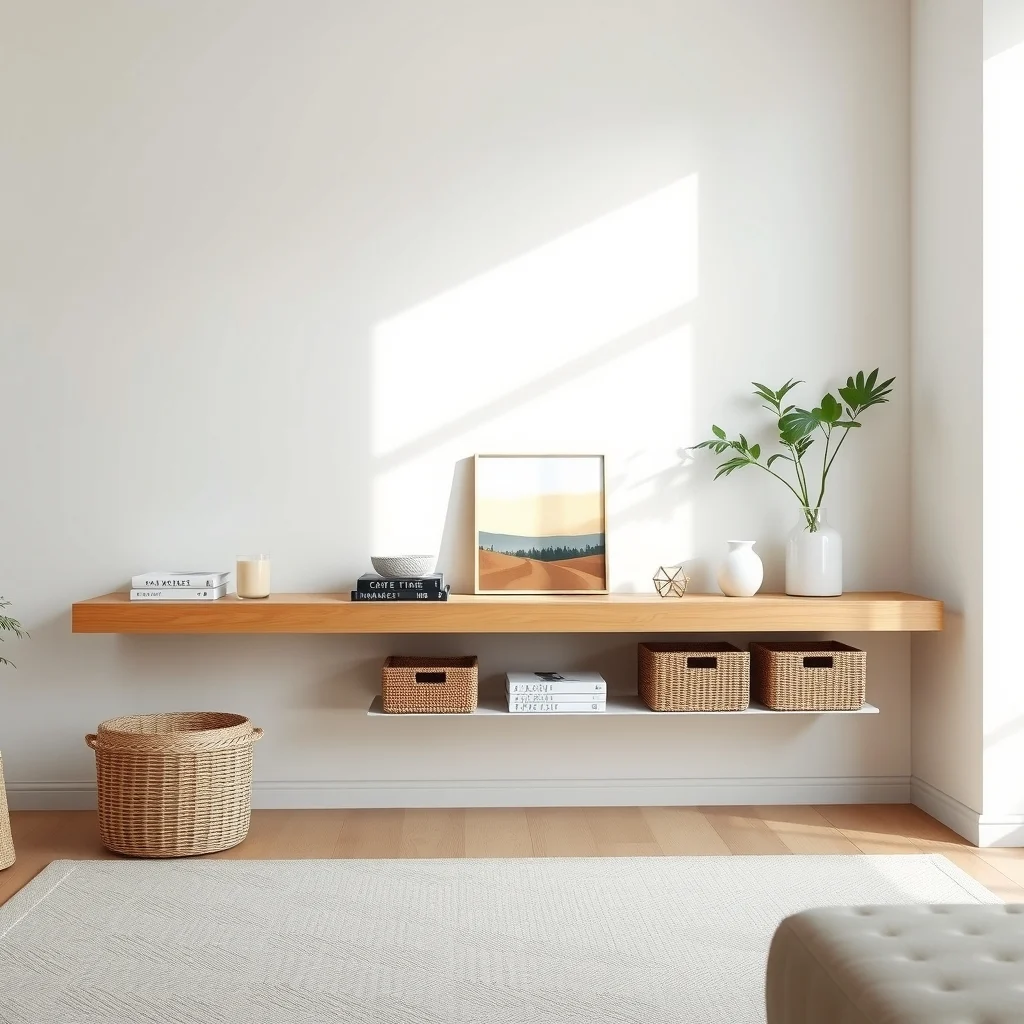
1. Install Low‑Profile Floating Shelves
© 2026 AI Illustrator — Inspiration Only
Floating shelves that sit just a few inches above the floor create a discreet platform for books, decorative boxes, or small baskets. Because the shelves are anchored to the wall rather than the sofa, they do not interfere with legroom, and the open‑air feel keeps the room from looking cramped. Choose a finish that echoes the coffee table—perhaps a warm oak or a matte black metal—to blend seamlessly with existing pieces. The key is to keep the depth under twelve inches; anything deeper will crowd the passage and make the sofa feel boxed in. When you arrange items, group similar objects together so the shelf maintains a tidy appearance, and consider adding a thin ledge at the back to prevent items from sliding forward.
What’s Your Apartment Decor Style?
Answer these quick questions to discover your perfect decor vibe.
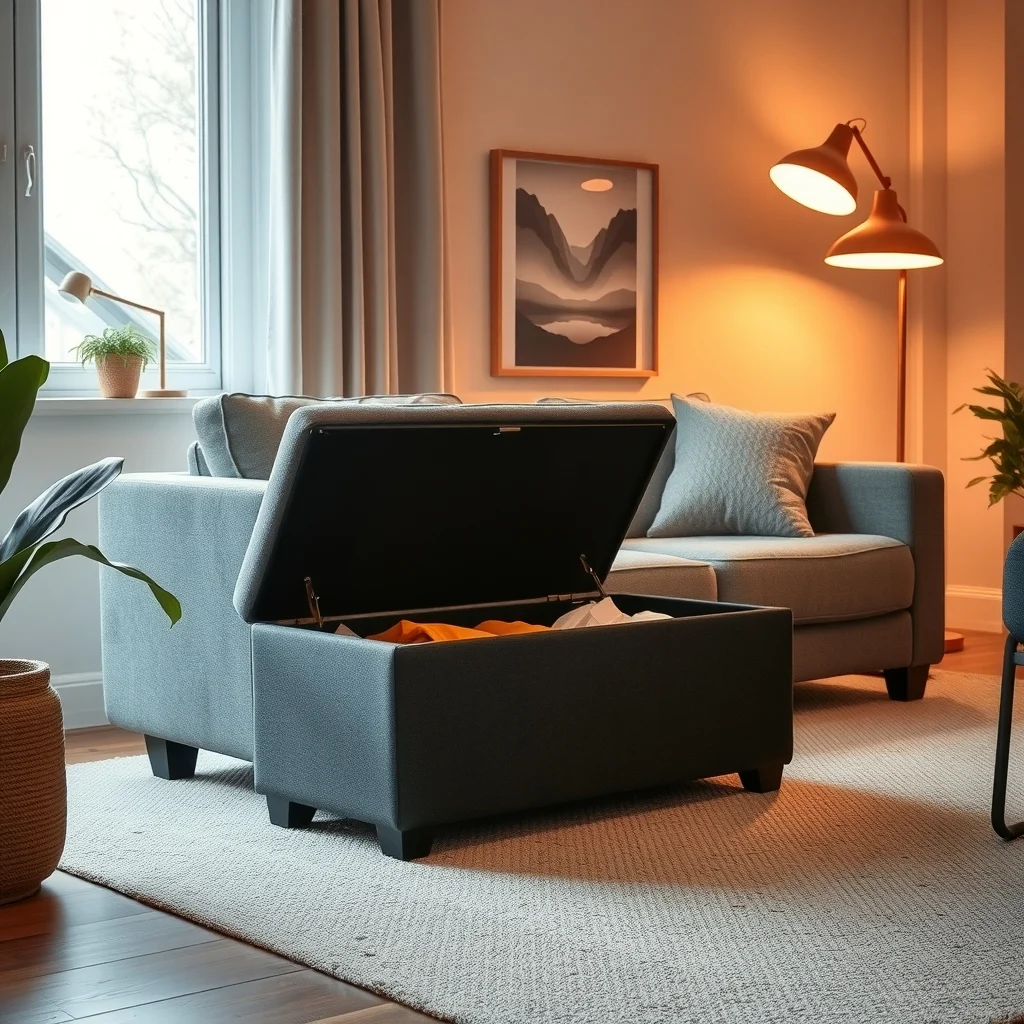
2. Slide a Slim Storage Ottoman
© 2026 AI Illustrator — Inspiration Only
A narrow ottoman placed directly against the back of the sofa can serve both as a footrest and a concealed compartment. Look for a model with a hinged top and interior dividers, allowing you to store blankets, magazines, or remote‑control batteries out of sight. Upholstery in a neutral tone—like dove gray linen or soft sand velvet—keeps the ottoman from competing with the sofa’s fabric. Because the piece is low to the ground, it does not impede traffic flow, and the soft padding protects the sofa’s back from accidental bumps. Remember to measure the gap first; the ottoman should fit snugly without forcing the sofa forward, which could strain the frame.
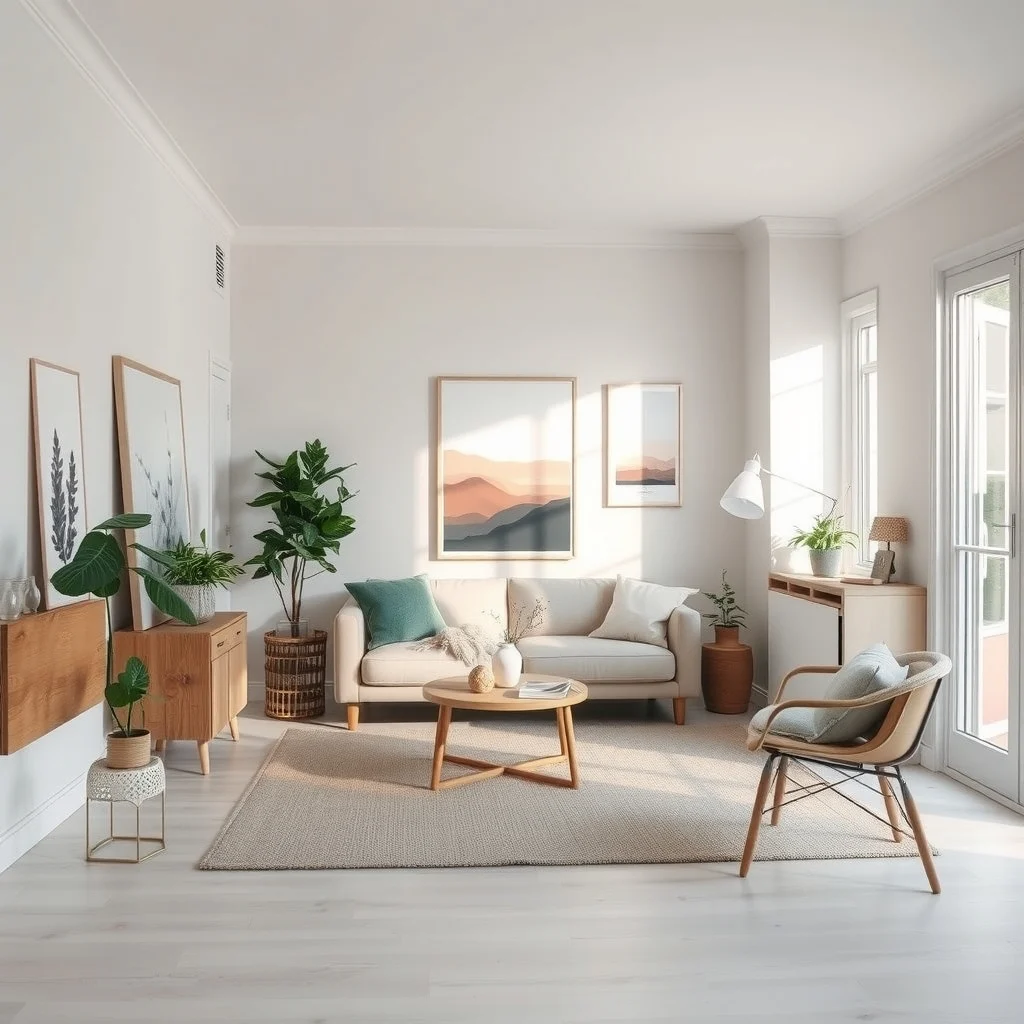
3. Hang a Vertical Fabric Pocket Organizer
© 2026 AI Illustrator — Inspiration Only
Fabric pocket organizers that mount on the wall behind the sofa provide a lightweight, flexible storage option. Choose a canvas or woven material in a muted hue that complements the room’s palette. The vertical design utilizes height rather than width, keeping the floor clear while offering pockets for mail, chargers, or children’s toys. Installing the organizer at eye level makes it easy to grab items without bending, and the fabric can be removed for occasional washing. One downside is that heavy objects may sag over time, so reserve the pockets for lighter items and reinforce the uppermost sections with a thin wooden strip if needed.
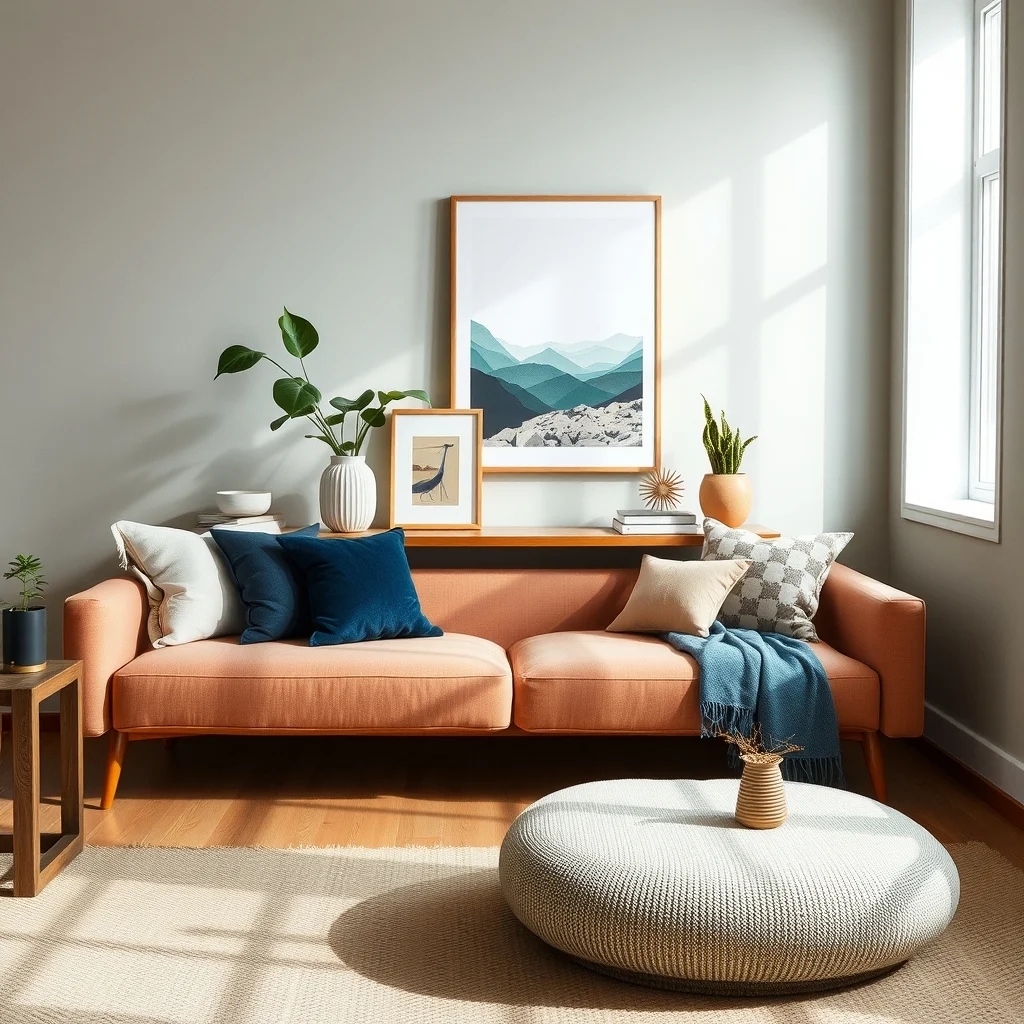
4. Repurpose a Narrow Console Table
© 2026 AI Illustrator — Inspiration Only
A slender console table that slides into the space behind the sofa can act as a mini workstation or display surface. Opt for a table with a narrow profile—around fifteen inches wide—and legs that taper to keep the visual weight low. A reclaimed pine top adds texture, while metal legs introduce a subtle industrial touch that works well in modern interiors. The tabletop can hold a lamp, a stack of coasters, or a decorative tray, while the lower shelf beneath stores extra cushions or seasonal décor. Be mindful of the table’s height; it should not exceed the sofa’s back height, or it will obstruct the view when you’re seated.
5. Use a Built‑In Drawer Unit
© 2026 AI Illustrator — Inspiration Only
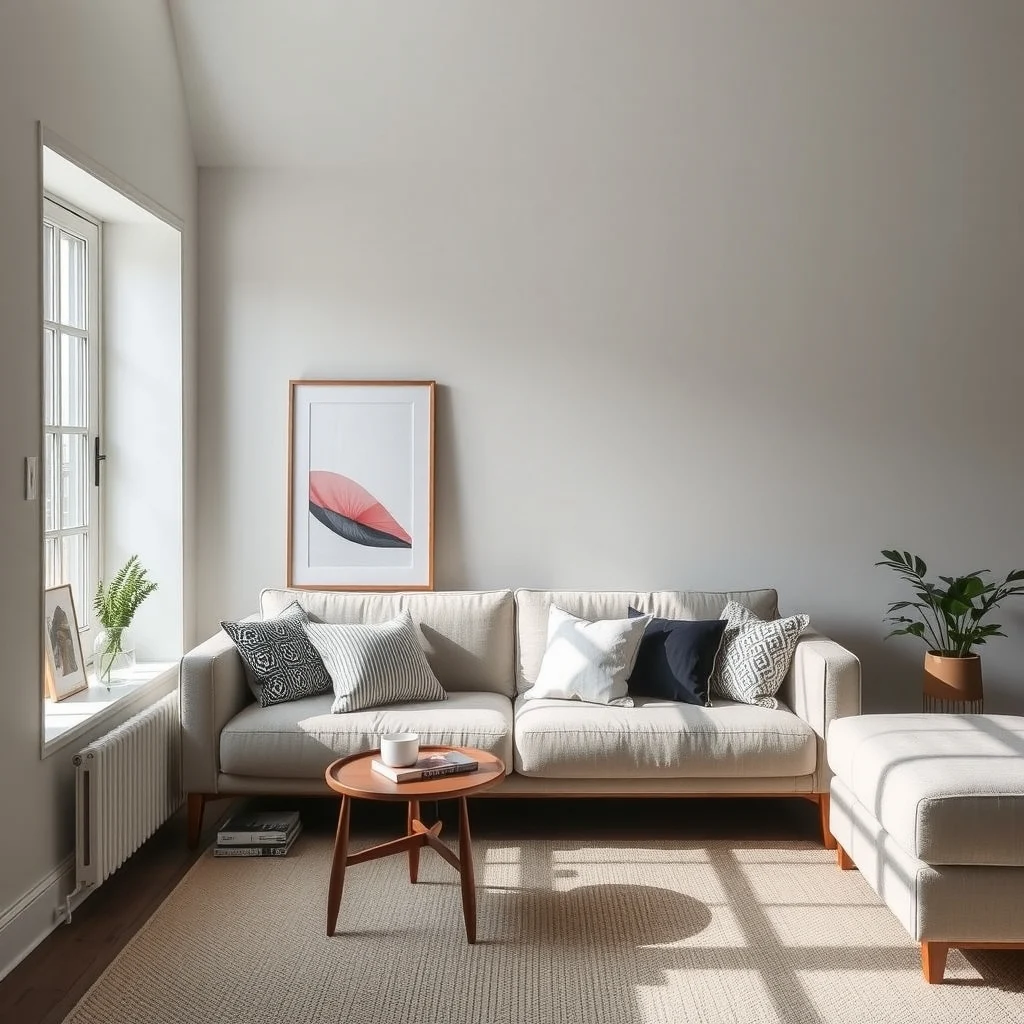
If you’re comfortable with a modest DIY project, a built‑in drawer unit that fits the exact dimensions of the gap can provide sleek, hidden storage. Construct the unit from plywood with a simple dovetail joint for durability, then finish it with a low‑gloss paint that matches the wall. Each drawer can be fitted with soft‑close hardware, preventing slams and extending the unit’s lifespan. This approach maximizes storage volume while maintaining a clean line along the sofa’s back. The trade‑off is the permanence of the installation; once built, the unit cannot be moved without disassembly, so be certain the layout will stay consistent.
6. Attach a Ladder‑Style Shelf System
© 2026 AI Illustrator — Inspiration Only
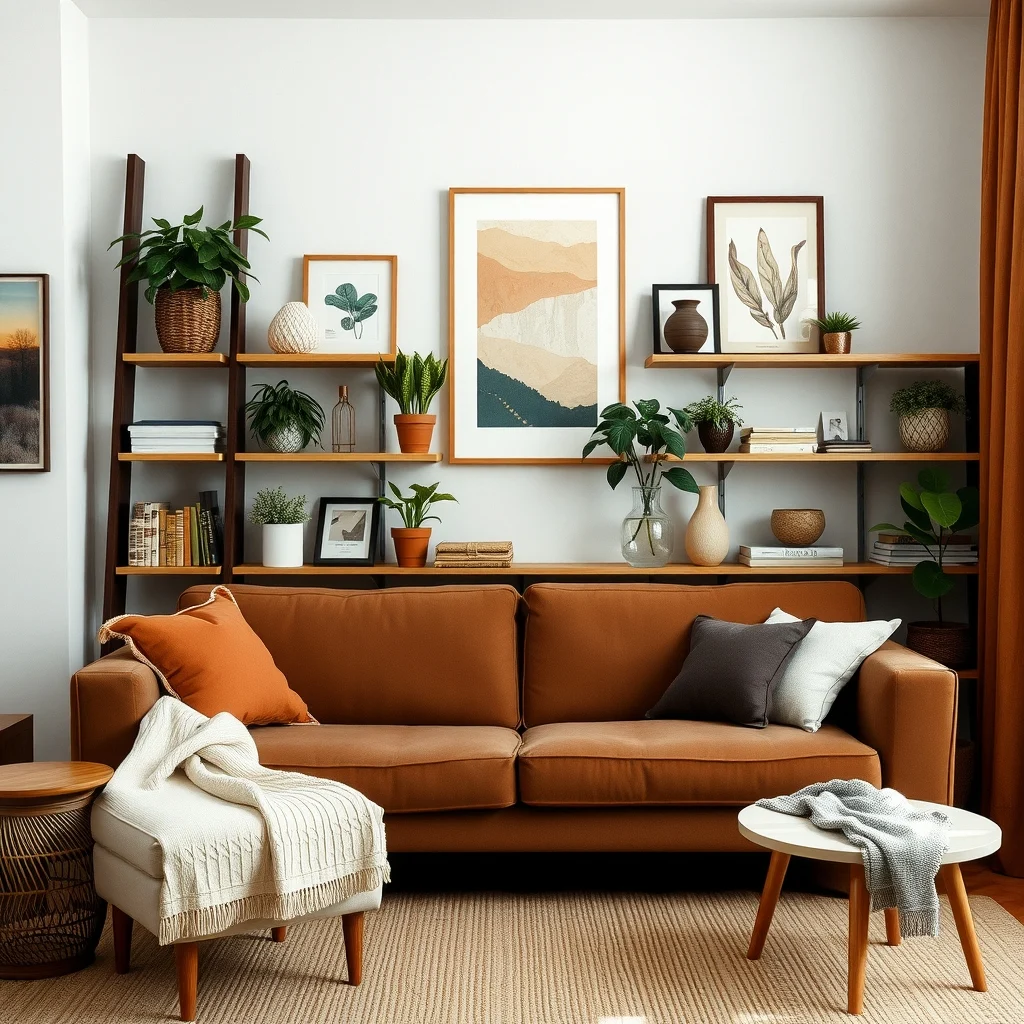
A ladder‑style shelving unit leans against the wall behind the sofa, offering multiple tiers for storage and display. The open‑frame design keeps the area feeling airy, and the varying shelf heights accommodate everything from potted plants to photo frames. Select a unit with a powder‑coated black finish for a contemporary vibe, or a natural wood tone for a more organic look. Because the ladder rests on the floor, it can be repositioned if you rearrange the room, providing flexibility that fixed shelving lacks. However, the base does occupy a small portion of the floor, so ensure the sofa’s legs have enough clearance to avoid scratching.
7. Conceal a Rolling Cart Behind the Sofa
© 2026 AI Illustrator — Inspiration Only
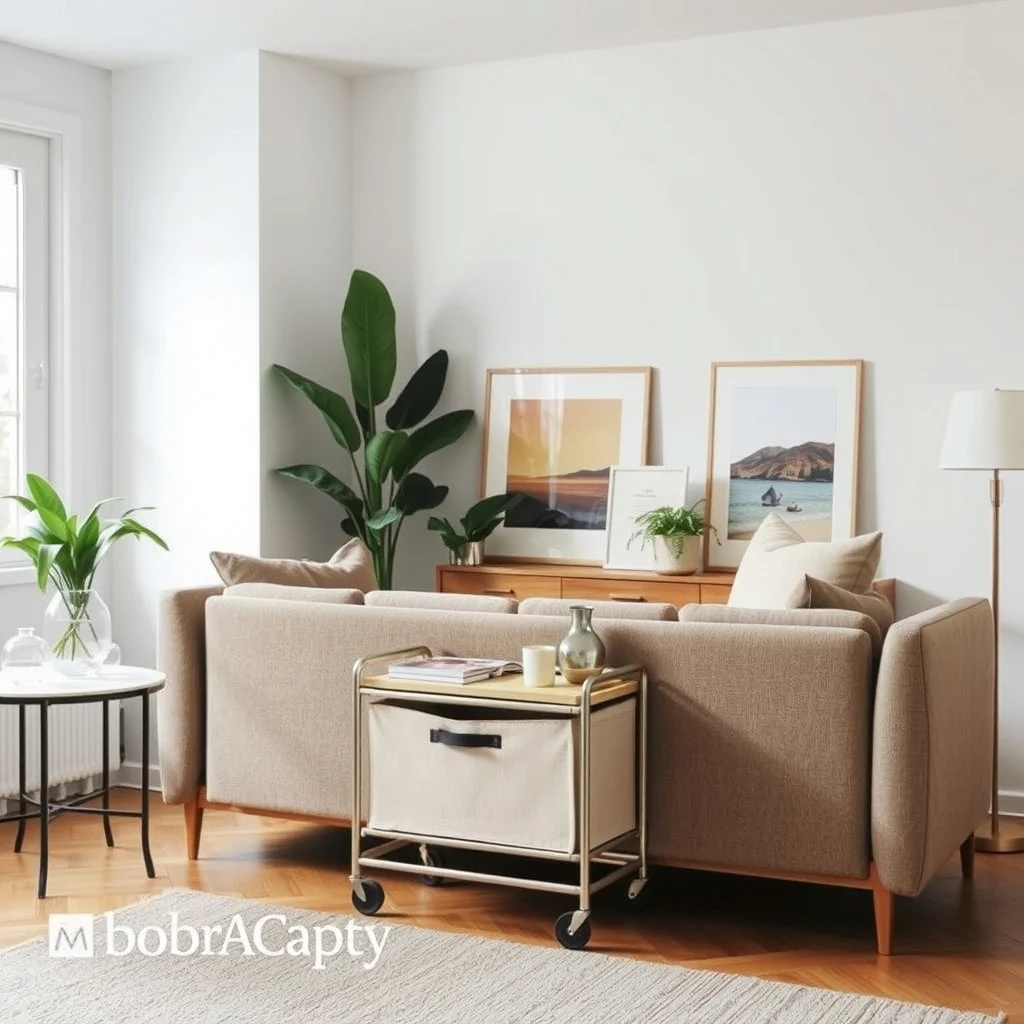
A slim rolling cart tucked behind the sofa offers mobility and hidden storage in one package. Choose a cart with a metal frame and a fabric drawer that matches the room’s color scheme. The cart can hold items you need to access frequently—such as a portable speaker, extra throw pillows, or a basket of children’s books—while the wheels allow you to slide it out for cleaning or repositioning. The cart’s compact width, typically under ten inches, ensures it does not block foot traffic. Keep in mind that the cart’s wheels may make a soft noise on hardwood floors; a felt pad under each wheel can mute the sound.
FAQ
© 2026 AI Illustrator — Inspiration Only
How deep can storage be without blocking the sofa’s legs?
The depth should stay under twelve inches to preserve legroom and avoid pressing against the sofa’s frame.
Can I paint the back wall a bold color without clashing with storage units?
Yes, a bold accent wall works well when the storage pieces are finished in neutral tones; the contrast creates visual interest without overwhelming the space.
Is it safe to attach heavy shelves to drywall behind a sofa?
Heavy shelves require anchors designed for drywall or a stud‑mounted bracket; otherwise, they may pull away from the wall over time.
What material is best for a low‑maintenance storage solution?
Materials such as powder‑coated metal, sealed plywood, or high‑density canvas resist stains and are easy to wipe clean with a damp cloth.
Do rolling carts make noise on hardwood floors?
They can, but adding felt pads to the wheels reduces the sound and protects the floor from scratches.
Final Thoughts
© 2026 AI Illustrator — Inspiration Only
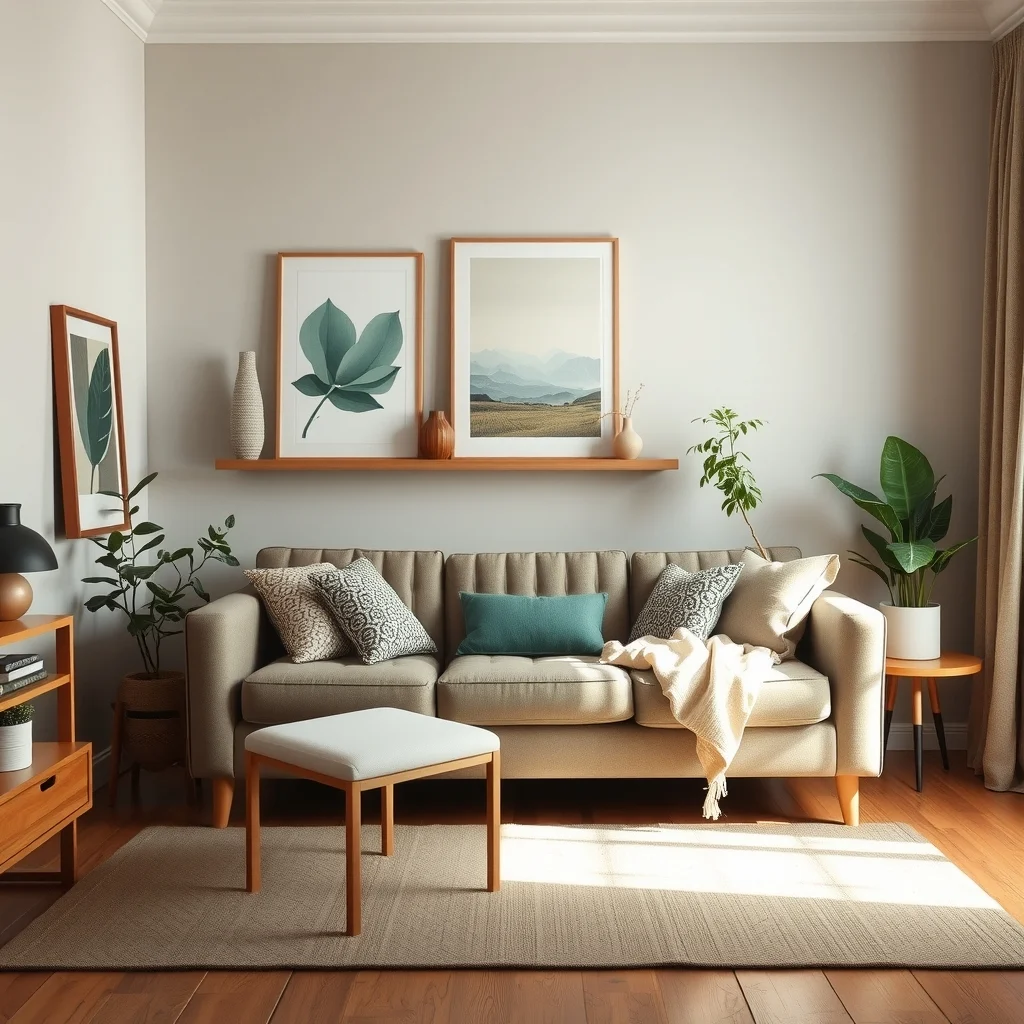
Turning the narrow space behind your sofa into a purposeful storage area doesn’t require a full renovation—just a few thoughtful choices that respect the room’s proportions and style. Whether you favor floating shelves, a slim ottoman, or a mobile cart, each option adds order while keeping the living room inviting. By measuring carefully, matching finishes, and considering the weight of stored items, you can create a tidy, functional nook that serves your daily needs and enhances the overall aesthetic. The result is a living room that feels both spacious and thoughtfully organized, with every item in its right place.