
Every time you settle into the living room with a laptop, a phone, or a tablet, the tangle of cords beneath the coffee table becomes a silent distraction. The solution isn’t to hide every cable in a black bag, but to integrate power sources into the room’s design so that they disappear without sacrificing function. Below are seven approaches that let you keep devices within reach while preserving the clean look you’ve worked hard to achieve.
1. Create a Hidden Power Hub Near Your Main Seating

© 2026 AI Illustrator — Inspiration Only
Positioning a small power hub just a few steps from the sofa or favorite chair provides a central point for charging without scattering plugs across the floor. A low‑profile box painted to match the wall color or finished in a matte metal can sit on a sideboard or be recessed into a piece of furniture. By keeping the hub close, you avoid long extension cords that snake across rugs, and you also reduce the risk of tripping. When you choose a hub, look for one with enough outlets for your daily devices and a built‑in surge protector; the extra safety layer protects both your electronics and your home’s wiring. The key is to treat the hub as a decorative object rather than a utility box, allowing it to blend with the surrounding décor.
What’s Your Apartment Decor Style?
Answer these quick questions to discover your perfect decor vibe.
2. Use Decorative Cable Boxes That Blend with Your Palette

© 2026 AI Illustrator — Inspiration Only
Simple cardboard boxes are useful, but they rarely complement a living room’s aesthetic. Decorative cable boxes made from woven wicker, brushed steel, or lacquered wood can sit on a console table and conceal the bulk of a power strip and its cords. The material of the box should echo other elements in the room—perhaps a bamboo box near a teak coffee table or a matte black metal case alongside a modern glass shelf. Inside the box, arrange the cords so that the heaviest charger sits at the back and the lighter ones nest in front; this prevents the box from bulging outward. While a decorative box adds visual interest, remember that it may limit airflow, so choose a design with ventilation slots if you plan to charge multiple devices simultaneously.
3. Route Cables Behind Furniture with Built‑in Channels

© 2026 AI Illustrator — Inspiration Only
Many modern sofas and side tables feature discreet channels or hollow legs designed to hide wiring. By guiding cords through these pathways, you keep them out of sight while still providing power where you need it. A simple drill can open a small hole at the back of a wooden chair, allowing a thin power cord to slip through to a nearby outlet. The advantage of this method is that the cords follow the natural lines of the furniture, making the arrangement feel intentional rather than improvised. However, be mindful of the length of the cord; a stretch that is too tight can strain the plug, while excess slack may create a visible loop. Regularly check the routing for dust accumulation, especially in homes with pets that like to investigate hidden spaces.
4. Choose Cord Covers that Mimic Architectural Details
© 2026 AI Illustrator — Inspiration Only
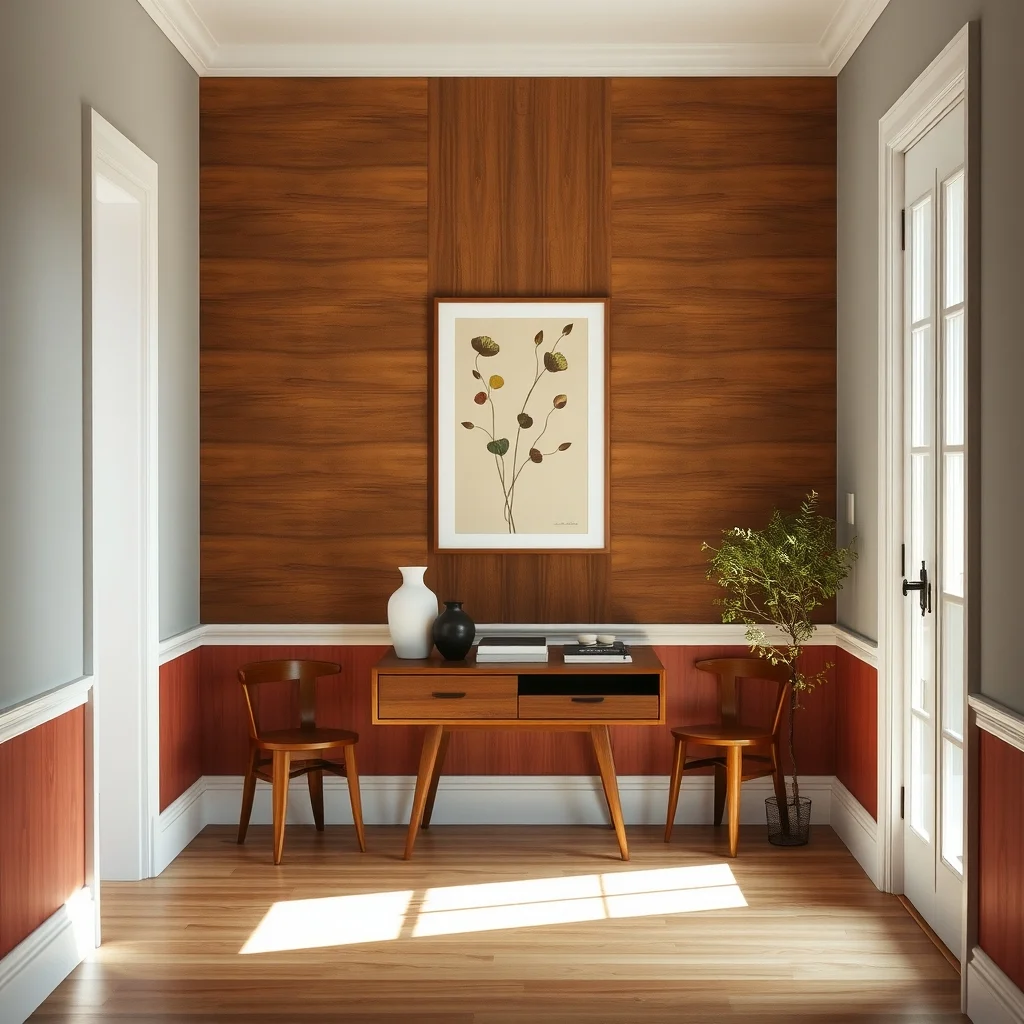
When a cable must travel along a wall, a plain plastic sheath can look out of place. Cord covers that imitate baseboards, crown molding, or even brickwork can transform a functional necessity into a design element. A cover painted the same shade as the wall or finished in a complementary texture will disappear into the background. Installing these covers is straightforward: measure the length of the run, cut the cover to size, and snap it over the cable before securing it with a few discreet clips. The trade‑off is that the cover adds a slight thickness to the wall line, which may be noticeable in rooms with very thin trim. Selecting a cover that matches the existing molding ensures the addition feels like an extension of the architecture rather than an afterthought.
5. Design a Dedicated Charging Station on a Side Table

© 2026 AI Illustrator — Inspiration Only
A side table can become a sleek charging station when you allocate a specific surface for devices. Start by placing a slim, rectangular tray—perhaps a marble slab or a brushed‑aluminum board—on the table’s top. The tray gathers phones, tablets, and remote controls, while a short power strip tucked underneath the table’s lower shelf supplies the necessary outlets. This arrangement keeps cords contained within the tray’s perimeter, preventing them from spilling onto the floor. The choice of material for the tray influences the visual weight; a light‑colored stone adds a subtle focal point, whereas a dark metal complements a contemporary palette. One limitation is that the side table must have enough clearance beneath the tabletop to accommodate the strip without bending the cords.
6. Employ Magnetic or Velcro Straps for Flexible Management
© 2026 AI Illustrator — Inspiration Only
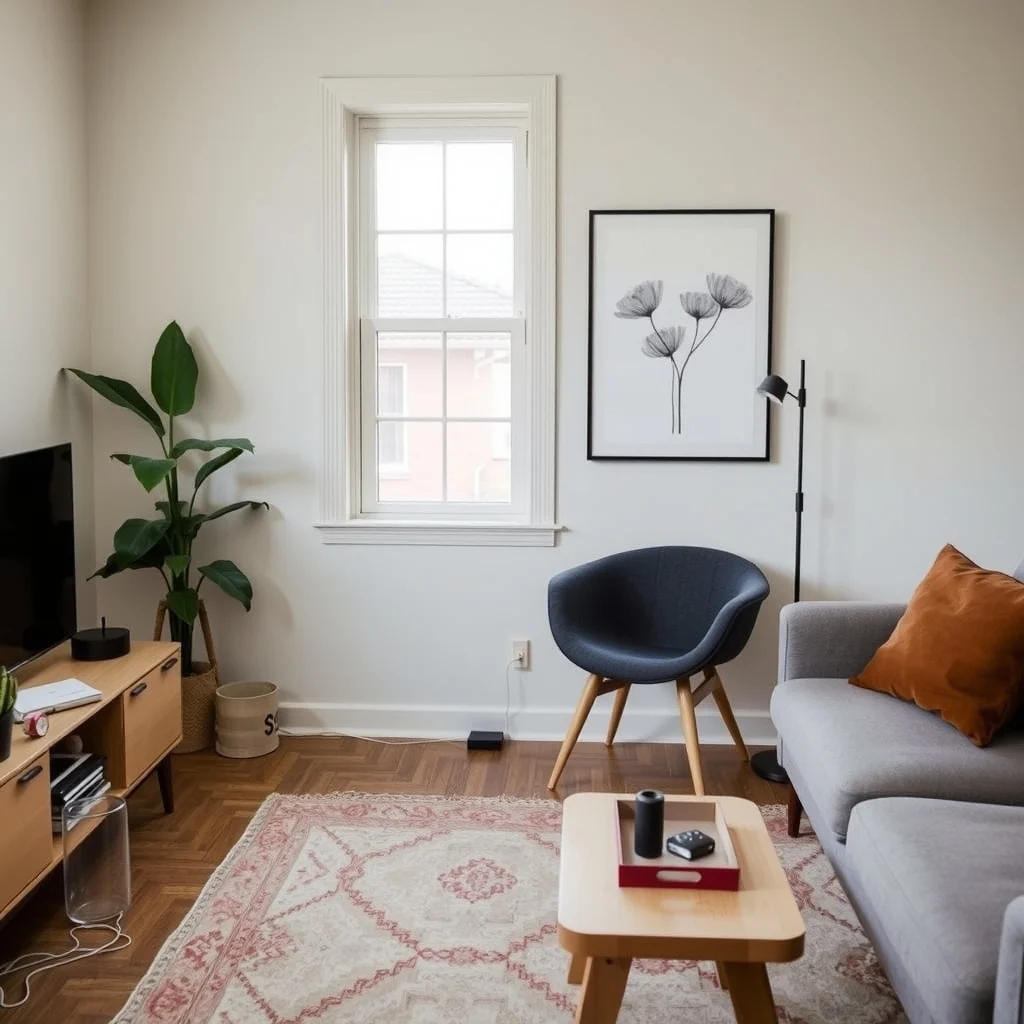
For devices that move from room to room—such as a laptop charger or a portable speaker—magnetic or Velcro straps offer a reusable way to bundle cords without permanent fixtures. A magnetic strip attached to the back of a nightstand can hold a charger in place, while a Velcro loop on the underside of a desk keeps a power cord tidy during work hours. The advantage of these fasteners is their adaptability; you can reposition them as your layout changes, and they leave no permanent marks on furniture. The downside is that the magnets may interfere with certain electronic devices if placed too close, so keep them a few inches away from speakers or other sensitive equipment.
7. Incorporate Low‑Profile Power Strips into Wall‑Mounted Shelves
© 2026 AI Illustrator — Inspiration Only
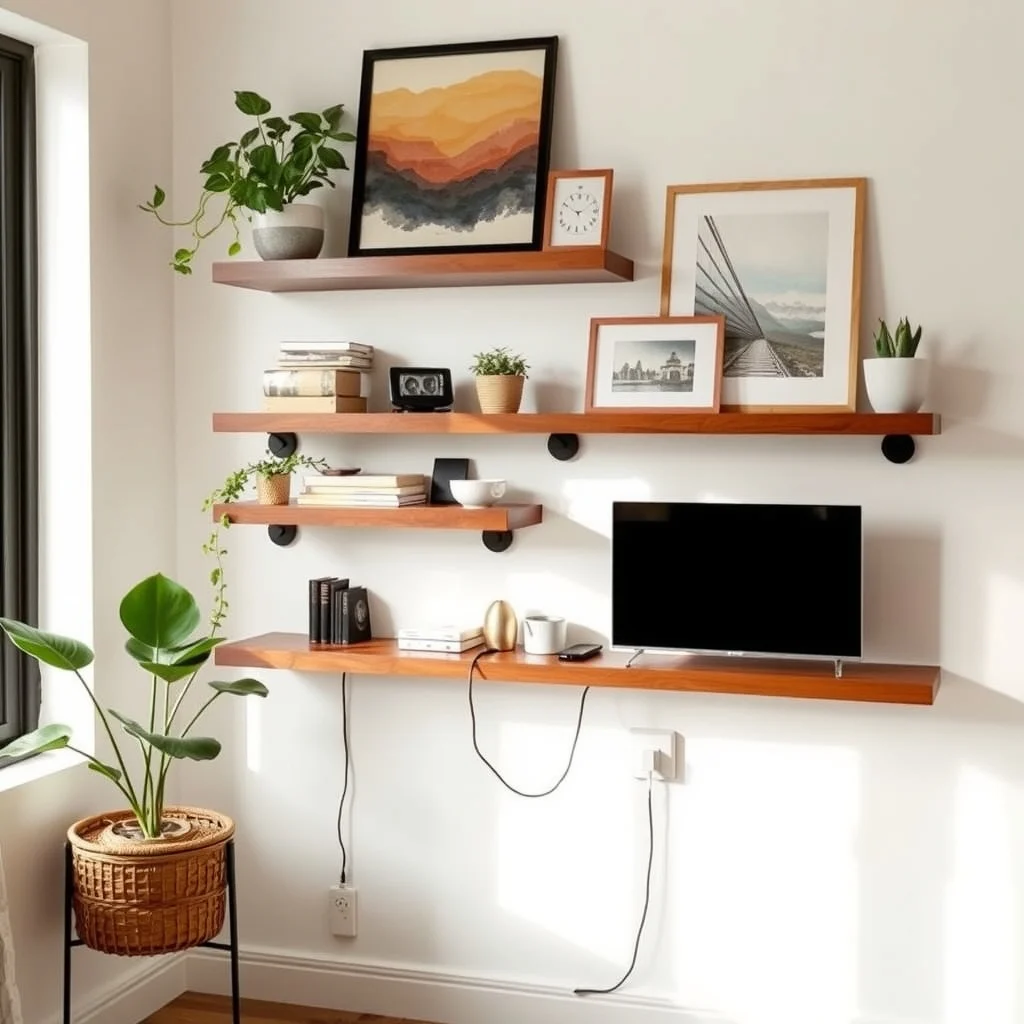
Wall‑mounted floating shelves provide an excellent canvas for integrating power without cluttering the floor. By selecting a shelf with a shallow back cavity, you can slide a low‑profile power strip into the space, then run cords along the shelf’s edge to the devices placed on top. The strip remains hidden from view, and the shelf’s clean lines maintain the room’s visual balance. When choosing a strip, prioritize models that are only an inch or two thick; thicker units will protrude and defeat the purpose of concealment. Keep in mind that the shelf must be securely anchored to the wall to support both the weight of the electronics and the strip itself, especially in high‑traffic areas.
FAQ

© 2026 AI Illustrator — Inspiration Only
How can I hide cords in a bedroom without drilling holes?
You can use adhesive cord channels that stick directly to the baseboard or wall, then paint them to match the surrounding surface. This method avoids permanent alterations while keeping cables neatly tucked away.
Are there safe ways to run cords across a hardwood floor?
Lay a flat, rubberized cord protector that blends with the floor’s tone. The protector prevents wear on the wood and reduces the tripping hazard, offering a safe solution for temporary setups.
What type of power strip is best for a home office?
A surge‑protected strip with a slim profile and individually switched outlets works well. It allows you to control each device’s power without adding bulk to the desk.
Can I use decorative boxes in a minimalist living room?
Yes, choose a box with clean lines and a neutral finish, such as matte white or brushed metal, to maintain the minimalist vibe while still concealing cords.
Is it okay to place a charger under a rug?
It is not advisable because heat can build up under the fabric, potentially damaging the charger. Keep chargers on a hard surface where airflow is unrestricted.
Final Thoughts
© 2026 AI Illustrator — Inspiration Only
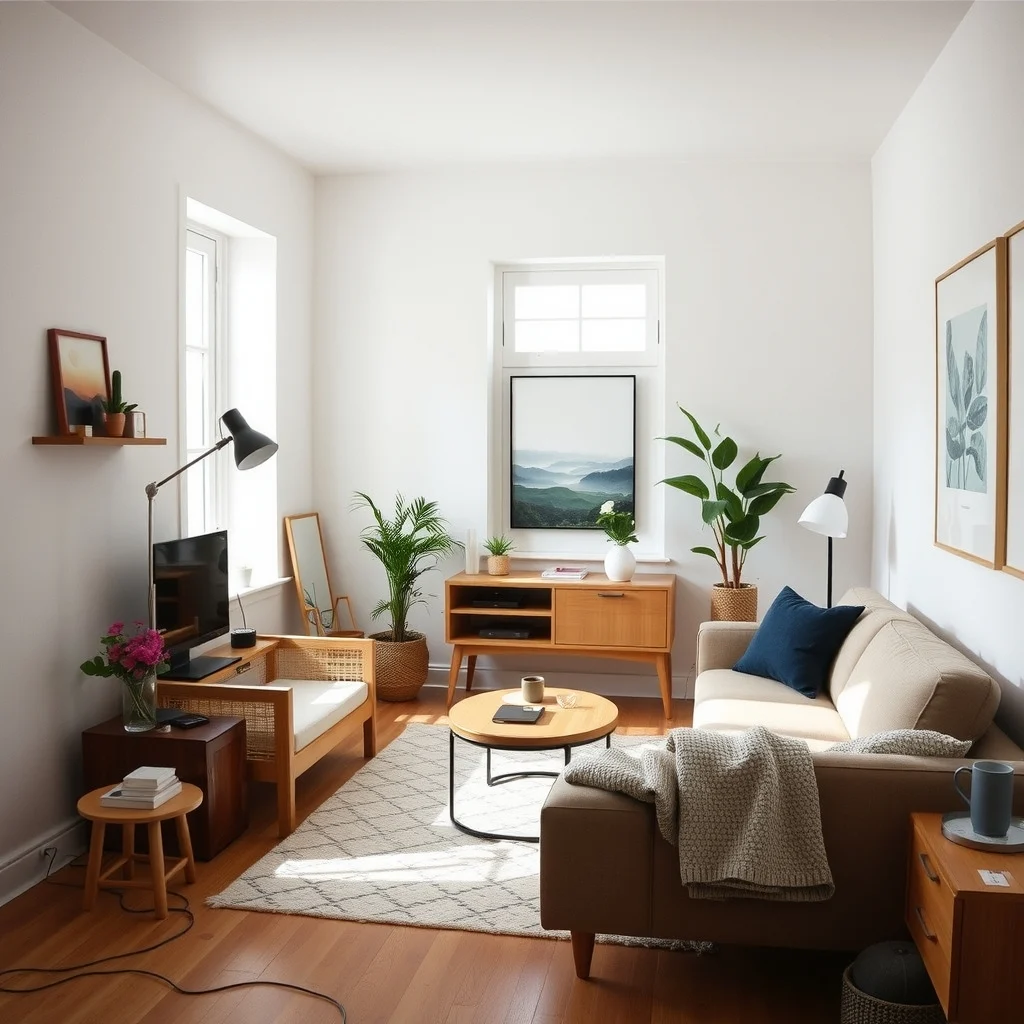
Managing cords and chargers is less about hiding every wire and more about integrating power into the room’s design language. By selecting hidden hubs, decorative boxes, built‑in channels, architectural covers, dedicated stations, flexible straps, and low‑profile strips, you can keep your spaces functional and visually calm. Each approach brings its own strengths and compromises, so consider the room’s style, traffic patterns, and the devices you use most often. With thoughtful placement and the right accessories, a tidy, organized home feels effortless—no longer a battlefield of tangled cables, but a well‑curated environment that supports modern living.