
Beige walls give a room a calm backdrop, but they can also feel flat if nothing else stands out. The challenge is to add personality without overwhelming the subtle base. In this article you’ll discover seven ways to layer texture, color, and shape so that a beige apartment feels lively, inviting, and truly yours. Each idea is explained with practical steps, common pitfalls, and suggestions for adapting the concept to different spaces.
1. Introduce a Bold Accent Wall
© 2026 AI Illustrator — Inspiration Only
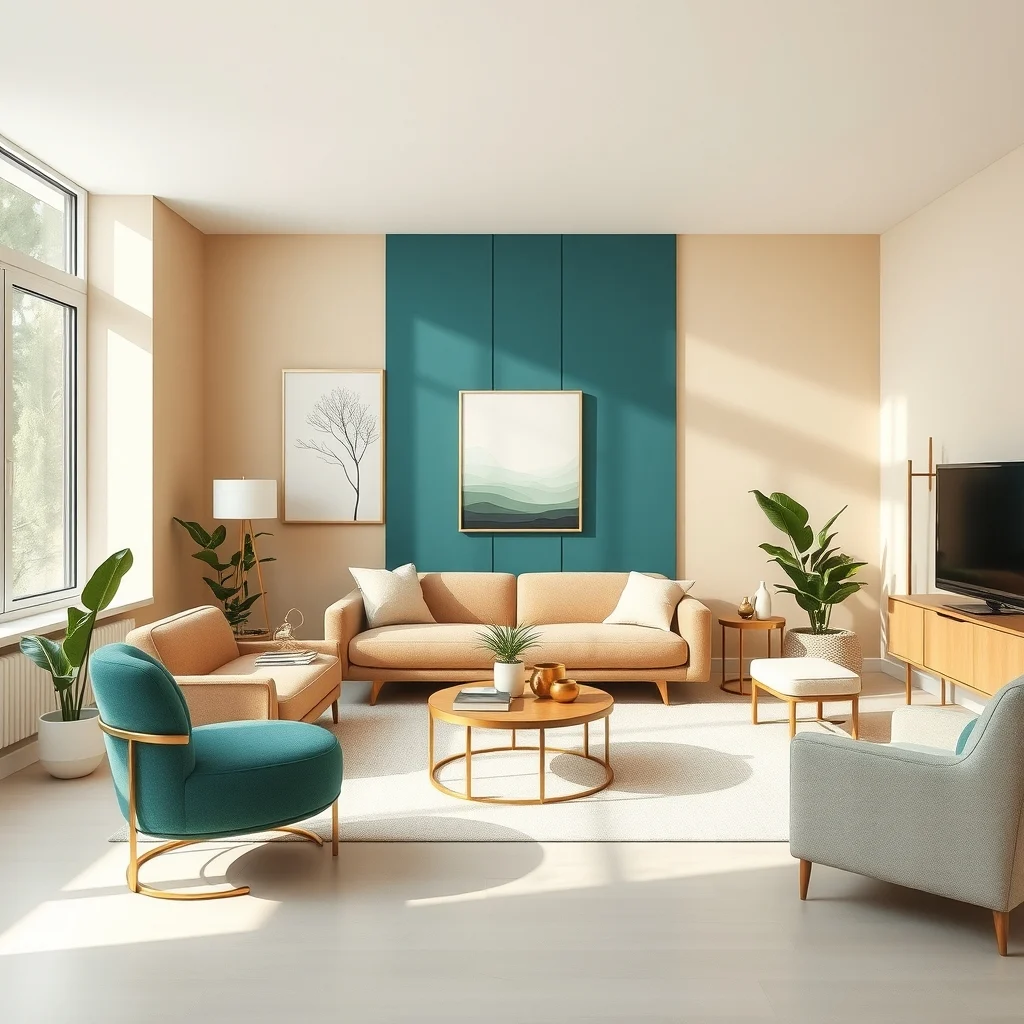
Choosing one wall to carry a richer hue creates depth while keeping most surfaces neutral. A deep teal, muted olive, or warm terracotta works well against beige because the contrast is strong enough to draw the eye but not so stark that it feels disjointed. Paint the chosen wall after you have arranged the main furniture; this ensures the accent aligns with the room’s focal point, such as a sofa or media console. If painting feels permanent, consider a removable wallpaper panel with a subtle pattern that incorporates the accent color. The key is to limit the boldness to a single plane, allowing the rest of the room to breathe. Remember that a darker wall can make a space feel cozier in the evenings, especially when paired with warm lighting.
What’s Your Apartment Decor Style?
Answer these quick questions to discover your perfect decor vibe.
2. Layer Textiles for Visual Interest
© 2026 AI Illustrator — Inspiration Only
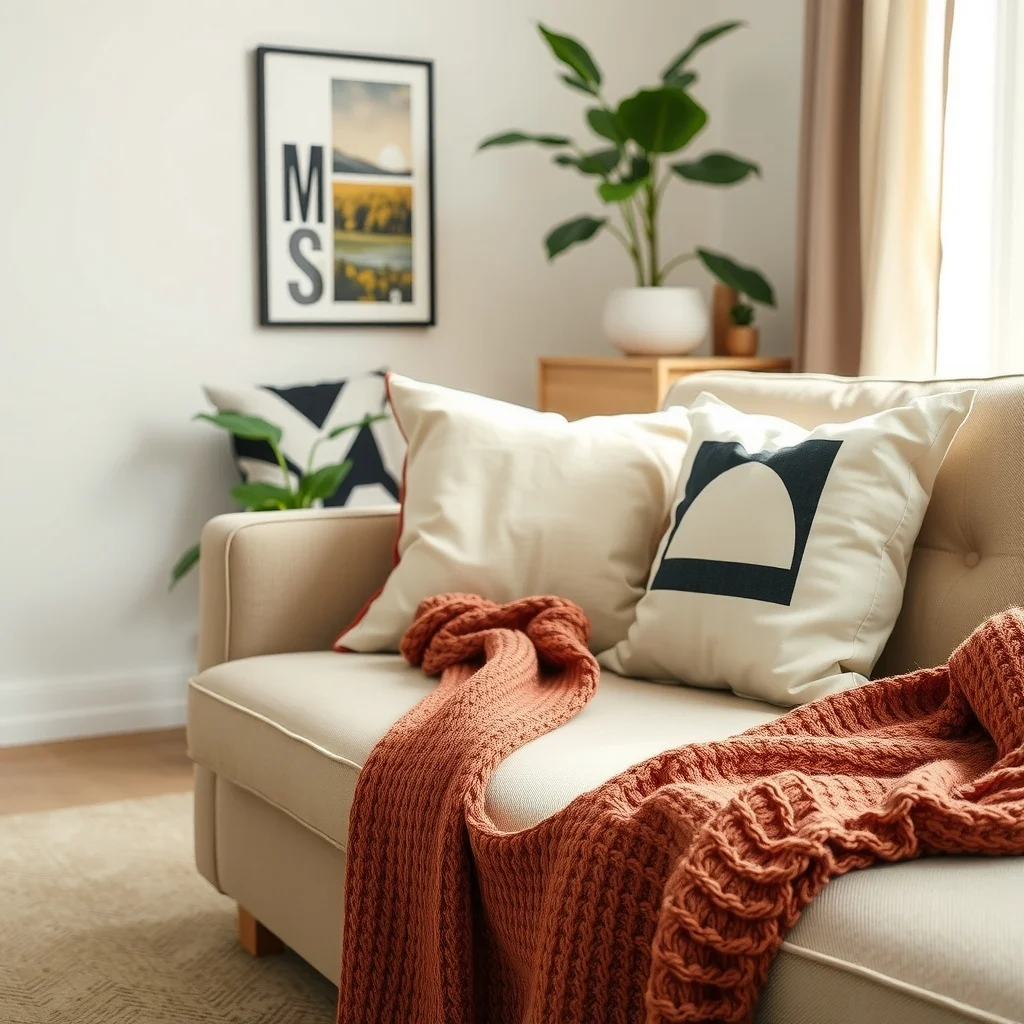
Textiles are an easy way to break up the monotony of a beige palette. A chunky knit throw in a soft rust or a set of linen cushions with geometric prints adds tactile variety. When selecting fabrics, think about the room’s function: a living room benefits from durable, low‑pile upholstery that can withstand daily use, while a bedroom can indulge in plush, higher‑pile materials for comfort. Mix natural fibers like cotton, wool, and jute to create a layered look that feels curated rather than random. One practical tip is to anchor the colors of the textiles to an existing element, such as a piece of artwork or a rug, so the room feels cohesive. Be mindful of maintenance—choose removable covers for items that may need frequent cleaning.
3. Add Natural Materials and Greenery
© 2026 AI Illustrator — Inspiration Only
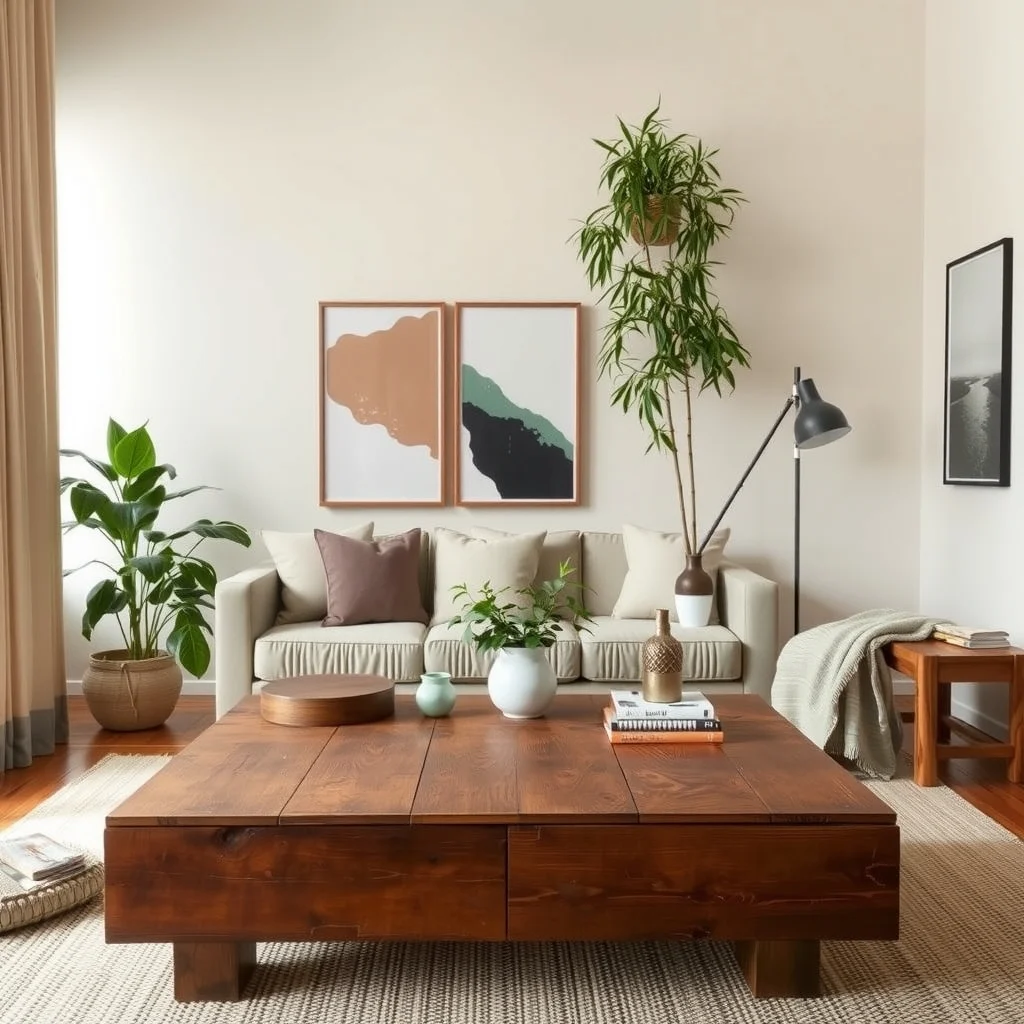
Wood, stone, and plants introduce organic warmth that balances beige’s neutrality. A reclaimed‑wood coffee table or a set of bamboo shelving units bring texture and a subtle pattern without competing for attention. Pair these pieces with a few well‑placed houseplants—snake plant, pothos, or a small fiddle leaf fig—placed near windows to catch natural light. The greenery not only adds a splash of color but also improves indoor air quality, making the space feel fresher. When choosing plant containers, opt for matte ceramic or woven baskets that echo the room’s material palette. Keep in mind that plants need proper light and watering routines; select low‑maintenance varieties if you’re new to indoor gardening.
4. Play with Light Fixtures and Lamps
© 2026 AI Illustrator — Inspiration Only
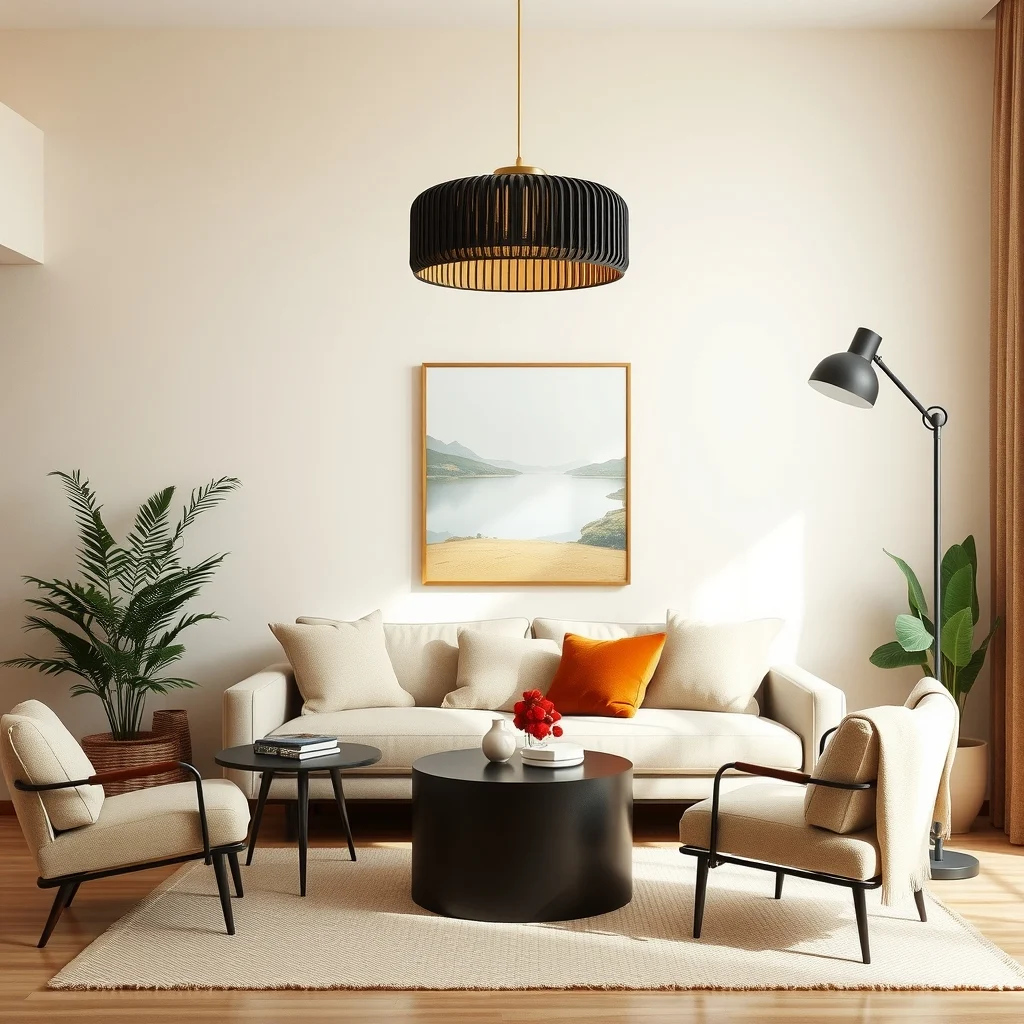
Lighting can transform a beige canvas from bland to dynamic. A statement pendant in brushed brass or a sculptural floor lamp in matte black creates a visual anchor that draws the eye upward. Layering light sources—overhead, task, and accent—adds depth and reduces the flatness that often accompanies uniform wall colors. For example, place a table lamp with a fabric shade on a side table to provide a warm pool of light for reading, while a dimmable ceiling fixture offers overall illumination. Choose bulbs with a warm color temperature (around 2700‑3000 K) to complement beige’s warm undertones. If the apartment has limited ceiling height, keep fixtures low‑profile to avoid crowding the space.
5. Incorporate Patterned Rugs
© 2026 AI Illustrator — Inspiration Only
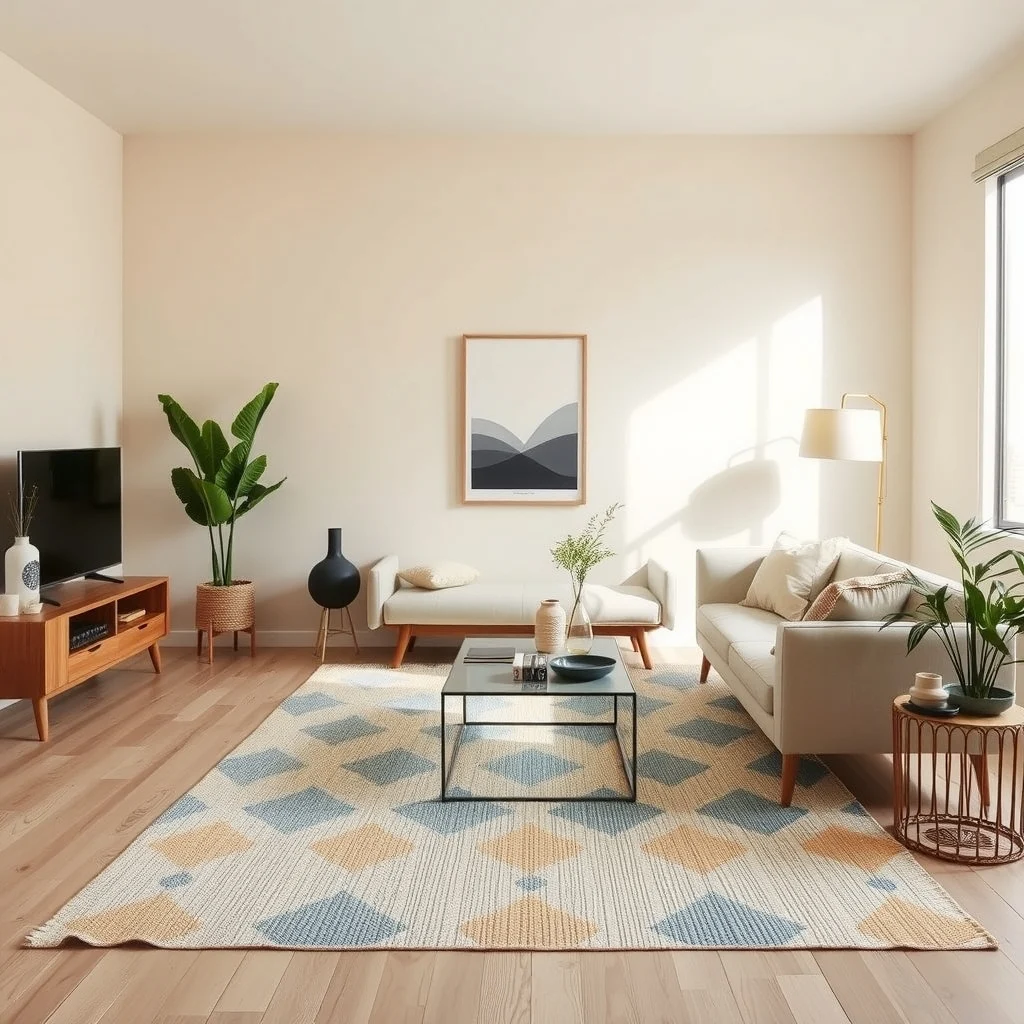
A rug anchored in the center of a room defines zones and introduces pattern without overwhelming the walls. Geometric motifs in muted blues or soft mustard can break up the expanse of beige flooring while adding a subtle sense of movement. When selecting a rug, consider the traffic flow; a low‑pile natural fiber like sisal is durable for high‑traffic areas, while a plush wool rug works well in a bedroom where comfort is prioritized. Position the rug so that at least the front legs of major furniture pieces rest on it; this creates a cohesive visual grouping. Be aware of cleaning requirements—some fibers tolerate vacuuming, while others may need professional cleaning.
6. Use Artwork as a Color Bridge
© 2026 AI Illustrator — Inspiration Only
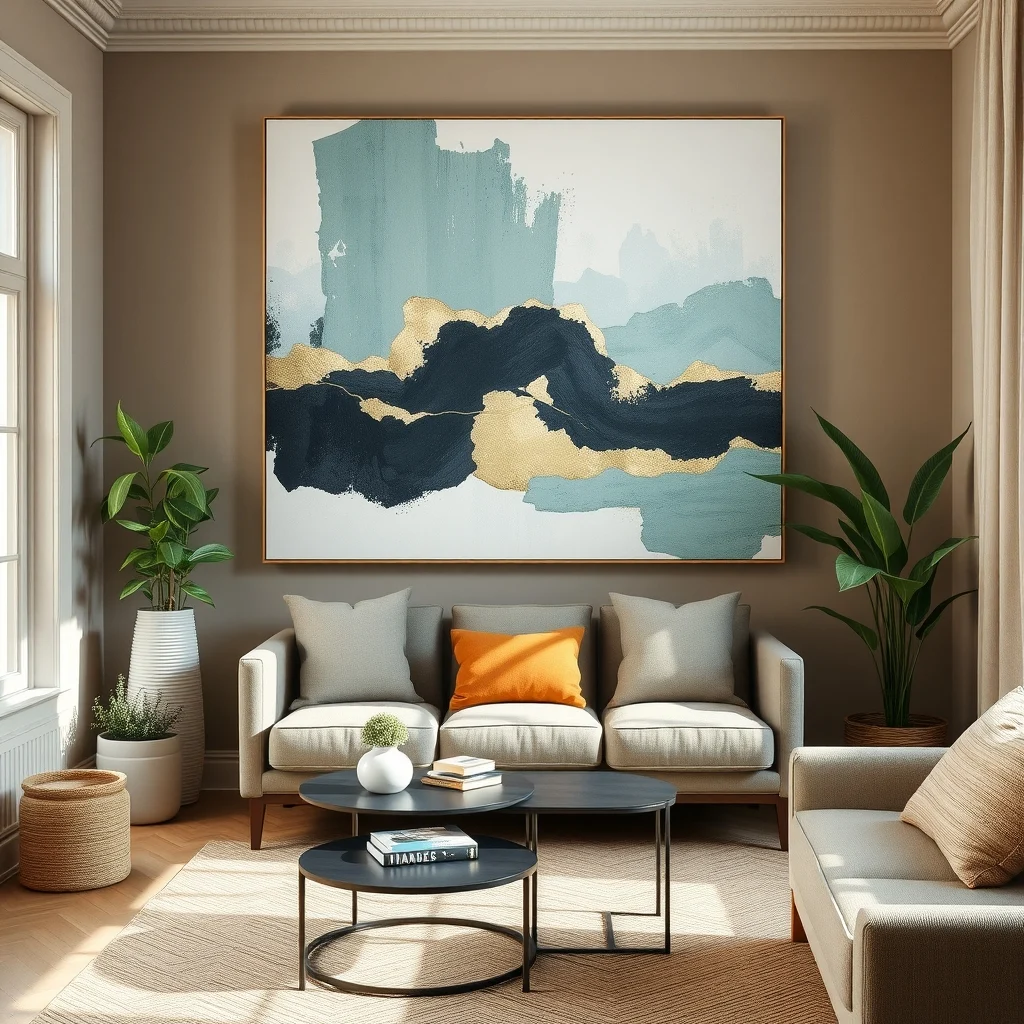
Artwork offers an opportunity to introduce bold hues and personal meaning. A large canvas with abstract brushstrokes in shades of teal, gold, and charcoal can serve as a focal point that ties together accent walls, textiles, and accessories. Hang the piece at eye level and ensure the surrounding wall space remains relatively uncluttered to let the artwork breathe. If wall space is limited, a series of smaller frames arranged in a grid can achieve a similar effect while providing flexibility to swap out pieces over time. Choose frames in materials that echo other finishes in the room—such as a wooden frame that matches a coffee table—to reinforce visual harmony.
7. Optimize Storage with Stylish Solutions
© 2026 AI Illustrator — Inspiration Only
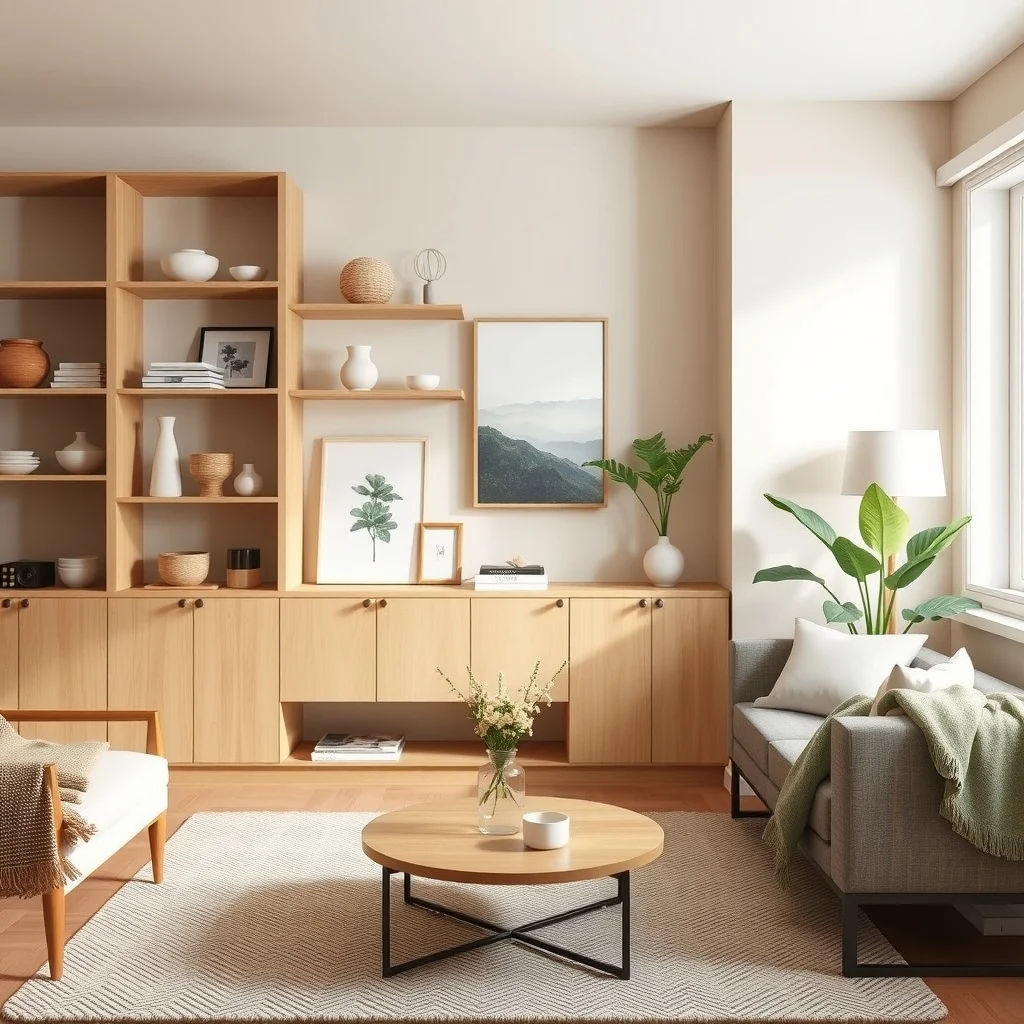
Clutter can quickly make a neutral palette feel lifeless. Selecting storage that doubles as décor helps maintain openness while keeping belongings organized. Open shelving in a light oak finish, for instance, displays decorative bowls, books, and small plants, turning functional pieces into visual interest. For areas that require concealment, consider built‑in cabinets with flat‑panel doors painted in a soft greige that blends with the walls yet adds subtle depth through texture. Incorporate woven baskets or fabric bins that echo the room’s textile choices; they provide hidden storage while contributing to the layered look. When planning storage, measure the space carefully to avoid overcrowding, and prioritize pieces that can adapt as your needs change.
FAQ
© 2026 AI Illustrator — Inspiration Only
How can I make a small beige studio feel more vibrant?
Introduce a single accent wall in a deeper hue and add a patterned rug that defines a seating area. Light, reflective accessories and a few plants will lift the space without overwhelming it.
What types of paint finishes work best for accent walls?
Eggshell or satin finishes provide a subtle sheen that is easy to clean and highlights the color without the high gloss of enamel. They also help hide minor imperfections on the wall.
Can I use metallic décor in a beige apartment without it looking cheap?
Yes, when metallic pieces are paired with natural textures like wood or linen. A brushed brass lamp or a copper vase placed on a wooden side table adds a refined touch without feeling flashy.
Is it okay to mix warm and cool tones in a beige space?
Mixing warm and cool tones works when one palette dominates and the other is used for accent. For example, a warm terracotta wall paired with cool blue cushions creates balance while keeping the room cohesive.
How often should I rotate decorative accessories?
Rotating accessories every few months keeps the look fresh and allows you to showcase seasonal items. It also prevents the space from feeling static.
Final Thoughts
© 2026 AI Illustrator — Inspiration Only
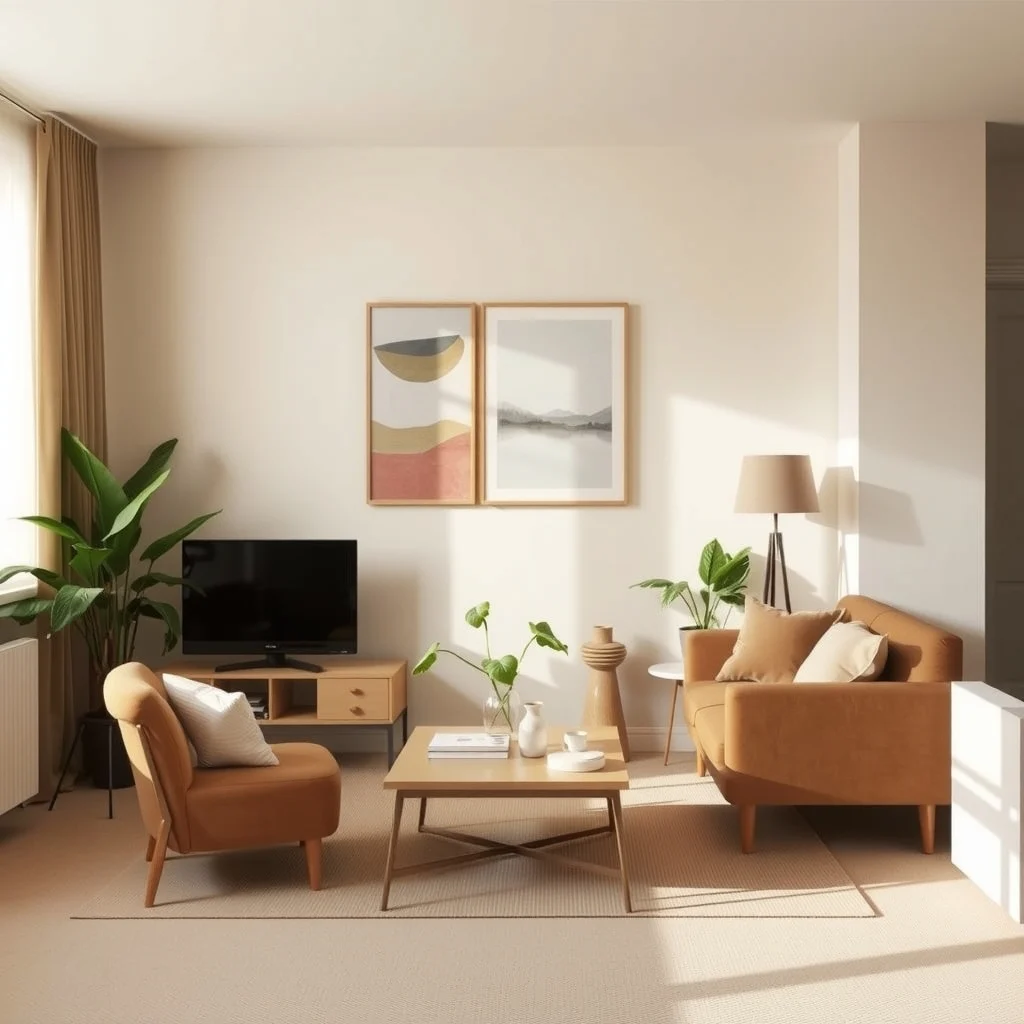
Beige provides a versatile foundation, but it needs thoughtful layering to avoid a monotonous feel. By adding strategic color, texture, light, and organized storage, you can turn a neutral apartment into a space that reflects your personality and lifestyle. Each of the seven ideas builds on the others, offering a roadmap that adapts to different rooms, budgets, and design preferences. With a few purposeful choices, your beige apartment will feel anything but boring.