
Short rooms, tall dreams? Same. The trick isn’t ripping out ceilings—it’s faking height with smart, budget curtain moves. These six hacks pull the eye up, stretch your walls, and make your space feel luxe without a scary receipt. Let’s climb.
1. Hang Them High, Wider, And Close The Gap
© 2026 AI Illustrator — Inspiration Only
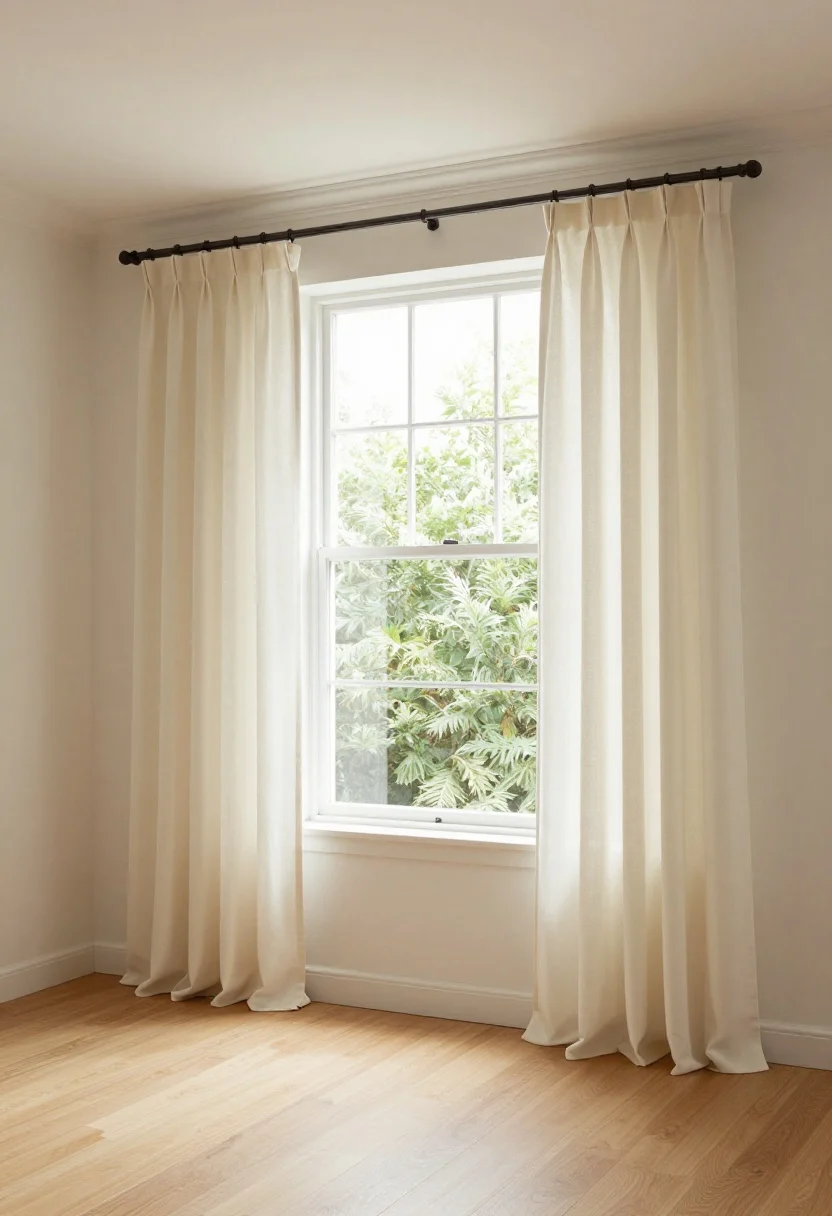
If you remember one thing, make it this: mount your rod as close to the ceiling as possible. Even if your window starts halfway down the wall, your curtains don’t have to. Hang the rod 2–6 inches below the ceiling or crown molding to draw the eye up.
What’s Your Apartment Decor Style?
Answer these quick questions to discover your perfect decor vibe.
Why It Works
Vertical lines = instant height. Short curtains visually chop the wall. Long, high-hung panels make the room feel taller and grander, fast.
- Rod height sweet spot: 2–6 inches below the ceiling. Got low ceilings? Go as high as hardware allows.
- Width trick: Extend the rod 6–10 inches past each side of the window. This reveals glass, makes windows look wider, and keeps panels from blocking light.
- Touch, don’t puddle: Hem to just “kiss” the floor for a crisp line that lengthens the wall. Tiny break = okay; big puddles = visual weight.
FYI: If your rental has flimsy drywall, use toggle anchors or mount into studs. Wobbly rods kill the illusion (and your mood).
2. Go Vertical With Stripes, Pleats, And Panels
© 2026 AI Illustrator — Inspiration Only
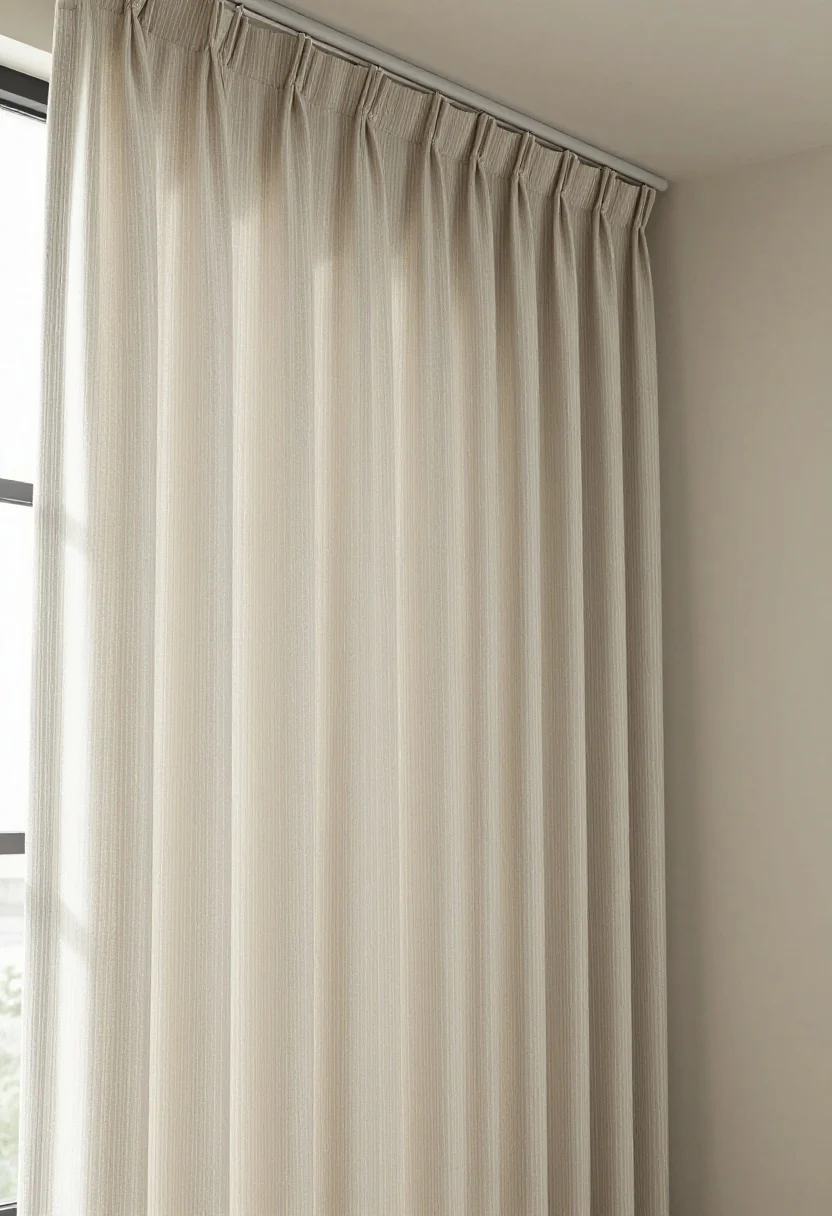
Want visual height for cheap? Choose fabrics with vertical energy. Stripes, pinstripes, or anything with an up-and-down texture naturally lifts the eye.
Style Moves That Stretch
- Vertical stripes: Thin or tonal stripes elongate without screaming “circus tent.” Try subtle gray-on-ivory or camel-on-cream.
- Pinch pleats or Euro pleats: Structured headers create neat, vertical folds that look tailored and tall. Clip-on rings with pleat hooks can fake this on a budget.
- Single-panel drama: A single, floor-to-ceiling panel off to one side can read taller than two skimpy panels. Go big on length; keep it narrow to save fabric.
Skip heavy horizontal patterns, chunky grommets that flatten folds, and overly busy prints—those spread the eye sideways and shrink the vibe.
3. Fake A Taller Window With Return Rods And Trim
© 2026 AI Illustrator — Inspiration Only
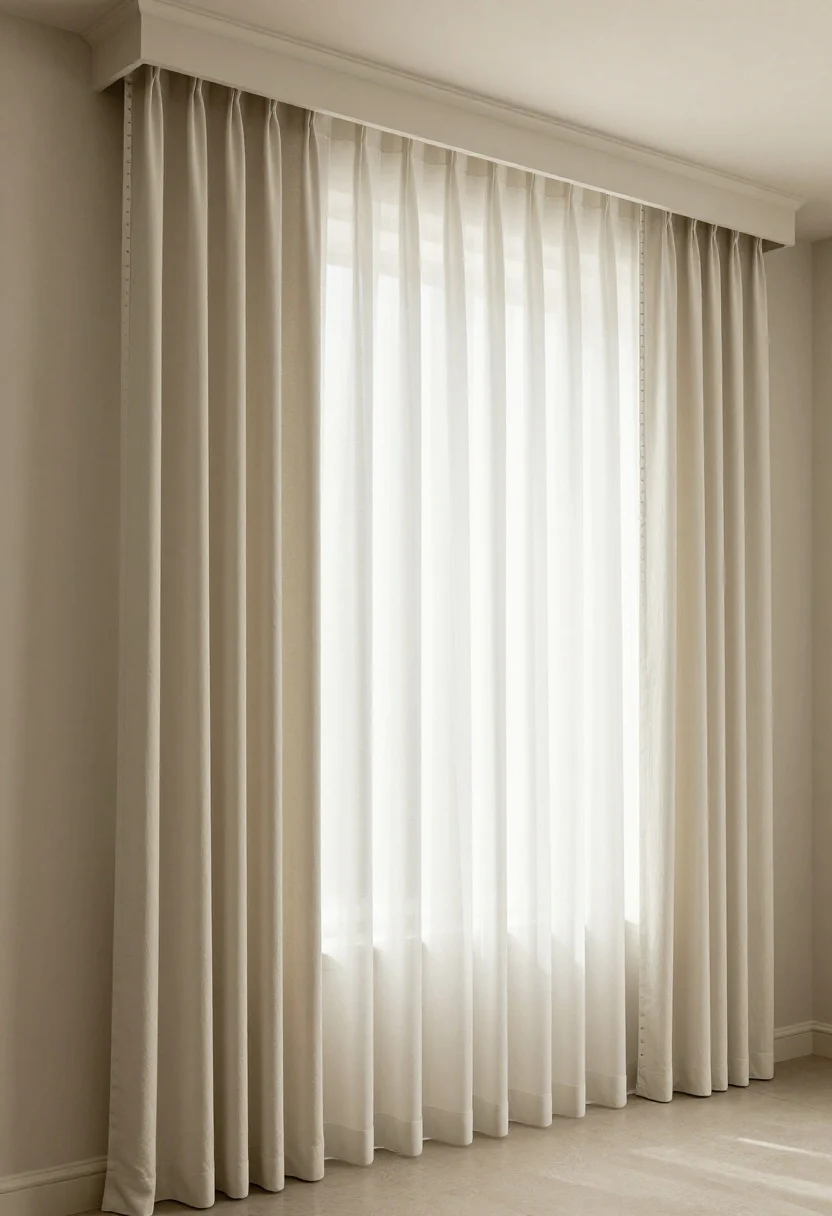
Here’s the design cheat code: frame the entire wall as the “window.” Your brain can’t argue with a well-staged optical illusion.
How To Build The Illusion
- Return rods: Use rods with returns (ends that curve back to the wall) so fabric wraps the corner. It creates a vertical “column” that feels architectural.
- Add vertical trim: Run simple lattice trim or narrow MDF strips from the rod height down to the baseboard on each side. Paint them the wall color. It reads as elongated window casing.
- Mount a small cornice or ceiling track: Hide hardware to keep sightlines clean and upward. Ceiling tracks = instant hotel energy.
Budget hack: Paint a tone-on-tone border around the window that extends several inches above the top casing. Then hang curtains to that painted “frame.” Looks custom; costs paint money.
4. Choose Airy, High-Drape Fabrics (And Line Them Smart)
© 2026 AI Illustrator — Inspiration Only
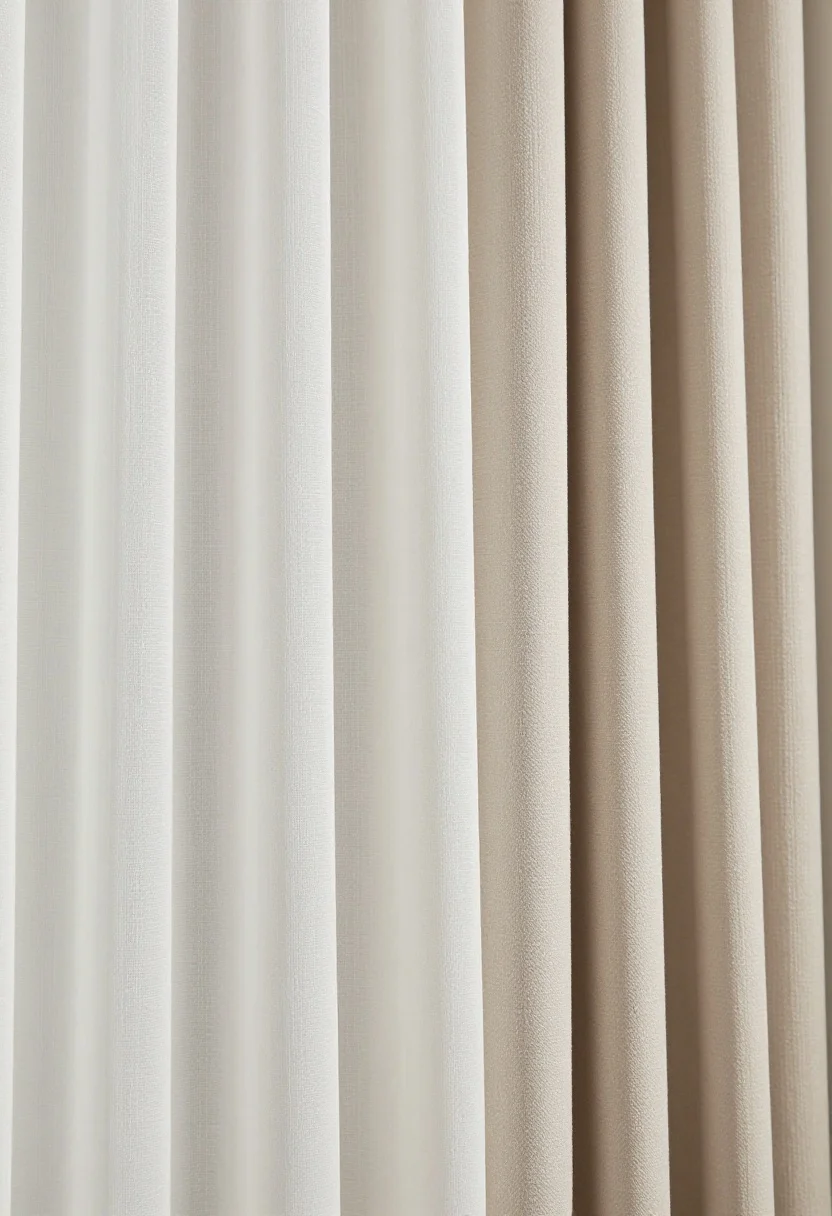
Fabric changes everything. You want flow, not bulk. Light-to-medium weight with a good drape keeps lines vertical and elegant.
Fabric Picks That Stretch The Room
- Linen blends, voile, or cotton sateen: They hang in soft columns and don’t balloon out.
- Sheers layered over blackout roller shades: Keeps privacy and light control without thick stacks of fabric.
- Thermal or blackout lining (optional): Adds weight so panels fall straight—especially helpful for budget polyester. Just avoid over-lining to the point of stiffness.
Pro move: Train your drapes. After hanging, hand-pleat them into even folds, secure with loose ties or clips, and leave for 48 hours. They’ll remember those vertical lines like well-behaved soldiers.
5. Use Rings, Long Headers, And Hidden Tabs To Lift The Eye
© 2026 AI Illustrator — Inspiration Only
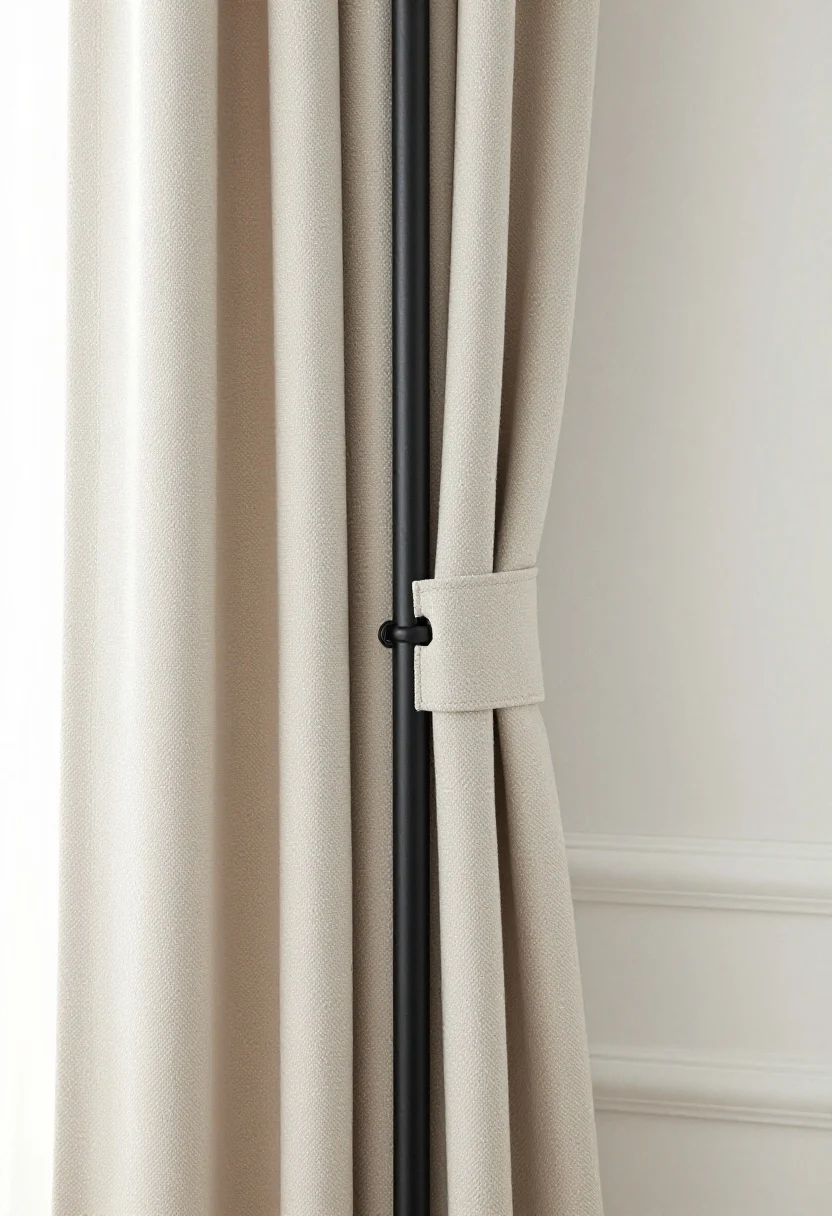
Hardware is the unsung hero of height. A little extra “rise” above the panel edge buys you visual inches for free.
Hardware Tricks On A Budget
- Clip rings or drapery hooks: Add 1–2 inches between rod and panel. That gap makes everything feel taller and more intentional.
- Back tabs or hidden tabs: Slide the rod through tabs sewn on the back. The panel floats slightly below the rod, reading taller and neater than grommets.
- Extra-tall header: Sew or buy panels with a 4–6 inch header. Even a faux header (folded and stitched) adds elevation.
Color tip: Match the rod to your trim or wall if you want an uninterrupted, lift-me-up line. Or go black/bronze for contrast and structure in modern rooms.
6. Extend To The Corners And Mirror The Height Across The Room
© 2026 AI Illustrator — Inspiration Only
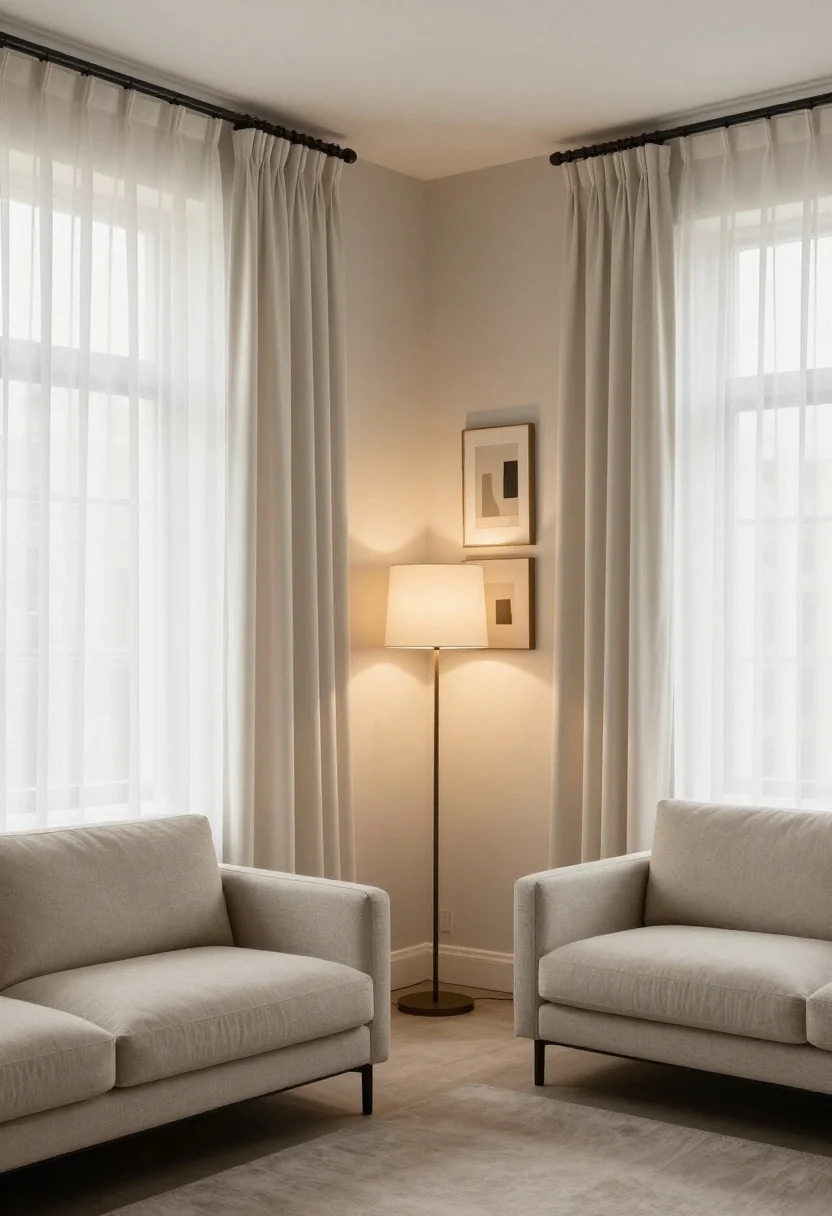
One high set of curtains helps. Echoing that height elsewhere turns the trick into a whole-room illusion. Symmetry and repetition = designer magic.
Room-Wide Stretch Strategies
- Corner-to-corner rods: Unite two windows on adjacent walls with a continuous rod mounted near the ceiling. It reads like one massive, airy opening.
- Mirror the height: Match the curtain height with tall bookcases, art stacks, or a floor mirror leaning vertically. Keep sightlines climbing.
- Light placement: Mount sconces higher than you think (still code-safe), or use tall lamps so light pools up the wall. Taller light = taller feel.
- Declutter the lower third: Keep heavy furniture low-profile and let the curtains be the stars. Visual weight at the floor shortens walls—no thanks.
IMO, this is the secret sauce: when every element politely points north, your ceilings suddenly feel like they got the memo and stretched overnight.
Quick Sourcing And DIY Notes
- Budget rods: IKEA, Target, Amazon basic return rods, or conduit pipe + spray paint + bracket kits.
- Affordable panels: IKEA LENDA or RITVA, H&M Home linen blends, thrift-store tablecloths (yes, seriously) with clip rings.
- No-sew hems: Hem tape + iron = perfect floor kiss. Measure twice; steam after hanging.
One more FYI: Always measure from installed rod height to floor before buying panels. Order longer than you need—you can hem once, but you can’t stretch fabric.
Mini Room Recipes
- Small apartment living room: Ceiling track + sheer white panels wall-to-wall, blackout roller shade behind. Sofa with low back to keep the line open.
- Bedroom with low ceiling: Rod 2 inches below ceiling, linen-blend pinch-pleat panels, light rug with subtle vertical pattern, tall narrow nightstands.
- Awkward short window: Paint a tall rectangle “frame,” mount rod at top, hang lined curtains to the floor. Window suddenly graduates from hobbit to human.
Bottom line: height is a vibe, not a measurement. These curtain hacks trick the eye, stretch your walls, and make your space feel curated—not costly.
You’ve got this. Grab a tape measure, some clips, and a steamer, and let those “ceilings” rise to the occasion.