
Living in a compact space often feels like a balancing act between style and comfort. Dark hues can add drama, depth, and a sense of sophistication, yet the same shades can also make a modest floor plan feel tighter than it is. This guide walks through seven practical ways to weave rich colors into a small apartment while keeping the atmosphere airy and welcoming. By the end, you’ll have a toolbox of ideas that let you enjoy the elegance of dark tones without sacrificing openness.
1. Choose One Anchor Shade and Let It Lead
© 2026 AI Illustrator — Inspiration Only
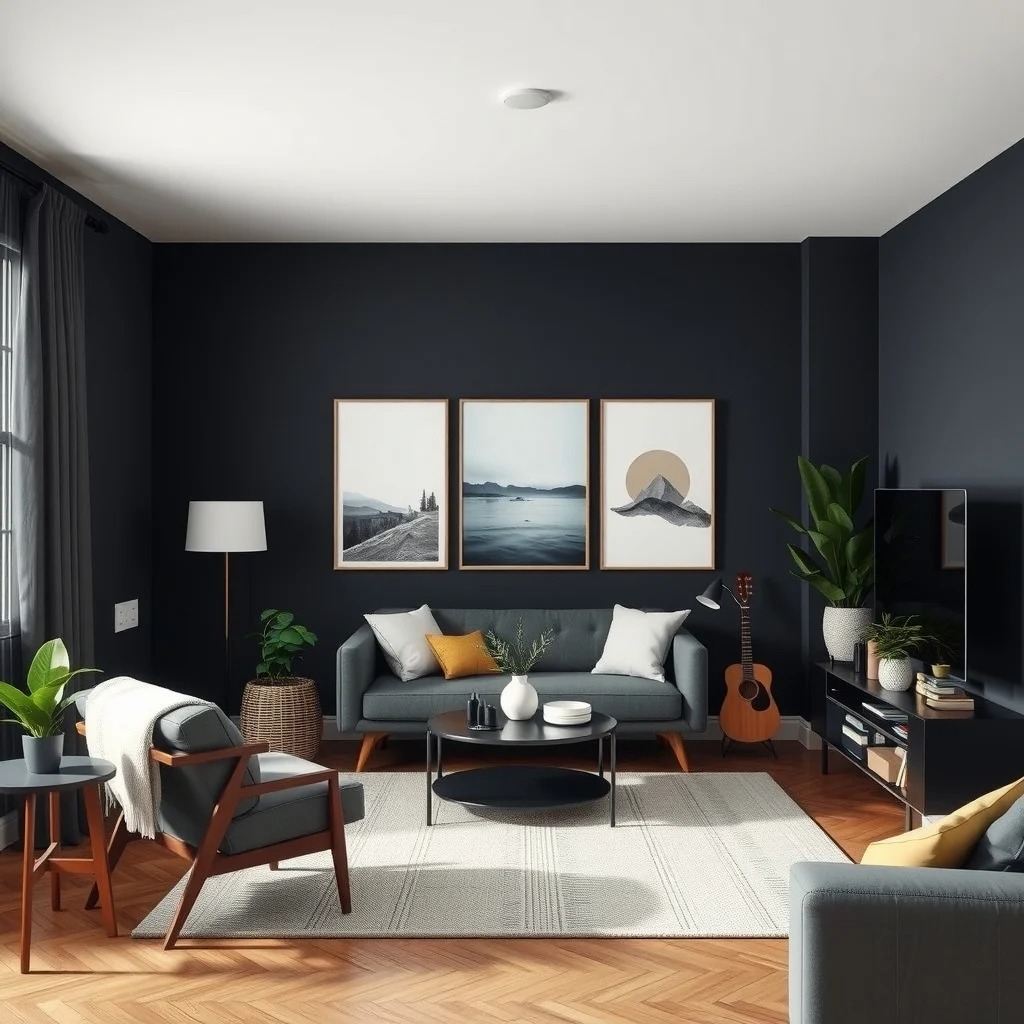
Starting with a single, well‑chosen dark shade creates a cohesive backbone for the room. Rather than splashing multiple deep colors across walls and furniture, pick a hue—such as a muted navy, a warm charcoal, or a deep olive—that will serve as the visual anchor. Painting one wall, the back of a built‑in shelf, or the headboard of a bed in that tone draws the eye and defines a focal point without surrounding the space in darkness. Because the rest of the room stays lighter, the anchor feels intentional rather than oppressive. When selecting the shade, test a large swatch at different times of day; natural light can shift the perception of darkness, and you’ll avoid a color that looks too heavy in the evening. The trade‑off is that committing to a strong anchor may limit flexibility for future color changes, but the payoff is a clear, confident design direction that keeps the space feeling organized.
What’s Your Apartment Decor Style?
Answer these quick questions to discover your perfect decor vibe.
2. Pair Dark Surfaces with Reflective Elements
© 2026 AI Illustrator — Inspiration Only
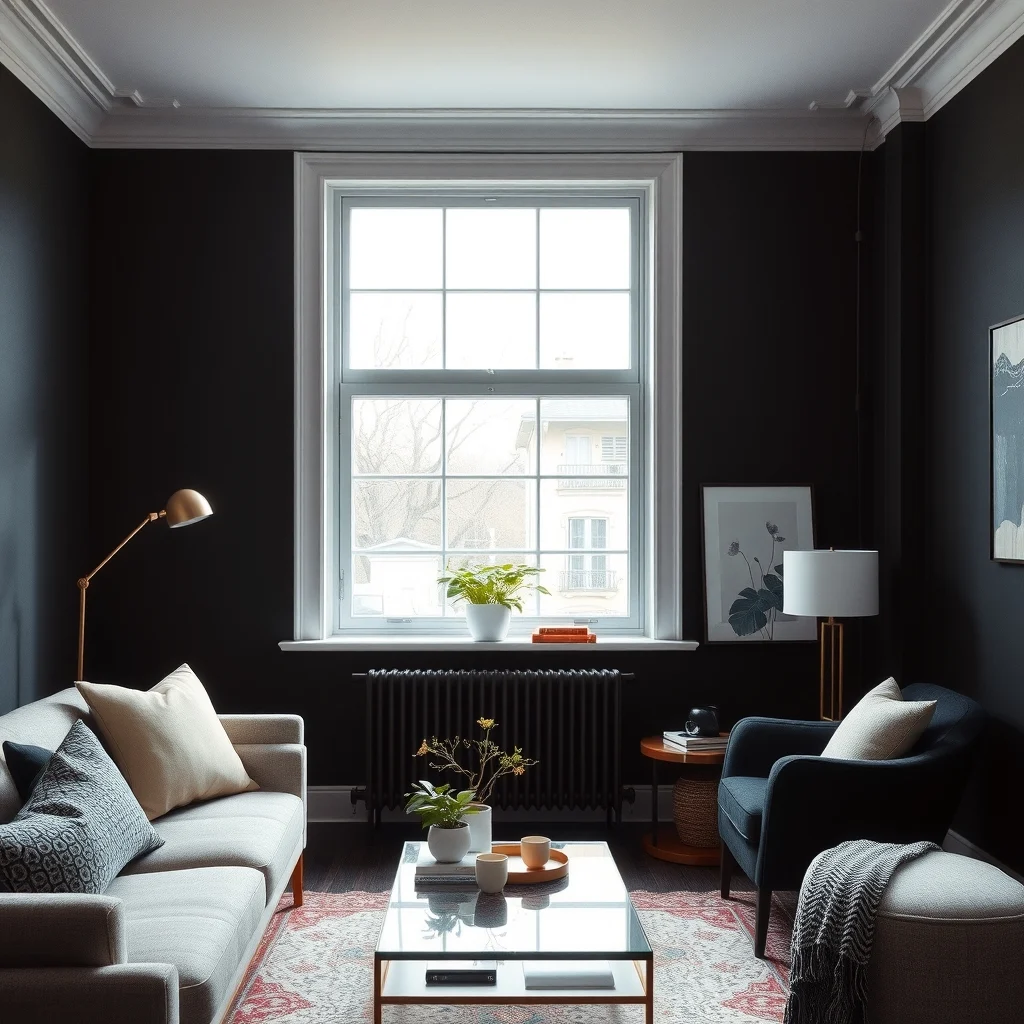
Reflective surfaces act like visual windows, bouncing light around and preventing dark finishes from swallowing the room. A glossy white ceiling, a glass coffee table, or brushed brass hardware can soften the impact of a charcoal sofa or a midnight‑blue accent wall. Mirrors placed opposite a dark wall not only amplify natural light but also create the illusion of extra square footage. When choosing reflective pieces, consider their scale: a full‑length mirror on a narrow hallway can feel cramped, while a medium‑sized round mirror above a console adds interest without dominating the wall. The downside is that overly polished surfaces may show fingerprints or smudges more readily, so a routine cleaning schedule becomes part of the maintenance plan. Still, the balance of matte darkness and subtle shine offers a dynamic interplay that keeps the room from feeling flat.
3. Layer Lighting to Soften Depth
© 2026 AI Illustrator — Inspiration Only
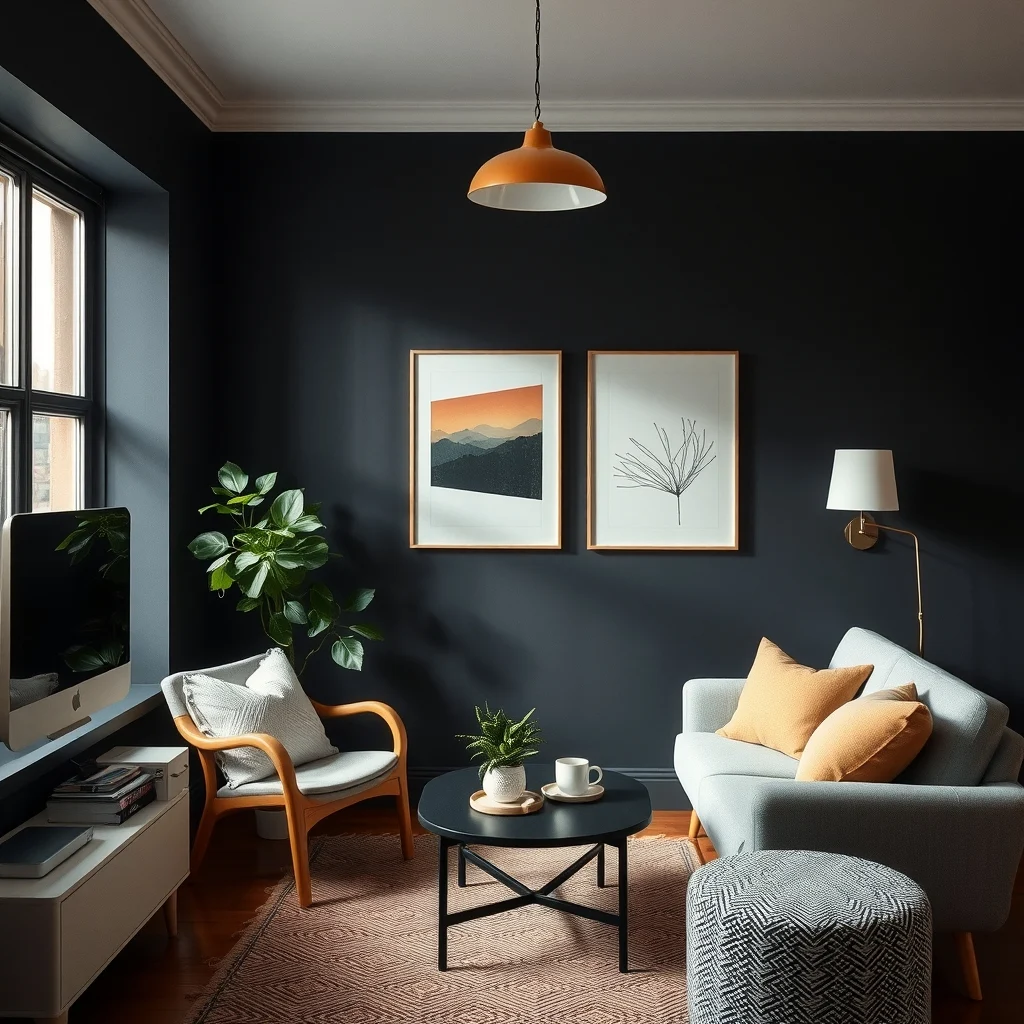
In a small apartment, lighting is the most effective tool for tempering the weight of dark colors. Overhead fixtures provide general illumination, but adding task lamps, floor lamps, or wall sconces introduces layers that break up shadows and create pockets of warmth. A soft amber table lamp beside a dark armchair invites you to settle in without the space feeling dim. Choose bulbs with a warm color temperature—around 2700‑3000 K—to complement deep hues, as cooler light can accentuate the heaviness of the palette. Dimmers are another practical addition; lowering the intensity in the evening can make a dark living room feel cozy rather than closed in. The compromise is a slightly higher upfront cost for multiple fixtures and wiring, yet the resulting flexibility in mood and function makes the investment worthwhile.
4. Introduce Texture for Depth Without Bulk
© 2026 AI Illustrator — Inspiration Only
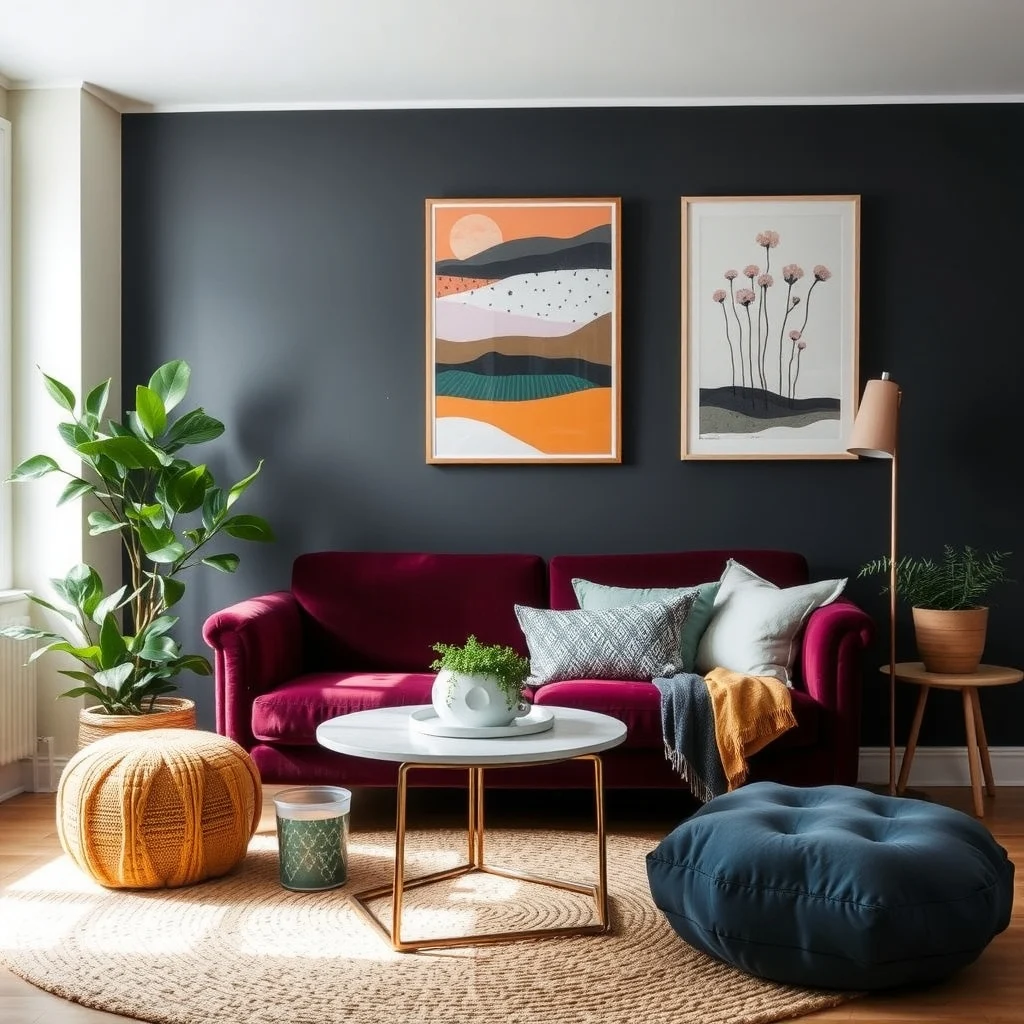
Texture adds visual interest and tactile comfort, allowing dark colors to feel inviting rather than stark. A velvet sofa in a deep plum invites you to sink in, while a woven jute rug under a charcoal coffee table grounds the space with natural contrast. Wall finishes such as a subtle limewash or a matte plaster can provide a soft sheen that catches light differently across the day, preventing a flat appearance. When selecting textiles, look for fabrics that have a slight nap or a woven pattern; these details create micro‑shadows that give the eye something to explore. A potential drawback is that very plush fabrics may require more careful cleaning, especially in high‑traffic areas, so choose materials that balance comfort with durability. By layering texture, you transform a solid dark surface into a nuanced backdrop that feels lived‑in and welcoming.
5. Balance with Light‑Colored Accessories and Greenery
© 2026 AI Illustrator — Inspiration Only
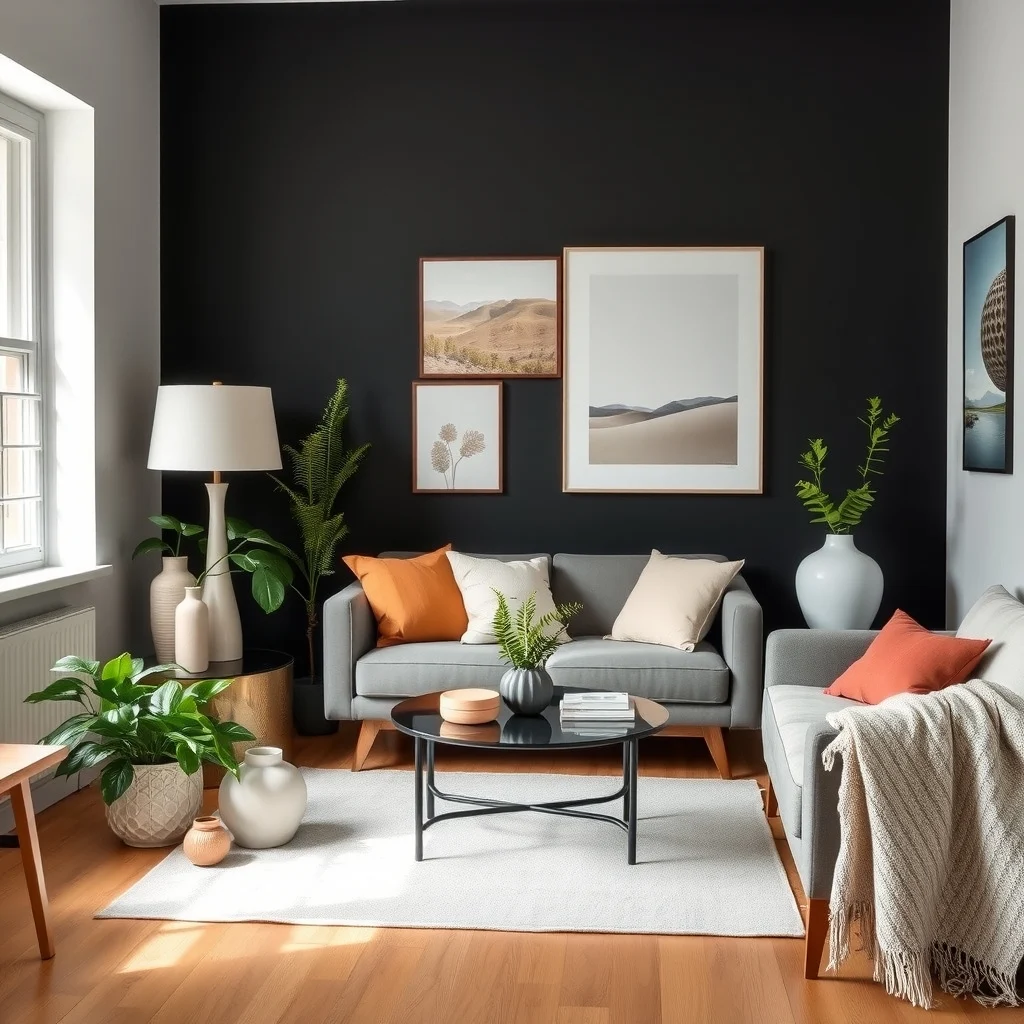
Strategically placed light accents act as visual breathing room around darker elements. A set of ivory ceramic vases, a pale linen throw, or a collection of pastel artwork can lift the overall mood without clashing with the anchor shade. Plants are particularly effective: the fresh green of a fiddle‑leaf fig or a trailing pothos adds a splash of life that softens the intensity of a dark wall. When arranging accessories, keep the quantity moderate; too many light pieces can create visual clutter, while a few well‑chosen items maintain a sense of order. The trade‑off is that lighter accessories may show wear more quickly, especially in high‑use zones, so opting for durable fabrics and easy‑care finishes helps preserve their appearance. The result is a harmonious interplay where darkness feels purposeful, not oppressive.
6. Mind the Scale of Dark Furniture
© 2026 AI Illustrator — Inspiration Only
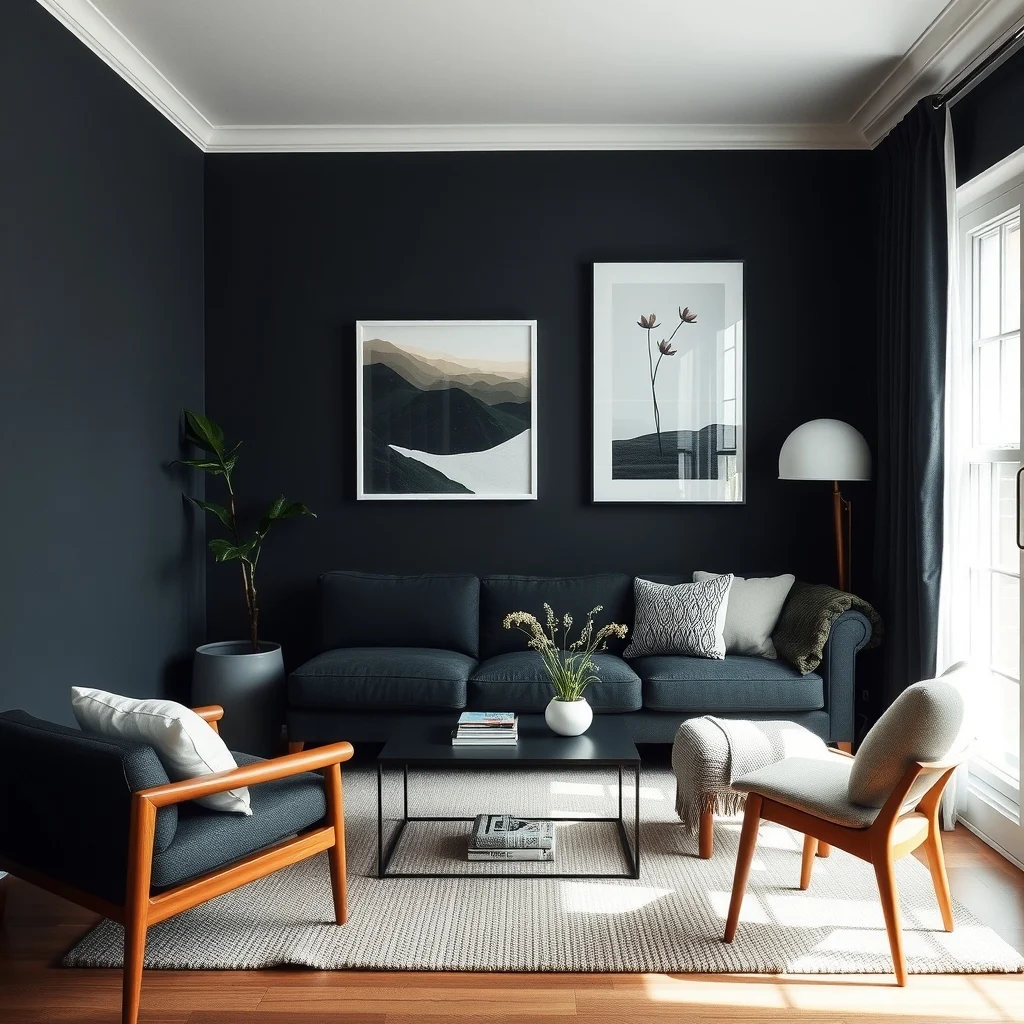
In a limited footprint, oversized dark furniture can dominate the room and restrict movement. Opt for pieces with slender legs, open backs, or exposed frames that keep the visual weight low. A sleek charcoal lounge chair with tapered wooden legs, for example, provides the desired depth without anchoring the floor. When a larger item is necessary—such as a bed or a sofa—choose designs that incorporate lighter legs or metal accents, which create a visual break at the floor line. This approach maintains the richness of the dark upholstery while allowing the eye to travel beyond the piece. The downside is that some minimalist designs may feel less plush, so pairing them with a soft, light‑colored cushion or blanket restores comfort. Thoughtful scale ensures that dark furniture supports rather than stifles the sense of space.
7. Create Visual Breaks with Open Storage and Built‑Ins
© 2026 AI Illustrator — Inspiration Only
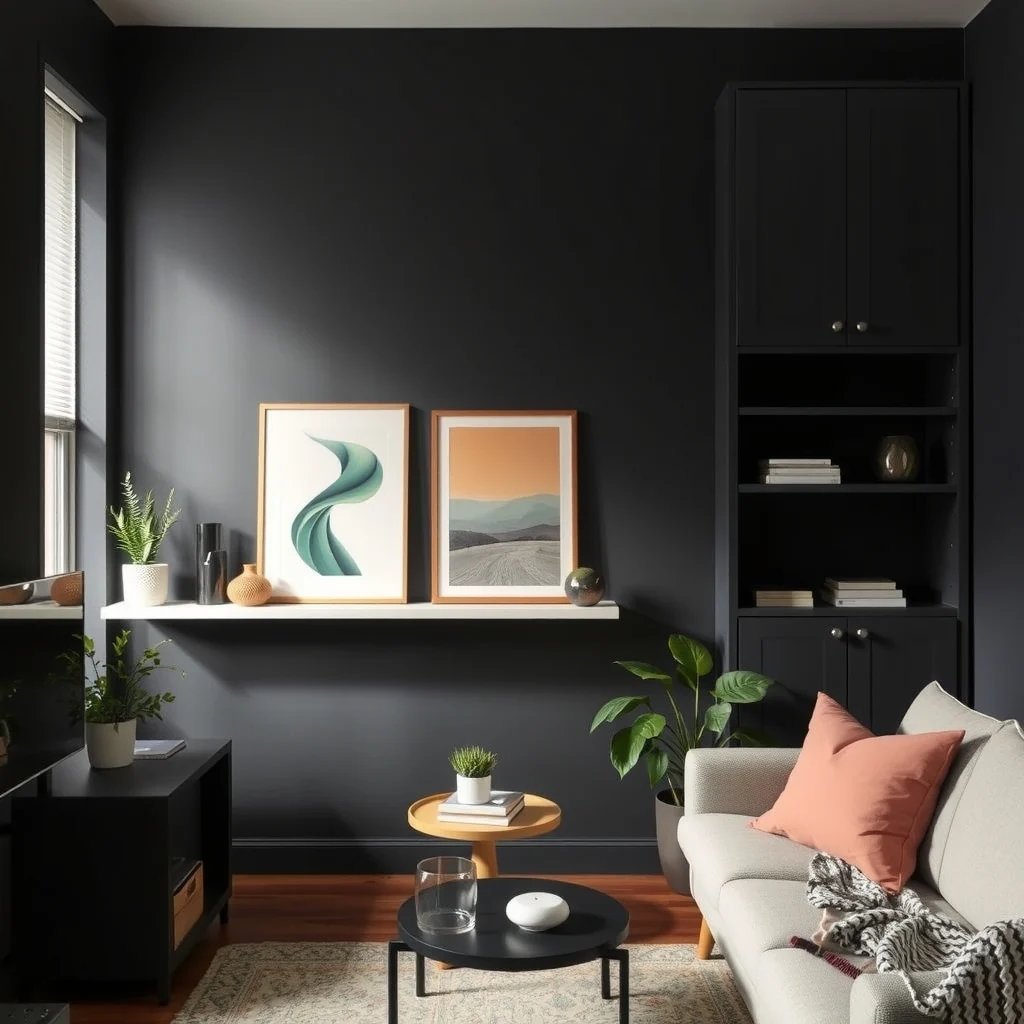
Open shelving and floating cabinets break up large swaths of dark color, offering both function and visual relief. A wall‑mounted floating shelf painted in a soft white can hold books, ceramics, or small plants, interrupting a deep accent wall while providing storage that doesn’t consume floor space. Built‑ins that incorporate glass doors or light‑colored backsplashes add depth without adding bulk. By integrating storage into the architecture, you avoid the need for additional freestanding dark pieces that could crowd the room. The trade‑off is that open storage requires a degree of organization; clutter on a dark shelf becomes more noticeable. Maintaining a tidy display, perhaps by grouping items in neutral trays, preserves the clean aesthetic while keeping the room feeling airy.
Frequently Asked Questions
© 2026 AI Illustrator — Inspiration Only
Can I paint my entire small living room black?
You can, but it risks making the space feel cramped. If you love the idea, balance the walls with abundant light sources, reflective furniture, and plenty of light‑colored accessories to keep the room from feeling closed in.
How do I prevent a dark bedroom from feeling cramped?
Use a dark headboard as the focal point and keep the remaining walls in a lighter shade. Add layered lighting, a light‑colored duvet, and a strategically placed mirror opposite the window to reflect natural light and create a sense of openness.
What kind of lighting works best with dark walls?
Warm, dimmable lighting paired with multiple sources—overhead, task, and accent—softens the depth of dark walls. Brushed metal or matte black fixtures blend seamlessly while still providing the needed illumination.
Are there budget‑friendly ways to add dark accents?
Yes, consider repainting an existing piece of furniture, swapping out hardware for dark finishes, or using inexpensive dark throw pillows and blankets. These small changes introduce richness without the cost of new furniture.
Do dark colors affect the temperature perception of a room?
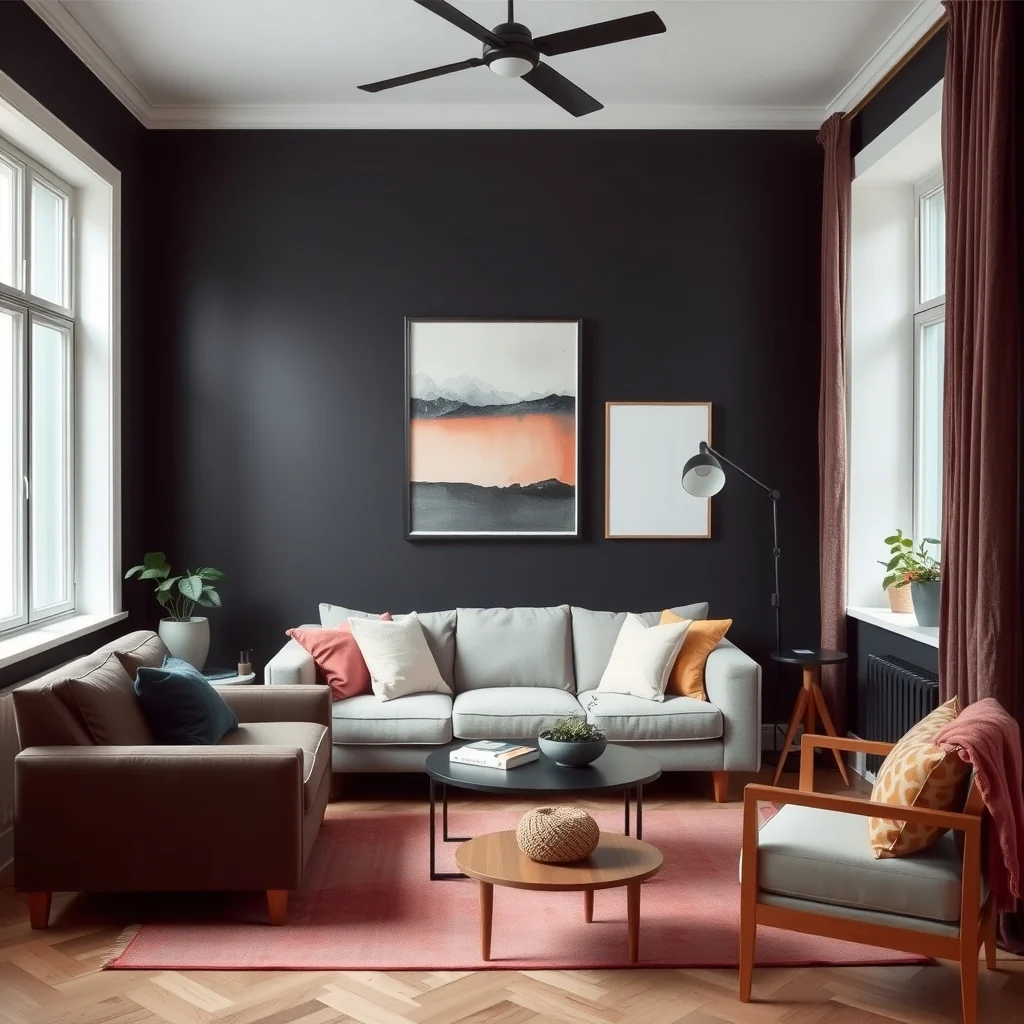
Dark surfaces absorb more light, which can make a room feel warmer in both temperature and ambience. Counteract this by ensuring good airflow, using light‑colored textiles, and incorporating cooling elements like a ceiling fan.
Final Thoughts
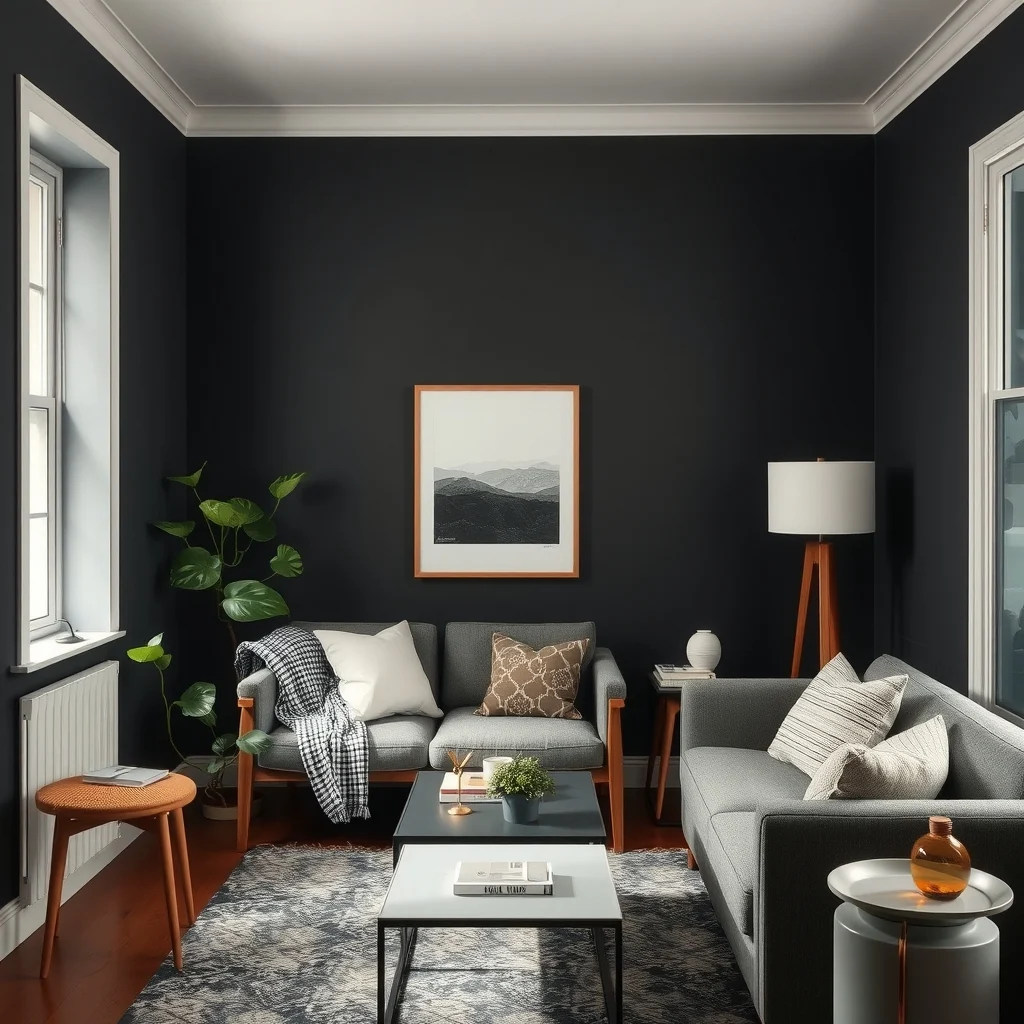
© 2026 AI Illustrator — Inspiration Only
Dark colors bring a timeless elegance to any apartment, but they require a thoughtful approach in compact settings. By selecting a single anchor shade, pairing it with reflective surfaces, layering lighting, adding texture, balancing with light accessories, respecting furniture scale, and using open storage, you can enjoy the depth of rich hues without sacrificing the feeling of spaciousness. The key is to treat darkness as a backdrop that highlights the details you love, rather than a wall that closes you in. With these strategies, your small apartment can feel both intimate and expansive, proving that a little shade goes a long way.