
Living in a rental often feels like walking a tightrope between personal style and the landlord’s checklist. You want storage that looks good, but you can’t drill holes, paint entire walls, or add permanent fixtures. The challenge becomes finding ways to add vertical interest and functional space without leaving a trace. Below are seven shelving concepts that respect most lease agreements while still giving a small apartment a polished, organized feel.
1. Freestanding Ladder Shelf That Doubles as a Room Divider
© 2026 AI Illustrator — Inspiration Only
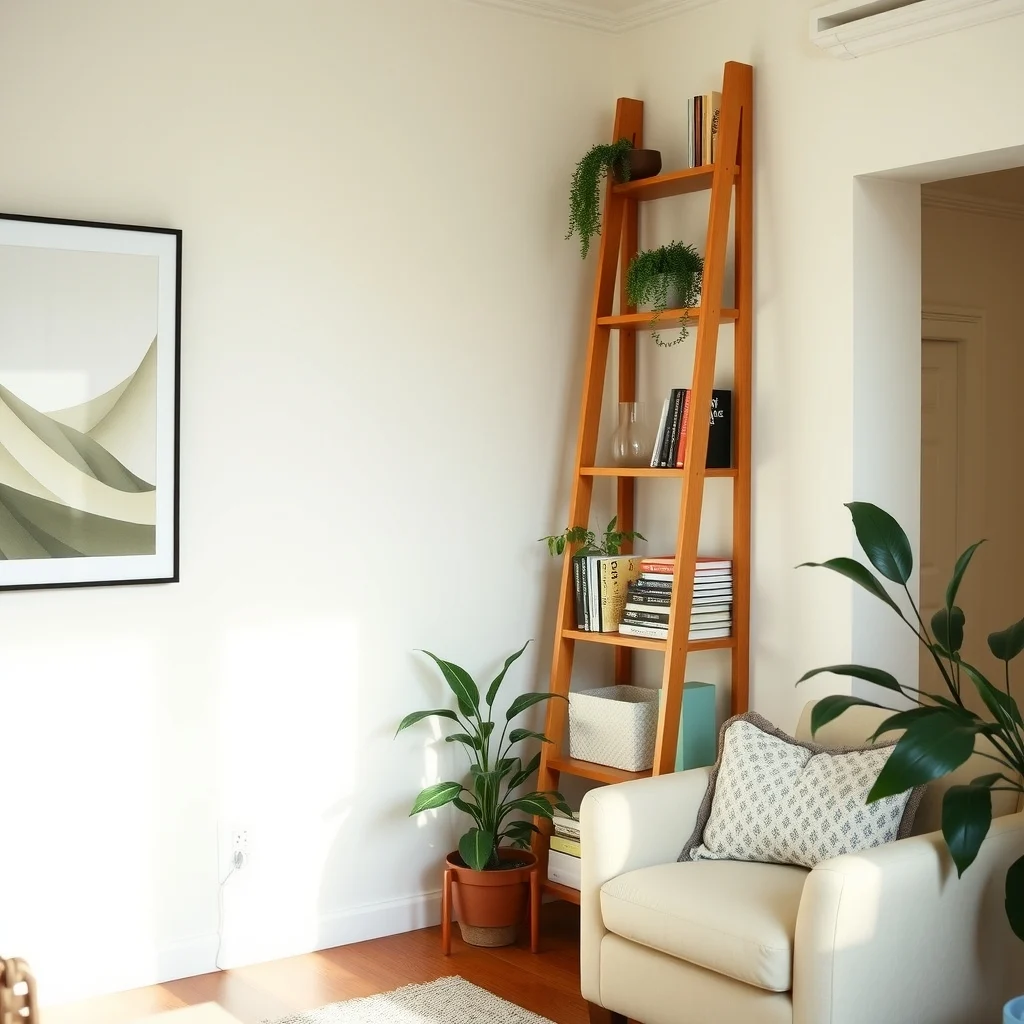
A wooden ladder shelf leans against a wall and provides multiple tiers for books, plants, and decorative boxes. Because it rests on the floor, there’s no need for brackets or screws, and the entire piece can be moved when it’s time to go. The open‑rung design lets light travel through, so a corner that once felt cramped suddenly feels airy. Pair the ladder with a soft linen runner underneath to protect hardwood floors, and choose a finish that complements your existing furniture—natural oak for a warm vibe or whitewashed pine for a breezier look. One trade‑off is that the ladder needs a clear path; tight hallways may limit placement, but rotating it to a less trafficked side often solves the issue.
What’s Your Apartment Decor Style?
Answer these quick questions to discover your perfect decor vibe.
2. Tension‑Rod Shelving Between Two Walls
© 2026 AI Illustrator — Inspiration Only
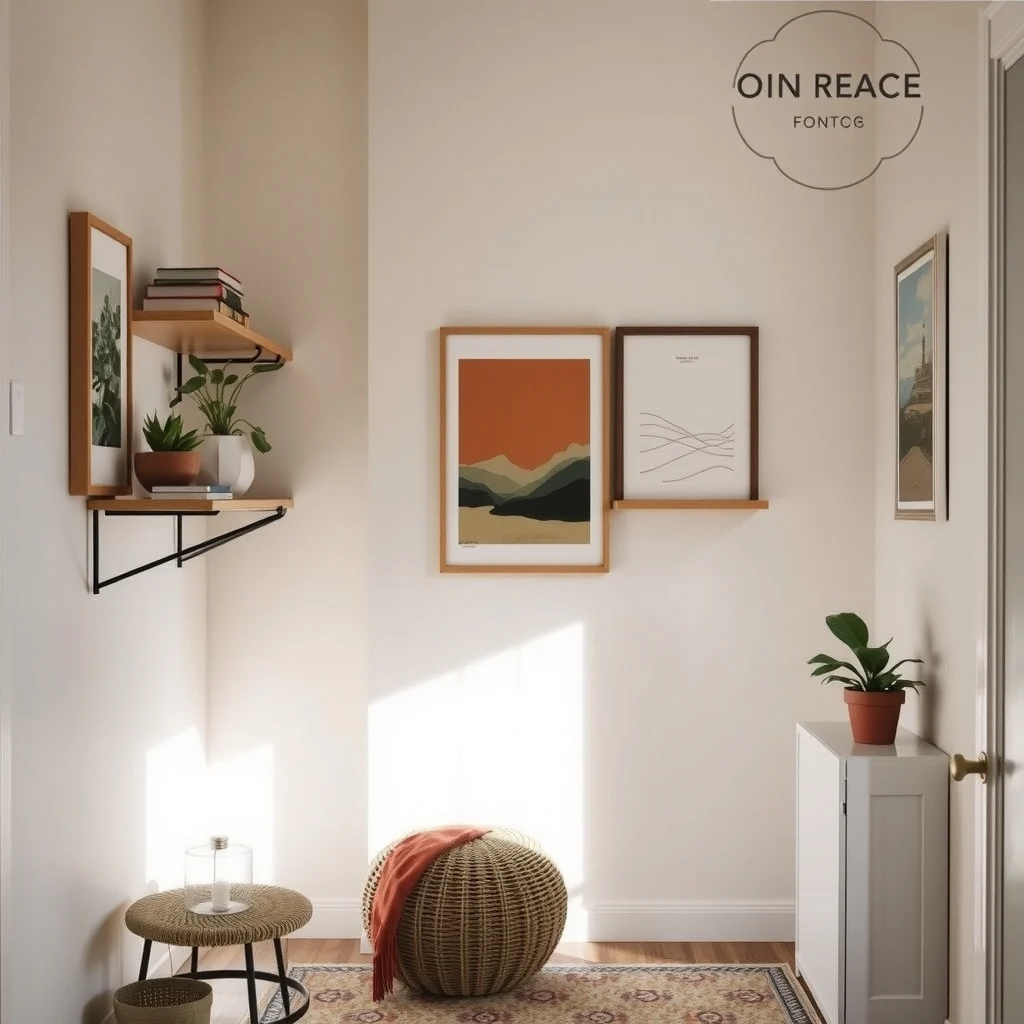
When a hallway or narrow alcove lacks built‑in storage, a tension rod can become a discreet support for lightweight shelves. By extending a sturdy metal rod from one wall to the opposite side, you create a hidden bracket that holds a slim wooden board without any drilling. The result is a sleek, floating shelf that appears to hover. This method works best with items that are not overly heavy—ceramic vases, folded linens, or a curated row of framed prints. If you need extra stability, place a rubber pad at each end of the rod to prevent slipping on smooth paint. The main limitation is the width of the space; very wide rooms may require multiple rods, which can look cluttered if not aligned carefully.
How do I choose the right wood thickness for tension‑rod shelves?
A board around ¾‑inch thick offers enough rigidity for most decorative objects while staying light enough for the tension rod to hold securely. Thinner boards may bow under weight, and thicker ones can be harder to position without assistance.
3. Modular Cube Units on Wheels
© 2026 AI Illustrator — Inspiration Only
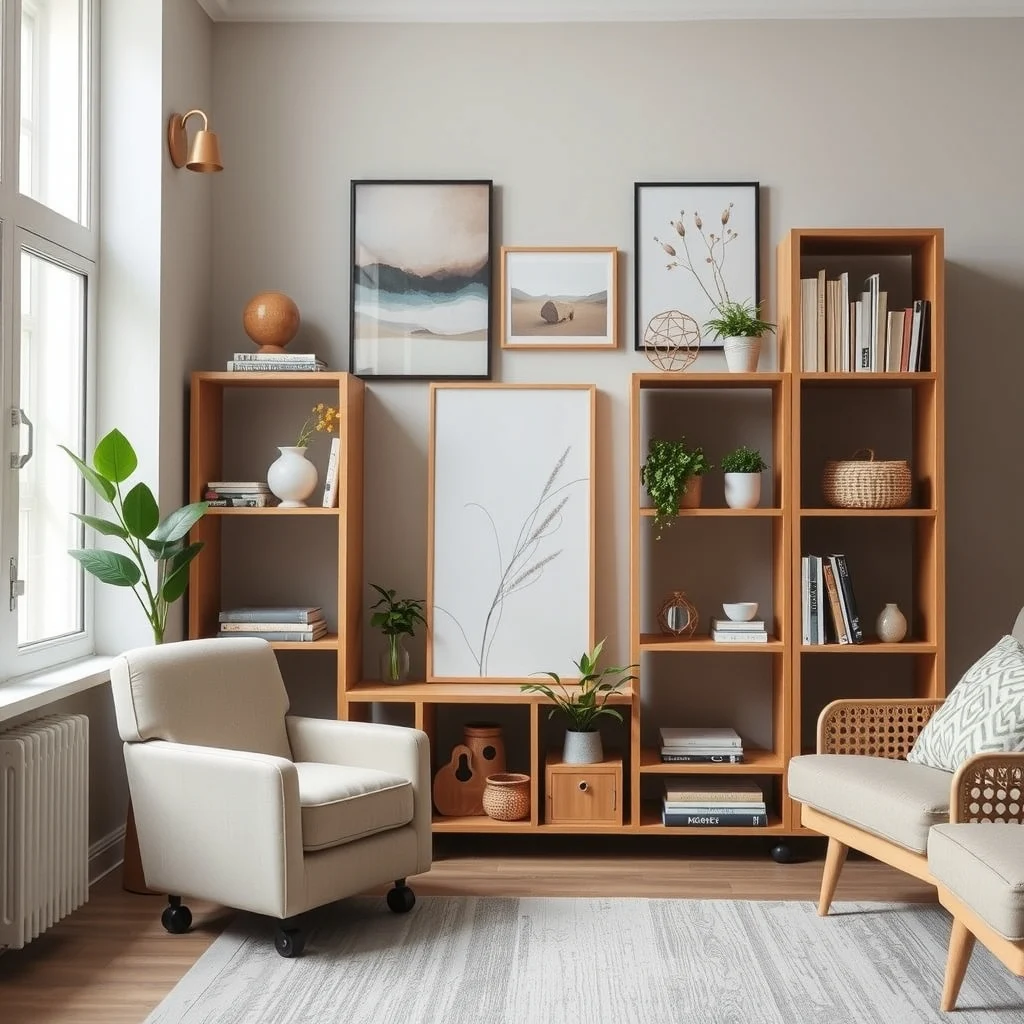
Cube storage systems are a favorite among renters because they arrive flat, can be assembled without tools, and often include casters for mobility. By arranging the cubes in a staggered formation, you create a dynamic shelving wall that can be reconfigured whenever your layout changes. The fabric or mesh fronts soften the look and allow dust to pass through, keeping the pieces looking fresh. Because the units sit on the floor, they do not affect wall integrity, and the wheels make it simple to slide them away for cleaning or moving day. One consideration is that the cubes occupy floor space, so they work best in rooms with a clear perimeter or in a dedicated nook rather than a crowded living area.
4. Over‑Door Hanging Racks with Adjustable Shelves
© 2026 AI Illustrator — Inspiration Only
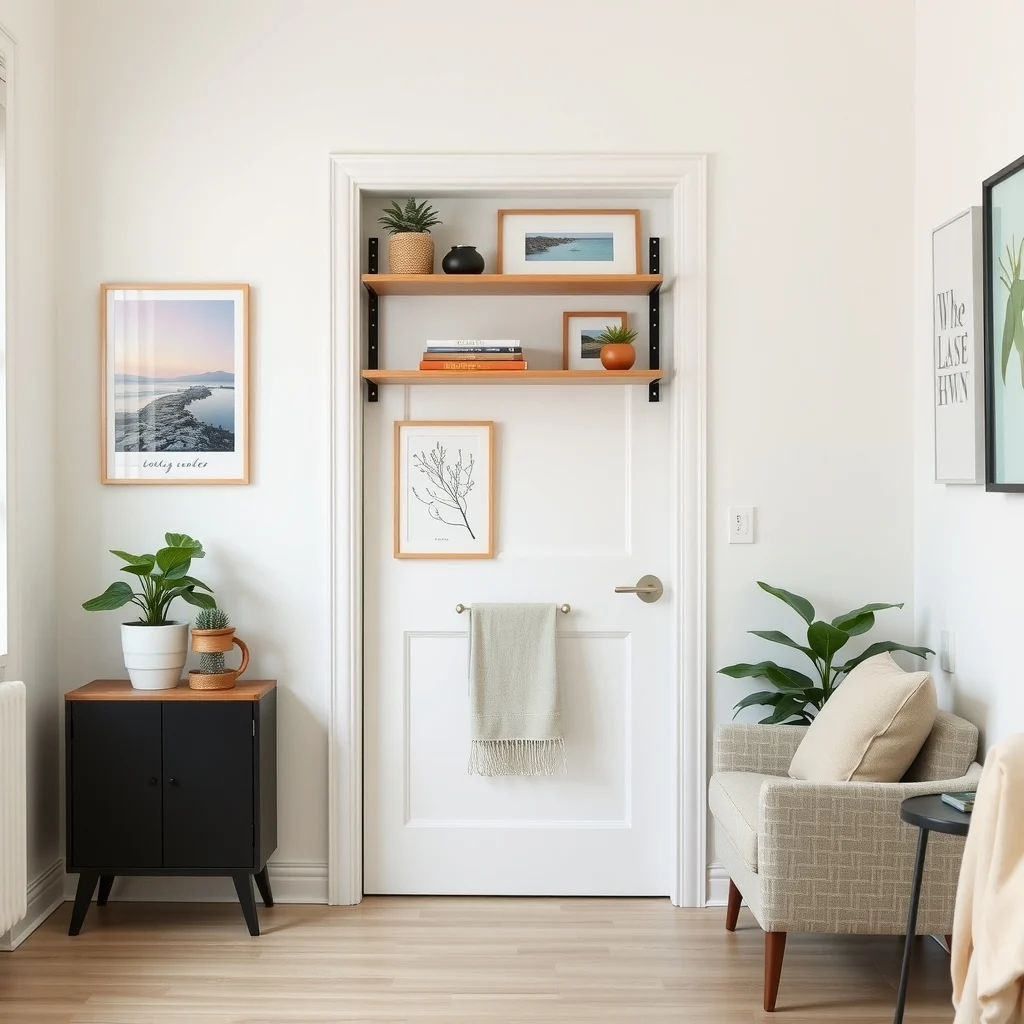
Doors are often overlooked as a source of vertical storage. An over‑door rack that hooks onto the top of the door frame provides immediate shelf space without any marks on the wall. Modern designs feature adjustable shelves that slide up and down, letting you customize heights for different items—perhaps a row of scented candles on the top, a small stack of magazines in the middle, and a decorative bowl at the bottom. The metal hooks distribute weight evenly across the door, reducing strain on the hinges. The main drawback is that the rack adds a visual element to the door, so if the door is a focal point with a bold color or pattern, the rack may compete for attention.
5. Corner Shelf Brackets That Use Existing Electrical Outlets
© 2026 AI Illustrator — Inspiration Only
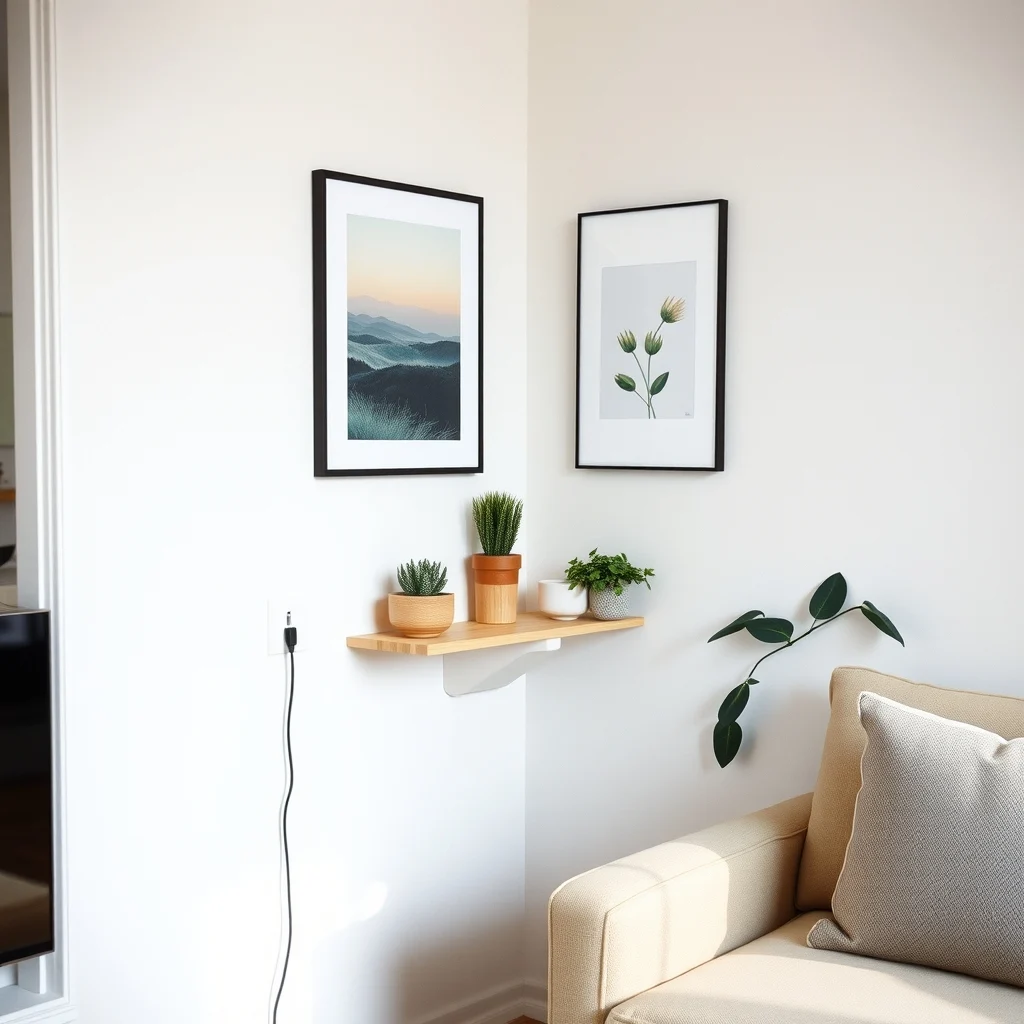
Many apartments have a cluster of outlets in a corner, and a small, purpose‑built bracket can sit directly on the outlet plate without covering the sockets. The bracket holds a narrow shelf that fits snugly between the two walls, turning an otherwise dead corner into a display zone. Because the bracket rests on the outlet, there’s no need for nails or adhesives; it simply slides into place and can be removed by lifting it off. This approach works well for showcasing small succulents, a collection of travel mugs, or a row of framed postcards. Be mindful not to overload the outlet with electronic devices while the bracket is in use, and choose a bracket made from powder‑coated steel to resist moisture from nearby plants.
6. Decorative Lattice Panels as Temporary Backdrops
© 2026 AI Illustrator — Inspiration Only
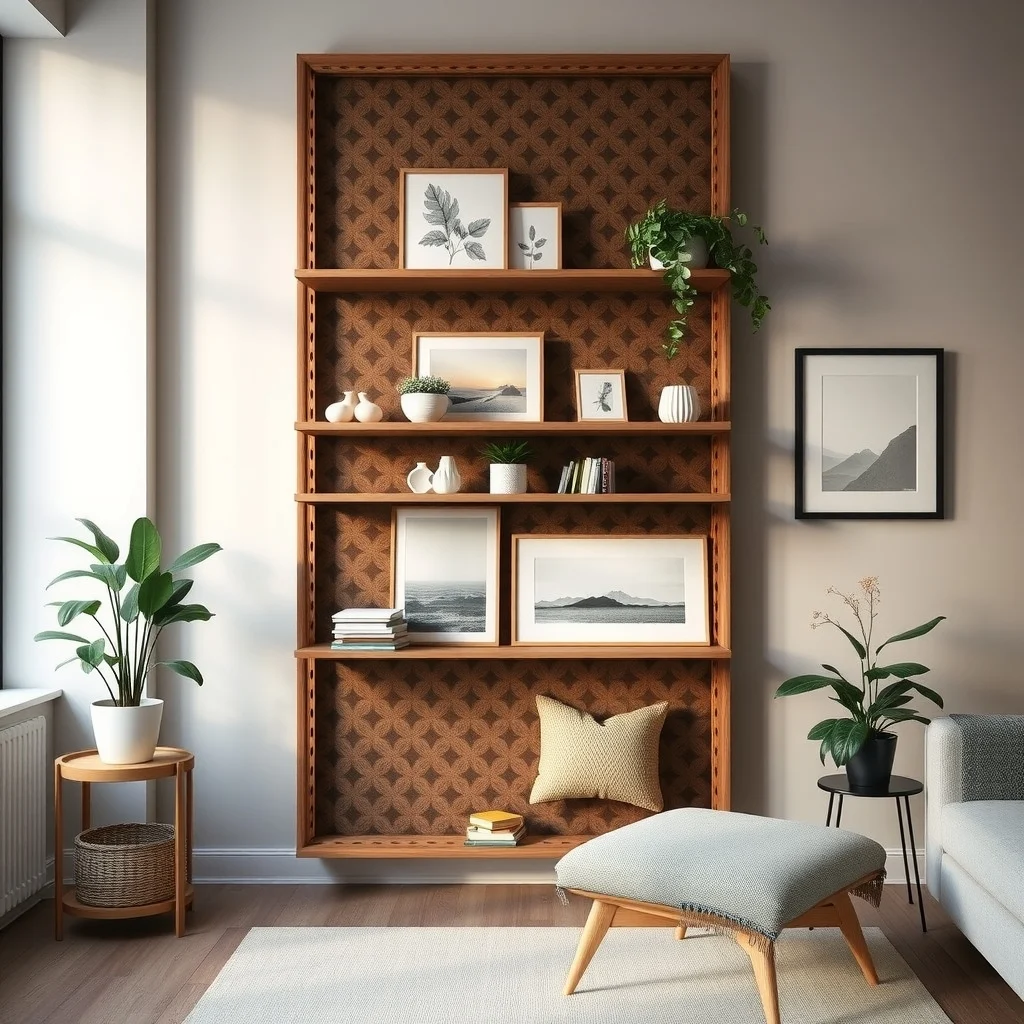
A decorative lattice panel—often made from reclaimed wood or metal—can be propped against a wall and serve as a backdrop for freestanding shelves. By leaning the panel at a slight angle, you create a visual anchor that hides the back of a low bookshelf, turning a plain piece of furniture into a focal point. The lattice adds texture and can be painted to match the room’s color scheme, offering a subtle way to inject personality without altering the walls. Since the panel is free‑standing, it can be taken down and stored when you move. The only limitation is that the panel needs a stable base; uneven flooring may cause it to wobble, so placing a non‑slip mat underneath helps keep it steady.
7. Ceiling‑Mounted Wire Grid with Clamp‑On Shelves
© 2026 AI Illustrator — Inspiration Only
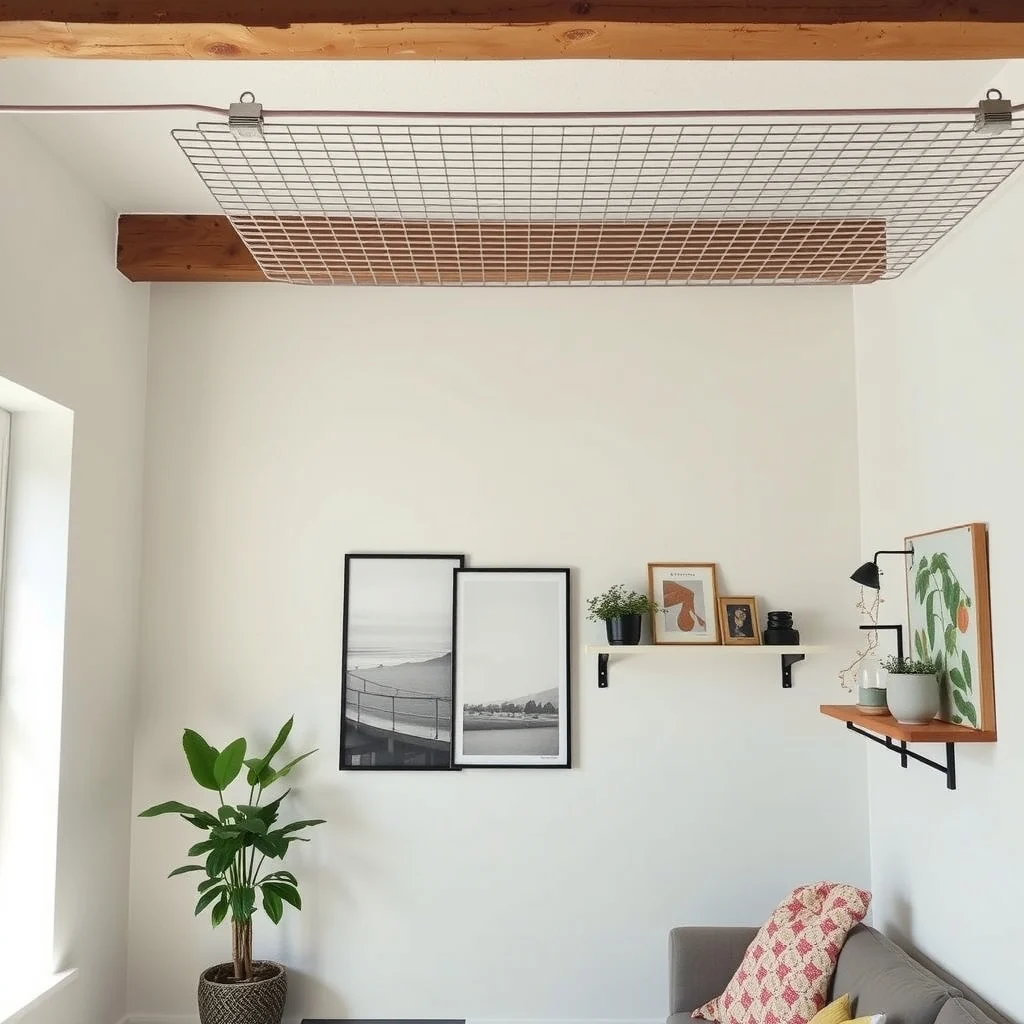
In studios or lofts with exposed beams, a thin steel wire grid can be attached to the ceiling using removable adhesive hooks that are designed for temporary installations. Once the grid is in place, clamps hold lightweight wooden planks that act as shelves. This solution lifts storage upward, freeing valuable floor area and creating a modern, industrial aesthetic. The grid’s open design allows air to circulate, which is beneficial for items like dried herbs or woven baskets. Because the hooks rely on adhesive rather than screws, they can be removed without damaging paint, provided you follow the manufacturer’s instructions for removal. The approach works best when the ceiling height is generous; low ceilings can make the shelves feel out of reach.
FAQ
© 2026 AI Illustrator — Inspiration Only
Can I use adhesive strips to hang shelves?
Yes, adhesive strips designed for picture frames can support small, lightweight shelves, but they should not be used for anything heavier than a few pounds. Always check the weight rating and test the bond on a discreet area first.
What is the best material for portable shelves?
Medium‑density fiberboard (MDF) with a veneer finish offers a balance of sturdiness and light weight, making it easy to move while still supporting typical decorative items.
How do I prevent floor scratches when moving freestanding shelves?
Place felt pads or a thin rubber mat under each leg of the shelf. This protects hardwood or laminate flooring and reduces noise when you shift the piece.
Are there any fire‑safety concerns with ladder shelves?
Ladder shelves made of solid wood are generally safe, but keep flammable items like candles away from the lower rungs and ensure the shelf does not block a smoke detector’s line of sight.
Do over‑door racks affect the door’s ability to close properly?
Most over‑door racks are designed to sit on the top edge without interfering with hinges, but if the door has a tight clearance, measure the rack’s depth before installing.
Final Thoughts
© 2026 AI Illustrator — Inspiration Only
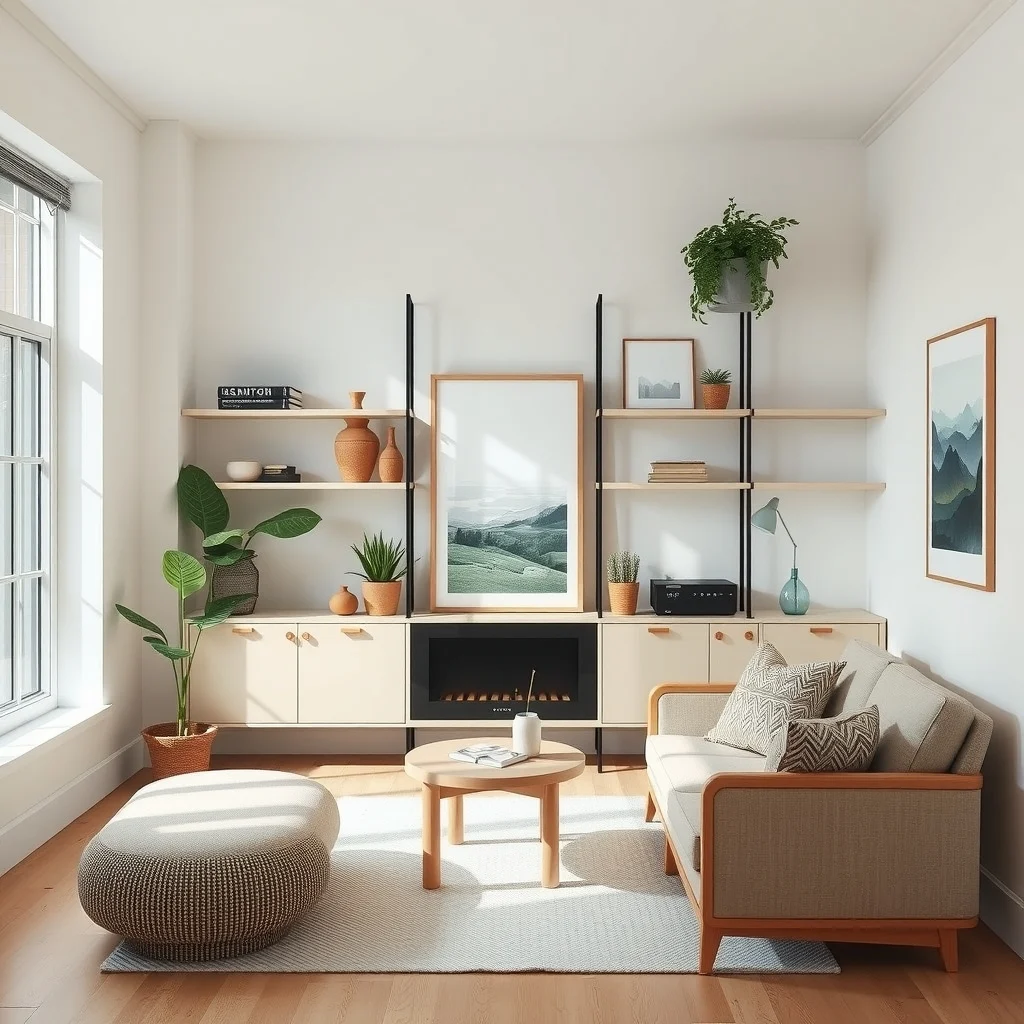
Designing a functional, stylish apartment on a lease that limits modifications is a puzzle worth solving. By focusing on free‑standing pieces, tension‑based installations, and clever use of existing architecture, you can build a shelving system that feels custom‑made yet leaves no permanent marks. Each of the seven ideas presented balances aesthetics with practicality, offering a pathway to organized living without compromising your security deposit. When you choose the right combination for your space, you’ll discover that the constraints of renting can actually inspire creative, adaptable solutions.