
Living in an apartment often means working with limited wall space, modest ceiling heights, and a need to keep the layout flexible. When you’ve invested in a few favorite prints, a striking canvas, or a collection of decorative objects, the right lighting can turn those pieces from background details into focal points. Below are seven thoughtfully considered lighting approaches that let your art and décor shine without overwhelming the room. Each idea balances aesthetics, practicality, and the constraints typical of apartment living, so you can adapt the suggestions to a studio, a one‑bedroom, or a larger floor plan.
1. Track lighting that follows a gallery wall
© 2026 AI Illustrator — Inspiration Only
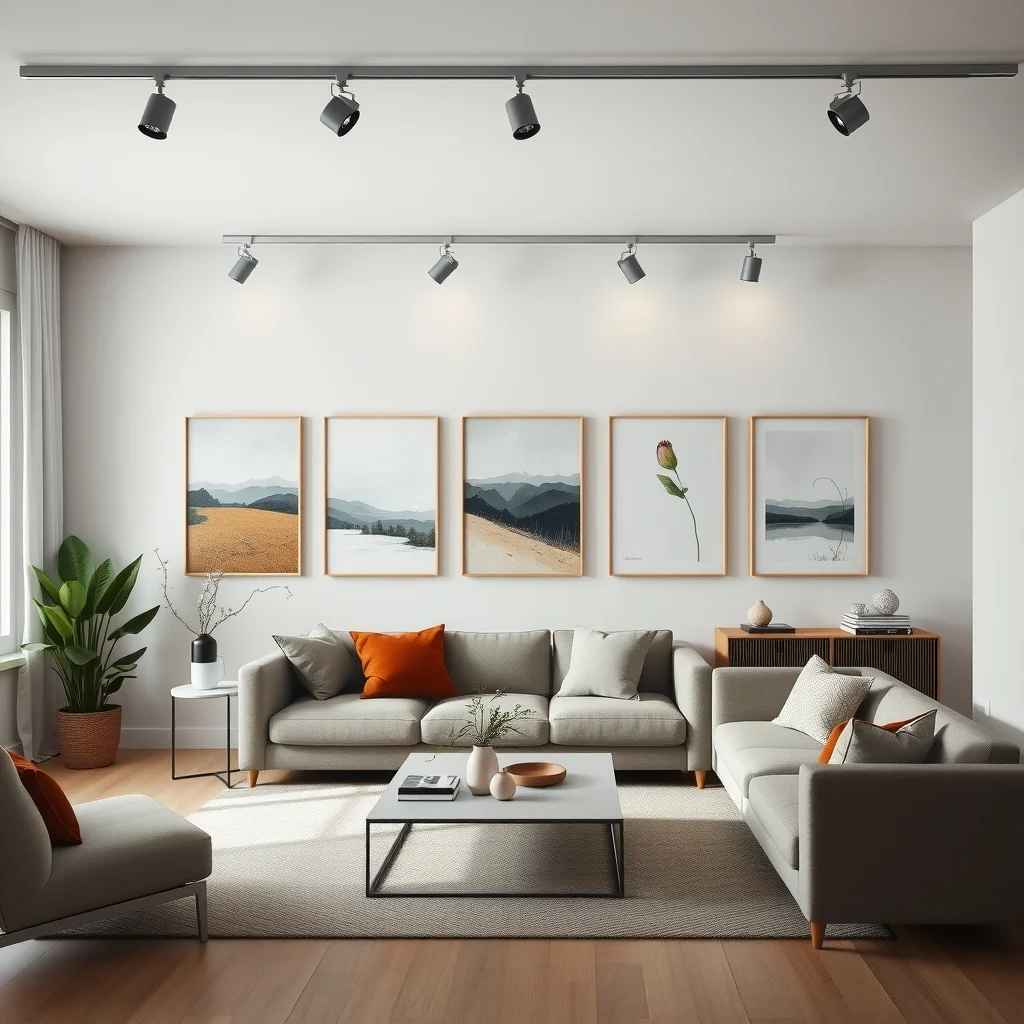
Track systems mounted on the ceiling or high on a wall create a clean line that can be angled toward each individual frame. Because the heads are adjustable, you can fine‑tune the beam to illuminate a single piece without spilling light onto neighboring walls. This precision prevents glare on glass and ensures the colors in a watercolor series stay true to life. When installing, choose a low‑profile aluminum track that blends with a neutral plaster ceiling; a brushed‑nickel finish works well in both modern and transitional spaces. Pair the track with LED bulbs that emit a warm‑white hue around 2700 K, which complements most pigments while keeping the energy bill modest. A small trade‑off is that the track itself becomes a visual element, so if you prefer an invisible look, keep the fixture slim and paint it the same shade as the ceiling.
What’s Your Apartment Decor Style?
Answer these quick questions to discover your perfect decor vibe.
2. Adjustable wall sconces for intimate displays
© 2026 AI Illustrator — Inspiration Only
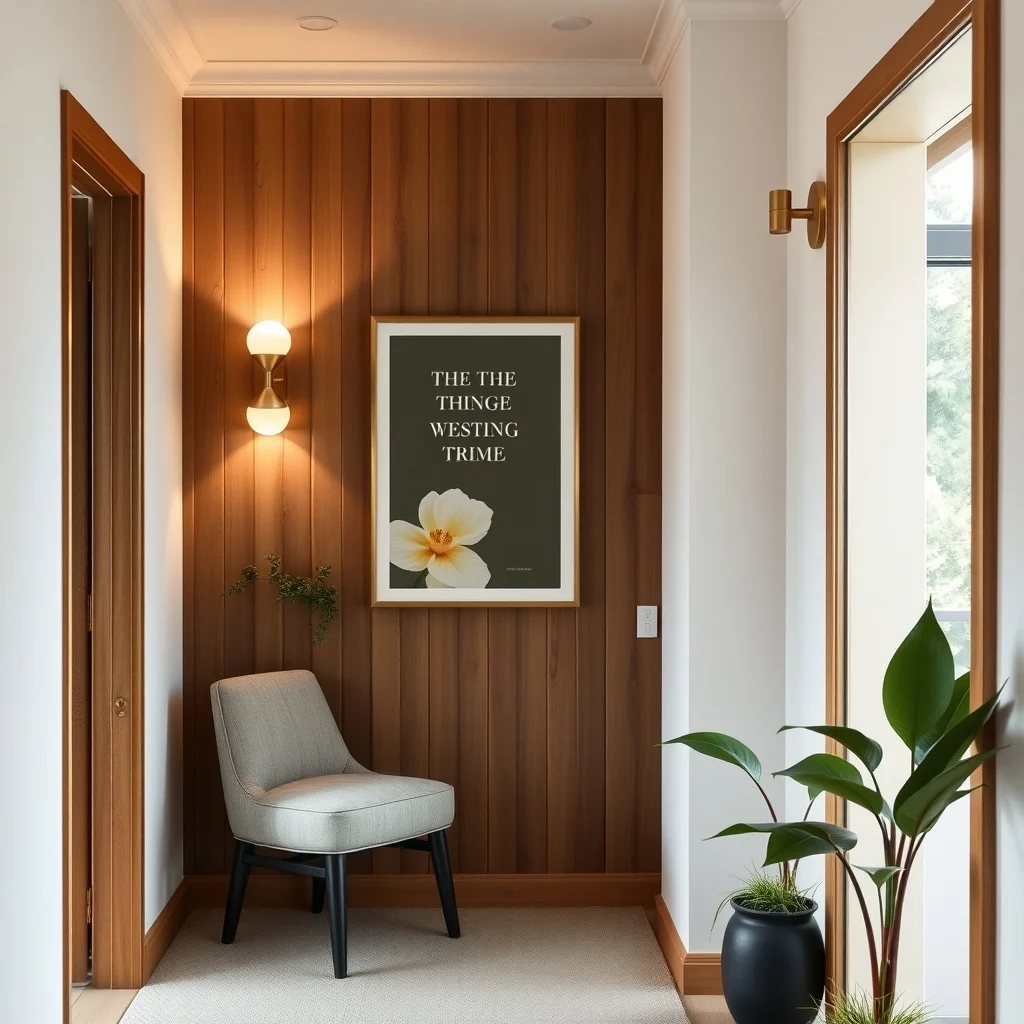
Wall sconces positioned at eye level are ideal for smaller works such as limited‑edition prints or a single statement photograph. By selecting fixtures with pivoting arms, you can direct the light precisely where it’s needed, creating a gentle wash that brings out texture without harsh shadows. Brass or matte black finishes add a subtle decorative touch that can echo other hardware in the room, like drawer pulls or a coffee table frame. When choosing a sconce, look for a model rated for dimmable LED bulbs; this gives you control over intensity during a morning coffee or an evening gathering. The main limitation is that each sconce covers a limited radius, so you may need two on either side of a wide piece to avoid uneven lighting.
3. Recessed lighting with a layered dimmer
© 2026 AI Illustrator — Inspiration Only
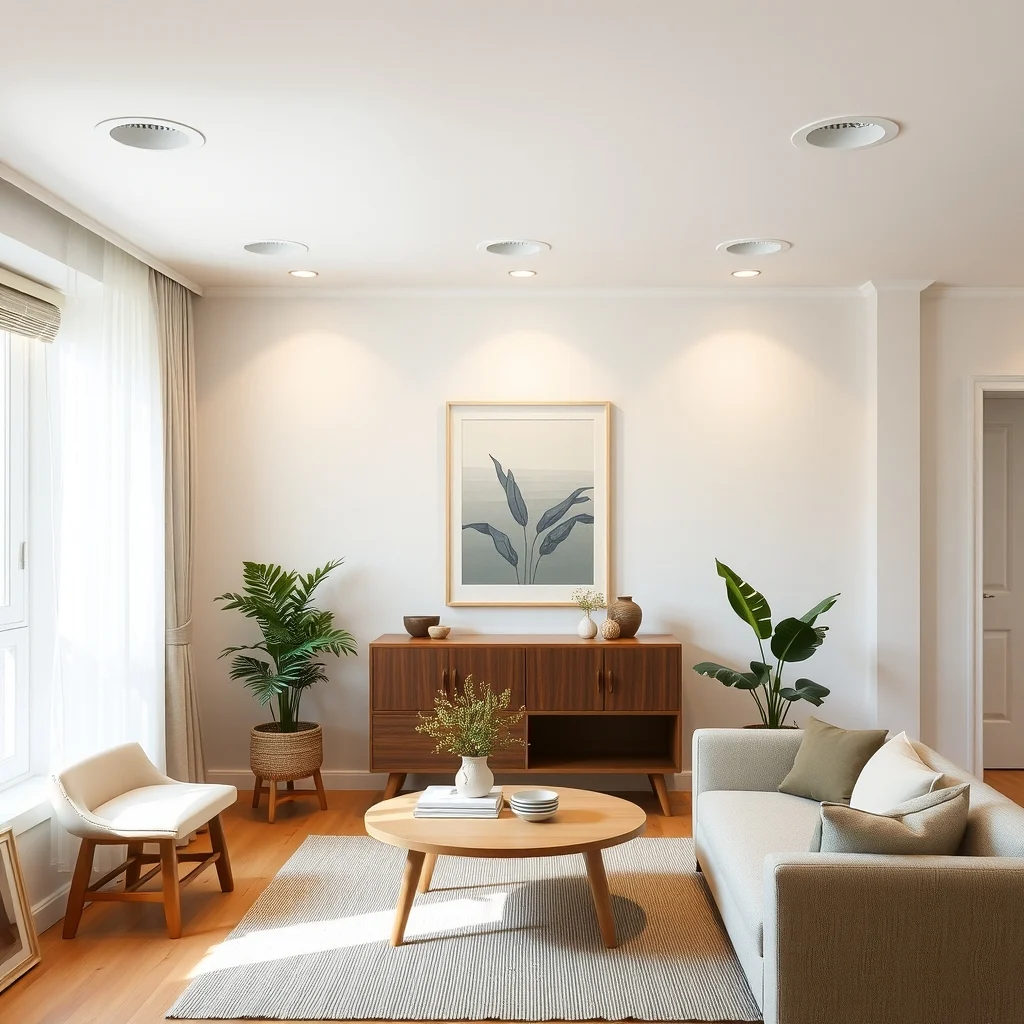
Recessed cans installed in a grid pattern provide an even, ambient glow that sets the stage for any artwork. By connecting the fixtures to a single‑pole dimmer, you can lower the overall illumination while still allowing a spotlight effect to emerge from the subtle shadows. This layering technique works especially well in rooms where natural light varies throughout the day; a lower setting in the evening will make a colorful abstract painting appear more vivid. Opt for trim pieces in a soft white finish to keep the ceiling looking uncluttered. One consideration is that recessed fixtures require a small amount of ceiling depth, so they may not be suitable in low‑ceiling lofts unless you choose ultra‑shallow models.
4. LED picture lights that match color temperature
© 2026 AI Illustrator — Inspiration Only
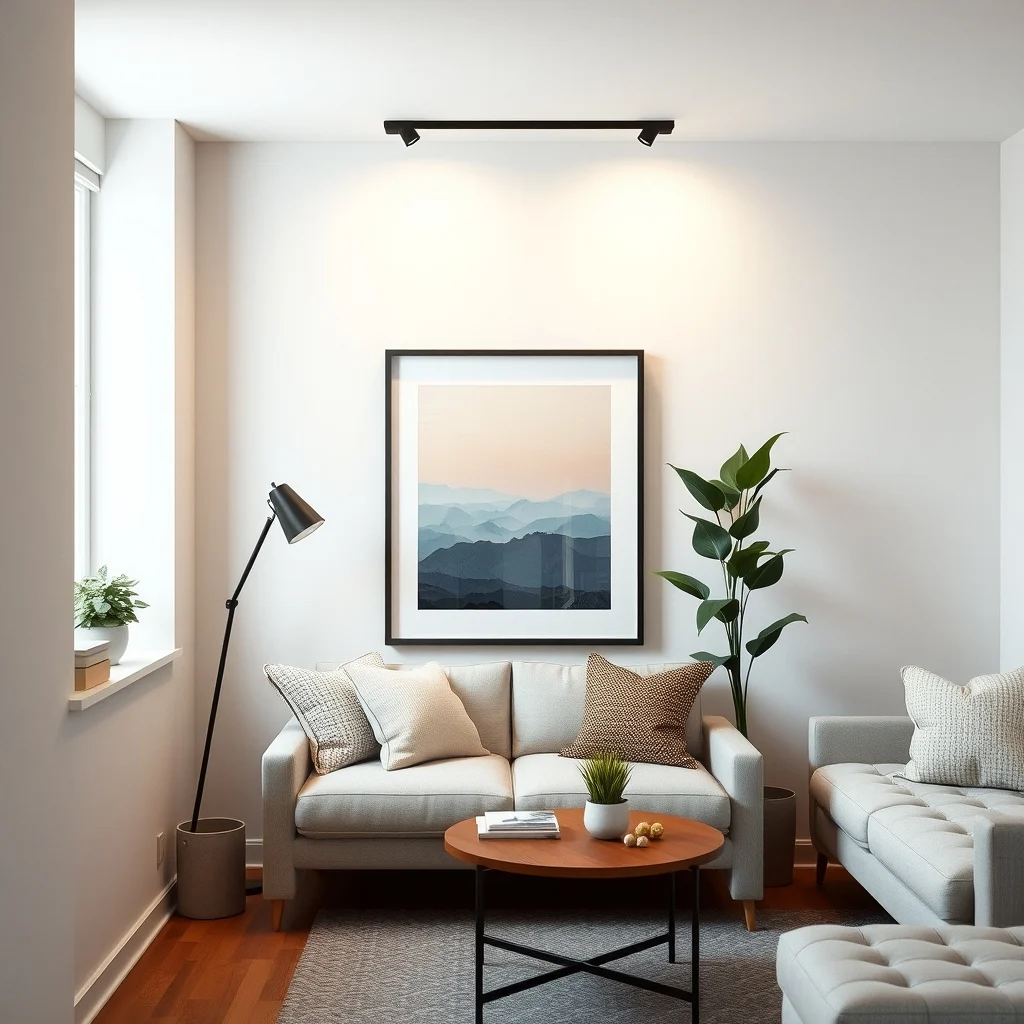
Picture lights that attach directly above a frame give a focused beam that highlights the artwork’s edges and adds a sense of depth. Modern LED versions are slim, energy‑efficient, and come in a range of color temperatures. Matching the temperature to the surrounding room lighting prevents a jarring contrast; for example, if your living area uses warm LEDs, select a picture light at 2700 K. Installation is straightforward—most models snap onto the top of a frame without drilling, which is ideal for renters who cannot make permanent holes. The downside is that the light source sits very close to the glass, so for highly reflective surfaces you may need to angle the fixture slightly or choose a diffuser to soften glare.
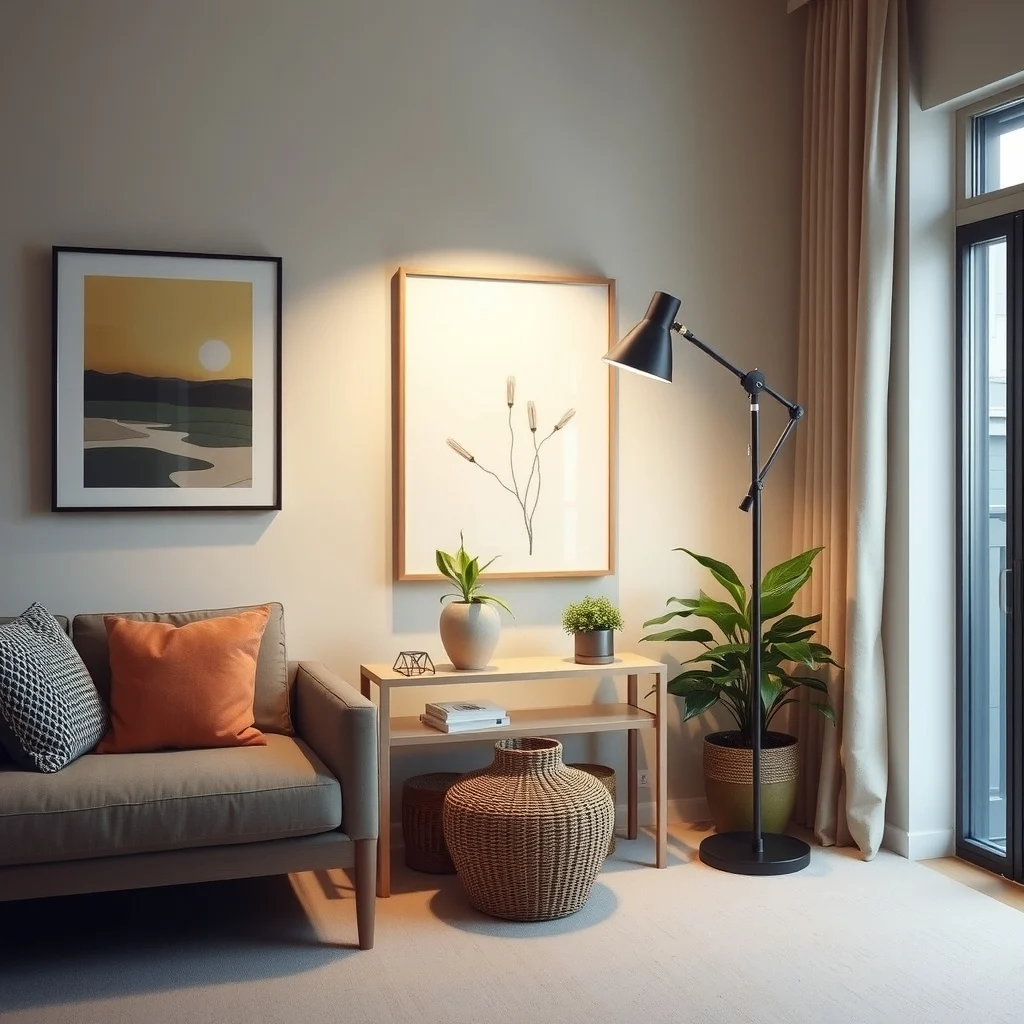
5. Swivel floor lamps for sculptural accents
© 2026 AI Illustrator — Inspiration Only
A tall floor lamp with an adjustable head can act as a portable spotlight for three‑dimensional objects such as a ceramic vase, a woven basket, or a small metal sculpture. Because the lamp stands on the floor, you can move it as you rearrange furniture, making it a flexible option for studios that change layout frequently. Choose a lamp with a sturdy base—marble or polished concrete works well in contemporary interiors, while a wooden tripod complements a more organic aesthetic. When the lamp is positioned at a 45‑degree angle to the object, it casts gentle shadows that emphasize form without flattening the surface. Keep in mind that floor lamps occupy floor space, so they are best placed near a sideboard or in a corner rather than in high‑traffic pathways.
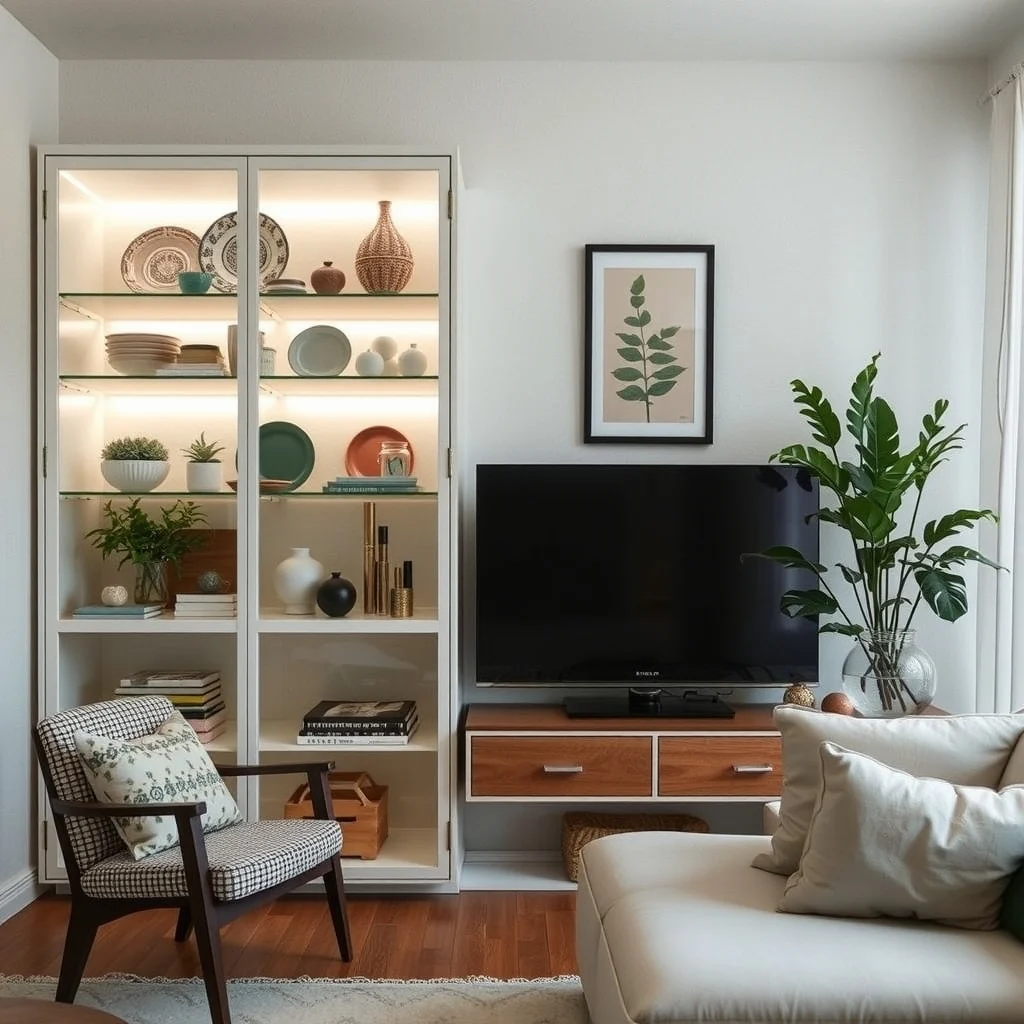
6. Backlighting behind glass cabinets
© 2026 AI Illustrator — Inspiration Only
If you display decorative plates, books, or small sculptures in a glass‑front cabinet, installing a thin LED strip along the interior top edge creates a soft backlight that makes the contents glow. The indirect illumination adds a museum‑like quality, allowing each item to be seen without direct glare. LED strips are flexible, can be cut to length, and often come with adhesive backing that sticks to the cabinet’s inner frame—an installation that does not damage the surface. Selecting a strip with a dimming function lets you adjust brightness for daytime viewing versus evening ambience. However, the heat generated by some LED strips can affect sensitive materials over time, so opt for a low‑heat product and keep the cabinet’s ventilation adequate.
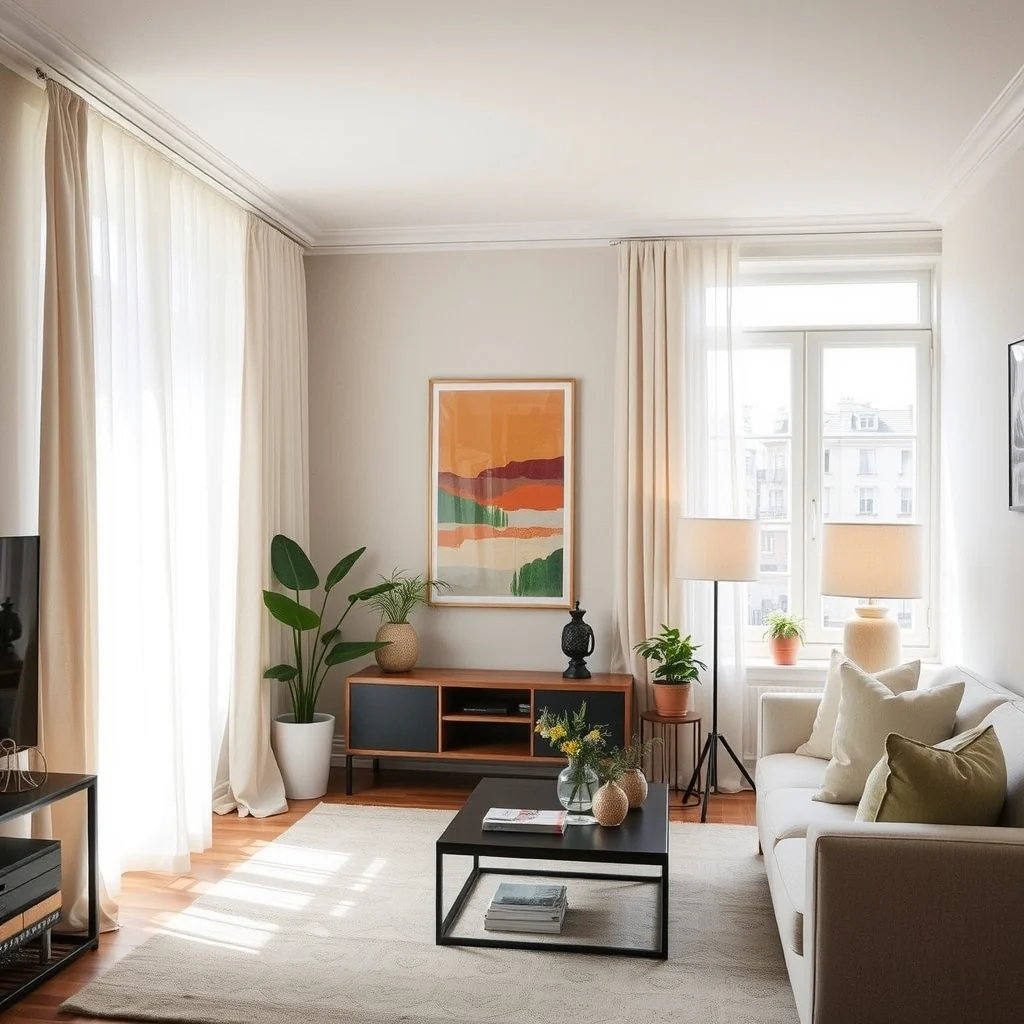
7. Controlling natural light with sheer curtains and accent lamps
© 2026 AI Illustrator — Inspiration Only
Even in apartments with generous windows, uncontrolled sunlight can wash out colors in a painting or create unwanted glare on a glossy print. Hanging sheer curtains made of linen or bamboo blends filters the harsh rays while preserving a sense of openness. Pair the curtains with a pair of low‑profile table lamps placed on either side of the artwork; the lamps provide a consistent, directional light that compensates for the diffused daylight. Choose lamps with fabric shades in a neutral tone—soft gray or ivory—to keep the focus on the piece rather than the lamp itself. The trade‑off is that sheer fabrics offer limited privacy, so they work best in living rooms or studios where privacy is not a primary concern.
FAQ
© 2026 AI Illustrator — Inspiration Only
How do I choose the right bulb color temperature for my art?
Warm‑white bulbs (around 2700 K) enhance earthy tones and create a cozy atmosphere, while neutral white (3500‑4000 K) renders colors more accurately for contemporary pieces. Test a single bulb in the space before committing to a full set.
Can I install recessed lighting myself in a rented apartment?
Most landlords require a professional electrician for recessed fixtures because they involve cutting into the ceiling. If you’re unable to make permanent changes, consider surface‑mounted LED panels that mimic recessed lighting without structural work.
What is the best way to avoid glare on glass‑framed artwork?
Position lights at a 30‑45 degree angle from the glass surface and use diffusers or frosted bulbs to soften the beam. Avoid placing a light source directly behind the viewer’s line of sight.
Are LED picture lights safe for long‑term use?
Yes, LED picture lights generate minimal heat and consume little electricity, making them safe for continuous operation. Ensure the fixture is rated for the wattage of the LED you install and follow the manufacturer’s mounting instructions.
How can I make a small room feel larger while highlighting décor?
Use uplighting—fixtures that cast light toward the ceiling—to create an illusion of height. Combine this with low‑profile wall sconces that draw the eye upward, allowing art and décor to become focal points without crowding the floor area.
Final Thoughts
© 2026 AI Illustrator — Inspiration Only
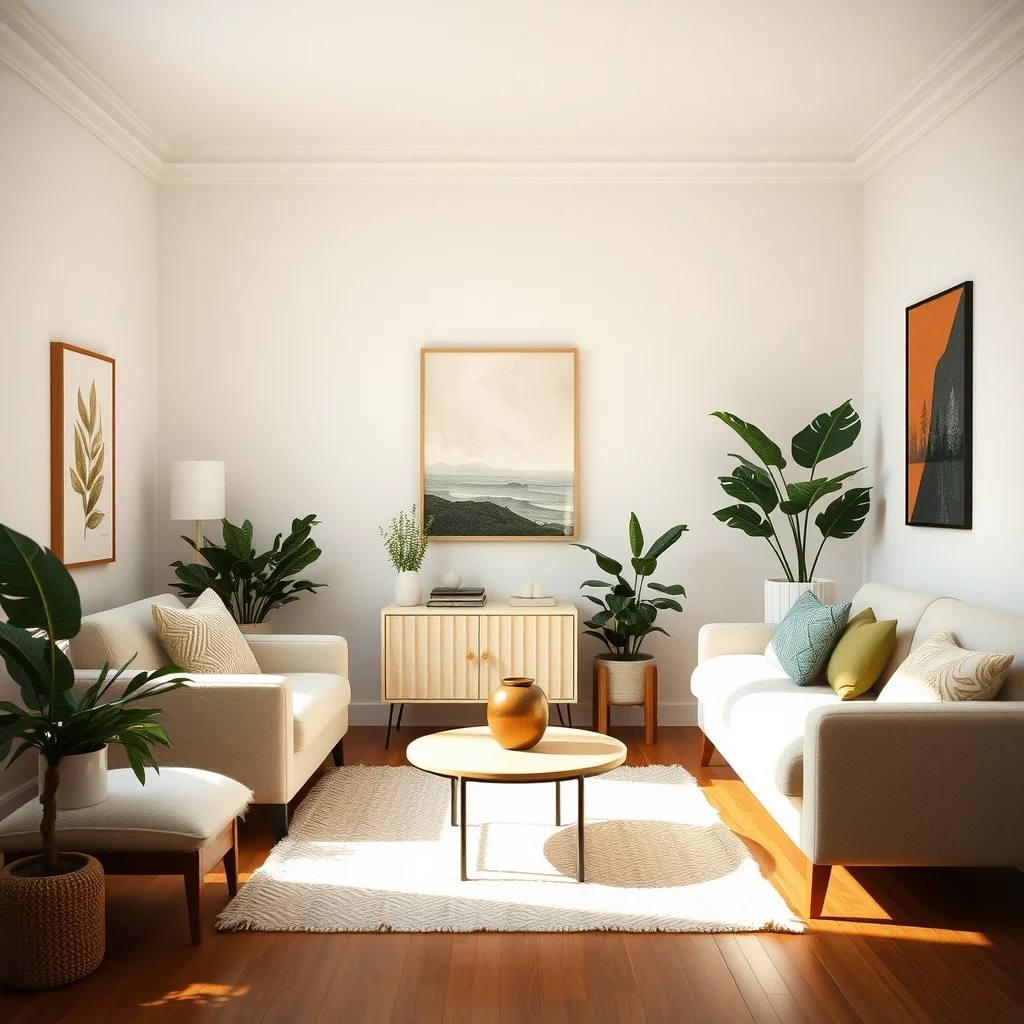
Lighting is as much a part of your interior design as the furniture you choose, especially when you want to showcase artwork and decorative objects in an apartment setting. By thinking about direction, intensity, and the relationship between natural and artificial sources, you can create a layered environment where each piece feels intentional and vibrant. Whether you opt for a sleek track system, a flexible floor lamp, or subtle backlighting behind a cabinet, the key is to test the light at different times of day and adjust as needed. With these ideas in hand, you’ll be able to turn any modest space into a gallery‑worthy home that reflects your personal taste.