
Living in a sleek, minimalist apartment can feel like stepping into a gallery that never quite warms up. The clean lines and muted palette are beautiful, but they often leave the space feeling more like a showroom than a home. If you crave comfort without abandoning the simplicity you love, the ideas below will help you add warmth, texture, and personality while keeping the overall aesthetic uncluttered.
1. Warm Layered Textiles Create an Inviting Feel
© 2026 AI Illustrator — Inspiration Only
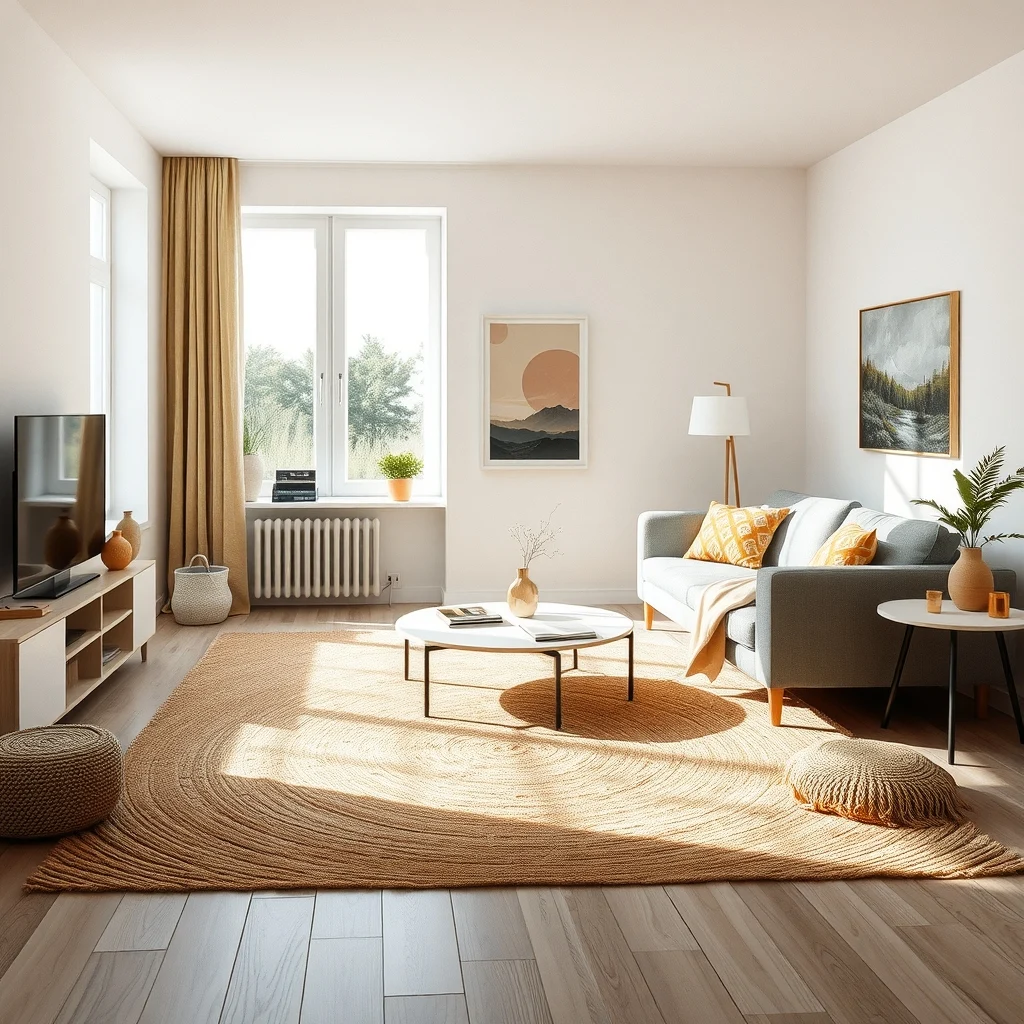
One of the quickest ways to soften a stark living area is to introduce layers of fabric that invite touch. A plush, oversized rug in a natural fiber such as jute or soft wool anchors the floor and adds visual depth without overwhelming the room. Pair it with a few well‑chosen throw pillows—perhaps a mix of linen and boucle in muted earth tones—arranged on a low‑profile sofa. A lightweight, draped blanket folded over the armrest offers a spot to curl up on chilly evenings. These textiles not only absorb sound, making the apartment feel quieter, but they also provide a tactile contrast to sleek metal or glass surfaces. When selecting pieces, consider durability; a low‑pile rug cleans easily and a washable pillow cover ensures the look stays fresh over time.
What’s Your Apartment Decor Style?
Answer these quick questions to discover your perfect decor vibe.
2. Soft, Ambient Lighting Replaces Sterile Brightness
© 2026 AI Illustrator — Inspiration Only
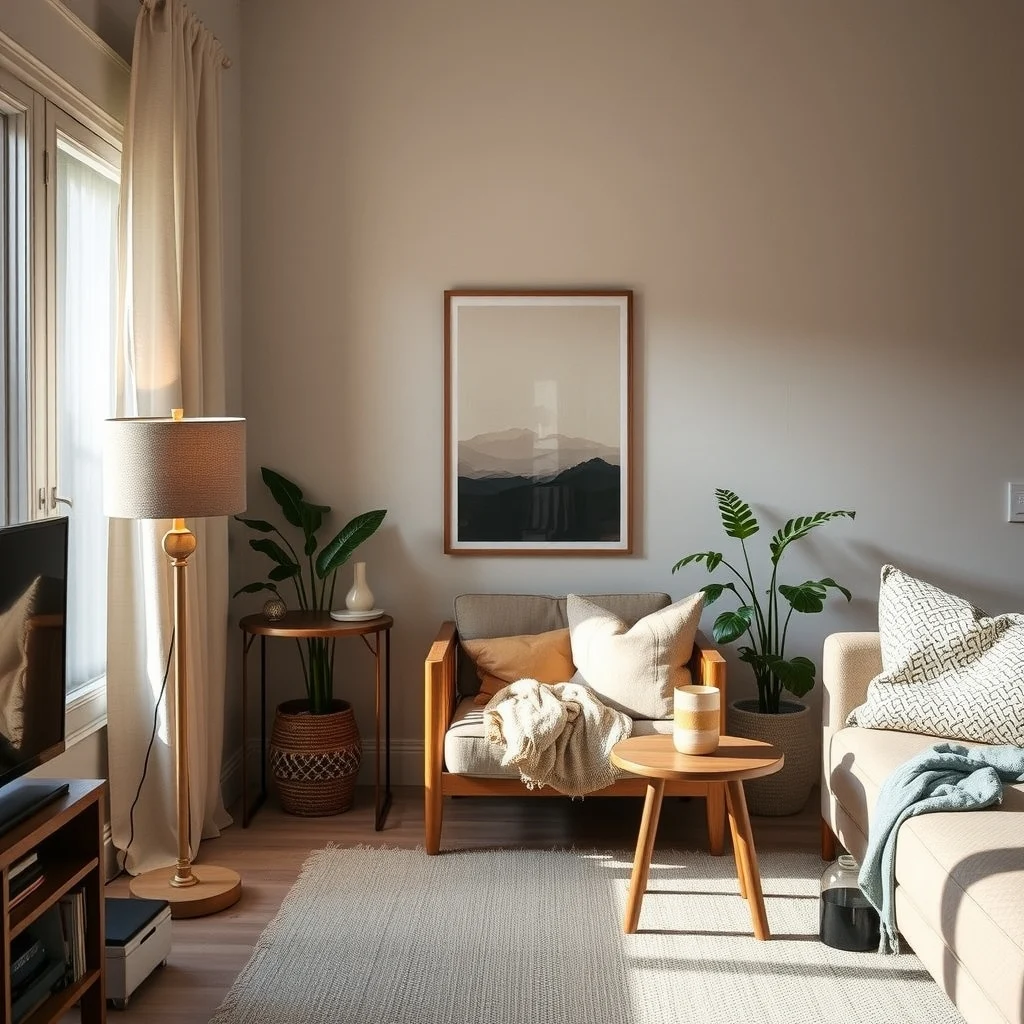
Overhead LEDs can illuminate a room efficiently, yet they often cast a harsh, clinical glow. To create a cozier atmosphere, layer lighting sources that emit a warm, diffused hue. A floor lamp with a linen shade placed beside a reading chair offers a gentle pool of light that encourages lingering. Table lamps with amber glass bases on side tables add subtle illumination without dominating the ceiling fixture. Consider installing dimmer switches on existing recessed lights; lowering the wattage after sunset instantly transforms the mood. Candle‑like LED sconces on a hallway wall provide a soft wash of light that feels inviting without the fire risk. By balancing task lighting with ambient sources, you retain functionality while eliminating the cold feel of uniform brightness.
We're Now Open!
Thoughtful digital guides and planners to help you decorate, organize, and create a home you love.
Use code: WELCOME15
EXPLORE LIVANA STUDIO →Beautiful spaces. Smarter living.
3. Natural Materials Add Tactile Comfort
© 2026 AI Illustrator — Inspiration Only
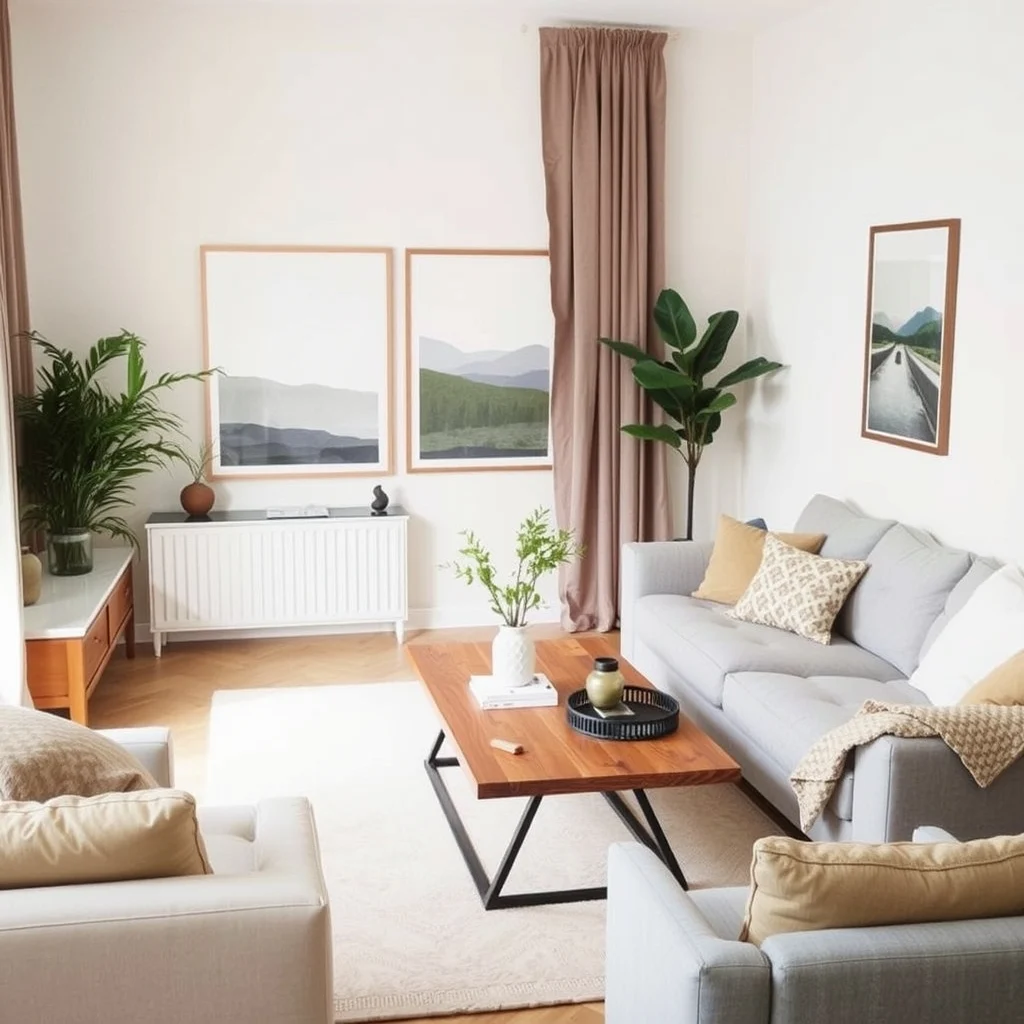
Incorporating wood, stone, or rattan introduces organic warmth that metal and plastic lack. A reclaimed‑wood coffee table, for example, brings character through its grain and subtle imperfections, making the space feel lived‑in rather than manufactured. Replace a glossy metal chair with a rattan armchair; the woven texture catches light differently and feels pleasant to the touch. A small decorative bowl of river stones on a console adds a natural element that can double as a paperweight or a place for keys. When choosing materials, think about maintenance: sealed wood resists spills, while untreated rattan benefits from occasional dusting and a protective spray in humid climates. These natural touches create a bridge between minimalist structure and homely comfort.
4. Curved Furniture Softens Rigid Lines
© 2026 AI Illustrator — Inspiration Only
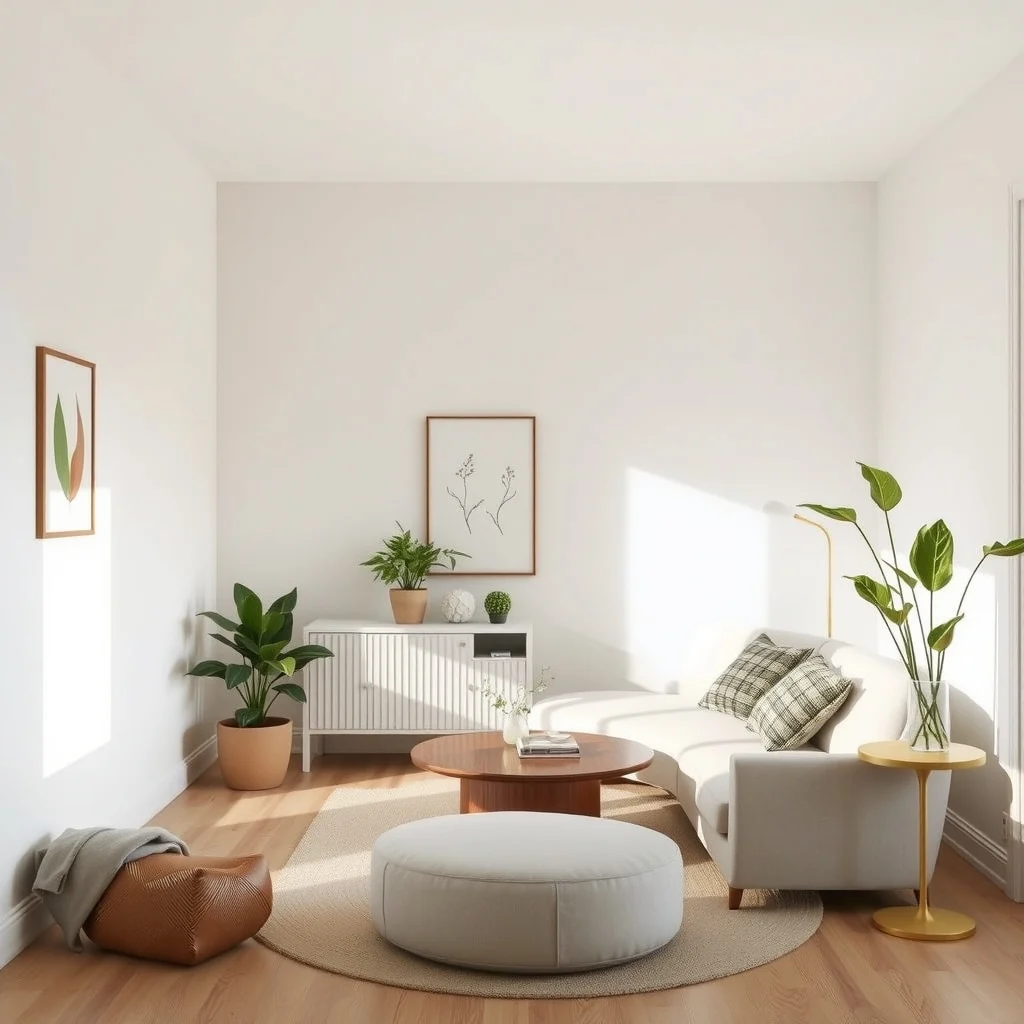
Sharp angles dominate many minimalist interiors, reinforcing a sense of coldness. Introducing a piece with a gentle curve—such as a round ottoman or a low, crescent‑shaped sofa—breaks the visual tension and invites relaxation. A circular rug placed beneath the seating area mirrors the softness of the furniture, reinforcing a sense of enclosure. Curved shelving, like a semi‑circular bookcase, provides storage while adding flow to the wall. These forms encourage movement around the room rather than a straight‑line path, making the layout feel more organic. Keep the scale appropriate; an oversized curved sofa can overwhelm a small apartment, while a modestly sized ottoman offers both visual interest and a place to rest feet.
5. Personal Collections Turn Empty Walls into Stories
© 2026 AI Illustrator — Inspiration Only
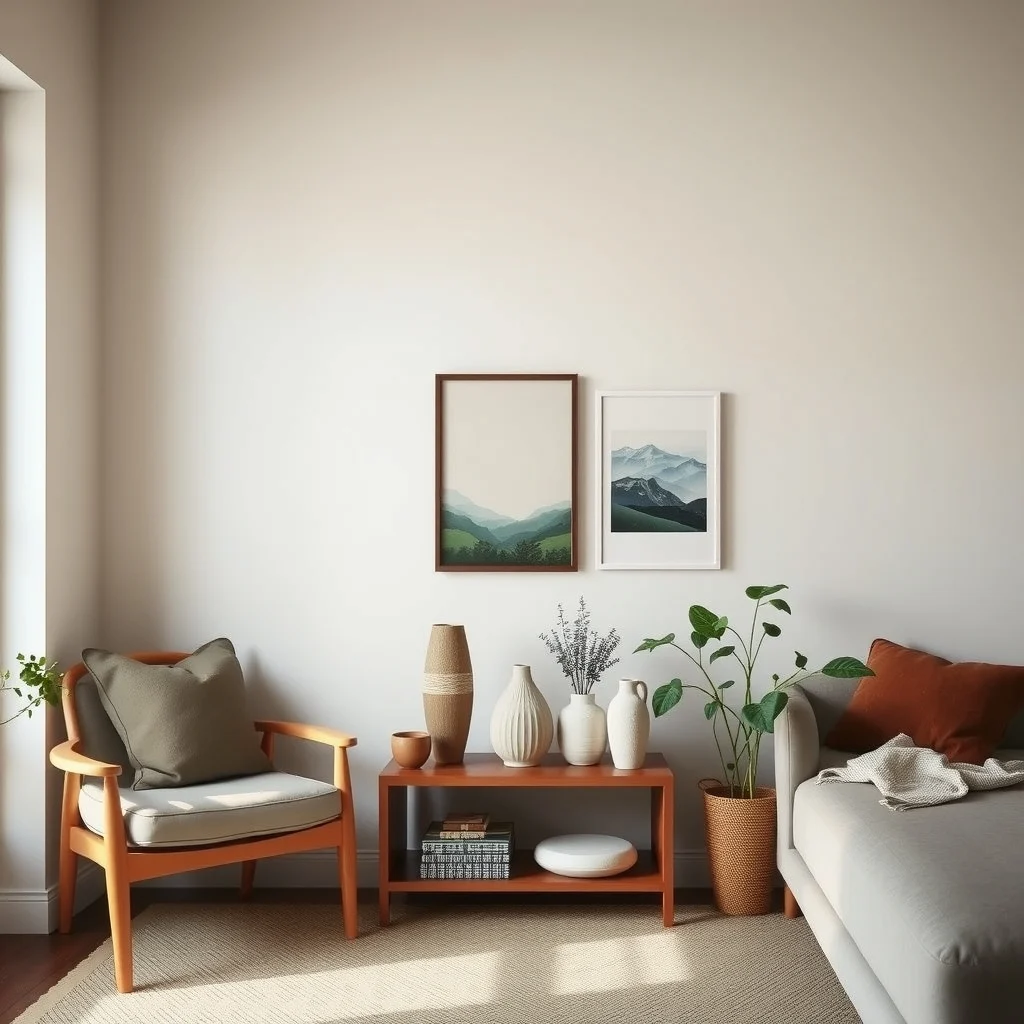
Blank walls amplify the feeling of emptiness. Curating a modest display of items that reflect your interests adds personality without clutter. A small arrangement of ceramic vases in varying heights creates visual rhythm, especially when placed on a floating shelf painted in a soft, warm hue. A series of framed botanical prints, each with a thin brushed‑brass frame, introduces subtle color and a hint of nature. Even a simple wooden board holding a few well‑chosen books can become a focal point. Rotate pieces periodically to keep the display fresh, and choose items that are easy to dust. By turning walls into curated galleries, you replace starkness with warmth rooted in your own story.
6. Multi‑Functional Nooks Offer Cozy Retreats
© 2026 AI Illustrator — Inspiration Only
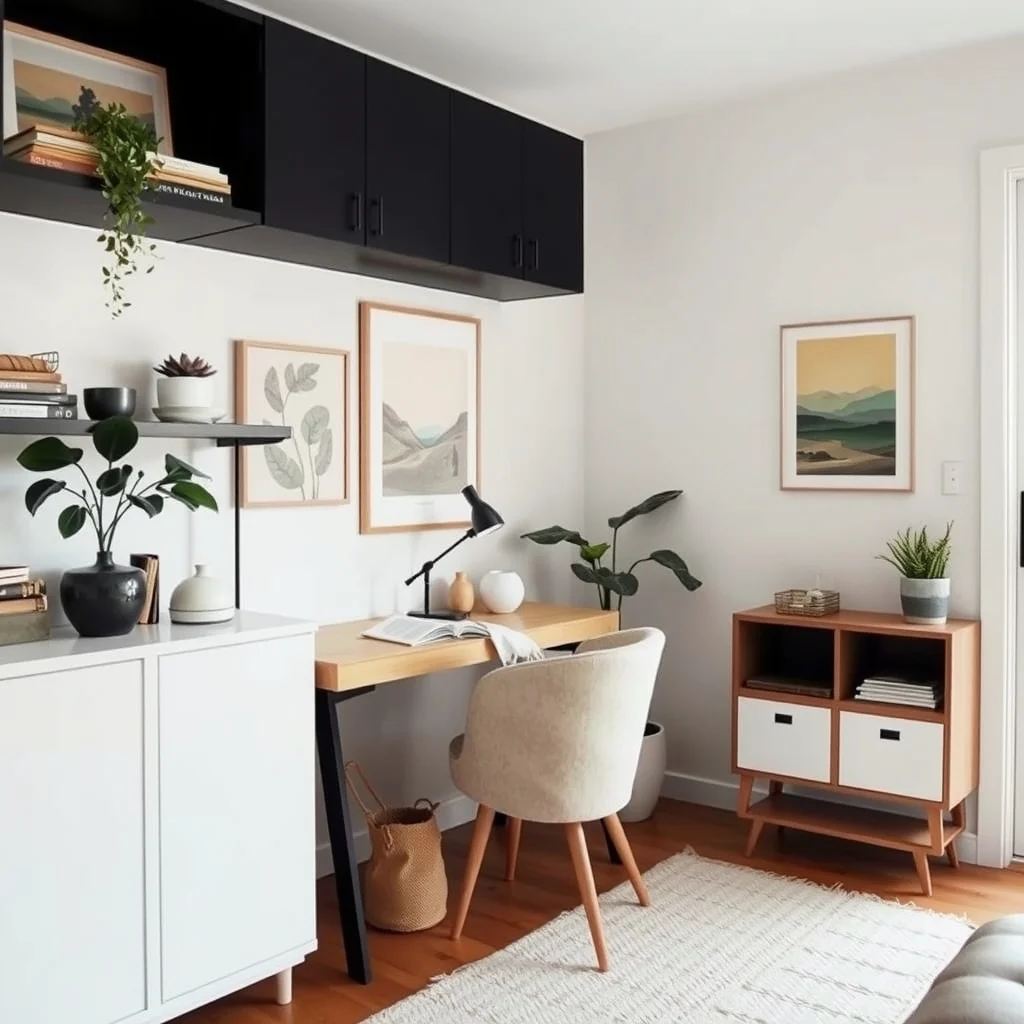
Even the smallest apartment can host a dedicated corner that feels separate from the rest of the space. Position a compact desk against a wall, pair it with a comfortable chair upholstered in a soft fabric, and add a floor lamp to define the area. A narrow bookshelf placed behind the desk can act as a visual barrier, giving the impression of a mini‑office without sacrificing openness. In a bedroom, a low platform with a plush cushion and a small side table becomes a reading nook, especially when a string of warm‑glow bulbs hangs overhead. These pockets of purpose make the apartment feel lived‑in and welcoming, as each zone serves a clear, enjoyable function.
7. Subtle Color Accents Break the Monochrome
© 2026 AI Illustrator — Inspiration Only
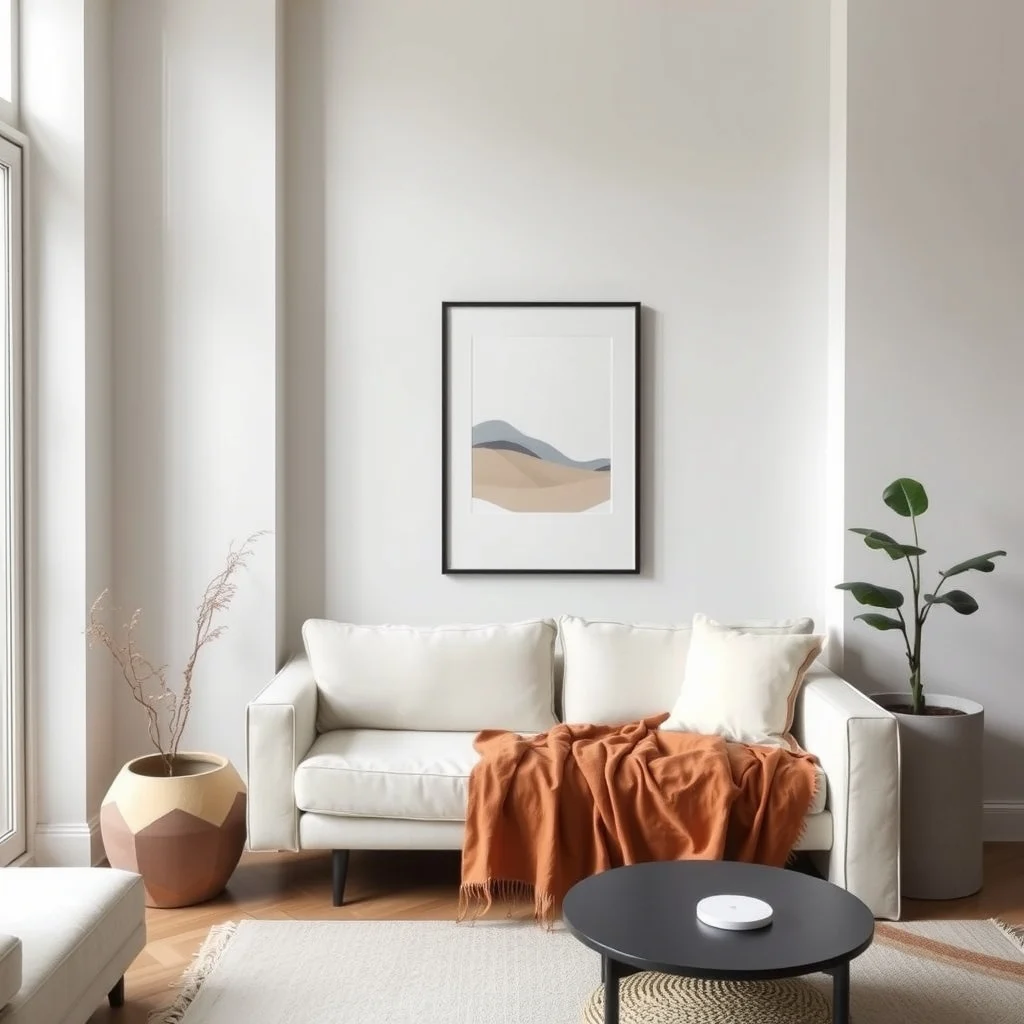
Minimalist palettes often rely on whites, greys, and blacks, which can feel austere. Introducing a restrained splash of color can warm the environment without disrupting the overall simplicity. Consider a muted terracotta throw draped over a sofa arm, or a deep olive cushion on a sleek chair. A wall painted in a soft greige—just a hint of beige within the grey—provides a backdrop that feels more inviting than stark white. Small accessories, such as a copper‑finished lamp base or a set of pastel‑toned ceramic mugs, add visual interest without demanding attention. Keep the accent colors limited to a few pieces to maintain cohesion; too many hues can quickly tip the balance back toward clutter.
Frequently Asked Questions
© 2026 AI Illustrator — Inspiration Only
How can I add warmth without making my apartment look cluttered?
Focus on a few high‑impact pieces that introduce texture, such as a rug, a throw, or a single piece of furniture with a curved silhouette. By limiting the number of items and choosing those that serve multiple purposes, you keep the space feeling open while adding comfort.
Are there affordable ways to incorporate natural materials?
Yes, look for reclaimed‑wood accessories at local thrift stores or online marketplaces, and consider woven baskets made from rattan or seagrass for storage. These items often cost less than brand‑new furniture and add the desired organic feel.
What lighting options work best for small apartments?
Floor lamps with wide, diffused shades and table lamps with warm bulbs are ideal because they occupy minimal floor space while providing soft illumination. Adding a dimmer switch to existing ceiling lights lets you adjust brightness without adding extra fixtures.
Can I use bold colors without breaking the minimalist vibe?
Yes, choose a single accent hue and apply it sparingly—through pillows, a small rug, or a piece of artwork. The restraint maintains the clean lines of minimalism while preventing the space from feeling too sterile.
How do I keep textiles looking fresh in a high‑traffic area?
Opt for fabrics that are machine‑washable or have removable covers. A low‑pile rug made from synthetic fibers can mimic wool’s warmth while being easier to clean, and washable pillow covers allow you to refresh the look regularly.
Final Thoughts
© 2026 AI Illustrator — Inspiration Only
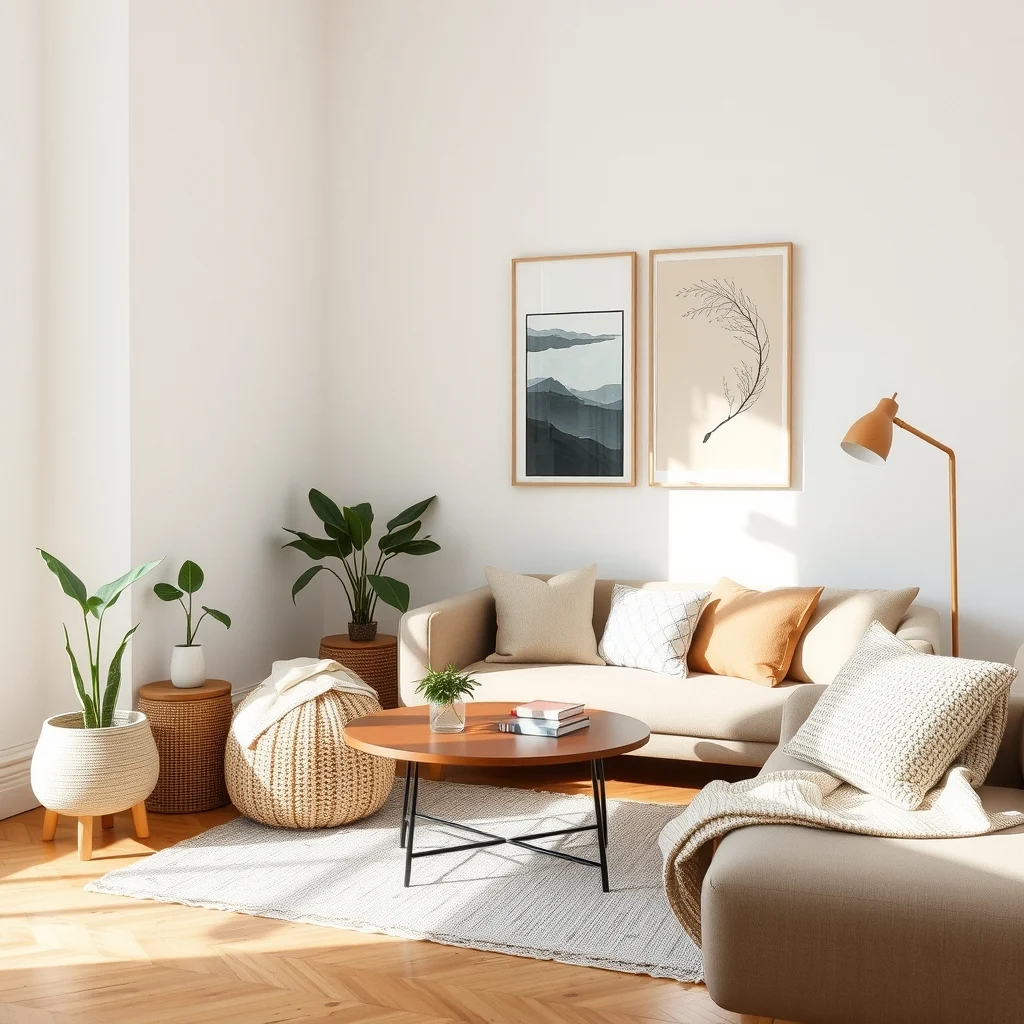
Creating a cozy apartment that still respects minimalist principles is less about adding a lot of décor and more about choosing the right elements that introduce warmth, texture, and personality. By layering soft textiles, curating ambient lighting, embracing natural materials, and incorporating subtle color touches, you can transform a cold, clinical space into a welcoming home. Remember that each addition should serve both an aesthetic and functional purpose, ensuring your apartment feels lived‑in without sacrificing the clean lines you appreciate.