
Living rooms often become the default gathering spot, yet a bulky sofa can dominate the floor plan and limit flexibility. If you’ve found yourself wishing for a cozier, more adaptable space without the weight of a massive couch, you’re not alone. Below are seven approaches that let you craft a welcoming living area using lighter furniture, thoughtful layout, and subtle design tricks. Each idea explains what it looks like, why it works, and how you can apply it in your own home.
1. Embrace modular pieces and floor cushions for adaptable seating
© 2026 AI Illustrator — Inspiration Only
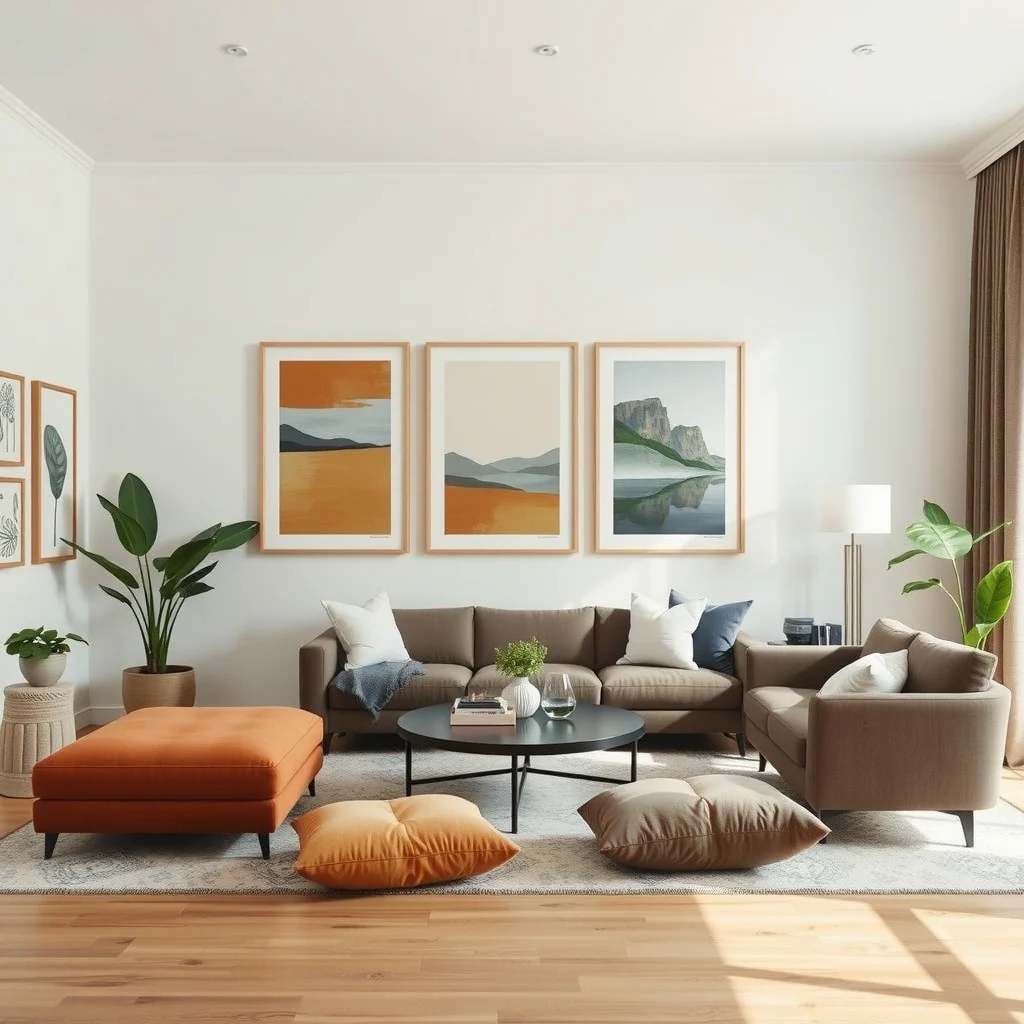
Instead of a single, fixed sofa, consider a collection of low‑profile modular sections that can be rearranged to suit the occasion. A pair of sleek ottomans, a narrow chaise, and a few plush floor cushions create a seating island that can be expanded for movie night or compressed for everyday conversation. Because the components sit closer to the floor, the room feels more open, and the varied heights add visual interest. Choose fabrics such as linen or soft boucle in muted tones; they invite touch without demanding heavy cleaning. When you need extra seating for guests, simply pull the modules together, and when the room needs more space for a yoga session, push them aside. The trade‑off is that modular units may require occasional re‑balancing, but the flexibility they provide often outweighs that minor inconvenience.
What’s Your Apartment Decor Style?
Answer these quick questions to discover your perfect decor vibe.
2. Layer rugs to add comfort and visual grounding
© 2026 AI Illustrator — Inspiration Only
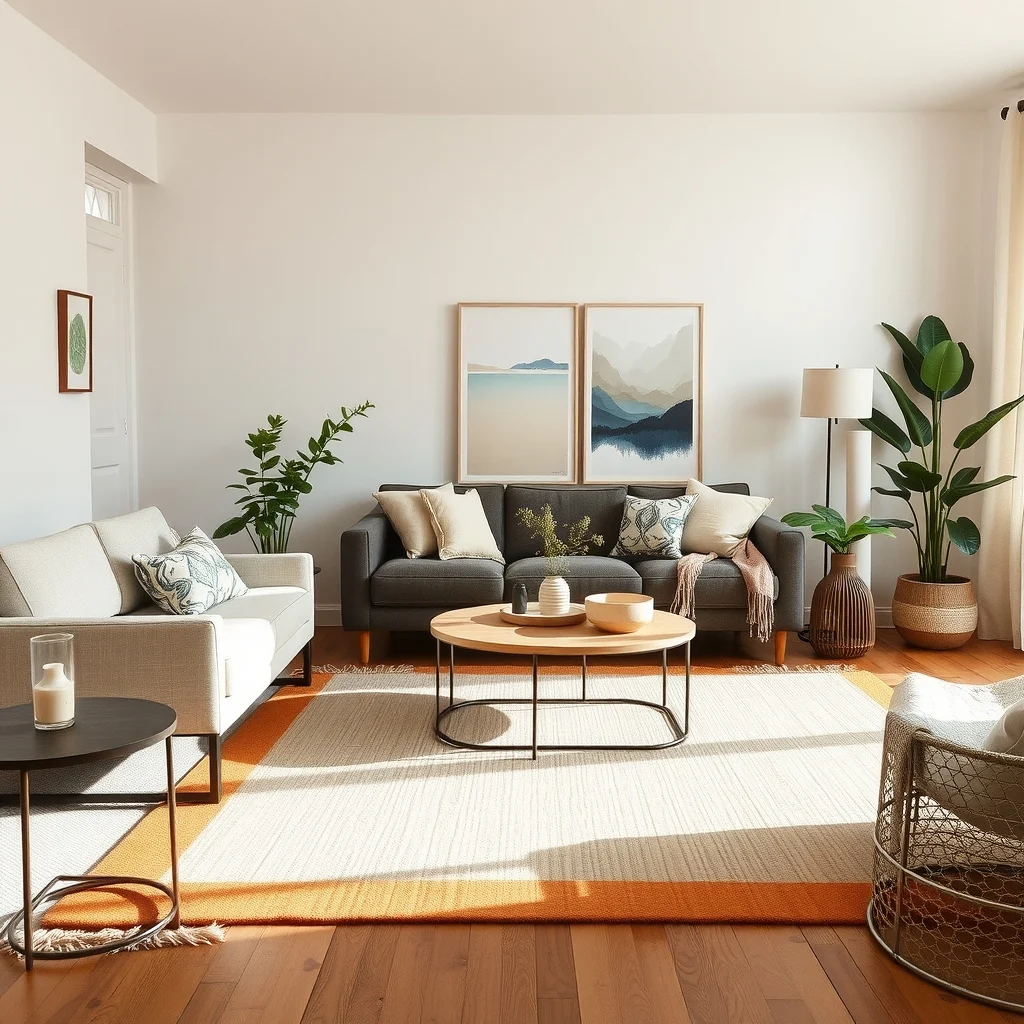
A single large rug can anchor a living area, but layering two or three rugs of differing textures creates a softer floor that feels welcoming underfoot. Start with a neutral, low‑pile base rug that defines the main seating zone, then add a slightly smaller, higher‑pile rug on top for tactile contrast. The overlapping edges break up the monotony of a flat floor and subtly delineate zones for reading, coffee, or games. Natural fibers such as jute or sisal under a plush wool rug offer durability while maintaining a sense of warmth. Keep the color palette cohesive—perhaps a warm greige base with a muted teal accent—to avoid visual clutter. The only caution is to ensure the rugs stay flat; a non‑slip pad underneath prevents tripping and protects the flooring.
We're Now Open!
Thoughtful digital guides and planners to help you decorate, organize, and create a home you love.
Use code: WELCOME15
EXPLORE LIVANA STUDIO →Beautiful spaces. Smarter living.
3. Shape lighting zones to foster intimacy
© 2026 AI Illustrator — Inspiration Only
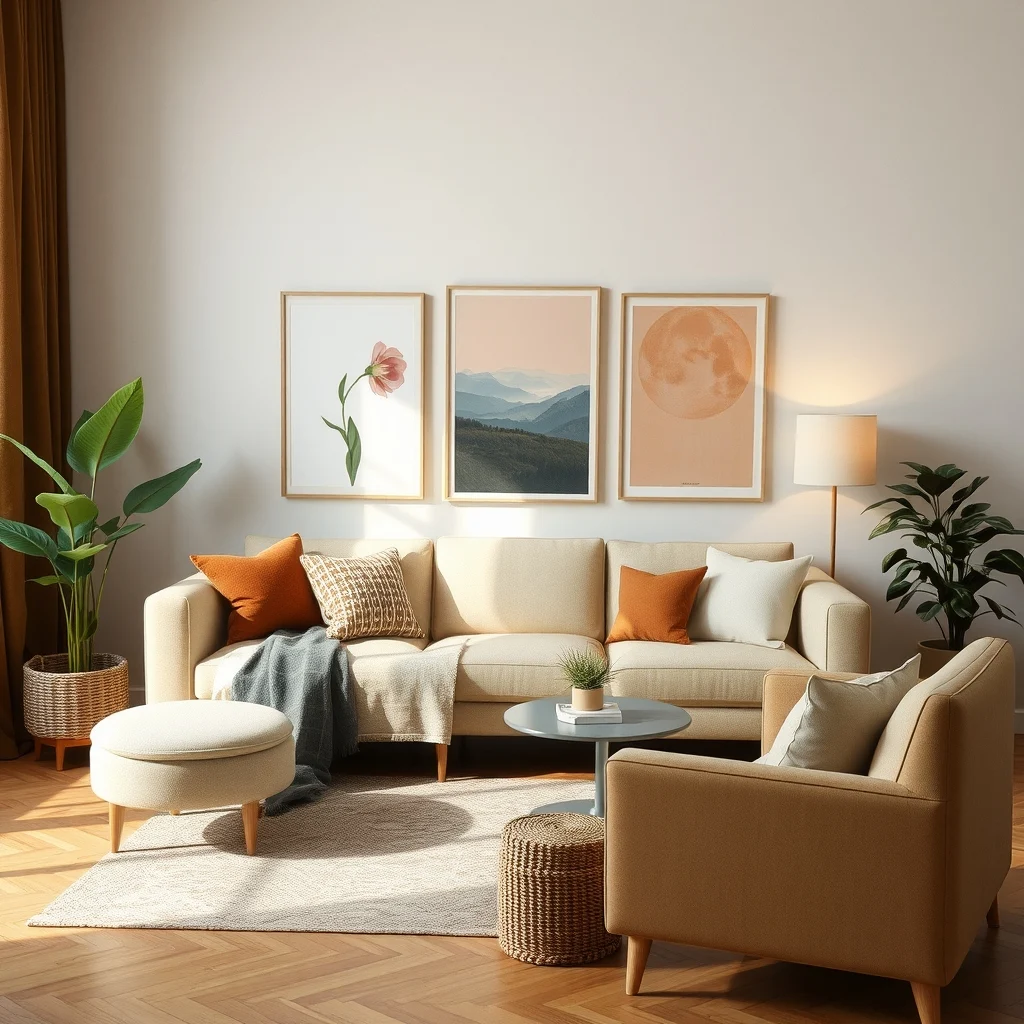
Lighting does more than illuminate; it sculpts the mood of a room. By dividing the space into distinct lighting zones, you can create pockets of coziness without relying on a large sofa to block or reflect light. Position an adjustable floor lamp beside the modular seating, allowing you to direct a soft pool of light over a reading nook. Pair this with a table lamp on a sideboard that casts a warm glow over a coffee table, and use recessed dimmable LEDs for general illumination. The layered effect lets you dial down brightness for a relaxed evening or brighten the area for a lively gathering. One drawback is the need for additional electrical outlets; using a power strip with surge protection can keep cords tidy while providing flexibility.
4. Choose low‑profile storage that doubles as seating
© 2026 AI Illustrator — Inspiration Only
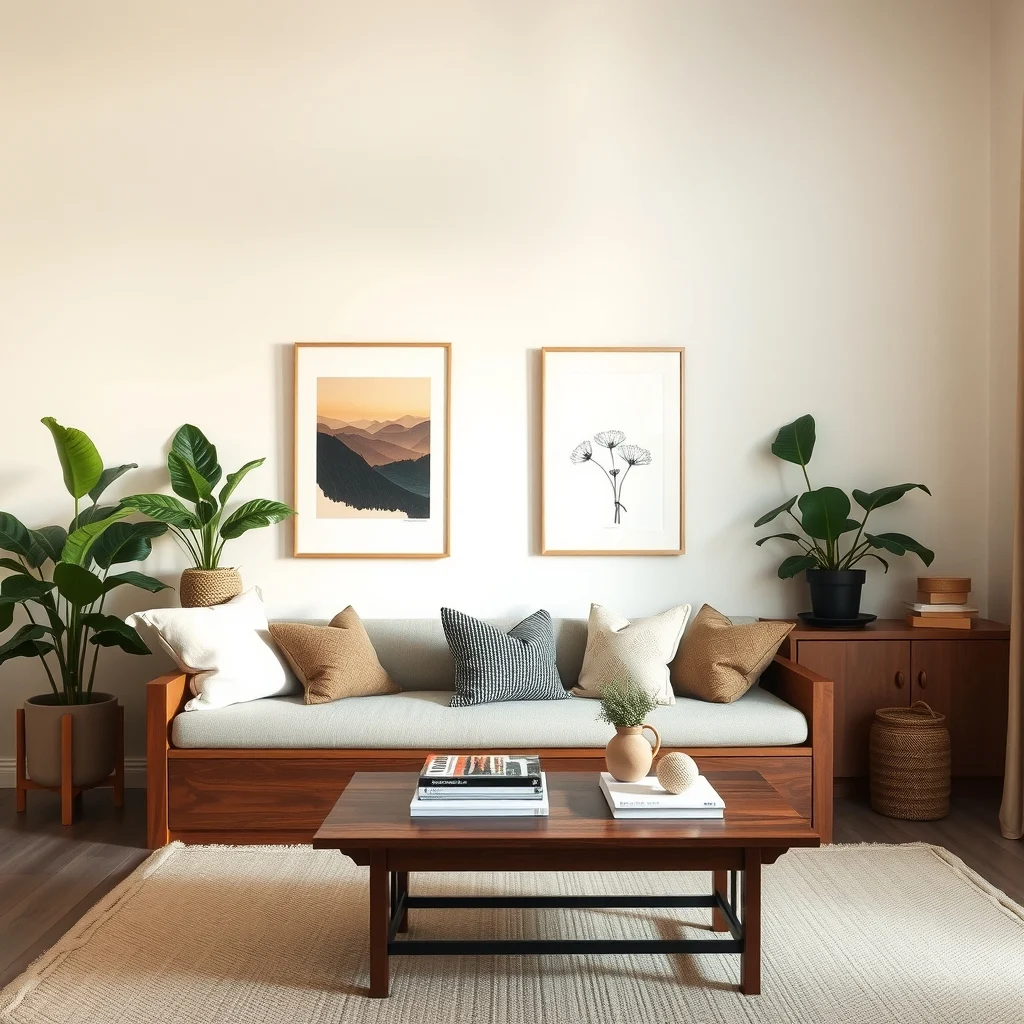
Built‑in benches or storage chests with cushioned tops serve two purposes: they hide blankets, magazines, or board games, and they provide a place to sit. A wooden bench finished in a matte walnut with a removable cushion offers a sturdy seat that blends seamlessly with the room’s aesthetic. When the cushion is lifted, the interior opens to reveal a hidden compartment, keeping the living room uncluttered. This solution works especially well in rooms with limited wall space, as the bench can sit against a window or under a console. The compromise is that the cushion may need periodic fluffing to maintain its shape, but the added storage often justifies the extra care.
5. Make a single armchair the focal point
© 2026 AI Illustrator — Inspiration Only
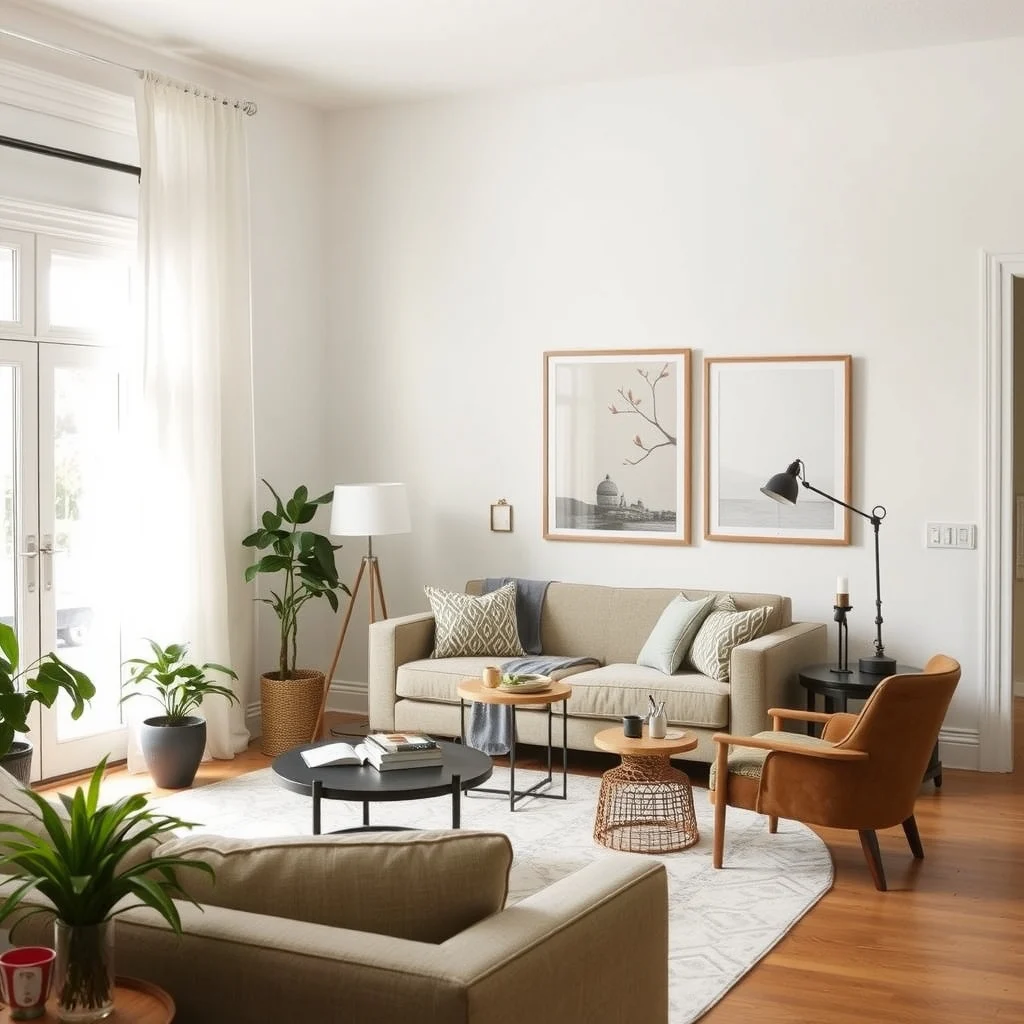
A well‑chosen armchair can become the centerpiece of a living room, offering both comfort and style. Opt for a chair with an interesting silhouette—perhaps a mid‑century swivel or a plush wingback—in a fabric that invites lingering, such as velvet in a deep olive or a soft, textured linen in a warm terracotta. Position the chair near a side table and a reading lamp to create a personal retreat within the larger space. Because the chair occupies less floor area than a sofa, you retain openness while still providing a dedicated spot for relaxation. The main limitation is that a single chair may not accommodate many guests at once; supplement it with floor cushions or the modular pieces discussed earlier when you expect larger gatherings.
6. Introduce natural elements to soften the atmosphere
© 2026 AI Illustrator — Inspiration Only
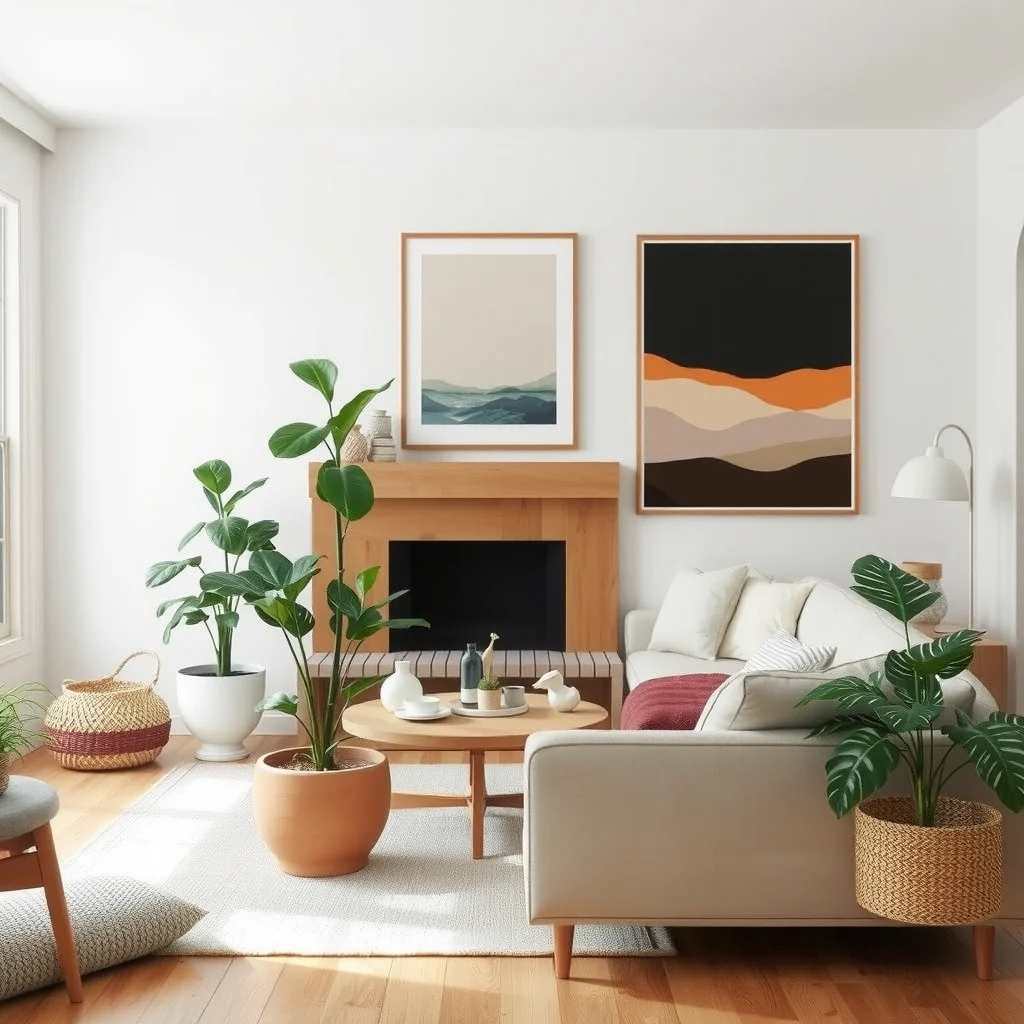
Plants, wooden accents, and woven baskets bring an organic touch that counteracts the hardness of a room lacking a sofa’s bulk. A tall fiddle leaf fig in a ceramic pot adds height and a splash of green, while a low, round coffee table crafted from reclaimed oak offers a warm surface for mugs and magazines. Incorporate a woven basket for storing throws; its texture adds depth and invites tactile interaction. These natural materials create a sense of calm and help the room feel lived‑in rather than sparse. The only consideration is maintenance: choose low‑maintenance plants such as snake plant or ZZ plant if you prefer minimal watering, and ensure wooden pieces are sealed to resist spills.
7. Use color and texture on walls and accessories to create warmth
© 2026 AI Illustrator — Inspiration Only
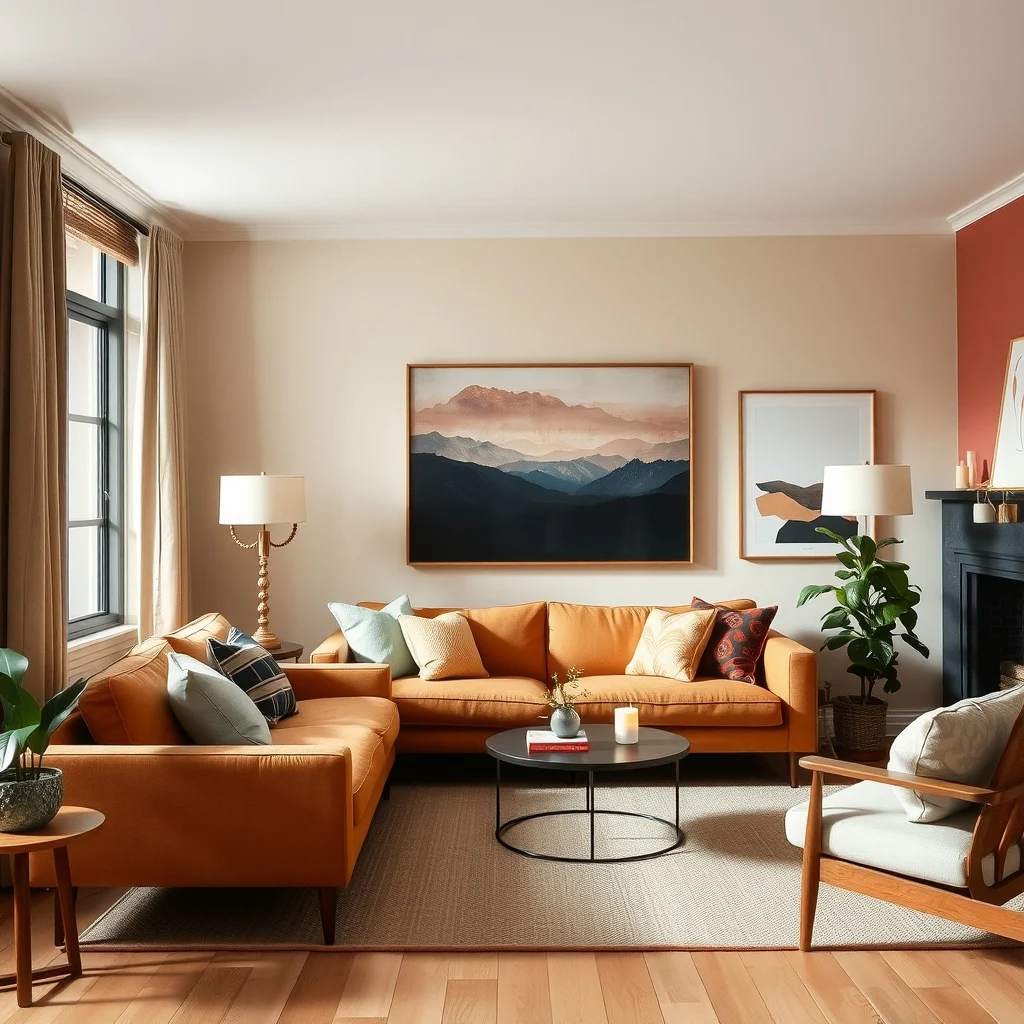
When the seating itself is minimal, the walls become an opportunity to add comfort through hue and material. A soft, warm greige paint on the main walls provides a neutral backdrop, while an accent wall in a muted sage or muted rust adds depth without overwhelming the eye. Consider hanging a large, textured tapestry‑style fabric—though not a literal tapestry, a woven wall hanging made of cotton or linen—that adds visual softness and acoustic absorption. Complement these with decorative pillows in complementary shades, layered on the floor cushions or armchair. The balance of color and texture ensures the room feels inviting, even without a bulky sofa. Be mindful not to overdo patterns; a single statement piece keeps the space cohesive.
FAQ
© 2026 AI Illustrator — Inspiration Only
Can I make a small living room feel cozy without a sofa?
Yes, by using modular seating, layered rugs, and strategic lighting you can create a comfortable environment that doesn’t rely on a large couch.
What type of floor cushion is best for durability?
A floor cushion with a high‑density foam core covered in removable, washable fabric offers both comfort and long‑term resilience.
How many lighting sources should I have in a sofa‑free living room?
Three zones work well: ambient overhead lighting, a floor lamp for task lighting, and a table lamp for accent lighting.
Are there budget‑friendly options for a statement armchair?
Yes, many retailers offer stylish armchairs in fabric or faux‑leather finishes at mid‑range prices; look for sales or gently used pieces to stretch your budget.
What plants thrive in low‑light living rooms?
Snake plant, ZZ plant, and pothos tolerate lower light levels and require minimal watering, making them suitable for rooms without abundant sunlight.
Final Thoughts
© 2026 AI Illustrator — Inspiration Only
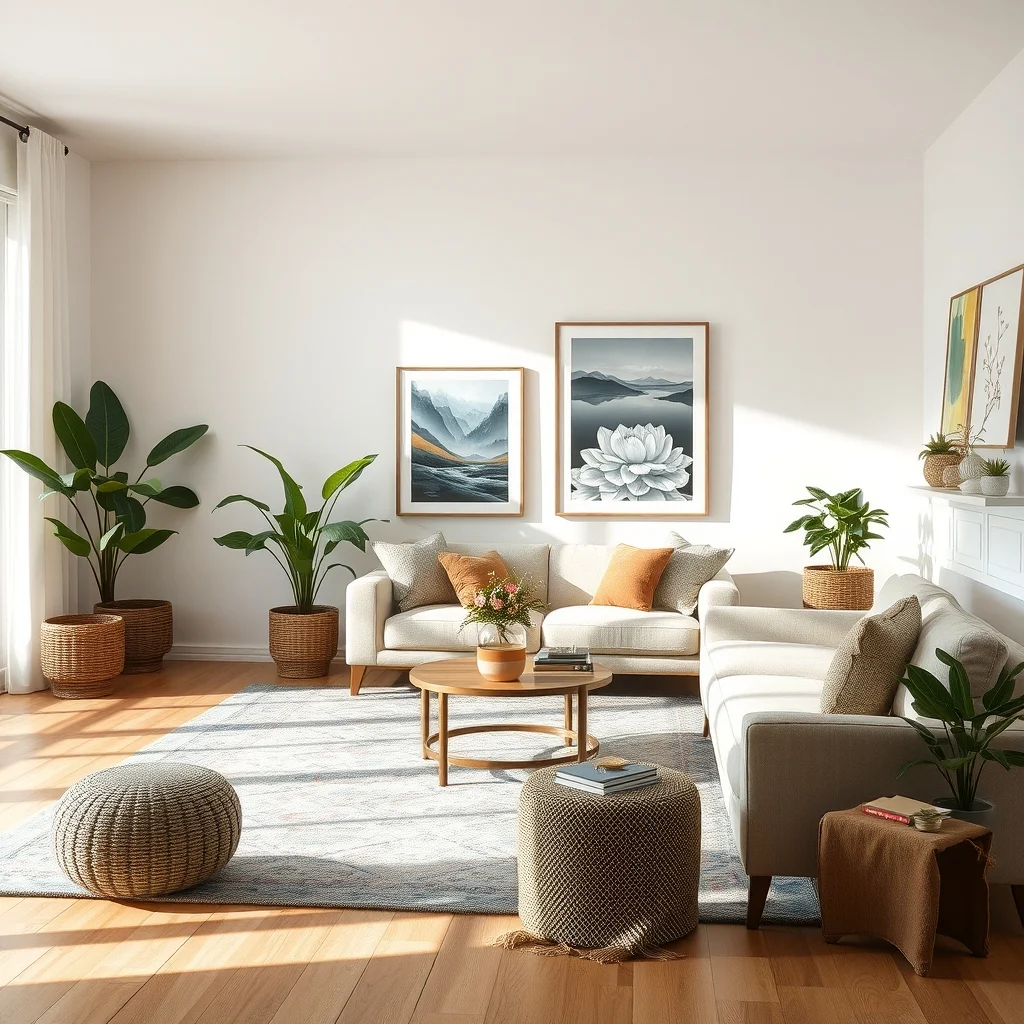
Designing a living room that feels welcoming without a large sofa is entirely achievable through thoughtful selection of modular furniture, layered textures, and purposeful lighting. By treating each element—seating, rugs, storage, accent pieces, natural touches, and color—as an opportunity to add comfort, you can shape a space that invites conversation, relaxation, and flexibility. Remember that every change introduces a new rhythm to the room; experiment with arrangements, observe how light moves throughout the day, and adjust as needed. The result will be a living area that feels both spacious and snug, ready to adapt to whatever moments life brings.