
When the sun sets and the city lights begin to flicker, an open‑plan apartment can feel either stark or inviting, depending on how you handle the transition from day to night. A soft evening glow not only adds comfort but also defines zones without walls, allowing the living, dining, and kitchen areas to flow together while still feeling distinct. Below are seven approaches that blend light, texture, and layout to give your space a warm, relaxed ambience after dark.
1. Layer Light Sources for a Gradual Fade
© 2026 AI Illustrator — Inspiration Only
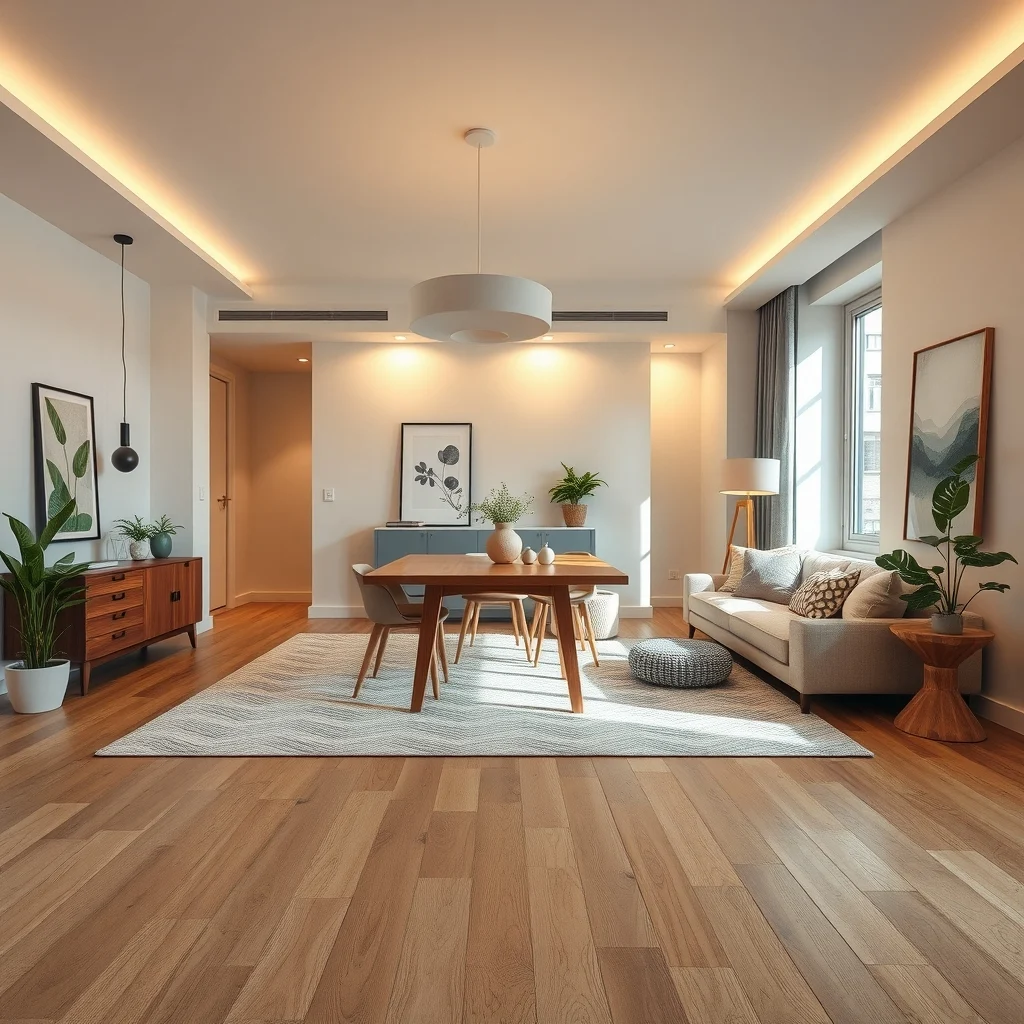
Relying on a single overhead fixture often leaves an open‑plan layout feeling flat once the daylight fades. Instead, think of lighting as a series of layers that can be dimmed or switched on independently. A recessed LED strip along the ceiling perimeter provides a low‑level wash that mimics the sky’s residual light, while a pair of brushed‑brass floor lamps placed near the seating area adds a focused pool of illumination. Table lamps on sideboards or a pendant with a translucent shade over the dining table introduce gentle pools that highlight surfaces without overwhelming the room. By controlling each layer with a smart dimmer, you can dial the brightness down to a level that feels like twilight, creating a sense of depth without harsh shadows.
What’s Your Apartment Decor Style?
Answer these quick questions to discover your perfect decor vibe.
2. Choose Warm‑Toned Bulbs and Filters
© 2026 AI Illustrator — Inspiration Only
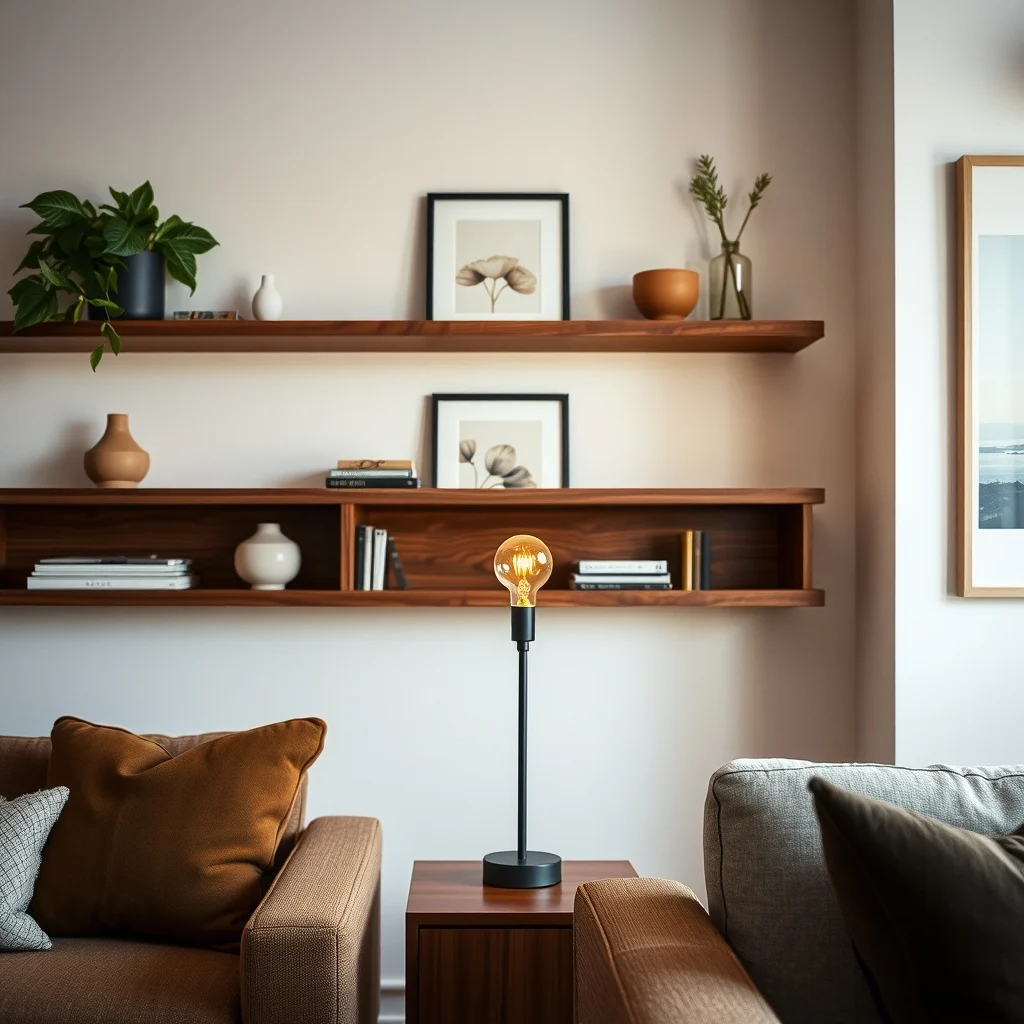
Even the most thoughtfully placed fixtures can look clinical if the light’s colour temperature is too cool. Opt for bulbs in the 2700‑3000 K range; they emit a soft amber hue that complements natural wood tones and muted wall paints. If you already have fixtures that use brighter bulbs, a sheer linen shade or a frosted glass diffuser can mellow the output. The result is a glow that enhances the warm greige of a sofa or the earthy terracotta of a rug, allowing textures to emerge without glare. Keep in mind that very warm bulbs may slightly shift colour perception, so test a sample in the space before committing to a full swap.
3. Incorporate Reflective Surfaces Sparingly
© 2026 AI Illustrator — Inspiration Only
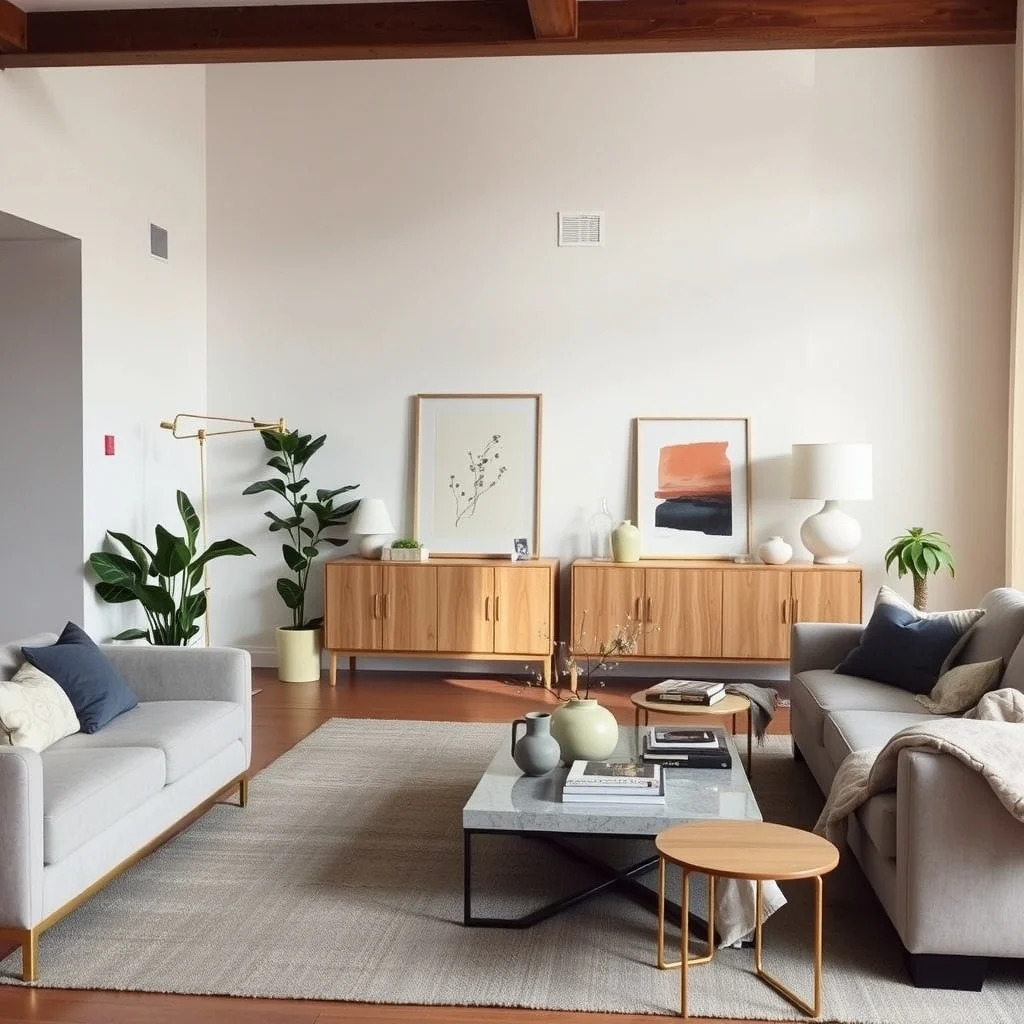
A polished metal coffee table or a glass console can bounce light around an open floor plan, helping the glow reach corners that would otherwise stay dim. Position a low‑gloss oak sideboard opposite a lamp so the light reflects off the wood’s subtle sheen, extending illumination without adding extra fixtures. Mirrors placed at a height that catches both the lamp and the ceiling light can double the perceived brightness while maintaining the soft tone. However, too many reflective pieces can create glare, so balance them with matte finishes like a linen sofa or a woven jute rug to keep the atmosphere gentle.
4. Use Textiles to Soften and Diffuse Light
© 2026 AI Illustrator — Inspiration Only
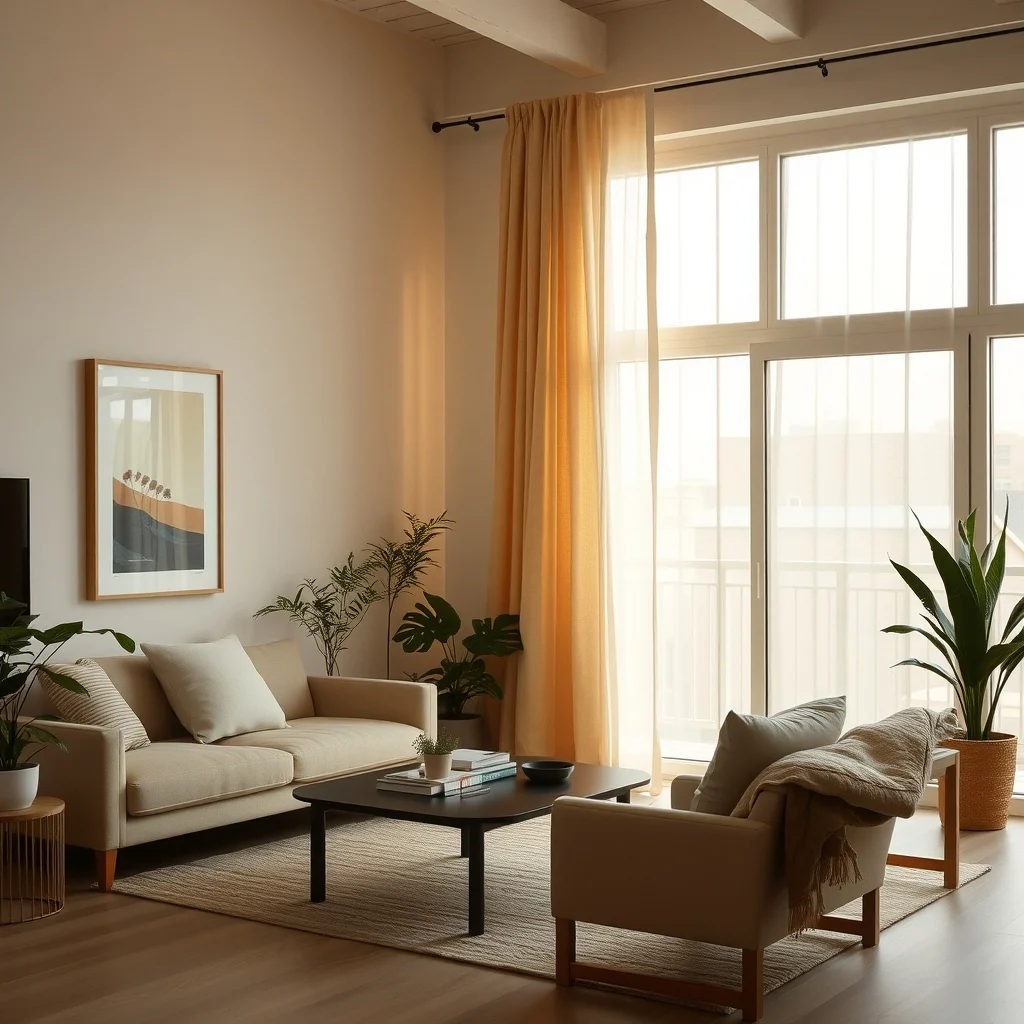
Soft fabrics act as natural diffusers, reducing harsh edges and adding a tactile layer to the visual experience. Hang a lightweight linen curtain in a neutral shade behind a sliding door; when the curtain is drawn, the fabric filters the light from a nearby floor lamp, producing a muted halo. Throw pillows in muted mustard or dusty rose placed on a charcoal sofa absorb some of the illumination, creating pockets of shadow that add visual interest. A plush area rug in a low‑pile weave also catches stray light, preventing the floor from feeling cold. The trade‑off is that heavily textured fabrics may require more frequent cleaning, especially in high‑traffic zones.
5. Define Zones with Targeted Accent Lighting
© 2026 AI Illustrator — Inspiration Only
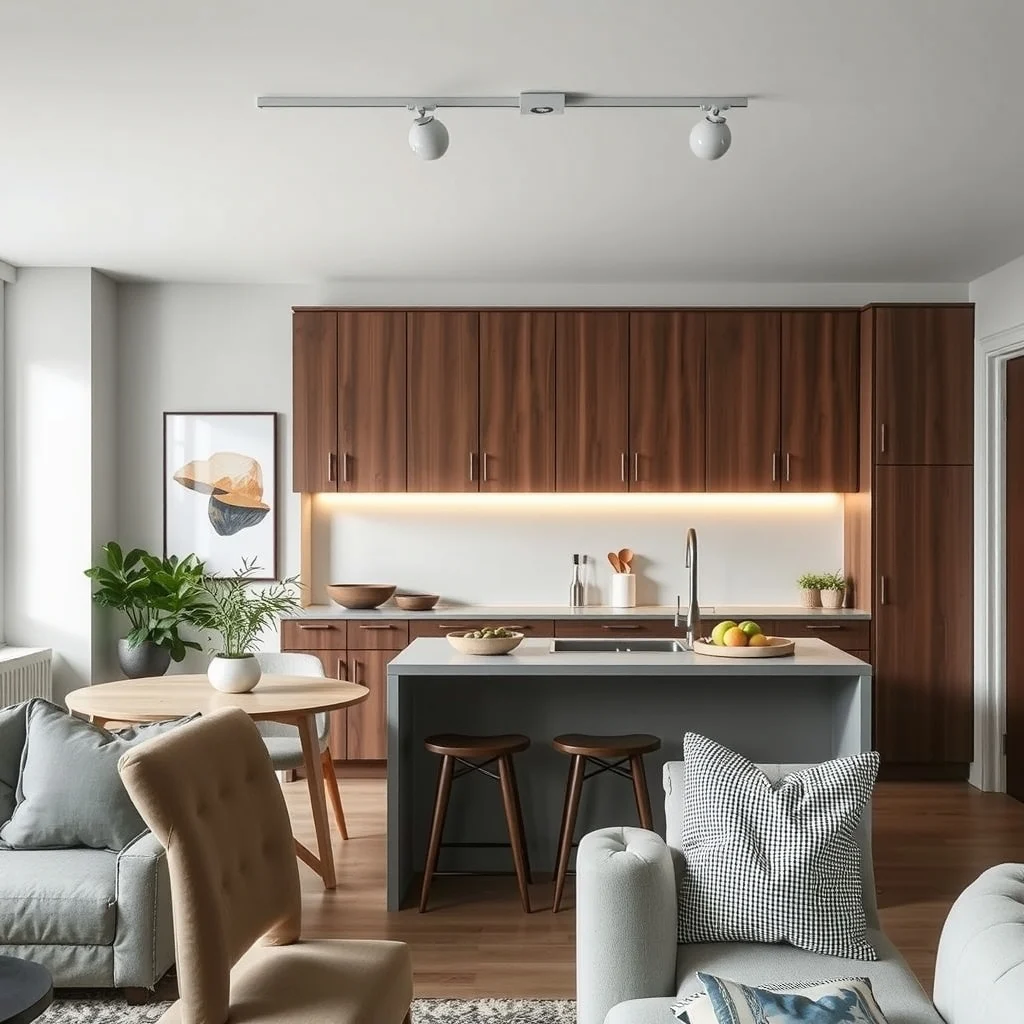
In an open‑plan layout, the lack of walls can blur functional areas. Accent lighting helps delineate space without physical barriers. Install a narrow LED track above the kitchen island that highlights the countertop while staying dim enough not to spill into the living area. A small, dimmable wall sconce beside the bookshelf can mark a reading nook, casting a focused pool that invites you to settle with a book. By assigning each zone its own light level, the overall glow remains cohesive, yet each area retains its own character. Be aware that too many accent fixtures can clutter the ceiling plane, so limit them to essential zones.
6. Add Natural Elements that Glow in Low Light
© 2026 AI Illustrator — Inspiration Only
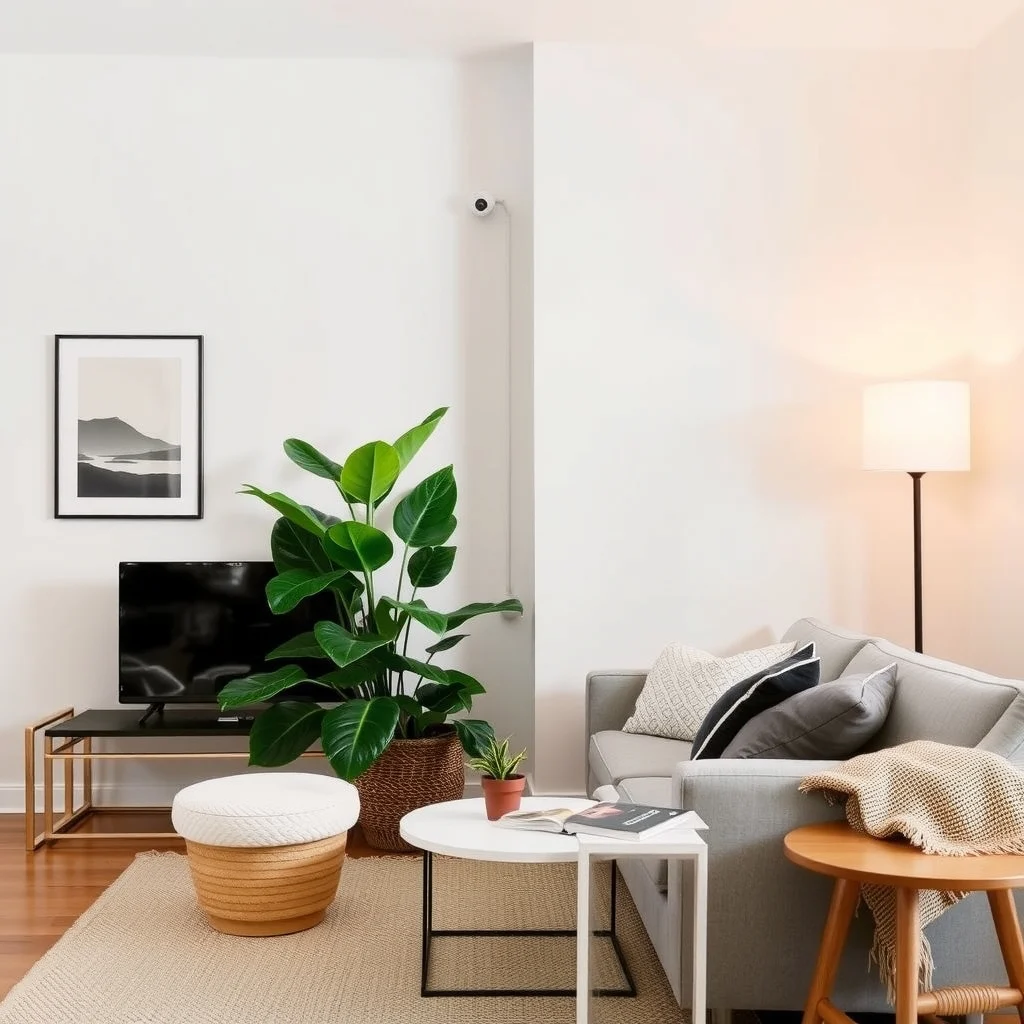
Plants with broad, matte leaves—such as a rubber plant or a philodendron—reflect a soft green that becomes more pronounced as the ambient light drops. Position a tall fiddle‑leaf fig near a floor lamp; the lamp’s warm glow will highlight the plant’s veins, adding a subtle colour shift that enriches the evening palette. A ceramic vase with a matte glaze placed on a side table can also catch the light, providing a gentle sheen without the shine of glass. Remember that living plants need adequate daylight, so place them where they receive a few hours of natural light during the day and benefit from the evening glow later.
7. Employ Smart Controls for Seamless Transitions
© 2026 AI Illustrator — Inspiration Only
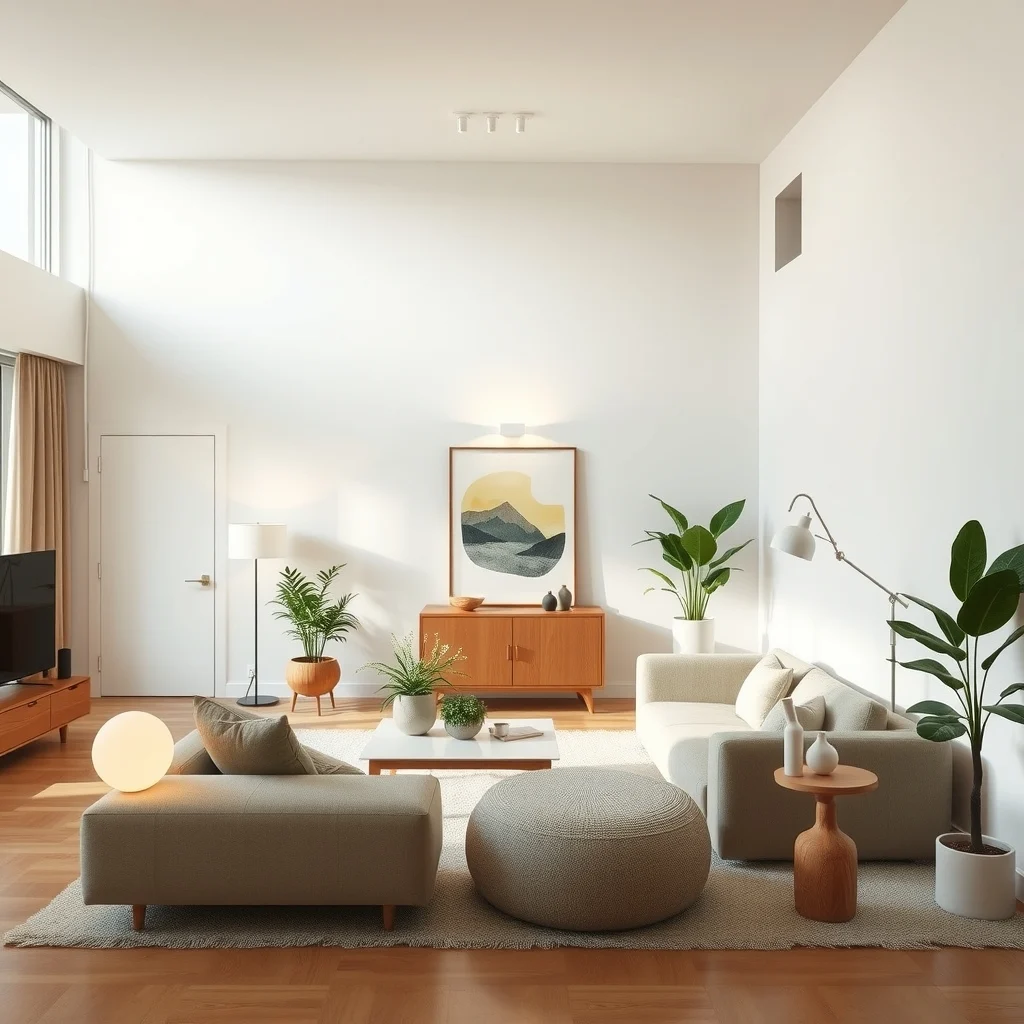
Technology can make the shift from daytime brightness to evening softness effortless. A smart lighting hub lets you program scenes that gradually dim the overhead LEDs while bringing up the floor lamps over a ten‑minute period, mimicking the natural sunset. Voice‑activated commands allow you to adjust brightness without leaving your seat, which is especially handy when entertaining. While the initial cost of a smart system may be higher than traditional switches, the ability to fine‑tune each zone’s illumination adds long‑term flexibility. Ensure that any installation follows manufacturer guidelines and complies with local electrical codes.
FAQ
© 2026 AI Illustrator — Inspiration Only
How can I make my open‑plan apartment feel cozier at night without adding walls?
Use a combination of layered lighting, warm‑toned bulbs, and textured textiles to create visual separation. Floor lamps, pendant lights, and strategically placed rugs can define each area while preserving an open feel.
What type of floor lamp works best for creating a soft glow?
A floor lamp with a wide, fabric‑covered shade diffuses light evenly, reducing harsh spots. Choose a lamp with an adjustable dimmer so you can tailor the brightness to the time of evening.
Are LED strips safe to install around the perimeter of a ceiling?
LED strips are generally safe when installed according to the manufacturer’s instructions and using a low‑voltage power source. For permanent installations, it’s advisable to consult a qualified electrician.
Can I achieve a warm glow with existing cool‑white fixtures?
Yes, adding translucent shades or frosted glass diffusers can soften the colour temperature. Swapping the bulbs for warm‑white LEDs is another straightforward solution.
Do plants really affect the ambience of an evening-lit room?
Plants with matte leaves reflect ambient light subtly, adding a gentle green tone that enhances the overall warmth. Position them where they receive some daylight during the day and benefit from the evening lighting later.
Final Thoughts
© 2026 AI Illustrator — Inspiration Only
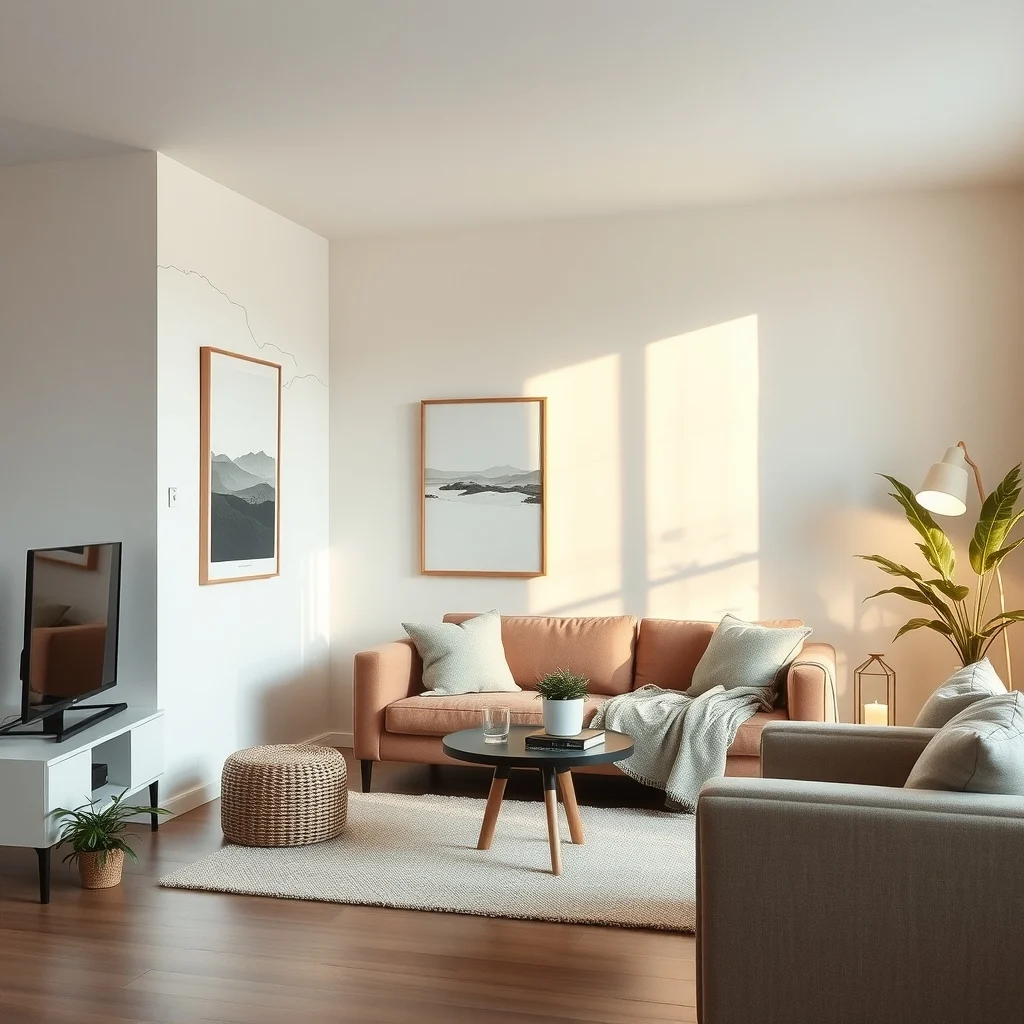
Creating a soft evening glow in an open‑plan apartment is less about a single fixture and more about the interplay of light, texture, and layout. By layering sources, choosing warm tones, and using reflective and absorbent elements wisely, you can transform a spacious floor plan into a welcoming haven after dark. Small adjustments—like swapping a bulb or adding a floor lamp—can make a noticeable difference, while smart controls offer long‑term flexibility. With these strategies, the transition from day to night will feel natural, and each zone of your home will retain its own gentle character.