
Living in a compact apartment often feels like a balancing act between style and practicality. A shelf that holds a favorite novel can quickly become a makeshift bin for dice, miniatures, and the occasional board game expansion. The challenge is to keep those hobby treasures accessible without sacrificing the clean, curated look you’ve worked hard to achieve. Below are seven thoughtfully designed storage concepts that blend seamlessly with modern interiors while giving you room to breathe, play, and create.
1. Built‑in Nook Shelving Behind the Sofa
© 2026 AI Illustrator — Inspiration Only
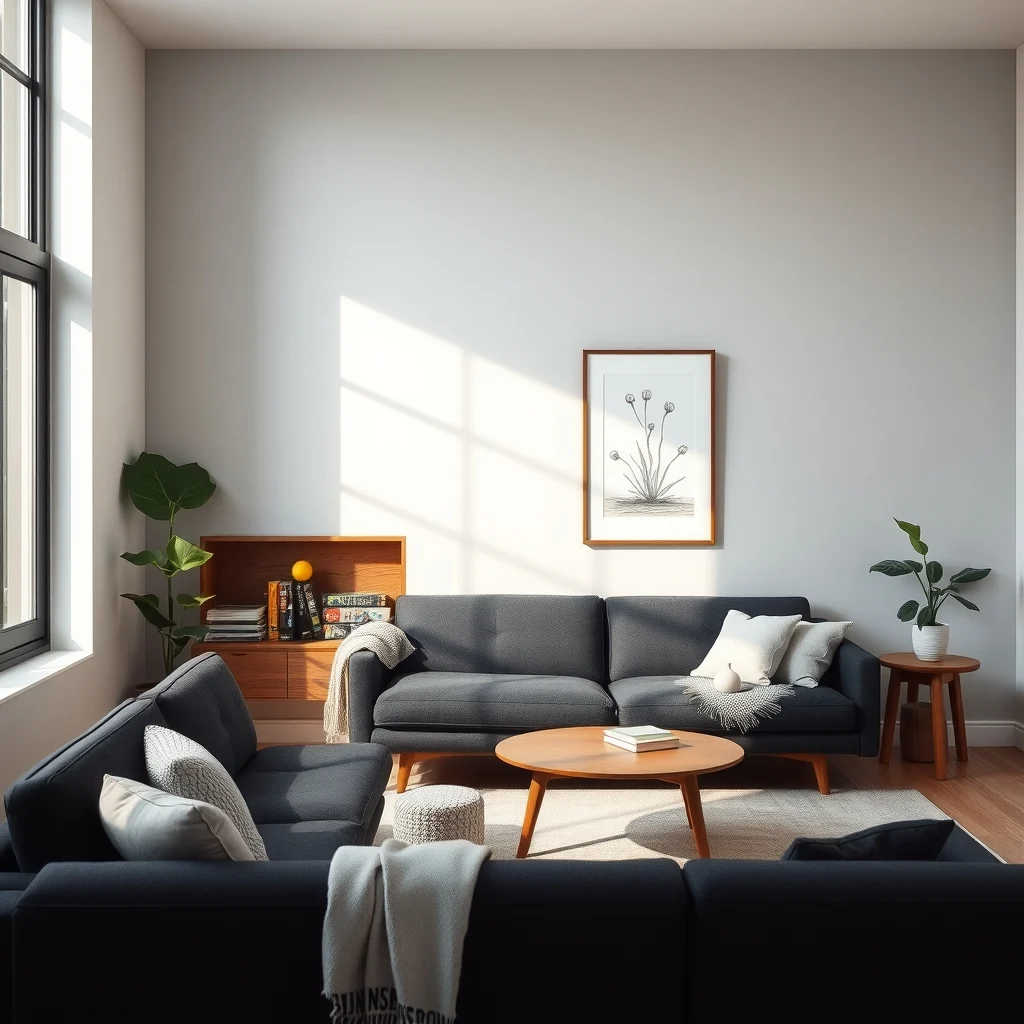
When the sofa backs a wall, the space between the backrest and the wall is usually ignored. By installing a shallow, built‑in shelf that follows the contour of the sofa, you turn that dead zone into a dedicated game cabinet. A depth of about eight inches is enough to slide in most board game boxes and a few storage bins, while the height can be customized to match the sofa’s profile. The advantage of a built‑in solution is that it stays out of sight when you’re not gaming, preserving a tidy living‑room silhouette.
What’s Your Apartment Decor Style?
Answer these quick questions to discover your perfect decor vibe.
Choosing a finish that mirrors the sofa’s legs—whether brushed brass, matte black metal, or natural oak—creates visual continuity. Adding a thin strip of LED lighting along the top edge provides a subtle glow that highlights the games without harsh glare, making it easy to locate a title after the lights are dimmed. The main trade‑off is that the shelf is fixed; if you ever rearrange furniture, the niche will need to be re‑thought or left as a decorative ledge.
2. Multi‑Tier Rolling Cart with Fabric Drawers
© 2026 AI Illustrator — Inspiration Only
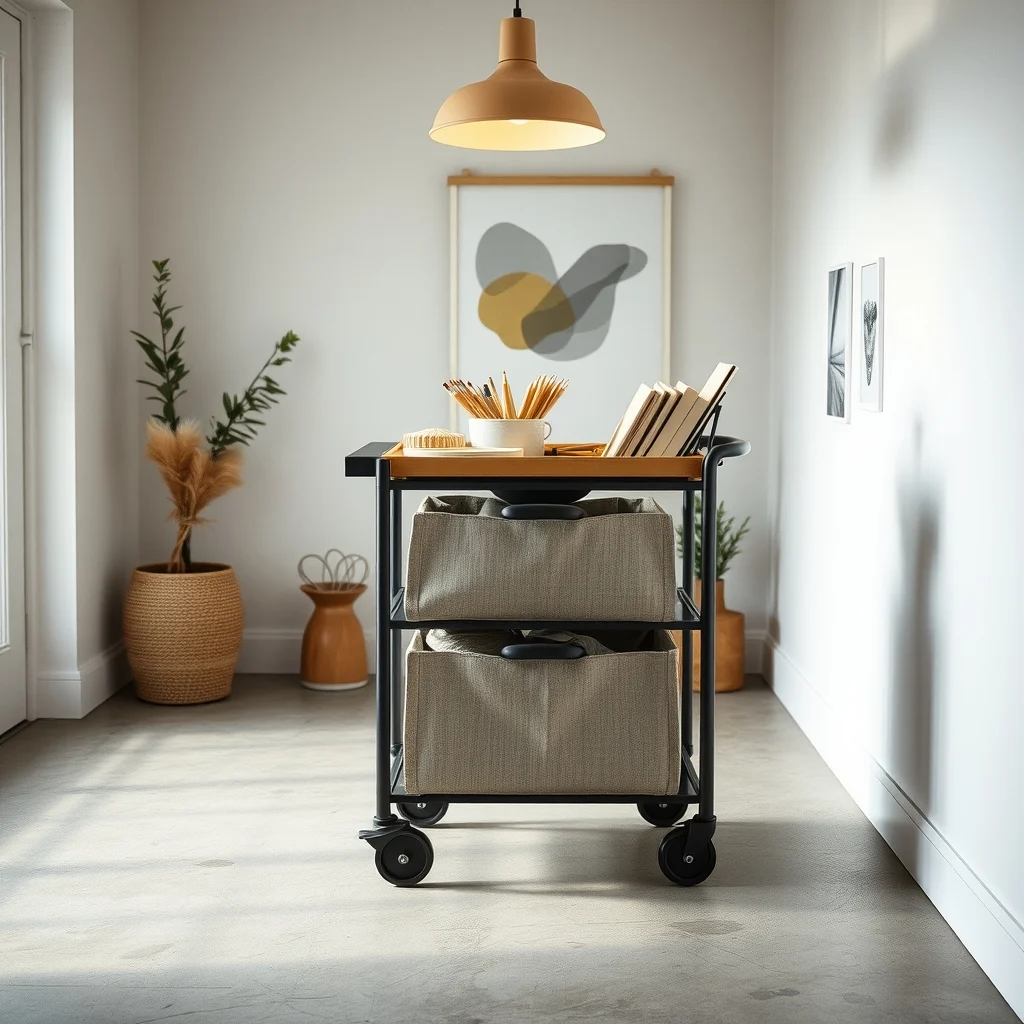
A rolling cart on wheels offers flexibility that static furniture cannot. Opt for a cart with three to four tiers and replace the metal trays on the lower levels with fabric drawers in neutral tones such as soft greige or muted sage. The fabric sleeves conceal the contents while still allowing you to feel the weight of a game box when you pull a drawer open. Because the cart can be wheeled into a hallway, a kitchen nook, or even a bedroom, you can adapt its location to the flow of a gathering.
The cart’s metal frame can be powder‑coated in a deep charcoal to resist scuffs, and the wheels should be lockable to prevent accidental movement during play. This setup works especially well for hobbyists who need to transport supplies—paint tubes, brushes, and dice trays—from one room to another. The downside is that a cart takes up floor space, so it’s best suited to apartments where you have at least a narrow corridor or a small entryway that can accommodate a slim profile.
3. Wall‑Mounted Cube System in the Dining Area
© 2026 AI Illustrator — Inspiration Only
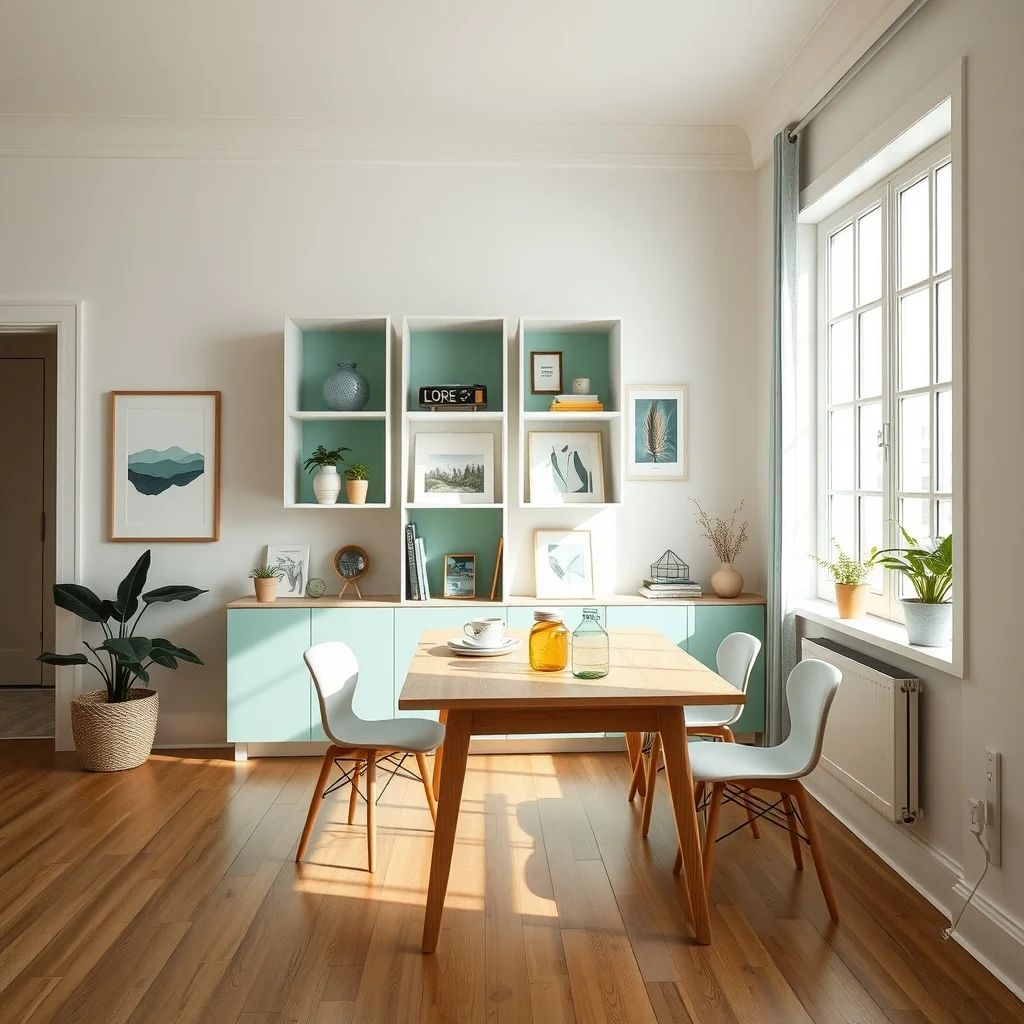
Dining rooms often double as hobby tables, and the wall behind the table is prime real estate for storage. A modular cube system—think four or six open cubes arranged in a staggered pattern—provides a visually appealing backdrop while keeping games within arm’s reach. By alternating the orientation of the cubes, you create pockets of depth that can hold taller board game boxes on one side and flatter puzzle pieces on another.
Finishing the cubes in a warm walnut veneer adds a touch of natural texture, and placing a few low‑profile potted succulents on the top cubes introduces a hint of greenery without clutter. The open design encourages you to display a favorite game cover as a decorative element, turning storage into art. However, because the cubes are open, dust can settle on the boxes, so a quick wipe‑down each week is advisable.
4. Under‑Bed Sliding Bins with Soft‑Close Mechanisms
© 2026 AI Illustrator — Inspiration Only
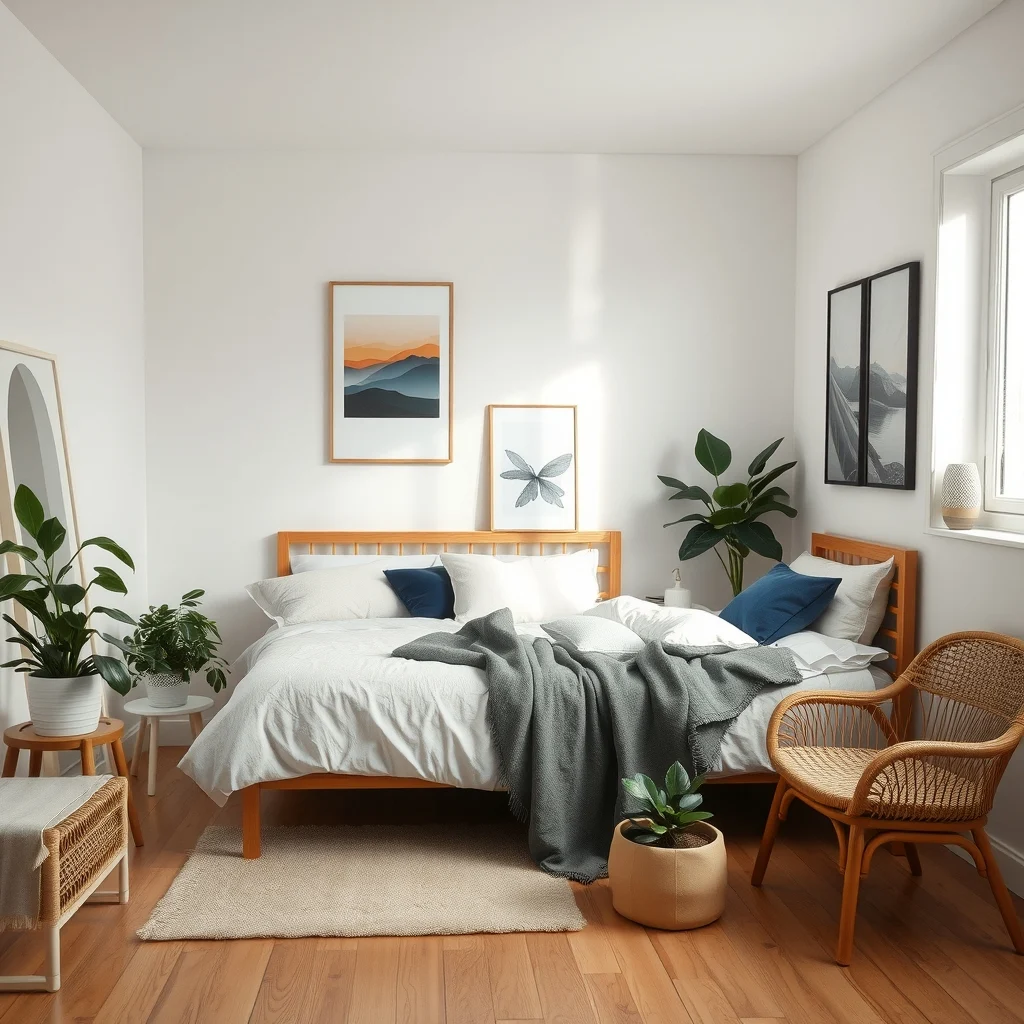
Most small apartments have a bed that sits close to a wall, leaving a narrow gap underneath. Custom‑cut sliding bins that glide on low‑friction tracks can occupy that space without raising the mattress. Soft‑close mechanisms prevent the bins from slamming shut, extending the life of the hardware and keeping the bedroom quiet at night.
Choosing bins made from matte black acrylic or powder‑coated steel adds a contemporary feel, while interior dividers allow you to separate board game components from hobby supplies like yarn or model‑building kits. The bins stay hidden when the bed is made, preserving a serene sleeping environment. One limitation is the need for a bed frame that can accommodate the tracks; platform beds with a solid base are ideal, whereas traditional slatted frames may require additional reinforcement.
5. Repurposed Vintage Suitcase Stack
© 2026 AI Illustrator — Inspiration Only
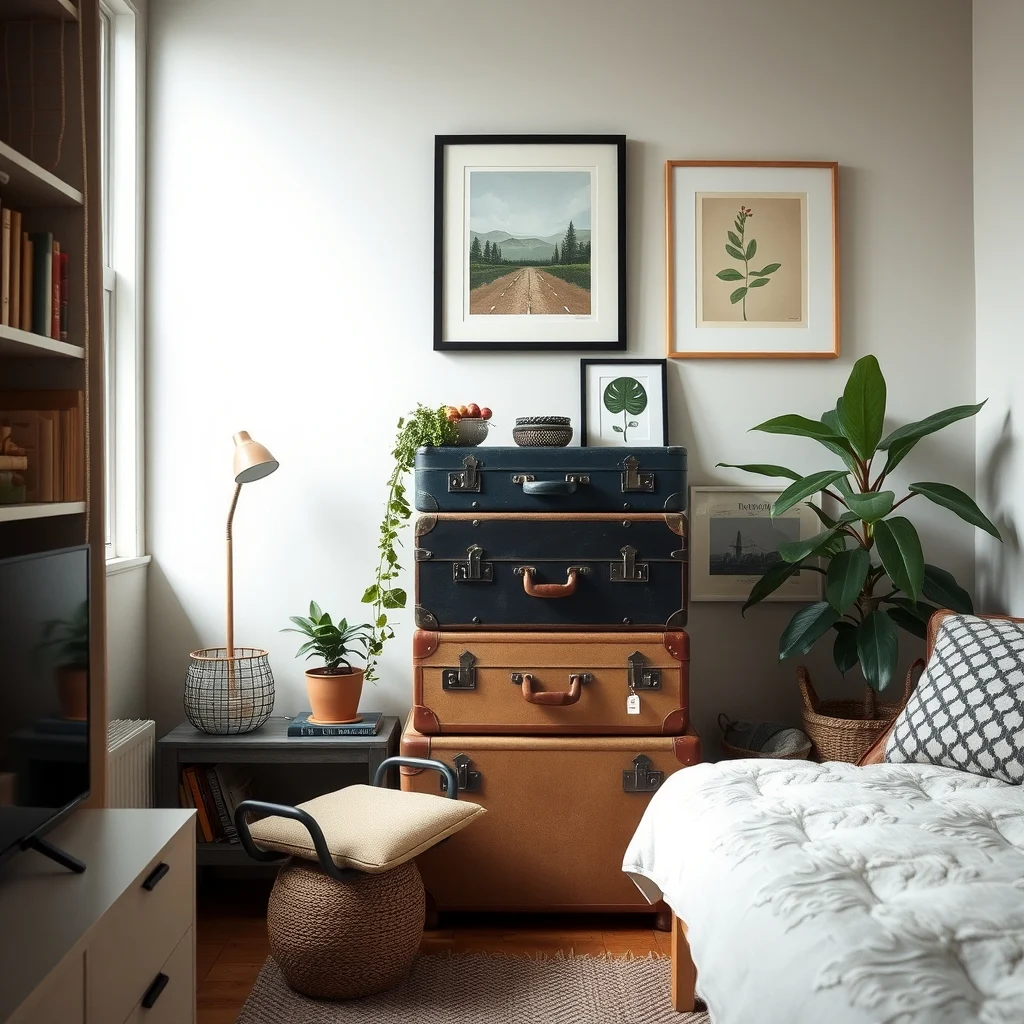
Old leather or canvas suitcases have a nostalgic charm that can double as stylish storage. By stacking two or three suitcases of varying sizes against a wall, you create a tiered shelving unit that feels both curated and functional. The top suitcase serves as a coffee table or a place to display a decorative object, while the lower ones open up to reveal board game boxes, sketchbooks, or knitting yarn.
Because the suitcases are designed for travel, they already have sturdy handles and reinforced corners, which makes moving them relatively easy if you decide to re‑arrange your layout. Adding a thin layer of felt inside each compartment protects delicate game components from scratches. The primary consideration is weight; heavy board game collections can strain the hinges over time, so it’s wise to limit each suitcase to lighter items or reinforce the interior with a thin plywood panel.
6. Floating Shelf with Integrated Baskets
© 2026 AI Illustrator — Inspiration Only
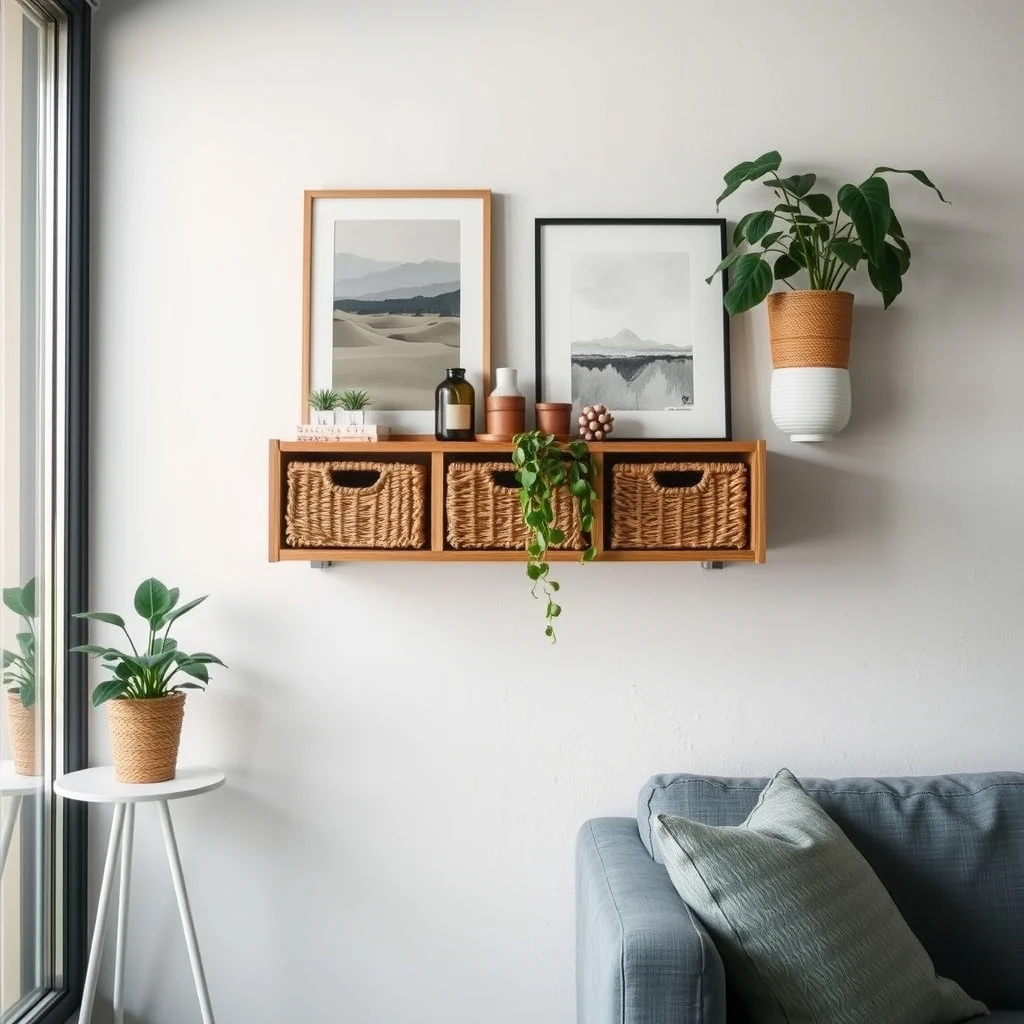
A floating shelf anchored to plaster or drywall can appear to hover, creating a clean line that doesn’t dominate a small room. By incorporating woven baskets into the shelf’s design—either by cutting slots into the board or by attaching basket hooks—you gain the visual softness of natural fibers while still benefiting from the shelf’s sleek silhouette.
The baskets, perhaps in muted mustard or dusty teal, act as concealed compartments for dice, miniatures, and hobby tools. Since the baskets are removable, you can empty them for cleaning or swap them out for different colors to match seasonal décor. The floating nature of the shelf keeps the floor clear, which is especially valuable in a studio‑style apartment. On the flip side, the combined weight of the shelf, baskets, and contents must be within the wall’s load capacity, so using appropriate anchors and checking the manufacturer’s weight rating is essential.
7. Custom Closet Organizer for the Hallway Closet
© 2026 AI Illustrator — Inspiration Only
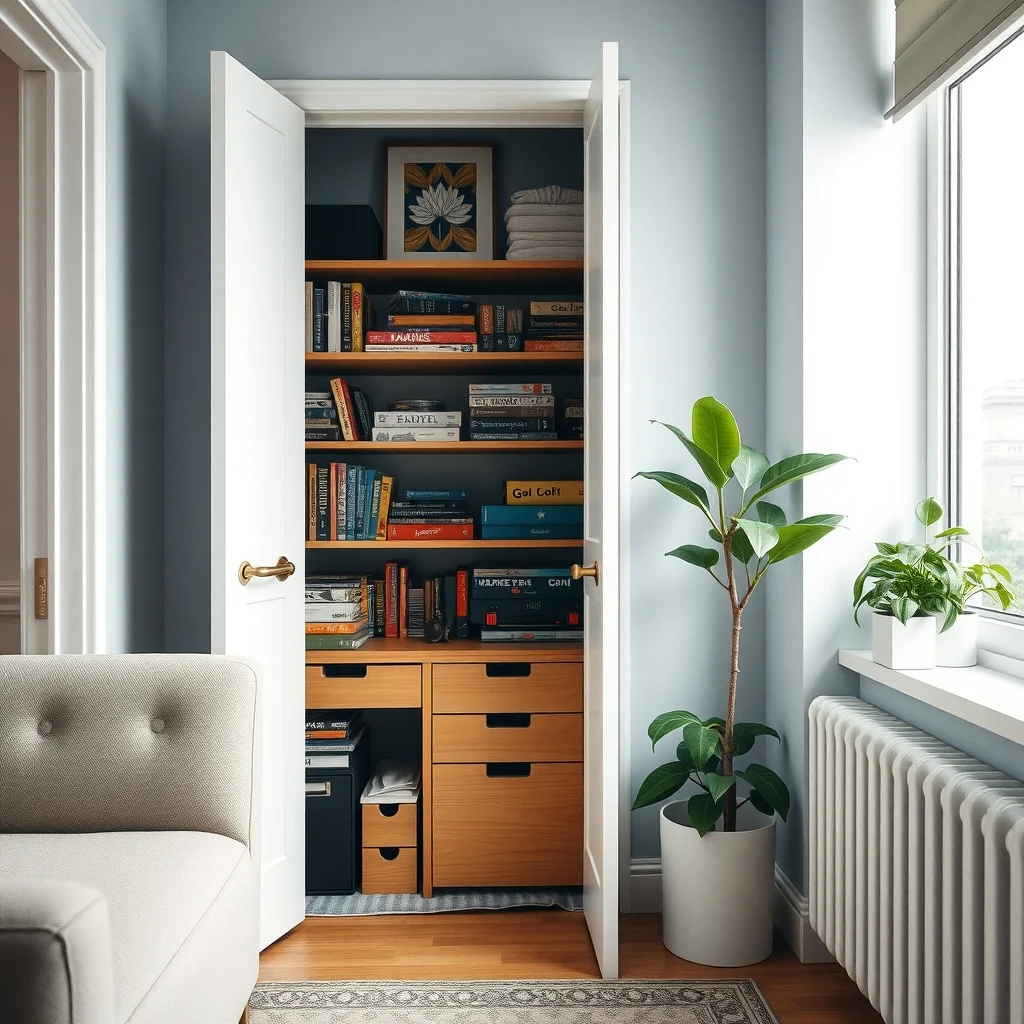
Many apartments feature a narrow hallway closet that is often underutilized. Installing a custom organizer—comprised of a tall vertical column, a few shallow drawers, and a pull‑out tray—transforms that closet into a miniature game library. The vertical column can house standard‑size board game boxes upright, making it easy to scan spines for the title you need. Shallow drawers are perfect for storing hobby accessories such as paintbrushes, glue bottles, and spare batteries.
Choosing a finish that matches the hallway’s paint—perhaps a cool greige or a soft dove‑gray—helps the closet blend into the surrounding space. Adding a small interior LED strip, powered by a plug‑in adapter, illuminates the contents without the need for a full‑size light fixture. The main drawback is that a hallway closet’s dimensions are fixed; if you have unusually large game boxes, they may not fit upright and will need to be stored elsewhere.
FAQ
© 2026 AI Illustrator — Inspiration Only
How can I keep board games from getting dusty on open shelves?
Place a thin, clear acrylic cover over the shelf or use a lightweight fabric throw that can be lifted when you need to access the games. Regular dusting with a microfiber cloth also helps maintain the condition of the boxes.
What is the best material for storage bins that will hold heavy hobby supplies?
Heavy‑duty polypropylene or powder‑coated steel bins provide durability and resist warping under weight. They are also easy to clean, which is useful if you work with paints or glue.
Can I use a rolling cart in a small studio without making the space feel cluttered?
Yes, if you choose a cart with a narrow footprint—ideally under 30 centimeters wide—and keep the top surface clear, the cart can serve as a discreet storage hub while still moving easily between zones.
Is it safe to attach floating shelves to drywall without studs?
Floating shelves can be securely mounted using toggle bolts or metal anchors designed for drywall. Ensure the hardware’s weight rating exceeds the combined weight of the shelf, baskets, and stored items.
How do I decide between built‑in storage and freestanding furniture?
Built‑in options are ideal when you want a seamless look and have a permanent layout, while freestanding pieces offer flexibility for renters or those who anticipate changing their floor plan.
Final Thoughts
© 2026 AI Illustrator — Inspiration Only
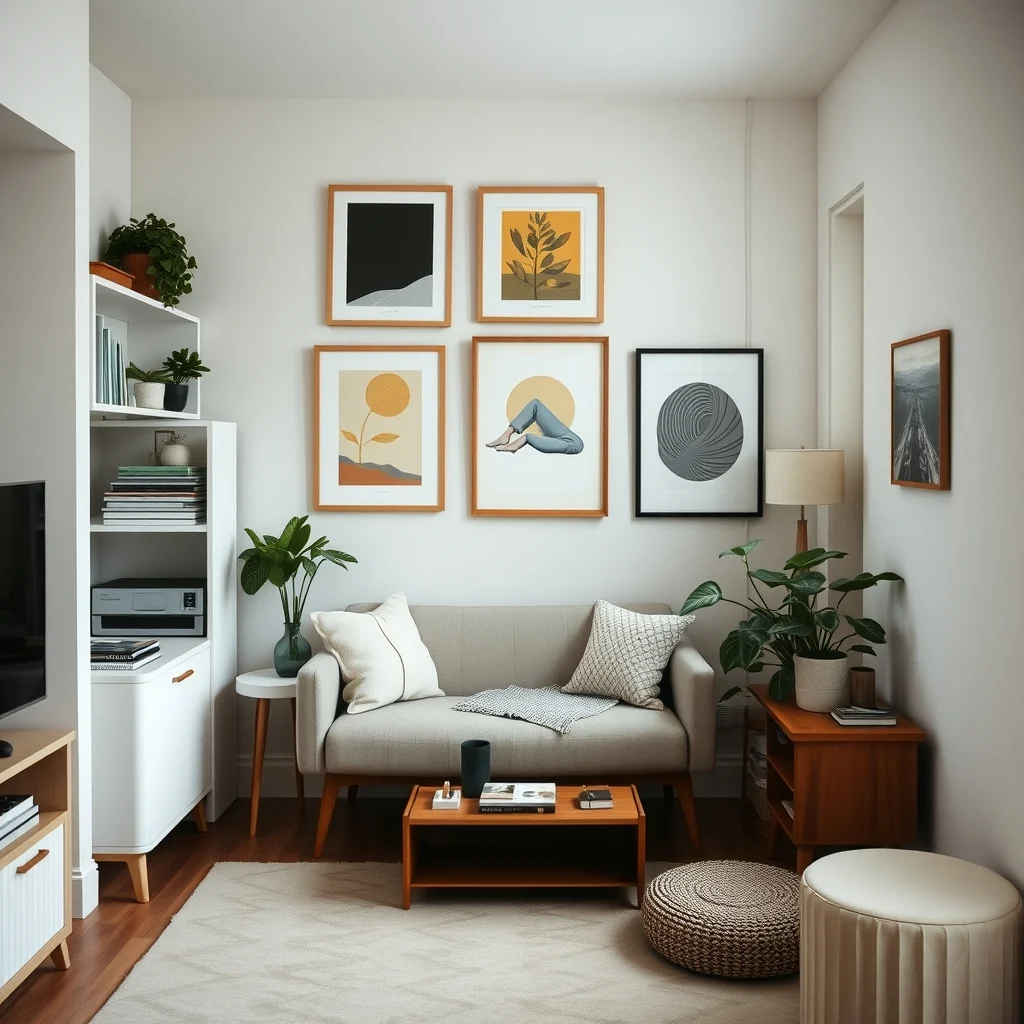
Finding room for board games and hobby supplies in a small apartment doesn’t require sacrificing style. By looking at underused spaces—behind the sofa, under the bed, or along a hallway wall—and choosing materials that complement your existing décor, you can create storage that feels intentional rather than improvised. Each of the seven ideas presented offers a different balance of permanence, flexibility, and visual appeal, allowing you to tailor the solution to your habits and aesthetic preferences. Remember that the most satisfying organization system is one that invites you to play and create without the constant mental clutter of “where did I put that piece?” With a little planning and thoughtful design, your hobby corner can become a celebrated part of your home rather than a hidden afterthought.