
Your studio can feel like one big everything bagel—delicious but chaotic. The trick? Carve out zones so your space works harder than your coffee maker. These seven ideas create real-deal privacy without shrinking your square footage (or your style).
© 2026 AI Illustrator — Inspiration Only
1. Float Your Furniture Like a Stylist
© 2026 AI Illustrator — Inspiration Only
What’s Your Apartment Decor Style?
Answer these quick questions to discover your perfect decor vibe.
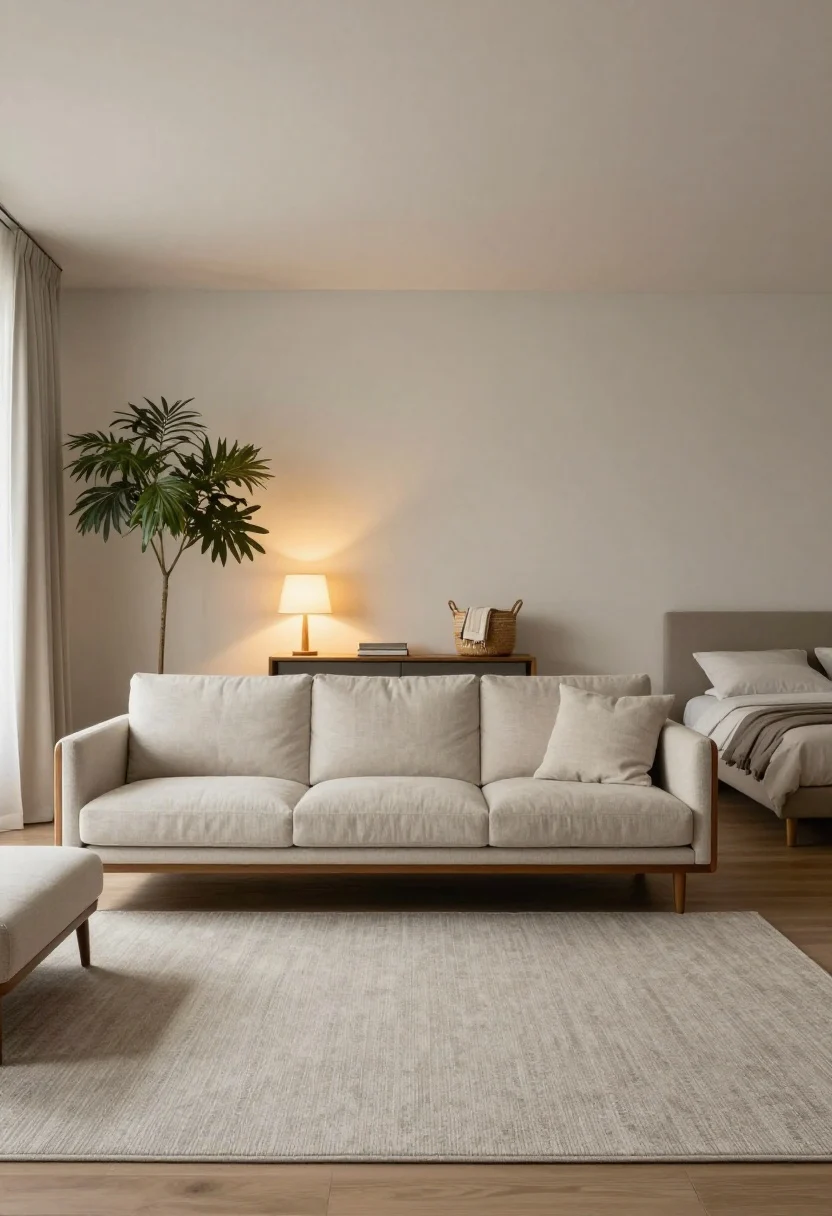
Push everything against the walls and your studio screams “dorm.” Float key pieces—sofas, consoles, even a tall plant—to quietly mark boundaries. You’ll get natural walkways and a living area that doesn’t bleed into your “bedroom.”
How to Pull It Off
- Anchor with a rug: A 5×8 under your sofa and coffee table sketches an instant living zone.
- Back your sofa with a console: Add baskets for blankets and a lamp for mood lighting—privacy without walls.
- Use a bench at the bed foot: It doubles as a visual buffer and a spot to drop your bag.
Pro tip: Keep a 30–36” walkway behind floating pieces so it feels intentional, not cramped.
2. Build Vertical “Walls” With Open Shelving
© 2026 AI Illustrator — Inspiration Only
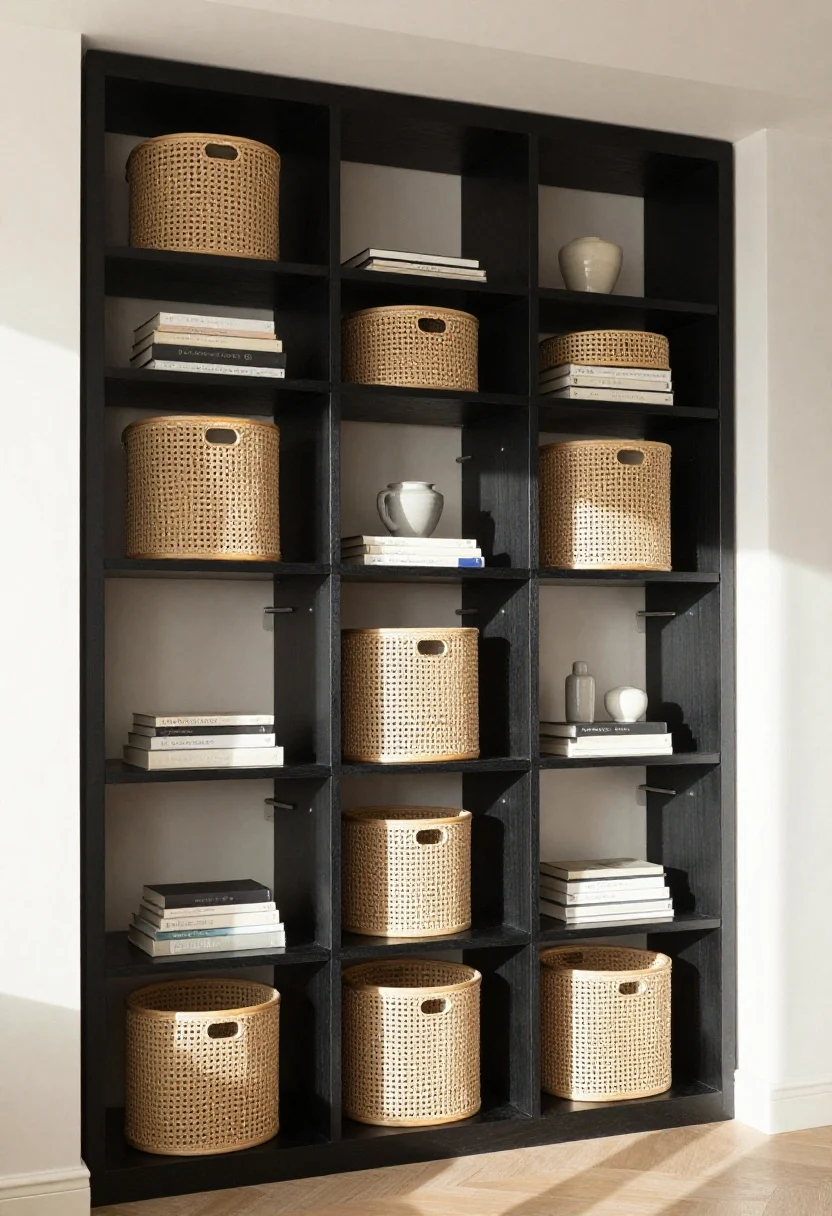
Open bookcases are the Swiss Army knife of studio privacy. They slow the eye, filter sound, and still let light through—so your place doesn’t feel like a cave.
What to Look For
- Backless units: Think IKEA Kallax or CB2 Helix. Style with alternating books, baskets, and negative space.
- 72–84” height: Tall enough for separation, low enough to breathe. Anchor to the wall or secure with brackets for safety.
- Consistent bins: Cane, felt, or seagrass hide clutter and soften the line of sight.
Styling formula: 50% storage, 30% display, 20% empty space. That ratio keeps it calm, not cluttered.
3. Go Luxe With Layered Curtains (Beyond the Window)
© 2026 AI Illustrator — Inspiration Only
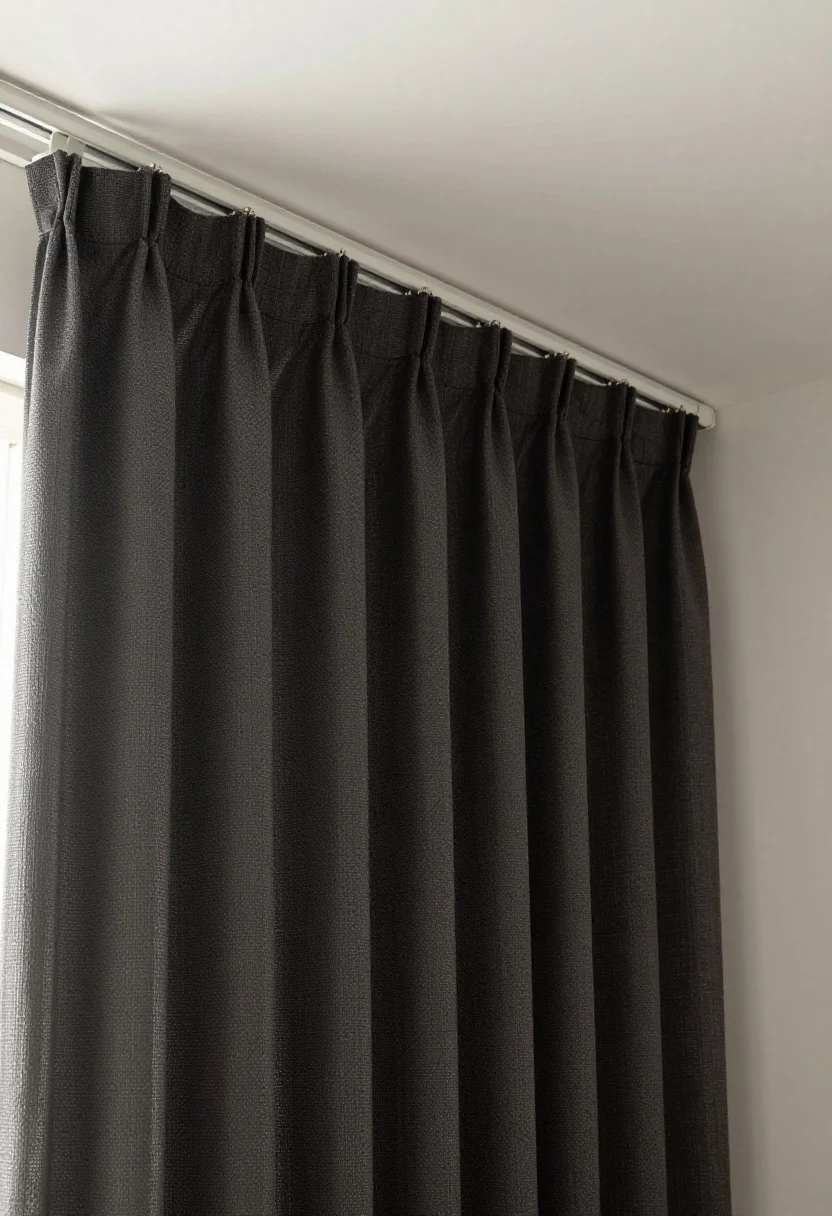
Want bedroom vibes without a construction permit? Hang ceiling-mounted curtains around your bed or dressing area. They’re soft, swooshy, and wildly flattering. Plus, you can open and close them depending on your mood—or your zoom schedule.
Hardware + Fabric Tips
- Ceiling tracks: Look for bendable tracks on Amazon or IKEA VIDGA to wrap corners cleanly.
- Sheer + blackout: Use a double track—sheer for daytime softness, blackout for true privacy.
- Floor-kissing length: Skip puddling in small spaces. Aim for a light kiss to keep it polished.
FYI: Match curtain tone to the walls to keep sightlines calm and expand the space visually.
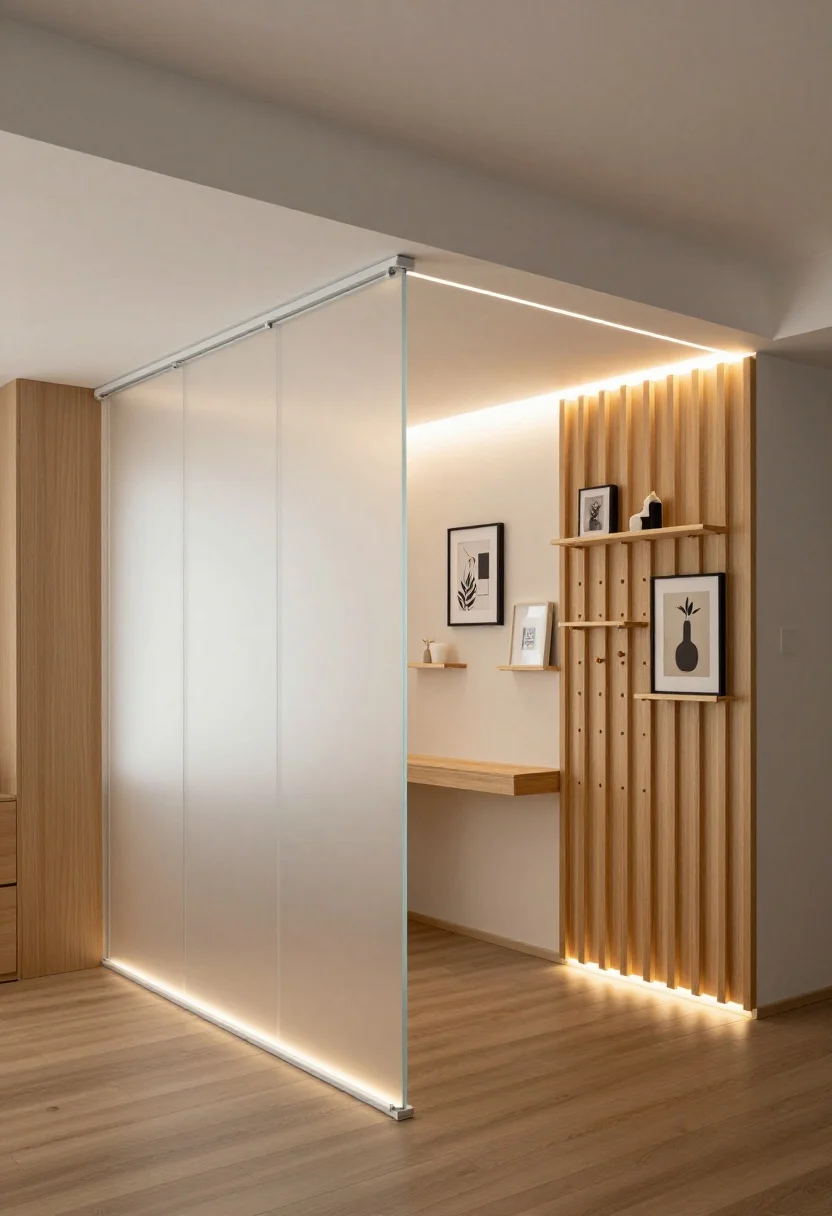
4. Slide In a Room Divider That Works Overtime
© 2026 AI Illustrator — Inspiration Only
Forget those flimsy tri-fold screens. Modern dividers do things: they slide, they store, they glow. Pick one that solves more than one problem and suddenly your studio feels custom-built.
Smart Divider Ideas
- Sliding panels: Shoji-style or frosted acrylic on a track—privacy without blocking light.
- Folding wood screens: Choose slatted designs to keep airflow and bounce light.
- Pegboard or slatwall: Defines a workspace and holds shelves, hooks, or art. Industrial-chic and wildly useful.
Bonus move: Add LED strip lights to the divider’s edge for a glowy “architect did this” moment.
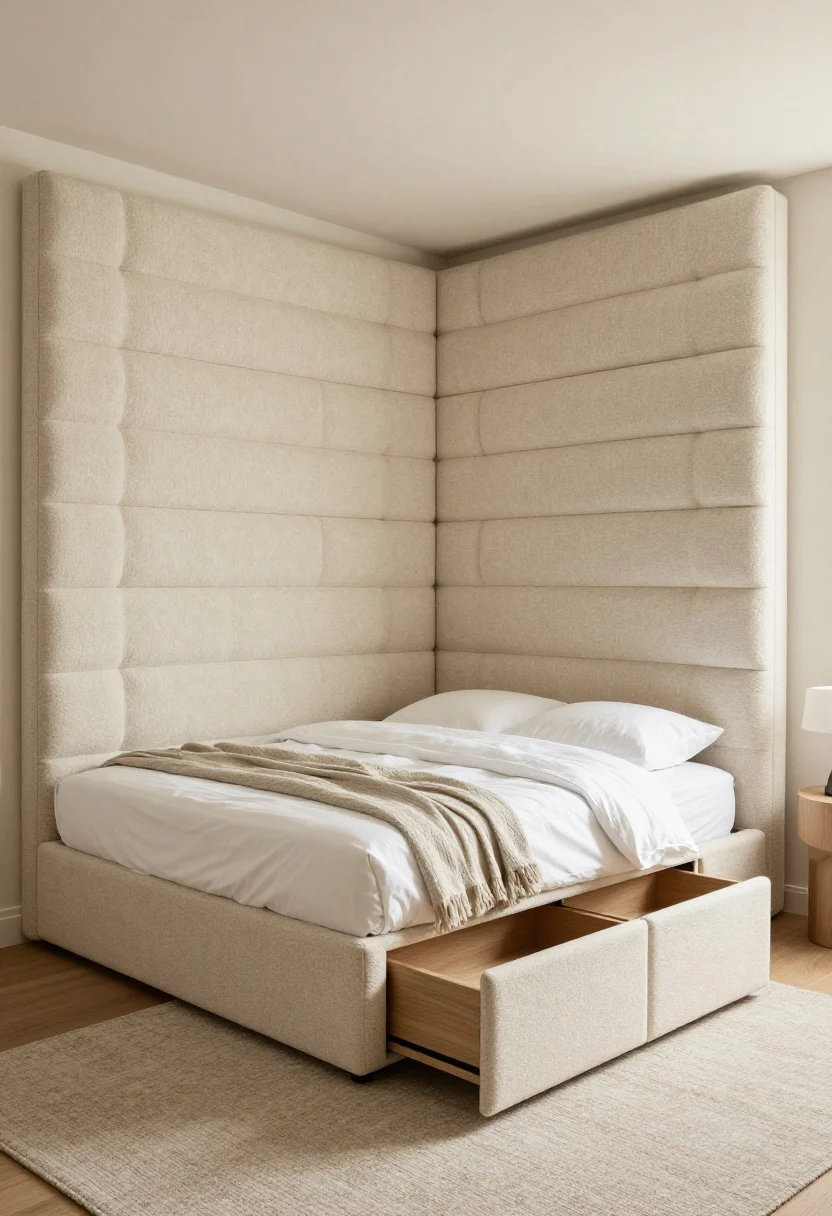
5. Elevate the Bed: Platforms, Lofts, and Headboard Hacks
© 2026 AI Illustrator — Inspiration Only
Your bed is the elephant in the studio. Tame it with height and structure. When the mattress sits higher—or has a built-in frame—you get privacy and extra storage. Win-win.
Choose Your Adventure
- Platform with drawers: Stash linens, off-season clothes, and the random gadget graveyard.
- Loft bed (ceiling 9’+): Create a lounge or office below. Add a rug and lamp so it reads “room,” not “void.”
- Tall, upholstered headboard: Place it perpendicular to the wall like a mini wall to shield the bed from the entry or kitchen.
IMO: A sculptural headboard in boucle or channel tufting is the adult version of a canopy—cozy and chic.
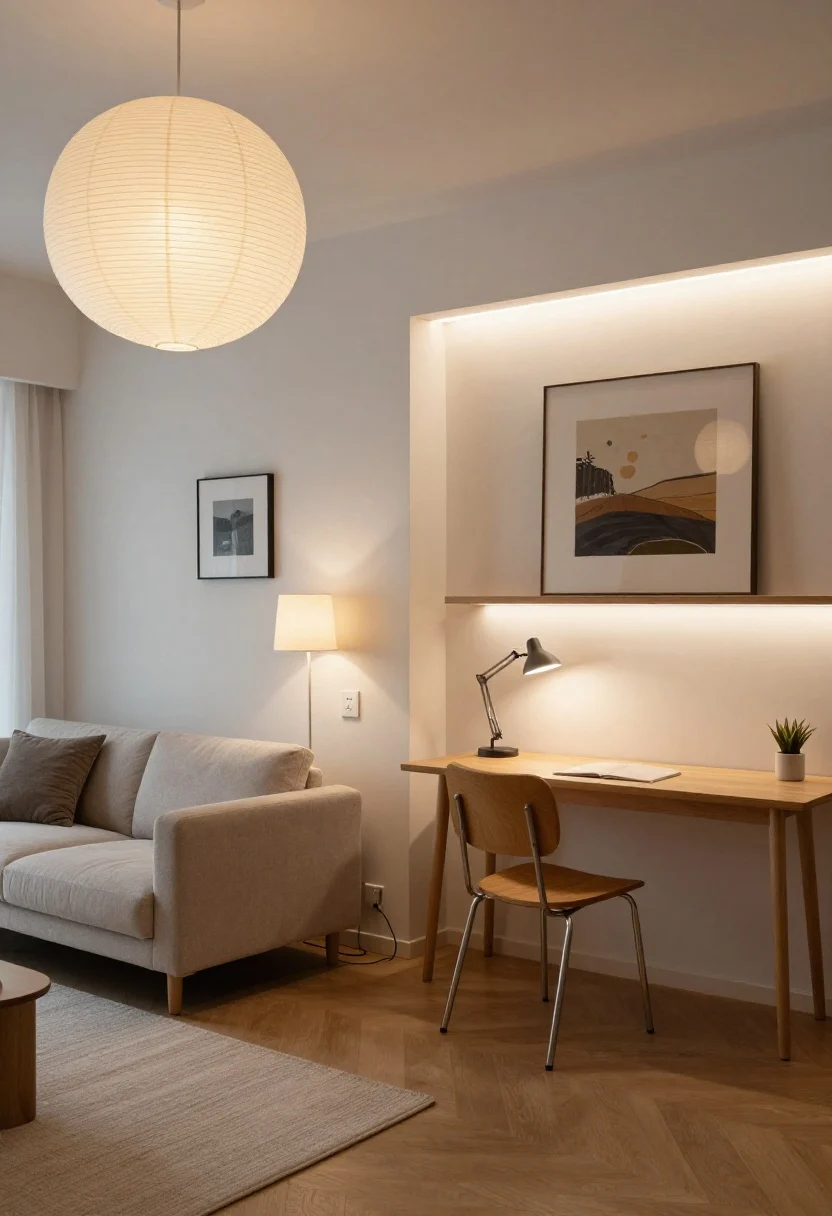
6. Zone With Lighting Like a Director
© 2026 AI Illustrator — Inspiration Only
Light is the sneakiest privacy tool. When each zone has its own glow, your brain labels them separate “rooms,” even if they’re inches apart. It’s part psychology, part ambiance, and 100% effective.
Layer It Right
- Ambient: Flush mounts or paper lanterns for general light—soft, not surgical.
- Task: Swing-arm lamps by the sofa, plug-in sconces by the bed, a clamp lamp for the desk.
- Accent: Picture lights, LED strips on shelves, and candles (or flameless, if you’re that person).
Quick win: Put each zone on a smart plug. One tap and your “bedroom” dims while the “living room” glows. Instant boundary setting.
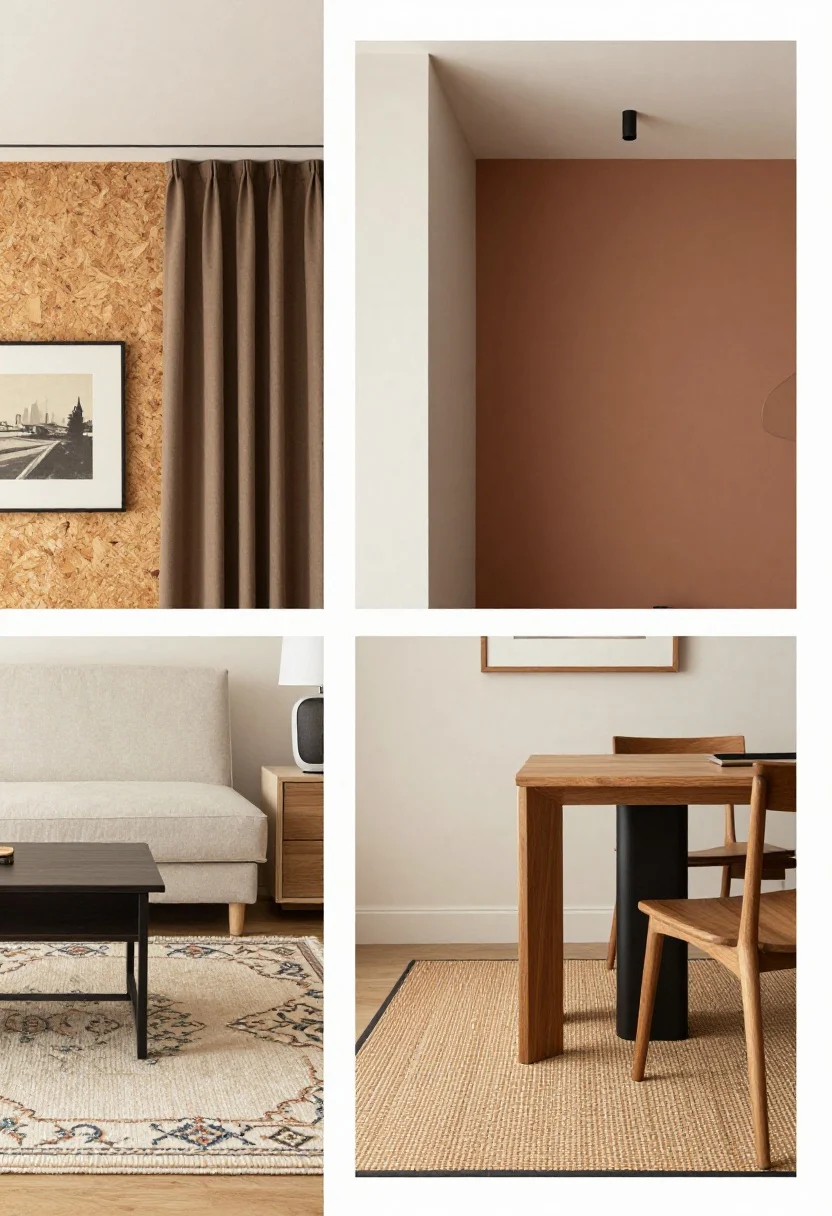
7. Carve Micro-Rooms With Rugs, Color, and Sound
© 2026 AI Illustrator — Inspiration Only
Privacy isn’t only about sightlines. It’s also about how a space feels and even how it sounds. Use rugs, paint, and soft materials to create sensory boundaries that make each area feel separate.
Design Moves That Work
- Rugs by function: Low-pile under the desk, plush in the lounge, flatweave at the dining nook. Your feet will instantly know where they are.
- Two-tone paint: Keep the main space light, but paint the “bedroom” nook a deeper, calming color—ink, eucalyptus, or clay.
- Acoustic layers: Heavy curtains, upholstered panels, or cork tiles behind art reduce echo and add cozy vibes.
- Sound zoning: A tiny white-noise machine by the bed masks kitchen clatter. Surprisingly effective, and cheap.
Style tip: Repeat one material across zones (like matte black hardware or oak wood tones) so it feels cohesive, not chopped up.
Putting It All Together: A Sample Layout
- Entry: Slim console + oversized art for a “foyer” moment.
- Living: Sofa floated with a console, 5×8 rug, arc lamp for task light.
- Divider: Backless bookshelf marking the shift to the sleeping zone.
- Bed: Platform with drawers, ceiling-mounted curtain track, darker paint on the back wall.
- Work nook: Slatwall divider with shelves, low-pile rug, clamp lamp, and a small plant for life.
Shopping Shortlist
- Open shelving: IKEA Kallax, CB2 Stairway, West Elm Industrial Modular.
- Curtain tracks: IKEA VIDGA, Amazon bendable ceiling tracks.
- Dividers: Room & Board wood screens, DIY pegboard, Etsy shoji panels.
- Lighting: Plug-in sconces (Schoolhouse, Article), smart plugs (Kasa), LED strips (Philips Hue).
- Rugs: Ruggable flatweaves for high traffic, plush Moroccan-style for lounge zones.
Final note: Map your circulation first. If you can walk from the door to the bed to the bathroom without weaving through furniture like a maze, you nailed it. Privacy is a vibe—and with the right layers, your studio will feel curated, calm, and completely yours. FYI: You don’t need walls to have a bedroom—just smart moves and a little confidence.