
You can have the cutest furniture and still end up with a space that screams “Where do I look?” Clutter isn’t just about too much stuff—it’s about visual noise, awkward scale, and zero breathing room. The good news? A few smart tweaks will make your small apartment feel bigger, calmer, and way more curated. Let’s clean this up—stylishly.
1. Oversized Furniture That Eats The Room
© 2026 AI Illustrator — Inspiration Only
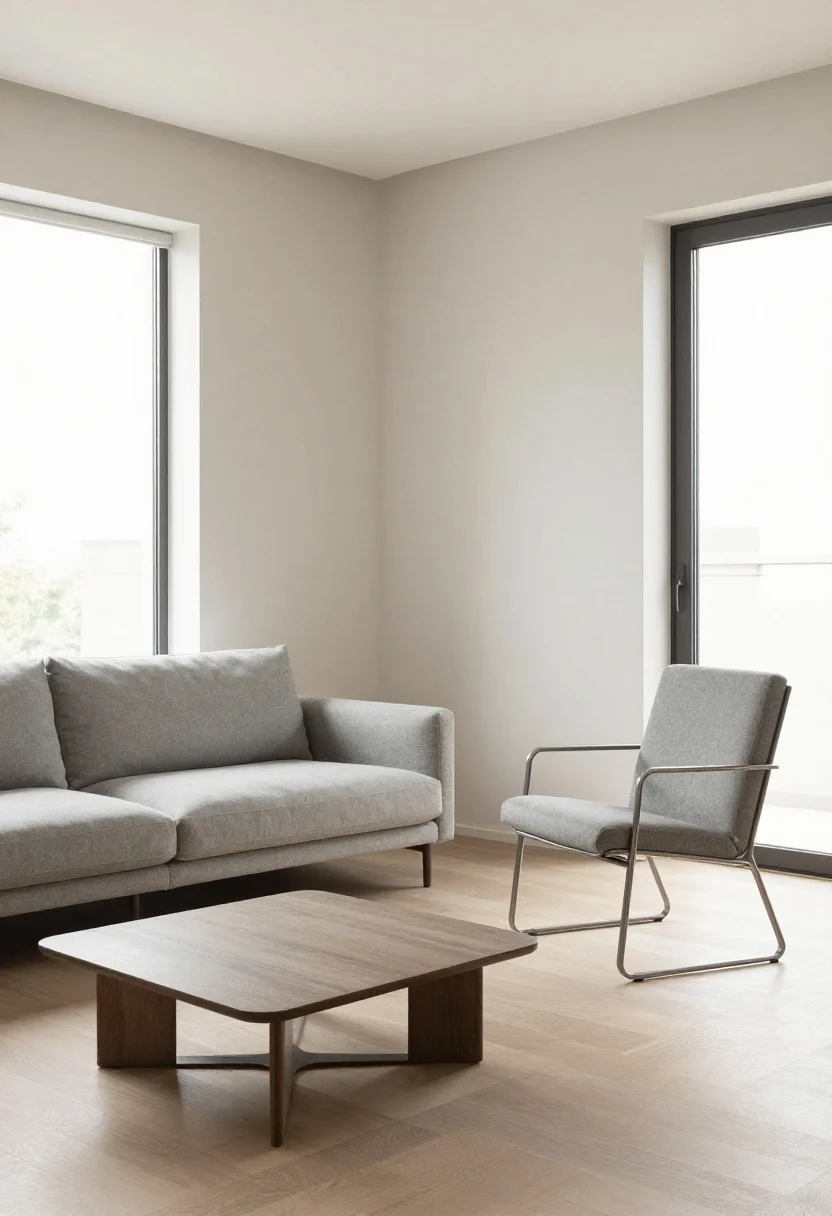
We love a plush couch. But in a small apartment, a giant sectional is basically a visual bulldozer. It blocks pathways, chops up sightlines, and makes everything feel cramped.
What’s Your Apartment Decor Style?
Answer these quick questions to discover your perfect decor vibe.
What To Do Instead
- Right-size your seating: Look for sofas under 80″ wide, slim arms, and raised legs to show floor space. A compact loveseat plus a lounge chair can be more flexible than one giant sofa.
- Pick airy silhouettes: Curved edges, thin profiles, and open bases look lighter. Think mid-century legs or metal frames.
- Modular wins: Two smaller tables instead of one heavy coffee table = easy reconfiguration for guests or movie night.
FYI: If it can’t fit an elevator or stairwell easily, it probably won’t look light in your living room either.
2. Too Many Tiny Things (AKA Trinket Overload)
© 2026 AI Illustrator — Inspiration Only
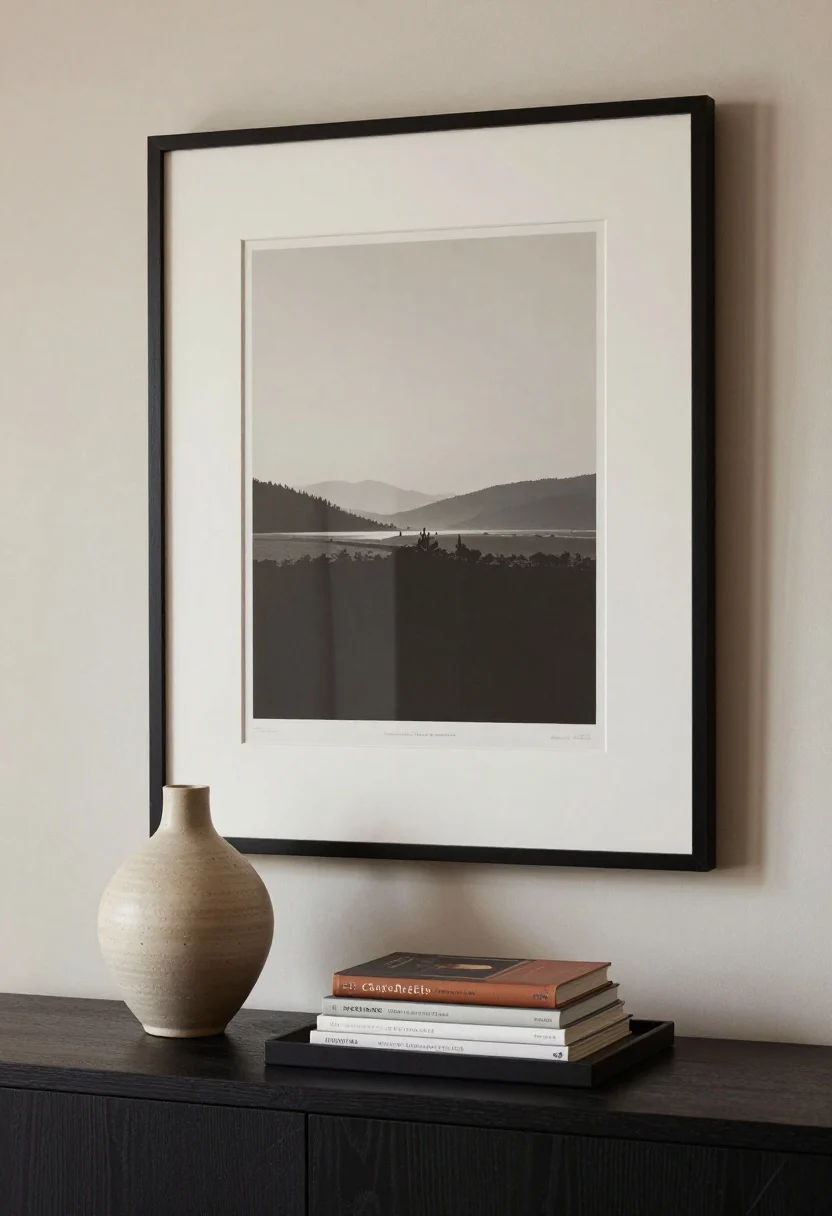
Small space doesn’t mean small decor—at least not in multiples. A dozen mini frames, five candles, and four planters on one shelf reads as chaotic clutter, not “curated cozy.”
What To Do Instead
- Go bigger, fewer: Swap 10 little frames for one statement art print. Larger pieces calm the eye.
- Group with intention: Style in odd-number clusters (3 or 5), mixing heights and textures on a tray to create a single visual unit.
- Leave negative space: Every surface should have some breathing room. Empty space is part of the design.
Pro move: Use one hero object per surface—like a sculptural vase or a stack of coffee table books—and let it shine.
3. Ignoring Vertical Space And Sightlines
© 2026 AI Illustrator — Inspiration Only
Clutter isn’t just on your floor—it’s also how your eye travels. If everything sits low, your room feels heavy. If you crowd the walls at eye level, it feels busy and squat.
Height Matters
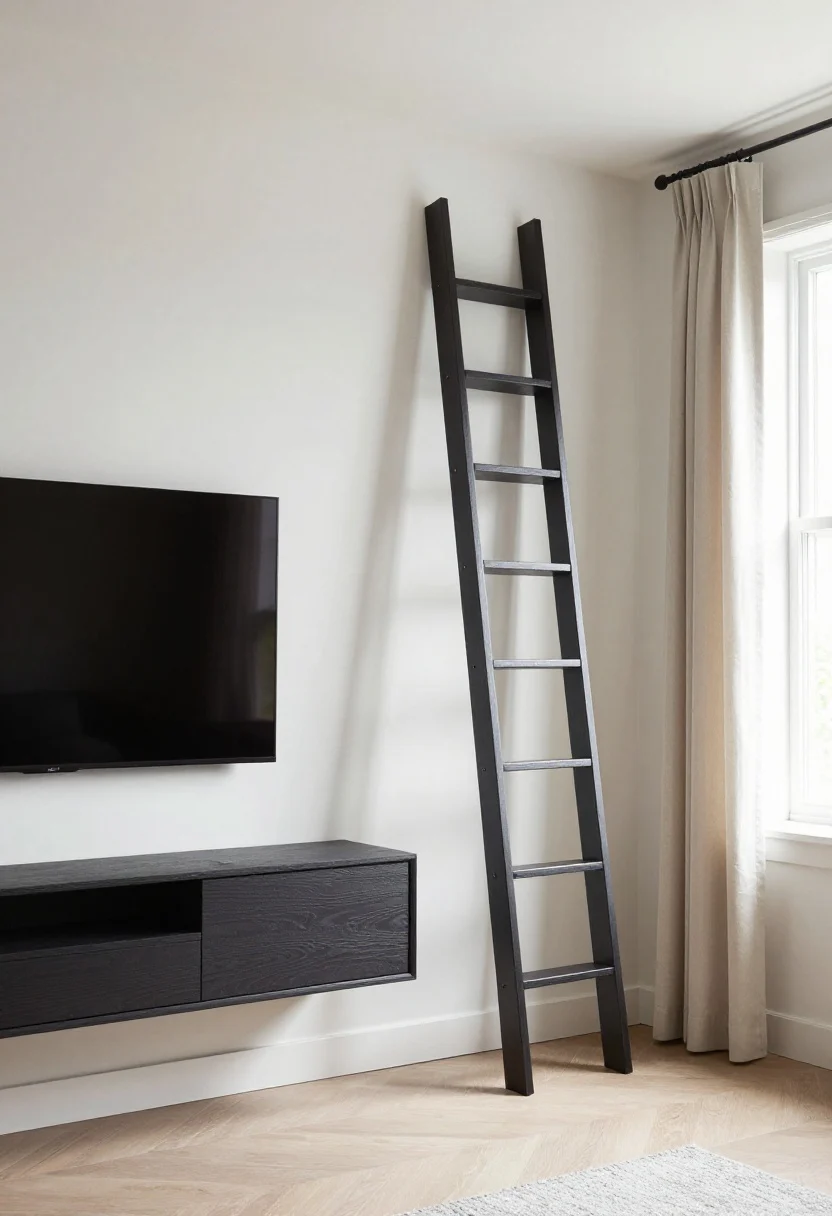
- Mount it: Wall-mount the TV, use floating nightstands, and add wall sconces to free up surfaces.
- Hang curtains high: Place curtain rods 6–12″ above the window frame and extend 6–8″ past each side to create the illusion of tall, wide windows.
- Use vertical storage: Tall bookcases and ladder shelves pull the eye up. Style the top third lightly to avoid a top-heavy look.
Bonus: A tall mirror opposite a window multiplies light and draws the gaze upward. Instant architecture.
4. Busy Patterns And Clashing Color Stories
© 2026 AI Illustrator — Inspiration Only
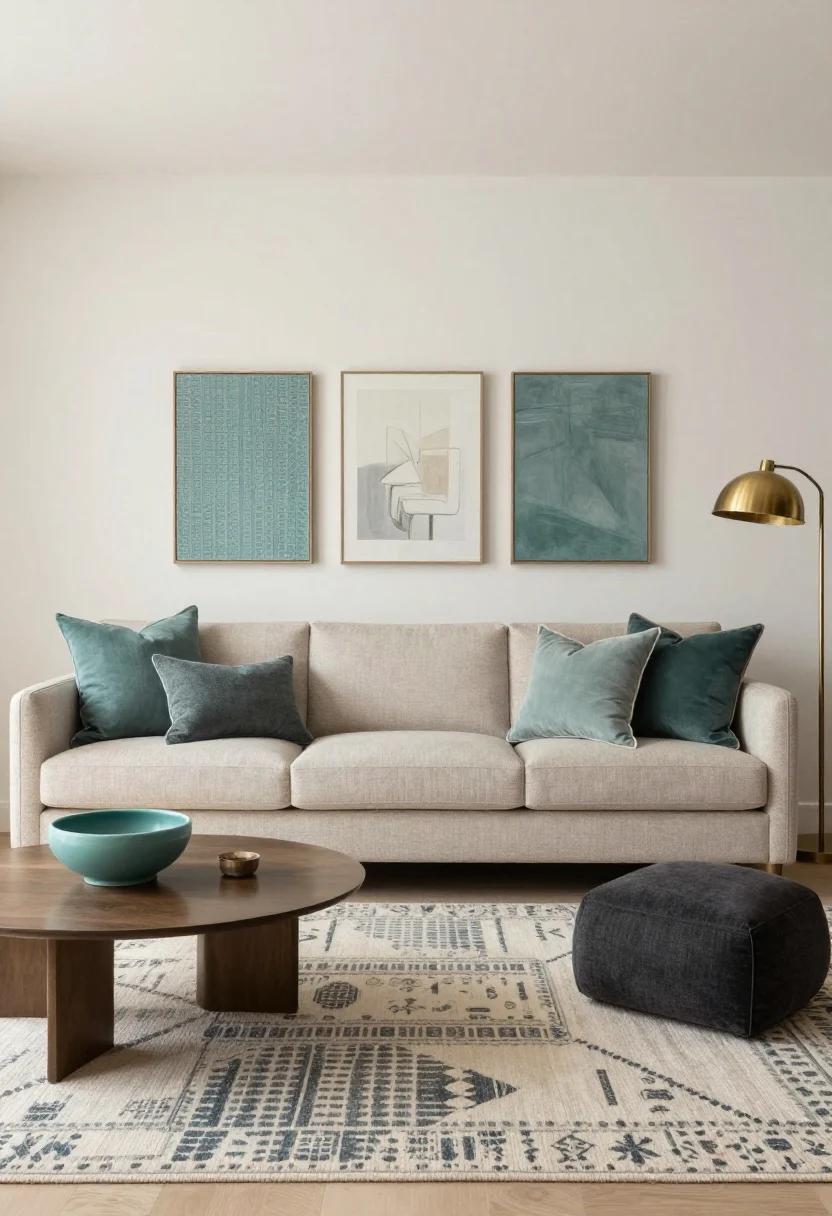
Color is fun until it becomes a visual shouting match. Too many bold hues or micro-patterns across pillows, rugs, and curtains equals chaos, fast.
Create A Calm Palette
- Pick a base of 2–3 neutrals: Think soft white, mushroom, and charcoal. Then add one accent color and one metallic.
- Scale your patterns: Mix one large-scale pattern (rug), one medium (pillows), and one small (throw or art mat). No more than three active patterns in the same zone.
- Repeat, don’t compete: Echo your accent color at least three times around the room—pillow, artwork detail, ceramic bowl.
IMO, a quiet base with one punchy accent looks far more expensive than a rainbow explosion.
5. Zero Hidden Storage (Everything Lives On A Surface)
© 2026 AI Illustrator — Inspiration Only
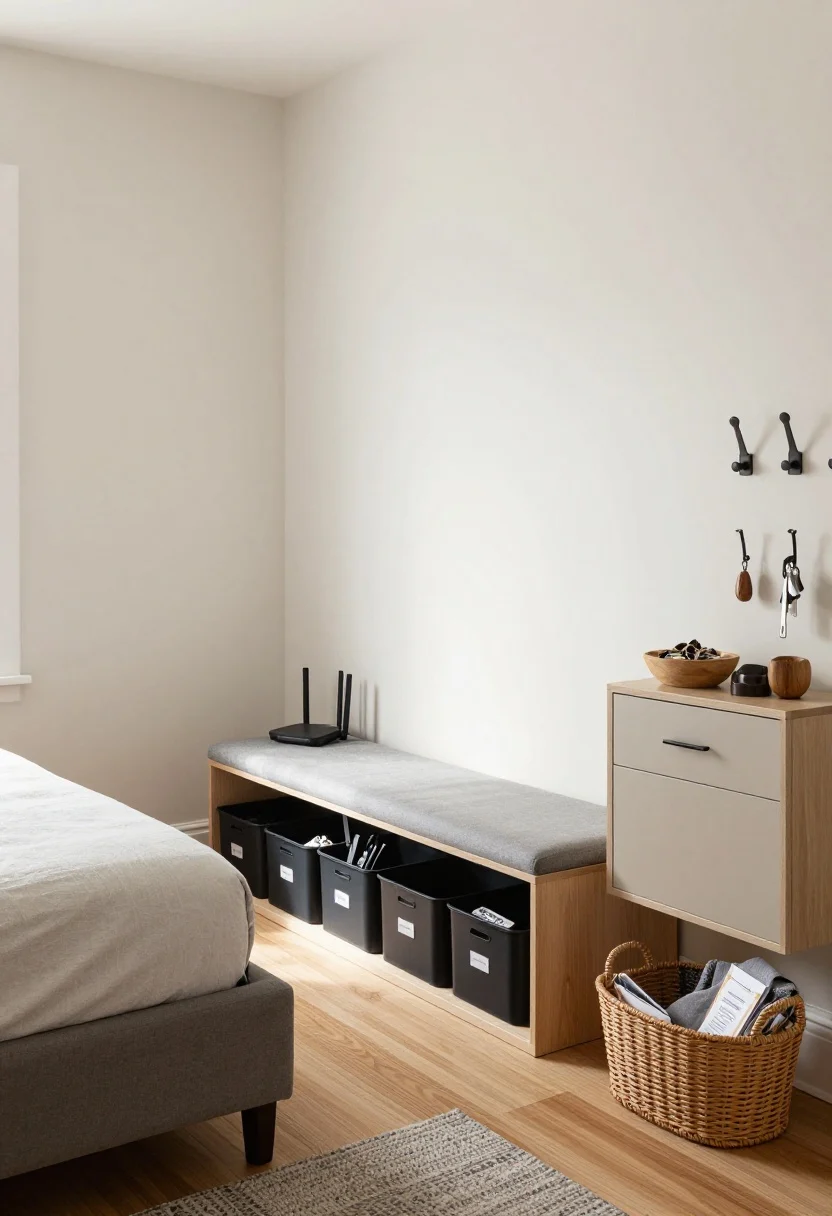
If your coffee table is a catch-all and your entryway is a shoe avalanche, it’s not your personality—it’s your storage. Open storage is honest, but also messy.
Double-Duty Pieces To The Rescue
- Storage ottomans and benches: Ideal for extra linens, games, or off-season clothes. They also corral visual mess.
- Closed-front cabinets: A slim credenza in the living room hides routers, cables, and candles you bought in 2019.
- Under-bed drawers: Use rolling bins or bed frames with built-ins. Label them so you actually use them.
- Entry command center: Wall hooks, a narrow console with drawers, and a lidded basket for mail and keys.
Set micro-zones: a tray for remotes, a bowl for keys, a basket for throws. If it has a home, it won’t live on your floor.
6. Bad Lighting That Highlights The Mess
© 2026 AI Illustrator — Inspiration Only
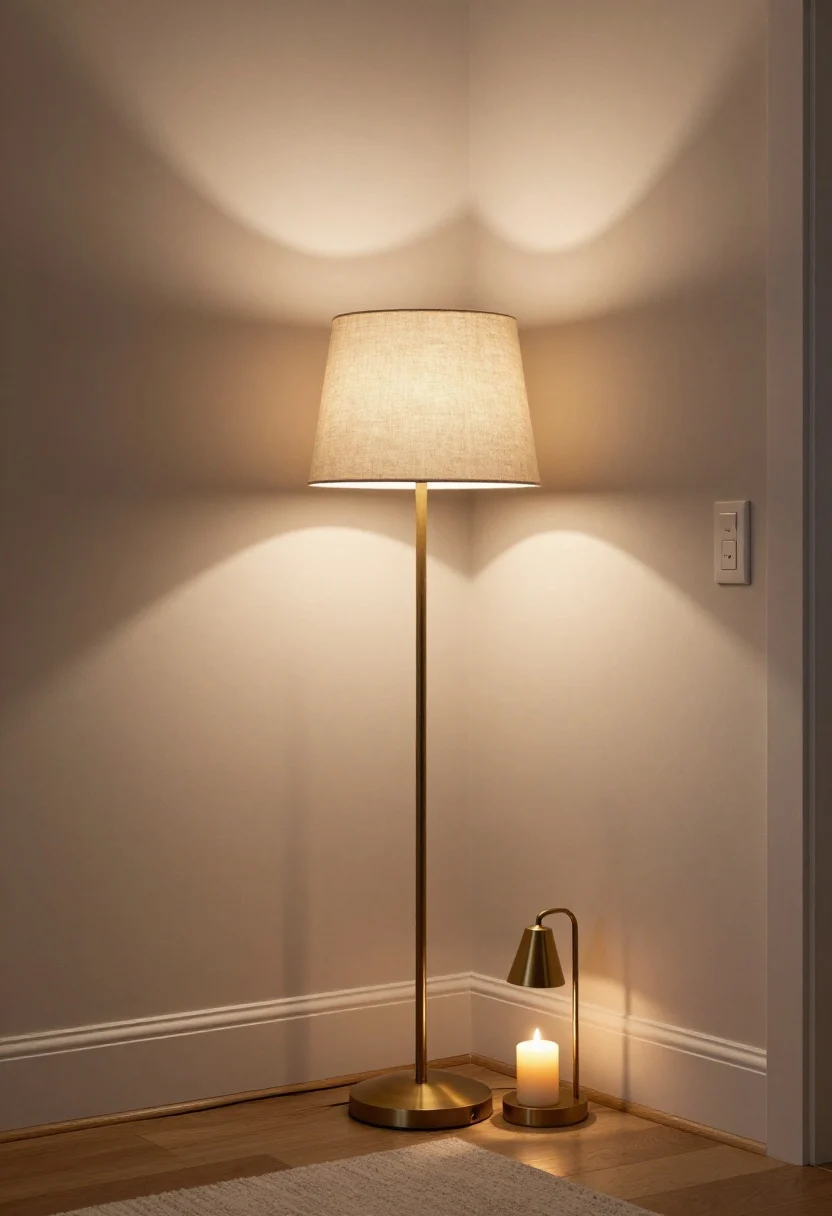
One overhead bulb is the fastest way to make everything look flat and cluttered. Harsh lighting creates shadows that exaggerate piles and corners.
Layer Like A Lighting Designer
- Three layers, minimum: Ambient (ceiling or floor lamp), task (desk or reading lamp), and accent (sconces, picture lights, or candles).
- Warm it up: Choose bulbs around 2700K–3000K for a cozy glow. Keep color temperature consistent across the room.
- Reflect and bounce: Use a light rug or a pale wall behind a lamp to spread light and visually expand the room.
Small tip, big impact: A dimmer switch instantly shifts the mood from “cluttered office” to “elevated lounge.”
7. Neglecting Flow And Function (AKA Furniture Tetris)
© 2026 AI Illustrator — Inspiration Only
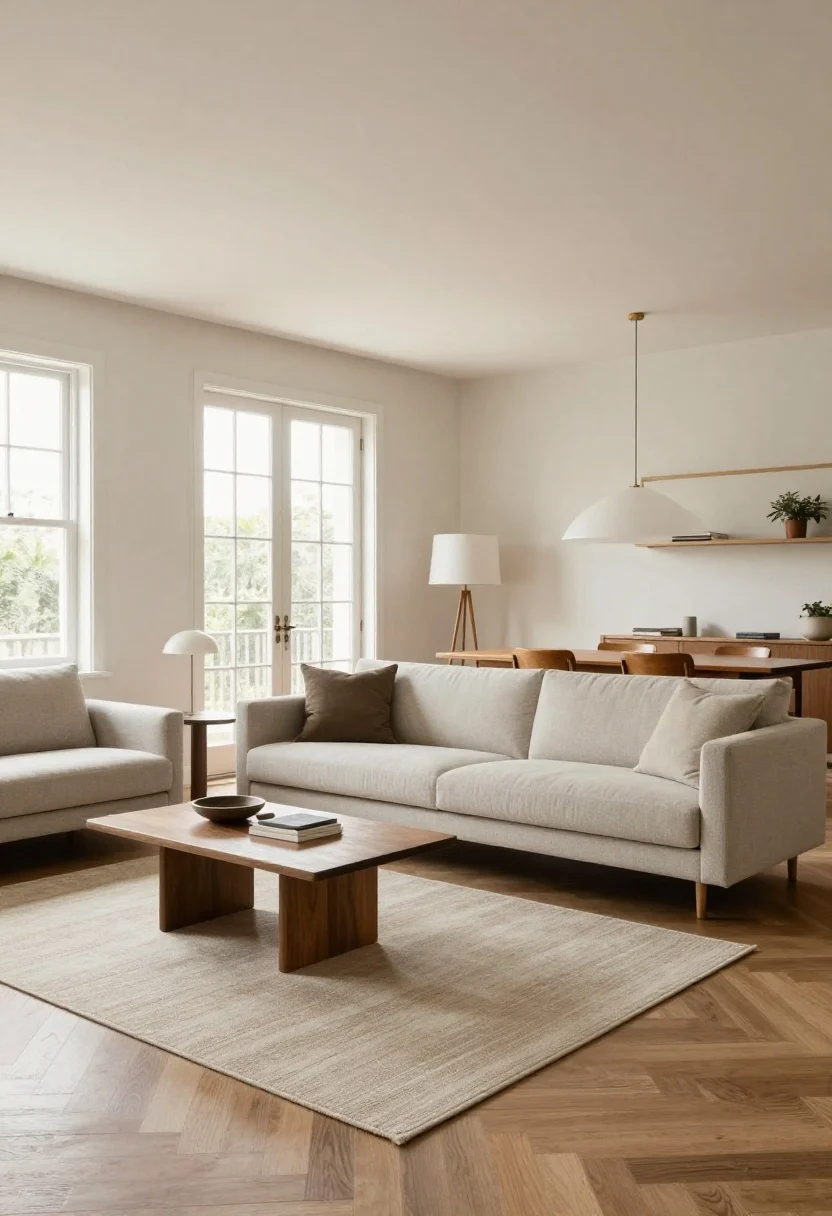
When furniture blocks doors, windows, or walkways, every step feels like a detour. That sensation reads as clutter, even if your surfaces are clean.
Map Your Movement
- Respect the 36-inch rule: Keep at least 36″ for main walkways and 18″ around beds or seating when possible.
- Float furniture: Pull your sofa 4–8″ off the wall and anchor the area with a rug that fits front legs. It creates an intentional zone.
- Choose flexible pieces: Nesting tables, foldable dining chairs, and a drop-leaf table keep traffic lines clear on the daily.
- Use rugs as floor plans: One cohesive rug per zone (living, dining, bedroom) reduces visual fragmentation.
Check your “pinch points.” Anywhere you constantly bump a hip or nudge a plant? Rethink that layout. Your bruises will thank you.
Room-By-Room Quick Wins
- Living room: Swap a chunky coffee table for two light nesting tables. Add a media console with doors for all the random tech.
- Bedroom: Wall-mount bedside lights and use a dresser with deeper drawers. Keep only current-season clothes accessible.
- Kitchen: Magnetic knife strip, over-the-door pantry racks, and a rolling cart that tucks under a counter.
- Bathroom: Over-toilet cabinet, slim rolling caddy, and matching dispensers to reduce label chaos.
Conclusion
© 2026 AI Illustrator — Inspiration Only
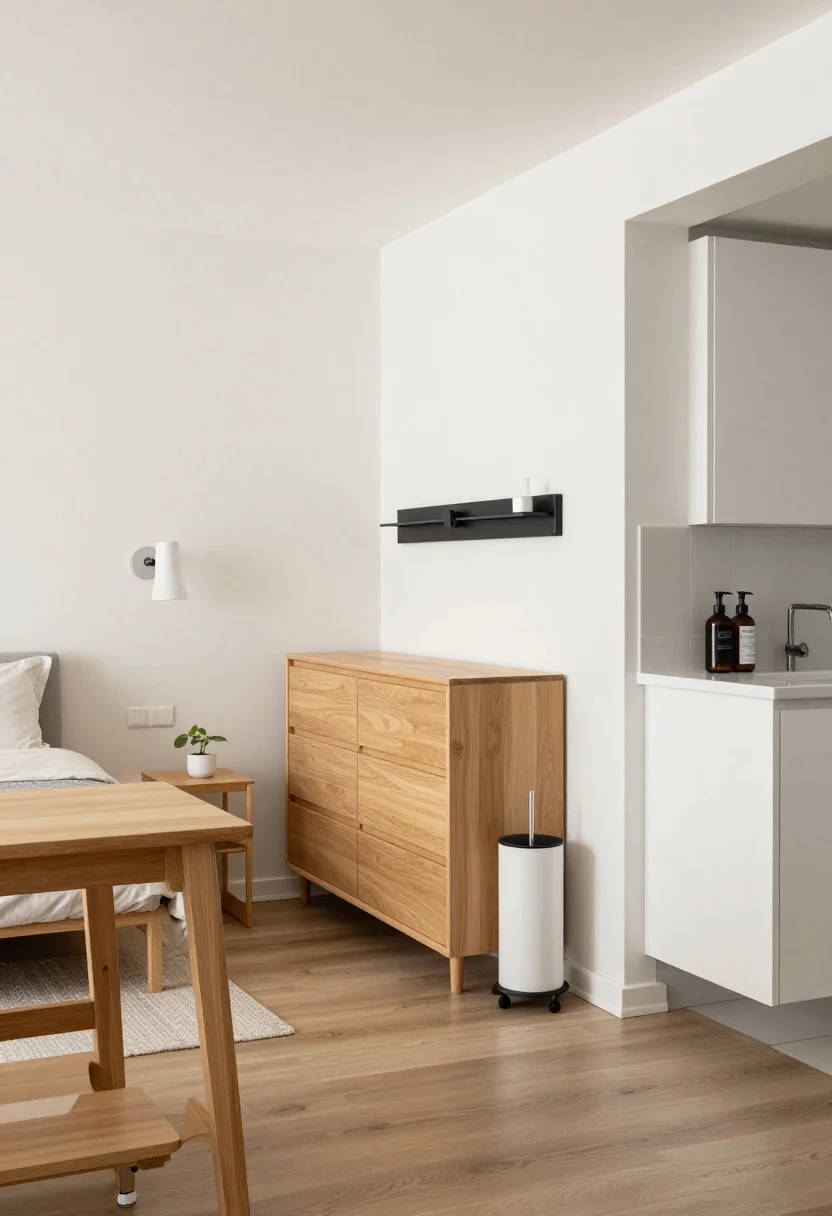
Small apartments don’t have to feel stuffed. Skip the oversized furniture, rein in the tiny trinkets, and give your eyes a calm path to follow with smart storage, softer lighting, and a balanced palette. Start with one zone today—clear a surface, edit a color, or swap a lamp—and watch your space breathe again. You’ve got this.