
When the temperature drops, the closets in a compact living space can quickly become a maze of sweaters, scarves, and coats. The challenge isn’t just finding room for those pieces; it’s keeping them accessible without turning the apartment into a cluttered showroom. Below are seven ideas that blend functionality with style, letting you store bulky winter wear without sacrificing the light, airy feel of a small home.
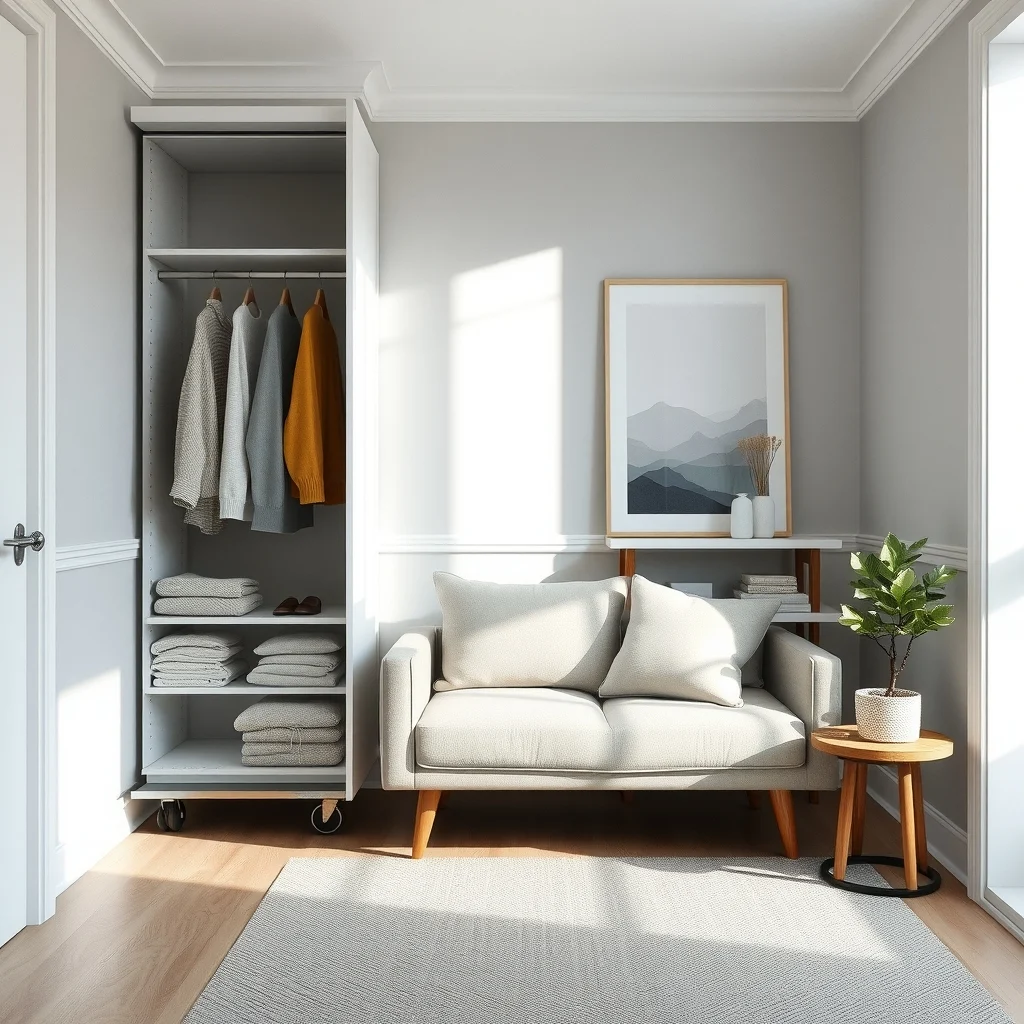
1. Slim Rolling Wardrobe with Adjustable Shelves
© 2026 AI Illustrator — Inspiration Only
A narrow wardrobe on wheels can slide into a hallway or behind a sofa, offering vertical space that many apartments overlook. By selecting a model with adjustable shelves, you can customize the interior to accommodate everything from thick parkas to stacked knitwear. The rolling base makes it easy to pull the unit out for occasional deep‑cleaning of the floor, while the sleek metal or powder‑coated finish adds a contemporary touch that complements a minimalist décor. The main compromise is that the unit requires a clear path for movement; if your floor plan is tightly packed, you may need to reserve a narrow corridor or place it near the entryway where traffic is light.
What’s Your Apartment Decor Style?
Answer these quick questions to discover your perfect decor vibe.
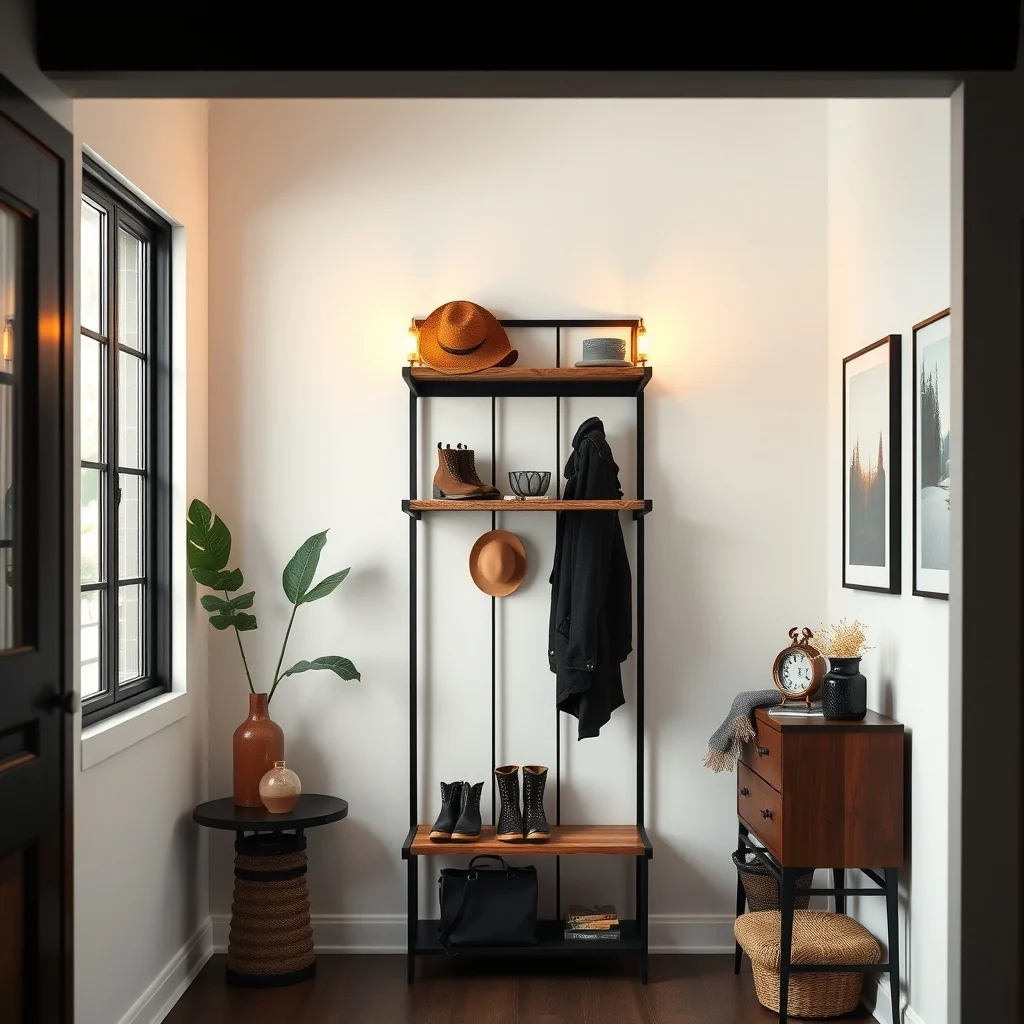
2. High‑Back Coat Rack with Integrated Shelving
© 2026 AI Illustrator — Inspiration Only
A tall coat rack that rises to the ceiling can serve as both a hanging station and a storage shelf. Choose a design where the back panel holds a few open shelves, ideal for stashing hats, gloves, or folded sweaters. The vertical emphasis draws the eye upward, creating an illusion of height that benefits low‑ceiling apartments. Wood finishes such as walnut or reclaimed pine add warmth, while brushed brass hooks provide a subtle contrast. One limitation to consider is the ceiling height; in rooms with low beams, a shorter rack may be more appropriate, but the concept of combining hanging and shelving still works.
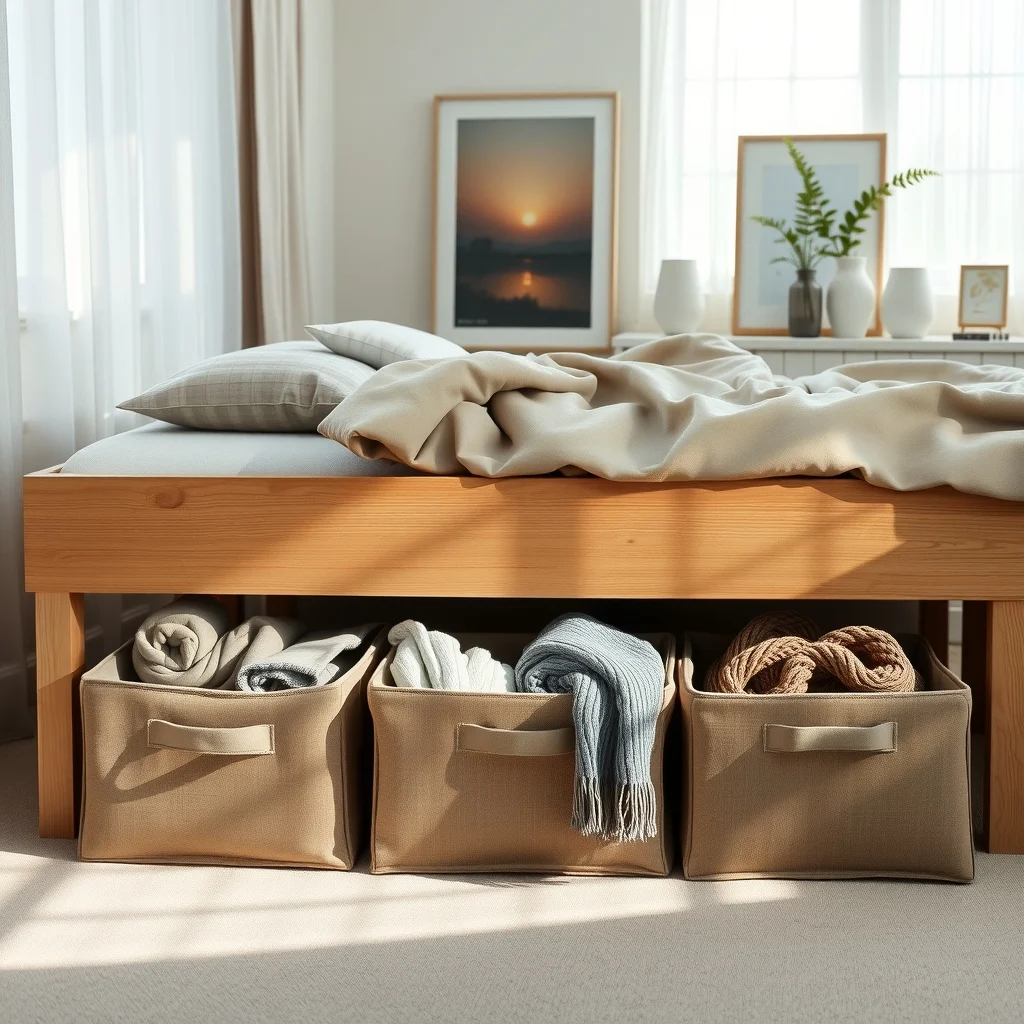
3. Fabric Storage Bins Tucked Under the Bed
© 2026 AI Illustrator — Inspiration Only
Low‑profile fabric bins slide neatly under a platform or loft bed, turning otherwise dead space into a seasonal closet. Opt for breathable cotton or linen containers with a zip closure; they keep dust out while allowing fabrics to breathe, which helps prevent mildew on damp coats. The neutral tones of natural fibers blend with most bedroom palettes, and the soft texture adds a subtle layer of comfort. The trade‑off is that the bins are best suited for items you don’t need to access daily; pulling them out each morning can be inconvenient, so reserve this method for garments you store for several months at a time.
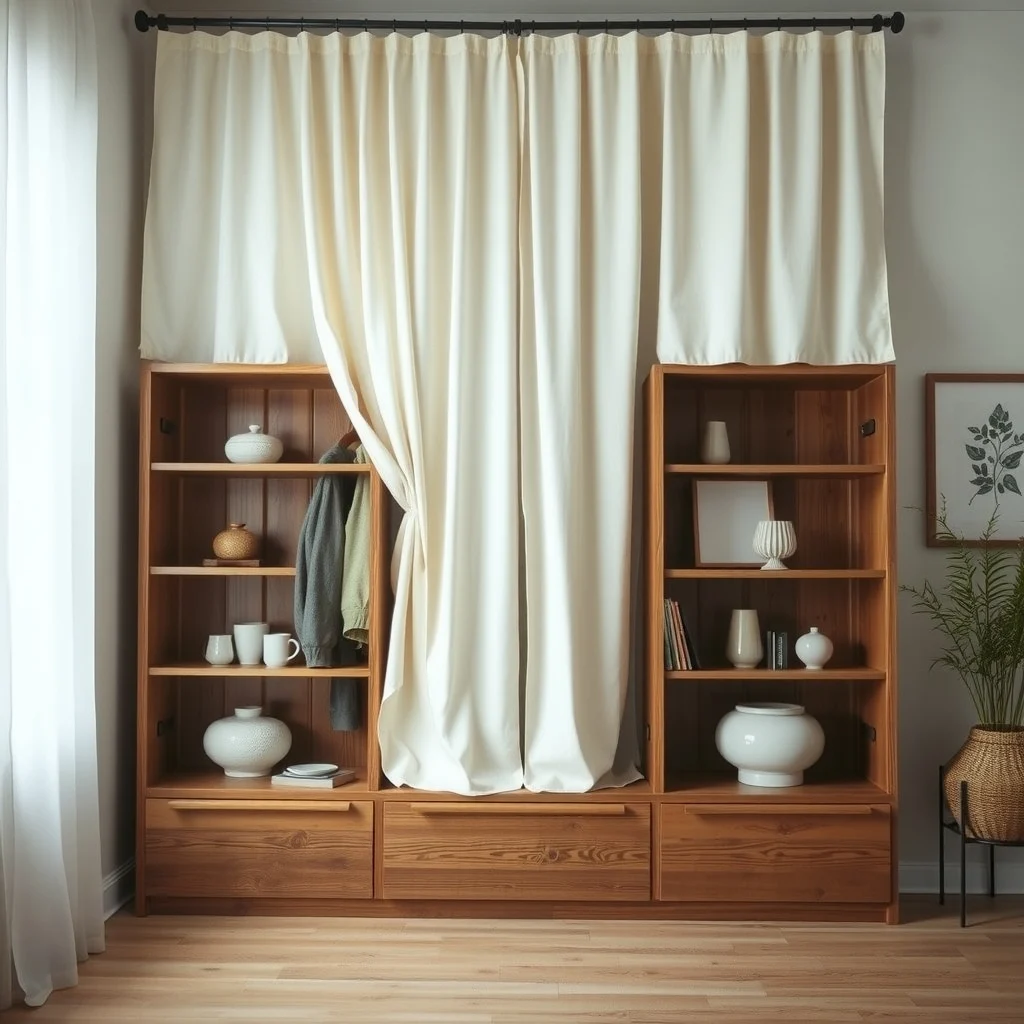
4. Transform a Bookshelf into a Curtain‑Covered Closet
© 2026 AI Illustrator — Inspiration Only
Take an existing bookshelf and drape a floor‑to‑ceiling curtain over it, creating a hidden wardrobe that doubles as a display area. The curtain, preferably in a light‑filtering linen, conceals coats while still allowing a glimpse of the books or decorative objects behind it. Shelves can hold folded sweaters, and a few sturdy hooks attached to the side of the frame provide hanging space for jackets. This approach adds a soft, textile element that softens the rigidity of wood, and the curtain can be swapped seasonally for a fresh look. However, the added fabric means you’ll need to open and close the curtain each time you retrieve an item, which may not suit those who prefer instant access.
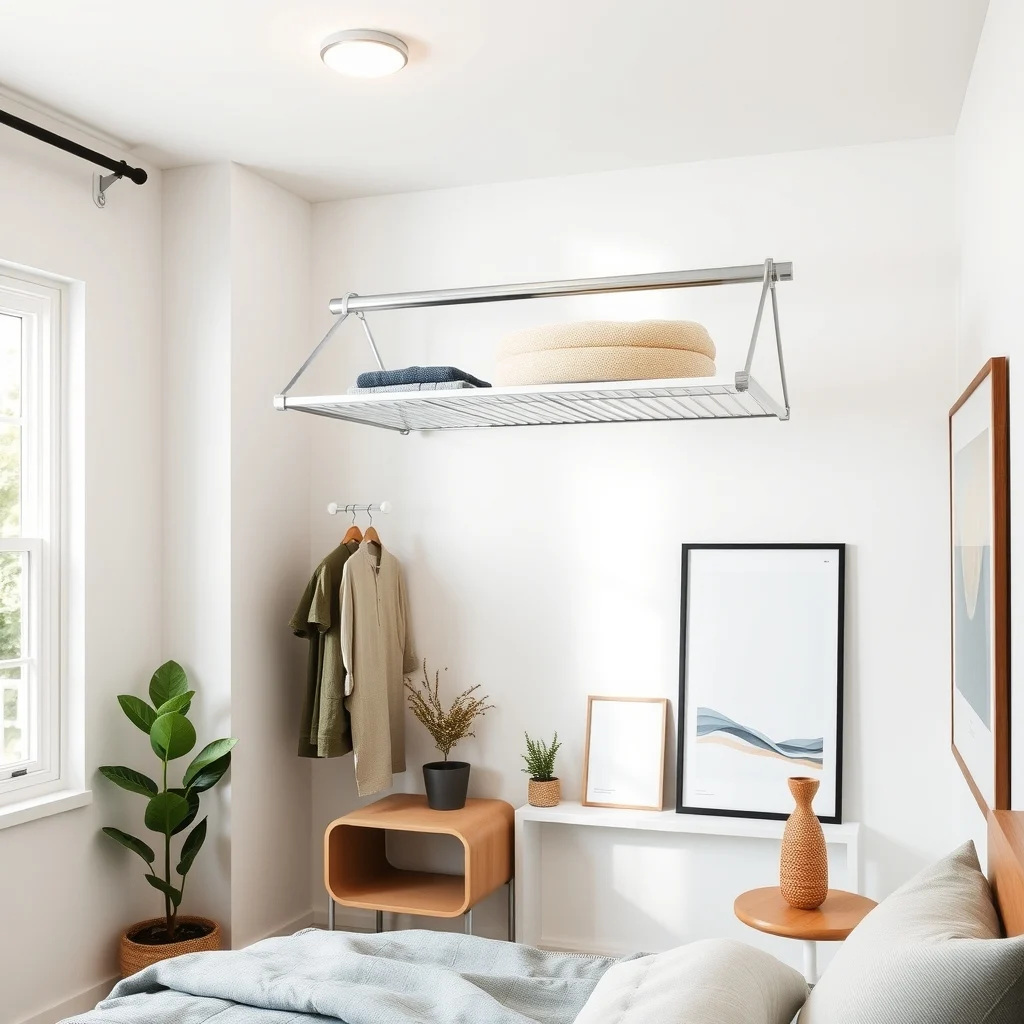
5. Pull‑Down Storage Rack Mounted Above the Closet
© 2026 AI Illustrator — Inspiration Only
Installing a shallow, pull‑down rack just above the existing closet rod creates an extra tier for items you wear less frequently. When you need a coat, simply pull the rack down and slide the garment onto the rod; when you’re done, lift the rack back up to keep it out of the way. A metal frame with a brushed finish blends with industrial‑style interiors, while a powder‑coated white version works well in Scandinavian‑inspired spaces. The system maximizes vertical clearance without encroaching on floor area. The main drawback is the need for sturdy wall anchoring; if your walls are plaster without studs, you may need professional installation.
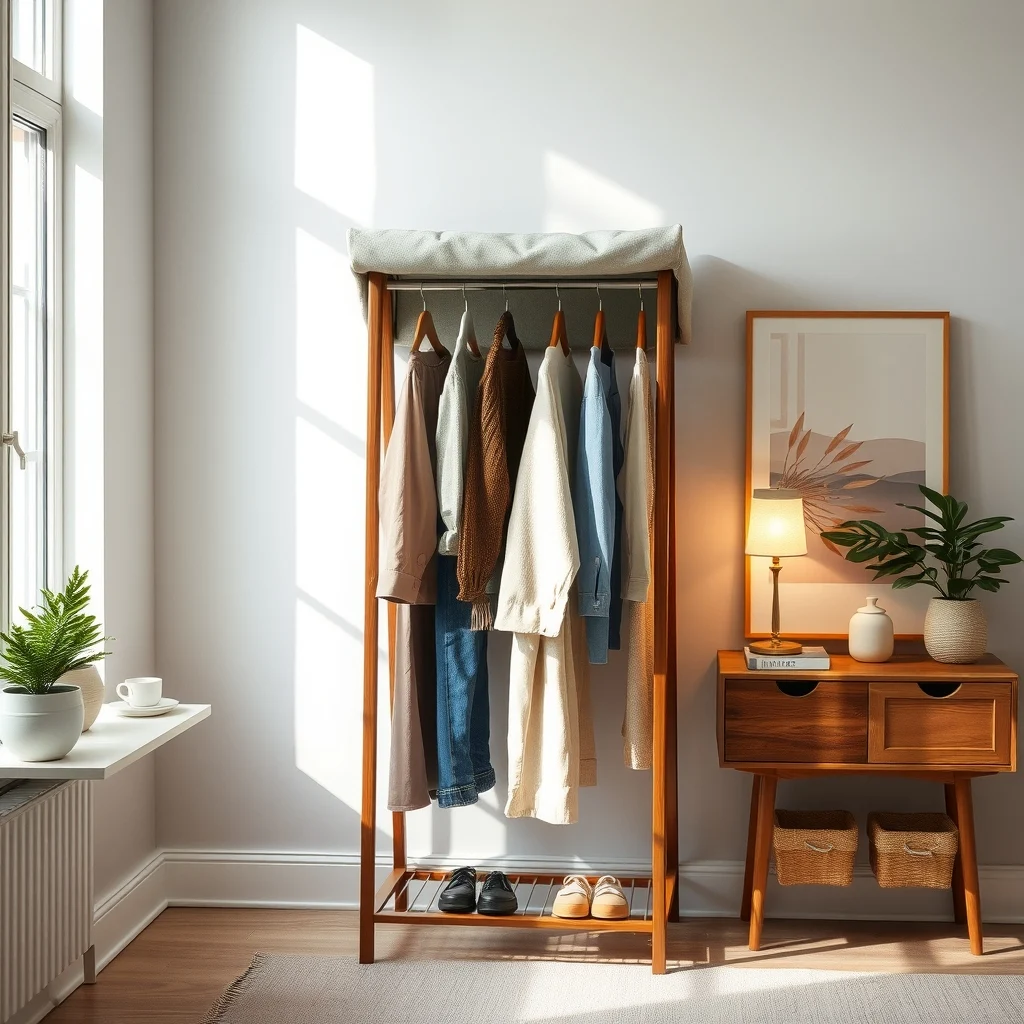
6. Portable Garment Rack with a Stylish Canopy
© 2026 AI Illustrator — Inspiration Only
A freestanding garment rack topped with a light fabric canopy can act as a temporary closet during the winter months. The canopy, made from cotton canvas in a muted hue, shields coats from dust while adding a decorative element that softens the hard lines of the metal frame. The rack’s wheels let you move it to a sunny corner where natural light helps keep fabrics fresh. Because the rack is not fixed, you can store it in a closet or under a table when the season changes. The compromise lies in the footprint; a full‑size rack can occupy a sizable portion of a studio floor, so consider a narrower model if space is at a premium.
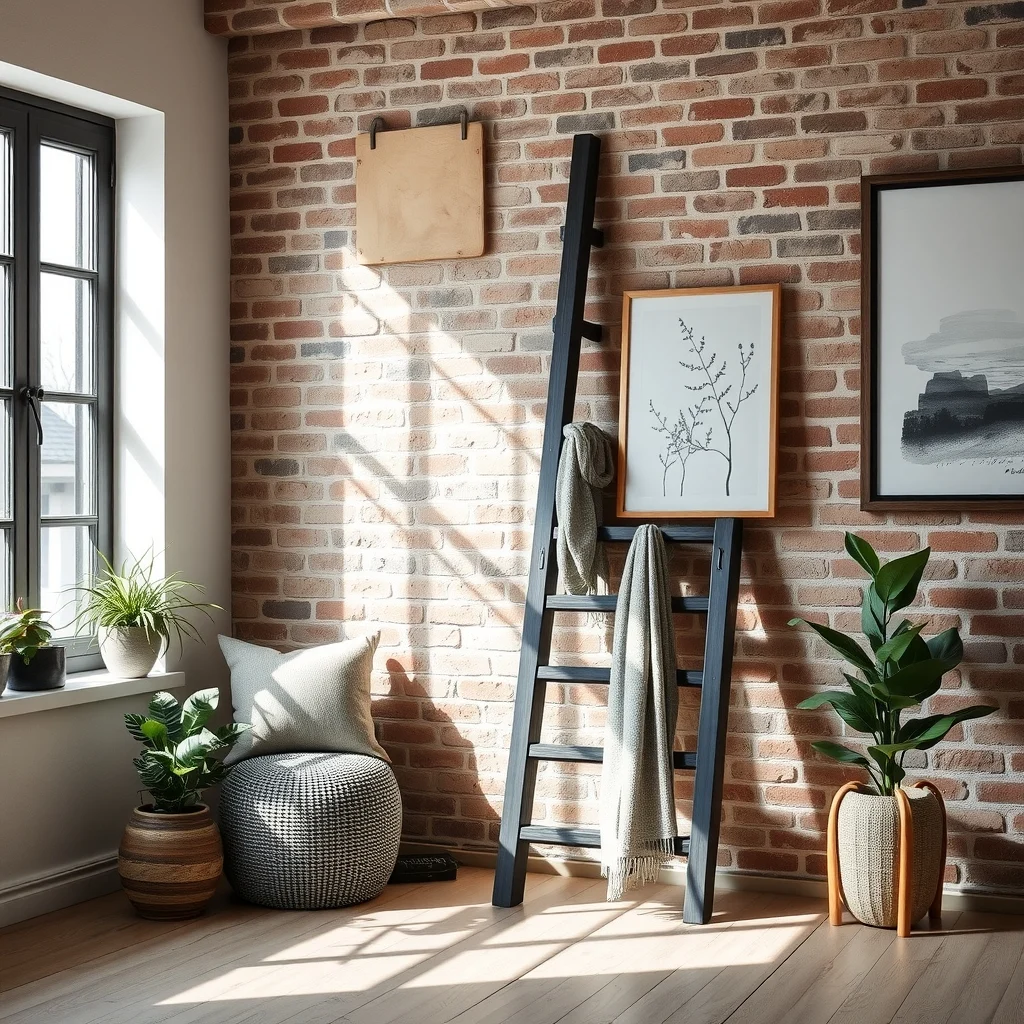
7. Decorative Ladder as a Hanging Station
© 2026 AI Illustrator — Inspiration Only
A leaning wooden ladder, painted in a matte charcoal or left in its natural oak, offers a rustic yet functional way to hang bulky coats and scarves. By adding a few sturdy hooks to the rungs, you create multiple levels for different garment types. The ladder’s diagonal line adds visual interest and breaks up the horizontal lines typical of small apartments. Its open design keeps air circulating, which is beneficial for wool items that can develop odors if stored in sealed containers. The main limitation is stability; the ladder must be placed against a wall and secured with a non‑slip pad to prevent it from shifting when heavy coats are added.
FAQ
© 2026 AI Illustrator — Inspiration Only
How can I keep my winter coats from developing odors?
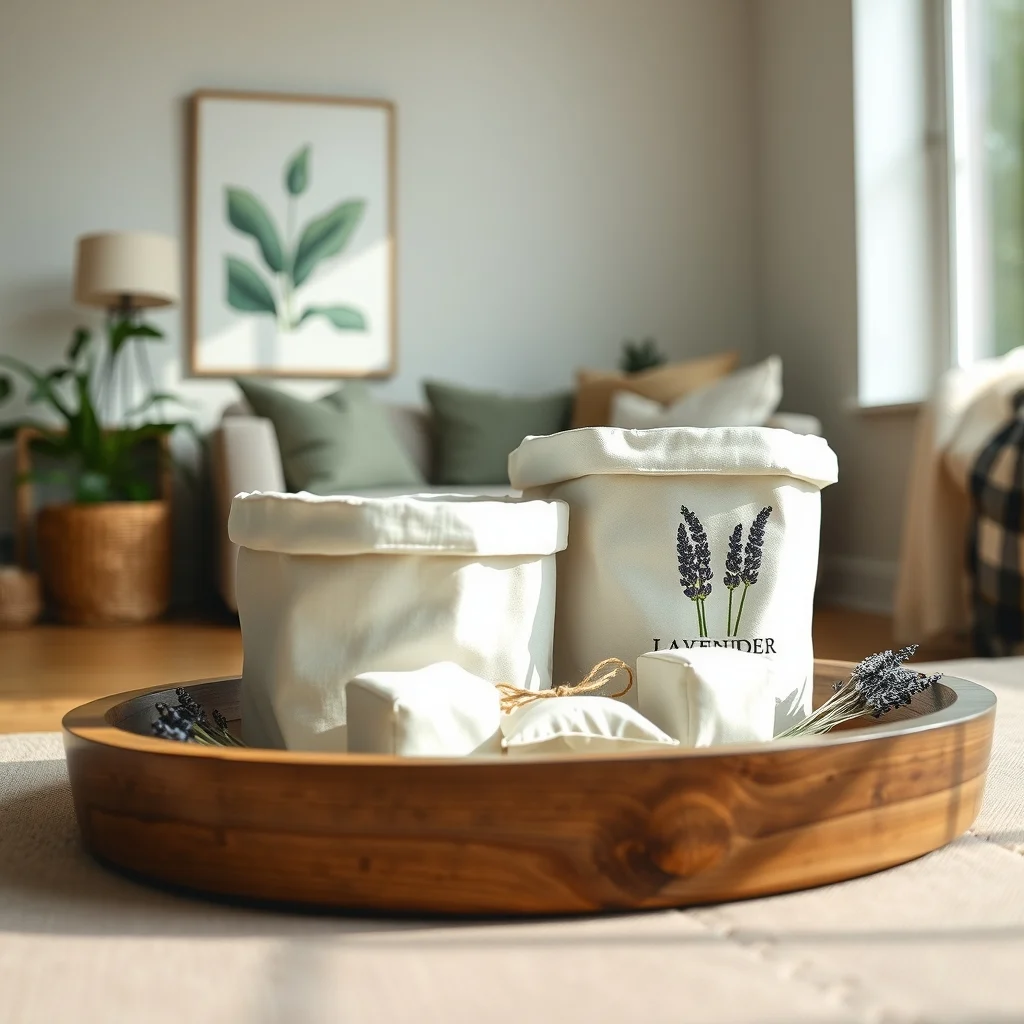
Store coats in breathable containers or on open racks to allow air flow. Adding a few cedar blocks or lavender sachets can absorb moisture and add a pleasant scent without overwhelming the space.
What material is best for storage bins that will hold heavy sweaters?
Heavy‑duty canvas or woven polypropylene bins provide durability and enough rigidity to support weight. They also fold flat when not in use, which is helpful in a small apartment.
Can I place heavy jackets on a standard bookshelf?
Only if the shelf is reinforced and the weight is evenly distributed. Shelves designed for books often have a higher load rating, but it’s safer to add a thin plywood backing to spread the pressure.
How often should I rotate seasonal clothing?
Rotate at the start of each season, swapping out items you’ll wear within the next three months. This practice keeps the wardrobe manageable and reduces the temptation to keep everything in view.
Is it safe to use vacuum‑seal bags in a small apartment?
Vacuum‑seal bags are fine for short‑term storage, but they compress fabrics and can trap moisture, which may lead to mildew in humid climates. Use them sparingly and allow garments to breathe periodically.
Final Thoughts

© 2026 AI Illustrator — Inspiration Only
Living in a compact space doesn’t mean you have to sacrifice the comfort of a well‑stocked winter wardrobe. By thinking vertically, using hidden compartments, and selecting furniture that doubles as storage, you can keep bulky coats, sweaters, and accessories organized while preserving the aesthetic flow of your home. Each of the ideas above offers a balance of practicality and style; choose the ones that align with your layout, décor preferences, and daily routines, and you’ll find that winter can be both cozy and clutter‑free.