
Living in a compact apartment often feels like a puzzle where every piece must fit without crowding the picture. The challenge isn’t just finding furniture that fits; it’s arranging what you have so that the room feels open, functional, and inviting. Below are seven placement strategies that can transform a cramped floor plan into a space where movement feels natural and each area serves its purpose without stepping on one another’s toes.
1. Anchor the Room with a Focal Point
© 2026 AI Illustrator — Inspiration Only
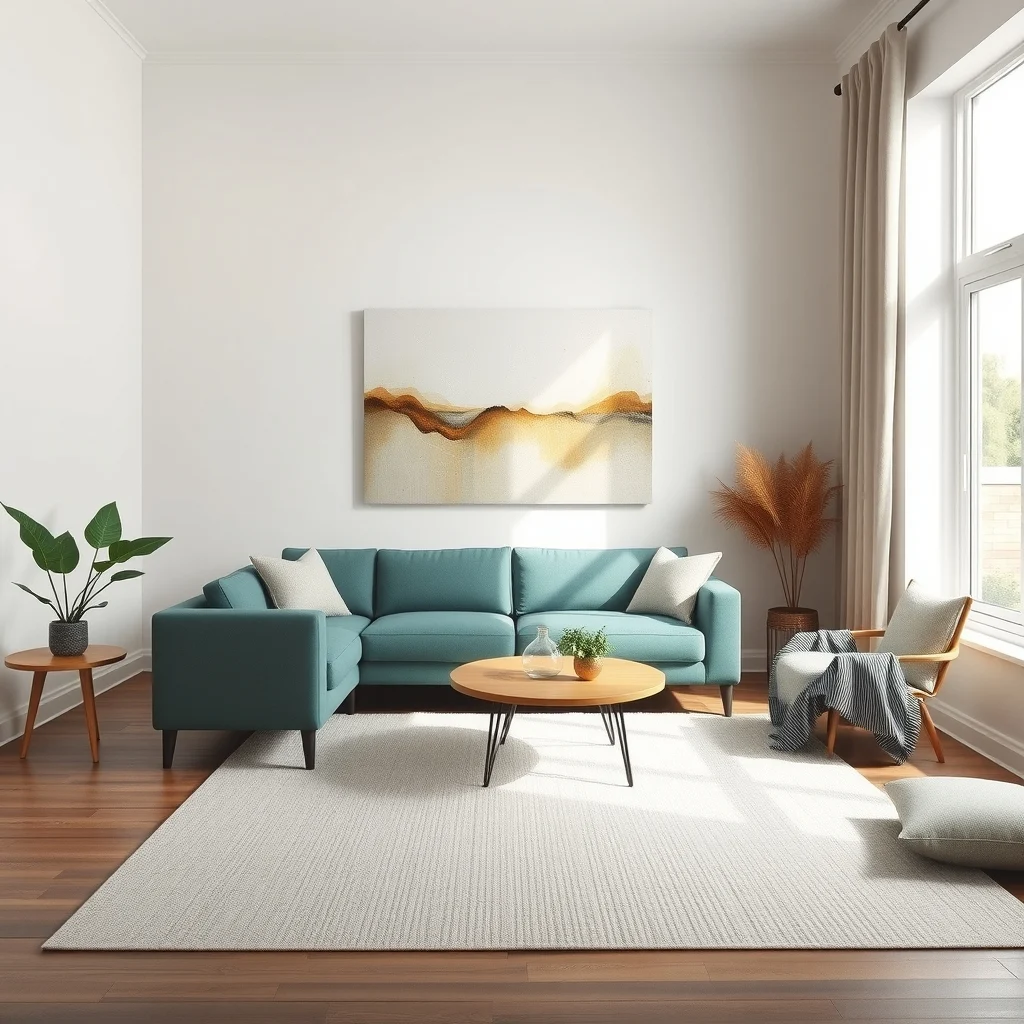
When you first enter a small living area, the eye seeks a point of interest—a piece of art, a bold rug, or a striking sofa. Positioning this anchor against the longest wall creates a visual anchor that naturally guides traffic around it rather than through it. A deep‑green velvet sofa, for example, placed against a neutral greige wall can draw attention without overwhelming the room, especially when paired with a light‑colored rug that reflects natural light. By establishing a clear focal point, you give the eye a destination, which reduces the urge to wander aimlessly and helps define the flow of movement. If the wall is already occupied by windows, a low console table with a sculptural lamp can serve the same purpose, offering height and interest without blocking light.
What’s Your Apartment Decor Style?
Answer these quick questions to discover your perfect decor vibe.
2. Create a Defined Pathway
© 2026 AI Illustrator — Inspiration Only
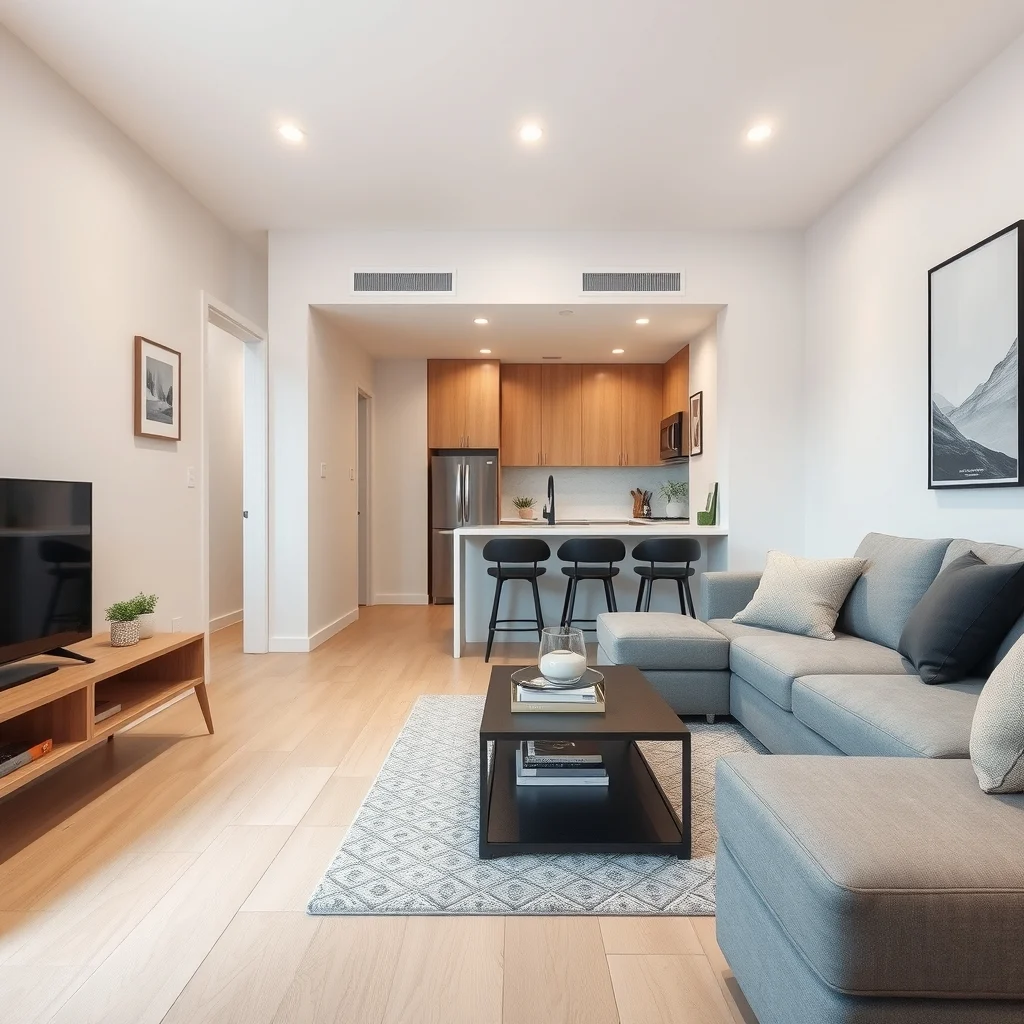
Even a few inches of clearance can make a big difference in a tight space. Measure the width of the main traffic route—usually between the entrance and the kitchen or bathroom—and keep it at least 30 inches wide. Arrange chairs, side tables, and bookshelves so they line the perimeter rather than jutting into the center. A slim, open‑back bookshelf placed against a side wall can store items while still allowing sightlines to remain uninterrupted. When the pathway is clearly delineated, you reduce the feeling of stumbling over obstacles, and the room gains a rhythm that feels both purposeful and relaxed. Remember to leave a small margin between furniture and the wall; this tiny gap allows the eye to travel and prevents the space from feeling boxed in.
We're Now Open!
Thoughtful digital guides and planners to help you decorate, organize, and create a home you love.
Use code: WELCOME15
EXPLORE LIVANA STUDIO →Beautiful spaces. Smarter living.
3. Use Multi‑Functional Pieces to Reduce Clutter
© 2026 AI Illustrator — Inspiration Only
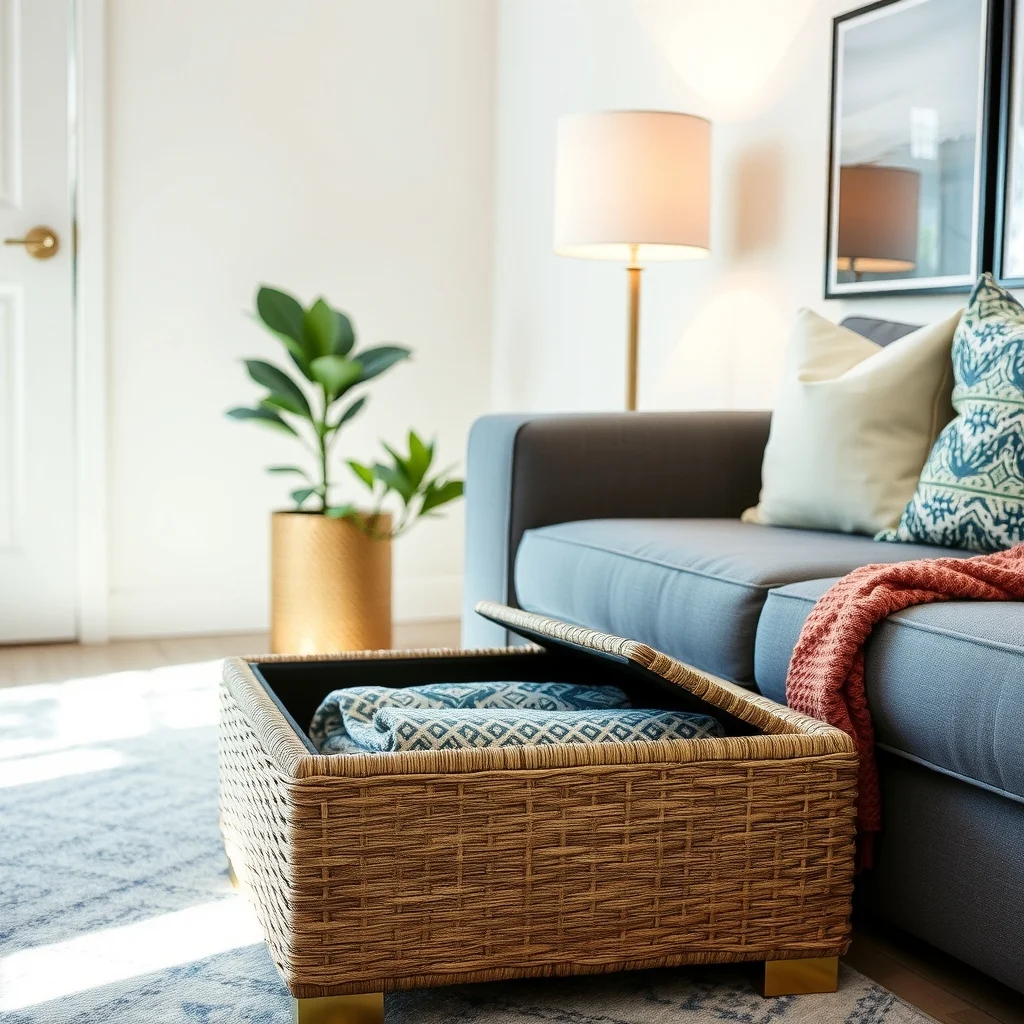
In a small apartment, every square foot counts, so pieces that serve more than one purpose are invaluable. A storage ottoman placed at the foot of a sofa can hold blankets, magazines, or even a spare set of linens while providing a seat for guests. When you need extra seating, the ottoman slides into place; when you need storage, the lid lifts to reveal a hidden compartment. Similarly, a wall‑mounted drop‑leaf table can act as a dining surface during meals and fold away to free up floor space for a yoga session or a quick workout. These dual‑purpose items keep the room from feeling overloaded and maintain a smooth transition between different activities, which is essential for a fluid layout.
4. Align Furniture with Natural Light Sources
© 2026 AI Illustrator — Inspiration Only
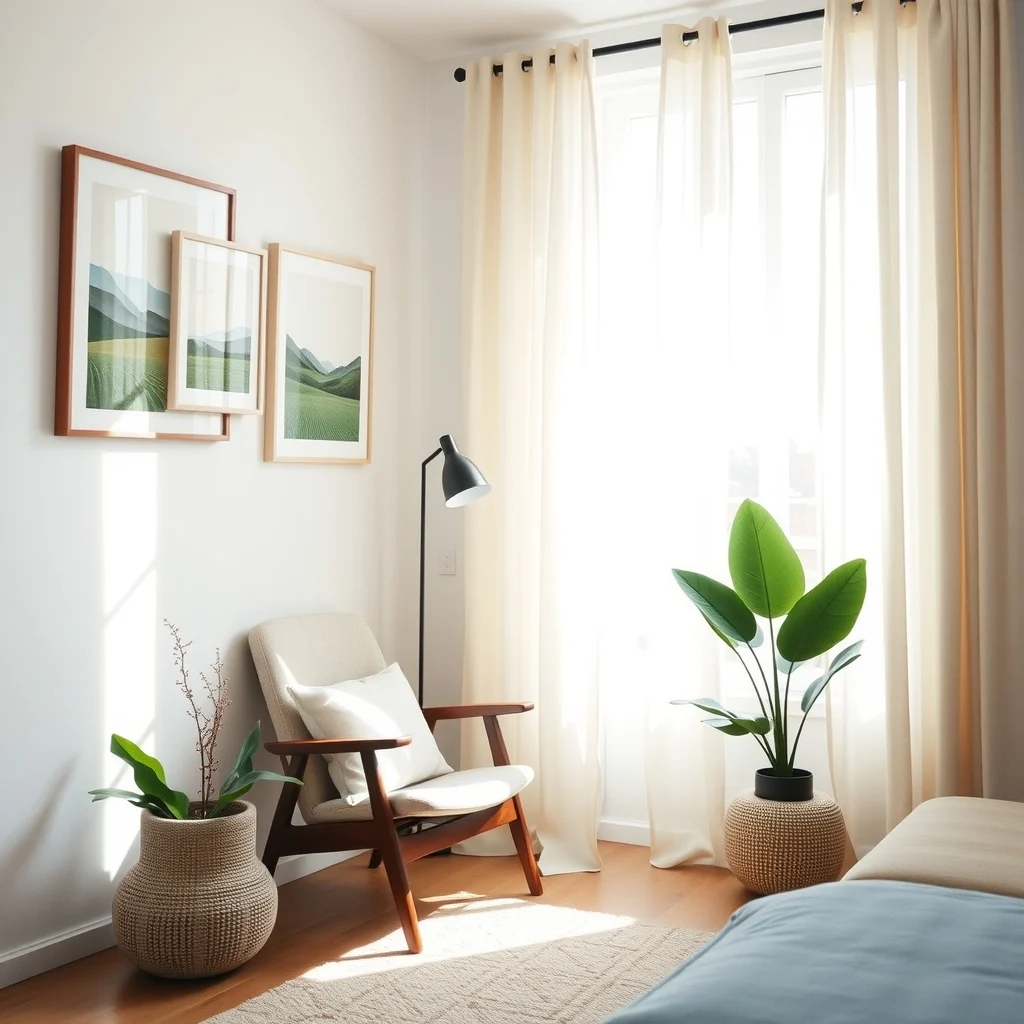
Light is a powerful tool for opening up a compact room. Positioning seating and work areas near windows encourages a flow that follows the sun’s path throughout the day. A narrow reading chair placed beside a south‑facing window not only benefits from daylight but also creates a quiet nook that doesn’t interrupt the main circulation route. If the window is high, a low console or a floating shelf can capture the light without blocking it, while still providing a place for decorative objects or plants. By letting natural light dictate placement, you avoid the temptation to crowd the center of the room with furniture that would cast shadows and impede movement.
5. Employ Vertical Storage to Preserve Floor Space
© 2026 AI Illustrator — Inspiration Only
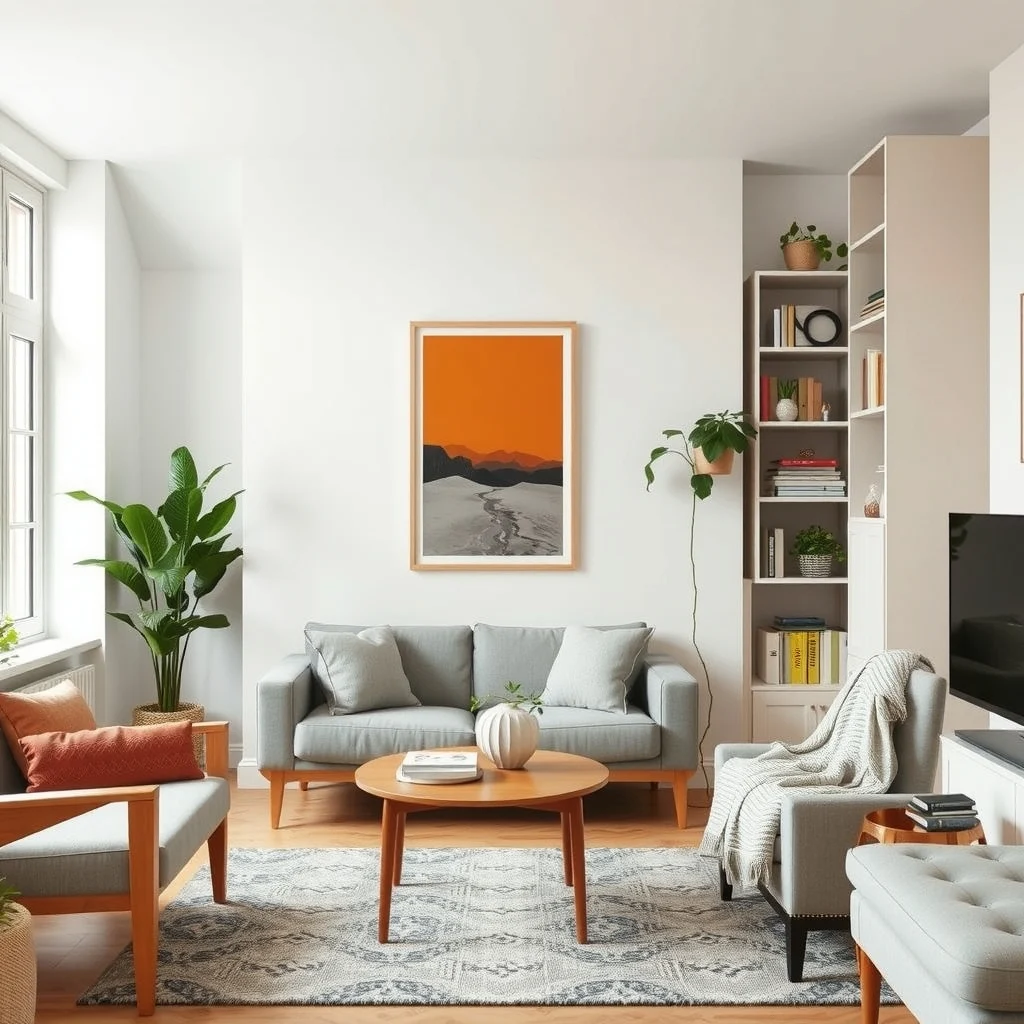
When floor area is at a premium, look upward. Tall, narrow cabinets or floor‑to‑ceiling shelving can hold books, kitchenware, and decorative items without sacrificing valuable walking space. Choose units with open backs or glass doors to keep the room feeling airy; a sleek metal frame with wooden shelves adds a modern touch while maintaining visual lightness. By concentrating storage vertically, you free the horizontal plane for pathways and gathering spots. The trade‑off is that you must be mindful of ceiling height—overly tall pieces can make a low‑ceiling apartment feel cramped, so aim for a height that leaves at least a few inches of breathing room above the top shelf.
6. Group Related Items to Streamline Movement
© 2026 AI Illustrator — Inspiration Only
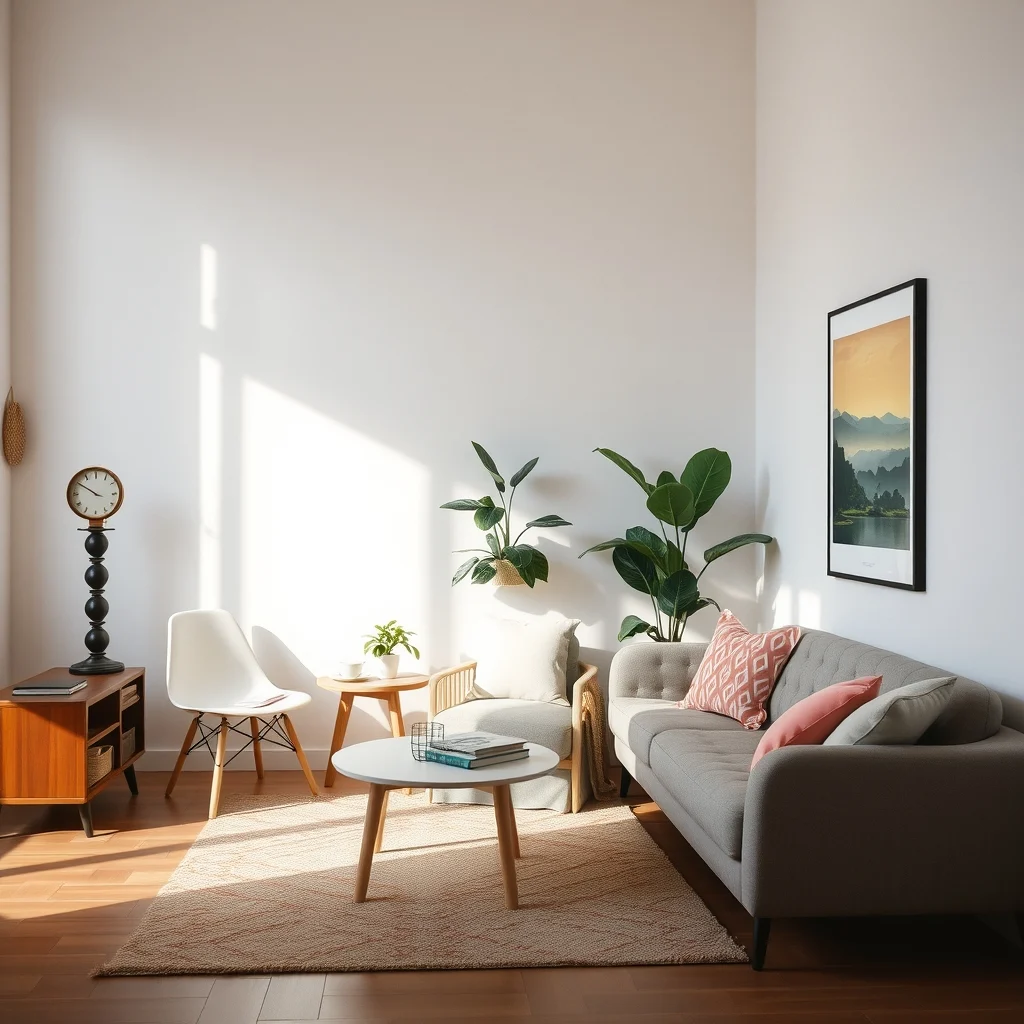
Clustering furniture that serves a similar function reduces the distance you need to travel between them, which smooths the flow. For instance, place a small side table, a lamp, and a charging station together near the sofa rather than scattering them across the room. This creates a mini‑zone where you can relax, read, and charge devices without stepping over unrelated pieces. In the kitchen area, a rolling cart can hold spices, cooking utensils, and a small cutting board, keeping everything within arm’s reach while still being easy to move if you need more space for a gathering. Grouping items in this way also creates visual cohesion, making the room feel organized rather than chaotic.
7. Add a Flexible Divider Without Cutting Off Airflow
© 2026 AI Illustrator — Inspiration Only
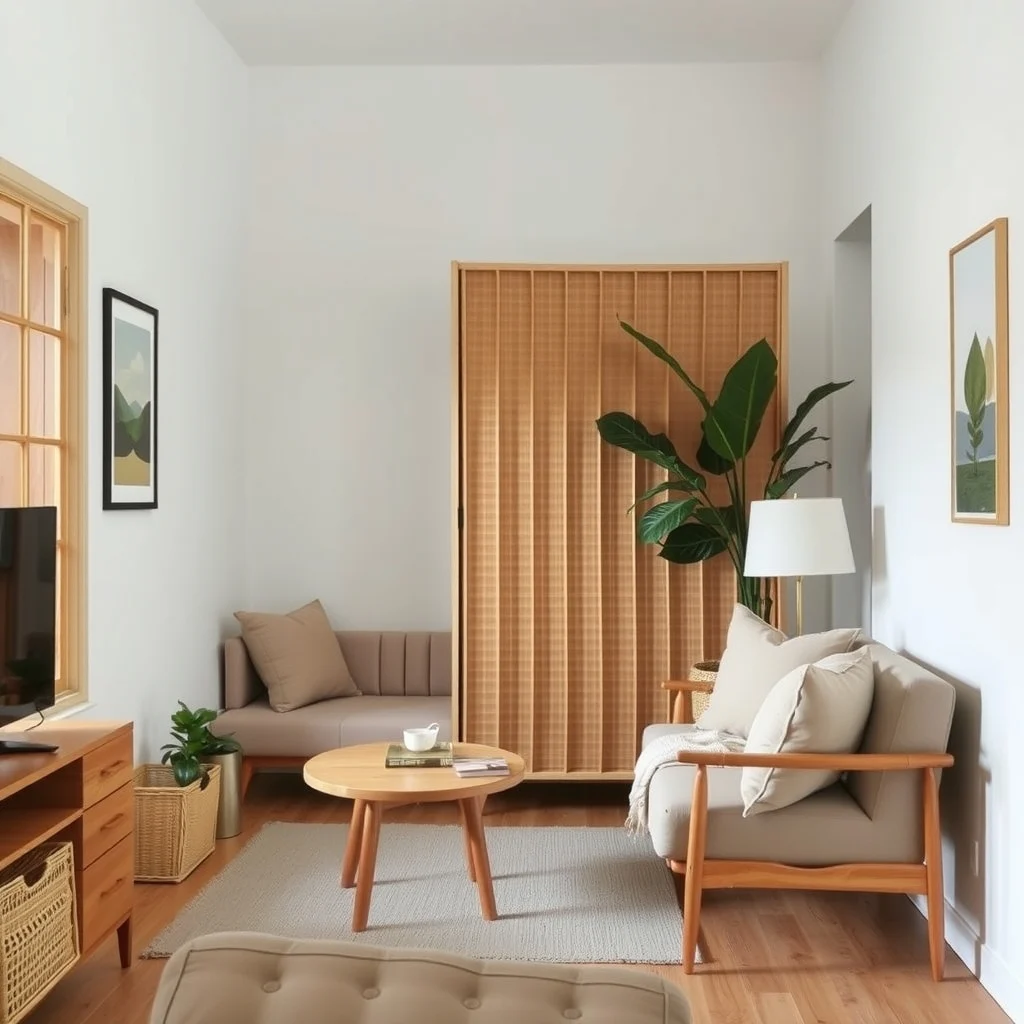
A lightweight screen or a tall plant can subtly separate zones—such as a sleeping alcove from a living area—without creating a hard wall. Choose a divider made of slatted wood or woven bamboo; the gaps allow light to filter through and maintain a sense of openness. Position the divider so that the main traffic line can glide around it, perhaps angled rather than placed directly in the path. While a divider adds definition, it also introduces a potential obstacle if placed incorrectly, so test the layout with a piece of tape on the floor before committing. When used thoughtfully, a flexible divider provides both privacy and a visual cue that guides movement naturally.
FAQ
© 2026 AI Illustrator — Inspiration Only
How can I make a small living room feel larger without buying new furniture?
Use lighter colors on walls and upholstery, keep window treatments minimal, and arrange existing pieces to maximize open pathways. Mirrors placed opposite windows reflect light and create an illusion of depth.
What is the best way to arrange a TV in a studio apartment?
Mount the TV on a wall that does not dominate the primary traffic route, and keep the viewing distance comfortable—about 6 to 8 feet away. A low media console can provide storage while keeping the floor clear.
Is a round coffee table better than a rectangular one for flow?
Round tables eliminate sharp corners that can obstruct movement, making it easier to navigate around them. They also encourage a more fluid arrangement of seating.
Can I use rugs to guide traffic in a tiny space?
Yes, a rug placed under the main seating area can visually anchor that zone, while a runner leading from the entry to the kitchen or bathroom signals a clear path.
Should I keep a dining table in a one‑bedroom apartment?
A small, drop‑leaf or wall‑mounted table works well because it can be folded away when not in use, preserving floor space for other activities.
Final Thoughts
© 2026 AI Illustrator — Inspiration Only
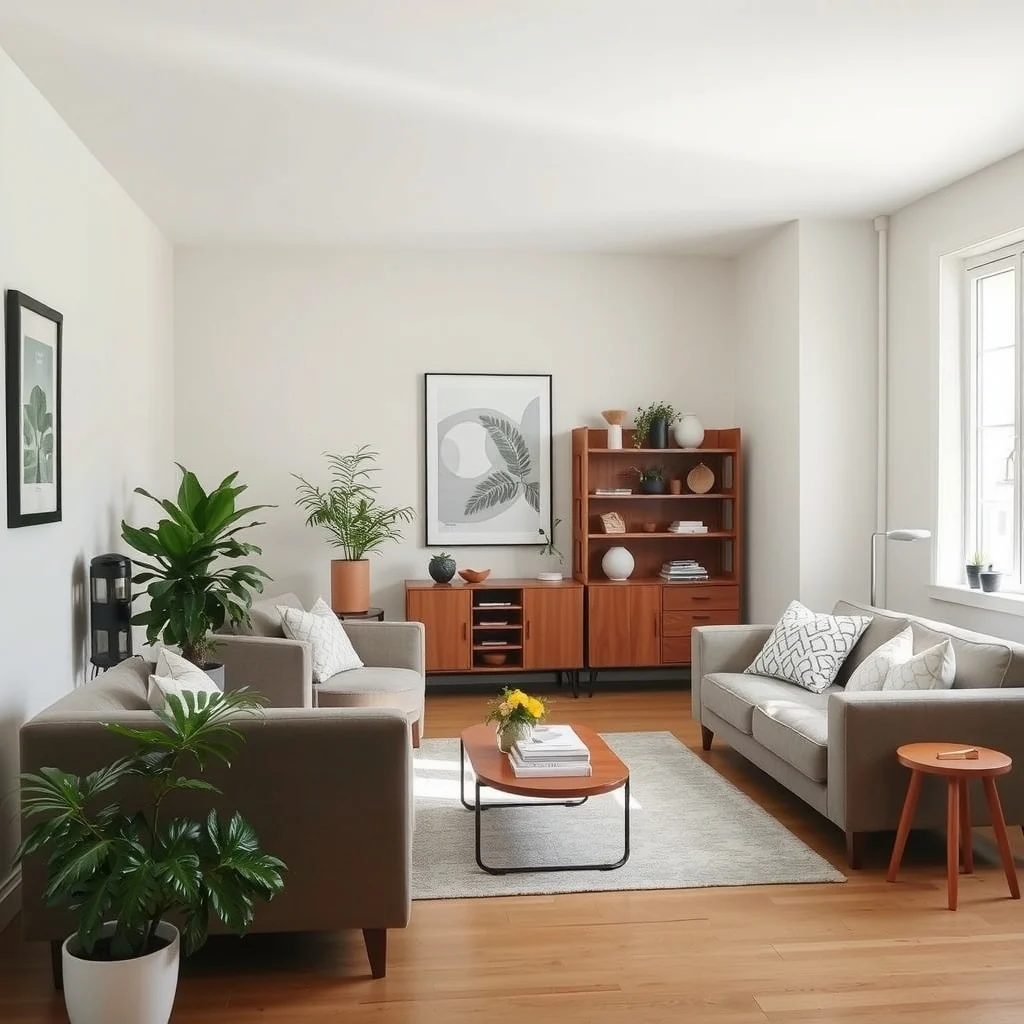
Optimizing furniture placement in a small apartment is less about buying new pieces and more about thoughtful arrangement. By anchoring the room, defining pathways, embracing multi‑functional items, and using vertical storage, you can create a flow that feels natural and welcoming. Each decision—whether it’s aligning a chair with a window or adding a flexible divider—should serve both aesthetics and movement. When the layout respects the way you live, the space becomes a backdrop for daily life rather than an obstacle, allowing you to enjoy every square foot to its fullest.