
Living in a space where the central fixture is dim, missing, or simply not the look you want can feel limiting. Yet light is one of the most flexible design tools, and you don’t need to rely on a single overhead source to make a room feel bright, welcoming, and functional. In the following sections you’ll discover a range of approaches—from strategic lamp placement to reflective surfaces—that let you shape illumination to match each area’s purpose and personality. By the end, you’ll have a toolbox of ideas that turn any apartment into a well‑lit home without ever turning on the main ceiling light.
1. Embrace Floor Lamps as Primary Sources
© 2026 AI Illustrator — Inspiration Only
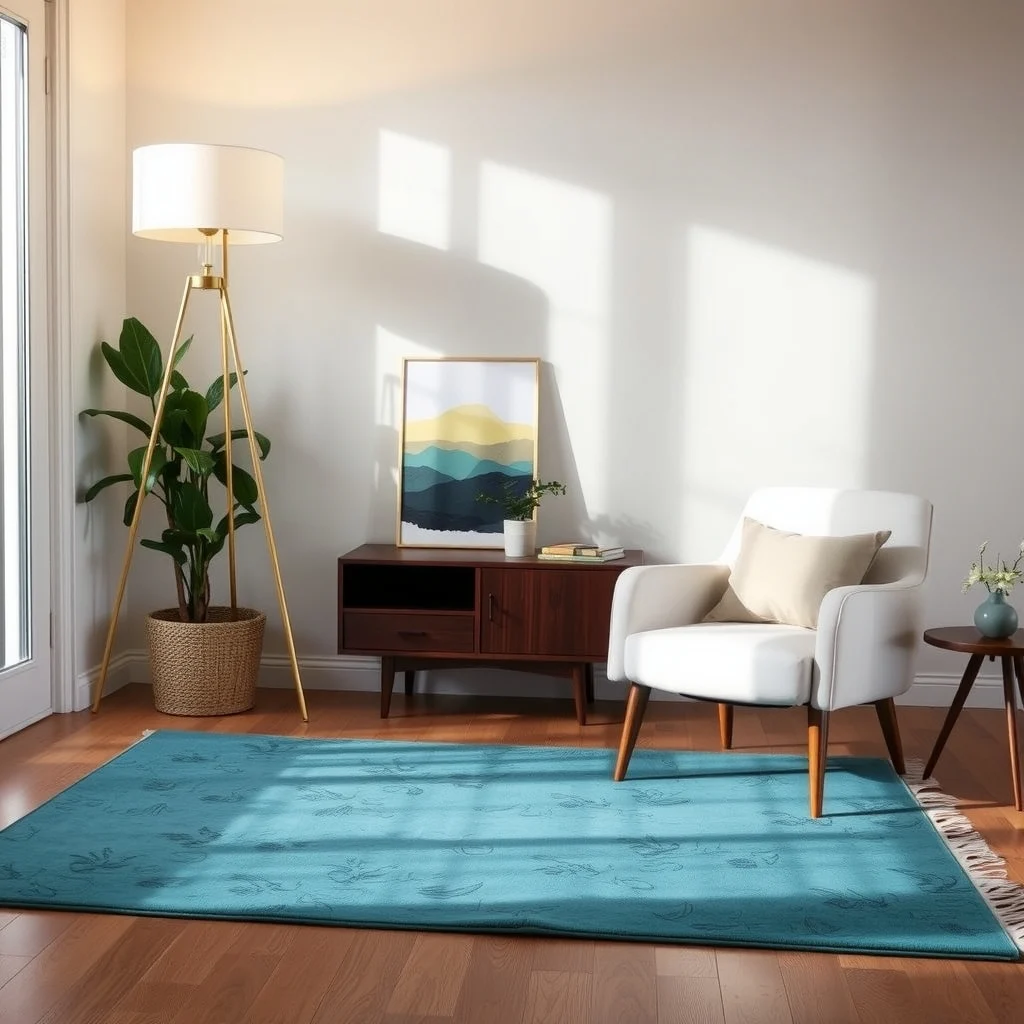
Floor lamps occupy a unique niche because they stand tall without demanding ceiling real estate. A slender tripod with a brushed‑brass finish can cast a gentle wash of light across a reading nook, while a wider arc lamp bridges the gap between a sofa and a side table, creating a focused pool for evening relaxation. The key is to select a shade that diffuses light evenly; linen or frosted glass softens harsh glare and adds a tactile quality to the glow. Position the lamp where its beam can travel unobstructed—often near the back of a seating arrangement—so the light reaches the eyes without creating shadows. If floor space is at a premium, choose a model with a narrow profile that tucks into a corner, still delivering enough lumens to brighten the room. Remember that the lamp’s height influences how the light spreads; taller stems illuminate larger zones, while shorter ones are better for intimate corners.
What’s Your Apartment Decor Style?
Answer these quick questions to discover your perfect decor vibe.
2. Layer Table Lamps for Flexibility
© 2026 AI Illustrator — Inspiration Only
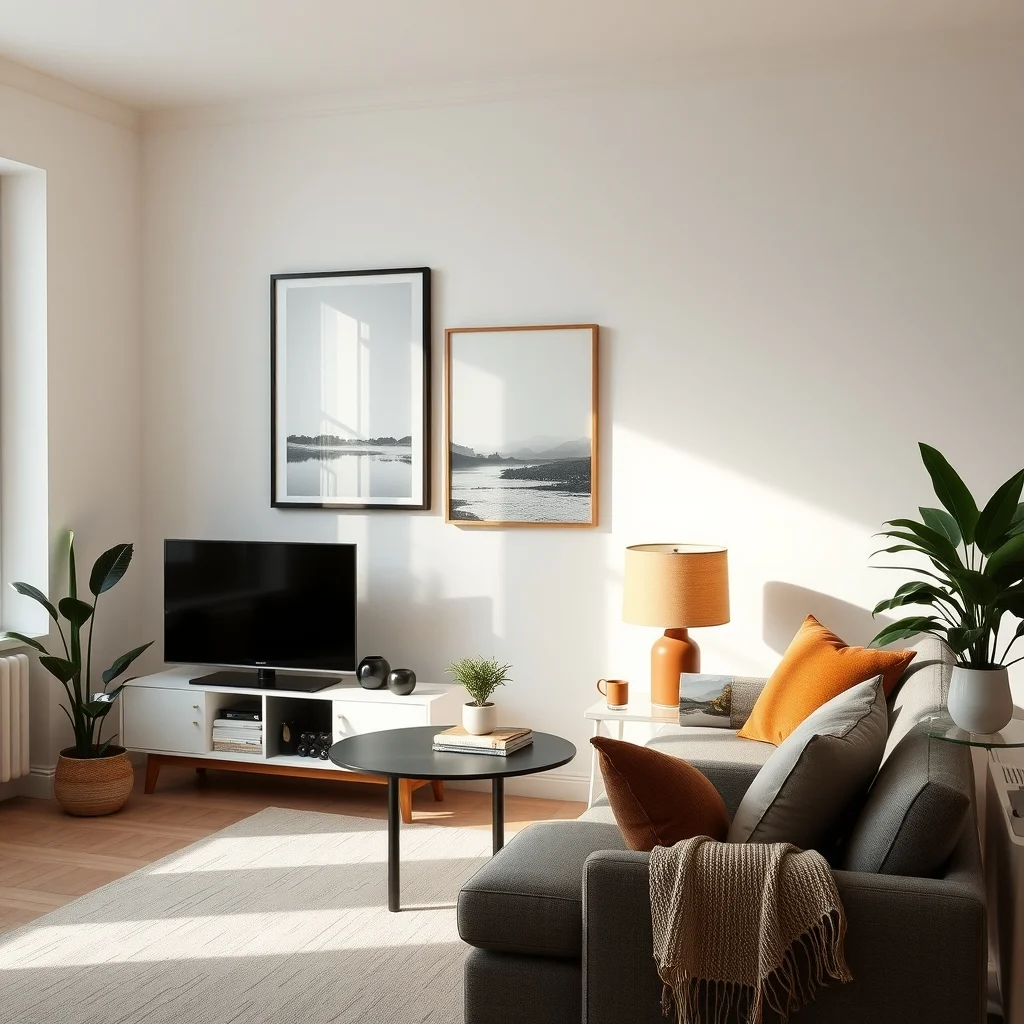
Table lamps excel at providing adjustable, localized illumination that can shift with your daily rhythm. A ceramic base in soft terracotta paired with a muted amber shade offers a warm pool of light ideal for late‑night reading, while a sleek metal base with a white drum shade can serve as a functional task light for a home office desk. By placing a lamp on a sideboard opposite a sofa, you create a balanced cross‑lighting effect that reduces eye strain. The advantage of table lamps is their mobility; you can move them from the living room to the bedroom as needs change, making them a cost‑effective way to experiment with different lighting moods. When choosing a lamp, consider the scale of the tabletop; a bulky base can dominate a narrow console, whereas a delicate stem may look lost on a sturdy wood table. Pairing a lamp with a dimmer switch adds another layer of control, allowing you to dial the intensity up or down without swapping bulbs.
3. Harness Wall‑Mounted Sconces for Ambient Glow
© 2026 AI Illustrator — Inspiration Only
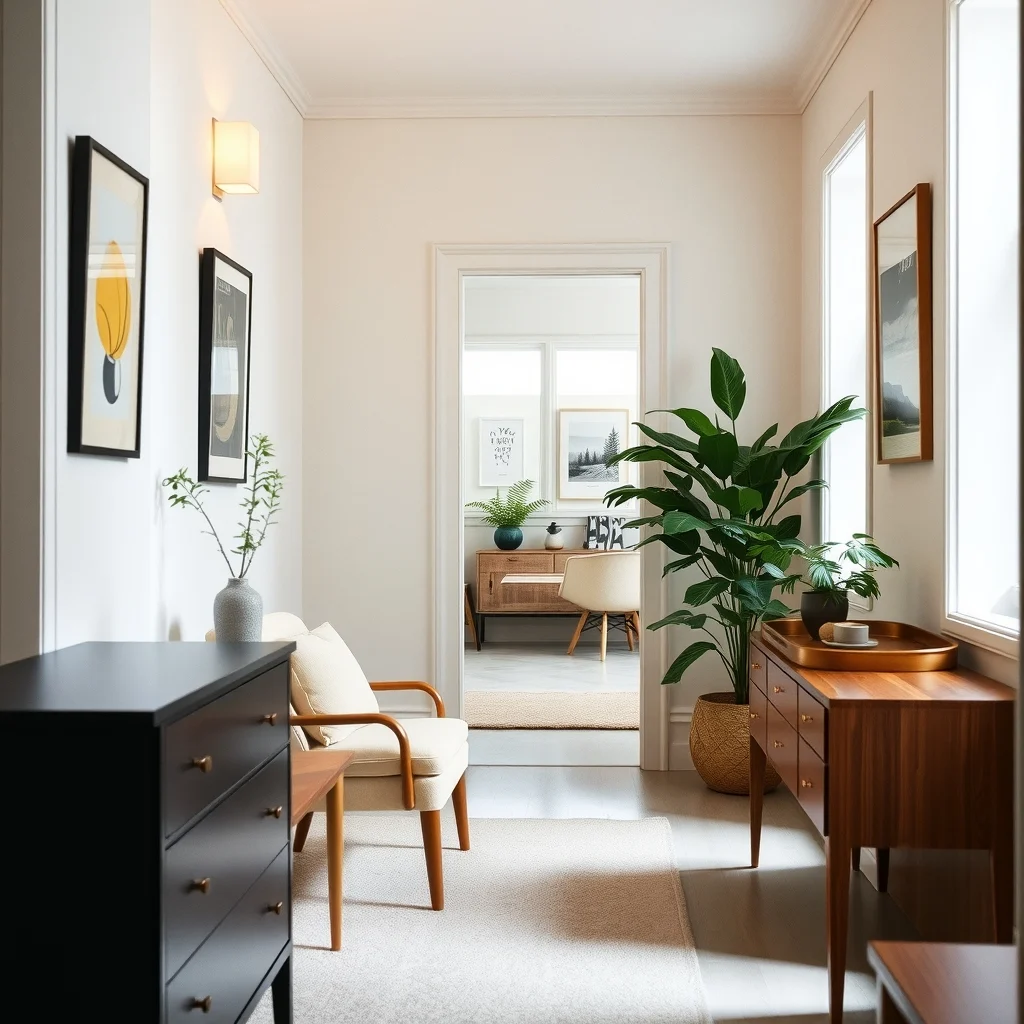
Sconces attach directly to the wall, freeing floor and tabletop space while delivering a steady, ambient glow. A pair of vintage‑style brass sconces flanking a hallway mirror can reflect light back into the passage, making narrow corridors feel more open. In a living area, a single sconce placed at eye level beside a bookshelf highlights decorative objects without flooding the entire room. The direction of the light matters: upward‑facing fixtures bounce illumination off the ceiling, creating a soft diffusion, whereas downward‑facing models spotlight specific zones. Materials such as smoked glass or woven bamboo add texture to the light itself, casting subtle patterns that enhance visual interest. Installation is straightforward, but it does involve wiring; if you’re uncomfortable with electrical work, enlist a qualified professional to ensure safety and compliance with local codes.
4. Use Mirrors and Reflective Surfaces to Multiply Light
© 2026 AI Illustrator — Inspiration Only
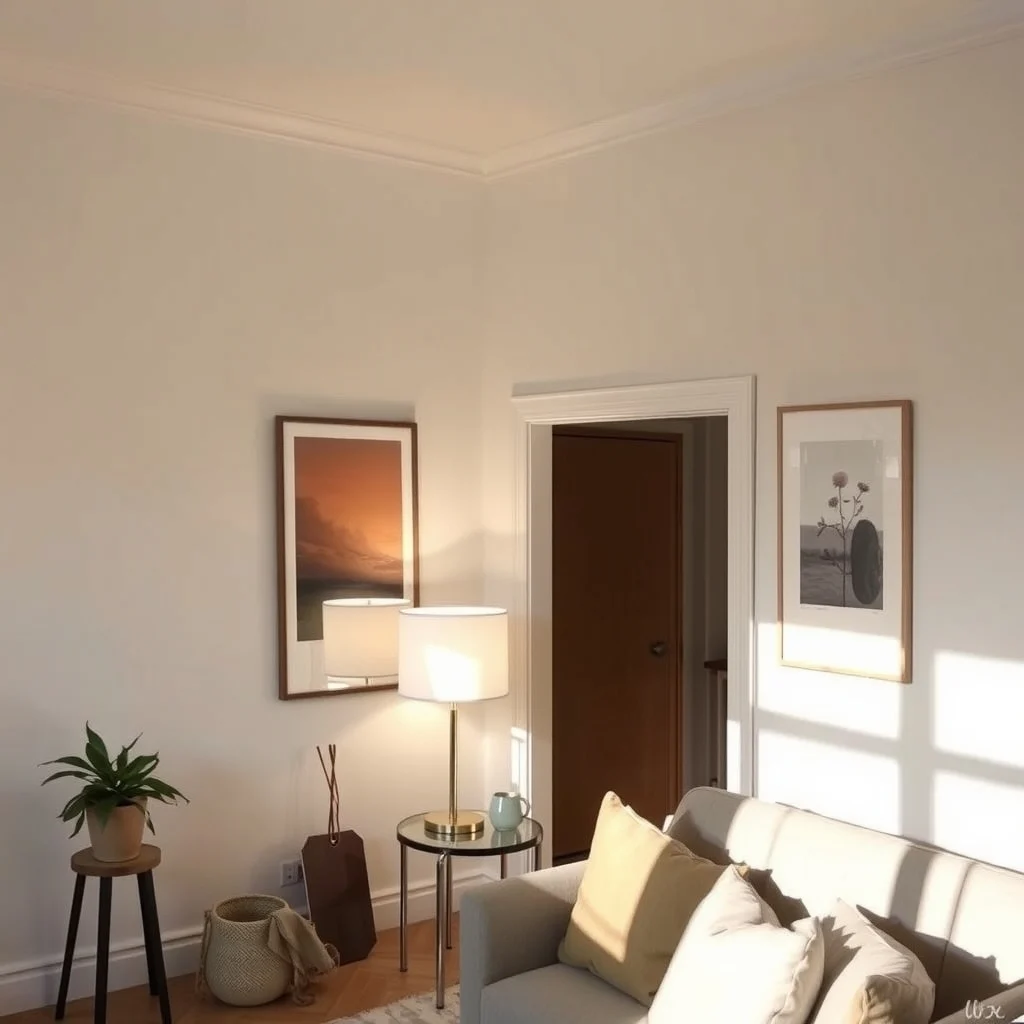
A well‑placed mirror can act as a silent partner to any lamp, sending light bouncing across the room and amplifying its reach. Position a large rectangular mirror opposite a floor lamp, and the reflected beam will fill the space behind it, reducing the need for additional fixtures. Decorative mirrors with beveled edges or metal frames also serve as artwork, adding a layer of style while performing a functional role. Beyond mirrors, glossy surfaces such as a lacquered coffee table, high‑gloss ceramic tiles, or a polished metal sideboard can catch and redirect light, brightening corners that might otherwise stay dim. When selecting reflective pieces, keep the overall aesthetic in mind; a sleek chrome coffee table complements a modern loft, while a framed gilt mirror fits a more classic setting. The trade‑off is that overly reflective surfaces can create glare if positioned directly in front of a strong light source, so experiment with angles until the bounce feels gentle.
5. Introduce LED Strip Lighting for Subtle Accents
© 2026 AI Illustrator — Inspiration Only
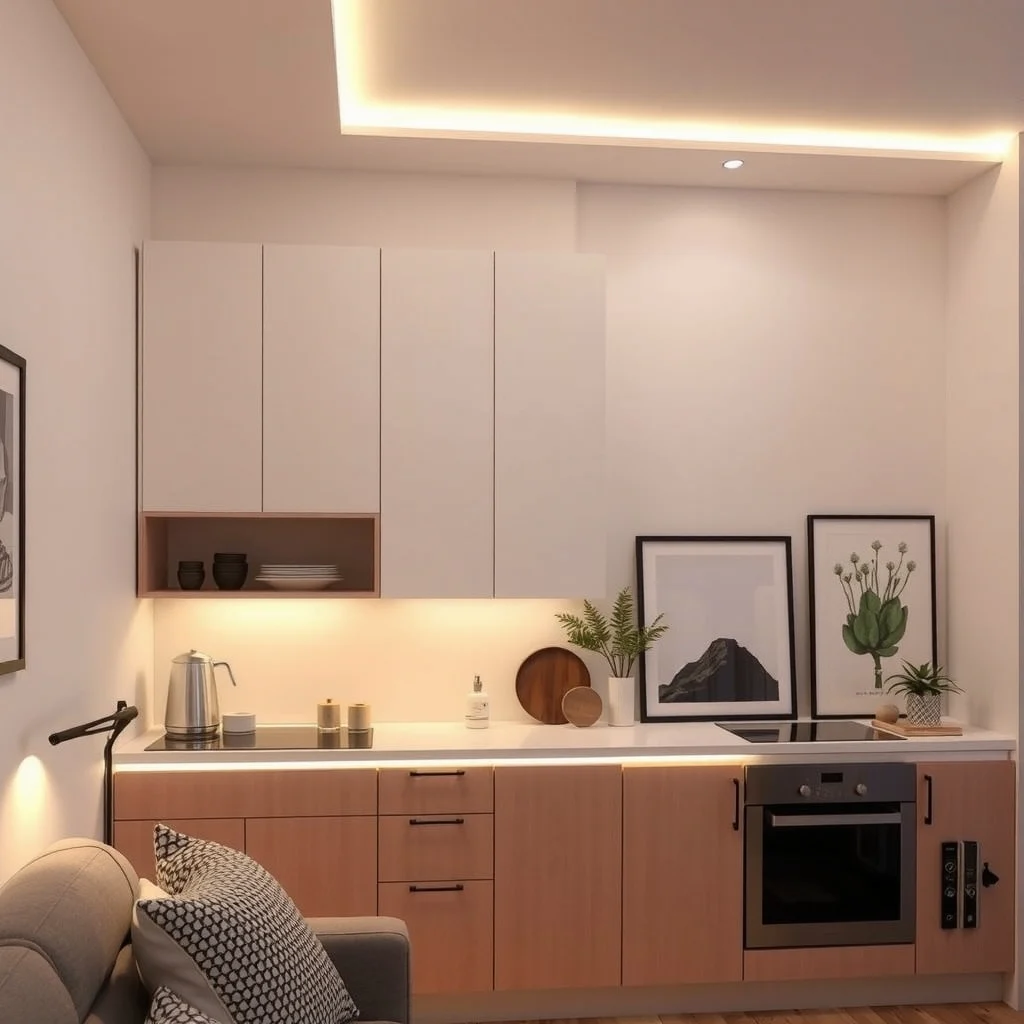
LED strips have become a versatile option for adding low‑profile illumination along architectural lines. Installing a thin line of warm‑white LEDs beneath kitchen cabinets provides task lighting without exposing a bulky fixture. In a living room, a hidden strip along the back edge of a bookshelf creates a halo effect that highlights books while casting a soft wash across the wall. Because the strips are flexible, they can follow the curve of a crown molding or outline a recessed niche, turning structural details into light‑catching features. Most strips come with adhesive backing, making installation a weekend DIY project, yet it is wise to choose products with a reputable safety rating and, when necessary, to route the wiring through a conduit for a clean finish. The main limitation is that strip lighting is best suited for accent rather than primary illumination; pairing it with floor or table lamps ensures the room remains functional for everyday tasks.
6. Leverage Natural Light with Smart Window Treatments
© 2026 AI Illustrator — Inspiration Only
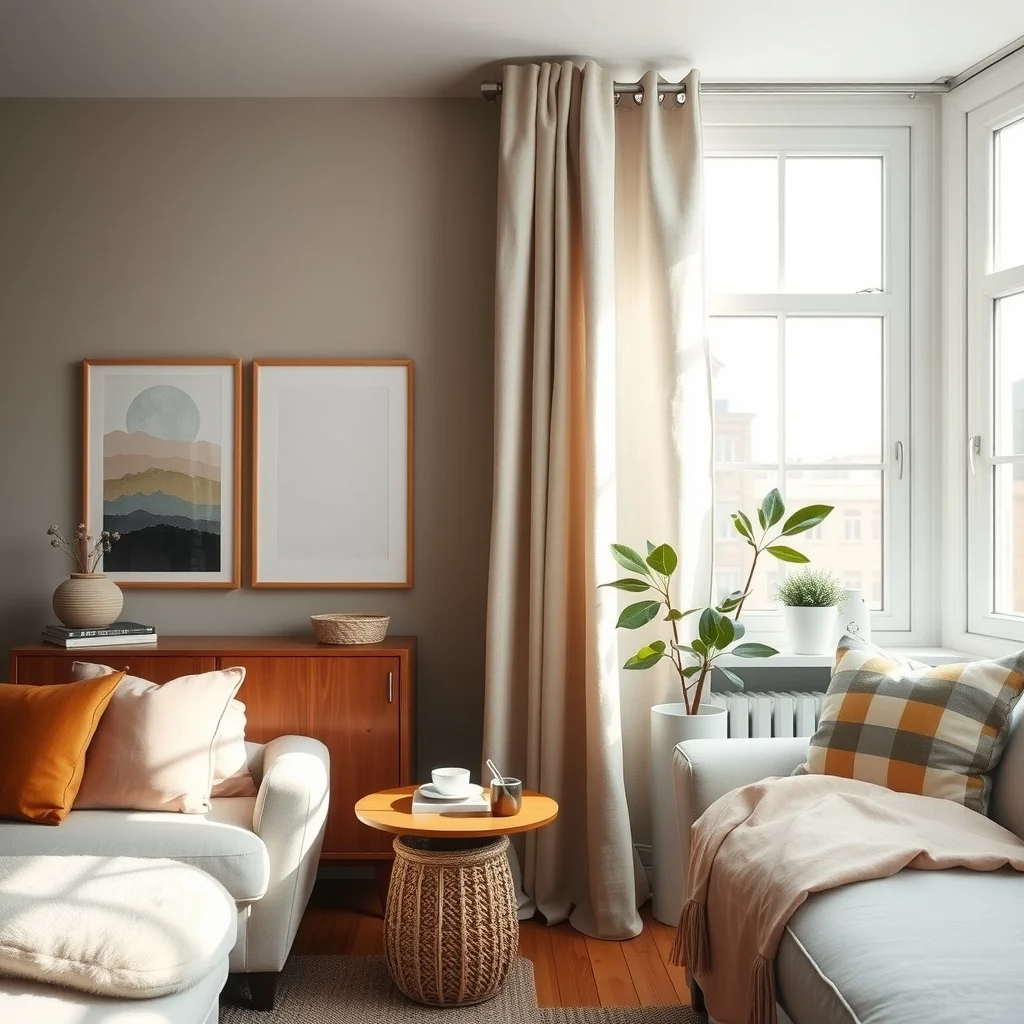
Even when the ceiling light is out of the picture, daylight remains a powerful ally. Light‑filtering linen curtains in a soft dove hue allow sunlight to filter gently, brightening the space while preserving privacy. For rooms that receive strong afternoon sun, a combination of sheer panels and heavier drapes lets you modulate the intensity throughout the day. In a studio apartment, placing a tall plant near a window not only adds greenery but also diffuses incoming light, creating a more even glow across the floor. When the sun sets, the same curtains can be drawn to keep the room cozy without relying on harsh artificial sources. The challenge lies in balancing heat gain and loss; heavier fabrics can trap warmth in summer, so consider a lightweight alternative for warmer climates.
7. Combine Multiple Light Sources for a Cohesive Scheme
© 2026 AI Illustrator — Inspiration Only
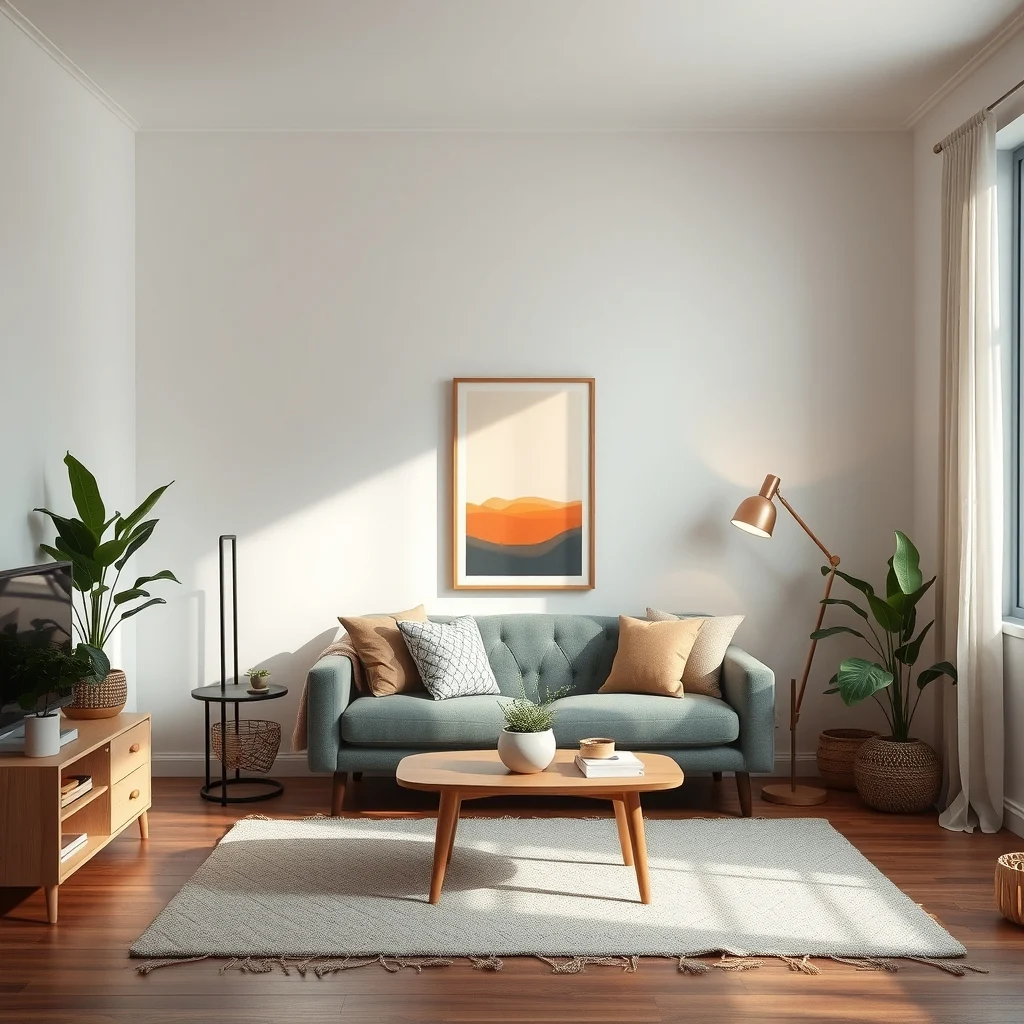
The most resilient lighting strategy avoids dependence on a single fixture. By blending floor lamps, table lamps, sconces, and accent strips, you create layers that can be adjusted individually to suit different activities. For example, a reading corner might feature a floor lamp for ambient light, a table lamp for task illumination, and a small sconce that adds a decorative touch without overwhelming the space. This approach also offers redundancy; if one bulb fails, the others continue to provide sufficient light. When planning the mix, keep the color temperature consistent—warm amber tones for a relaxed atmosphere or cool daylight for a more energetic vibe—to ensure the sources complement rather than clash. A practical tip is to map the room’s zones on paper, then assign a primary light source to each zone, adding secondary fixtures where shadows appear. The trade‑off is that coordinating multiple pieces can be more costly than a single ceiling fixture, but the flexibility and aesthetic payoff often outweigh the expense.
FAQ
© 2026 AI Illustrator — Inspiration Only
Can I rely solely on floor lamps for a whole‑room lighting plan?
Floor lamps can provide substantial illumination, especially when placed strategically, but they may leave corners dim. Complementing them with table lamps or wall sconces ensures even coverage.
How do I choose the right bulb temperature for different rooms?
Warm tones (around 2700‑3000 K) create a cozy feel in living and bedroom areas, while cooler tones (4000‑5000 K) enhance concentration in workspaces or kitchens.
Is it safe to install LED strips myself?
Yes, if the strips have a UL or CE rating and you follow the manufacturer’s wiring instructions. For any hard‑wired connections, hiring a licensed electrician is recommended.
What’s the best way to avoid glare from reflective surfaces?
Position mirrors and glossy furniture so they reflect indirect light rather than a direct lamp beam. Slightly angling the reflective piece can soften the bounce.
Do blackout curtains affect daytime lighting?
Blackout curtains block most natural light when closed, but they can be paired with sheer liners that allow diffused daylight while maintaining privacy.
Final Thoughts
© 2026 AI Illustrator — Inspiration Only
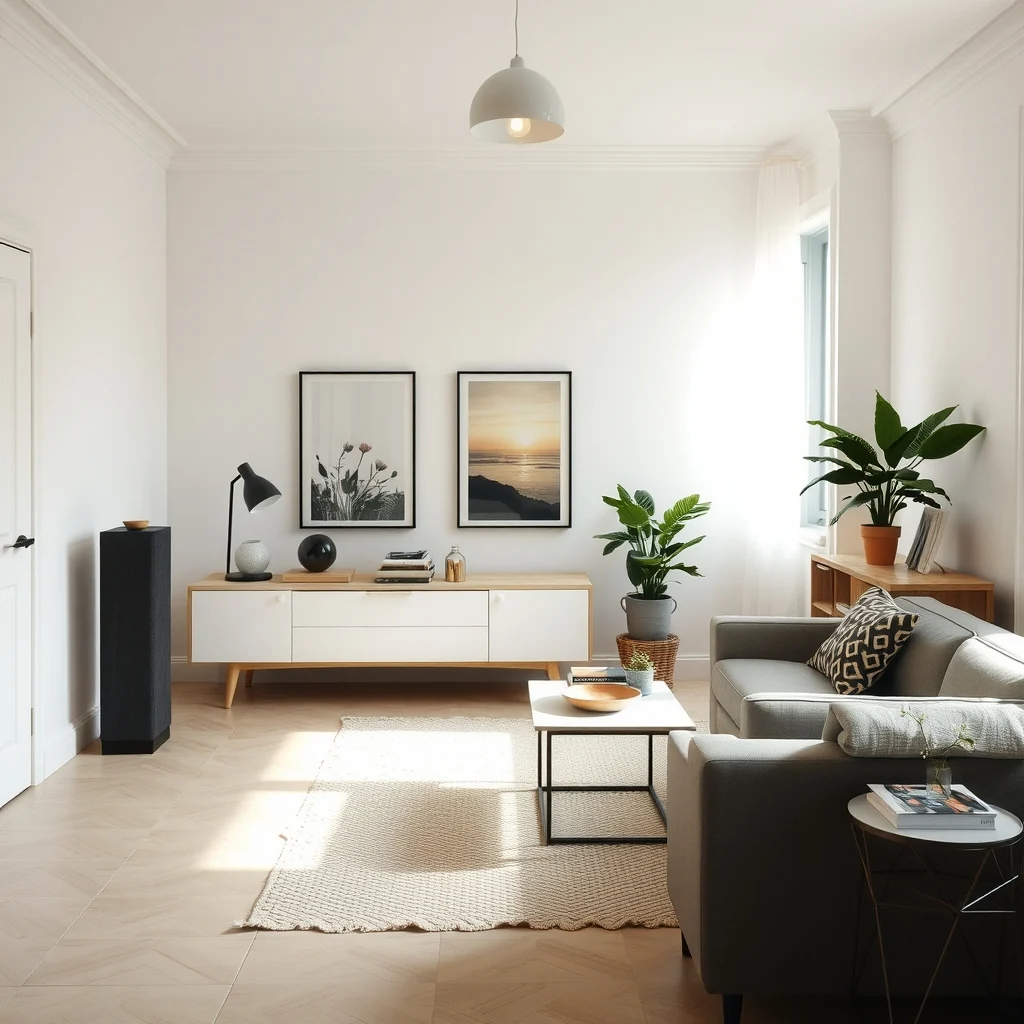
Lighting an apartment without a central ceiling fixture is an invitation to think creatively about how light interacts with surfaces, furniture, and daily routines. By selecting the right mix of floor and table lamps, adding wall‑mounted sconces, employing mirrors, and integrating subtle LED accents, you can craft a layered illumination plan that feels intentional and adaptable. Remember that each choice carries its own set of benefits and constraints, so test placements, consider the room’s function, and adjust as your needs evolve. With thoughtful layering, your apartment will feel bright, welcoming, and uniquely yours—no main ceiling light required.