
Walking into a new apartment often feels like stepping into a blank canvas. The walls, furniture, and accessories each have their own personality, but the lighting can either bring them together or pull them apart. A mismatched bulb can make a warm beige sofa feel cold, or turn a soft gray bedroom into a sterile space. This guide walks you through the decisions that shape a cohesive glow, from the first look at natural light to the final tweak of a smart dimmer. By the end, you’ll have a clear roadmap for selecting bulb colors that respect your palette, enhance each room’s function, and keep the overall feel of your home harmonious.
1. Start with the natural light and existing color palette
© 2026 AI Illustrator — Inspiration Only
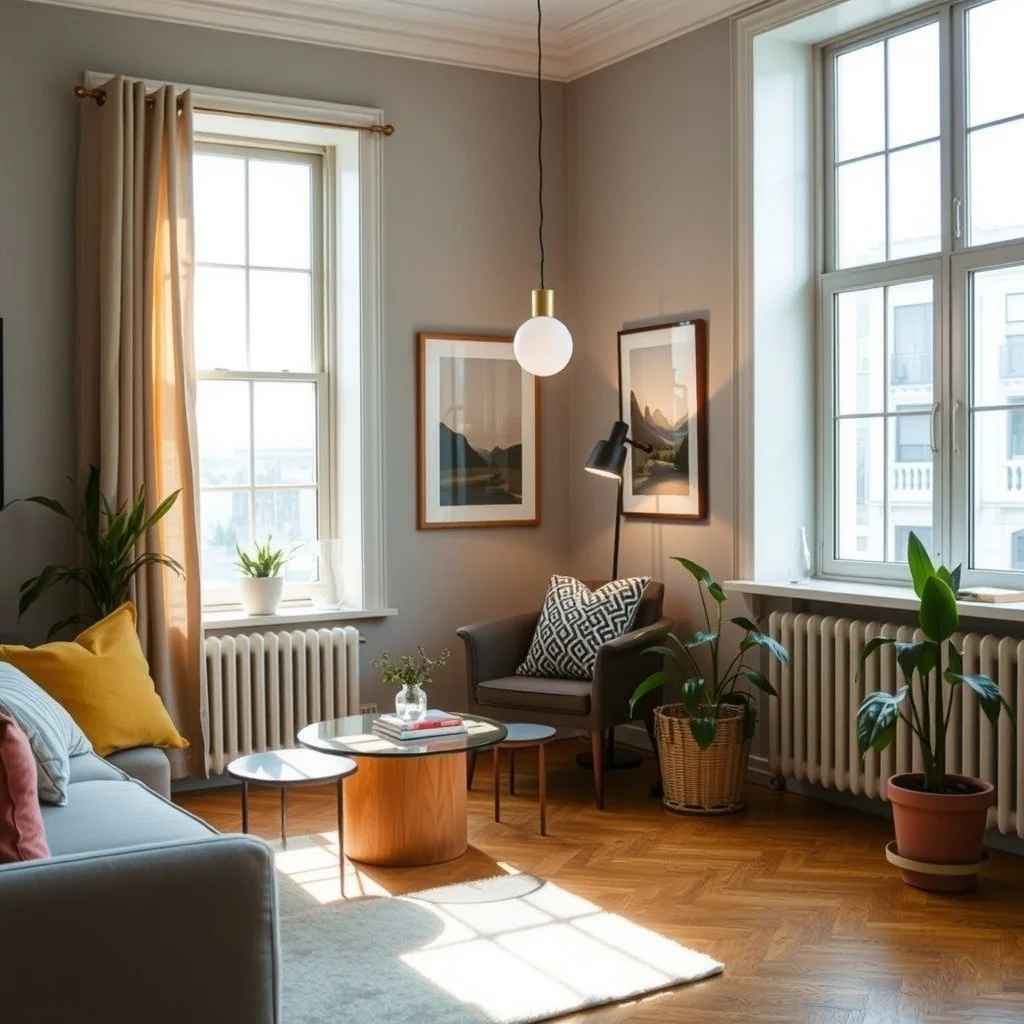
The first clue about what bulb color will work lies in the daylight that pours through your windows. South‑facing rooms receive a golden, amber‑tinged light in the afternoon, while north‑facing spaces are bathed in cooler, bluish daylight. Take note of how the walls look at different times of day; a warm‑toned paint may appear neutral under cool daylight but shift toward pink under evening light. This observation helps you decide whether you need to counterbalance the natural light or reinforce it. If a room already leans toward warm hues, a bulb with a slightly cooler temperature can prevent the space from feeling overly saturated. Conversely, a room dominated by cool blues may benefit from a warm‑white bulb that adds a touch of comfort without clashing with the existing palette.
What’s Your Apartment Decor Style?
Answer these quick questions to discover your perfect decor vibe.
2. Pick a primary color temperature that will run through the whole apartment
© 2026 AI Illustrator — Inspiration Only
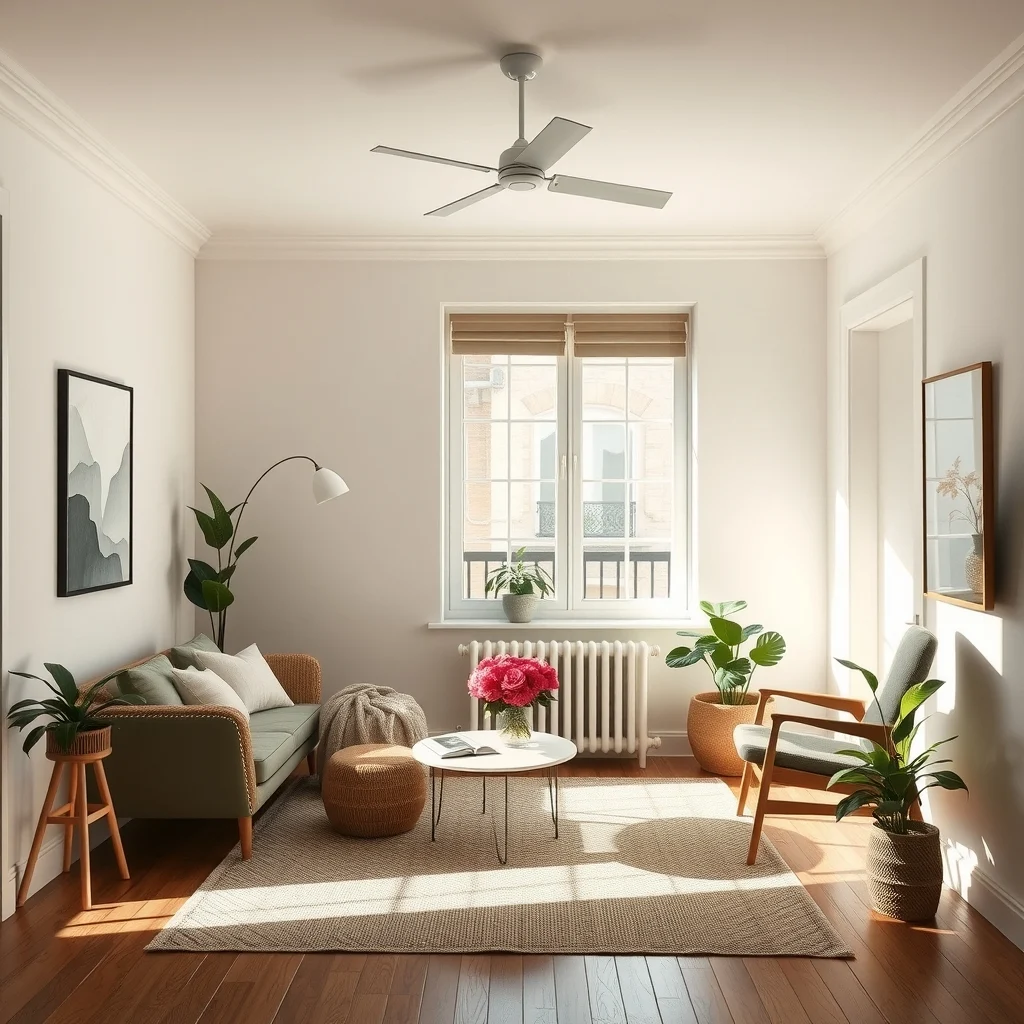
Consistency does not mean every fixture must emit the exact same shade of white, but it does mean establishing a baseline temperature that ties the rooms together. Most designers recommend staying within a 2,700 K to 3,500 K range for a warm, inviting feel, or 3,500 K to 4,500 K for a cleaner, more contemporary vibe. Choosing a primary temperature gives you a reference point when selecting bulbs for individual spaces. For example, if you settle on 3,000 K, a kitchen pendant can be a touch cooler at 3,200 K to highlight countertops, while a bedroom lamp at 2,800 K adds a gentle coziness. Sticking to a narrow temperature band prevents the jarring effect of moving from a soft amber glow in the living room to a stark, blue‑white light in the hallway.
3. Align bulb color with wall paint and major furnishings
© 2026 AI Illustrator — Inspiration Only
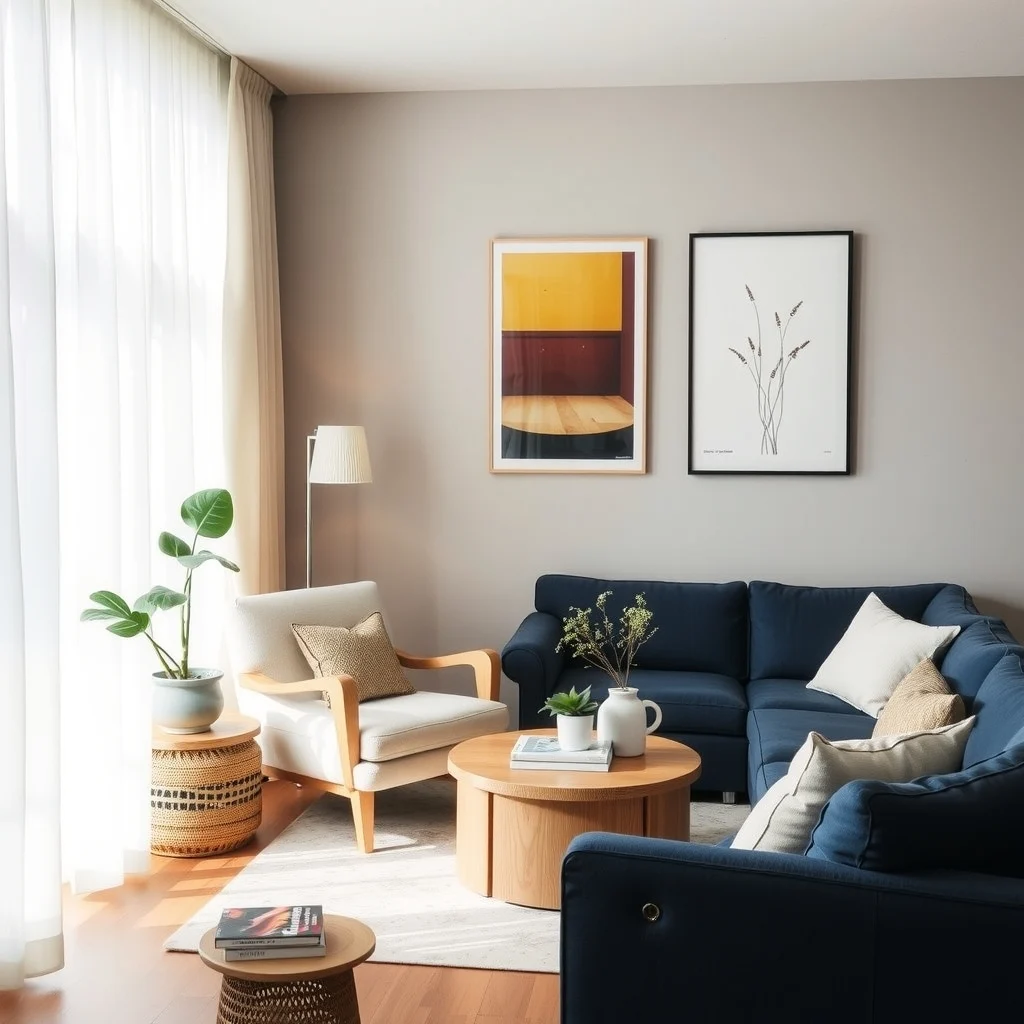
The relationship between light and surface is a two‑way street. A deep navy sofa will absorb more light than a light linen armchair, making the surrounding area feel darker. If your living room features a charcoal accent wall, a bulb that leans toward the cooler side of your chosen temperature will help the wall retain its richness without turning it matte. In a bedroom painted in soft sage, a warm‑white bulb can accentuate the subtle green without pushing it toward gray. When you pair the bulb’s hue with the dominant colors of your furniture, the room’s overall tone becomes more balanced, and the lighting feels intentional rather than accidental.
4. Layer lighting while preserving the unified hue
© 2026 AI Illustrator — Inspiration Only
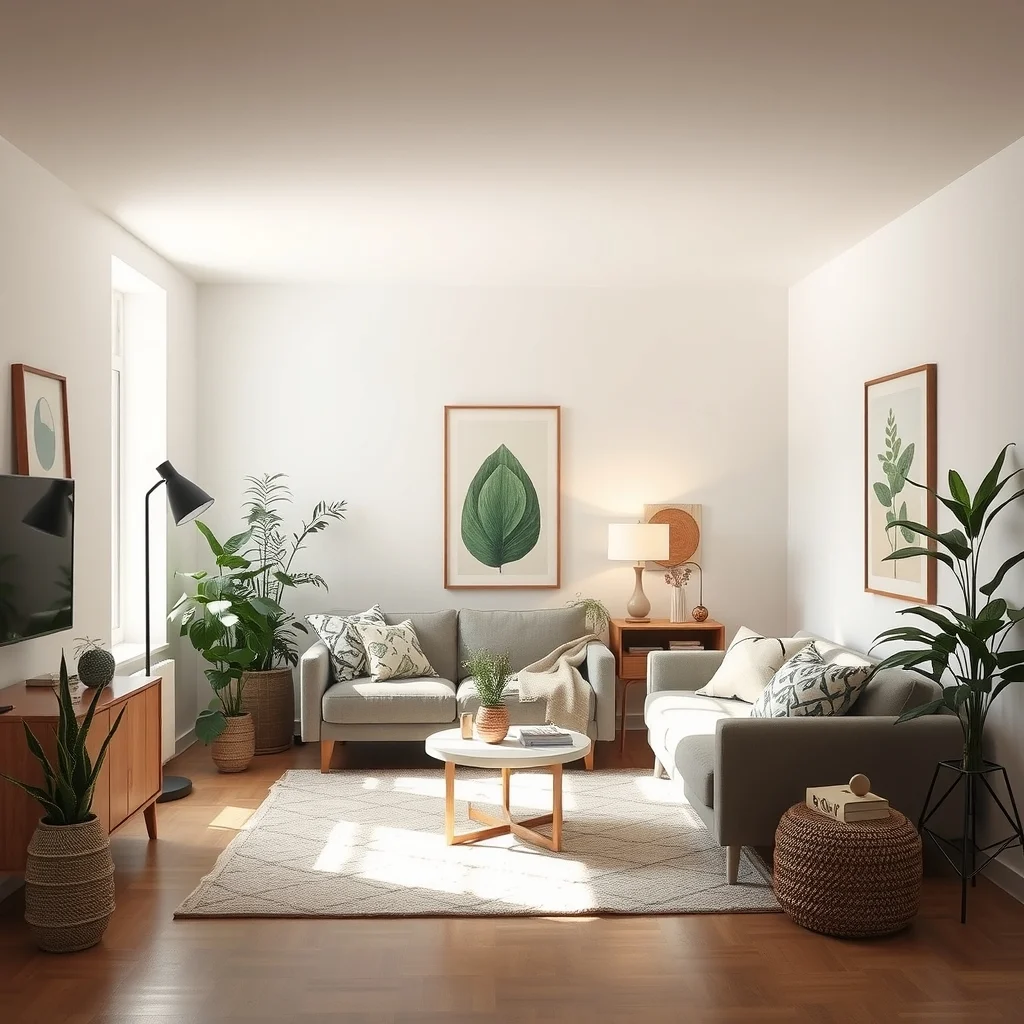
Even in a single room, different tasks call for varied light sources—overhead fixtures, floor lamps, and table lamps. The key is to keep each source within the same temperature family while varying intensity. An overhead LED that emits 3,100 K can be complemented by a floor lamp at 3,000 K and a bedside table lamp at 2,900 K. The slight differences are barely perceptible, yet they allow you to create zones of brighter light for reading and softer pools of light for relaxing. By layering in this way, you avoid the visual dissonance that occurs when a bright, cool work lamp sits next to a warm, dim accent light.
5. Use dimmers and smart controls to adapt the mood throughout the day
© 2026 AI Illustrator — Inspiration Only
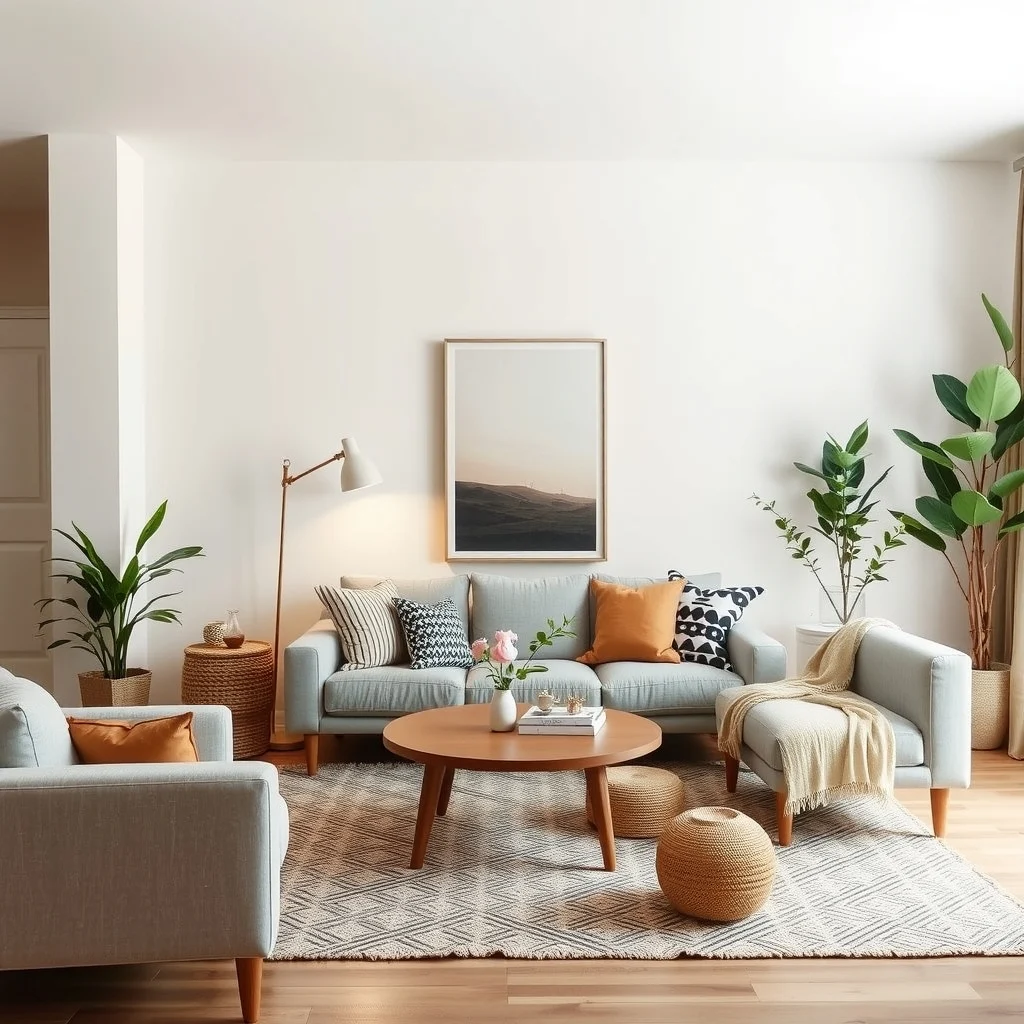
Modern dimmers do more than lower brightness; many also allow you to shift the color temperature slightly. Setting a schedule so that the living room lights warm up in the evening and cool down in the morning can mirror the natural progression of daylight, reinforcing a sense of rhythm in the apartment. Smart bulbs let you experiment without swapping hardware—simply adjust the temperature a few degrees to see how a wall color reacts. This flexibility is especially useful in open‑plan spaces where the same light must serve both a dining area and a lounge. By fine‑tuning the temperature rather than replacing fixtures, you maintain visual continuity while adapting to daily activities.
6. Choose fixtures that complement the bulb’s hue
© 2026 AI Illustrator — Inspiration Only
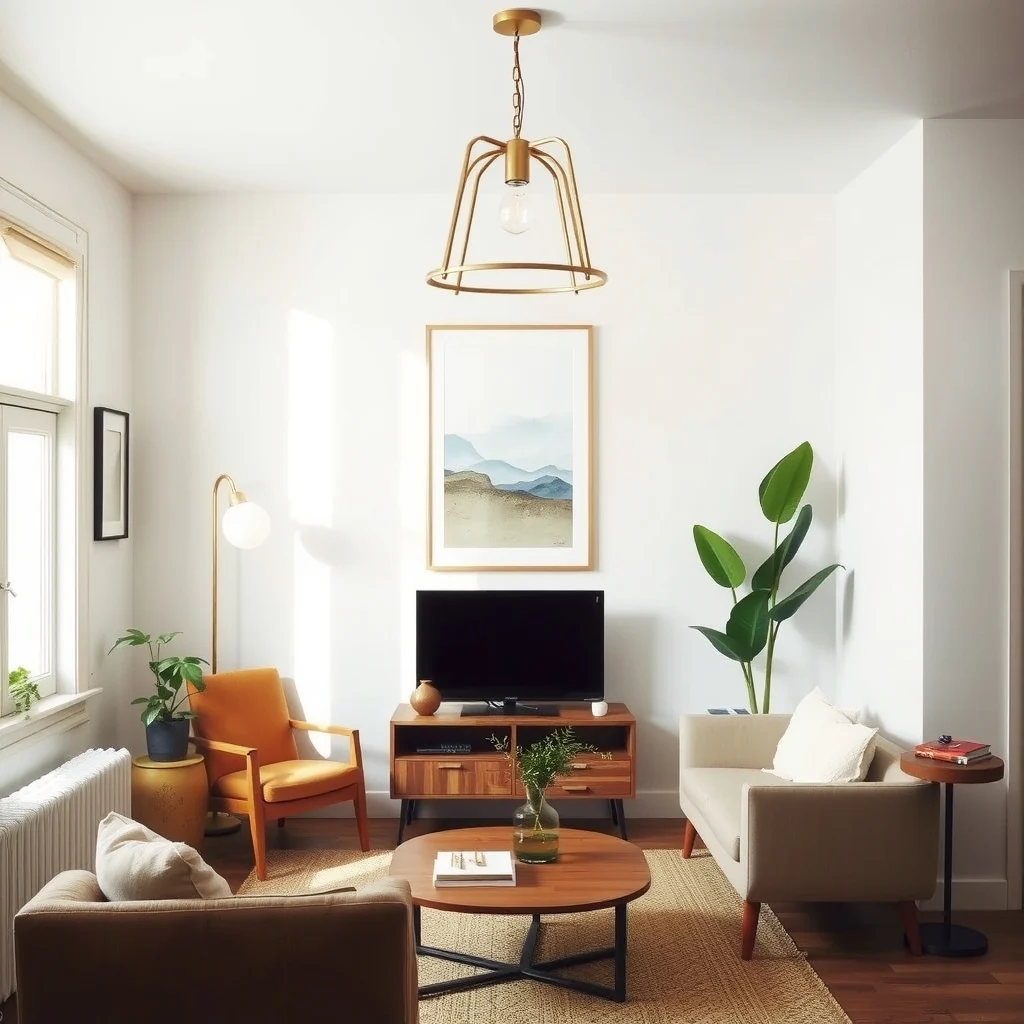
Even the most perfectly matched bulb can look out of place if the fixture’s material clashes with the light’s tone. A brushed brass chandelier paired with a cool‑white bulb can create a cold, industrial feel, whereas the same fixture with a warm‑white bulb brings out the metal’s subtle warmth. In rooms where you favor a minimalist aesthetic, matte black or white fixtures work well with both warm and cool temperatures because they do not reflect color. If you have a vintage-inspired lamp with a frosted glass shade, a warmer bulb will enhance the nostalgic glow, while a cooler bulb may make the glass appear stark. Selecting fixtures that echo the intended mood ensures the light feels cohesive from the moment it is switched on.
7. Address special spaces without breaking the overall harmony
© 2026 AI Illustrator — Inspiration Only
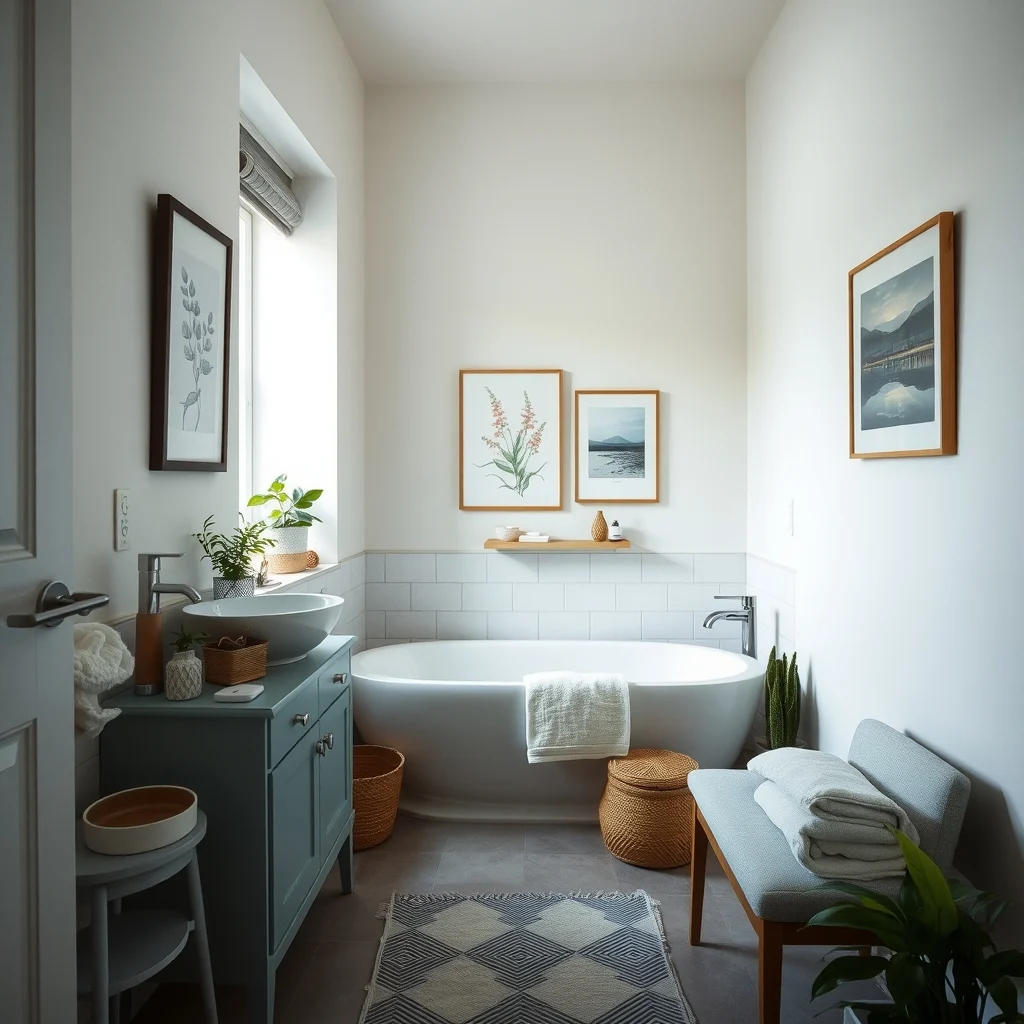
Bathrooms, kitchens, and home offices often demand different lighting characteristics, but they can still fit within the apartment’s unified palette. In a bathroom, a slightly cooler bulb (around 3,500 K) helps with tasks like shaving or makeup application, yet keeping it within the same temperature band as the rest of the home prevents the space from feeling isolated. Kitchen work lights benefit from a crisp, neutral white that reveals true food colors; choosing a bulb at the higher end of your temperature range satisfies this need while staying close to the living‑room tone. For a home office, a neutral white that reduces eye strain works best, and because the office is usually a smaller zone, the subtle shift is hardly noticeable in the larger flow of light throughout the apartment.
FAQ
© 2026 AI Illustrator — Inspiration Only
What color temperature should I use for a small studio apartment?
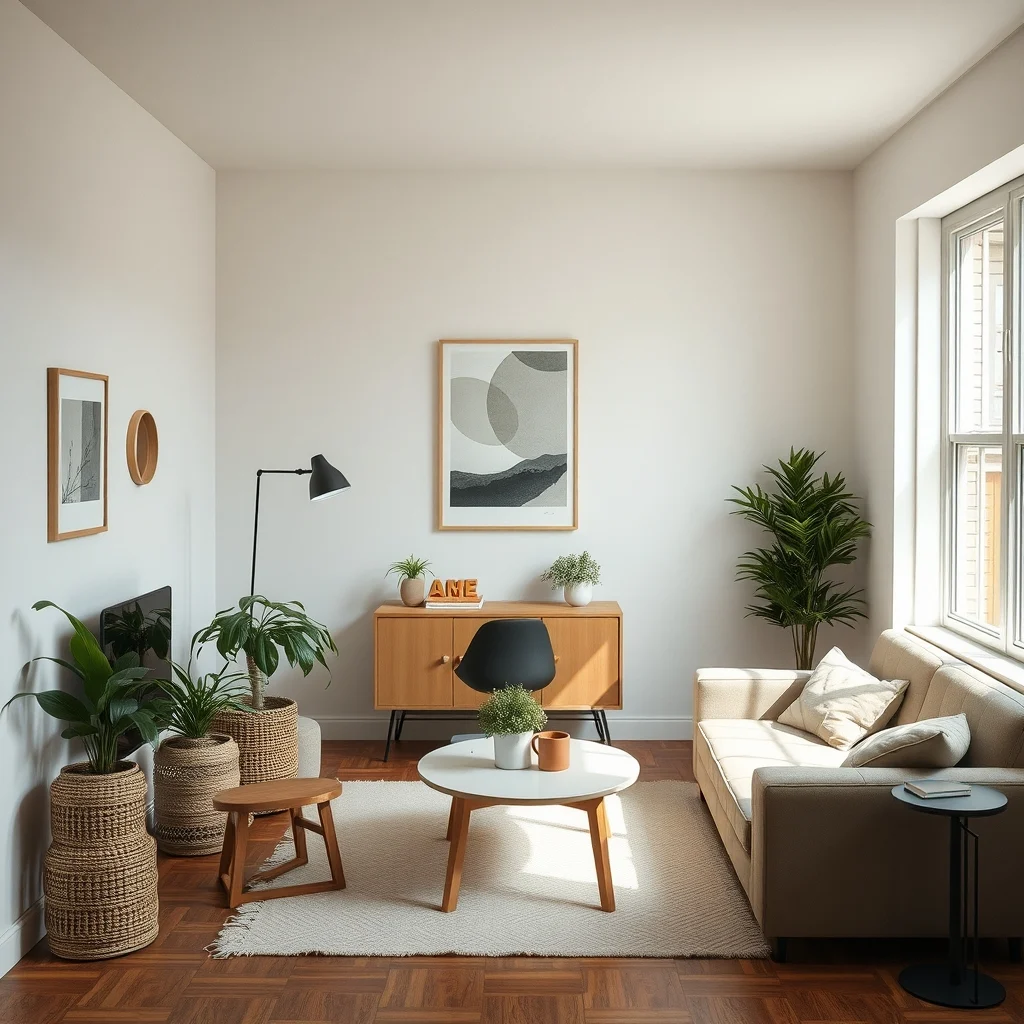
A small studio works well with a warm‑white range of 2,800 K to 3,200 K, as the softer light can make the space feel more intimate without overwhelming it.
Can I mix LED and incandescent bulbs and still keep a consistent look?
Yes, as long as both types are selected to emit the same color temperature. LED bulbs often have tighter tolerances, so choose an LED that matches the incandescent’s Kelvin rating.
Do dimmer switches affect the color temperature of LED bulbs?
Some dimmers can shift the hue toward a cooler tone when dimmed. Using a dimmer specifically designed for LEDs or a smart bulb with built‑in temperature control avoids unexpected color changes.
Is it okay to use a cooler bulb in a bedroom?
Cooler bulbs can be used in a bedroom if you keep the temperature within the same overall range you’ve set for the rest of the home, but a slightly warmer shade is generally more conducive to relaxation.
How do I prevent glare on a TV screen from ceiling lights?
Position the light source at least a few feet away from the screen and select a bulb with a diffuser or a lower intensity setting; keeping the temperature consistent with the room’s overall hue maintains visual harmony.
Final Thoughts
© 2026 AI Illustrator — Inspiration Only
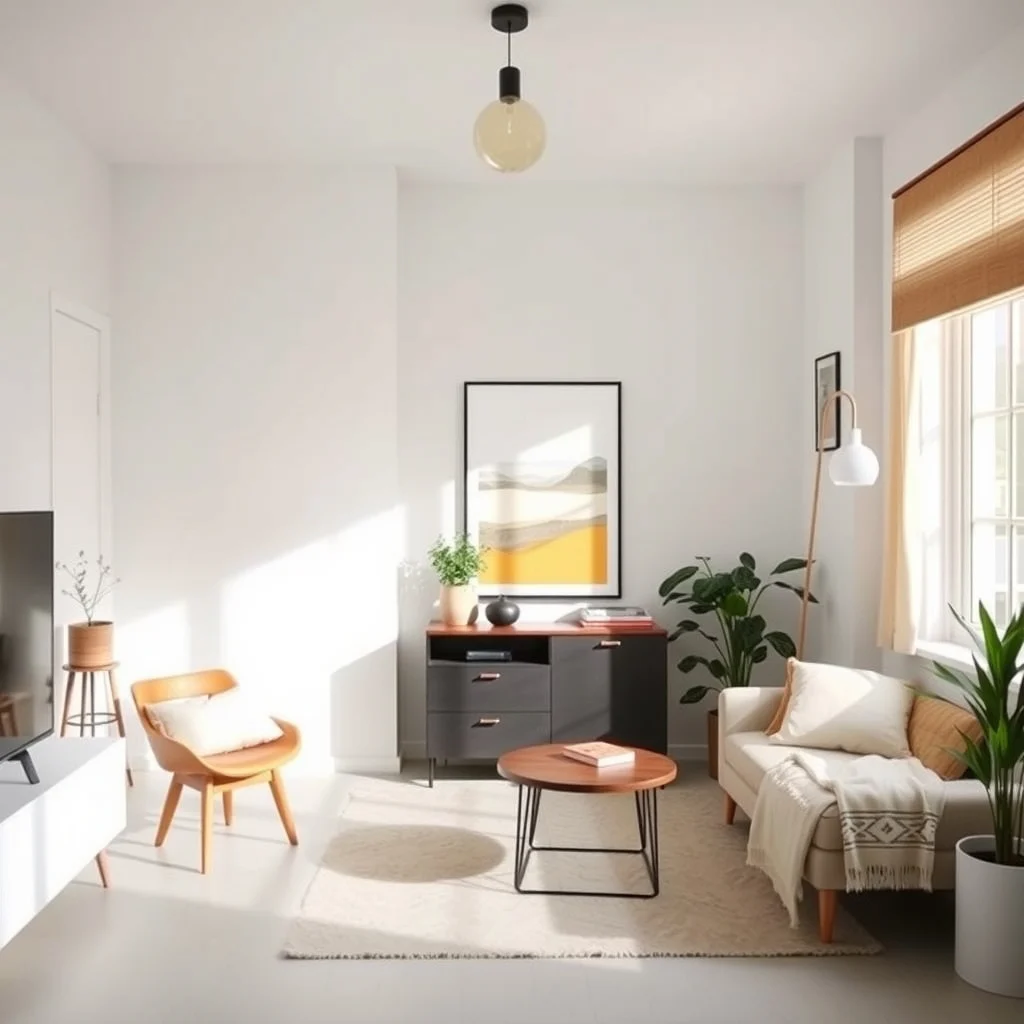
Choosing light bulb colors is less about chasing the latest trend and more about listening to the way light interacts with your walls, furniture, and daily routines. By starting with the natural light, setting a primary temperature, aligning bulbs with existing colors, layering sources thoughtfully, leveraging dimmers, pairing fixtures wisely, and tailoring special spaces, you create an apartment that feels unified from sunrise to nightfall. The result is a home where every room shares a quiet conversation of light, making the space feel both purposeful and welcoming.