
Living in a compact apartment often means every square foot counts, especially when it comes to lighting. A single overhead fixture can leave corners in shadow, while too many lamps can feel cluttered. The key is to let table lamps and floor lamps work together as a cohesive pair rather than as isolated pieces. In the following sections you’ll discover practical ways to arrange, size, and style these lights so they brighten the room without overwhelming it.
1. Create a lighting hierarchy that starts with a floor lamp
© 2026 AI Illustrator — Inspiration Only
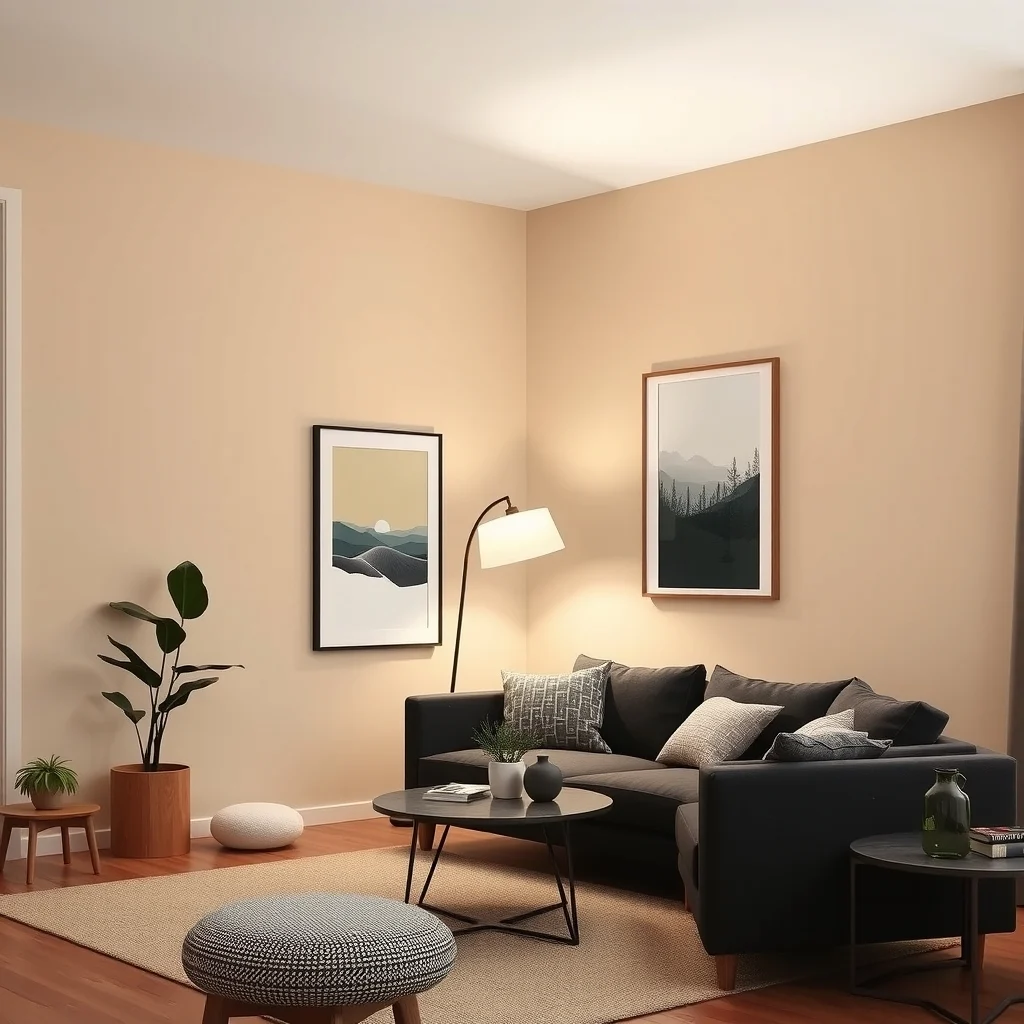
When you walk into a modest living area, the first impression is shaped by the strongest source of light. A floor lamp placed near a sofa or a reading nook instantly defines the room’s focal point. Choose a model with a simple silhouette—perhaps a brushed‑brass tripod or a sleek cylindrical shade—so it doesn’t dominate the space. Once the floor lamp establishes the primary glow, a table lamp can be added on an adjacent side table to soften the edges. The table lamp’s lower profile fills in the corners that the floor lamp’s reach can’t touch, creating a gentle transition from bright to ambient. This layering prevents harsh shadows and makes the room feel balanced. The takeaway is simple: let the floor lamp lead, then use the table lamp to refine the light.
What’s Your Apartment Decor Style?
Answer these quick questions to discover your perfect decor vibe.
2. Match lamp heights to surrounding furniture for visual harmony
© 2026 AI Illustrator — Inspiration Only
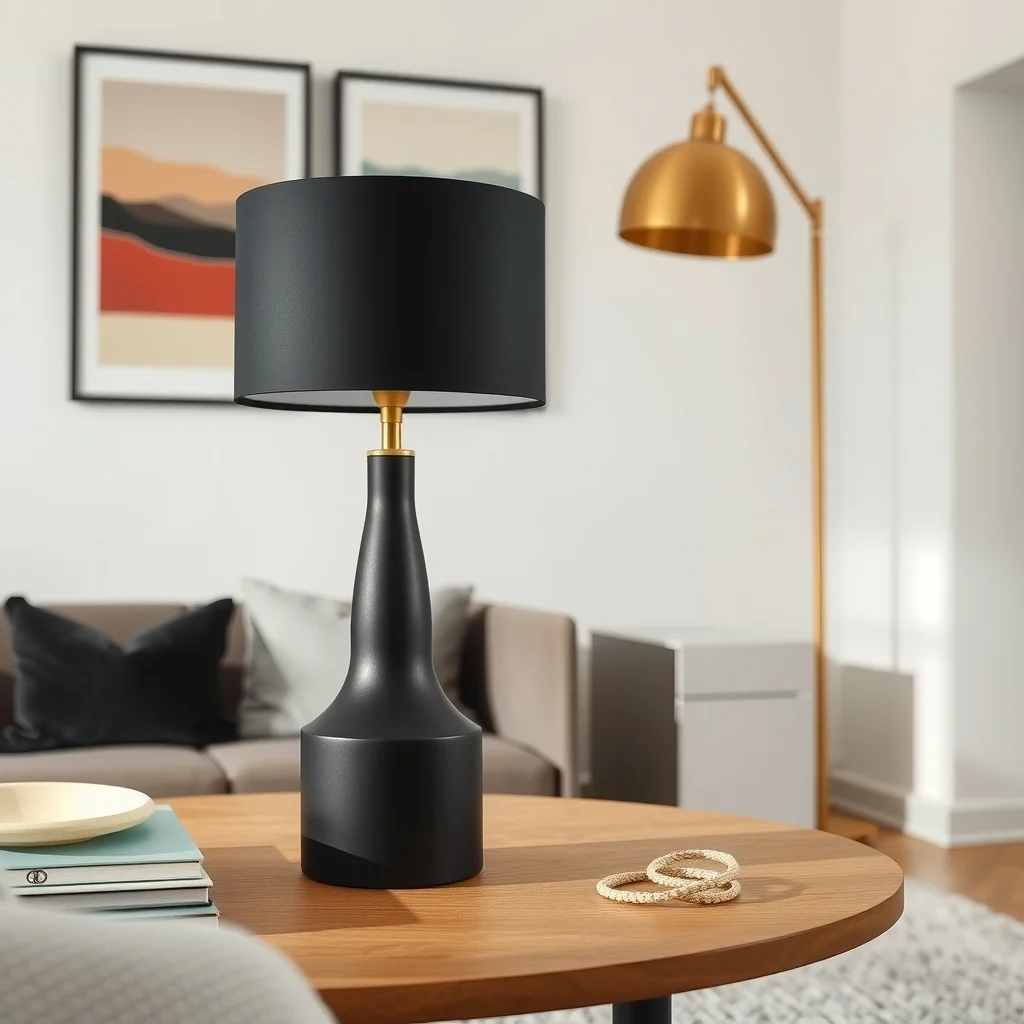
Proportion matters as much as brightness. A floor lamp that towers over a low‑profile sofa will draw the eye upward, making the seating area feel dwarfed. Conversely, a lamp that barely clears a coffee table can look lost. Aim for a floor lamp whose height sits roughly two to three inches above the back of the sofa, while a table lamp should be about the same height as the arm of the chair it rests beside. This alignment creates a visual line that guides the eye across the room rather than chopping it. When you pair a mid‑century‑style table lamp with a slender, arched floor lamp, the differing silhouettes complement each other while maintaining a consistent scale. If ceiling height is limited, consider a floor lamp with an adjustable head to fine‑tune the light angle without sacrificing proportion.
3. Layer ambient and task lighting for functional flexibility
© 2026 AI Illustrator — Inspiration Only
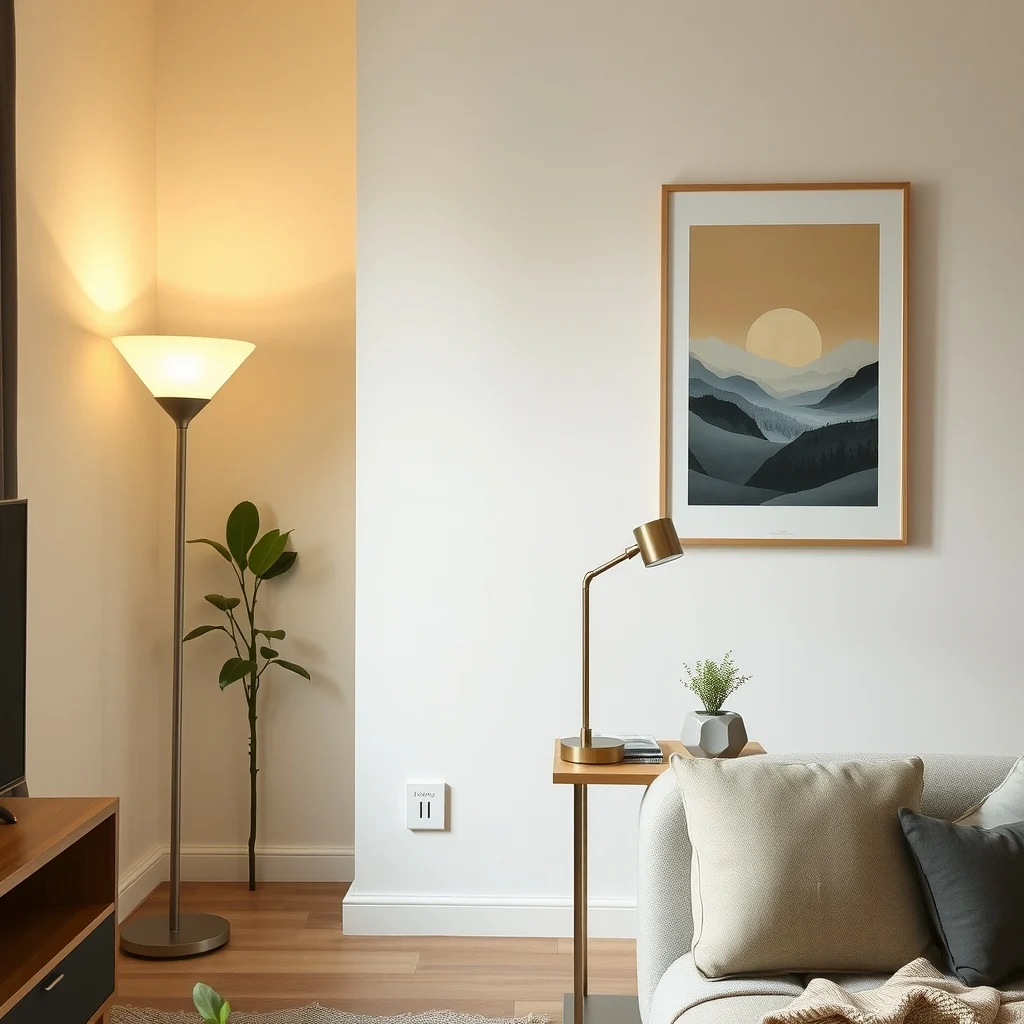
In a small apartment you often shift from watching TV to reading a book without changing the whole lighting scheme. A floor lamp equipped with a dimmer offers a soft wash of ambient light that can be lowered for movie night. Adding a table lamp with a focused shade—such as a linen drum or a glass globe—creates a task zone for reading or working on a laptop. Because the two sources operate independently, you can brighten the table lamp while keeping the floor lamp at a lower level, or vice versa. This flexibility reduces eye strain and prevents the need for a separate desk lamp that would occupy valuable floor space. The practical result is a room that adapts to different activities without adding extra fixtures.
4. Coordinate finishes and materials to unify the look
© 2026 AI Illustrator — Inspiration Only
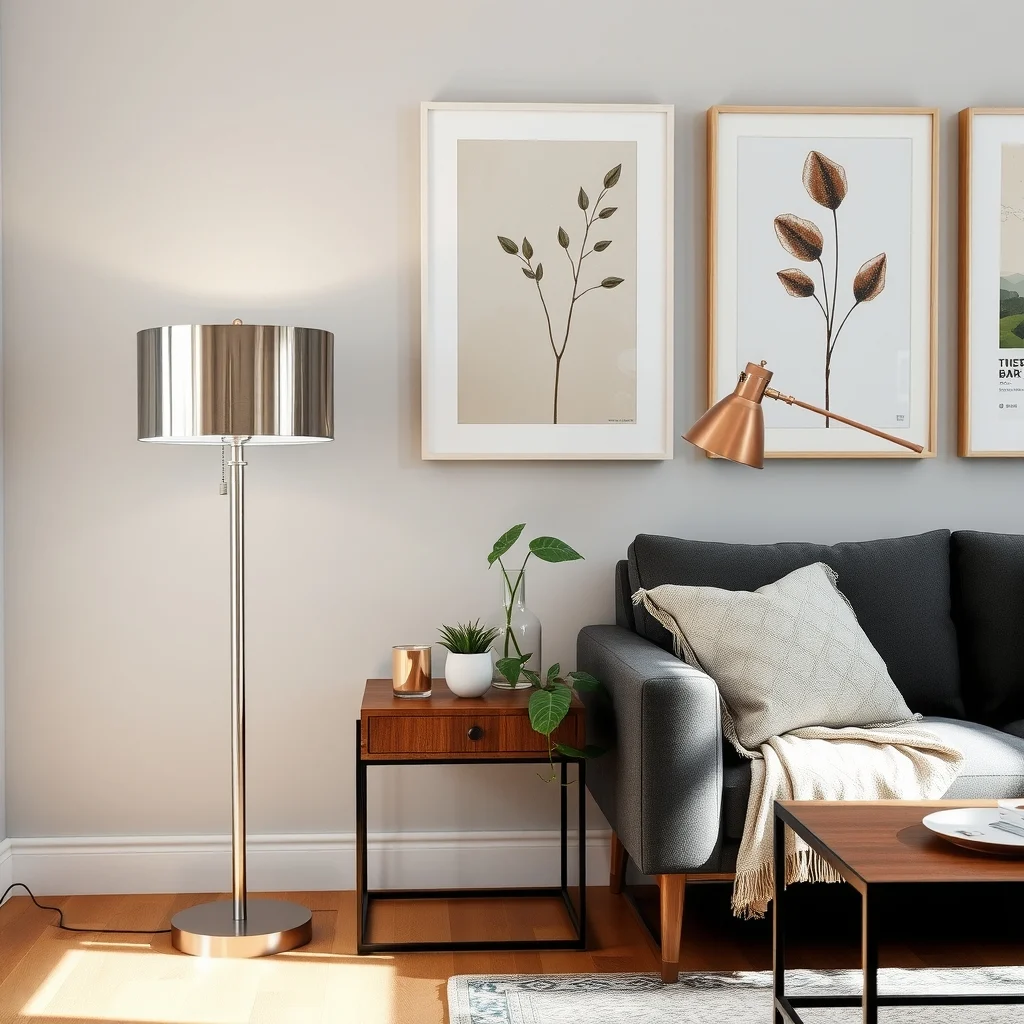
Even the most functional lighting arrangement benefits from a sense of style. When the floor lamp’s base is metal, choose a table lamp with a metal accent—perhaps a brushed‑nickel knob or a copper stem—to echo that material. If you prefer a softer aesthetic, a wooden floor lamp in light oak can pair nicely with a ceramic table lamp in a muted terracotta shade. Consistency in finish ties the two pieces together, making the ensemble feel intentional rather than assembled on the fly. That said, a subtle contrast can add interest; a matte black floor lamp beside a warm brass table lamp creates depth while still feeling cohesive. The goal is to pick at least one common element—color, texture, or metal—to keep the visual narrative clear.
5. Use corners and hidden spots to maximize floor space
© 2026 AI Illustrator — Inspiration Only
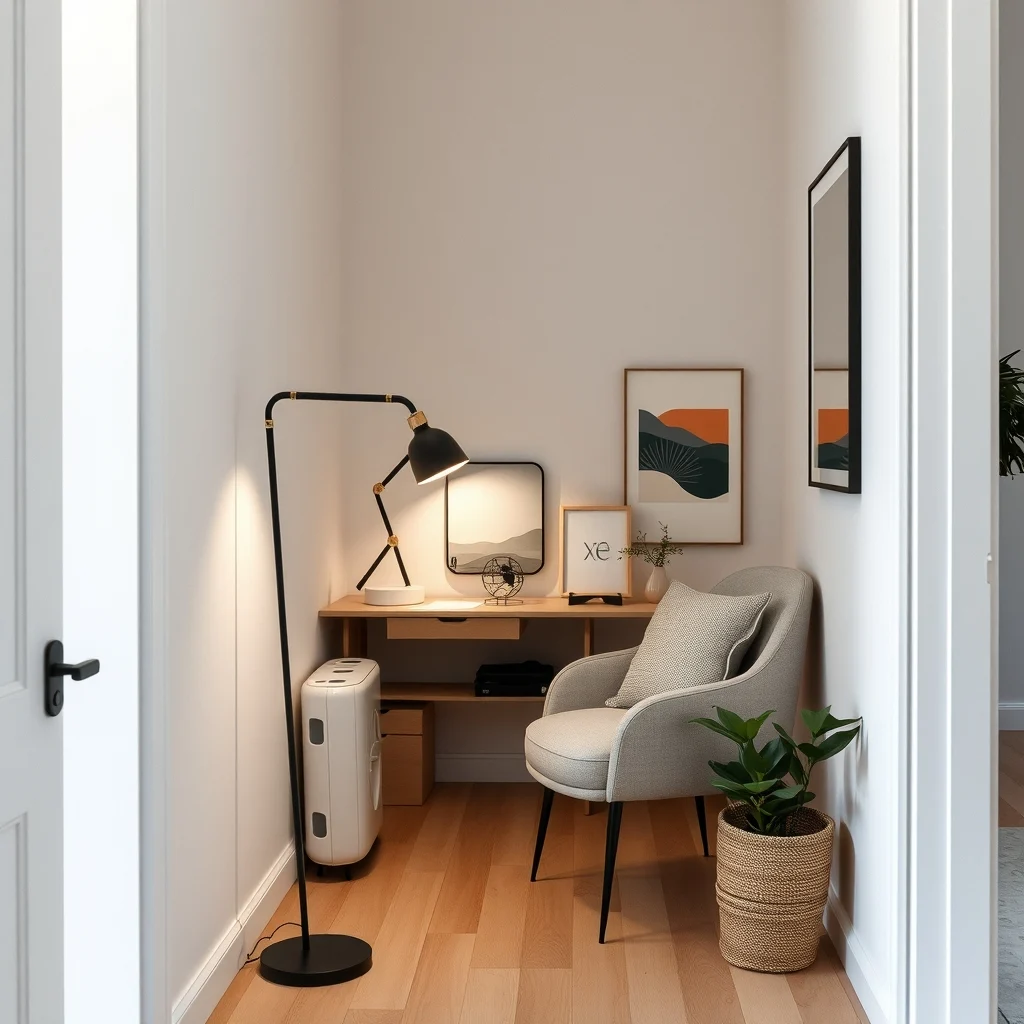
Small apartments rarely have large, open surfaces for large lighting pieces. A narrow floor lamp that leans against a wall corner can illuminate a hallway or a compact study area without intruding on the main living zone. Pair it with a slim table lamp on a floating shelf or a narrow console that sits against the same wall. This arrangement uses vertical space efficiently and leaves the central floor area free for movement. When the floor lamp includes an adjustable arm, you can direct light toward a bookshelf or a plant, while the table lamp adds a warm pool of light on the shelf itself. By thinking vertically, you gain illumination without sacrificing precious floor real estate.
6. Choose multi‑functional floor lamps that double as storage
© 2026 AI Illustrator — Inspiration Only
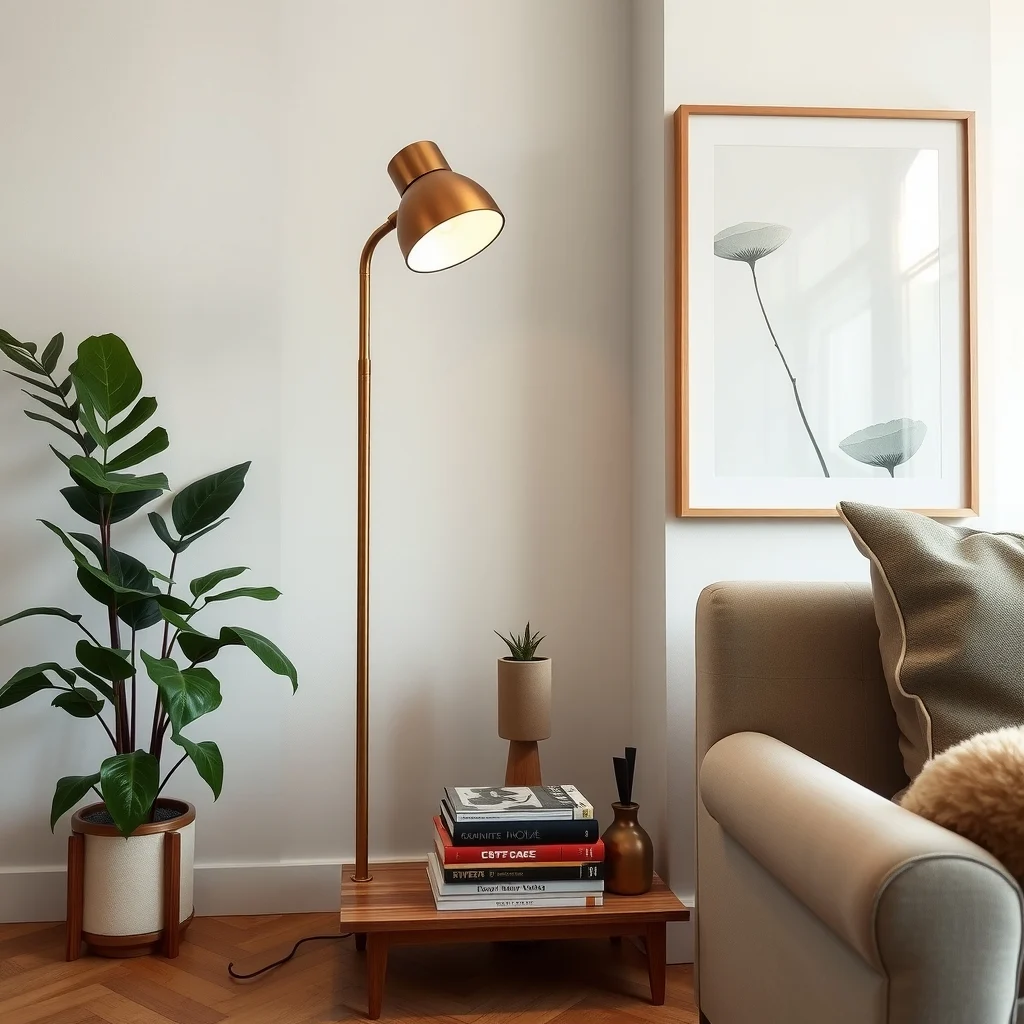
When space is at a premium, a floor lamp that offers extra utility can be a game‑changer. Some designs incorporate a lower shelf, a small cabinet, or even a built‑in magazine rack beneath the light source. This allows you to store a few books, a remote, or a decorative tray without adding a separate side table. The table lamp then serves purely as a light source, perhaps perched on the shelf of the same floor lamp, creating a tidy, stacked effect. Keep in mind that additional storage can add weight, so ensure the lamp’s base is stable and that cords are safely routed away from foot traffic. The benefit is twofold: you gain extra surface area and a coordinated lighting pair without cluttering the room.
7. Keep the arrangement flexible for open‑plan living
© 2026 AI Illustrator — Inspiration Only
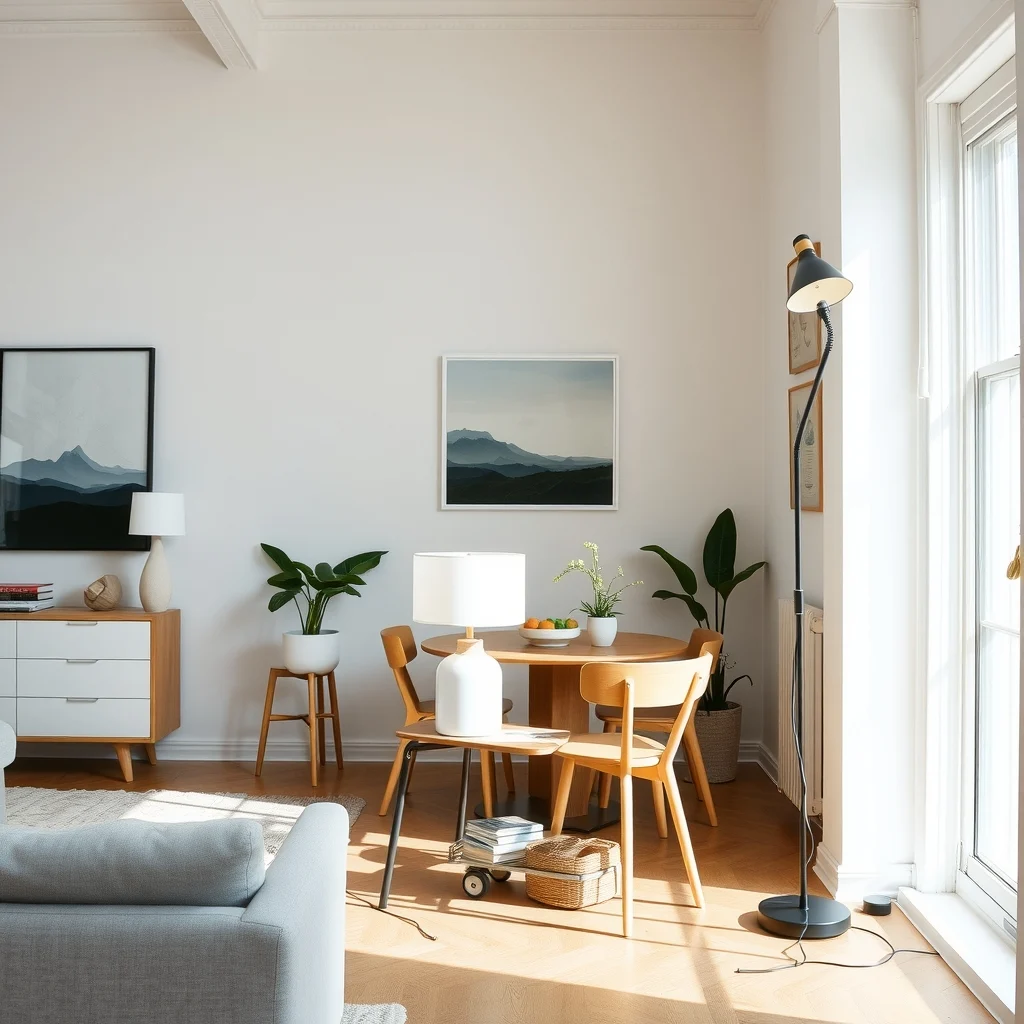
Many small apartments feature an open‑plan layout where the living, dining, and work zones flow into one another. In such spaces, portable table lamps become valuable assets because they can be moved from a sideboard to a desk as needed. Pair a lightweight floor lamp with a rolling base—such as a tripod on casters—with a table lamp that sits on a movable cart. When you host guests, shift the table lamp to the dining side to provide extra illumination for a buffet. When you need a quiet workspace, bring the same lamp to the desk and dim the floor lamp to a low setting. This mobility ensures that light follows the activity rather than the furniture, a practical approach for any studio‑style apartment.
FAQ
© 2026 AI Illustrator — Inspiration Only
How many watts should a floor lamp use in a small living room?
A floor lamp typically works well with bulbs ranging from 40 to 60 watts, or the equivalent LED output. Choose a lower wattage if you prefer a softer ambience, and a higher wattage for reading corners.
Can I use a table lamp on a glass coffee table?
Yes, as long as the base is stable and the lamp’s weight is evenly distributed. A lamp with a broad, non‑slipping base reduces the risk of tipping, and using a silicone pad can protect the glass surface.
Is it safe to plug a floor lamp and a table lamp into the same outlet?
It is safe provided the combined load does not exceed the outlet’s rating, typically 15 amps in most apartments. Check the bulb wattage of each lamp and keep the total well below the limit to avoid overloading.
What type of bulb gives the best light for reading?
A bulb with a color temperature around 2700‑3000 K offers a warm, comfortable glow that reduces eye strain. LED bulbs in this range also provide consistent brightness and energy efficiency.
Should I match the lamp shades in color?
Matching shades is not required; contrasting shades can add visual interest. However, keeping the overall tone within the same family—such as all neutrals or all muted earth tones—helps the pair feel intentional.
Final Thoughts
© 2026 AI Illustrator — Inspiration Only
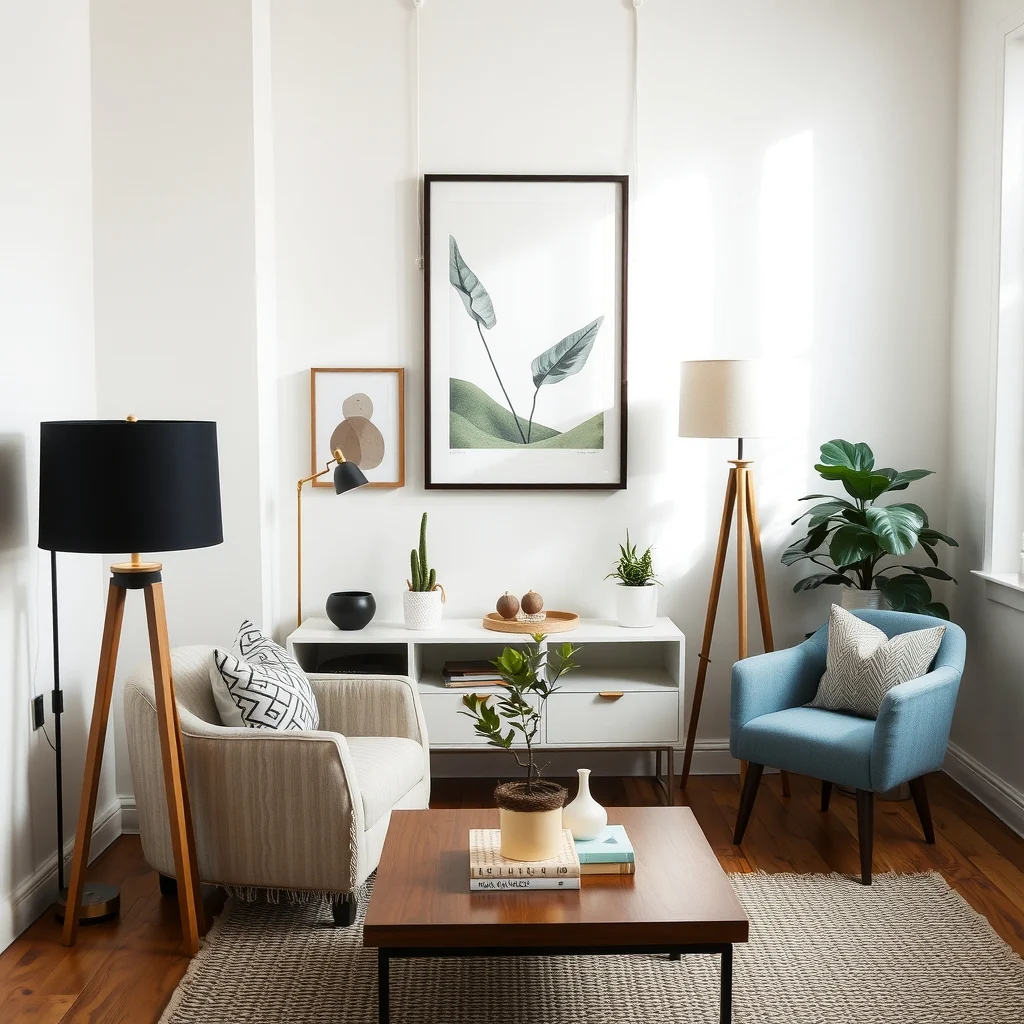
Blending table lamps and floor lamps in a small apartment is less about quantity and more about thoughtful placement, proportion, and style. By establishing a lighting hierarchy, respecting scale, layering functions, coordinating finishes, and embracing flexible solutions, you can create a bright, inviting environment without crowding the floor plan. Remember that each lamp should serve a purpose—whether it’s providing ambient wash, focused task light, or hidden storage—and that purpose will guide where it belongs. With these principles in mind, you’ll find that even the most modest space can feel well‑lit, balanced, and ready for any activity.