
Every apartment has those stubborn corners where light seems to disappear, leaving a small pocket of shadow that can make a room feel unbalanced. The problem often goes unnoticed until you try to arrange a reading chair or a decorative plant there and discover the space feels cramped and dim. Fortunately, a few thoughtful lighting strategies can turn those neglected angles into functional, inviting parts of your home. Below are seven ideas that blend style and practicality, each explained with the reasoning behind it and tips for adapting the approach to your own layout.
1. Choose a slim floor lamp with an adjustable arm
© 2026 AI Illustrator — Inspiration Only
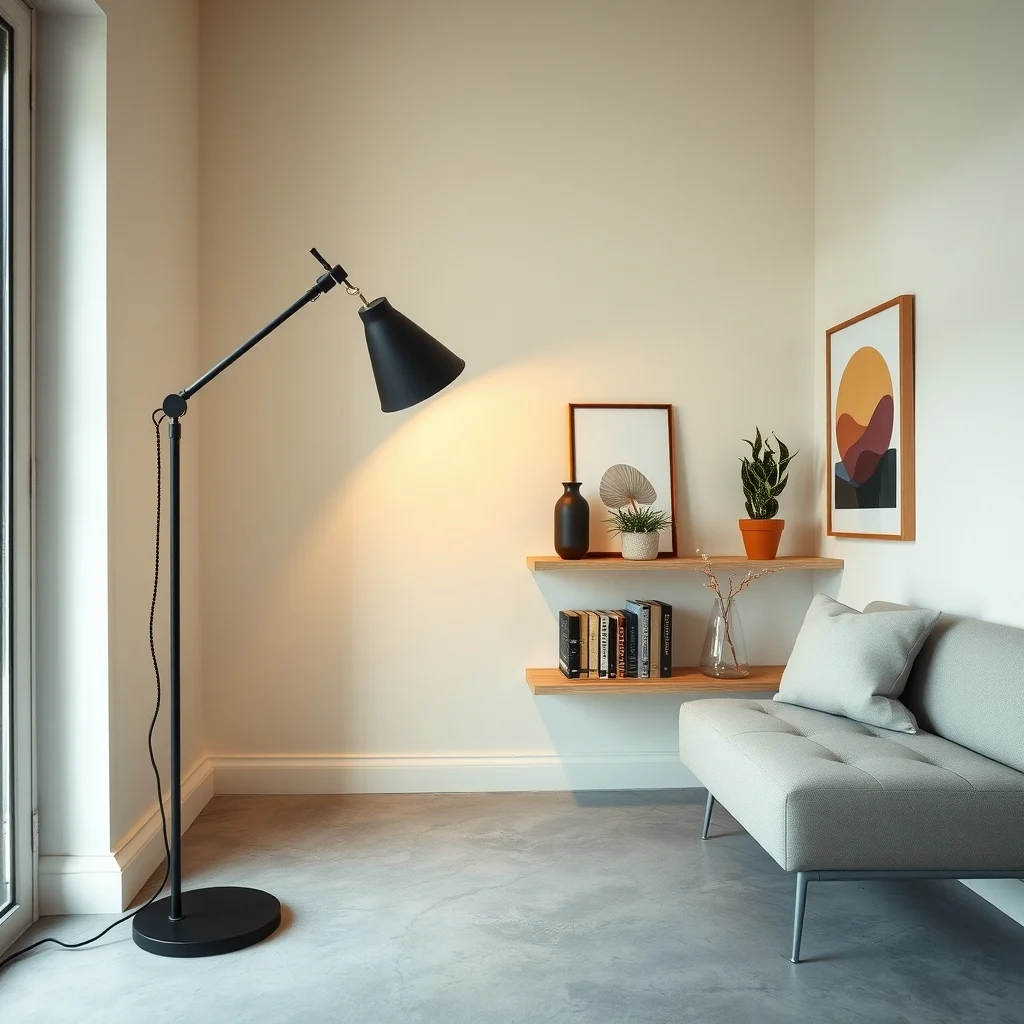
A narrow floor lamp placed directly in the corner can break the darkness without consuming valuable floor space. Models with a telescoping or pivoting arm let you aim the light exactly where you need it, whether that’s over a side table, a bookshelf, or a small seating nook. Because the lamp stands on a single pole, it avoids cluttering the room while providing focused illumination. When selecting a lamp, look for a brushed‑nickel or matte black finish that complements your existing hardware, and consider a LED bulb with a warm white output to keep the corner cozy yet bright. Keep the cord neatly tucked along the base or use a cord cover that matches the wall paint, which helps maintain a clean look and reduces tripping hazards. The main trade‑off is that a floor lamp may not fill an entire wide corner, so it works best when paired with another light source.
What’s Your Apartment Decor Style?
Answer these quick questions to discover your perfect decor vibe.
2. Install wall‑mounted swing‑arm sconces
© 2026 AI Illustrator — Inspiration Only
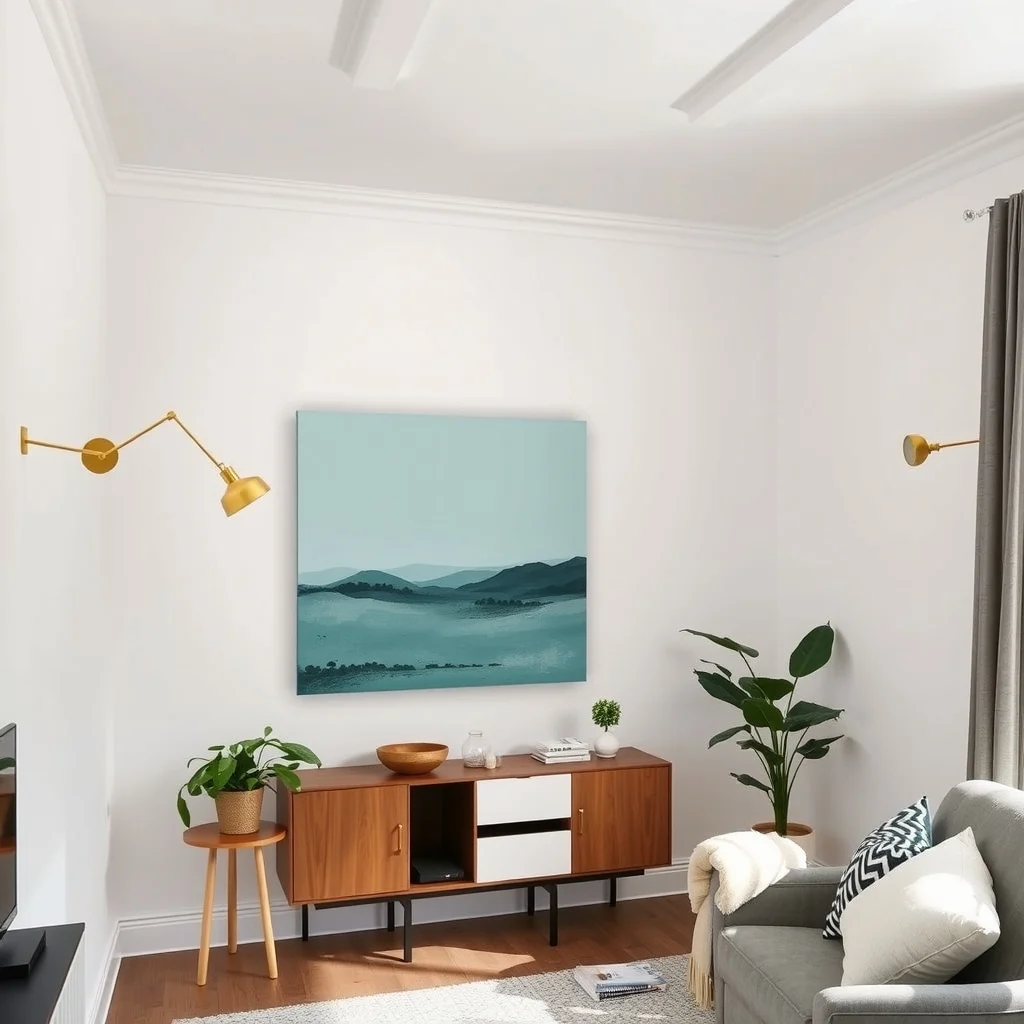
Swing‑arm sconces attach to the wall and extend outward, directing light into the void without taking up floor space. The arm can be angled upward to bounce light off the ceiling or downward to illuminate a reading chair placed nearby. Choosing a fixture with a glass shade in a soft amber hue softens the glare while still delivering enough lumens to brighten the area. Because the fixture is anchored to the wall, it remains stable and safe for households with children or pets. If the corner is near a hallway, a single sconce can also serve as a subtle guide for late‑night navigation. Installation does require drilling into the wall, so be sure to follow the manufacturer’s instructions and, if you’re unsure about electrical work, enlist a qualified electrician.
3. Add a mirrored or high‑gloss surface to reflect light
© 2026 AI Illustrator — Inspiration Only
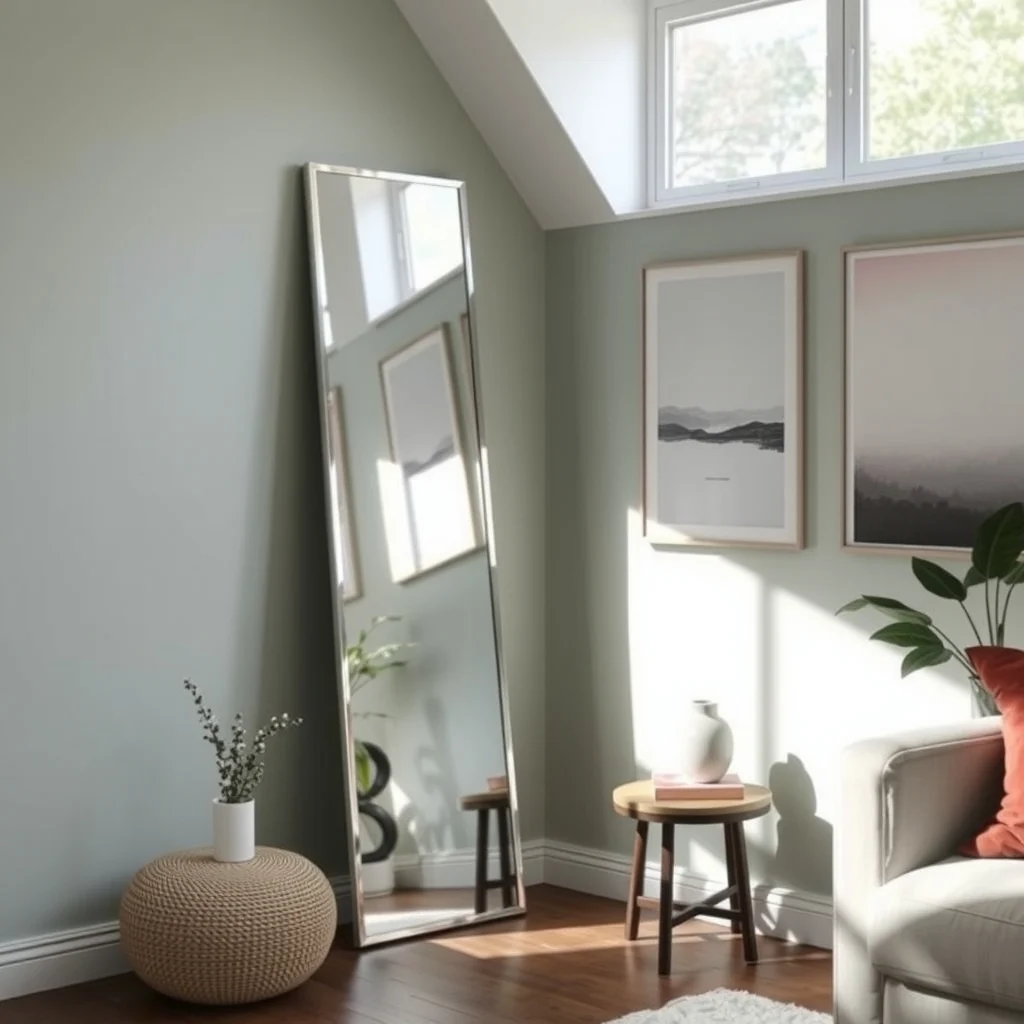
Mirrors and glossy finishes act like passive light amplifiers, bouncing existing illumination back into the corner. A narrow, floor‑standing mirror placed at an angle can capture light from a nearby window or ceiling fixture and spread it across the shadowed area. For a more integrated look, consider a high‑gloss lacquered sideboard or a glass‑front console that doubles as storage. The reflective surface not only brightens the space but also creates an illusion of depth, making the corner feel larger. Choose a frame in a material that matches other elements in the room, such as walnut or brushed brass, to keep the design cohesive. Be mindful that mirrors can show fingerprints, so a quick wipe with a microfiber cloth will keep them looking fresh. The downside is that the effect relies on existing light sources, so in a room with very low overall illumination, a mirror alone may not be sufficient.
4. Incorporate layered LED strip lighting behind shelving
© 2026 AI Illustrator — Inspiration Only
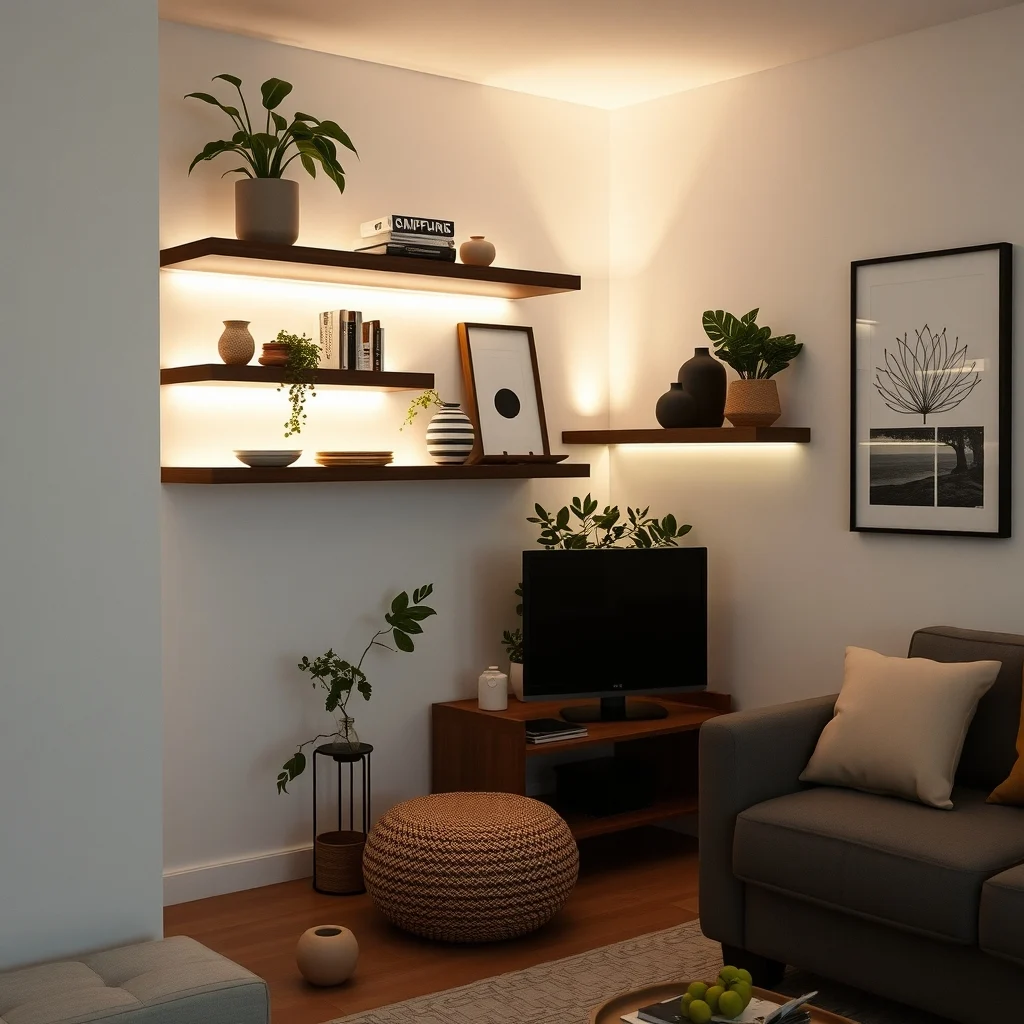
LED strips installed on the underside of floating shelves provide a subtle wash of light that lifts the darkness without being overtly bright. When the strips run along the back wall of the corner, they create a gentle halo that highlights decorative objects or books while adding a modern aesthetic. Choose a color‑temperature setting around 3000 K for a warm ambience, or a cooler 4000 K if the room already feels warm and you need a bit more contrast. Because LED strips generate minimal heat, they are safe for close‑range installation and can be cut to fit the exact length of your shelving unit. A simple dimmer switch lets you adjust the intensity for reading, entertaining, or relaxing. The primary consideration is the need for a power source nearby; if the corner lacks an outlet, you may need to run an extension cord or install a low‑voltage transformer, which should be done according to local electrical codes.
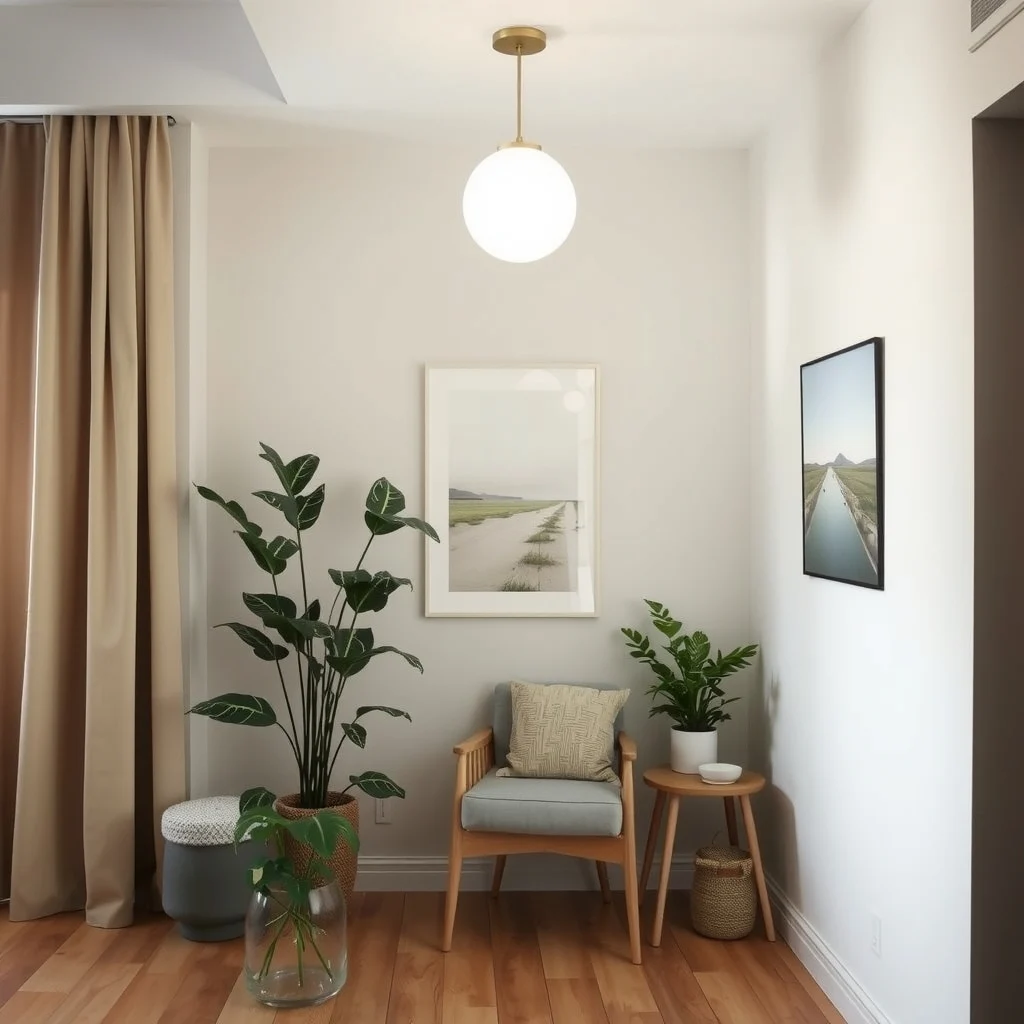
5. Hang a lightweight pendant or chandelier offset from the corner
© 2026 AI Illustrator — Inspiration Only
Suspending a pendant lamp a few feet away from the corner can cast light into the shadowed space while serving as a decorative focal point. A globe‑shaped fixture in frosted glass diffuses light evenly, reducing harsh shadows and creating a soft glow that reaches the corner walls. Positioning the pendant on a short rod or using a flexible chain allows you to fine‑tune the height, ensuring the light falls where it’s needed most. Selecting a finish that echoes other metal accents in the room, such as oil‑rubbed bronze or polished chrome, ties the piece into the overall design language. Because the fixture hangs from the ceiling, it avoids floor clutter entirely. Installation does involve drilling into the ceiling and connecting to existing wiring; if you lack experience with such tasks, hiring a professional electrician is advisable.
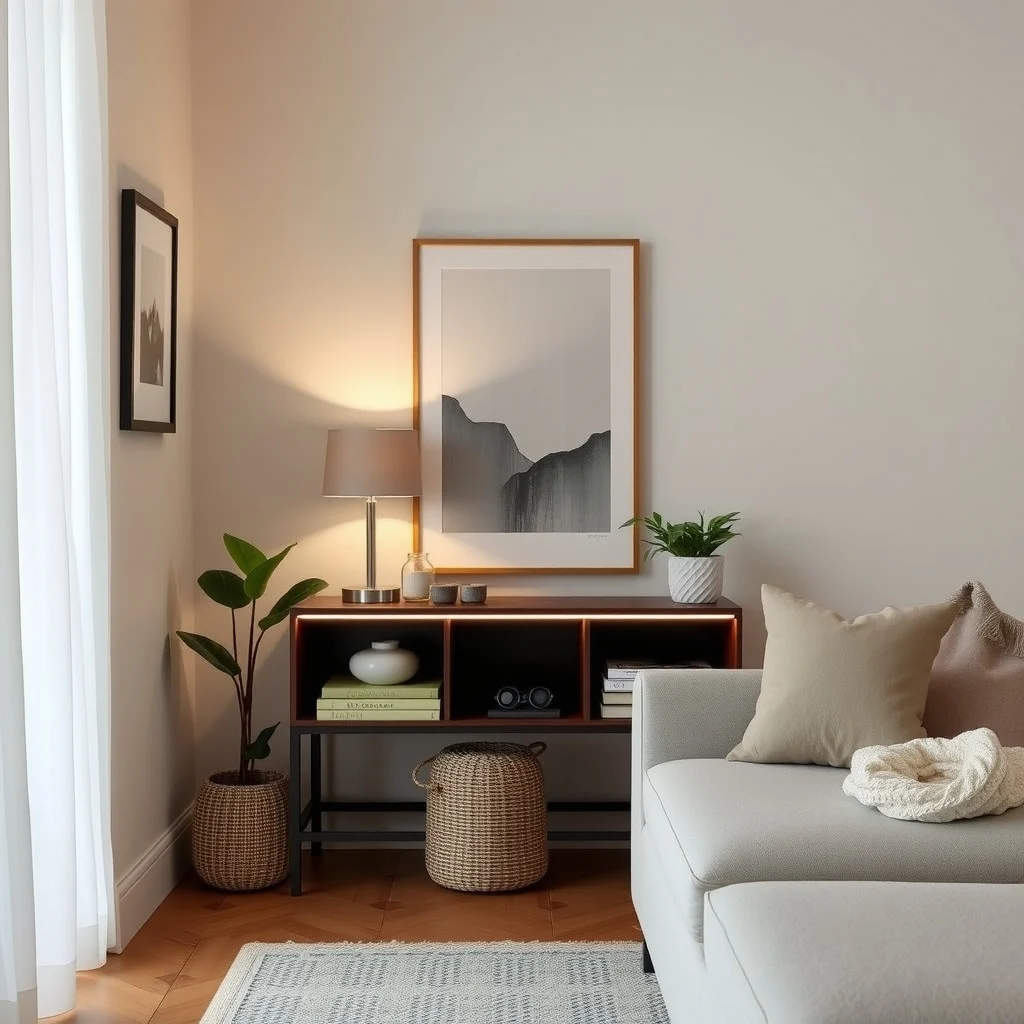
6. Use a low‑profile console table with integrated lighting
© 2026 AI Illustrator — Inspiration Only
A sleek console table placed against the wall can serve both storage and illumination when it includes built‑in LED lights along the top edge. The table’s surface offers a place for a lamp, a vase, or a stack of books, while the integrated lights spill gently onto the floor and adjacent wall, reducing the sense of a black hole. Opt for a table in a light wood or painted finish that reflects some of the light, enhancing the overall brightness. The built‑in lighting is usually powered by a simple plug, making it easy to set up without permanent wiring. When the table is no longer needed for its primary function, you can simply turn off the lights, giving you flexibility. A potential drawback is that the table occupies some wall space, so it works best in corners that are not needed for large furniture pieces.
7. Apply strategic paint colors and reflective finishes
© 2026 AI Illustrator — Inspiration Only
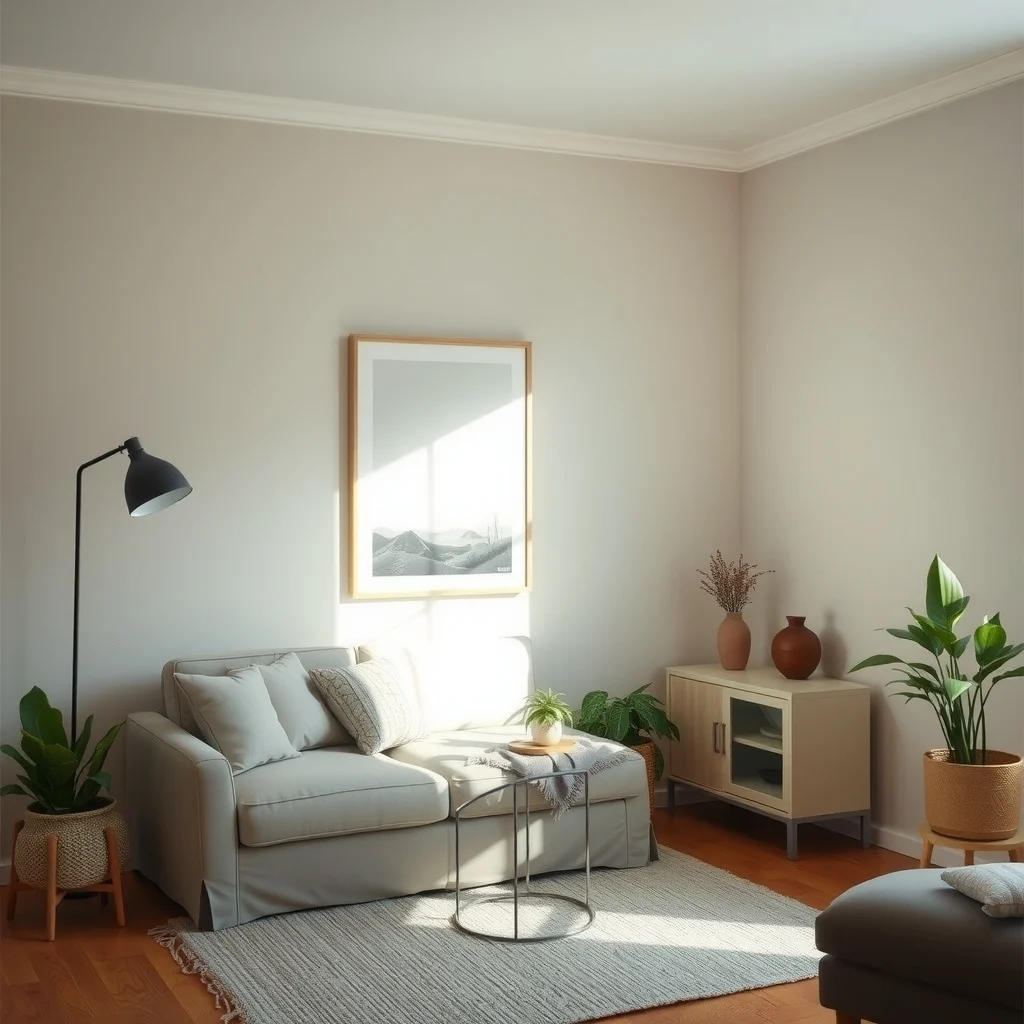
Choosing the right hue for a corner wall can dramatically affect how light behaves in that area. Light, cool shades such as soft greige, pale sage, or muted sky blue reflect more of the ambient light than darker tones, helping the corner feel brighter. Adding a subtle satin or semi‑gloss finish increases reflectivity without creating a high‑sheen that may clash with other textures in the room. If you prefer a bolder statement, a deep accent painted on the opposite wall can bounce light back into the dark corner, especially when paired with a floor‑to‑ceiling mirror. When repainting, be sure to prepare the surface with proper primer to avoid uneven absorption, and use low‑VOC paint for better indoor air quality. The main limitation is that paint alone cannot compensate for a lack of natural light, so pairing color changes with an additional lighting source yields the best results.
FAQ
© 2026 AI Illustrator — Inspiration Only
How can I brighten a corner without adding a new electrical fixture?
You can use reflective surfaces such as mirrors or glossy furniture, and incorporate battery‑operated LED lamps that plug into existing outlets.
Are floor lamps safe for small apartments?
Floor lamps are safe when placed on stable, level flooring and when the cord is kept away from high‑traffic areas; always follow the manufacturer’s weight limits for the base.
What type of LED bulb temperature works best for a cozy corner?
A warm white bulb around 2700‑3000 K creates a comfortable atmosphere while still providing enough illumination for reading or working.
Can I install wall sconces myself?
Simple sconce installations can be done by a competent DIYer, but if the wiring requires changes to the circuit or you’re unsure about the process, hiring a qualified electrician is recommended.
Do light‑reflecting paints actually make a room brighter?
Yes, light‑reflecting paints in a satin or semi‑gloss finish bounce more of the existing light, which can make a dark corner feel noticeably lighter.
Final Thoughts
© 2026 AI Illustrator — Inspiration Only
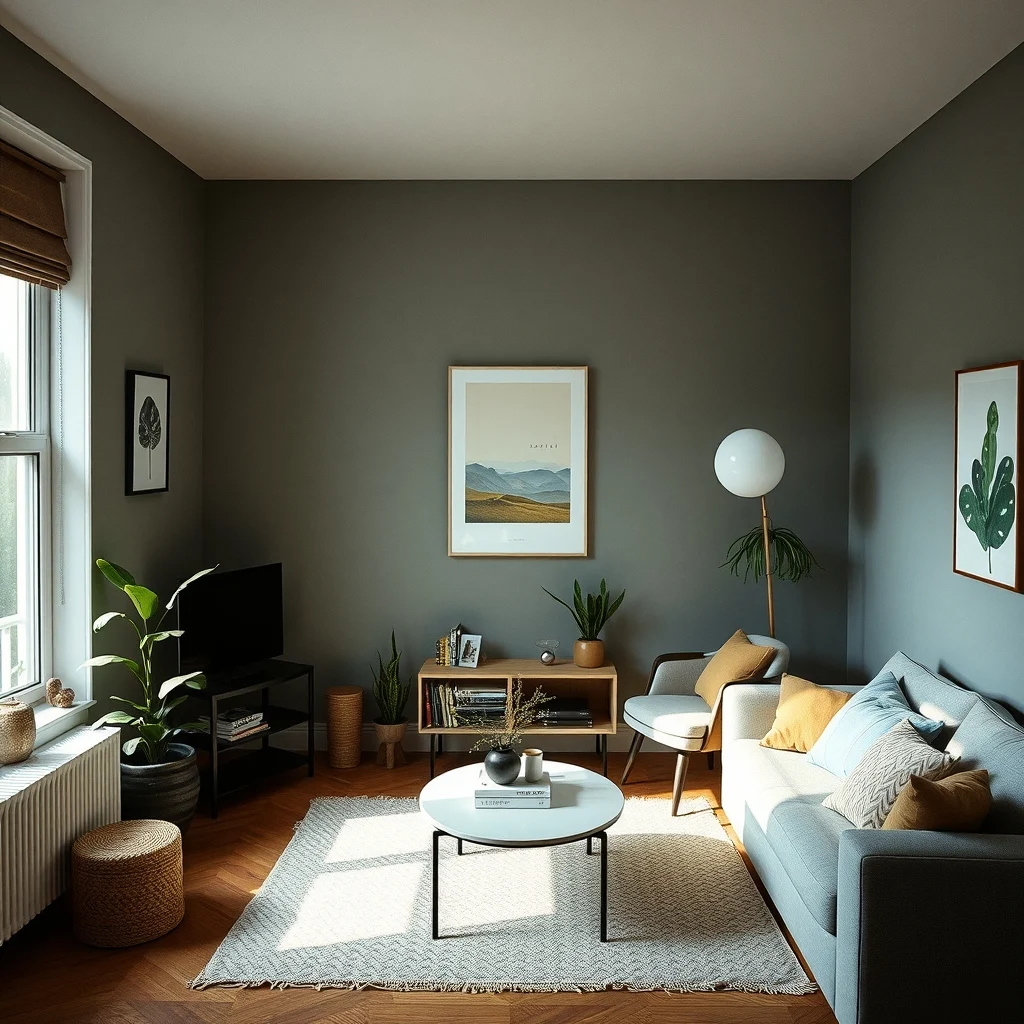
Dark corners need not remain a visual dead zone in your apartment. By mixing purposeful fixtures, reflective surfaces, and thoughtful color choices, you can transform those shadows into usable, welcoming parts of the space. Each idea presented here offers a different balance of cost, effort, and aesthetic impact, so you can select the approach that fits your lifestyle and budget. Remember to consider safety when working with electricity, and enjoy the gradual brightening of areas that once felt neglected.