
Living in a compact space often means the ceiling can only support a single light source, and that limitation can feel restrictive. Yet a well‑chosen fixture combined with thoughtful layering can make a modest room feel airy, functional, and inviting. Below are seven approaches that turn a lone ceiling light from a simple necessity into a design asset, each with practical guidance on how to apply the idea in a real‑world apartment.
1. Choose a Fixture with Adjustable Brightness
© 2026 AI Illustrator — Inspiration Only
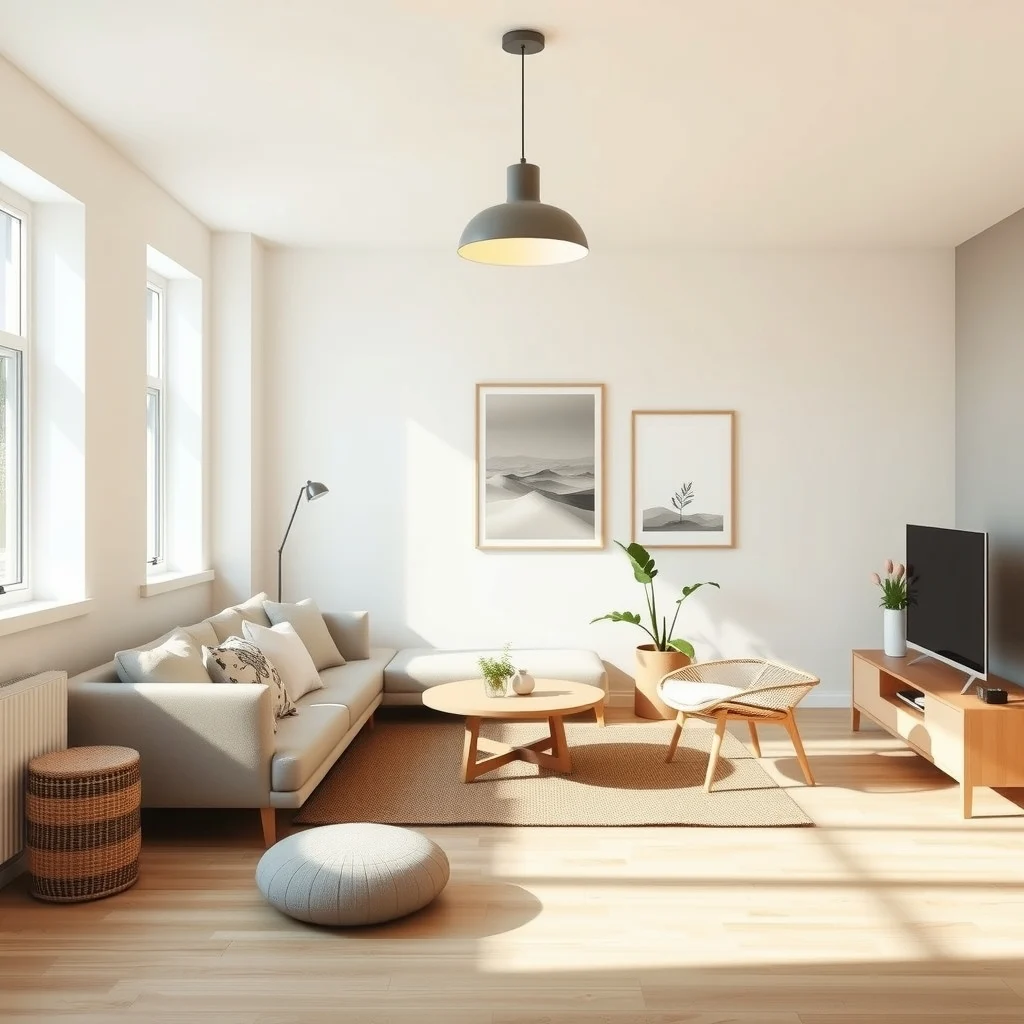
When a room relies on a single overhead source, the ability to dial the light up or down becomes essential. A dimmable LED pendant or semi‑flush mount lets you soften the glow for a relaxed evening or boost it for tasks such as cooking or studying. Selecting a fixture with a built‑in dimmer eliminates the need for a separate wall switch, which is often inconvenient in small layouts. Pair the dimming function with a warm colour temperature of around 2700‑3000 K to keep the space feeling comfortable, and switch to a cooler setting when you need sharper focus. The trade‑off is a slightly higher upfront cost, but the flexibility it provides outweighs the expense in a room that cannot accommodate multiple light points.
What’s Your Apartment Decor Style?
Answer these quick questions to discover your perfect decor vibe.
2. Add a Reflective Surface Near the Fixture
© 2026 AI Illustrator — Inspiration Only
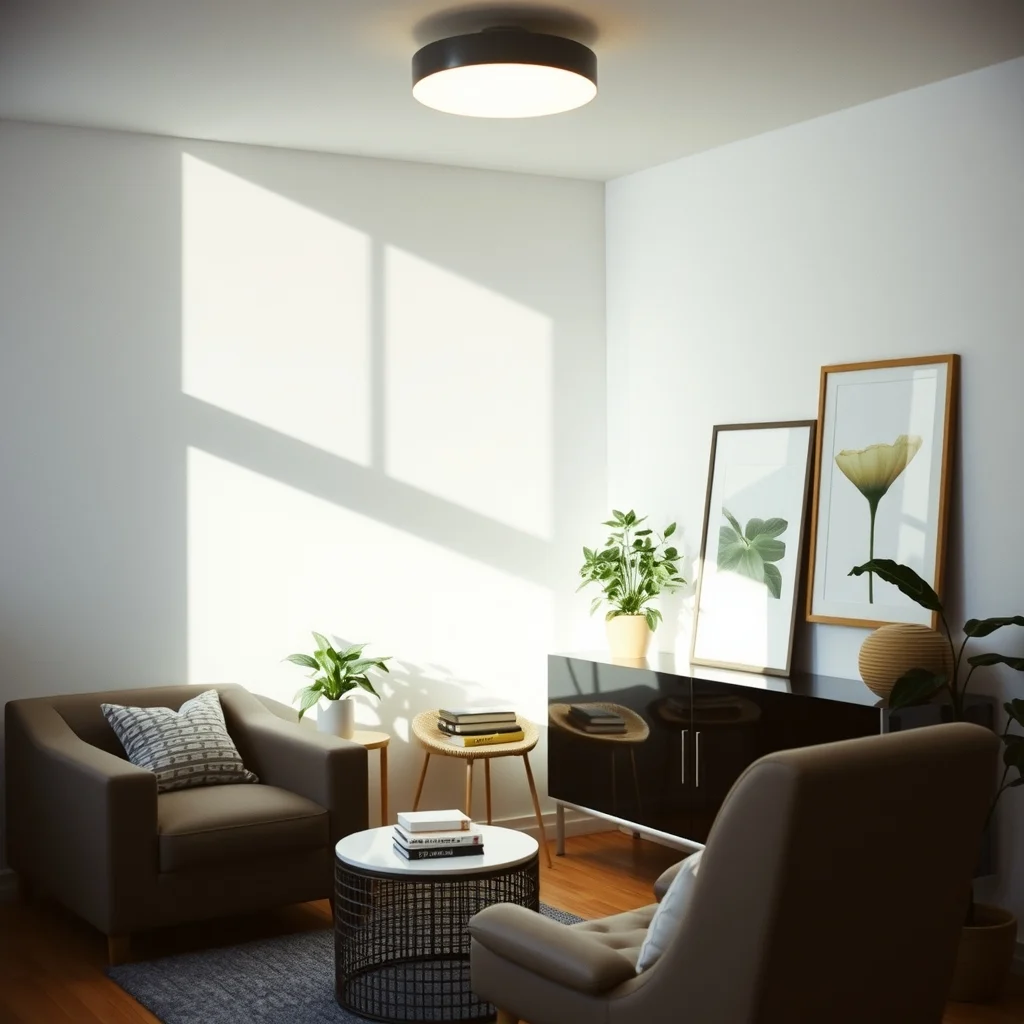
Light that bounces off glossy surfaces travels farther, making a compact room appear larger. Position a large mirror on a wall opposite or adjacent to the ceiling light, or choose a high‑gloss sideboard that reflects illumination across the floor. The reflected light fills corners that the single fixture might otherwise leave in shadow, creating a more even ambience. Mirrors also double as decorative elements, allowing you to showcase an interesting frame or a piece of artwork behind them. Be mindful of placement: a mirror directly under the fixture can cause glare, while an angled placement spreads light gently. If mirrors feel too formal, a lacquered console or a polished metal console table can serve the same purpose with a different aesthetic.
3. Incorporate a Floor Lamp with a Swivel Head
© 2026 AI Illustrator — Inspiration Only
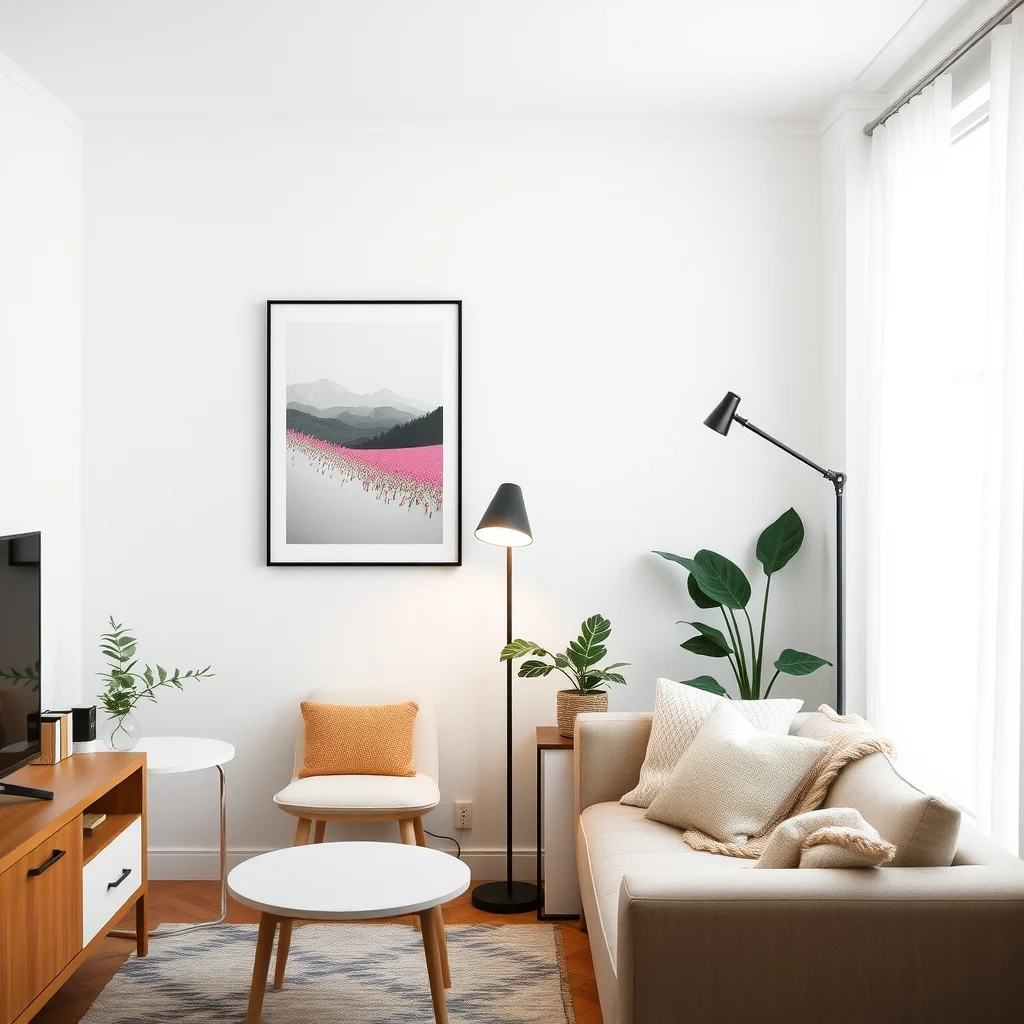
A floor lamp placed near a seating area adds directional light without competing with the ceiling fixture. Choose a model with a slim profile and a swivel head so you can aim the beam where you need it—over a reading chair, a side table, or a small desk. The lamp’s height should be roughly at eye level when seated, ensuring the light reaches the intended spot without causing harsh shadows. Opt for a shade in a neutral tone like linen or brushed cotton; it diffuses the light softly while complementing most colour schemes. While a floor lamp occupies floor space, selecting a narrow tripod or a slender metal design minimizes the footprint, preserving the open feel of the apartment.
4. Use Light‑Filtering Window Treatments
© 2026 AI Illustrator — Inspiration Only
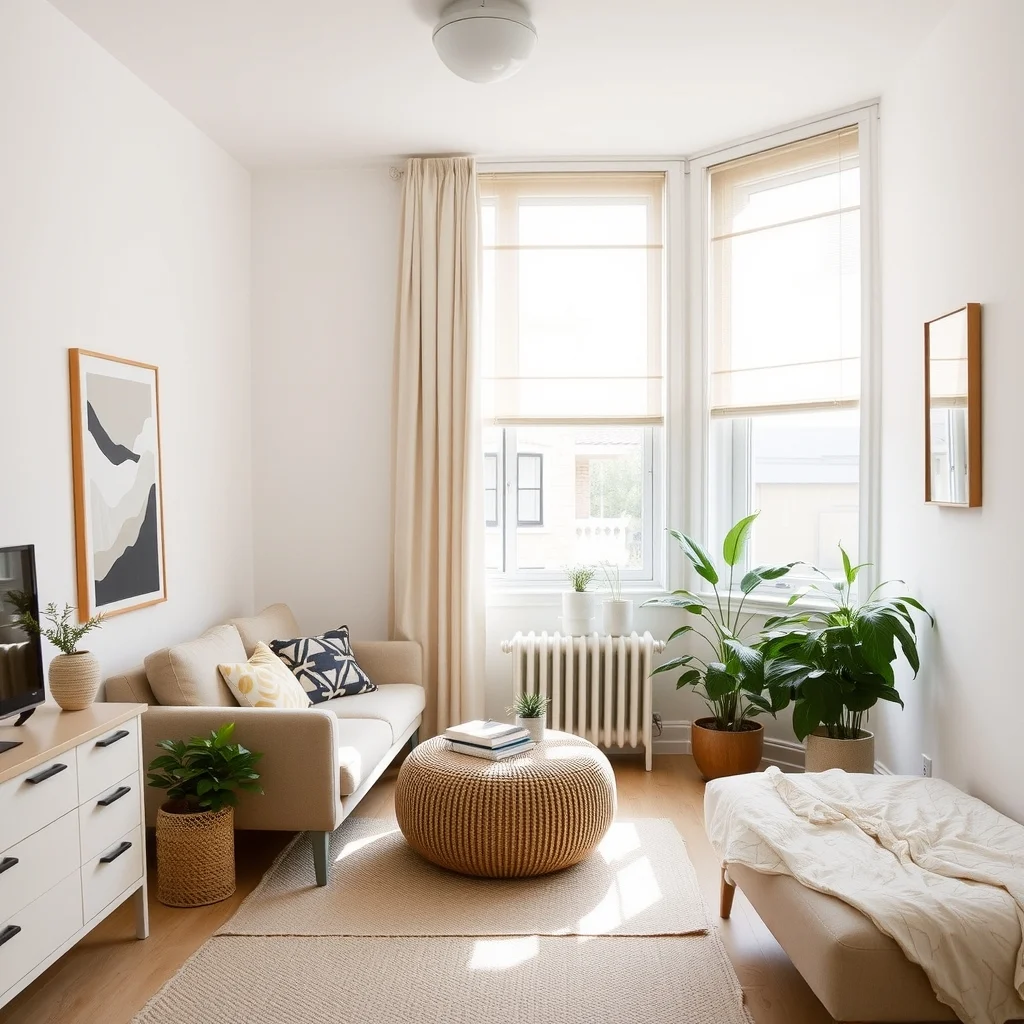
Natural daylight can supplement the single ceiling light, but raw sunlight can be too harsh or cause glare. Installing sheer curtains or light‑filtering roller shades lets daylight spill in while tempering its intensity. During the day, the combination of diffused sunlight and the overhead fixture creates a layered illumination that feels balanced. In the evening, the sheer fabric softens the artificial light, preventing it from feeling clinical. Choose fabrics in muted tones—soft greys, pale blues, or warm beiges—to blend with the room’s palette without competing for visual attention. The downside is that heavier curtains may block light entirely; ensure the chosen treatment can be fully opened when you want maximum brightness.
5. Place a Table Lamp on a Sideboard or Console
© 2026 AI Illustrator — Inspiration Only
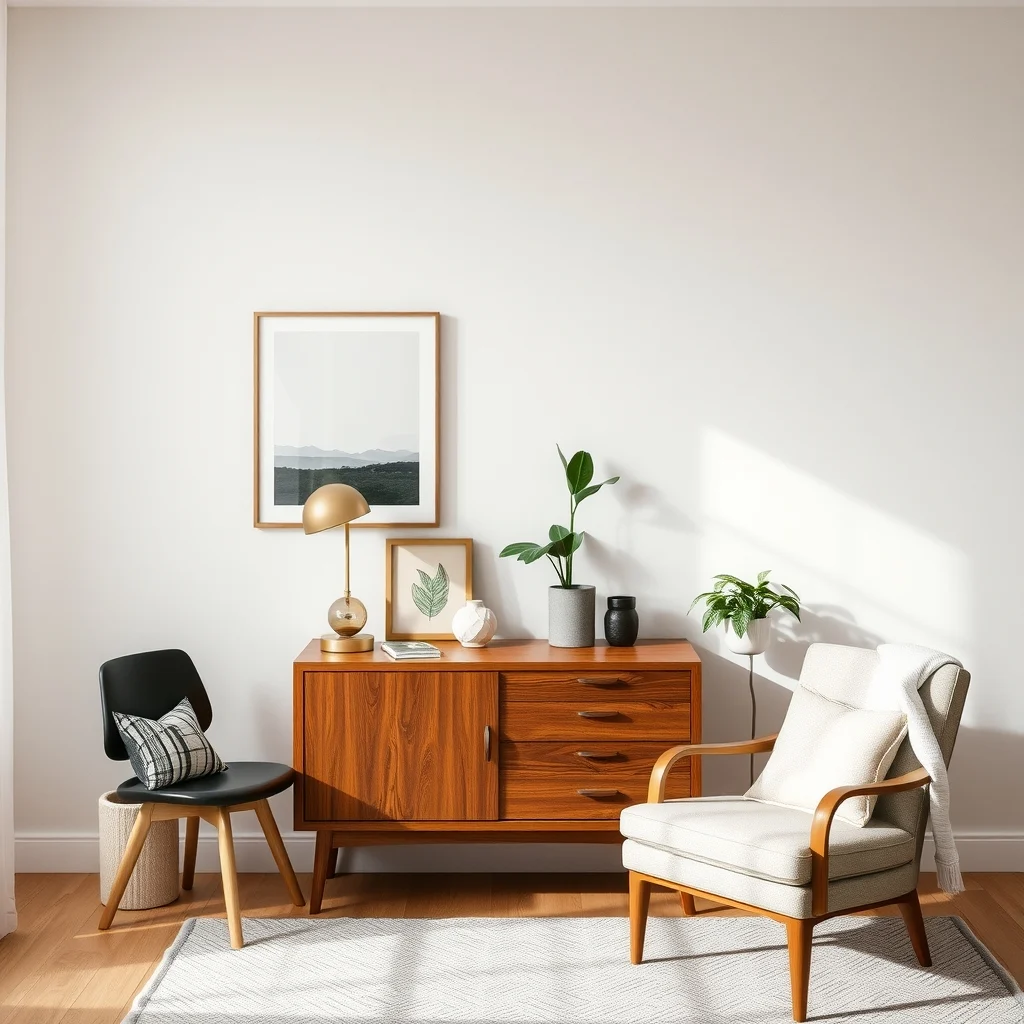
A modest table lamp on a sideboard introduces localized light that can highlight decorative objects or provide task illumination for a nearby workspace. Select a lamp with a base that complements the sideboard’s material—perhaps a ceramic base on a wooden console or a brushed metal base on a glass top. The lamp’s shade should be sized proportionally to the lamp; a too‑large shade can drown the light, while a tiny one may produce glare. By positioning the lamp near a wall, you also create a subtle wash of light that reduces the starkness of a single ceiling source. This approach adds visual interest without demanding additional wiring, though you’ll need to manage cords to keep them tidy.
6. Hang a Decorative String Light or LED Rope
© 2026 AI Illustrator — Inspiration Only
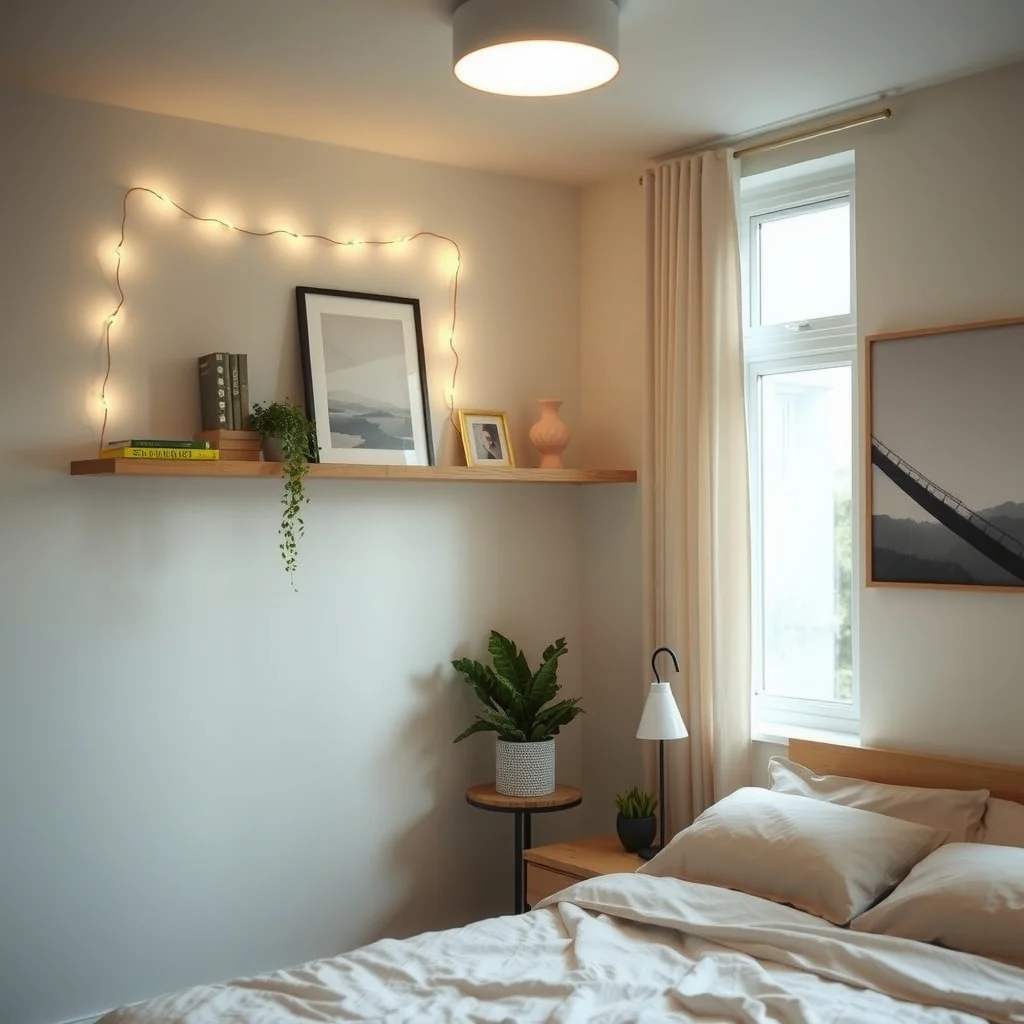
Soft, decorative lighting can be layered over the primary fixture to add warmth and personality. A thin LED rope, draped along a shelf or wrapped around a headboard, emits a gentle glow that complements the overhead light without overwhelming it. Because LED strips consume little power and generate minimal heat, they are safe for small apartments and easy to install with adhesive backing. Choose a colour temperature that matches the ceiling light to avoid a jarring contrast. While string lights are primarily decorative, they can serve a functional role by illuminating a dark corner or a narrow hallway. The main consideration is that they should not replace primary illumination; they work best as an accent.
7. Select a Fixture with an Integrated Diffuser
© 2026 AI Illustrator — Inspiration Only
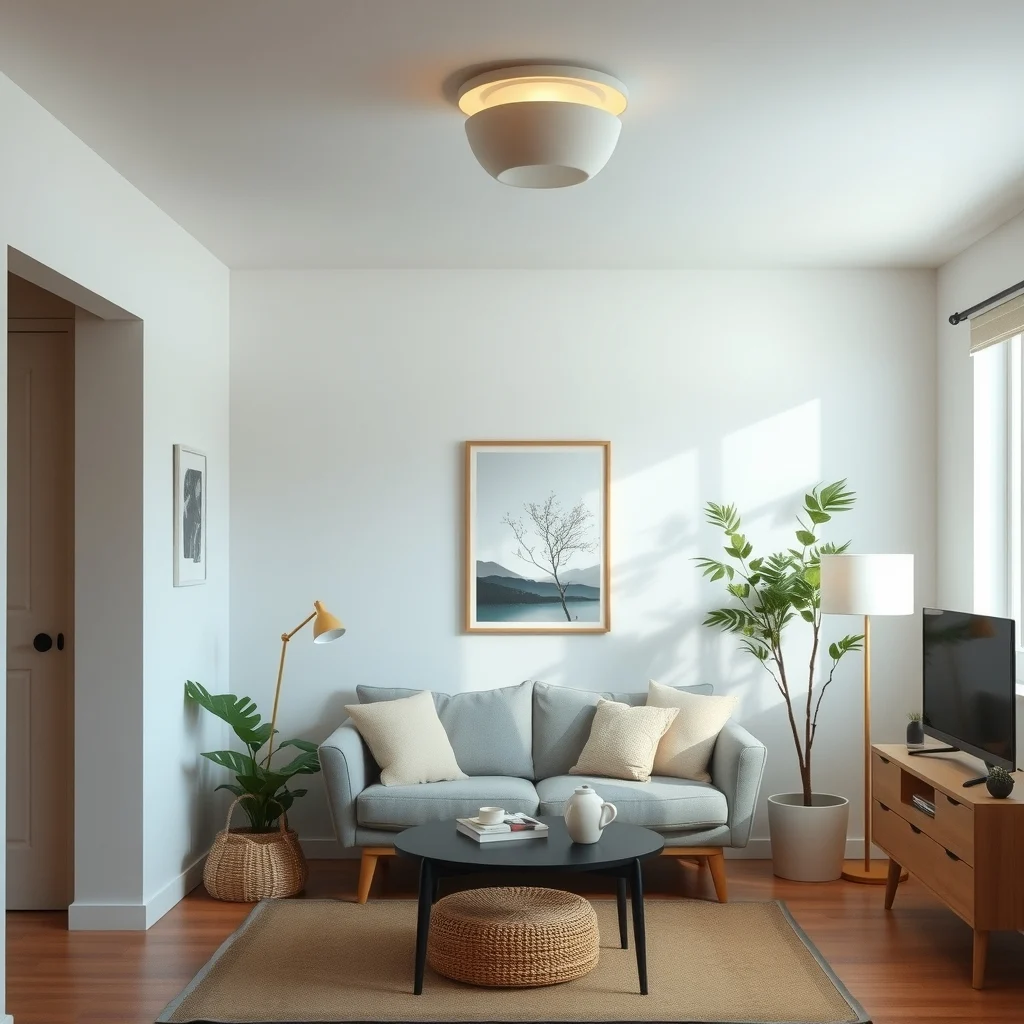
Some ceiling fixtures come with built‑in diffusers—glass or acrylic covers that scatter light evenly across the room. An integrated diffuser reduces the harshness of direct illumination and eliminates the need for additional lamps to soften shadows. Opt for a diffuser with a subtle texture, such as frosted glass, which adds visual depth while maintaining a clean silhouette. The diffuser’s design can become a focal point, especially if it features a unique shape like a drum or a geometric frame. The compromise is that diffusers may slightly reduce the overall brightness, so pairing the fixture with a higher‑wattage LED bulb can compensate for the loss.
FAQ
© 2026 AI Illustrator — Inspiration Only
Can I install a dimmer on an existing ceiling fixture?
Yes, most LED fixtures work with compatible dimmer switches. Make sure the dimmer is rated for the bulb type and follow the manufacturer’s wiring instructions, or hire a qualified electrician for safety.
What type of bulb gives the best balance of brightness and warmth?
A warm white LED (2700‑3000 K) offers a comfortable glow while delivering energy efficiency. Choose a bulb with a high lumen output if the room feels dim, but avoid overly bright options that can feel harsh in a small space.
How far should a floor lamp be placed from a sofa?
Position the lamp about two to three feet away, allowing the light to reach the seating area without causing glare. Adjust the height so the light source sits near eye level when seated.
Is it safe to use adhesive LED strips on walls?
Adhesive LED strips are safe when applied to clean, dry surfaces and when the strip’s voltage rating matches the power source. Avoid placing them near heat sources or in damp areas.
Do sheer curtains affect privacy?
Sheer curtains filter light while maintaining a degree of privacy, but they are not a substitute for blackout or solid curtains if you need full visual privacy.
Final Thoughts
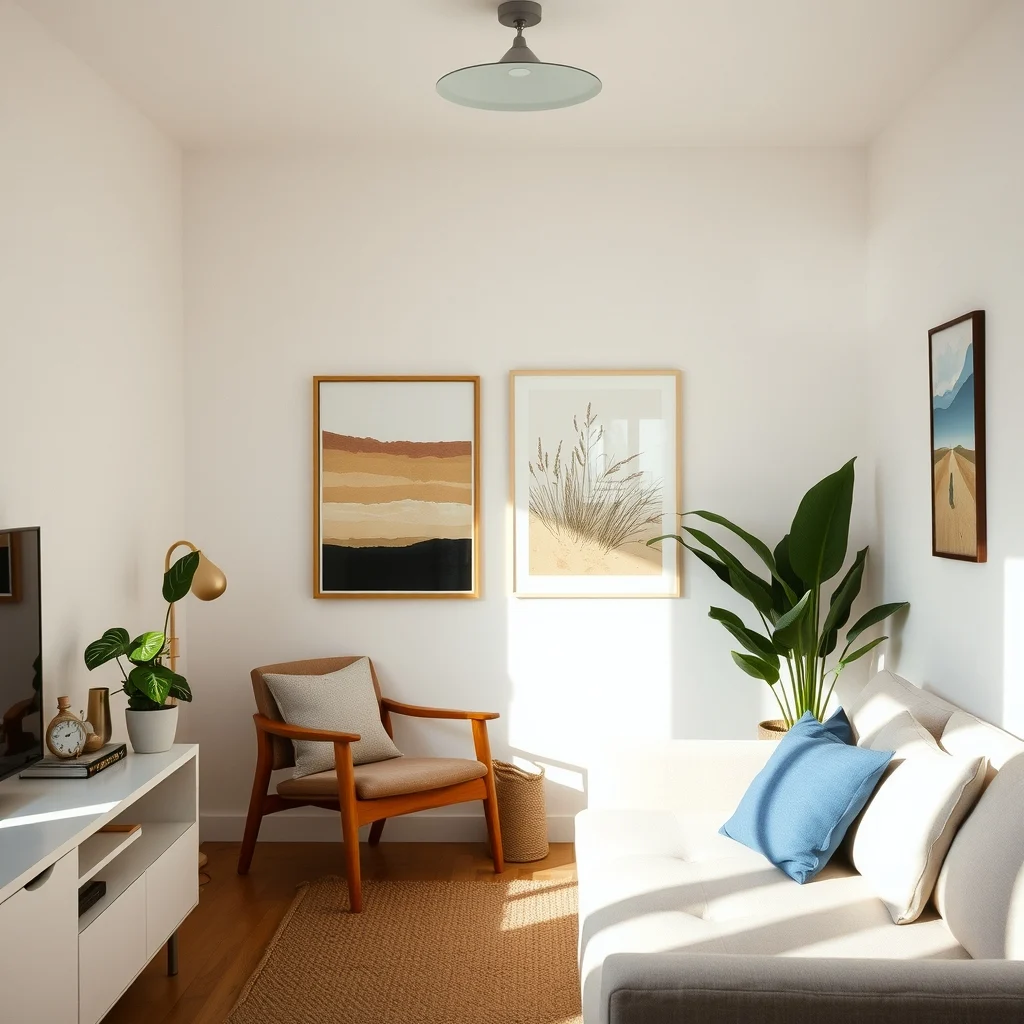
© 2026 AI Illustrator — Inspiration Only
Even with the constraint of a single ceiling fixture, a small apartment can feel bright, balanced, and thoughtfully styled. By selecting a versatile fixture, introducing reflective surfaces, and adding complementary lamps or decorative lighting, you create layers that soften shadows and expand the sense of space. Each idea presented here offers a practical path to a more welcoming home, allowing you to adapt the suggestions to your taste, budget, and layout. With a little planning, the lone ceiling light becomes the cornerstone of a well‑lit, comfortable living environment.