
Living in a rental often feels like walking a tightrope between personal style and landlord rules. You want a space that feels like yours, yet every nail and paint swipe could become a point of contention when the lease ends. The good news is that most of the visual impact you crave can be achieved with elements that cling, sit, or temporarily attach, leaving the walls and floors untouched. Below are seven thoughtful upgrades that let you enjoy a polished look today and pack it up cleanly tomorrow.
1. Removable Wallpaper or Peel‑and‑Stick Panels
© 2026 AI Illustrator — Inspiration Only
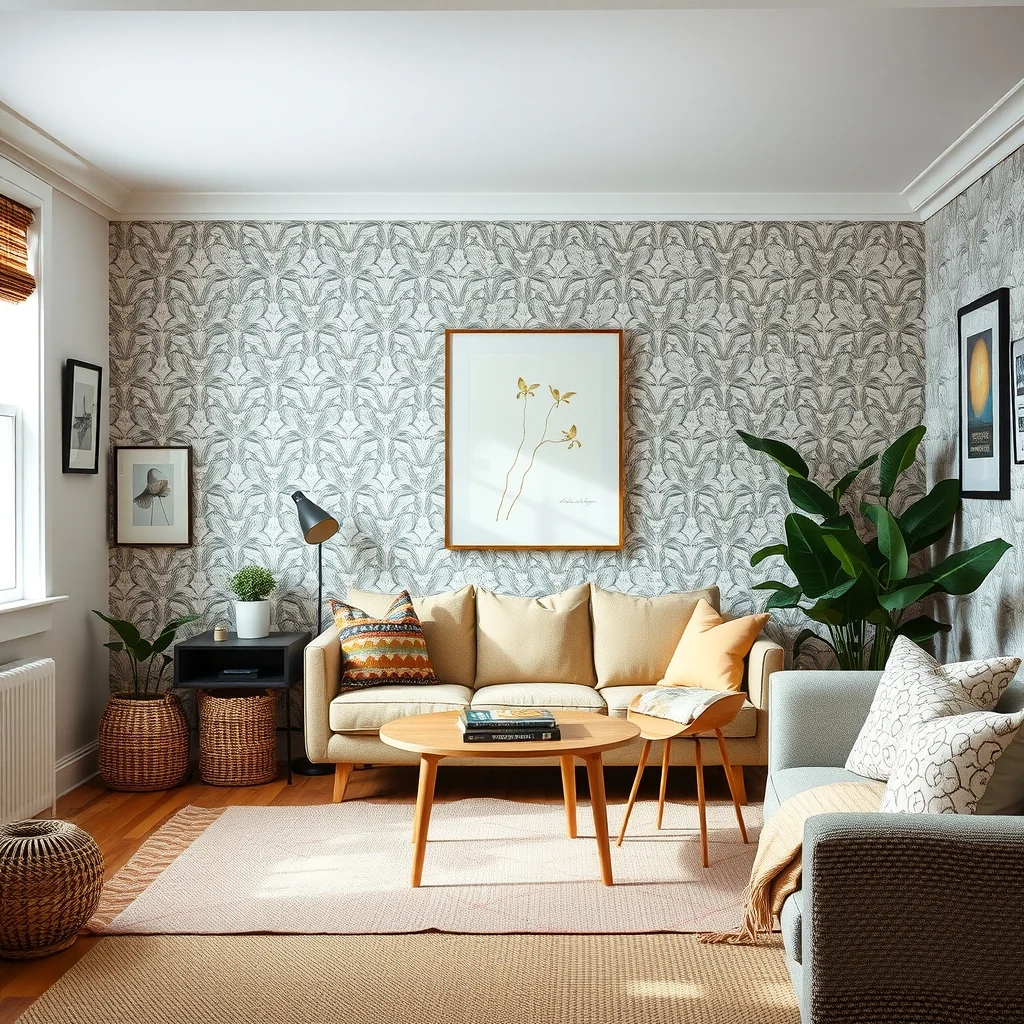
One of the quickest ways to add pattern or texture without a permanent commitment is a high‑quality removable wall covering. Modern peel‑and‑stick options mimic everything from vintage botanical prints to sleek geometric tiles, and they adhere with a pressure‑sensitive backing that releases cleanly with a gentle pull. When you apply the sheets, start at a corner and smooth outward, using a soft cloth to eliminate bubbles. The result is a room that feels curated rather than bare, and the material can be rolled up and stored for the next location. The main limitation is that very rough or textured walls may not hold the adhesive evenly, so a quick skim coat or light sanding before installation can improve the grip. Because the product is lightweight, it won’t damage paint or plaster, and you can swap styles as often as the seasons change.
What’s Your Apartment Decor Style?
Answer these quick questions to discover your perfect decor vibe.
2. Interchangeable Slipcovers and Throw Pillows
© 2026 AI Illustrator — Inspiration Only
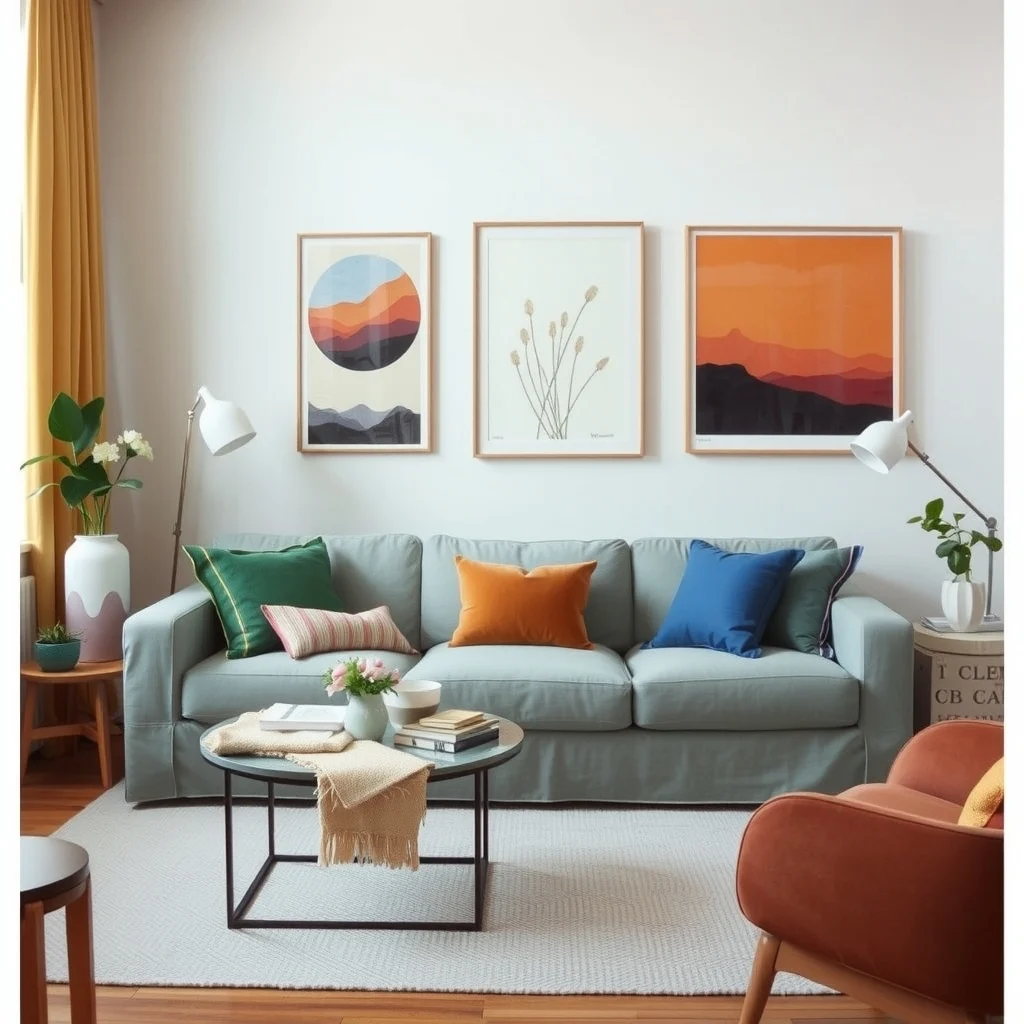
Soft furnishings are the most forgiving canvas for a temporary makeover. A well‑chosen slipcover can transform a dated sofa into a contemporary statement piece, while a collection of throw pillows adds color, pattern, and tactile contrast. Look for covers made from breathable linen or brushed cotton that fit snugly over the frame without slipping; these fabrics breathe well and can be machine‑washed, which is essential in a busy rental. When selecting pillows, mix textures such as boucle, velvet‑like microfiber, and natural jute to create depth without overwhelming the space. The advantage of this approach is that you can experiment with seasonal palettes—perhaps a cool greige winter set followed by a warm terracotta summer arrangement—without altering the underlying furniture. The only trade‑off is that heavy, overly structured slipcovers may hide the sofa’s original shape, so choose a fit that respects the piece’s silhouette.
3. Freestanding Room Dividers
© 2026 AI Illustrator — Inspiration Only
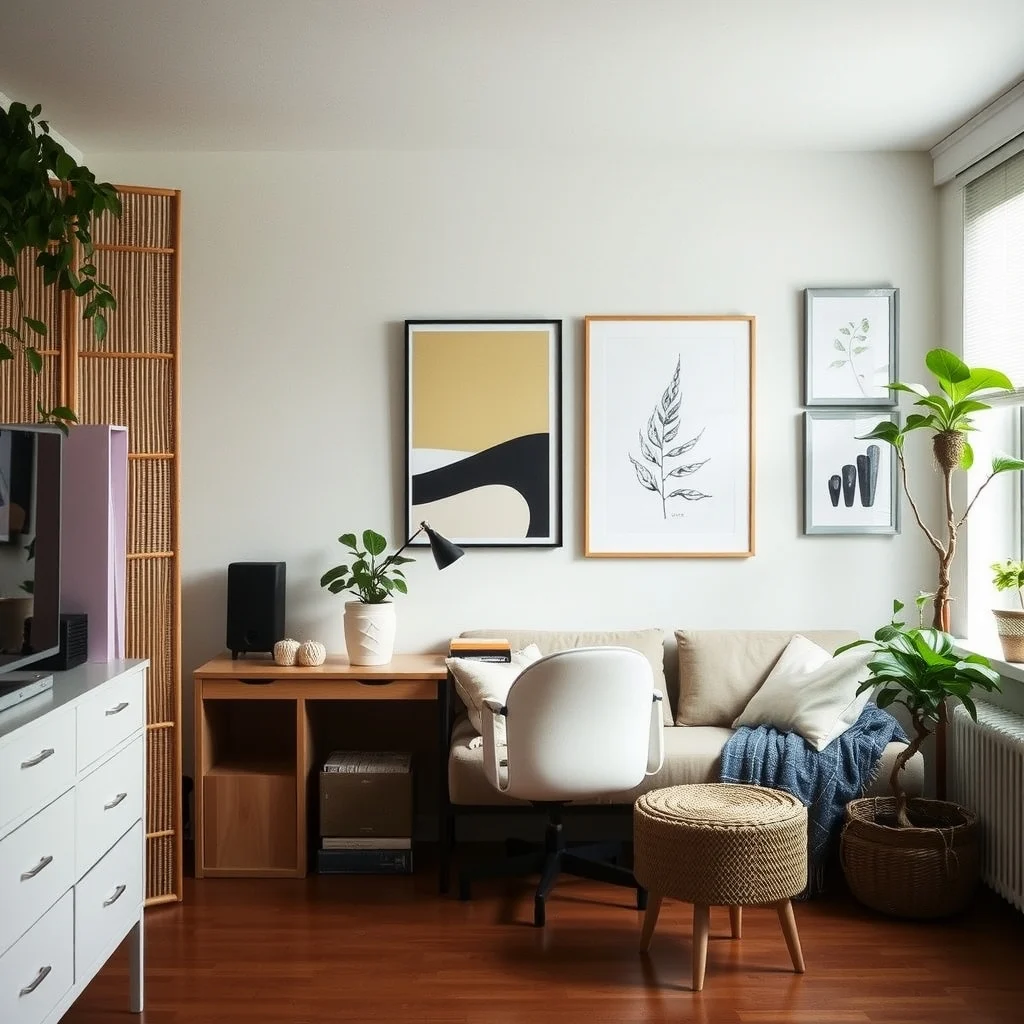
If your apartment lacks defined zones, a freestanding divider can carve out a home office or a cozy reading nook without drilling into walls. Materials range from light‑weight bamboo panels to upholstered screens with fabric that echoes your existing décor. Position the divider where traffic flow allows, ensuring that doors and pathways remain unobstructed. The visual break it creates adds a sense of privacy and can be anchored with a heavy floor‑standing vase or a tall plant to prevent wobbling. Because the unit stands on its own, moving it is as simple as lifting it out of the room, and you can even reorient it to suit a new floor plan. Keep in mind that very narrow hallways may limit the width of the screen, so measure the space before purchase.
4. Temporary Lighting Fixtures
© 2026 AI Illustrator — Inspiration Only
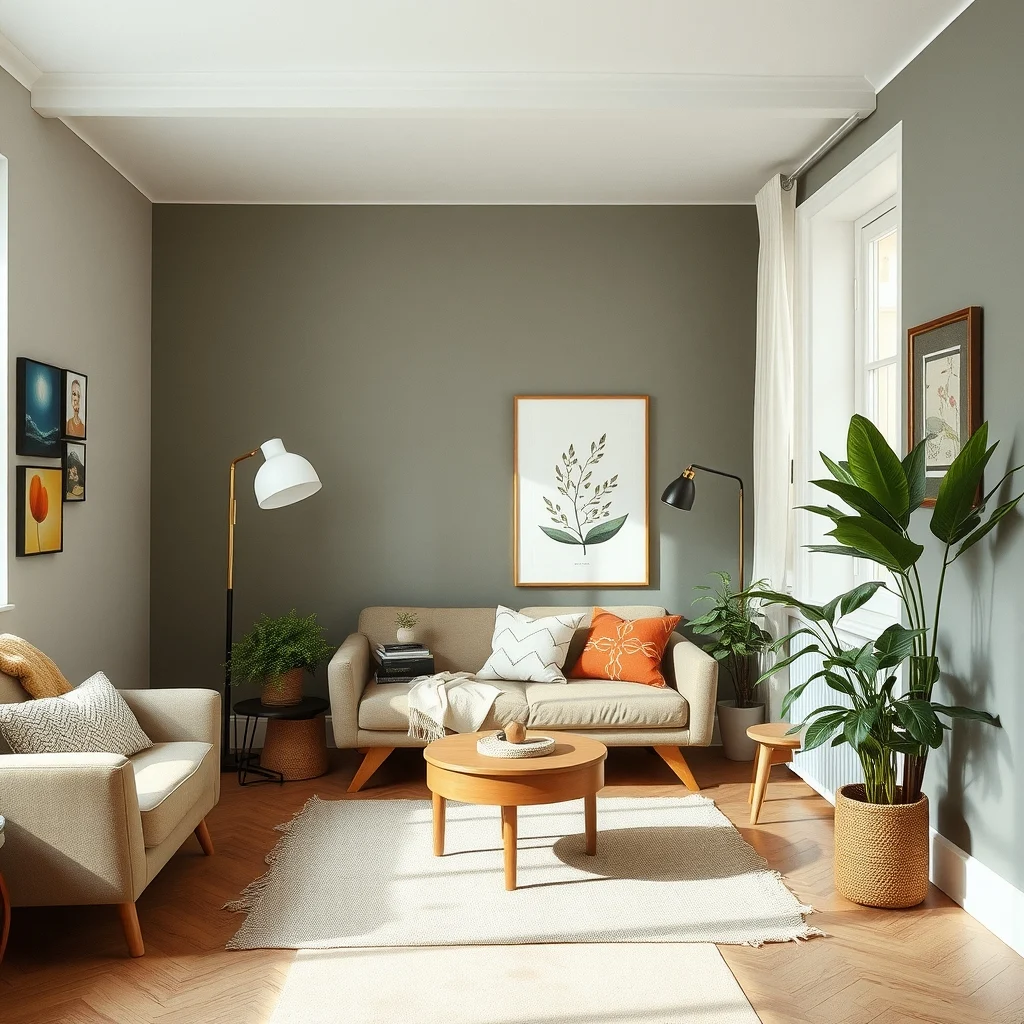
Lighting has a disproportionate effect on mood, and swapping out a fixture can feel like a complete redesign. Plug‑in floor lamps, battery‑operated wall sconces, and clamp‑style desk lights all provide illumination without requiring electrical work. A tall floor lamp with a matte brass finish can anchor a living area, while a cluster of small wall‑mounted LED units adds ambient glow near a bedroom headboard. When choosing fixtures, consider the scale of the room; a slender, arched lamp works well in a compact studio, whereas a broader, tripod‑style lamp suits a larger living space. The benefit of these options is that they can be unplugged and taken with you, leaving no trace on the ceiling or wiring. The downside is that they rely on cords or batteries, so plan for outlet access or spare batteries to avoid interruptions.
5. Area Rugs with Non‑Slip Pads
© 2026 AI Illustrator — Inspiration Only
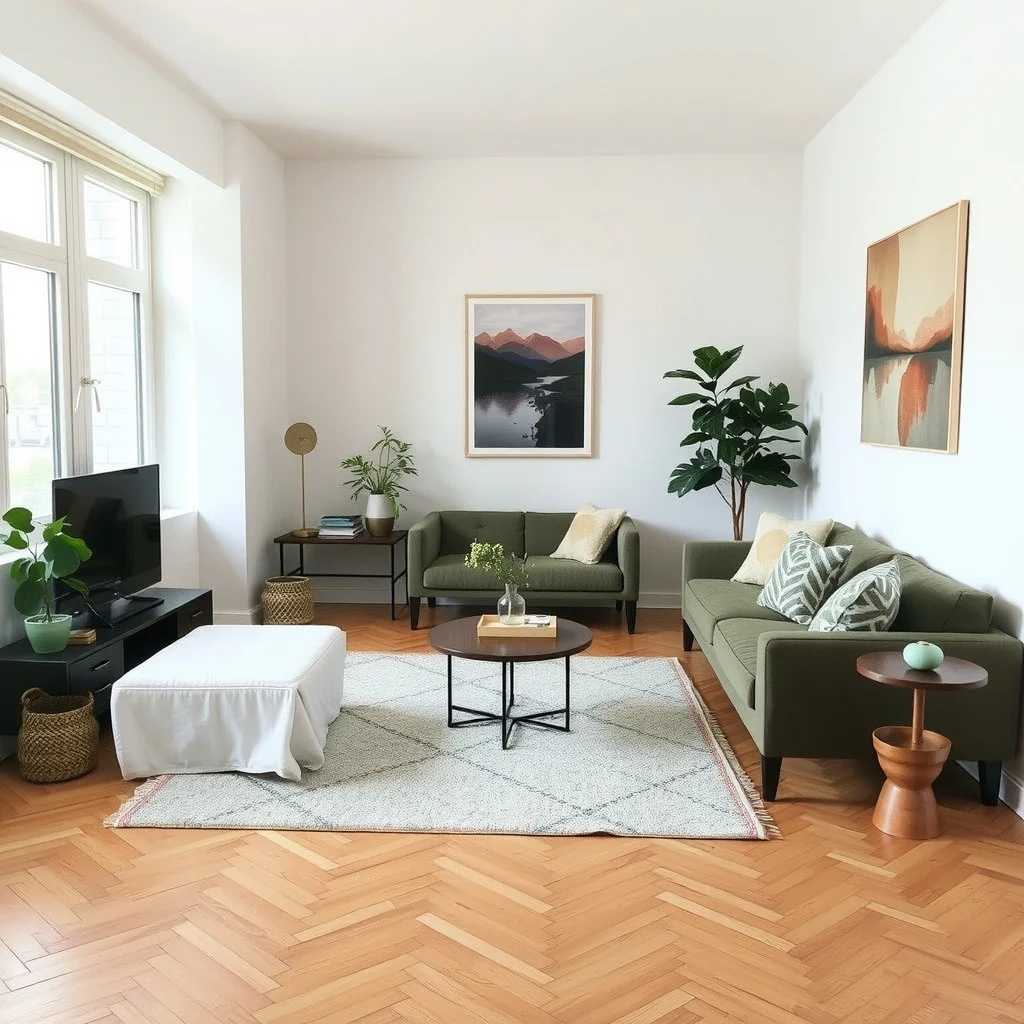
Flooring is often the most neutral element in a rental, and an area rug can instantly introduce warmth, pattern, and a sense of ownership. Choose a rug that is slightly larger than the main furniture arrangement so that the legs of a sofa or dining table rest on it, creating a cohesive footprint. Pair the rug with a thin rubber pad to keep it from sliding, especially on hardwood or laminate surfaces. Natural fibers such as jute or sisal bring an organic feel, while a low‑pile wool blend offers softness underfoot without trapping dust. Because the rug sits on top of the existing floor, removal is simply a matter of rolling it up and folding the pad. The only caution is to avoid overly heavy rugs that could dent delicate flooring; a moderate weight ensures easy transport and protects the surface beneath.
6. Modular Shelving Systems
© 2026 AI Illustrator — Inspiration Only
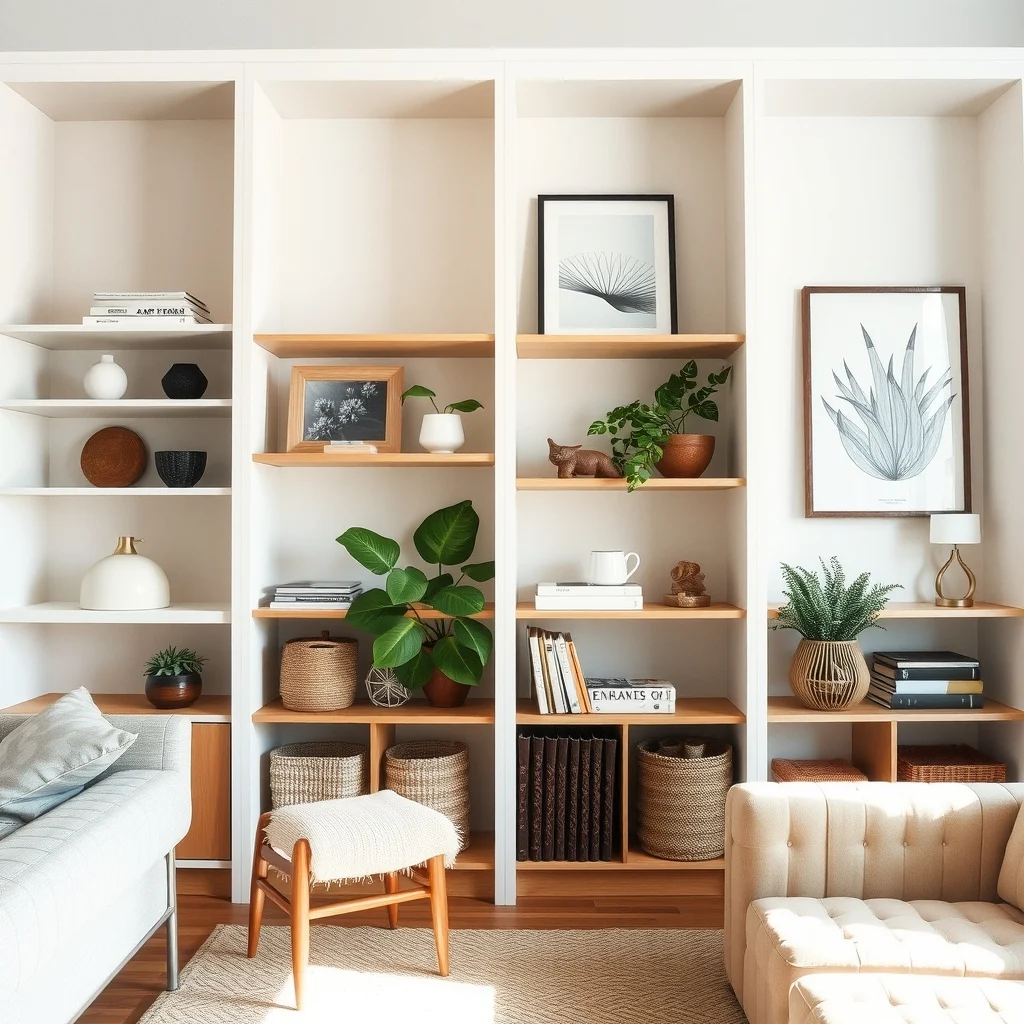
Storage and display often dictate a room’s personality, and modular shelving offers flexibility that permanent built‑ins cannot match. Units that connect via simple brackets or clip‑in panels can be assembled in various configurations—tall vertical stacks for a narrow hallway, low horizontal rows for a living area, or a combination that wraps around a corner. Opt for shelves made from powder‑coated steel or engineered wood with a smooth finish that resists scratches. The open design encourages airflow, reducing the risk of moisture damage to books or décor items. When it’s time to move, disassemble the pieces, transport them in flat boxes, and reassemble in the new home. The trade‑off is that the aesthetic is more industrial than custom; however, adding decorative baskets or fabric bins can soften the look without permanent alteration.
7. Decorative Window Treatments That Hang Without Hardware
© 2026 AI Illustrator — Inspiration Only
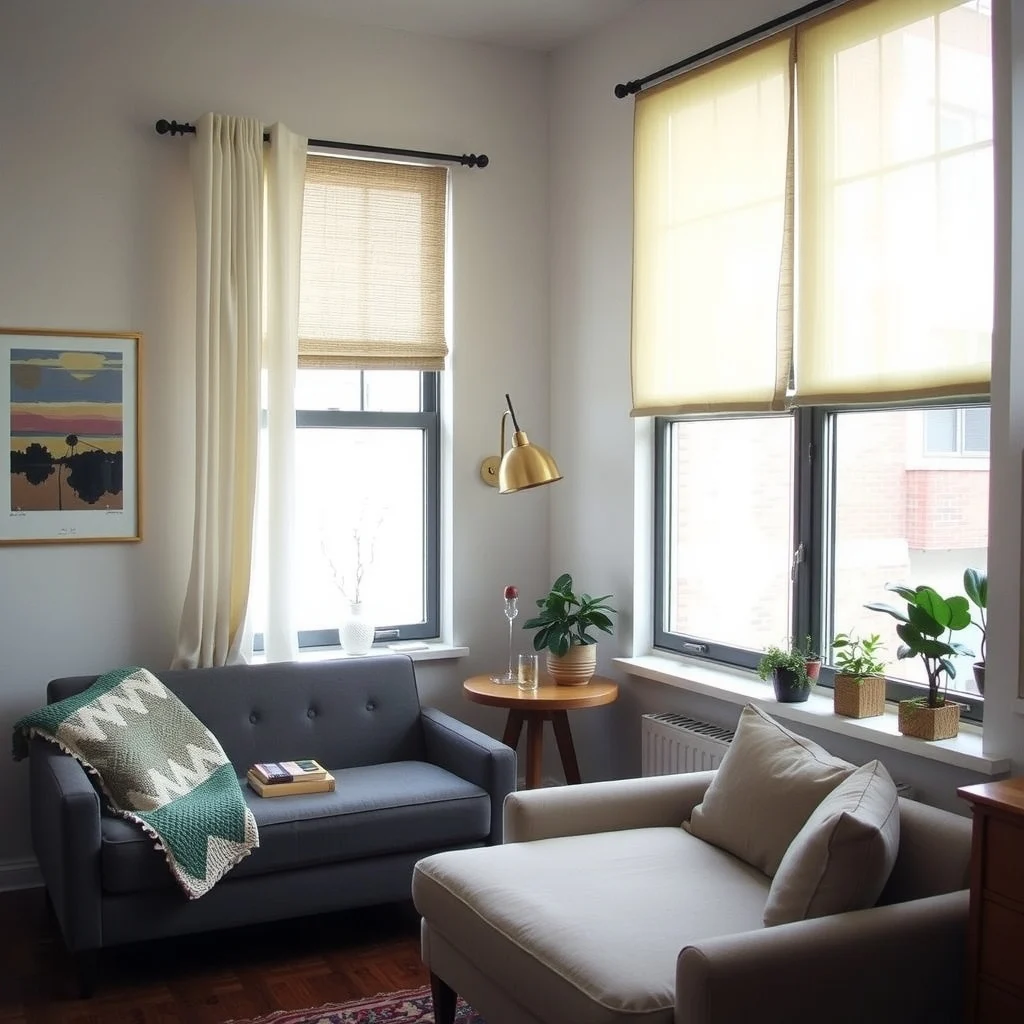
Windows often dictate the amount of natural light, and a thoughtful treatment can both soften glare and add color. Tension rods, which rely on spring tension rather than screws, support lightweight curtains or sheer panels in a matter of seconds. Choose fabrics that complement the room’s palette—perhaps a soft dove‑gray linen for a calming bedroom or a patterned cotton for a vibrant kitchen. Because the rod presses gently against the window frame, removal leaves no marks, and the curtains can be folded and stored compactly. If you need more privacy, combine a sheer layer with a blackout panel that slides over it using a simple hook‑and‑loop system. The limitation is that very heavy drapery will sag the tension rod, so keep the fabric weight moderate to maintain a clean line.
FAQ
© 2026 AI Illustrator — Inspiration Only
Can I use adhesive hooks for hanging art without damaging walls?
Yes, adhesive hooks designed for picture hanging can support moderate weight and remove cleanly when pulled straight off. Make sure the surface is smooth, dry, and free of dust for the best grip.
What is the best way to protect hardwood floors when using area rugs?
Place a thin non‑slip pad beneath the rug to prevent movement and reduce the risk of scratches. The pad also adds a slight cushion, protecting both the rug and the floor.
Are there any fire‑safety concerns with plug‑in floor lamps in small apartments?
Plug‑in lamps should be kept clear of curtains, bedding, and other flammable materials. Using bulbs with the appropriate wattage rating for the fixture reduces overheating risk.
How do I choose a modular shelving system that won’t feel too industrial?
Select units with finished surfaces in warm tones, such as matte black or brushed bronze, and accessorize with woven baskets or wooden trays. These softer elements balance the metal framework.
Final Thoughts
© 2026 AI Illustrator — Inspiration Only
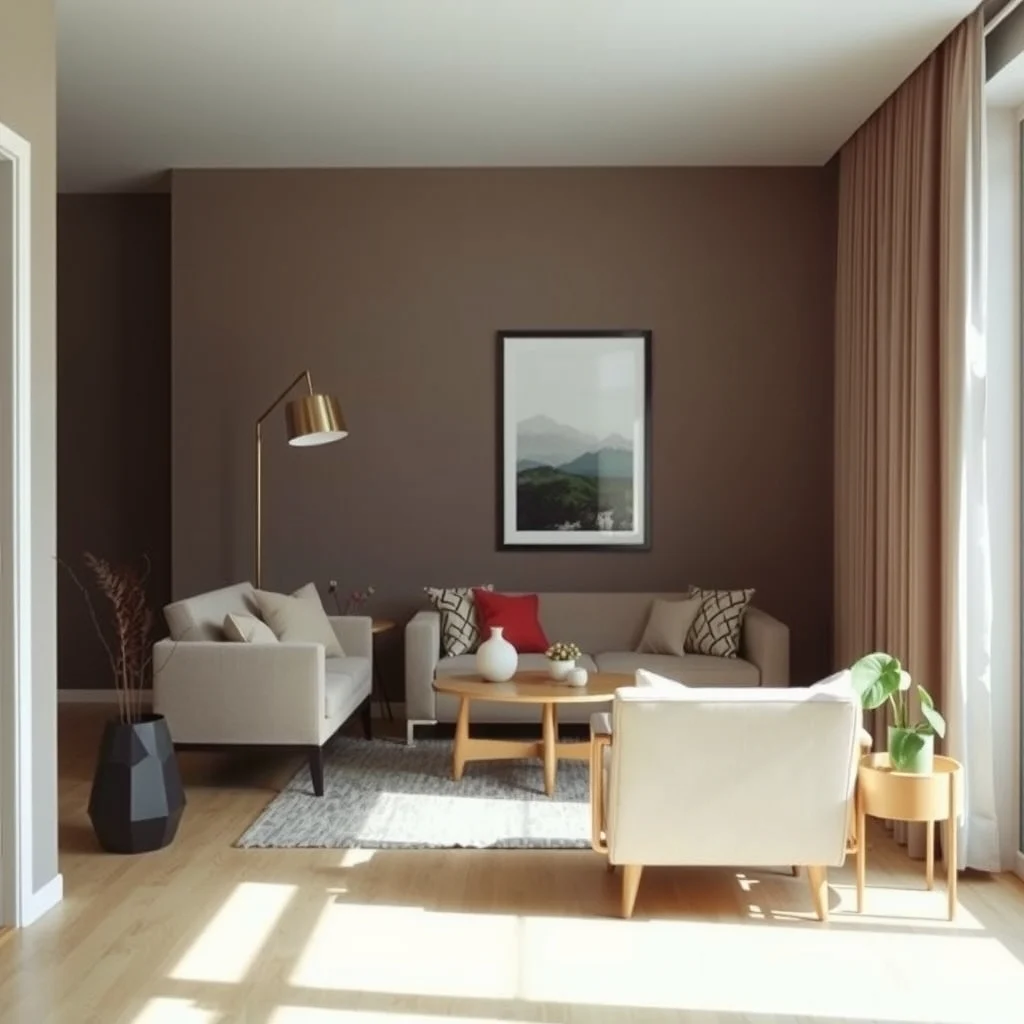
Creating a personalized haven in a temporary home is entirely possible when you focus on reversible upgrades. By choosing peel‑and‑stick wall coverings, adaptable textiles, freestanding lighting, and modular storage, you gain the freedom to redesign at will while respecting the landlord’s property. Each suggestion offers a clear path to both aesthetic satisfaction and a smooth move‑out, proving that style and practicality can coexist comfortably. When the next lease ends, you’ll be able to pack up these upgrades and start fresh, knowing that your living space always reflects your taste without leaving a permanent mark.