
Living in a studio often feels like a constant puzzle of where to place the next piece of furniture without crowding the space. When a dedicated dining spot seems impossible, a few thoughtful strategies can turn a narrow corner or a quiet wall into a functional eating nook. Below are seven approaches that blend style, storage, and flexibility, allowing you to enjoy meals without sacrificing the open‑feel you love.
1. Embrace a Fold‑Down Wall‑Mounted Table
© 2026 AI Illustrator — Inspiration Only
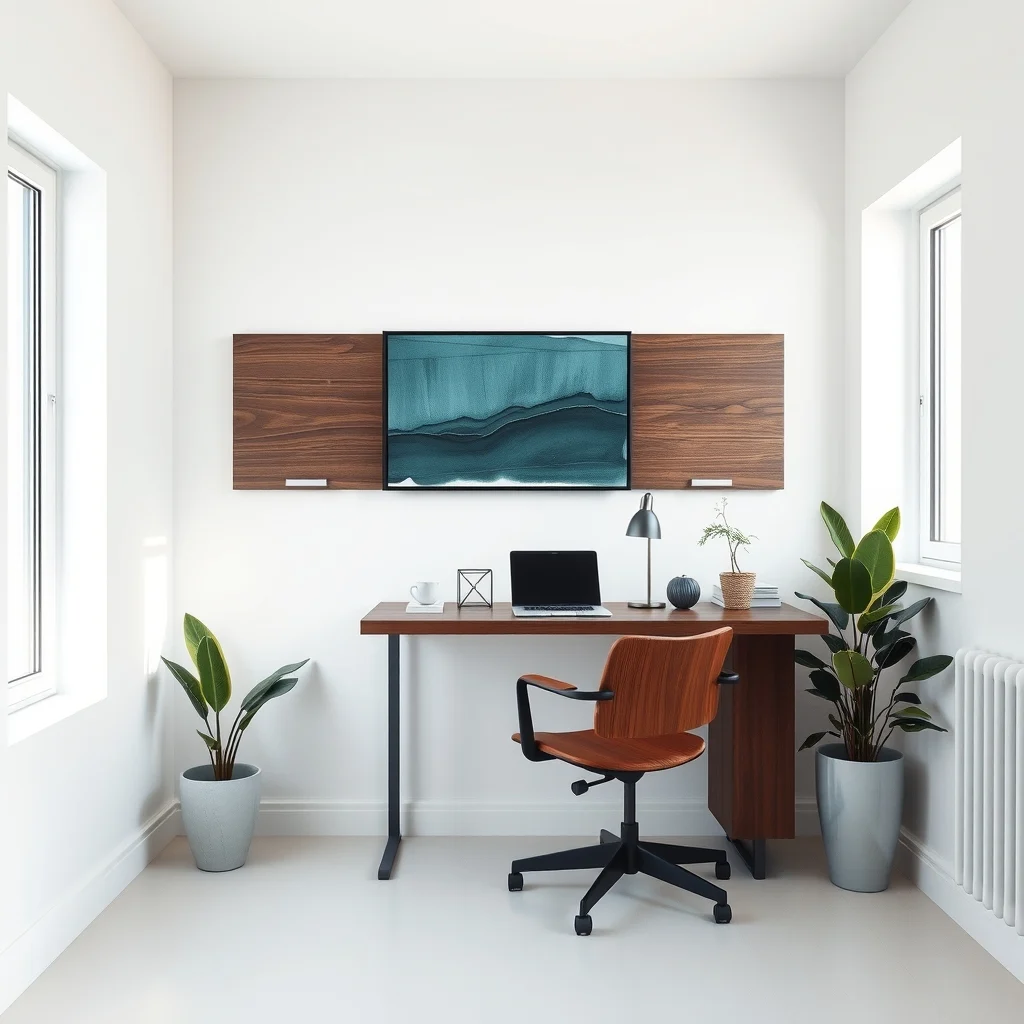
When floor space is at a premium, a wall‑mounted table that folds down only when needed can become the centerpiece of a makeshift dining area. Choose a model with a solid hardwood top and a brushed‑nickel hinge for durability; the wood adds warmth while the metal finish complements modern décor. When folded, the table sits flush against the wall, leaving the surrounding area clear for a sofa or workspace. When you pull it down, the overhang provides just enough room for two plates without overwhelming the room.
What’s Your Apartment Decor Style?
Answer these quick questions to discover your perfect decor vibe.
The main trade‑off is that the table’s depth is limited, so it works best for casual meals rather than elaborate dinner parties. To mitigate this, pair the table with slim, stackable chairs that can be tucked away in a closet or under a bench when not in use. The combination keeps the studio feeling airy while still offering a reliable spot for breakfast or a quick lunch.
2. Choose a Compact Bistro Set with Integrated Storage
© 2026 AI Illustrator — Inspiration Only
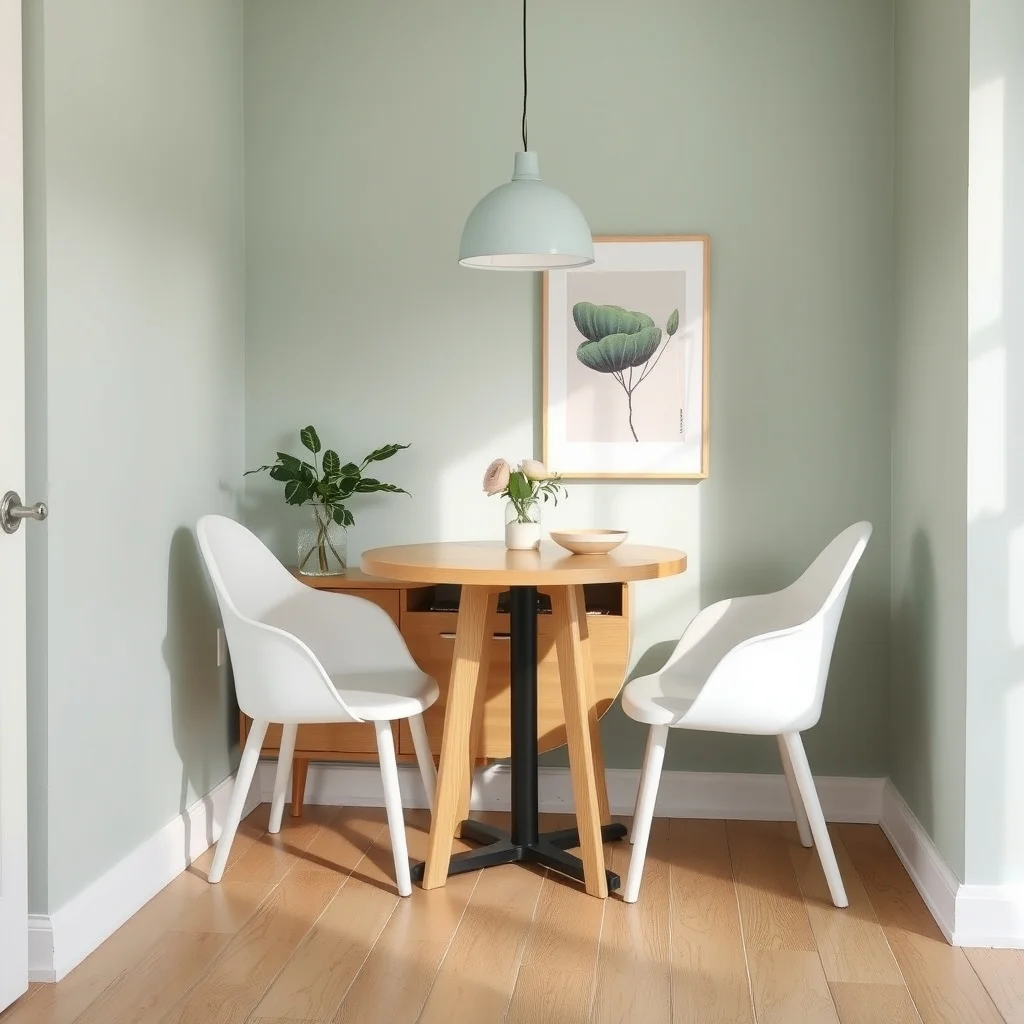
A bistro set designed for small apartments often includes a narrow table and two chairs that nest beneath it, reducing the footprint when the area isn’t needed for dining. Opt for a table in a light‑colored laminate or a soft oak veneer; the lighter tone reflects natural light and visually expands the room. Chairs with upholstered seats in a muted teal or warm greige add a touch of comfort without competing with the overall palette.
Many modern bistro sets hide a small drawer or shelf beneath the tabletop, perfect for napkins, placemats, or a few favorite cookbooks. The downside is that the storage capacity is modest, so it’s best used for items you truly need at hand. If you anticipate needing more space, consider pairing the set with a narrow rolling cart that can be moved out of the way after meals.
3. Create a Multi‑Purpose Counter Nook Using a Kitchen Island
© 2026 AI Illustrator — Inspiration Only
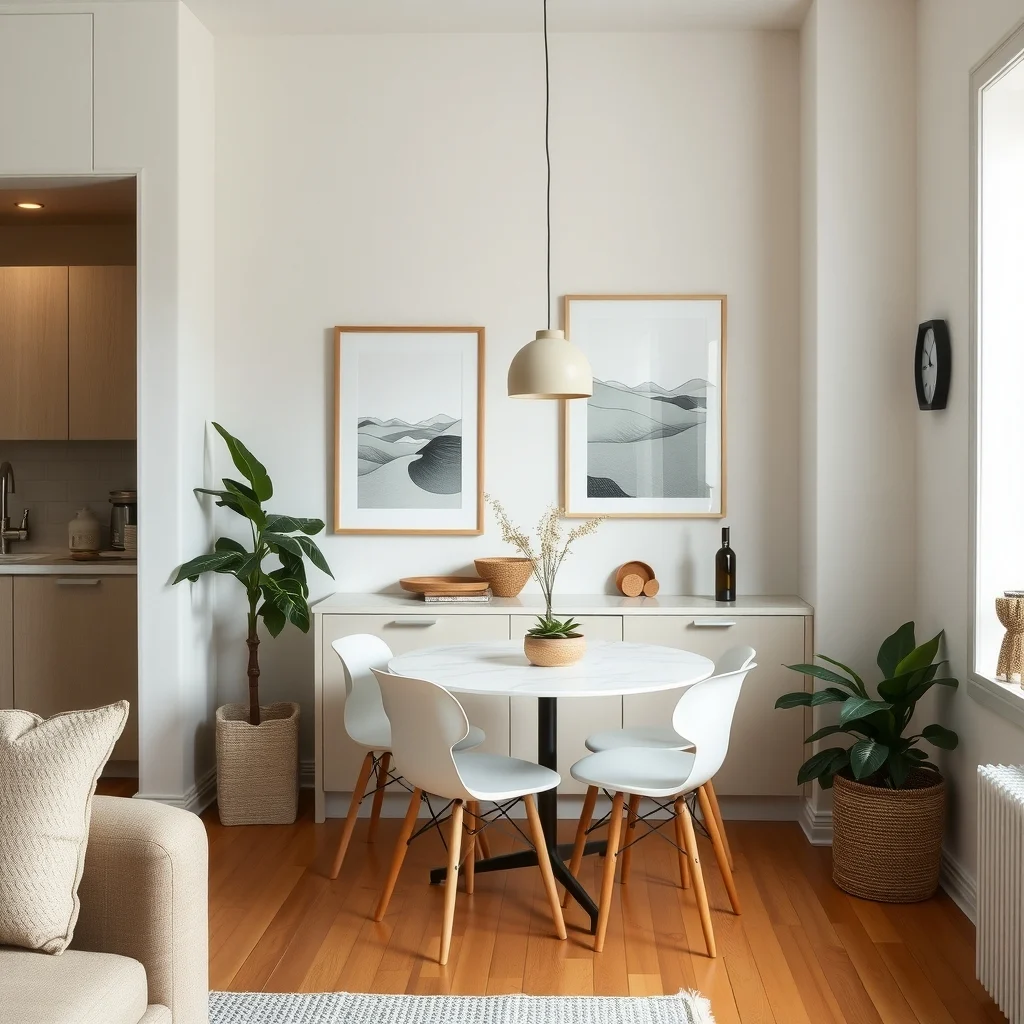
In studios where the kitchen area is separate, a narrow island can double as a dining surface and a prep station. Look for an island with a clean, white marble top that resists stains and a base made from powder‑coated steel, which holds up to everyday wear. When you’re not eating, the island’s lower shelf can store pots, pans, or even a small herb garden, keeping essentials within easy reach.
Because islands can dominate a small floor plan, keep the dimensions modest—no wider than 30 inches and no longer than 48 inches. Position the island near a window to capture natural light, and add a pair of slim, metal‑leg stools that can be tucked under the countertop when not in use. The trade‑off is that you lose some kitchen clearance, so be sure to leave at least three feet of walking space around the island.
4. Install a Sliding Panel to Define a Dining Zone
© 2026 AI Illustrator — Inspiration Only
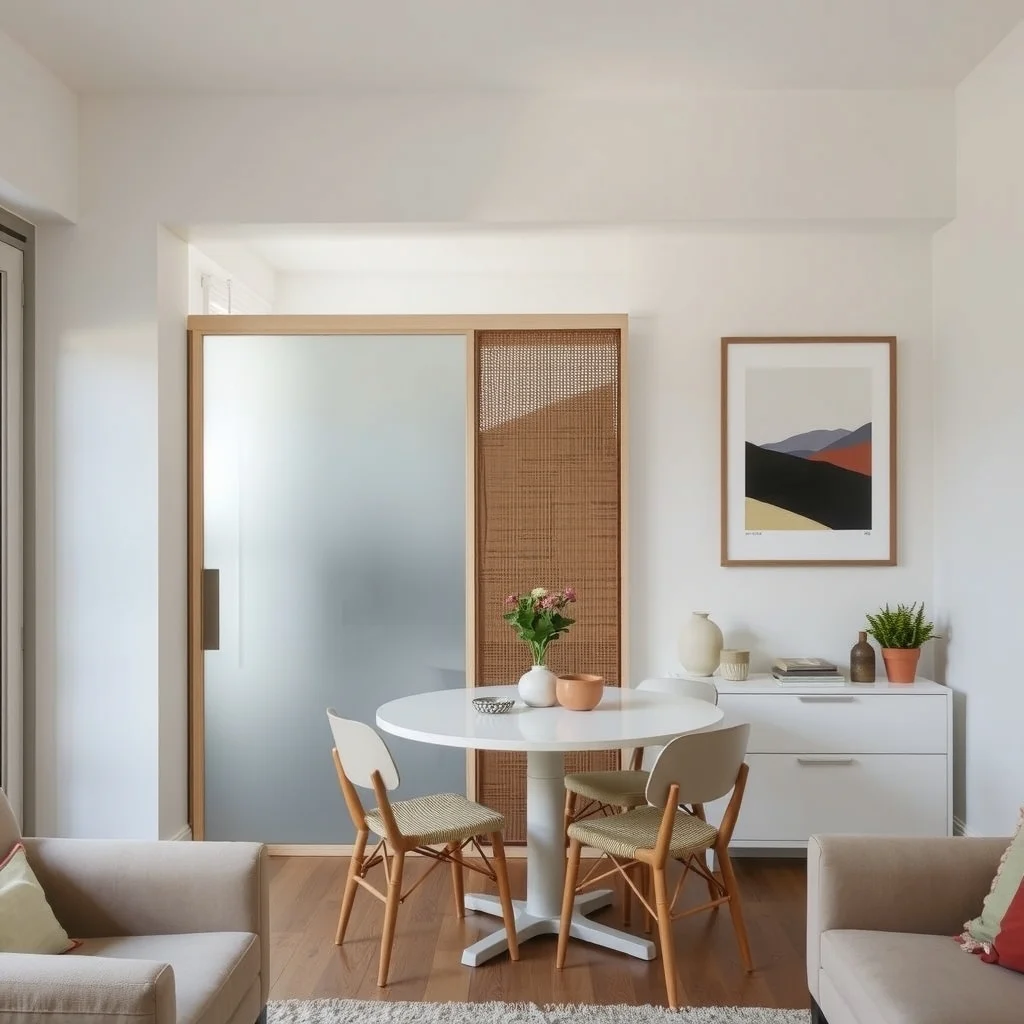
A lightweight sliding panel made of frosted glass or woven bamboo can visually separate a dining corner without adding permanent walls. When closed, the panel creates a sense of intimacy for meals; when opened, the studio regains its uninterrupted flow. Choose a panel with a simple frame in matte black or brushed brass to echo other hardware in the space.
The main consideration is that the panel does not provide acoustic insulation, so it works best in studios where the kitchen and living area share the same open floor. If privacy is a higher priority, a folding screen with a thin wooden frame and linen fabric can serve the same purpose while adding texture to the décor.
5. Utilize a Convertible Sofa with a Built‑In Tray Table
© 2026 AI Illustrator — Inspiration Only
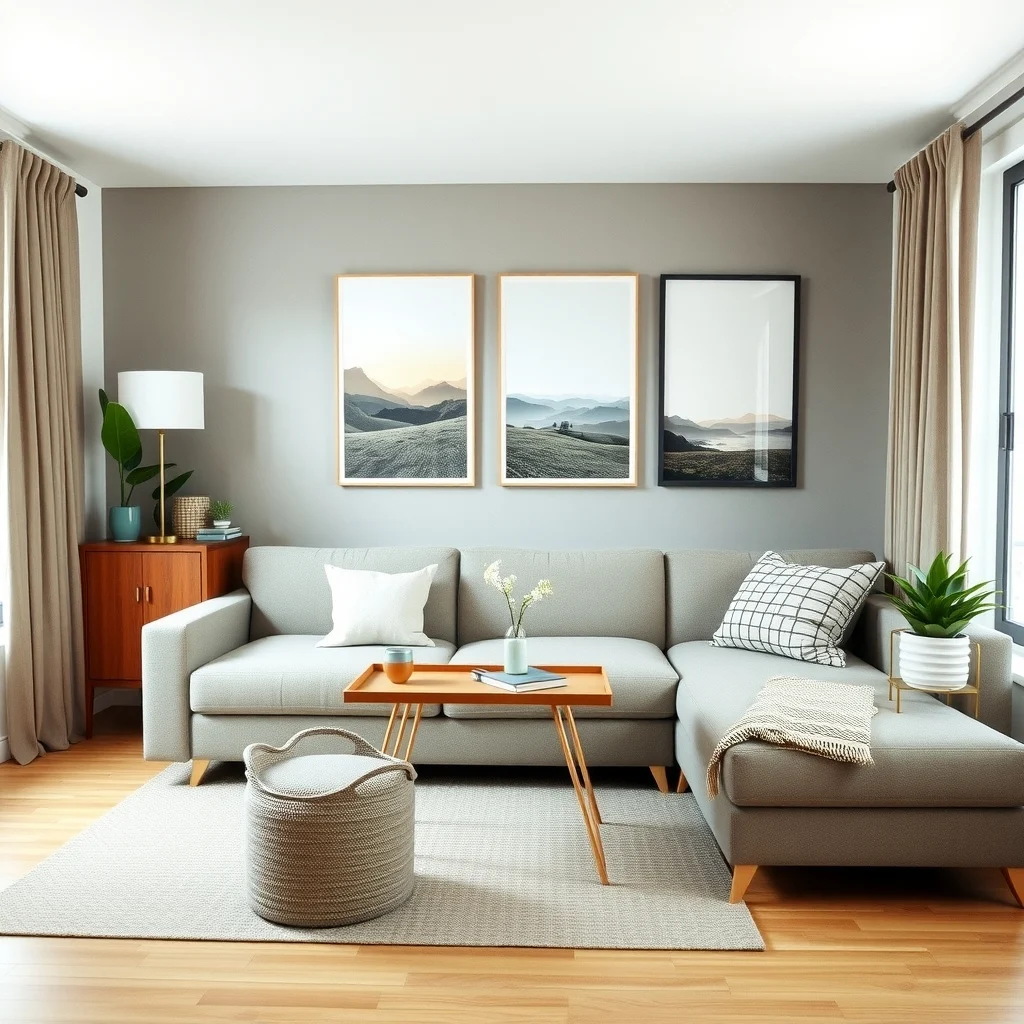
Many contemporary sofas feature a recessed compartment that can hold a slim tray table, turning the seating area into a casual dining spot in seconds. Look for a sofa upholstered in a durable, low‑pile fabric like performance linen in a soft dove gray; the neutral tone blends with most color schemes and hides minor spills. The built‑in tray, often finished in walnut or walnut‑stained MDF, provides a stable surface for plates and glasses.
This solution maximizes functionality but limits the number of diners to two or three, depending on the sofa’s length. If you frequently host guests, consider pairing the sofa with a narrow side table that can be moved into the space when needed, ensuring you have enough surface area without sacrificing comfort.
6. Add a Tall, Narrow Buffet for Both Dining and Storage
© 2026 AI Illustrator — Inspiration Only
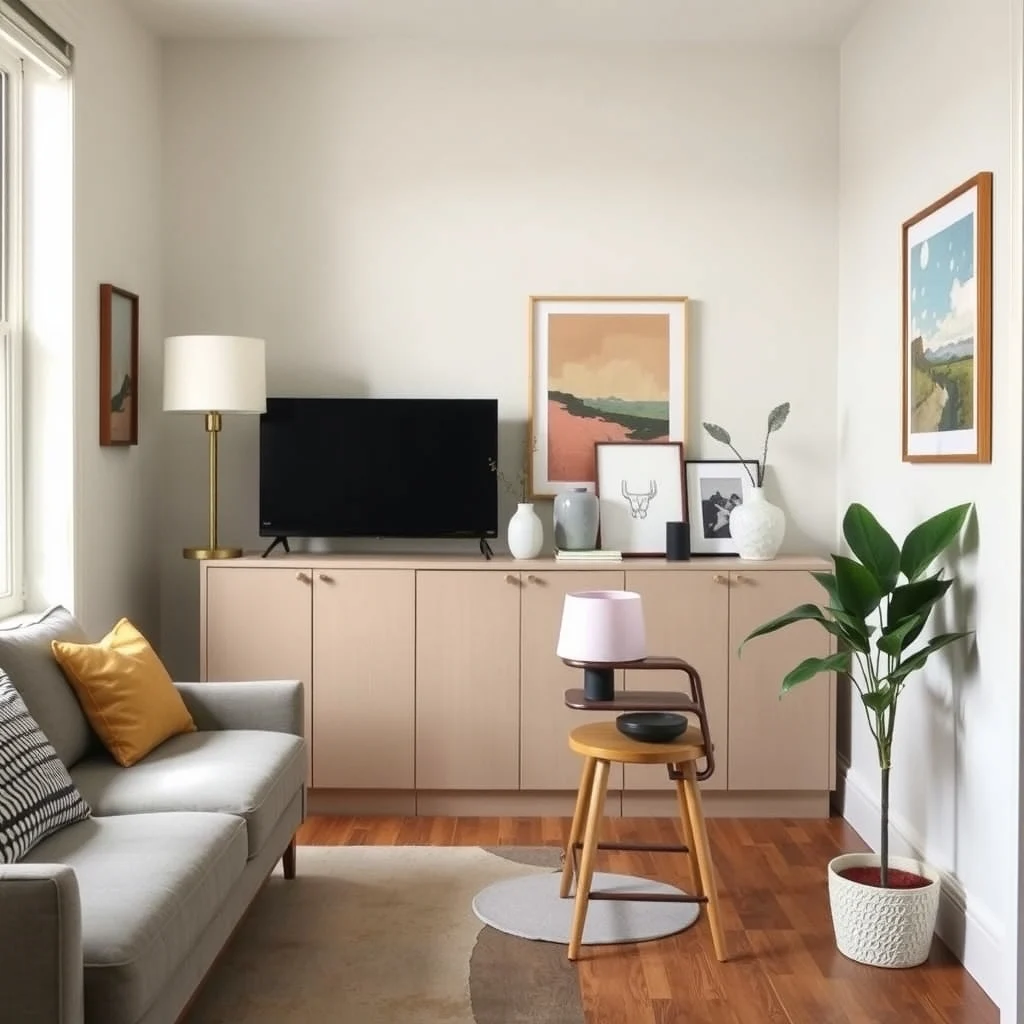
A tall buffet that stands only 12–14 inches deep can act as a sideboard for dishes while also serving as a narrow dining surface when paired with a pair of stools. Choose a piece finished in a matte charcoal lacquer or a warm walnut veneer to anchor the room without overwhelming it. The vertical height draws the eye upward, creating the illusion of more space.
The downside is that a tall piece can feel imposing in a studio, so keep the height proportional to the ceiling—ideally no higher than the top of the window frame. Use the upper shelves for decorative items like glassware or a small collection of plants, while the lower cabinets hide serving trays and extra linens, keeping the area tidy when it’s not being used for meals.
7. Leverage a Window Seat with Built‑In Seating
© 2026 AI Illustrator — Inspiration Only
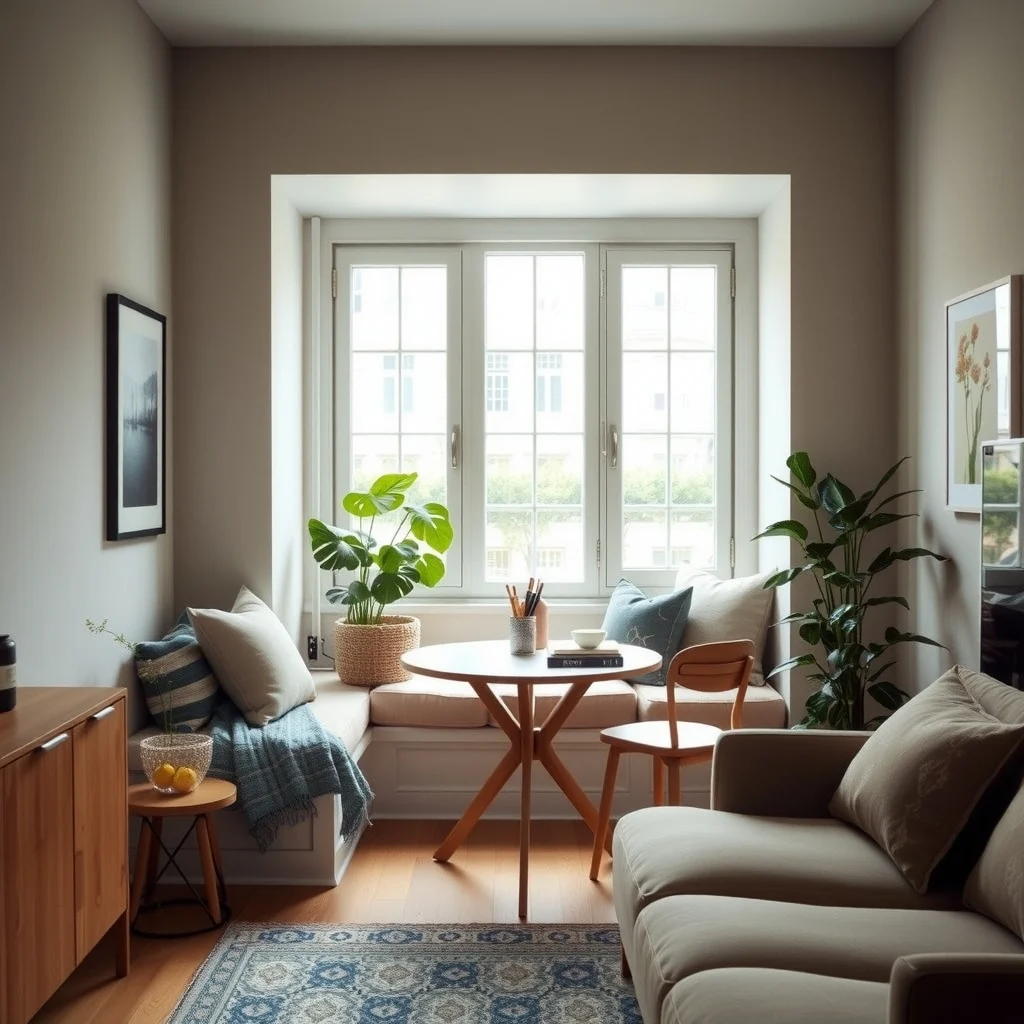
If your studio has a large window, a custom-built window seat can double as a dining nook and a reading corner. Construct the seat with a plush cushion covered in a durable, stain‑resistant fabric such as performance velvet in muted olive. The bench can be framed with reclaimed pine, adding a natural texture that contrasts nicely with the sleek window glass.
Integrate a slim, pull‑out tabletop that slides from under the cushion when you need a surface for plates. When retracted, the seat returns to a sleek, low‑profile look, preserving the view and natural light. The main limitation is the need for a stable wall to support the seat, so it works best when the window is set within a solid wall rather than a freestanding partition.
Frequently Asked Questions
© 2026 AI Illustrator — Inspiration Only
Can I use a folding table for everyday meals?
Yes, a folding table works well for daily use as long as the hinge and tabletop are sturdy. Choose a model with a solid wood or high‑quality laminate top to withstand repeated folding and unfolding without wobbling.
What is the best material for a small dining table that resists spills?
Surface materials like tempered glass, sealed marble, or a high‑gloss laminate are easy to wipe clean and hide minor stains. They also reflect light, helping the studio feel brighter.
How much clearance do I need around a dining area in a studio?
Aim for at least three feet of walking space on each side of the table or island. This allows you to move chairs in and out comfortably and prevents the area from feeling cramped.
Are there any safety concerns with wall‑mounted tables?
Wall‑mounted tables should be anchored to studs or solid masonry to support weight safely. Follow the manufacturer’s installation guide and, if you’re unsure, enlist a professional to secure the brackets.
What lighting works best for a tiny dining corner?
Layered lighting is key: combine a small pendant or semi‑flush ceiling fixture with a low‑profile wall sconce. The pendant provides focused illumination for meals, while the sconce adds ambient glow without overwhelming the space.
Final Thoughts
© 2026 AI Illustrator — Inspiration Only
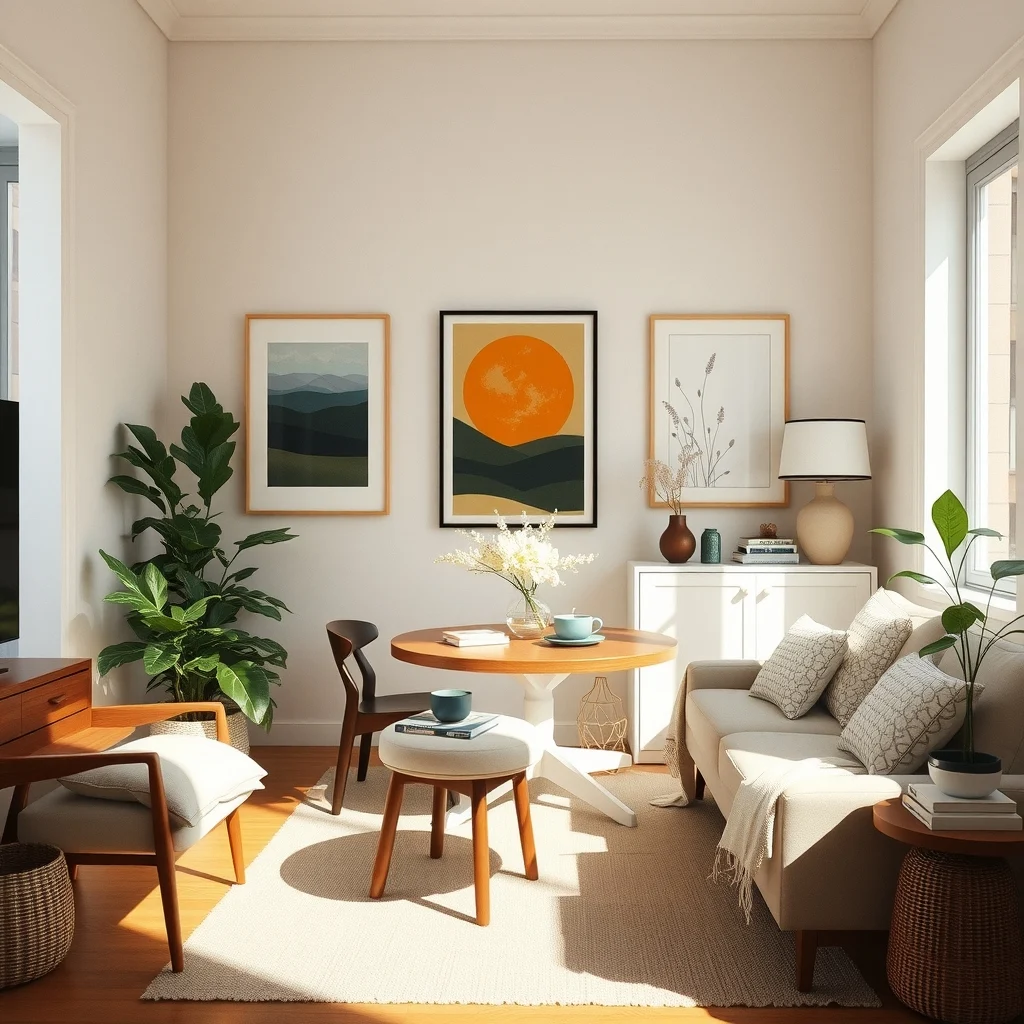
Creating a dining area in a studio that feels both functional and inviting is less about adding more furniture and more about choosing pieces that serve multiple purposes. By folding, nesting, or integrating storage, you keep the floor clear and maintain the airy atmosphere that makes studio living appealing. Each of the seven ideas above offers a different balance of space, comfort, and style, allowing you to tailor the solution to your daily routine and aesthetic preferences. With a little creativity, even the smallest studio can host a cozy meal without compromising on design.