
Small bedrooms can be magic—cozy, calm, and surprisingly functional. But one awkward layout choice and poof: suddenly it feels like a shoebox. If your space is starting to feel more cramped than cute, you might be making one of these sneaky mistakes. Don’t panic. We’ll fix them—quick, smart, and stylish.
1. Pushing the Bed in a Corner Like It’s Time-Out
© 2026 AI Illustrator — Inspiration Only
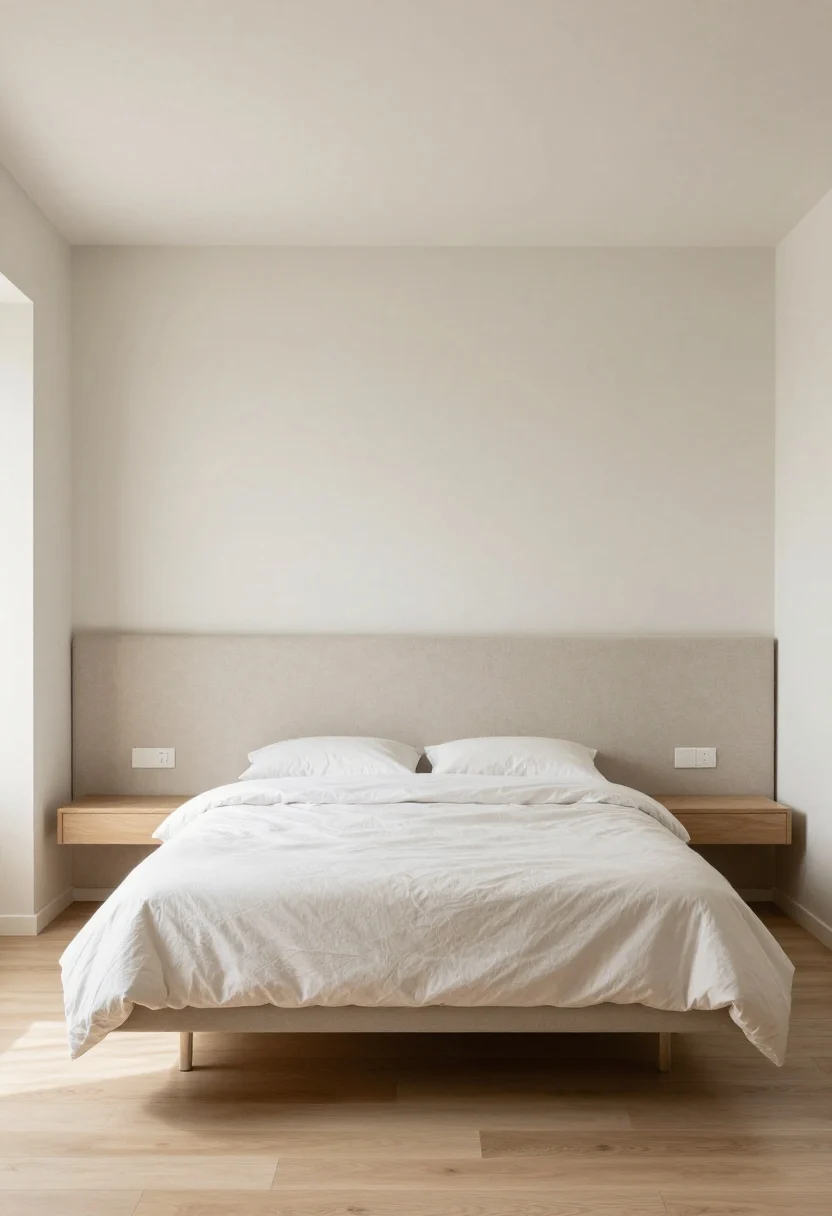
Shoving your bed into a corner sounds logical—save space, right? But it actually makes the whole room look off-balance and more cramped. Plus, whoever sleeps against the wall gets the awkward crawl-out every morning. Not chic.
What’s Your Apartment Decor Style?
Answer these quick questions to discover your perfect decor vibe.
Try This Instead
- Float the bed a few inches off the wall or center it on the main wall. Even an 8–12 inch walkway on both sides creates visual balance and breathing room.
- Use slim nightstands (12–16 inches wide) or floating shelves to keep the footprint light but the symmetry strong.
- Choose a low-profile headboard or a wall-mounted upholstered panel to minimize bulk while still feeling cozy.
2. Using Chunky Furniture That Eats the Room
© 2026 AI Illustrator — Inspiration Only
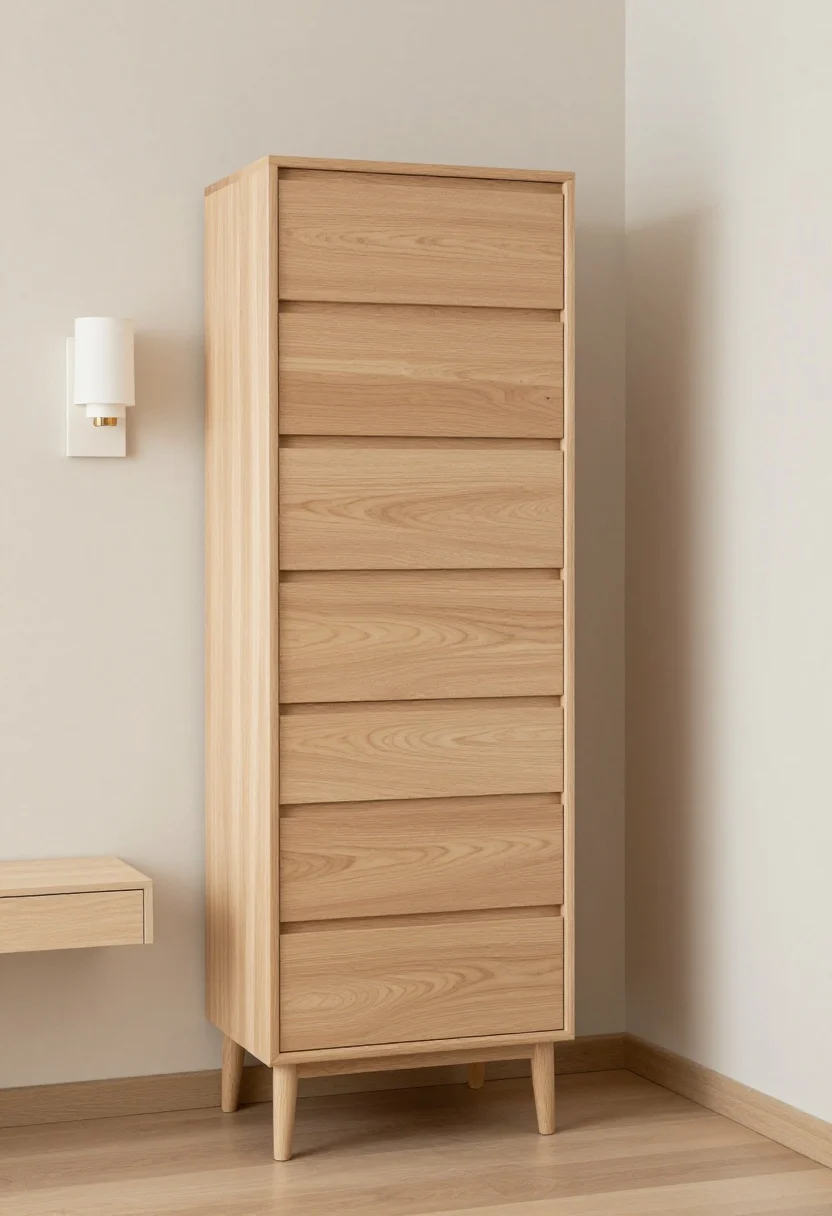
Huge dressers and deep nightstands can instantly make a small bedroom feel heavy. Scale matters. If your furniture looks like it could crush a cabin, your room will feel smaller than it is.
Scale Smarter
- Go leggy. Pieces with visible legs show more floor, which tricks the eye into seeing more space.
- Right-size the dresser. Aim for 16–18 inches deep instead of 22–24. Tall-and-narrow beats short-and-wide in tight rooms.
- Wall-mount where possible: sconces, shelves, even a floating console as a nightstand. Clean lines = open vibes.
3. Forgetting Vertical Space (Your Walls Are Real Estate!)
© 2026 AI Illustrator — Inspiration Only
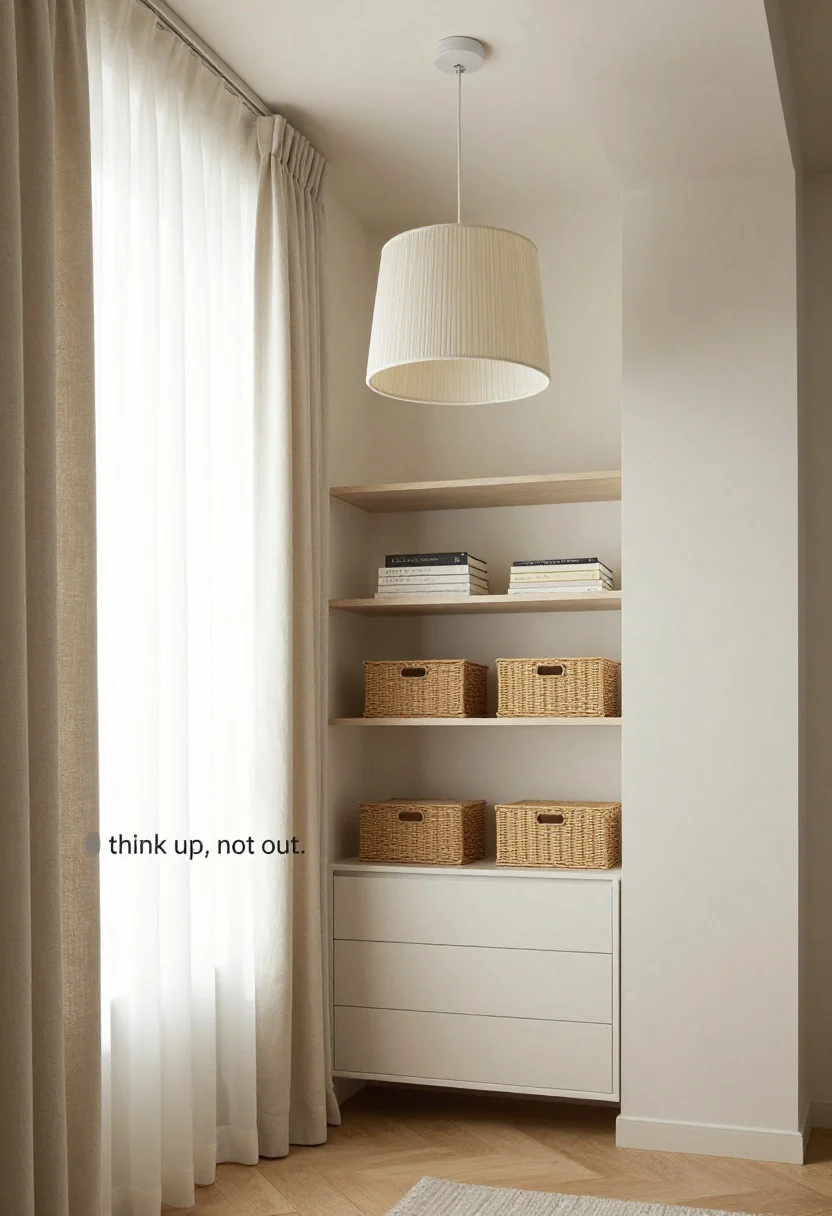
If everything lives at floor level, you miss half the room. Small bedrooms need vertical moves to feel bigger and work harder.
Think Up, Not Out
- Install shelves up high above dressers or doors for baskets, books, or off-season bits. Keep them styled but practical.
- Choose tall window treatments: Hang curtains 4–8 inches above the frame and let them kiss the floor. It stretches the eye upward.
- Use a statement pendant or flush mount to pull focus up. Even a small drum shade adds height and polish.
4. Overcrowding With Too Many “Little” Things
© 2026 AI Illustrator — Inspiration Only
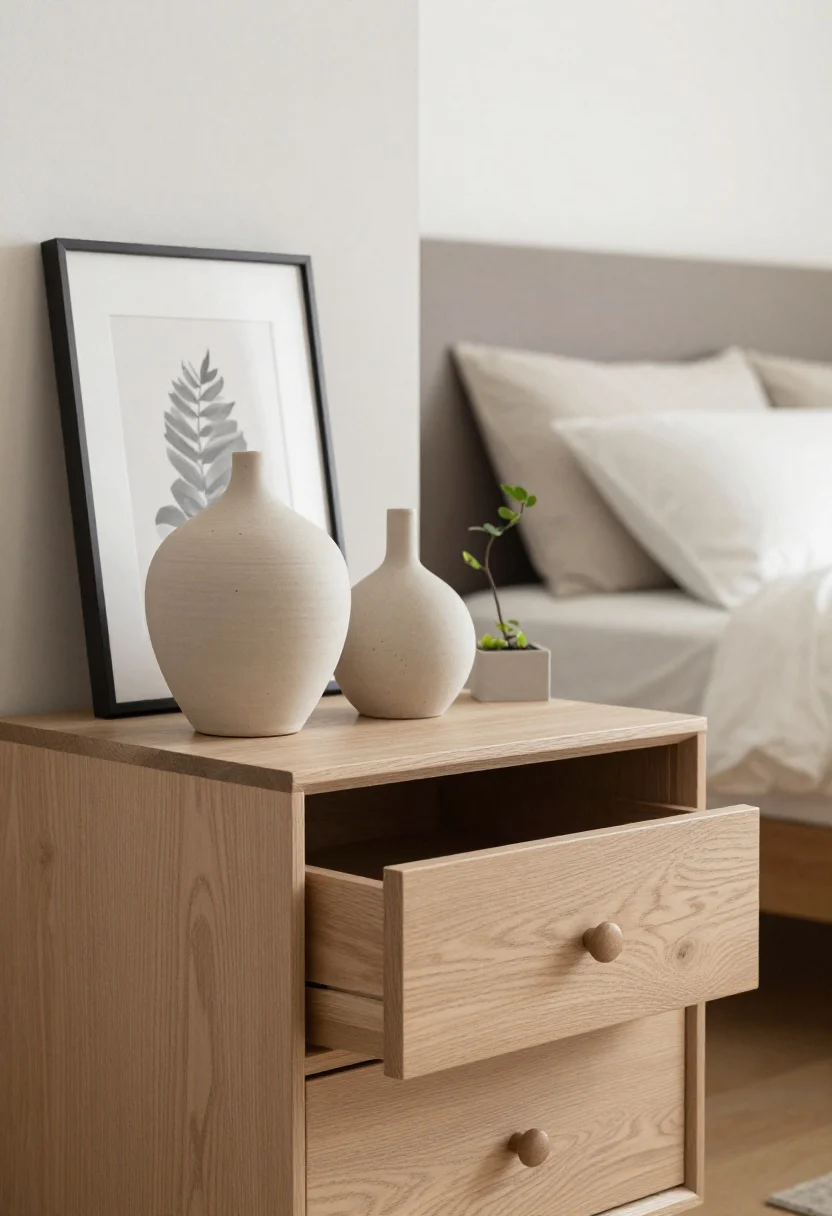
Irony alert: lots of small items can make a room feel busier and smaller than a couple of larger, streamlined pieces. Tiny lamp here, skinny stool there—suddenly you’ve got clutter chaos.
Edit With Intention
- Consolidate surfaces: One good-sized nightstand beats two wobbly perches. Look for hidden storage drawers to stash chargers and skincare.
- Pick one focal piece: a great headboard or an art moment over the bed. Let it lead, then keep the rest quiet.
- Limit decor groupings to odd numbers (3 or 5) and vary height for visual rhythm without overwhelm.
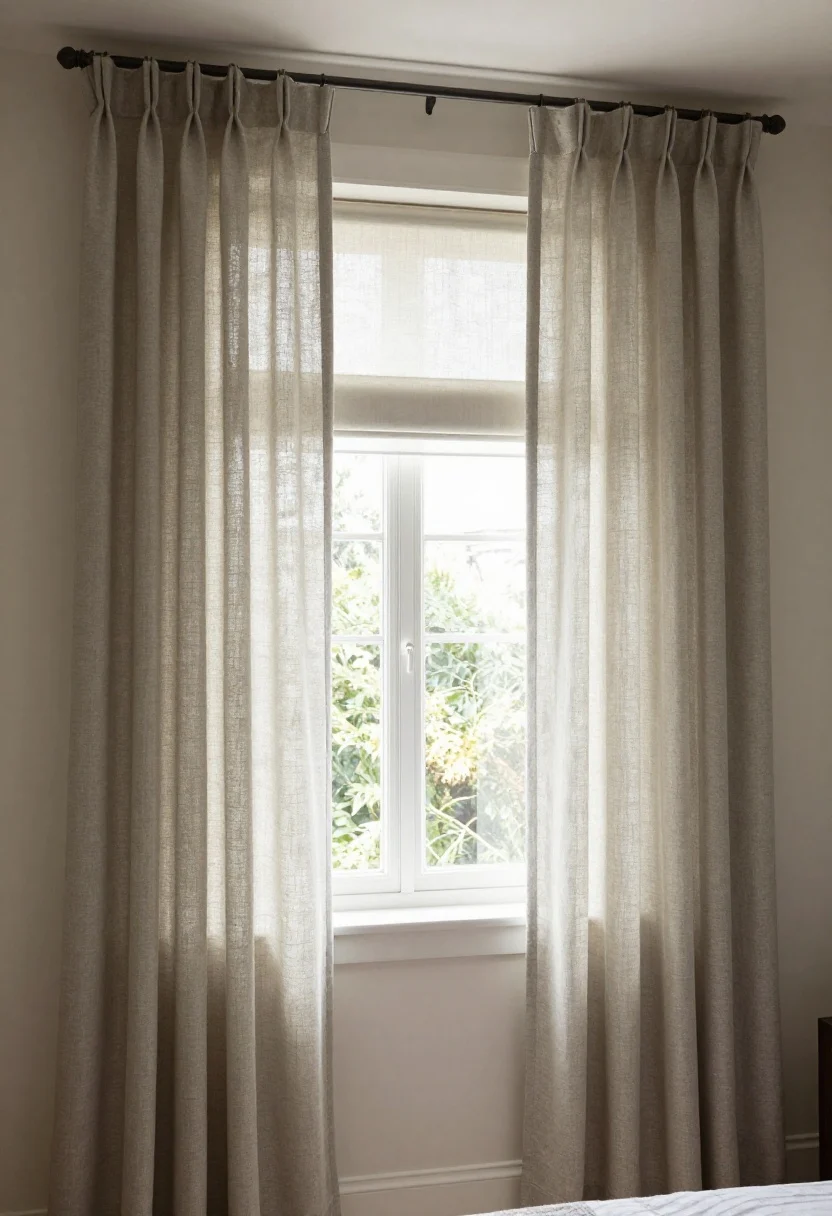
5. Blocking Natural Light With Bulky Window Treatments
© 2026 AI Illustrator — Inspiration Only
Heavy drapes, thick blinds, and busy valances can choke the life out of your windows. In a small room, light is gold. Don’t cover it with velvet just because it looks “fancy.”
Let the Light Win
- Choose light-filtering shades or linen curtains. They soften light while keeping things airy.
- Mount rods wider than the window so panels stack outside the glass. Instant bigger-window effect.
- Double up smartly: sheer roller shade + blackout curtain = privacy and sleep without bulk.
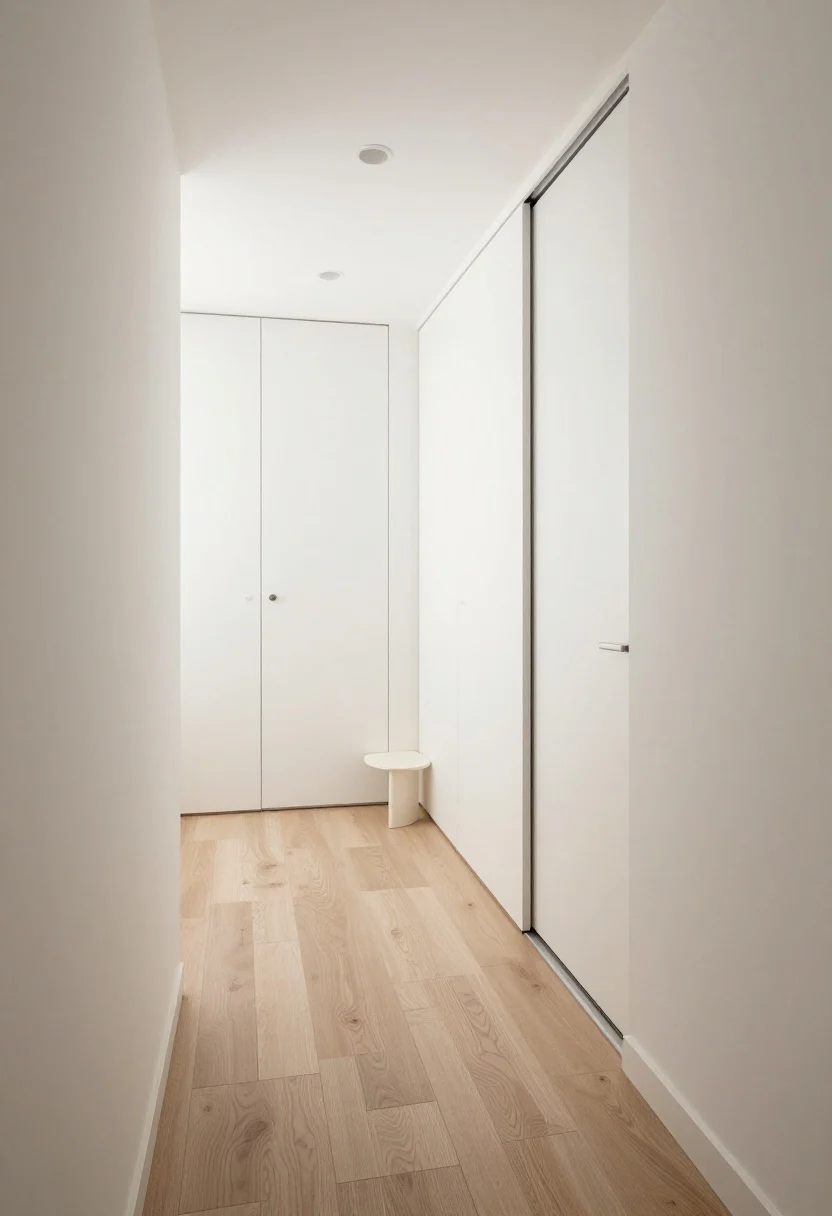
6. Ignoring Clear Pathways (AKA The Toe-Stubbing Shuffle)
© 2026 AI Illustrator — Inspiration Only
If you can’t walk a clear path from door to bed to closet, the room will always feel cramped. Circulation is everything. Your toes (and your sanity) deserve space.
Map Your Movement
- Maintain a 24–30 inch walkway on the main route. In small rooms, 20 inches is tight but doable—just keep edges rounded.
- Use sliding solutions: sliding closet doors, pocket doors, or a glide-top nightstand to eliminate door-swing collisions.
- Curve the corners: Rounded nightstands or wall-mounted shelves reduce bumps and free visual space.
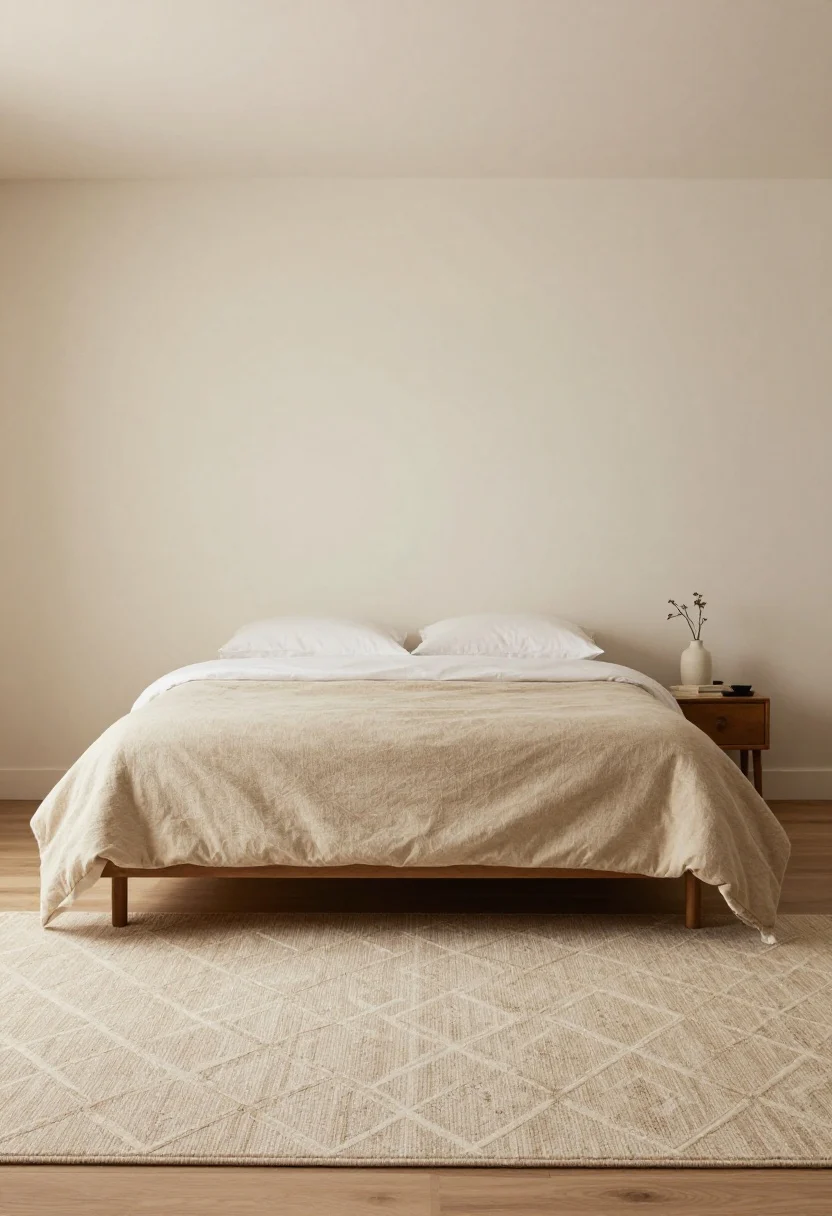
7. Choosing the Wrong Rug (Or Skipping It Entirely)
© 2026 AI Illustrator — Inspiration Only
Rugs define zones and anchor furniture. Too small and it looks like a bath mat desert; too big and it swallows the floor. No rug? The room feels scattered and colder.
Rug Rules That Work
- Under a full bed: Aim for an 8×10 if room allows (queen bed), or at least a 6×9. The rug should extend 8–12 inches beyond the sides and foot.
- Small room hack: Try two runners on either side of the bed or a 5×7 placed two-thirds under the bed to save space and cash.
- Keep patterns light and scale medium. High-contrast, tiny patterns can feel busy; soft geometrics or tone-on-tone is your friend.
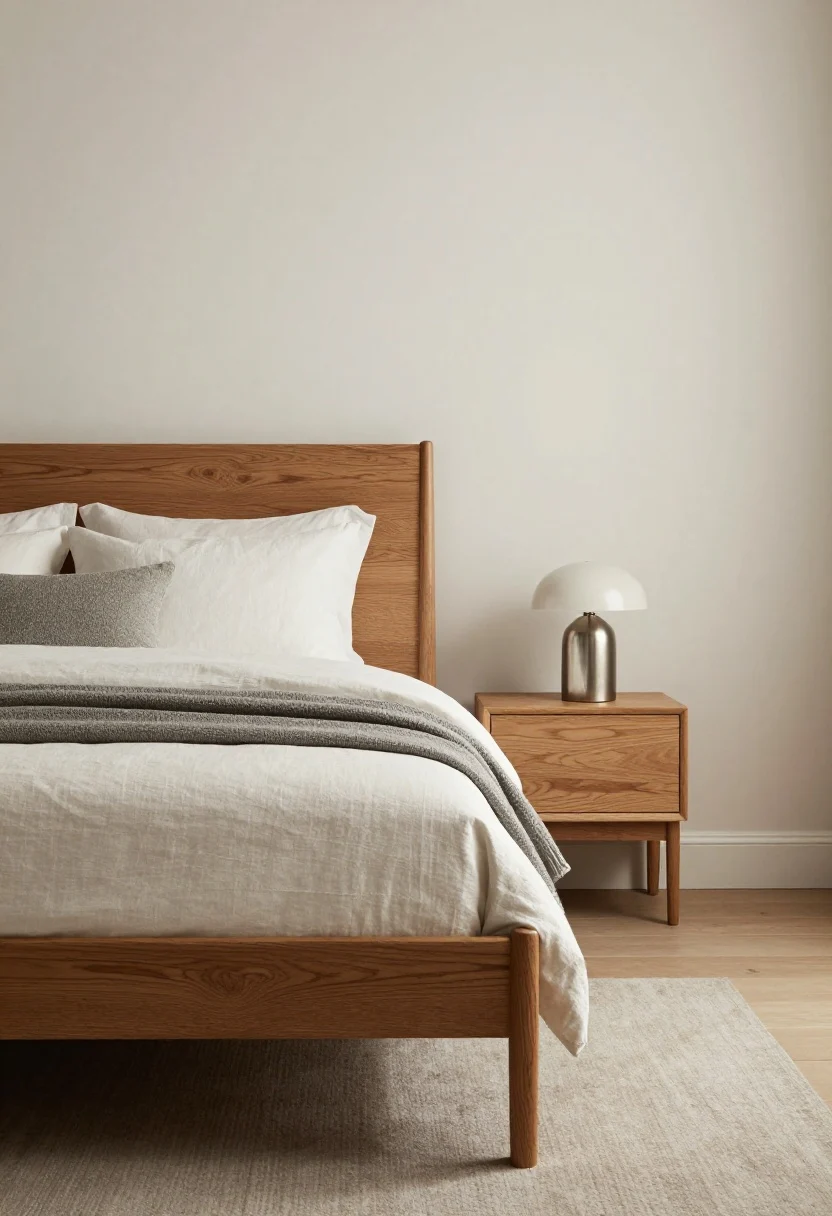
8. Monochrome Everything With No Depth (Or Way Too Many Colors)
© 2026 AI Illustrator — Inspiration Only
Color can either expand a room or shrink it fast. All-white with no texture? Flat. Ten clashing tones? Visual noise. The sweet spot is a tight palette with layered materials.
Build a Cohesive Palette
- Pick 3–4 core colors: one light neutral (walls), one mid-tone (furniture), one accent (textiles), and one metal/wood tone.
- Layer textures: linen duvet, nubby throw, smooth ceramic lamp, natural wood. Depth = dimension, even in neutrals.
- Use contrast strategically: darker floors or rug under a lighter bed frame ground the space without feeling heavy.
FYI: Soft, low-contrast drapery and bedding help edges “blur,” which makes the room read larger.
9. Skipping Smart Storage (And Letting Clutter Win)
© 2026 AI Illustrator — Inspiration Only
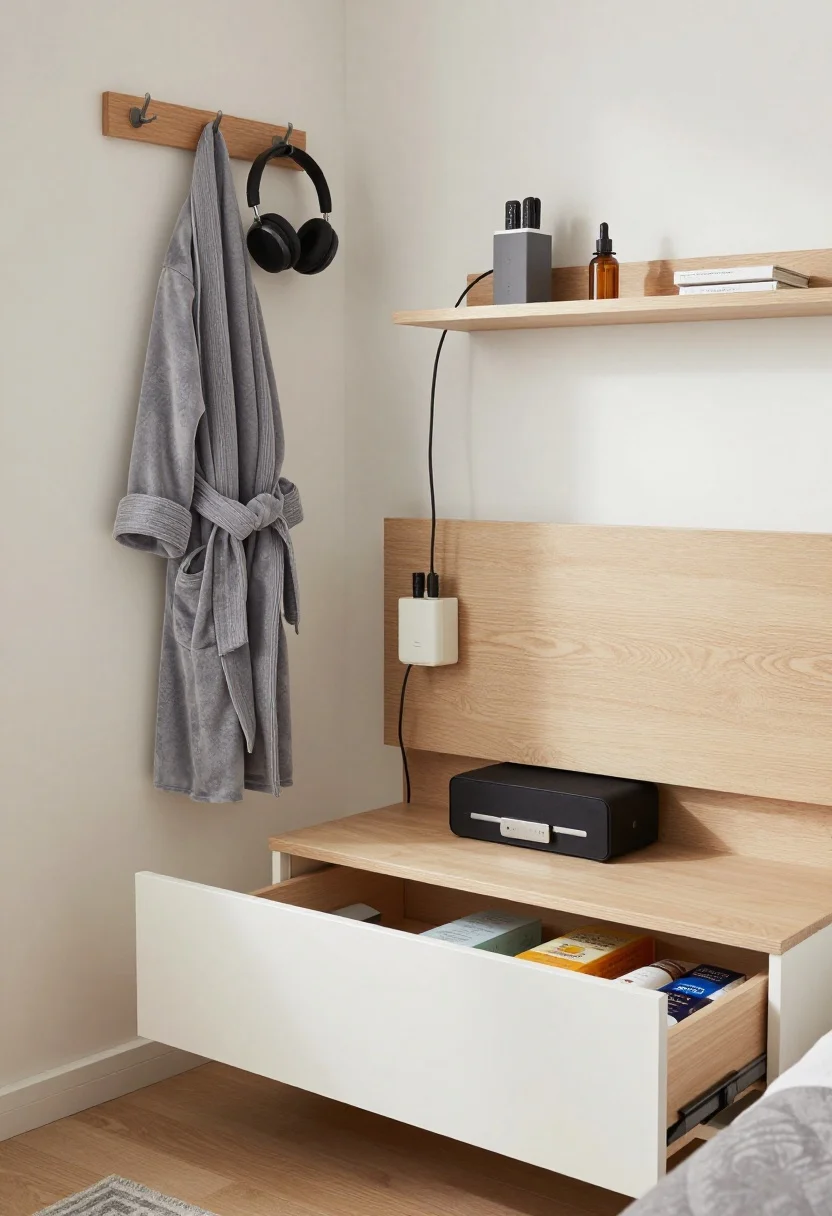
Mess shrinks a room faster than any paint color. If you’re constantly negotiating with piles—clothes, cords, products—you don’t have a layout problem; you have a storage problem. Fix that and everything opens up.
Hide It In Plain Sight
- Under-bed drawers beat bins—easier access, cleaner lines. If you have a bed on legs, add low rolling boxes with matching labels.
- Choose a headboard with shelves or a slim wall cabinet above the bed for books and bedtime essentials.
- Nightstand with doors or drawers > open cubbies. Visual calm matters.
- Use a wall hook rail for bags, robes, headphones—vertical drop zone, zero floor mess.
Pro tip: Corral tech with a cable box on the nightstand shelf, and mount a power strip underneath. Out of sight, fully charged. IMO, life-changing.
Bonus Layout Combos That Actually Work
- Queen Bed + Two Slim Nightstands: Centered bed, sconces on dimmers, dresser opposite with a mirror to bounce light.
- Full Bed + One Nightstand: Offset bed slightly, floating shelf on the tighter side, narrow dresser by the window.
- Daybed Setup: Push a daybed lengthwise with a bolster, add a pedestal table as a nightstand, and a tall bookcase to draw the eye up.
Lighting Layer Checklist (Because It Matters):
- Ambient: Flush mount or pendant to wash the room in light.
- Task: Wall sconces or adjustable lamps for reading—frees up surface space.
- Accent: A small picture light or LED strip under a shelf for mood.
Quick Wins You Can Do This Weekend
- Re-center the bed and add matching (or complementary) lamps for balance.
- Raise the curtains and widen the rod. Immediate height boost.
- Edit surfaces to 3 items max per top: lamp, book, plant. Done.
- Swap the rug to the correct size and tuck two-thirds under the bed.
- Install wall hooks and a cable organizer. Goodbye, visual clutter.
In small bedrooms, every inch has a job. Avoid these nine layout mistakes, and your space will feel calmer, lighter, and—yes—bigger. You don’t need more square footage; you just need smarter choices. Now go fluff that duvet and live your best cozy life.