
You don’t need a bigger apartment—you need better decor strategy. Some choices accidentally shrink your space, even if you swear you’re doing everything “minimal.” The good news? A few smart swaps can make your home feel brighter, taller, and way more breathable by tonight.
1. Bulky Furniture That Eats The Room
© 2026 AI Illustrator — Inspiration Only
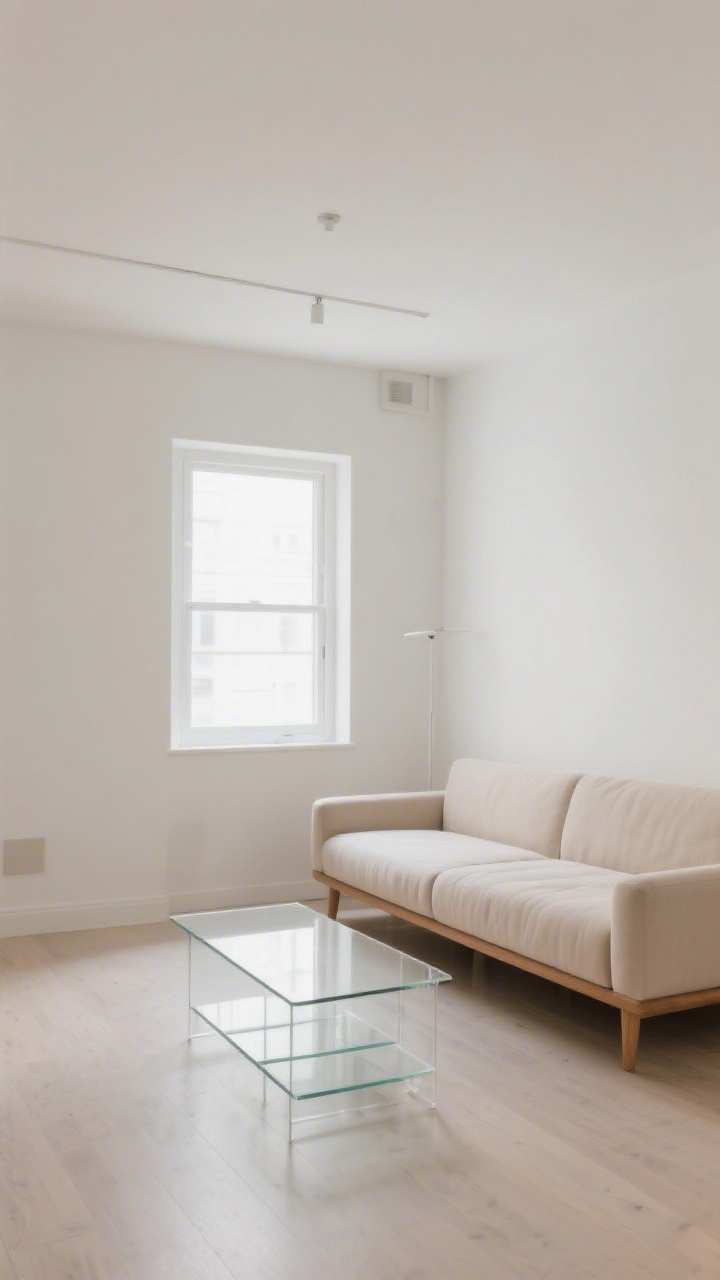
Massive sectionals, overstuffed armchairs, and deep coffee tables look cozy online, then show up IRL like a sumo wrestler in a phone booth. When furniture hogs floor space and blocks sightlines, everything feels tighter.
What’s Your Apartment Decor Style?
Answer these quick questions to discover your perfect decor vibe.
Fix It
- Choose low-profile silhouettes with open legs to show more floor (instant airiness).
- Right-size your sofa: measure the longest wall and aim for a sofa that covers about two-thirds of it.
- Swap the coffee table for a glass or acrylic one—or a nesting set you can tuck away.
2. Dark, Heavy Curtains That Smother Light
© 2026 AI Illustrator — Inspiration Only
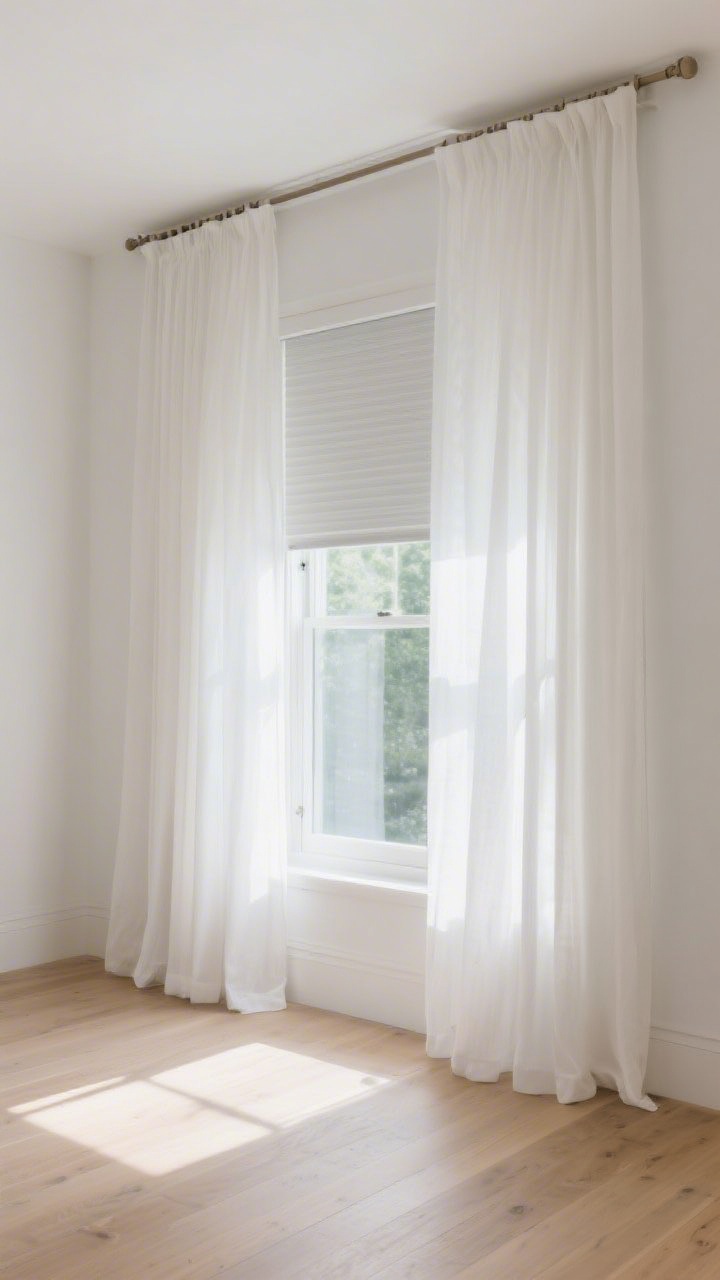
Blackout velvet drapes look luxe, but they also hoard your precious daylight. Less light = more cave. Even if your windows are small, the trick is not to frame them like a theater stage.
Fix It
- Hang curtains high and wide: mount the rod close to the ceiling and extend it past the window frame so panels don’t cover glass.
- Use sheers or light-filtering linen in off-white or soft neutrals to glow, not block.
- Try solar shades for privacy without killing brightness.
3. All Your Furniture Pushed Against Walls
© 2026 AI Illustrator — Inspiration Only
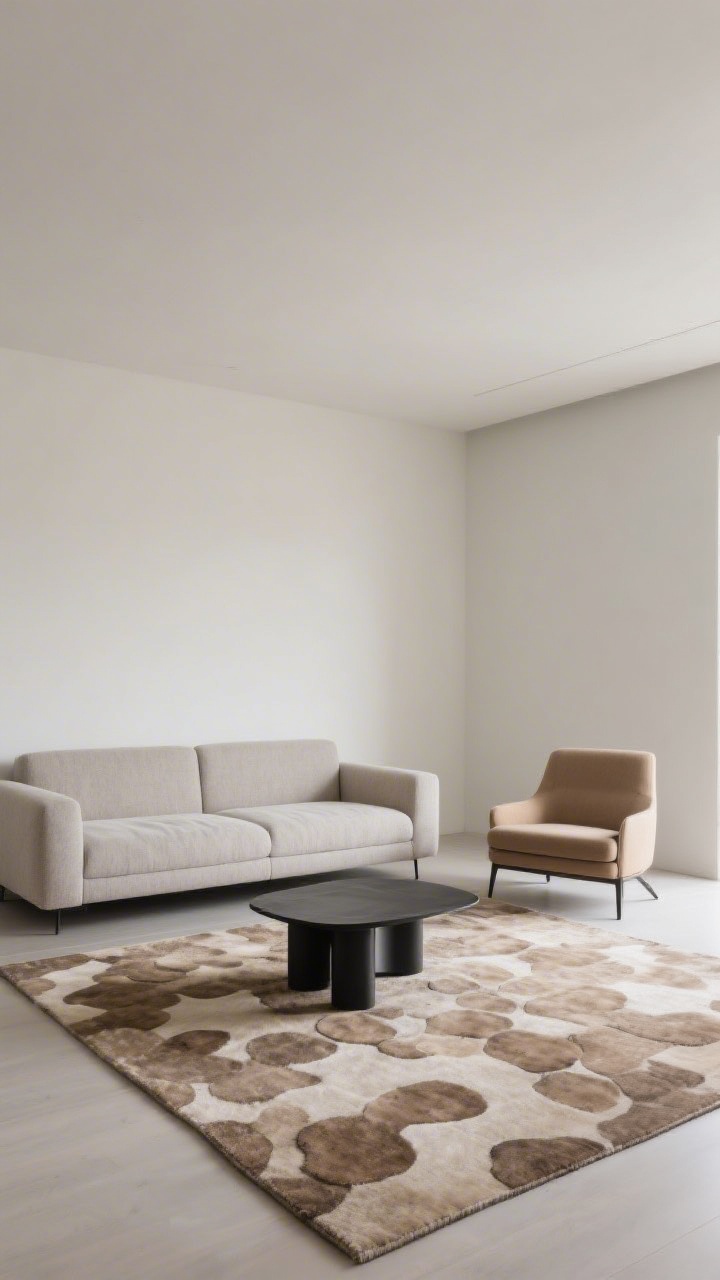
It feels logical—push everything out to “open up” the middle. But it actually flattens the room and makes awkward, empty dead zones.
Fix It
- Float a sofa or chair off the wall by a few inches to create depth.
- Use a rug to define a cozy zone in the center and pull the eye inward.
- Angle a chair in a corner to soften hard lines and fill weird gaps.
4. Tiny Rugs That Make Everything Look Skimpy
© 2026 AI Illustrator — Inspiration Only
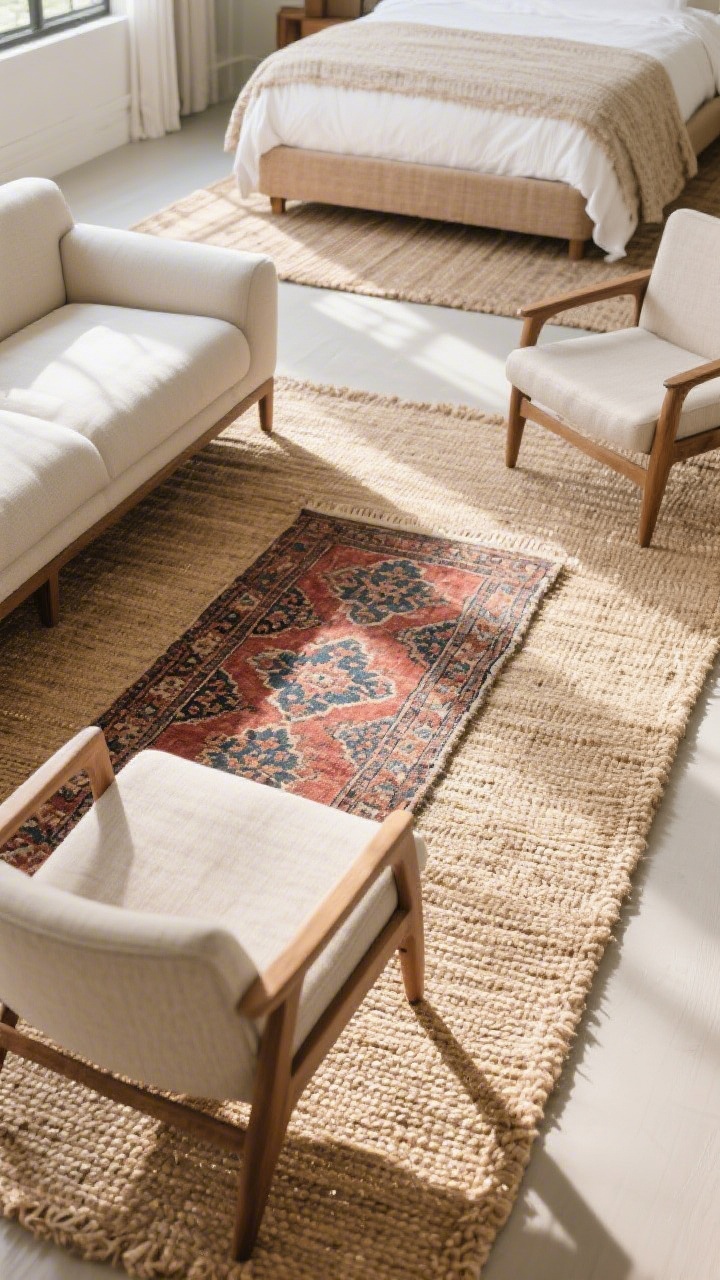
The sad 3×5 “island” rug under your coffee table? It’s shrinking your room by creating dozens of little chopped-up areas. Bigger is almost always better with rugs.
Fix It
- Living room rule: front legs of sofa and chairs should sit on the rug.
- Bedroom rule: rug should extend at least 18–24 inches on the sides/foot of the bed.
- Budget tip: layer an affordable jute or sisal under a smaller vintage or patterned rug.
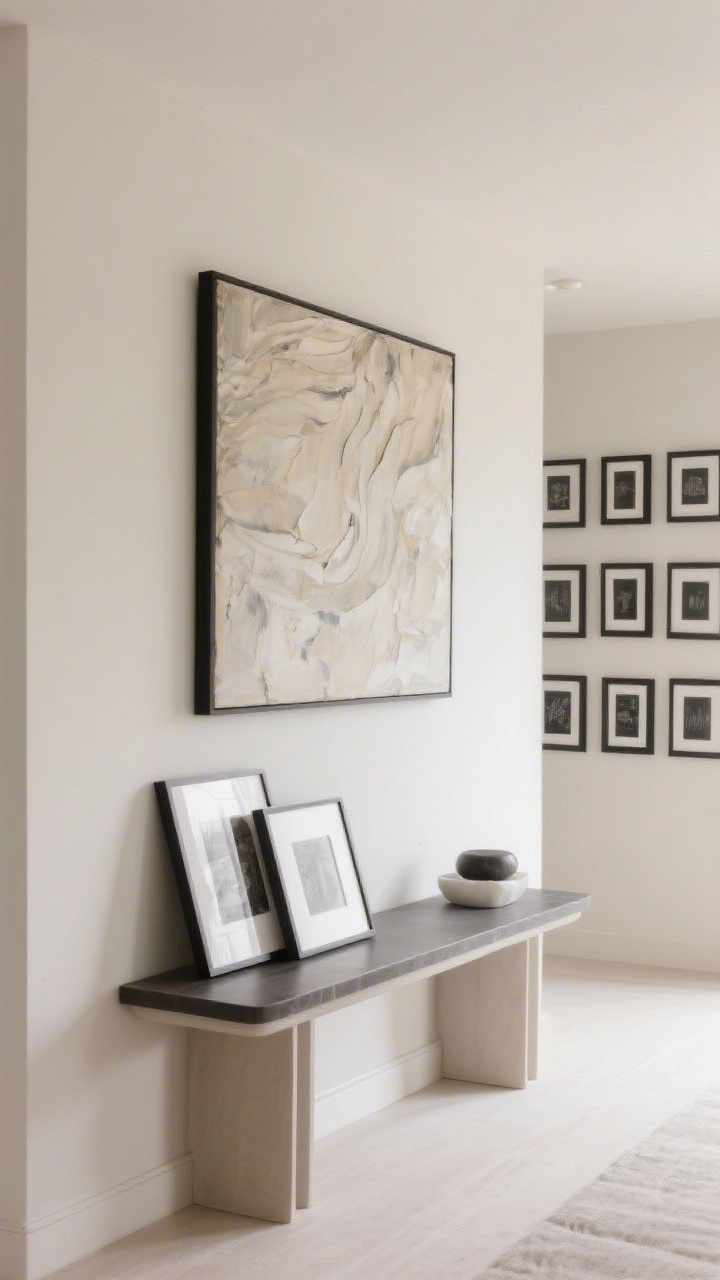
5. Too Many Small Art Pieces (Gallery Wall Overload)
© 2026 AI Illustrator — Inspiration Only
A million little frames = visual clutter. Your eye keeps stopping, never resting. That constant start-stop makes rooms feel busier and smaller.
Fix It
- Go big with one oversized piece to expand the wall visually.
- Curate a tighter grid if you love galleries—use matching frames and consistent spacing.
- Lean art on a console or shelf for layered height without swiss-cheesing your walls.
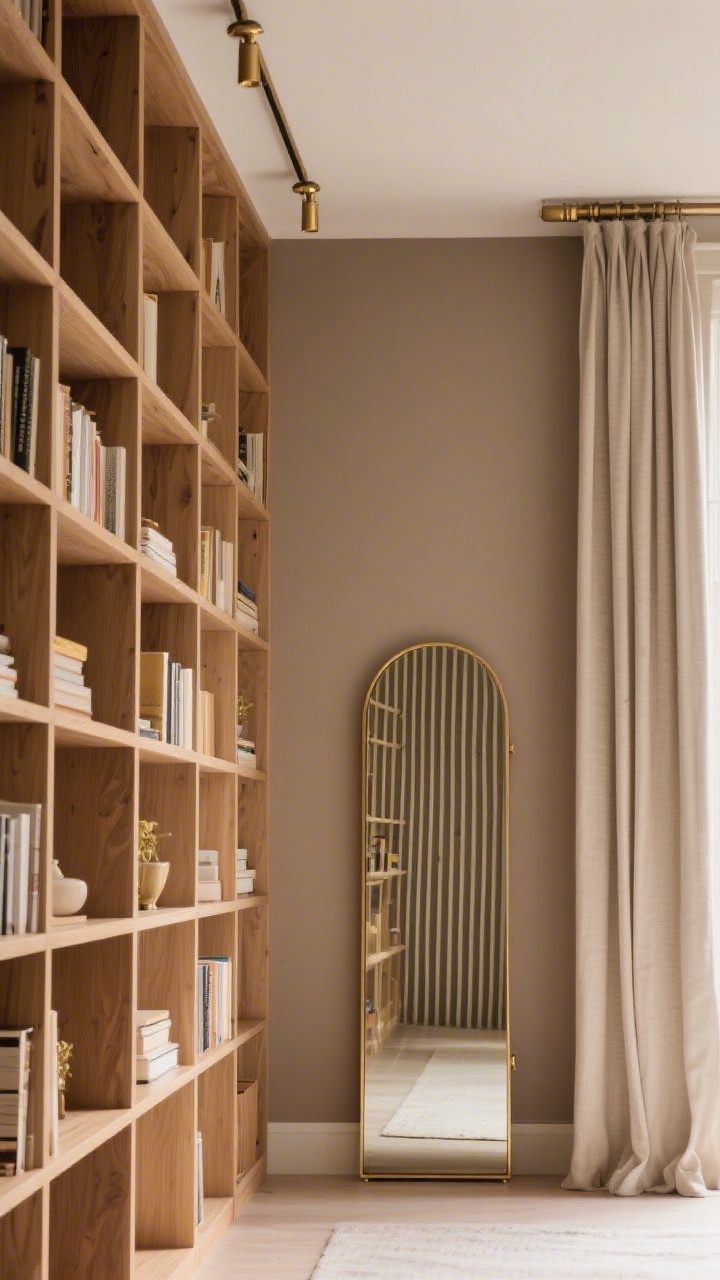
6. Ignoring Vertical Space (Ceilings Feel Lower)
© 2026 AI Illustrator — Inspiration Only
When everything sits at the same eye level, the ceiling drops visually. Your room needs upward movement—think lines, stacks, and height.
Fix It
- Hang curtain rods near the ceiling to stretch the walls up.
- Add tall bookcases or shelving that stops 2–3 inches below the ceiling.
- Use vertical stripes on wallpaper, art, or a tall mirror to pull the eye up.
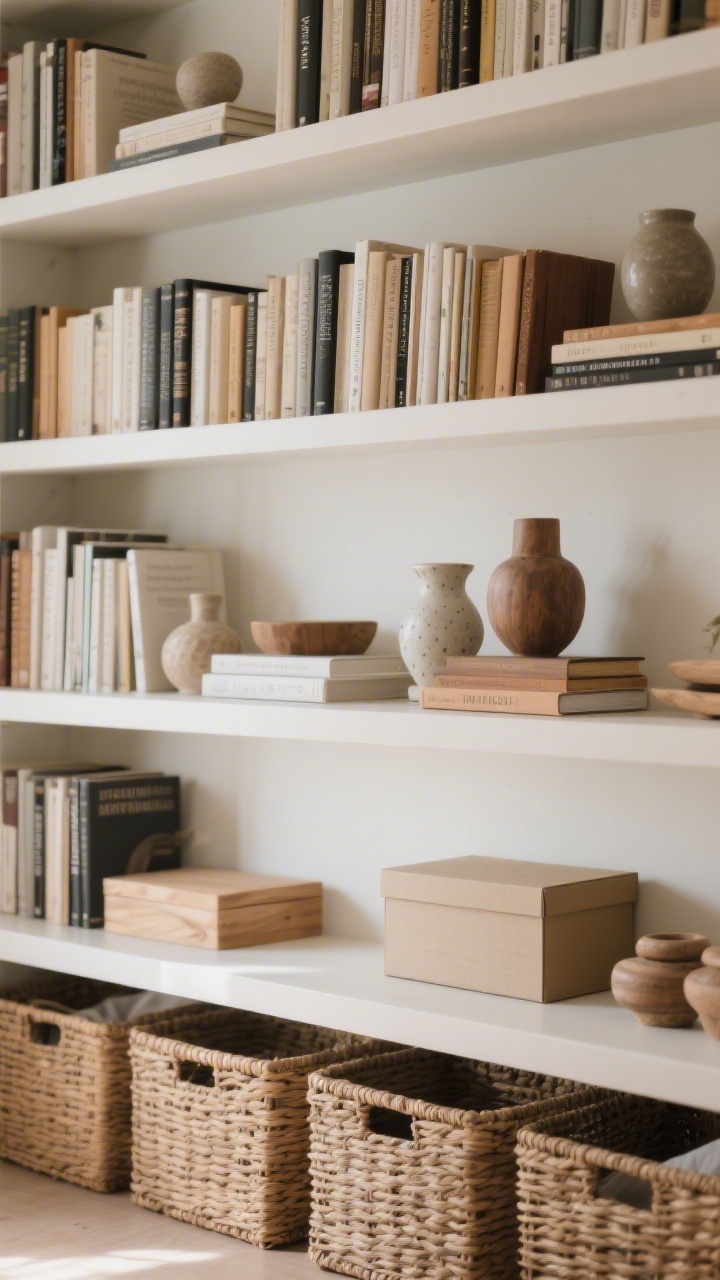
7. Overstuffed Open Shelves (Hello, Visual Noise)
© 2026 AI Illustrator — Inspiration Only
Open shelving can be gorgeous—or a clutter shrine. When every inch is filled, the whole wall reads as chaos, and chaos feels small.
Fix It
- Follow a 60/30/10 balance: 60% books, 30% decor, 10% negative space.
- Group by color or spine tone to calm the look.
- Use baskets or closed boxes on the bottom shelf to hide the not-cute stuff.
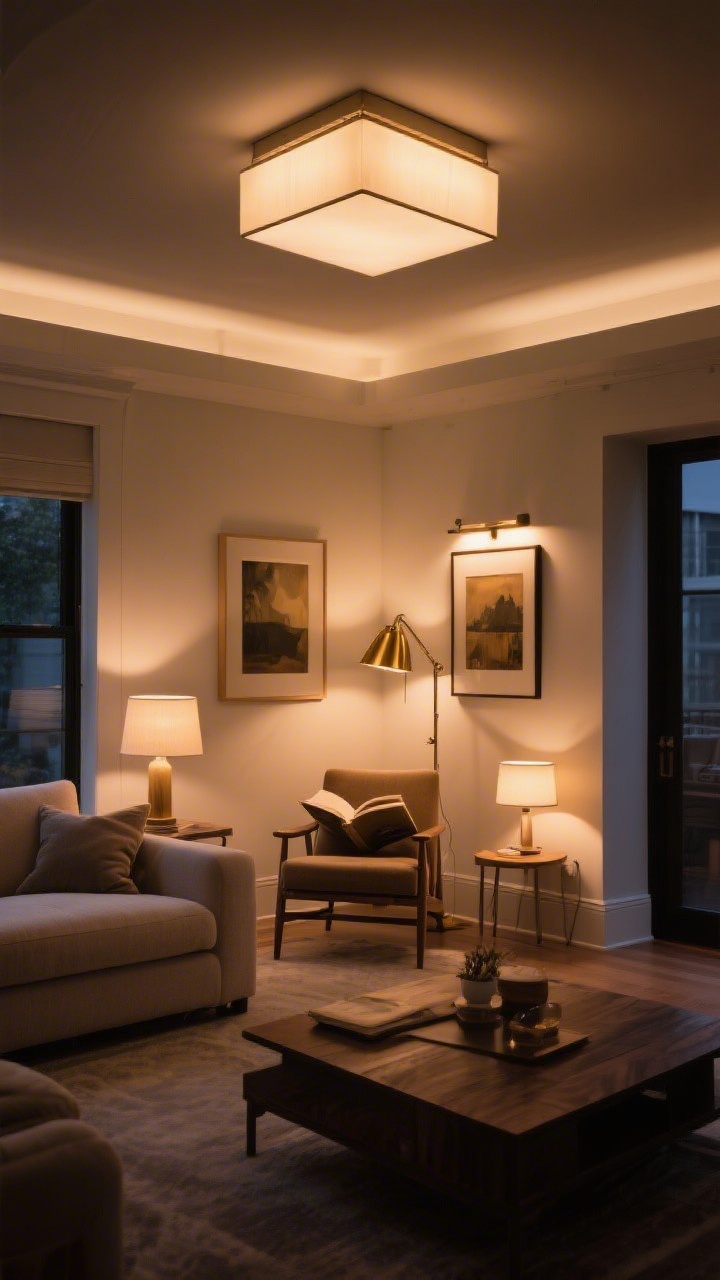
8. Single Harsh Overhead Light
© 2026 AI Illustrator — Inspiration Only
That one blinding ceiling bulb? It flattens everything and creates dark corners. Flat light = flat space.
Fix It
- Layer lighting: overhead (dimmed), task lamps, and ambient lights like sconces or picture lights.
- Use warm bulbs (2700–3000K) for a cozy, expansive glow.
- Put lamps in corners to push light onto walls and make them “recede.”
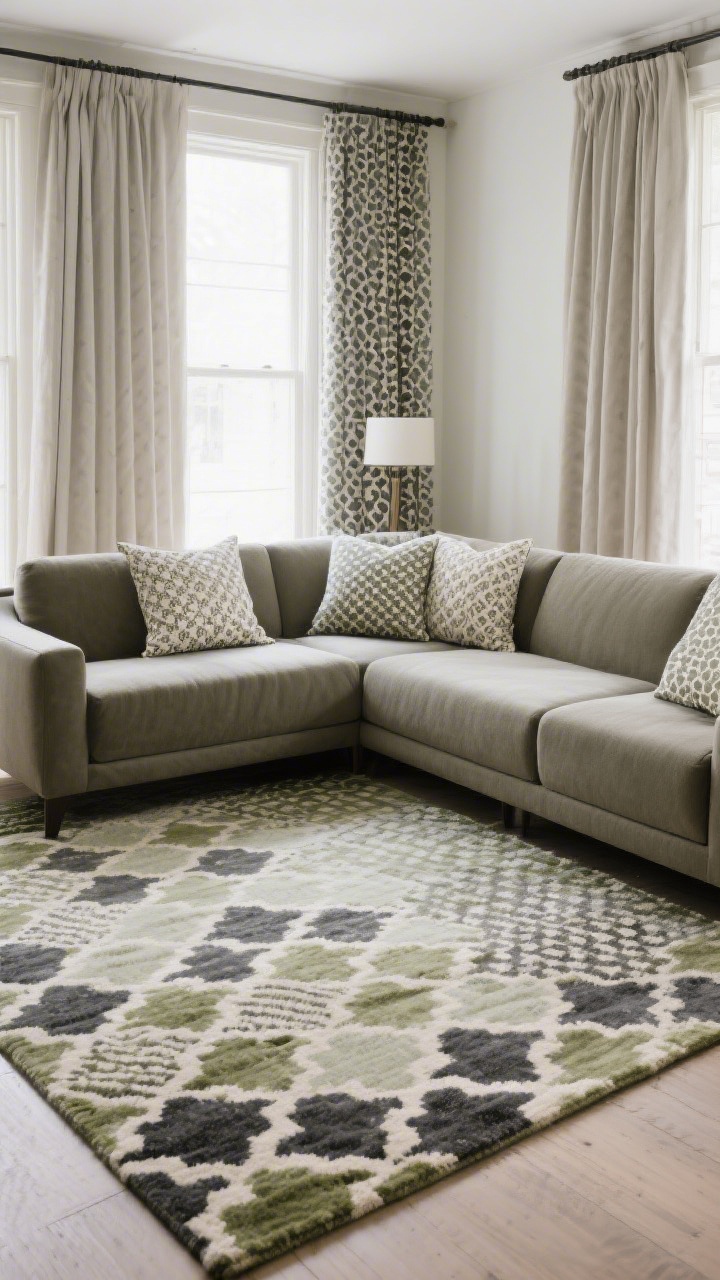
9. Too Many Patterns Fighting For Attention
© 2026 AI Illustrator — Inspiration Only
Pattern mixing is fun until your place looks like five different couches are yelling. Busy-on-busy makes rooms feel crowded and jittery.
Fix It
- Pick a hero pattern (rug or drapes), then support with solids and small-scale prints.
- Limit to 3 patterns: one large, one medium, one small in a shared color palette.
- Keep big pieces neutral and rotate patterns via pillows and throws.
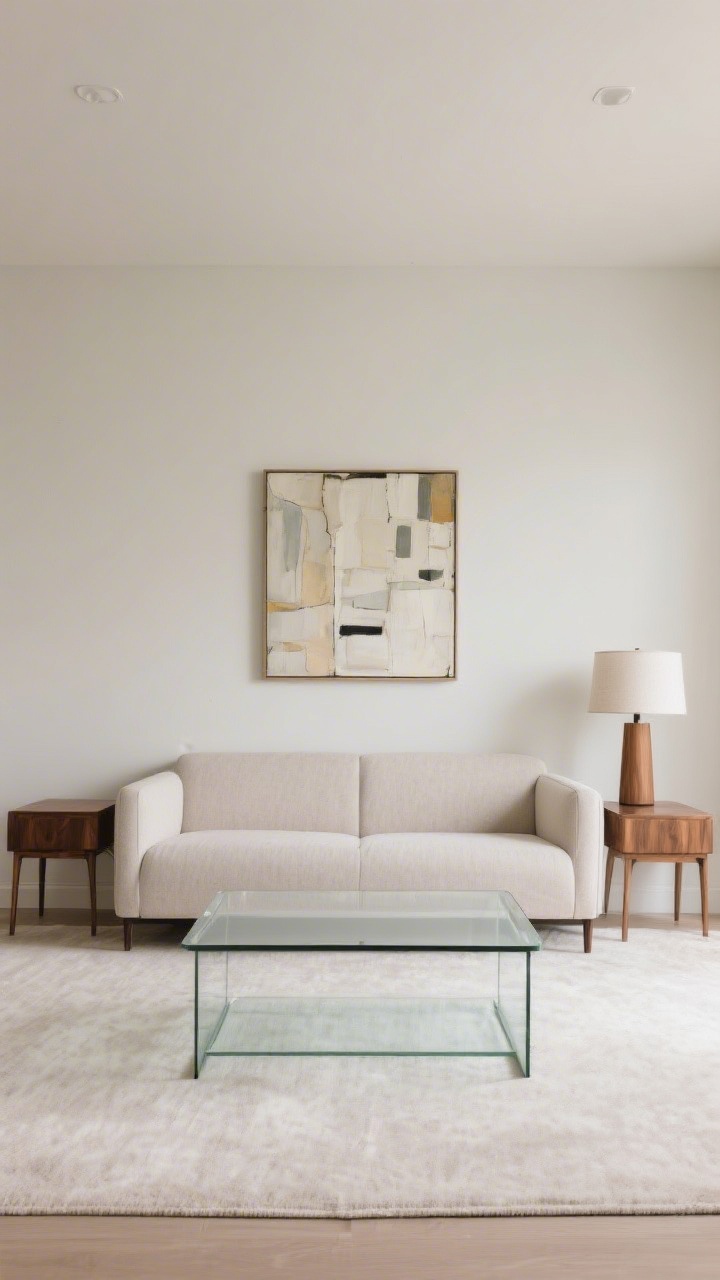
10. Ignoring Scale And Proportion
© 2026 AI Illustrator — Inspiration Only
A giant lamp on a tiny side table? A petite art piece over a big sofa? These mismatches make the room feel off—and smaller.
Fix It
- Match furniture scale: pair substantial sofas with chunky coffee tables; slim sofas with airy tables.
- Size art to furniture: aim for artwork that’s 50–75% the width of the piece below it.
- Mind height: lamp shades should sit around eye level when you’re seated.
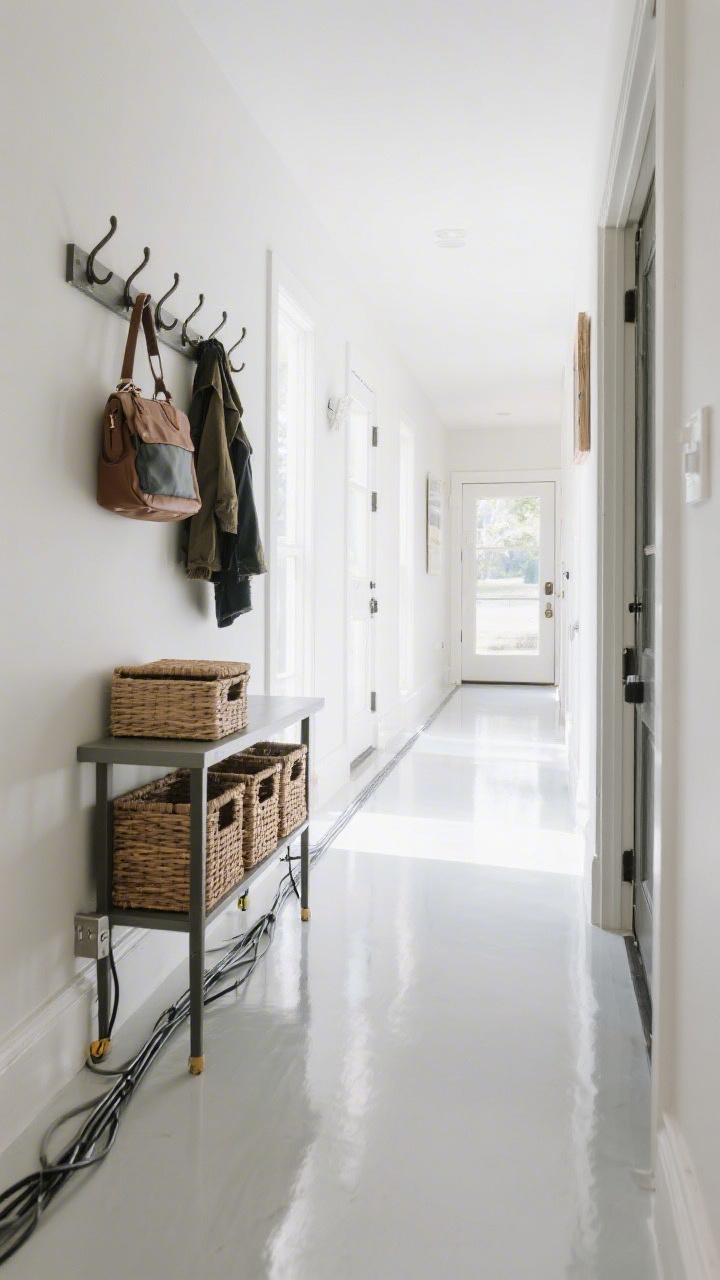
11. Cluttered Floors And Visible Cords
© 2026 AI Illustrator — Inspiration Only
Visual clutter on the floor—extra stools, laundry baskets, cables—shrinks your walkways and mental space. Even if your surfaces are clear, the floor tells the truth.
Fix It
- Go vertical: add hooks, wall-mounted racks, or a slim entry shelf to keep stuff off the ground.
- Hide cords with cable raceways, floor cord covers, or adhesive clips along furniture legs.
- Use furniture with storage: ottomans, benches, and coffee tables that stash remotes and throws.
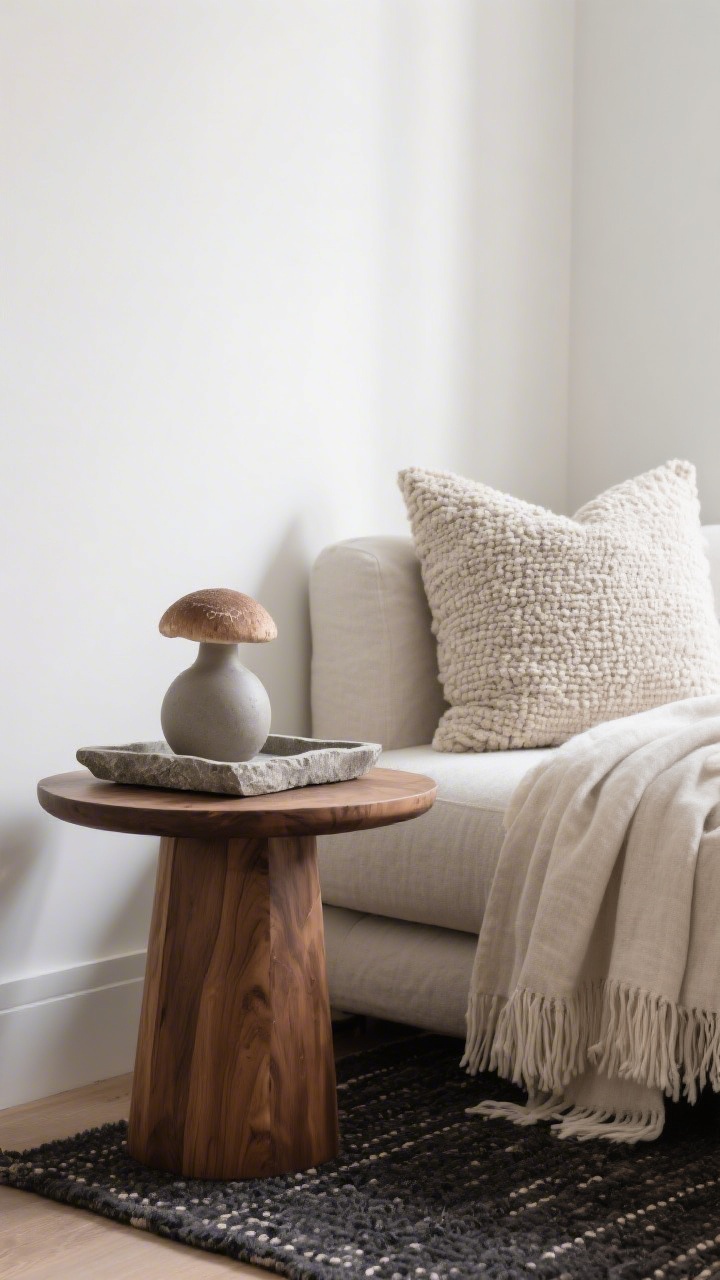
12. All White Everything (But No Contrast)
© 2026 AI Illustrator — Inspiration Only
Hot take: pure white can make small rooms feel flat if there’s zero contrast. Without depth or texture, white becomes sterile and… tiny-feeling.
Fix It
- Layer textures: boucle, linen, wood, stone—let your neutrals do the heavy lifting.
- Add soft contrast: greige, oat, mushroom, warm taupe, or a muted sage.
- Ground the space with a darker rug or wood tone to anchor the eye.
13. Blocking Natural Pathways
© 2026 AI Illustrator — Inspiration Only
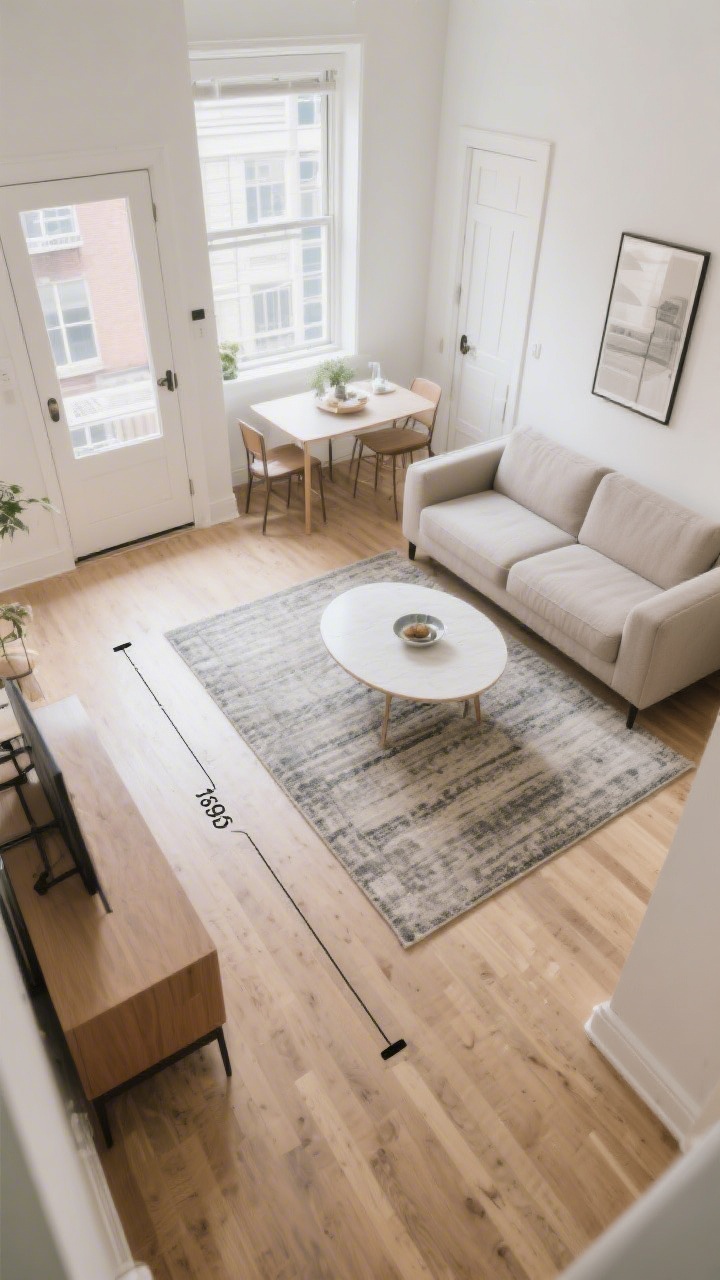
If you have to sidestep furniture to get to the sofa, your layout’s working against you. Awkward traffic flows make rooms feel cramped, even when they aren’t.
Fix It
- Create clear walkways at least 24–36 inches wide.
- Use rounded edges on tables to ease movement in tight spots.
- Rotate the layout so doors and windows aren’t blocked by bulky pieces.
14. Mirrors Used Wrong (Or Not At All)
© 2026 AI Illustrator — Inspiration Only
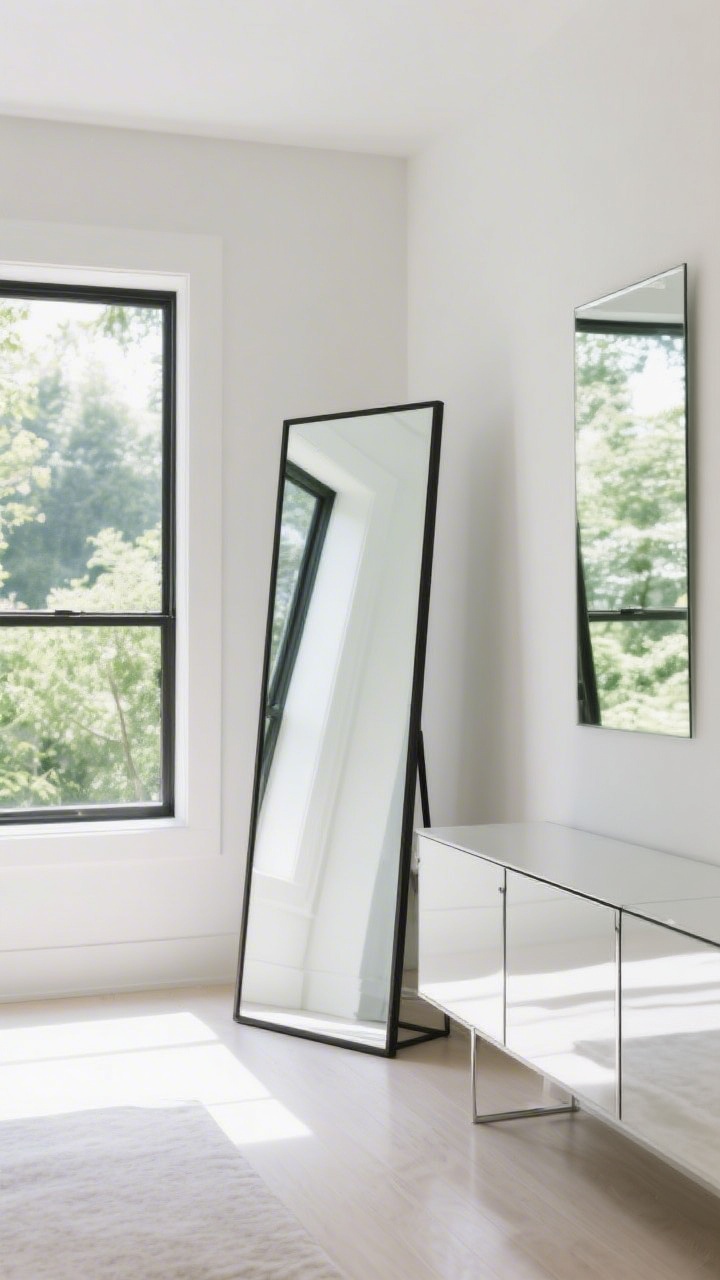
Mirrors are expansion magic, but placement matters. A mirror reflecting a blank wall? Snooze. A mirror reflecting a window? Chef’s kiss—more light, more view.
Fix It
- Place mirrors opposite or adjacent to windows to bounce light deeper into the room.
- Go tall with a floor mirror to add height and make ceilings feel taller.
- Use mirrored fronts sparingly on closets or cabinets to double visual space.
15. Ignoring Multipurpose Zones
© 2026 AI Illustrator — Inspiration Only
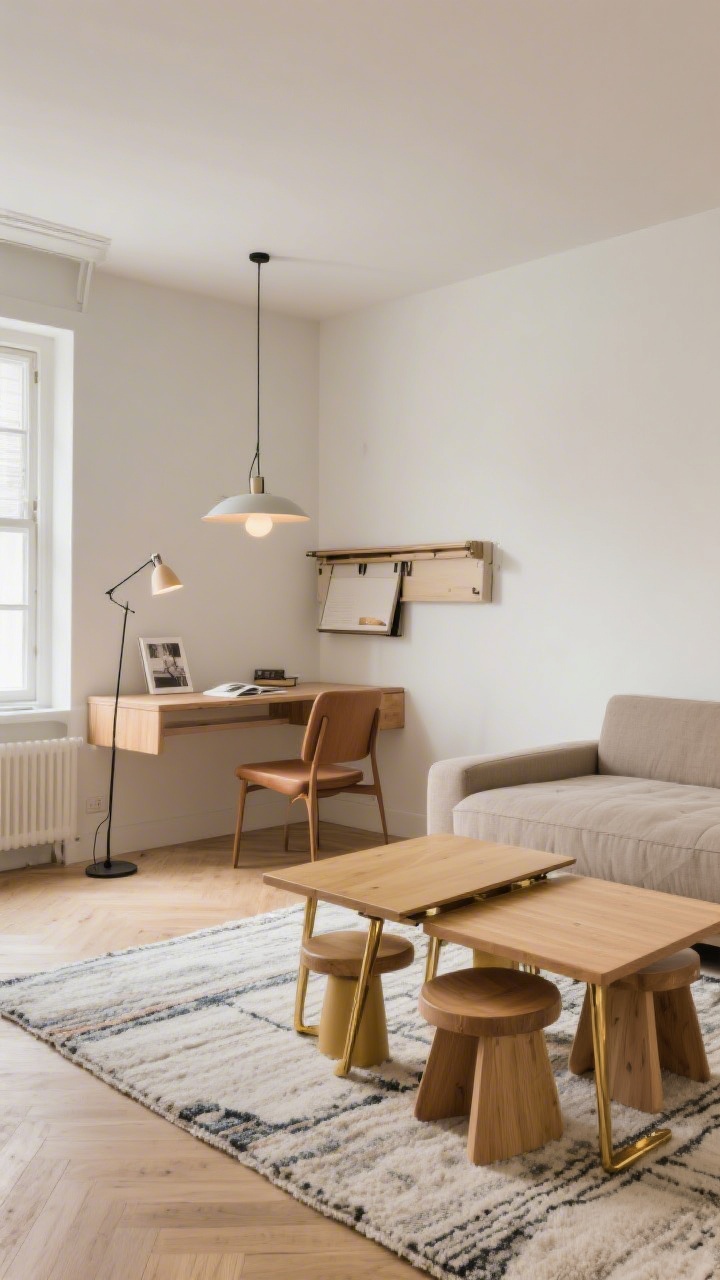
Small apartments work hard. If every zone does just one job, you lose flexibility—and flexibility is what makes spaces feel bigger, IMO.
Fix It
- Define zones with rugs and lighting: a pendant over the dining area, a floor lamp by the reading chair.
- Choose convertible pieces: drop-leaf tables, sleeper sofas, fold-out desks, nesting stools.
- Keep finishes consistent across zones (same wood tone or metal) to create visual flow.
Bonus Micro-Tips You Can Do Today
- Raise your art: center at 57–60 inches from the floor—higher can stretch walls if ceilings are low.
- Decant the chaos: uniform containers for kitchen/bath make shelves read cleaner.
- Edit decor by 20%: remove one item from each surface. Your space will breathe instantly, FYI.
Quick Room-by-Room Cheat Sheet
- Living Room: Bigger rug, layered lighting, one oversized art piece, glass/acrylic accents.
- Bedroom: Light curtains hung high, leggy nightstands, sconce lighting to free surfaces.
- Kitchen: Under-cabinet lighting, open shelf editing, countertop declutter (only daily-use tools out).
- Entry: Wall hooks, narrow console with baskets, mirror to bounce light back into the space.
You don’t need a sledgehammer or a landlord-approval miracle to make your apartment feel bigger. A few smarter choices—right-size furniture, layered lighting, bigger rugs, and cleaner sightlines—can totally transform the vibe. Start with one fix, enjoy the extra breathing room, then keep going. Your future self (and your square footage) will thank you.