
Living in a compact space often feels like a constant balancing act between what you need and what you love. The walls may be close, the floor plan tight, but a well‑considered approach can turn those constraints into a sense of intentional design. Below are seven ideas that go beyond surface‑level decorating, each explained with the reasoning behind it and practical ways to apply it in a real apartment. By the end of the article you’ll have a toolbox of strategies that make a modest floor plan feel curated, comfortable, and unmistakably yours.
1. Choose a Cohesive Palette That Extends Beyond the Walls
© 2026 AI Illustrator — Inspiration Only
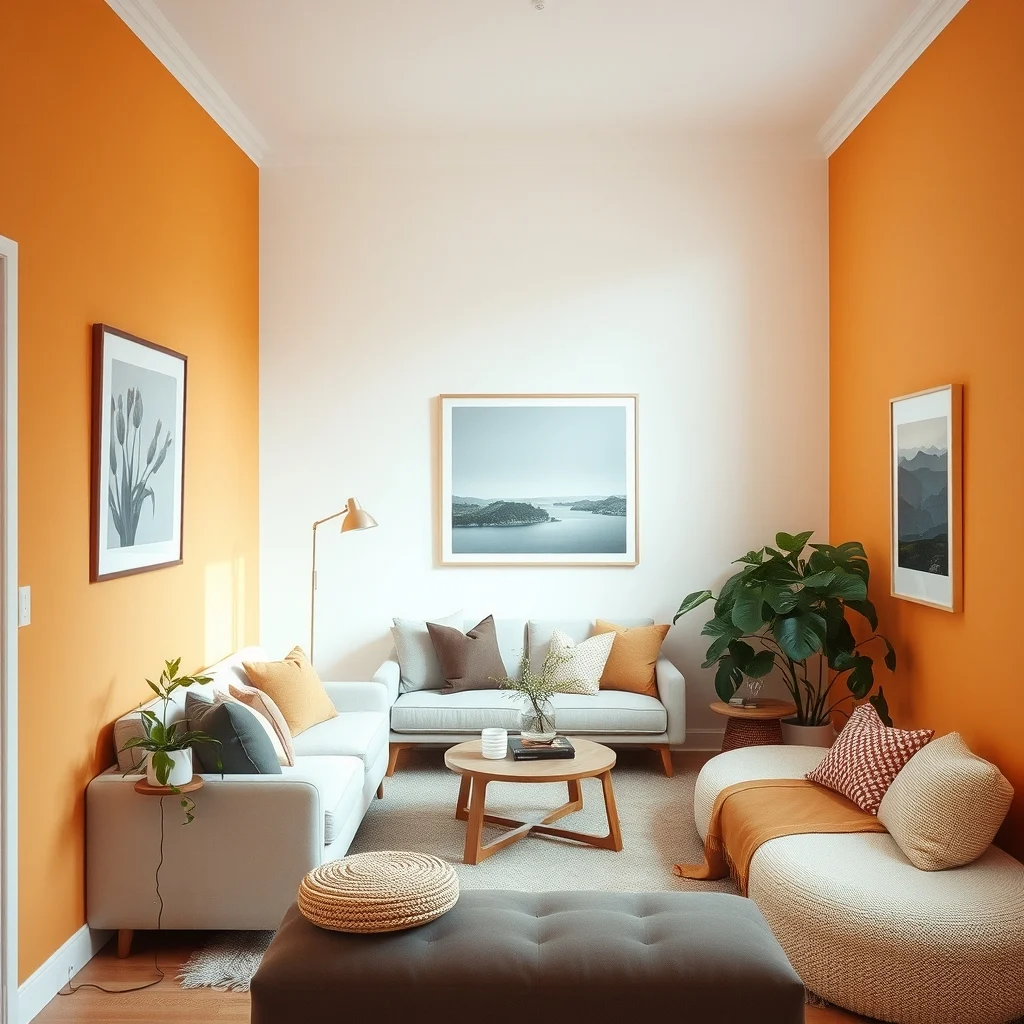
A unifying colour scheme does more than look neat; it creates a visual flow that tricks the eye into seeing a larger, more harmonious space. When you select a base hue—perhaps a warm greige or a soft sage—apply it to larger surfaces such as walls, major pieces of furniture, and even textiles. The repetition of that shade across different materials—linen curtains, a woven sofa, a brushed‑nickel lamp—links disparate elements without overwhelming the eye. Because the colour appears in multiple layers, the room feels intentionally arranged rather than pieced together.
What’s Your Apartment Decor Style?
Answer these quick questions to discover your perfect decor vibe.
The advantage of a restrained palette is that it reduces visual clutter, which is especially important when square footage is limited. However, a single colour can feel flat if there is no contrast. Introducing a complementary accent—like deep terracotta pillows or a muted navy side table—provides depth while preserving the overall cohesion. The key is to keep the accent limited to a few pieces, ensuring the base colour remains dominant and the space retains its sense of spaciousness.
We're Now Open!
Thoughtful digital guides and planners to help you decorate, organize, and create a home you love.
Use code: WELCOME15
EXPLORE LIVANA STUDIO →Beautiful spaces. Smarter living.
2. Embrace Multi‑Functional Furniture That Serves More Than One Purpose
© 2026 AI Illustrator — Inspiration Only
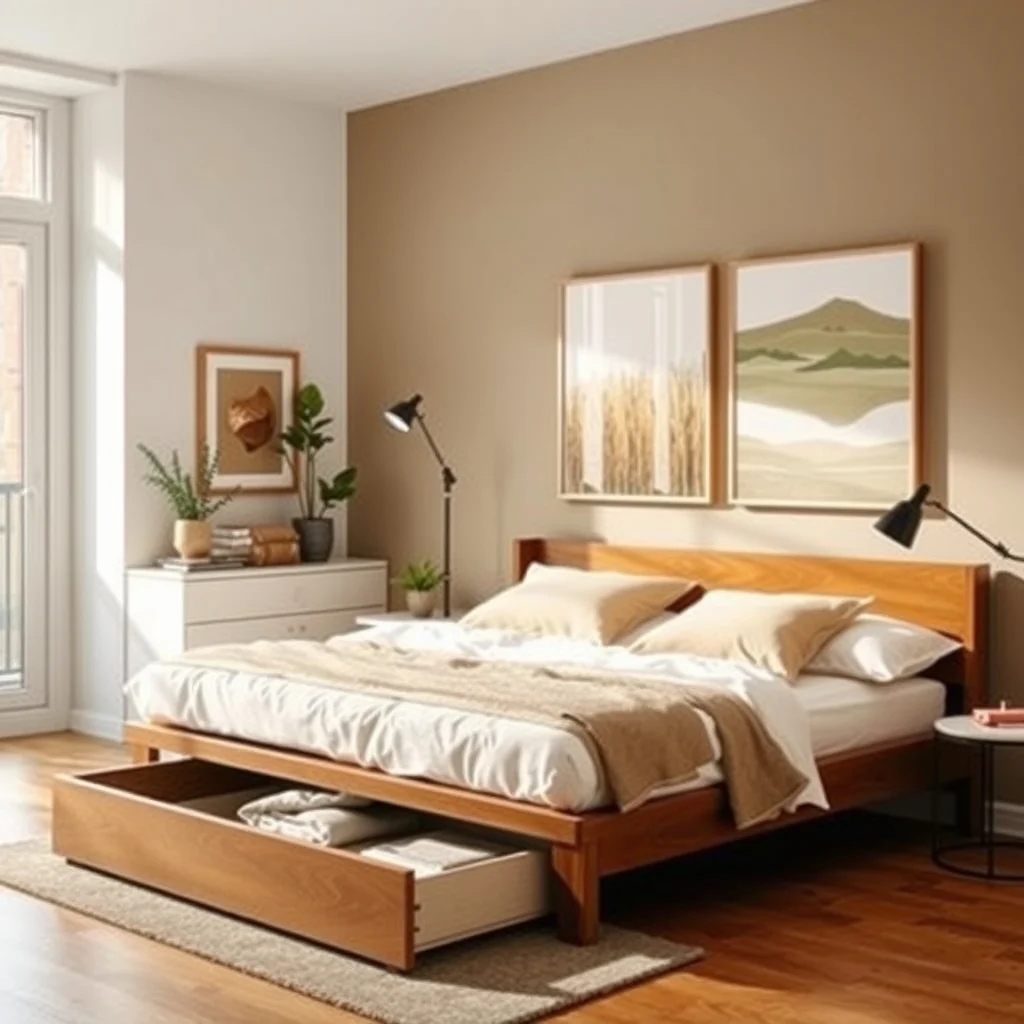
In a small apartment every square foot counts, so furniture that can double as storage or a work surface becomes a design asset. A sleek platform bed with built‑in drawers, for instance, eliminates the need for a separate chest of drawers while providing a place to tuck away linens. A narrow console that folds out into a desk offers a dedicated spot for laptops without permanently occupying floor space. Selecting pieces with clean lines and neutral finishes helps them blend into the overall aesthetic rather than standing out as temporary solutions.
The trade‑off is that multi‑functional items can sometimes sacrifice the comfort or specialization of single‑purpose furniture. A sofa that converts into a sleeper may not be as plush as a dedicated lounge chair, and a storage ottoman might be less sturdy than a traditional bench. Testing the mechanism before purchase, or reading reviews that discuss durability, can prevent disappointment. When the primary use aligns with your daily routine, the compromise usually feels worthwhile.
3. Create Visual Height With Strategic Placement of Light and Mirrors
© 2026 AI Illustrator — Inspiration Only
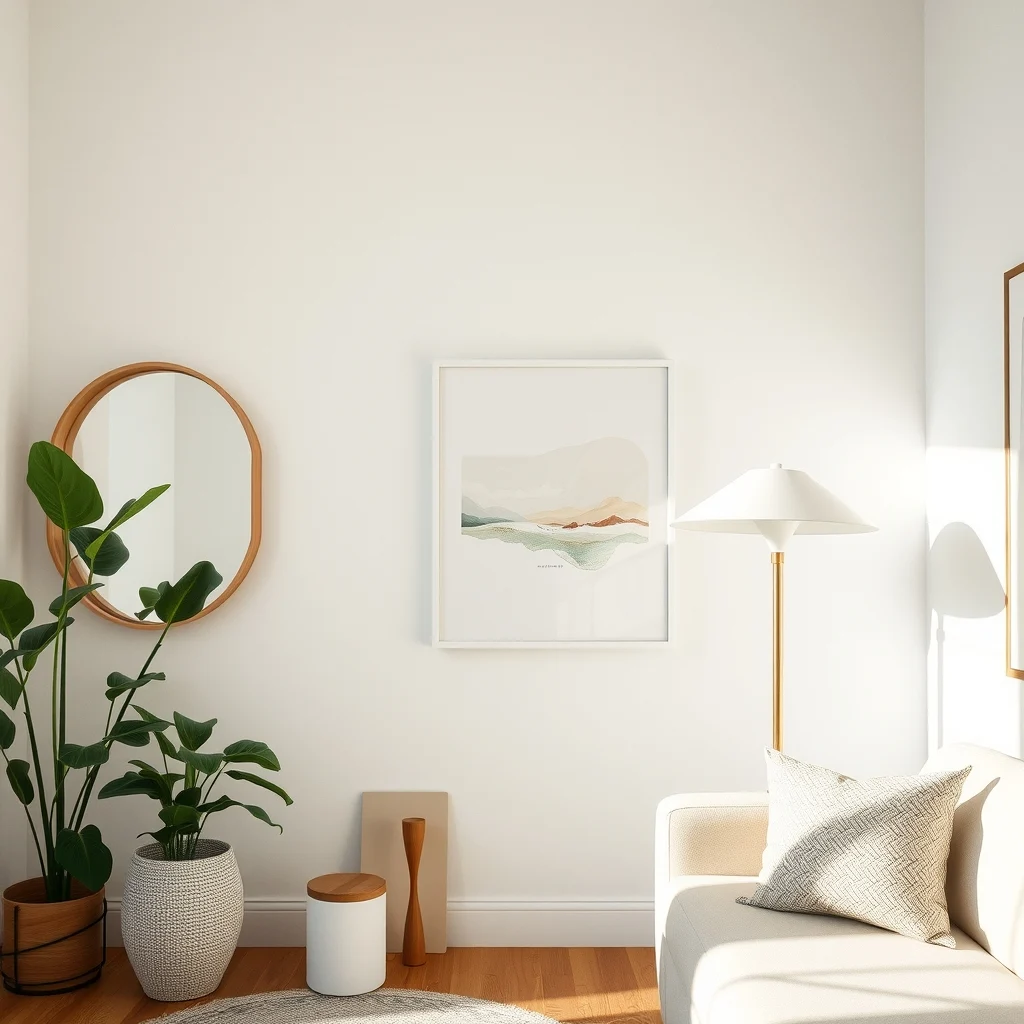
Vertical perception can be enhanced by directing light upward and reflecting it with mirrors placed at the right height. A tall floor lamp with a slender shade draws the gaze along its length, subtly elongating the room. Positioning a mirror opposite a window captures natural light and sends it deeper into the space, making corners feel brighter and more open. Even a narrow, full‑length mirror on a hallway wall can serve as both a functional dressing aid and a visual extension of the floor.
While mirrors amplify light, they can also highlight clutter if the reflected area isn’t tidy. Keeping the mirrored wall clear of unnecessary objects ensures the illusion stays pleasant. Additionally, overly bright lighting can feel harsh; pairing the tall lamp with a softer table lamp creates a layered effect that feels warm without sacrificing the height‑enhancing benefit.
4. Define Zones With Rugs and Soft Dividers Without Cutting Off Flow
© 2026 AI Illustrator — Inspiration Only
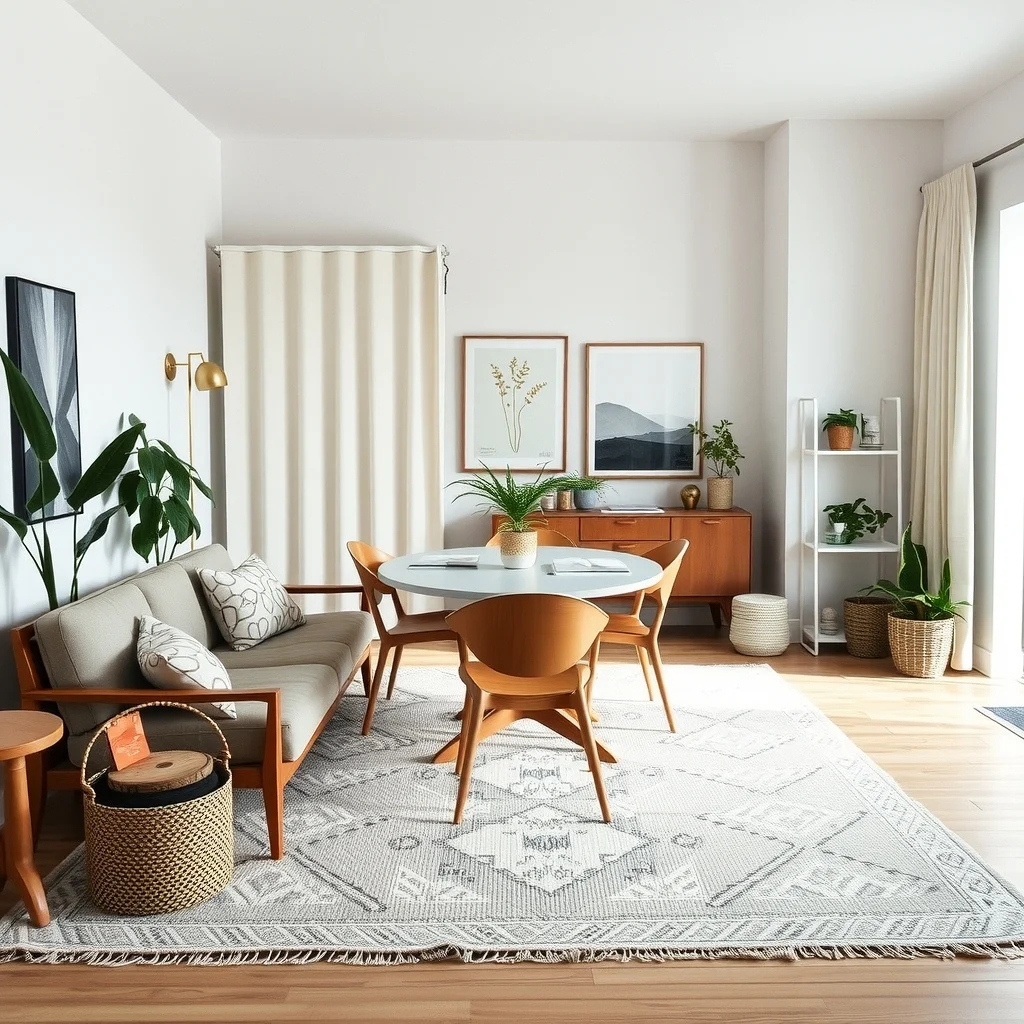
Open‑plan living often suffers from a lack of defined purpose, but a well‑chosen rug can delineate a seating area, a dining nook, or a workspace without erecting physical barriers. A low‑pile rug in a muted earth tone placed under a sofa and coffee table signals a lounge zone, while a smaller, patterned runner under a compact dining set marks a place for meals. Because rugs are portable, you can rearrange them as your needs evolve, preserving flexibility.
Soft dividers such as a tall, open‑back bookshelf or a string of hanging planters provide a visual cue that separates spaces while allowing light to pass through. The drawback is that too many partitions can make the apartment feel cramped. Selecting dividers that are only a foot or two wide, and keeping them open rather than solid, maintains the flow while still offering a sense of organization.
5. Store Thoughtfully, Turning Necessities Into Decorative Elements
© 2026 AI Illustrator — Inspiration Only
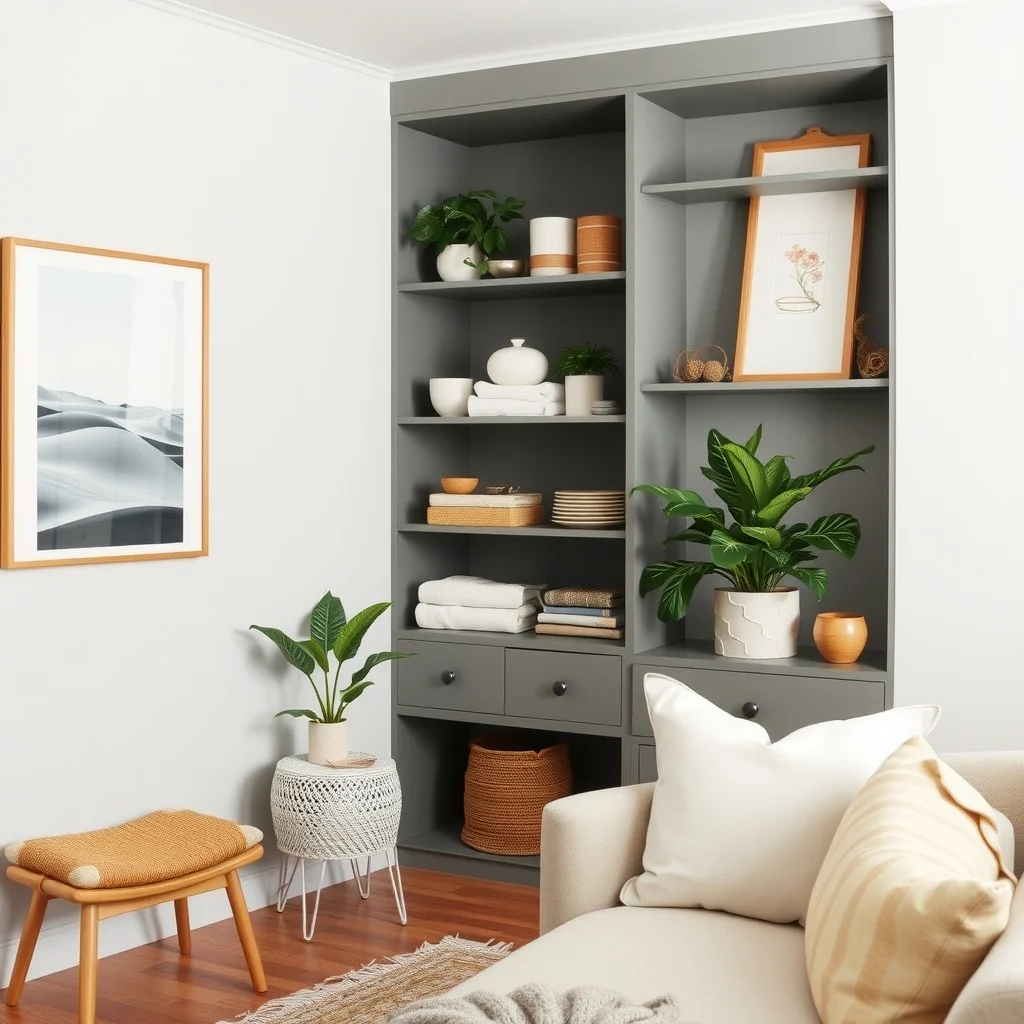
Storage that doubles as décor reduces the visual noise of boxes and bins. Open shelving painted in the same hue as the wall can display neatly folded towels, ceramic jars, or a curated selection of books, turning functional storage into an aesthetic feature. Baskets woven from natural fibers serve as attractive containers for blankets, toys, or pantry items, adding texture while keeping clutter hidden. When storage pieces match the room’s material palette—such as oak shelves paired with a walnut coffee table—their presence feels intentional rather than improvised.
One limitation of open storage is that it requires disciplined organization; items left out become eye‑catching messes. Regularly curating what remains on display helps maintain a polished look. For items you prefer to keep out of sight, consider slim sliding panels or under‑sofa drawers that blend into the surrounding décor.
6. Layer Lighting to Match Activities and Time of Day
© 2026 AI Illustrator — Inspiration Only
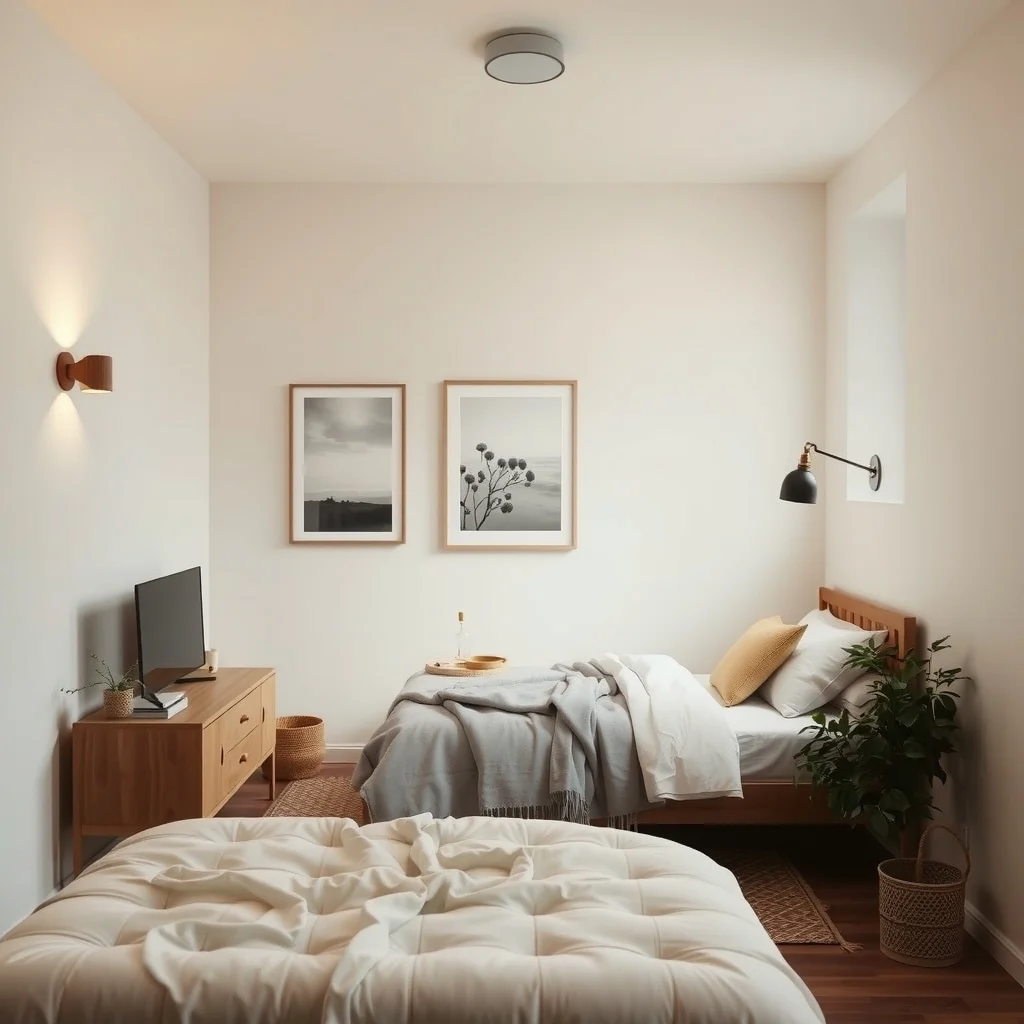
Relying solely on overhead illumination can make a small space feel flat. Introducing multiple light sources—ambient, task, and accent—adds depth and adaptability. A recessed ceiling light provides general illumination, while a bedside wall sconce offers focused reading light without occupying nightstand space. An LED strip tucked behind a floating shelf creates a gentle glow that highlights decorative objects in the evening.
Layered lighting also allows you to adjust the mood as the day progresses. Brighter, cooler tones in the morning support alertness, whereas warmer, dimmer settings after sunset foster relaxation. The main challenge lies in wiring and fixture placement; hiring a qualified electrician for any hard‑wired additions ensures safety and compliance with local codes.
7. Add Personal Texture and Art That Invite the Eye to Rest
© 2026 AI Illustrator — Inspiration Only
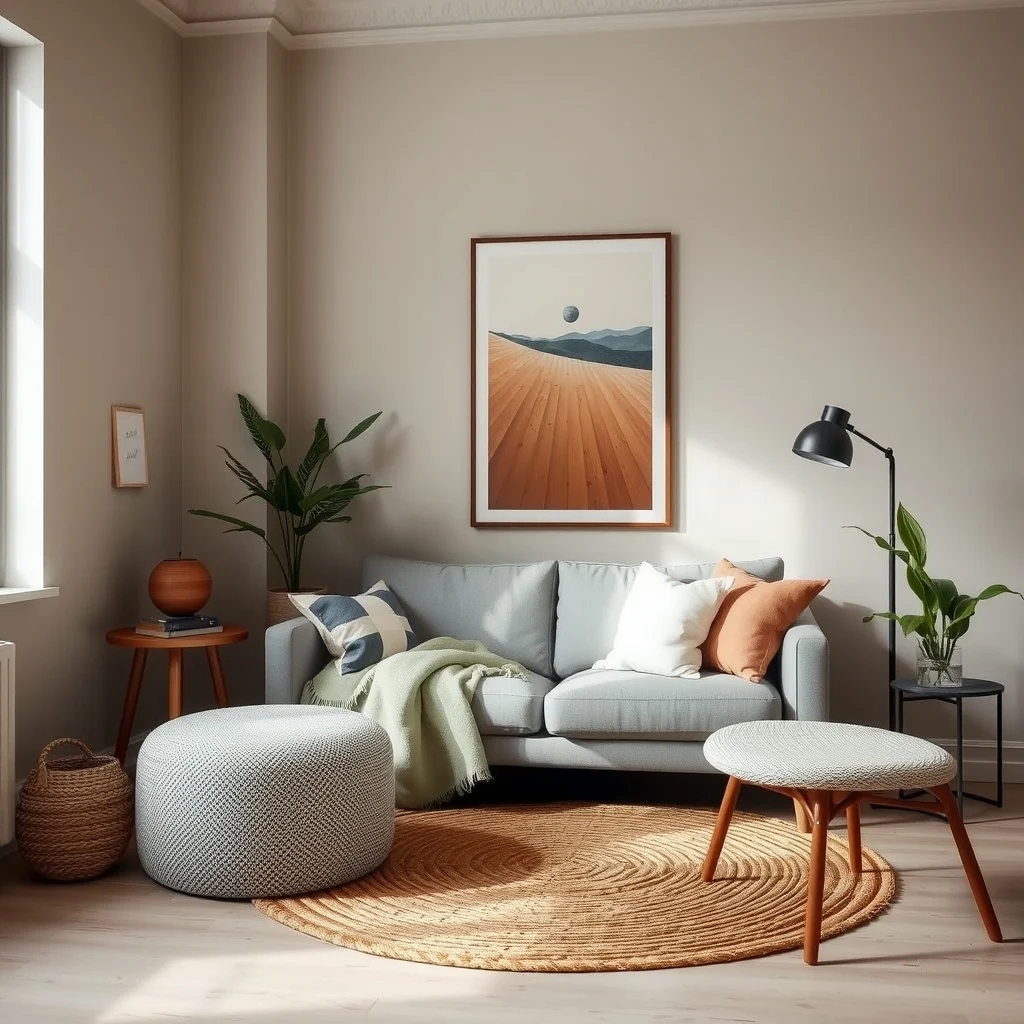
Textures give a room character that colour alone cannot achieve. A linen throw draped over a sofa adds softness, while a woven jute rug introduces an earthy grounding element. When you pair these tactile pieces with a few carefully chosen artworks—perhaps a series of abstract prints in muted shades—you create focal points that encourage lingering without overwhelming the space. The art should be sized proportionally; a single large canvas can dominate a wall, whereas a cluster of smaller frames can fill an empty niche without feeling crowded.
Choosing pieces that reflect personal interests—such as a botanical illustration or a landscape photograph—makes the apartment feel lived‑in rather than staged. The trade‑off is that too many decorative objects can create visual clutter. Limiting the number of items and allowing each to have breathing room preserves the sense of thoughtful design.
FAQ
© 2026 AI Illustrator — Inspiration Only
How can I make a studio feel like separate rooms?
Use furniture placement, rugs, and lighting to suggest distinct zones. A sofa can act as a subtle barrier between living and sleeping areas, while a different rug under a desk signals a work corner. Adjusting the light level in each zone further reinforces the separation without building walls.
What is the best way to hide a small kitchen’s clutter?
Integrate closed cabinets or decorative baskets that match the kitchen’s colour scheme. Store appliances inside cabinets when not in use, and keep countertops clear by using wall‑mounted racks for frequently used items like mugs or spices.
Can I use bold colours in a tiny apartment without making it feel cramped?
Yes, if the bold hue is limited to accent pieces such as pillows, a single armchair, or an artwork. The surrounding neutrals keep the overall look balanced, allowing the splash of colour to energize the space without overwhelming it.
Is a wall‑mounted TV a good idea for small living areas?
A wall‑mounted screen frees up floor space and can be positioned at eye level for comfortable viewing. Pair it with low‑profile media storage to keep cords hidden, ensuring the area remains sleek and uncluttered.
How do I choose lighting that doesn’t make a room feel too busy?
Select fixtures with simple silhouettes and muted finishes. Combine a single overhead source with one or two task lights, such as a floor lamp or a desk lamp, to create layers without adding visual clutter.
Final Thoughts
© 2026 AI Illustrator — Inspiration Only
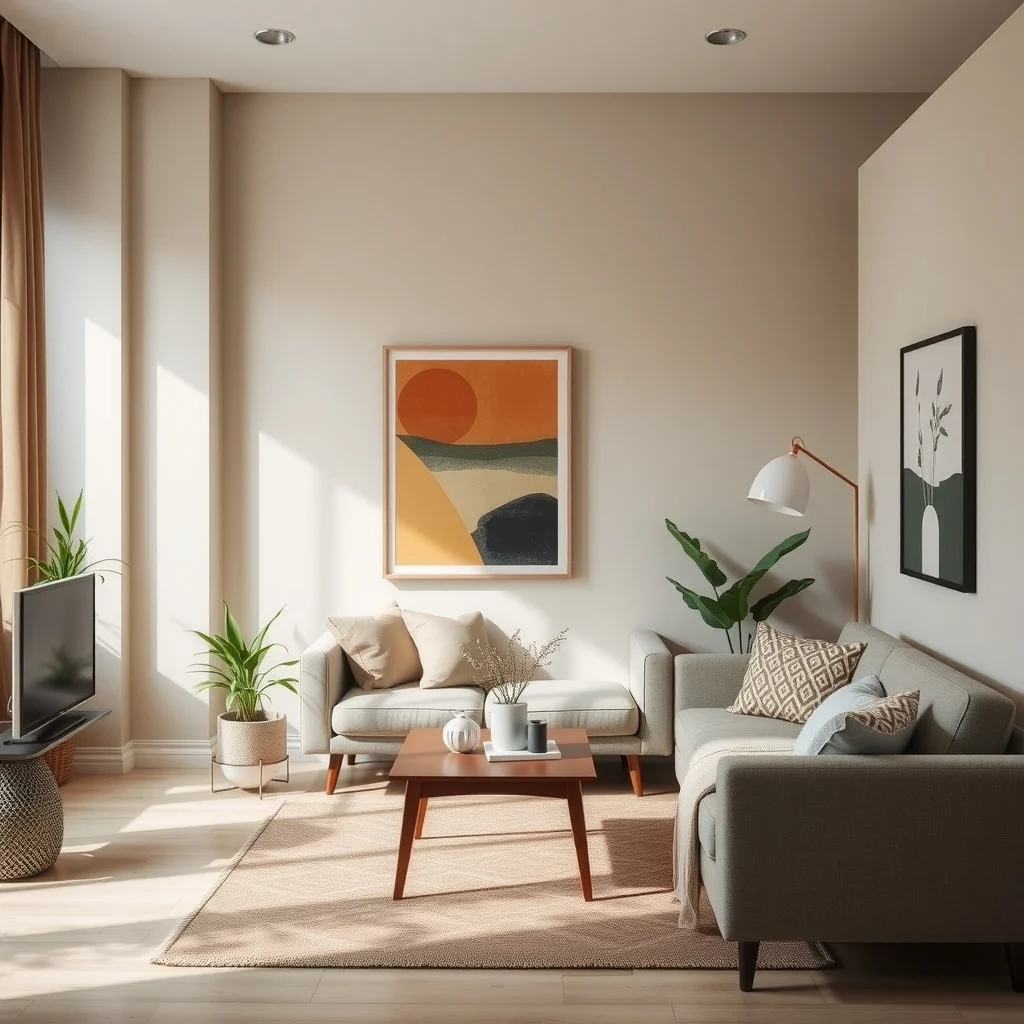
A small apartment does not have to sacrifice style or comfort. By selecting a unified colour palette, investing in furniture that works double duty, and using light, mirrors, and texture strategically, you can craft an environment that feels intentional rather than improvised. Each decision—whether it’s the placement of a rug or the choice of a storage basket—contributes to a cohesive whole. With these seven ideas as a foundation, you can shape a modest floor plan into a home that reflects your personality, meets your functional needs, and welcomes you back each day with a sense of quiet, thoughtful design.